How London Lost Its Place at the Heart of Black Britain
Less than half of England’s Black residents live in London for the first time on record. As their footholds dwindle around the city center, their communities are growing on the outskirts of the capital — or sometimes outside it altogether

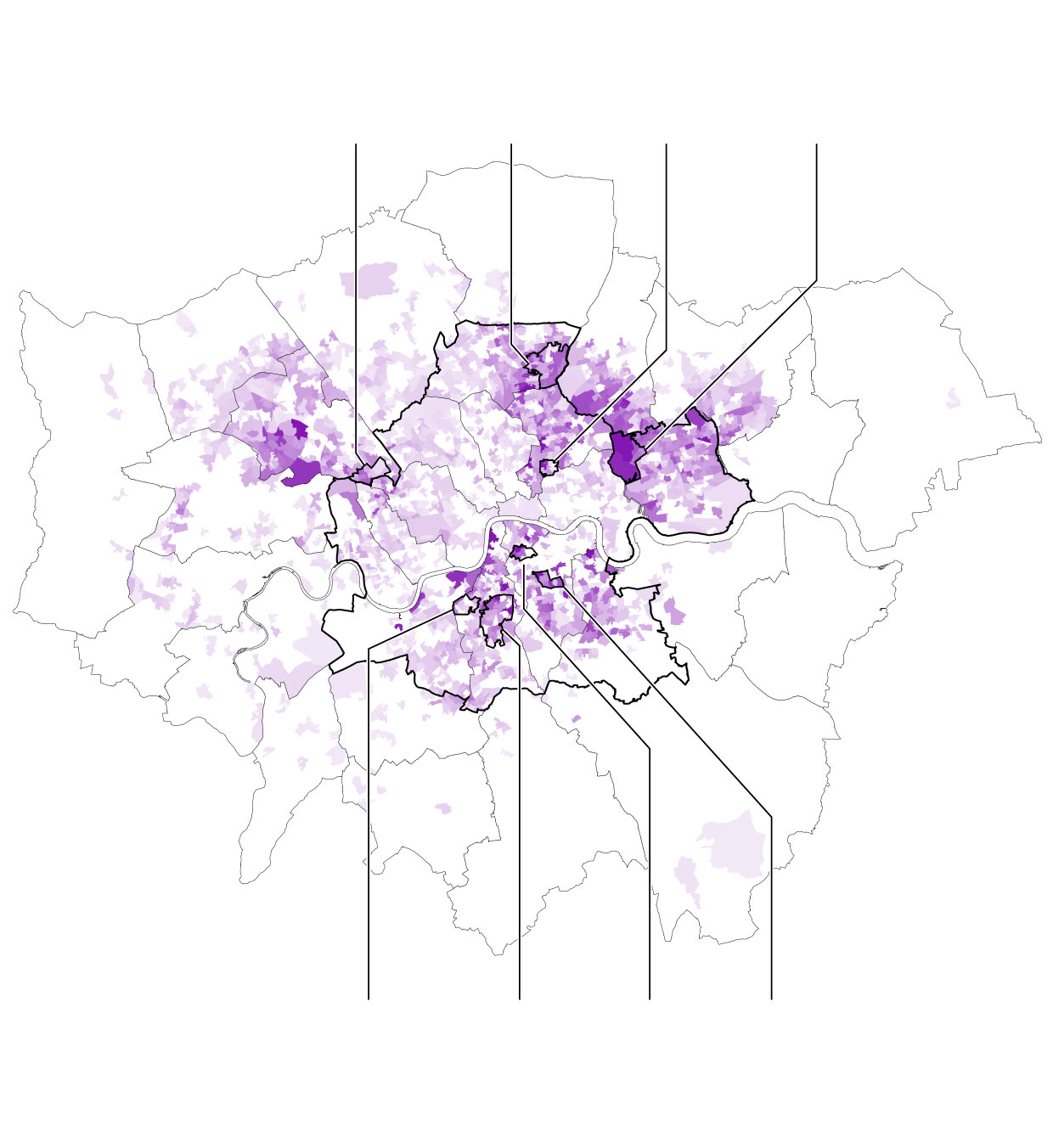
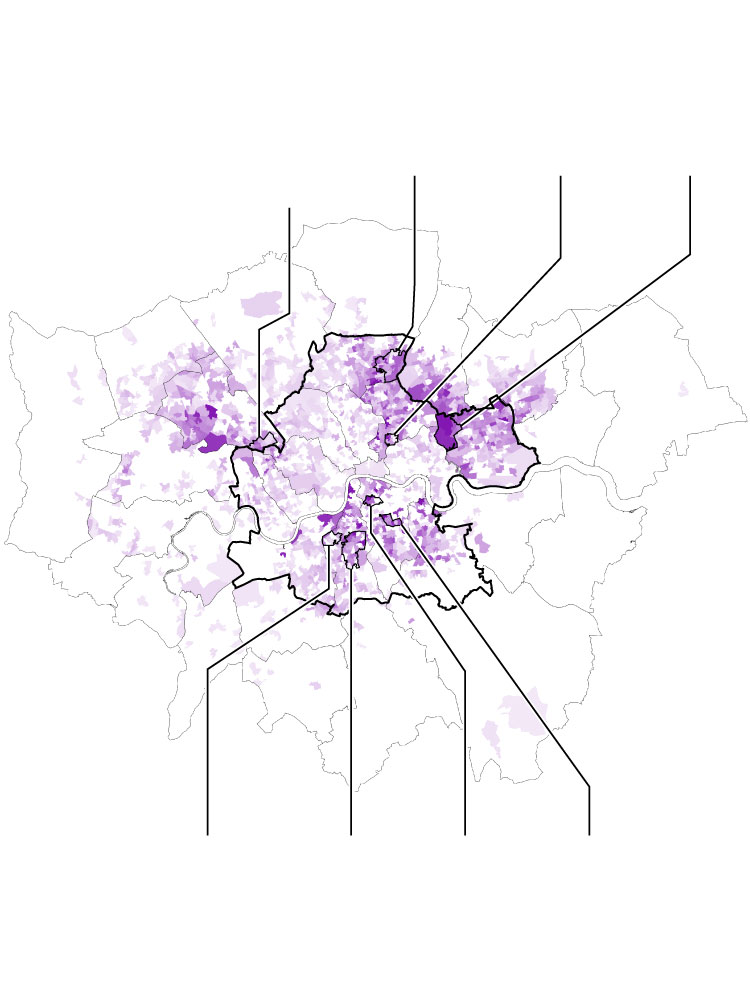
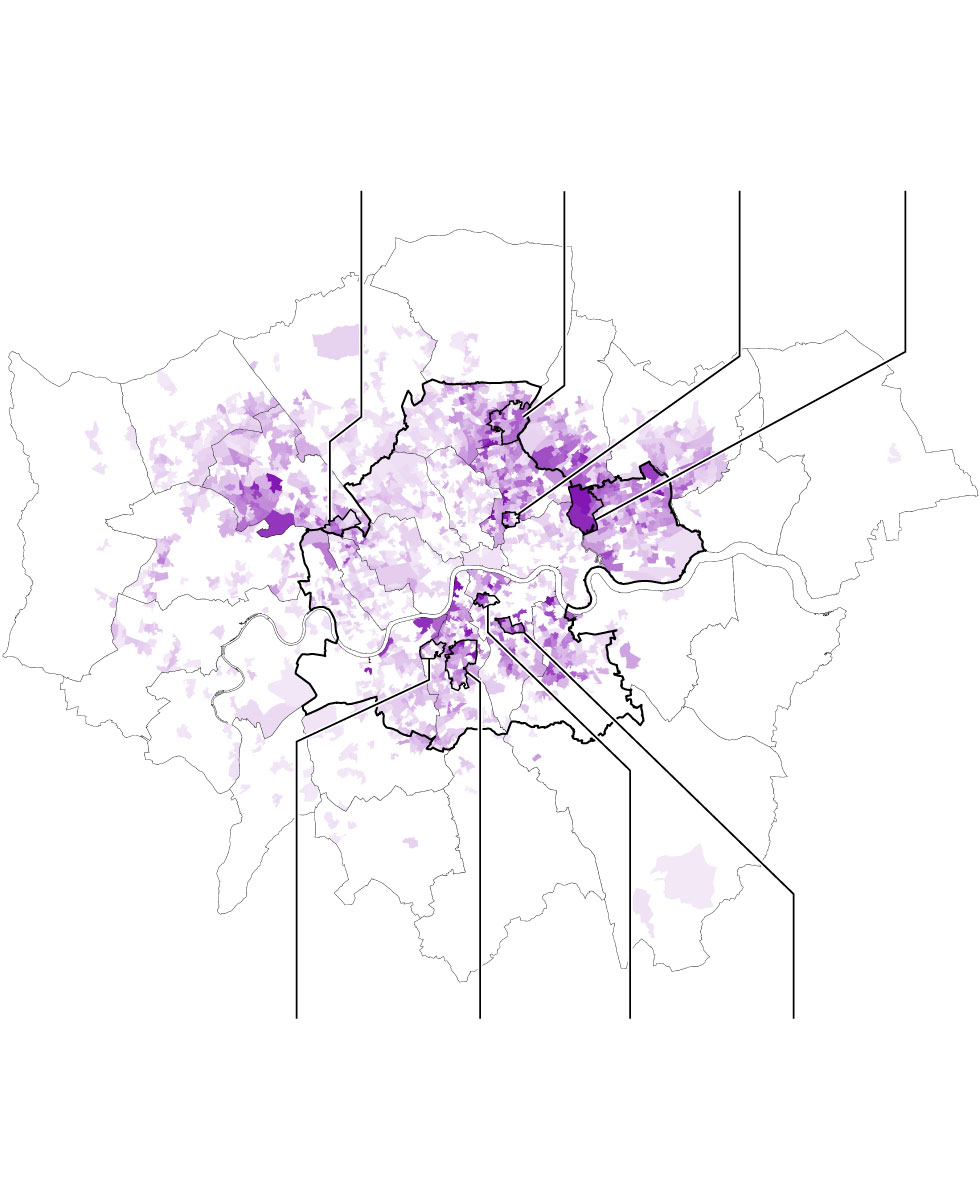
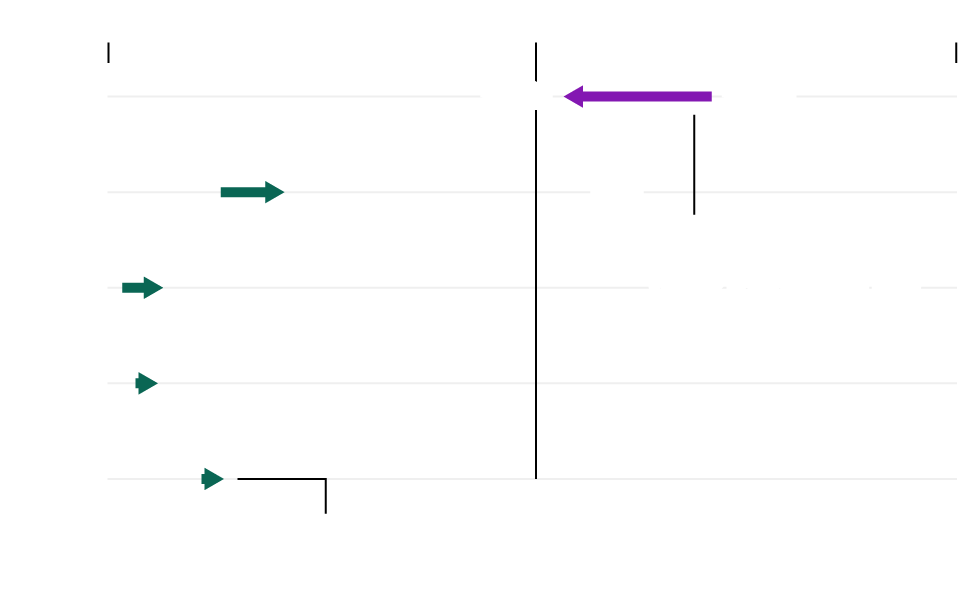
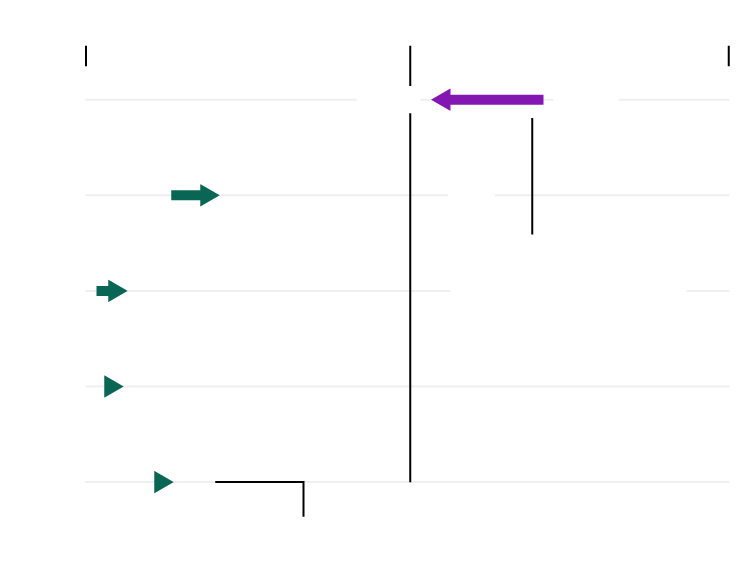
Stratford, East London
The Black population’s proportion is shrinking
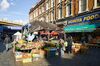
Brixton, South London
The Black population’s proportion is shrinking
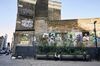
Dalston, East London
The Black population’s proportion is shrinking
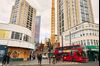
Croydon, South London
The Black population’s proportion is increasing
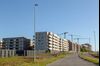
Barking Riverside, East London
The Black population’s proportion is increasing
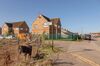
Tilbury, East England
The Black population’s proportion is increasing
As London flourished as a financial hub over the last two decades and house prices soared, it was many of the residents so key to its cultural and economic success who were hit the hardest.
The historic housing boom dampened the UK capital’s draw and affordability, and forced many to move farther afield. But its Black population — almost a quarter of which earns less than the city’s living wage — was among the most vulnerable.
Now, less than half of England’s Black residents live in London — the first time this has happened since at least 1991, when Census officials started collecting data on ethnicity, according to an exclusive Bloomberg News analysis. It’s a stark contrast to the record high 20 years ago, when about 70% of the country’s Black population called the city home.
Less Than Half of England’s Black Population Resides in London
Majority lives
outside London
Majority lives
in London
0
50%
100
Black
2021
2001
Other
Black Londoners have
seen the sharpest
decline: 19 percentage
points in 20 years
Black Londoners have
seen the sharpest
decline: 19 percentage
points in 20 years
Asian
Mixed
White
Majority lives
outside London
Majority lives
in London
0
50%
100
2021
2001
Black
Other
Black Londoners have
seen the sharpest
decline: 19 percentage
points in 20 years
Asian
Mixed
White
0
Majority lives outside London
50%
Majority lives in London
100
2001
Black
2021
Other
Black Londoners have seen the
sharpest decline: 19 percentage
points in 20 years
Asian
Mixed
White
As London’s population surged and its fortunes grew, the share of its White population decreased and the city became overall more diverse. At the same time, the affordability crisis pushed its Black residents farther away from the core of the capital, leading to missed opportunities for them and for the city that is so culturally and economically reliant on them.
There are upsides. Living outside London can offer a better standard of living and the English dream of a moderately sized house with a garden in a peaceful neighborhood.
But that dream comes at the cost of communities that have defined the face of the city over the last century. There’s social and cultural capital that comes with London’s diversity: Entire music genres have emerged from pockets of the capital, as have community hubs that have provided social safety nets for the city’s poorest.
“London has become successful because it has a reputation of being diverse,” said Phil Hubbard, professor of urban studies at King’s College London. “If you haven’t got an affordable city, you do away with that diversity.”
Over the last two decades, London experienced tremendous growth. The city’s population swelled 23%, to almost 9 million people, since the turn of the millennium. The value of assets under management in the UK, primarily in London, rocketed to around £10 trillion ($12.2 trillion) by 2021, a roughly sixfold increase from 2002. The proportion of workers listing themselves as professionals, often carrying a greater financial and social clout than many other Londoners, almost doubled.
Brexit and the great financial crisis have slowed some of that exponential growth in recent years. But even as the city’s fortunes fluctuate, its real estate keeps getting pricier. The gap between house prices and Londoners’ earnings has deepened into a gulf, with property values more than tripling in the two decades up to 2021. Rent costs jumped 44% between 2005, the earliest year on record, and 2021.
Historically Black areas in inner London are experiencing the greatest erosion of their communities, the analysis of Census data shows. That’s partly because the affordability crisis has affected where people can live, but the Black population is more vulnerable to the whims of the city’s tight real estate market. The average Black person in Great Britain is poorer than the average White person by almost £150,000.
Instead, Black communities have been growing in the more affordable and far-flung edges of London. In some cases, those communities are on the rise even further afield, in commuter belts and cheaper cities in the north of the country.
Growth in London’s Black Communities Shifts to the Outskirts
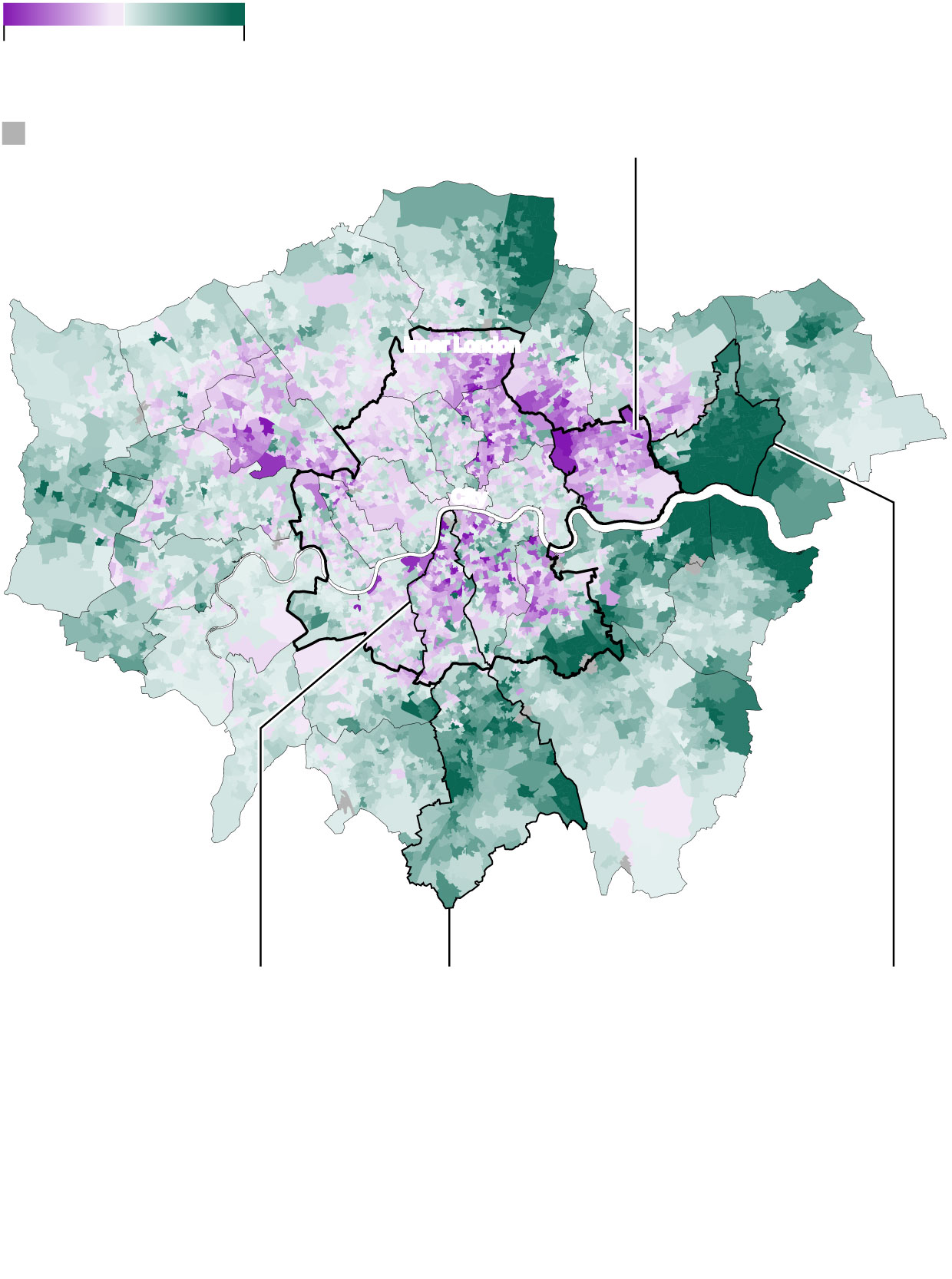
Although more than 60,000 Black people live in the
inner London borough of Newham, their growth hasn’t
kept up with the surge in the district’s overall population.
In about half of 157 Census areas, both the share and
the overall number of Black people shrunk
–15
or less
+15
or more
Data not comparable
Inner London
City
River
Thames
In 2001, Lambeth had the
largest Black population in
London. It fell to fourth place
in 2021, despite a slight
increase to more than 76,000
people. Of 176 Census areas,
40% recorded drops in both
the share and the overall
number of Black people
Croydon is now the
borough with the largest
Black community, doubling
its number from 2001 to
almost 88,500 people. All
but seven among 219
Census areas recorded an
increase in the share and
overall number of Black
people
In Barking and Dagenham,
three of four Census areas
recorded an increase of
more than 10 percentage
points in the share of
Black residents. In total,
more than 46,000 Black
people live there, four
times the number in 2001
Although more than 60,000 Black
people live in the inner London borough
of Newham, their growth hasn’t kept up
with the surge in the district’s overall
population. In about half of 157 Census
areas, both the share and the overall
number of Black people shrunk
–15
or less
+15
or more
Data not comparable
Inner London
City
River
Thames
In 2001, Lambeth
had the largest Black
population in London.
It fell to fourth place in
2021, despite a slight
increase to more than
76,000 people. Of 176
Census areas, 40%
recorded drops in both
the share and the
overall number of Black
people
Croydon is now
the borough with
the largest Black
community, doubling
its number from 2001
to almost 88,500
people. All but seven
among 219 Census
areas recorded an
increase in the share
and overall number
of Black people
In Barking and
Dagenham, three of
four Census areas
recorded an increase of
more than 10 percentage
points in the share of
Black residents. In total,
more than 46,000 Black
people live there, four
times the number
in 2001

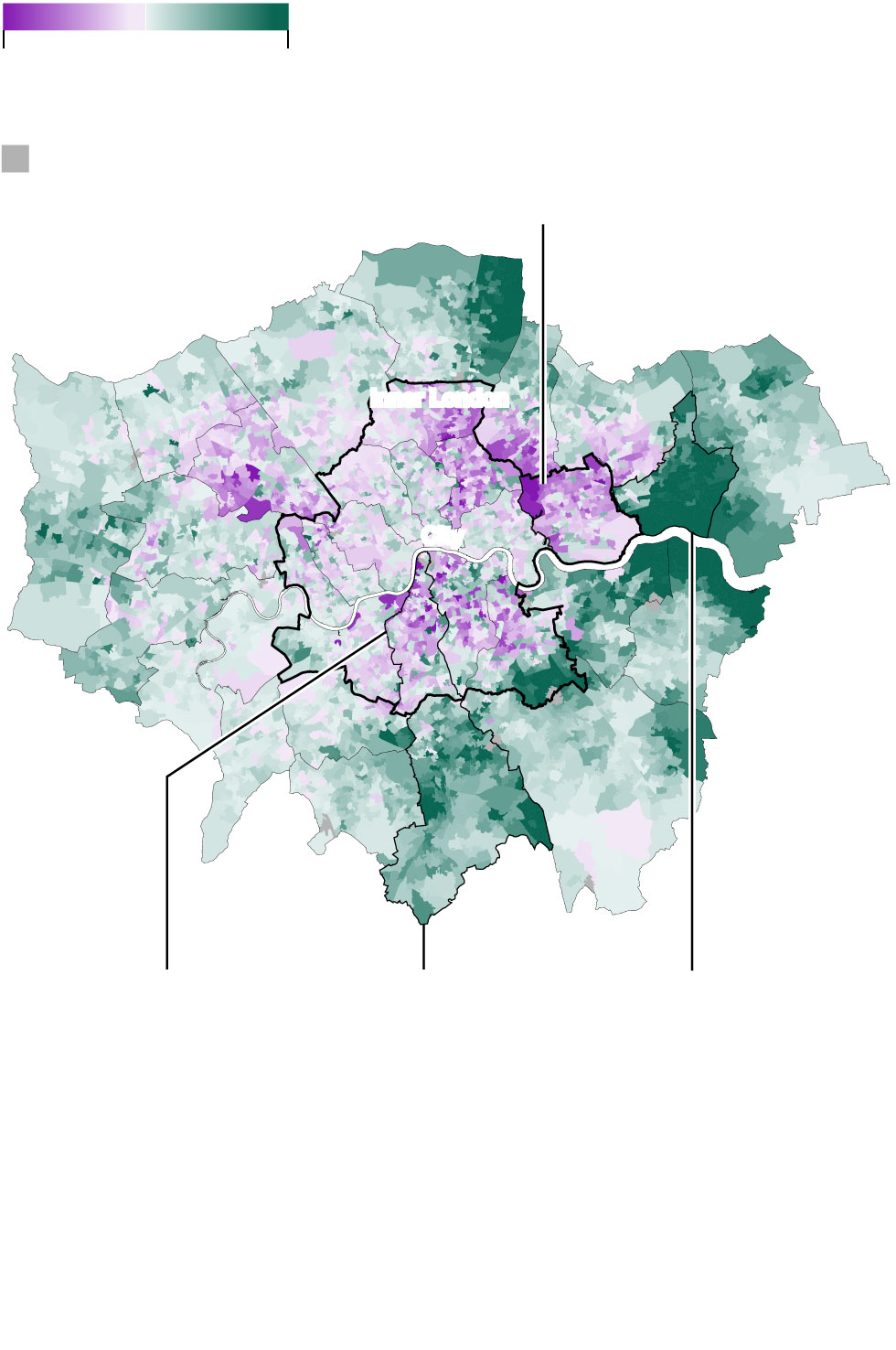
Although more than 60,000 Black people live in the inner London borough of Newham, their growth hasn’t kept up with the surge in the district’s overall population. In about half of 157 Census areas, both the share and the overall number of Black people shrunk
–15
or less
+15
or more
Data not comparable
Inner London
City
River
Thames
In 2001, Lambeth had the largest Black population in London. It fell to fourth place in 2021, despite a slight increase to more than 76,000 people. Of 176 Census areas, 40% recorded drops in both the share and the overall number of Black people
Croydon is now the borough with the largest Black community, doubling its number from 2001 to almost 88,500 people. All but seven among 219 Census areas recorded an increase in the share and overall number of Black people
In Barking and Dagenham, three of four Census areas recorded an increase of more than 10 percentage points in the share of Black residents. In total, more than 46,000 Black people live there, four times the number in 2001
Data not comparable
–15
or less
+15
or more
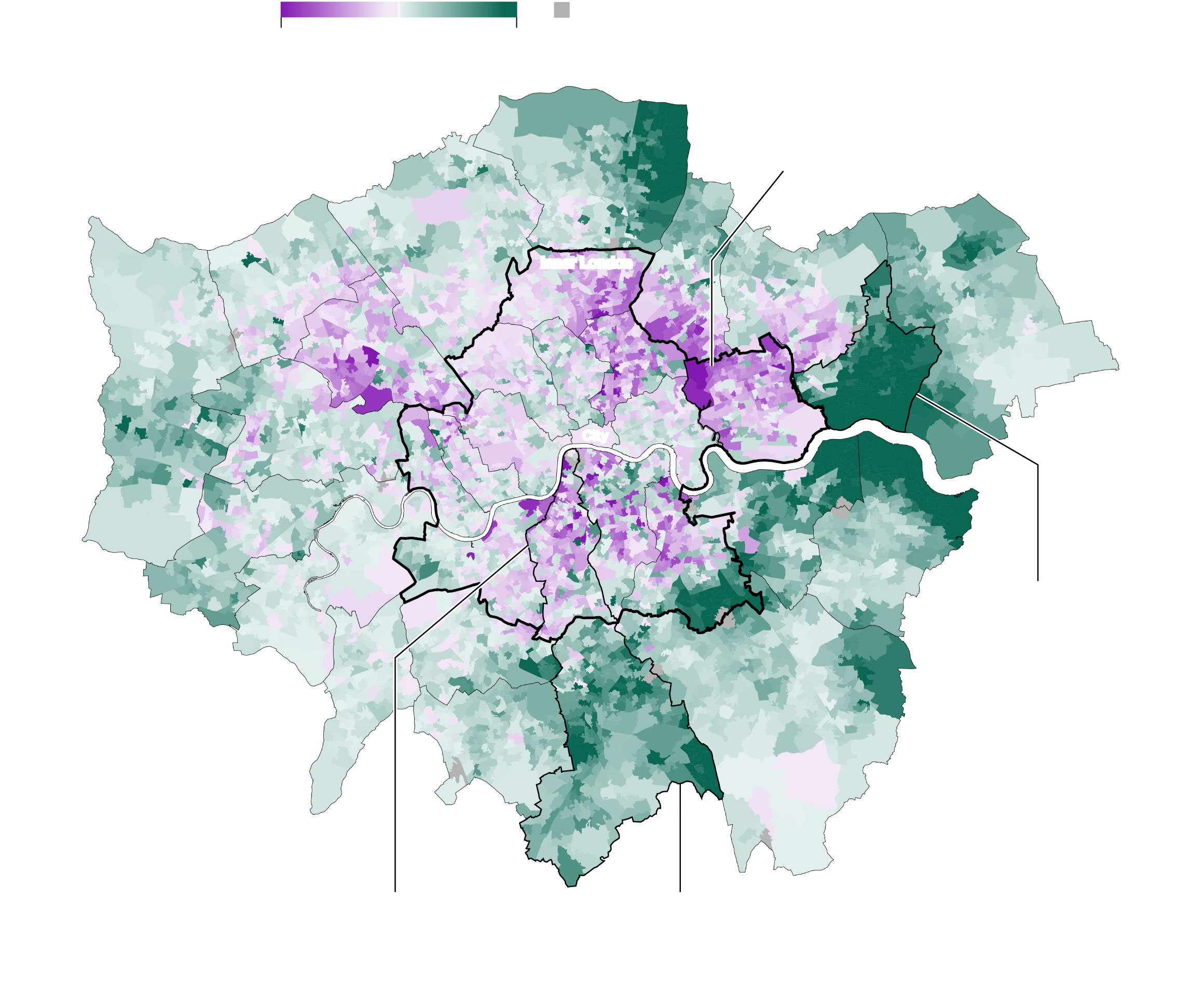
Although more than 60,000 Black people live in the inner
London borough of Newham, their growth hasn’t kept up
with the surge in the district’s overall population. In about
half of 157 Census areas, both the share and the overall
number of Black people shrunk
Inner London
City
River Thames
In Barking and Dagenham, three
of four Census areas recorded an
increase of more than 10 percentage
points in the share of Black residents.
In total, more than 46,000 Black
people live there, four times
the number in 2001
In 2001, Lambeth had the largest Black population in London.
It fell to fourth place in 2021, despite a slight increase to more
than 76,000 people. Of 176 Census areas, 40% recorded drops
in both the share and the overall number of Black people
Croydon is now the borough with the largest Black community,
doubling its number from 2001 to almost 88,500 people. All
but seven among 219 Census areas recorded an increase in
the share and overall number of Black people

Although more than 60,000 Black people
live in the inner London borough of Newham,
their growth hasn’t kept up with the surge in
the district’s overall population. In about half
of 157 Census areas, both the share and the
overall number of Black people shrunk
Data not comparable
–15
or less
+15
or more
Inner London
City
River Thames
In Barking and Dagenham,
three of four Census areas
recorded an increase of
more than 10 percentage
points in the share of Black
residents. In total, more than
46,000 Black people live
there, four times the
number in 2001
In 2001, Lambeth had the largest Black
population in London. It fell to fourth place
in 2021, despite a slight increase to more
than 76,000 people. Of 176 Census areas,
40% recorded drops in both the share and
the overall number of Black people
Croydon is now the borough with the
largest Black community, doubling its
number from 2001 to almost 88,500
people. All but seven among 219 Census
areas recorded an increase in the share
and overall number of Black people
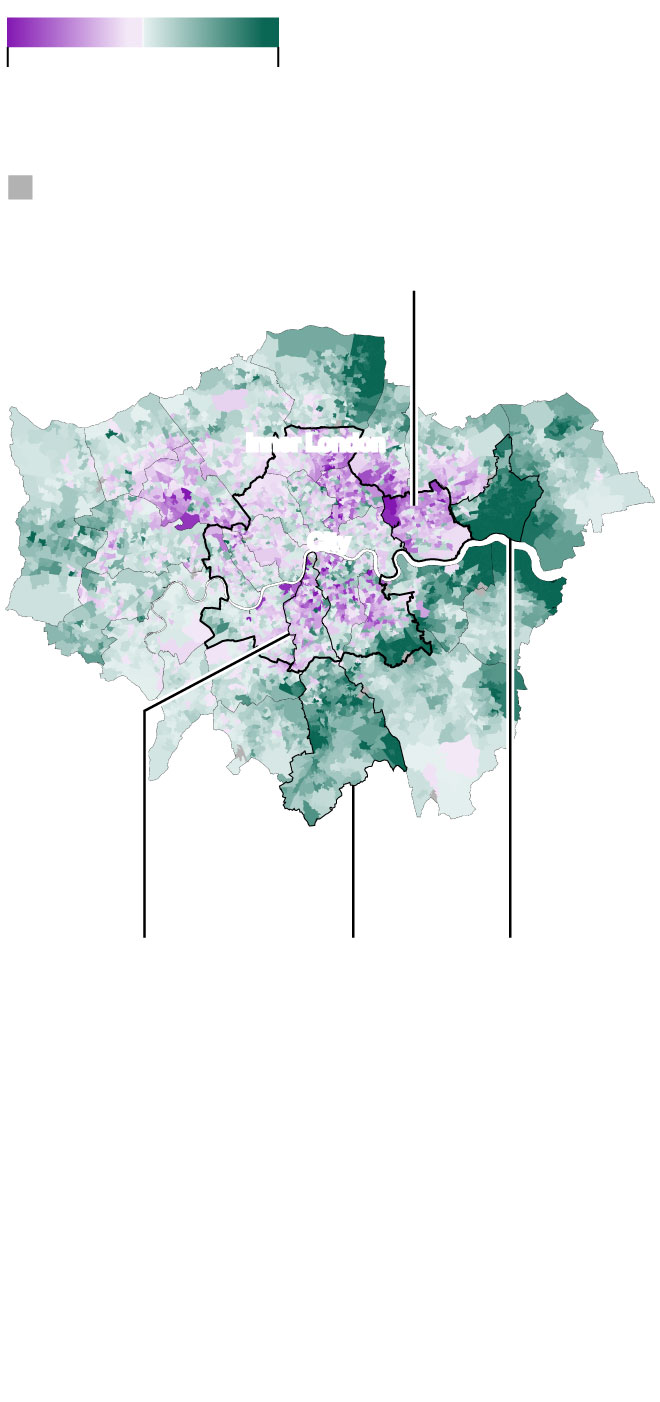
Although more than 60,000 Black people live in the inner London borough of Newham, their growth hasn’t kept up with the surge in the district’s overall population. In about half of 157 Census areas, both the share and the overall number of Black people shrunk
–15
or less
+15
or more
Data not comparable
Inner London
City
River
Thames
In 2001, Lambeth had the largest Black population in London. It fell to fourth place in 2021, despite a slight increase to more than 76,000 people. Of 176 Census areas, 40% recorded drops in both the share and the overall number of Black people
Croydon is now the borough with the largest Black community, doubling its number from 2001 to almost 88,500 people. All but seven among 219 Census areas recorded an increase in the share and overall number of Black people
In Barking and Dagenham, three of four Census areas recorded an increase of more than 10 percentage points in the share of Black residents. In total, more than 46,000 Black people live there, four times the number in 2001
A spokesperson for London Mayor Sadiq Khan said that Black communities are fundamental to the city, and he was committed to tackling disparities. Despite a boost to homebuilding, the affordability of housing is nevertheless at one of its worst points in decades, the spokesperson said.
The British capital isn’t alone in experiencing such dynamics: From Paris to New York, lower-income, immigrant residents often end up in lower-quality homes on the outskirts. But for decades, London stood out for having low-cost social housing in the city’s core that gave households greater stability, according to Adam Almeida, who has researched such dynamics and now works for Common Wealth, a UK-based nonprofit.
“Where else in another Western metropolis do you have working-class people living in Zone One?” he said, referring to the city center. But a combination of housing policies have led to the demolition or sale of such homes over the years, decimating the social safety net of lower-income Londoners — with a disproportionate impact on ethnic minorities.
For some, that means “people are being displaced out of London completely and into towns where they have less connection, less access to capital, less access to public transit,” he said. For those who stay, the rapid change in their neighborhood can lead to “life without feeling like you’re part of the community.”
How London’s Three-Decade Boom Has Pushed Black Residents Out of the Capital
How London’s Three-Decade Boom Has Pushed Black Residents Out of the Capital
Listen to the Daybreak Europe podcast on iHeart, Apple Podcasts, Spotify
The capital is also economically dependent on Black Londoners, and changes to the population will squeeze the city in several ways. Roughly one in seven workers in the city’s transport and storage industry are Black. That number rises to almost a quarter when it comes to health and social work, and both sectors are seeing steep shortages.
Research also suggests that Black people in England are more likely to directly contribute to their communities: A higher proportion of them volunteer and feel they can influence decisions in their local area than any other ethnic group. The fact that much of the country’s wealth and jobs are concentrated in the capital has also helped foster some of its most successful Black figures like actor Daniel Kaluuya, grime artist Stormzy and Oliver and Alexander Kent-Braham, the twins who co-founded Marshmallow, the unicorn insurance startup.
But extortionate living costs are making it harder for anyone except the wealthiest to remain in the city, said Hashi Mohamed, a lawyer who has written a book about the housing crisis. In the meantime, the number of people falling victim to London’s unforgiving housing market is rising rapidly: One in 50 Londoners is now homeless, according to the latest figures.
“I just see those extremes getting worse and worse,” Mohamed said.
London’s Eclipsed Black Communities
Neighborhood
Queens Park
Tottenham
Haggerston
Stratford
Black pop., 2021
2.4K
11.7K
3.2K
5.2K
2001–2021 change
–16%
+13
–1
+84
Share of total,
2001–2021 change
–5 pct. pts.
–6
–6
–13
Clapham Town
Brixton
Peckham
Walworth
2.2K
17.1K
7.5K
3.9K
–8
+8
+4
+8
–3
–4
–7
–9
Queens
Park
Neighborhood
Tottenham
Haggerston
Stratford
Black pop., 2021
2.4K
5.2K
11.7K
3.2K
2001–21 change
–16%
+13
–1
+84
Share of total,
2001–21 change
–6
–13
–5 pct.
pts.
–6
Clapham Town
Brixton
Walworth
Peckham
3.9K
7.5K
2.2K
17.1K
–8
+8
+4
+8
–3
–4
–7
–9
Queens
Park
Neighborhood
Tottenham
Haggerston
Stratford
Black pop., 2021
2.4K
11.7K
3.2K
5.2K
2001–2021 change
–16%
+13
–1
+84
Share of total,
2001–2021 change
–5 pct. pts.
–6
–6
–13
Clapham Town
Brixton
Peckham
Walworth
2.2K
17.1K
3.9K
7.5K
–8
+8
+4
+8
–3
–4
–7
–9
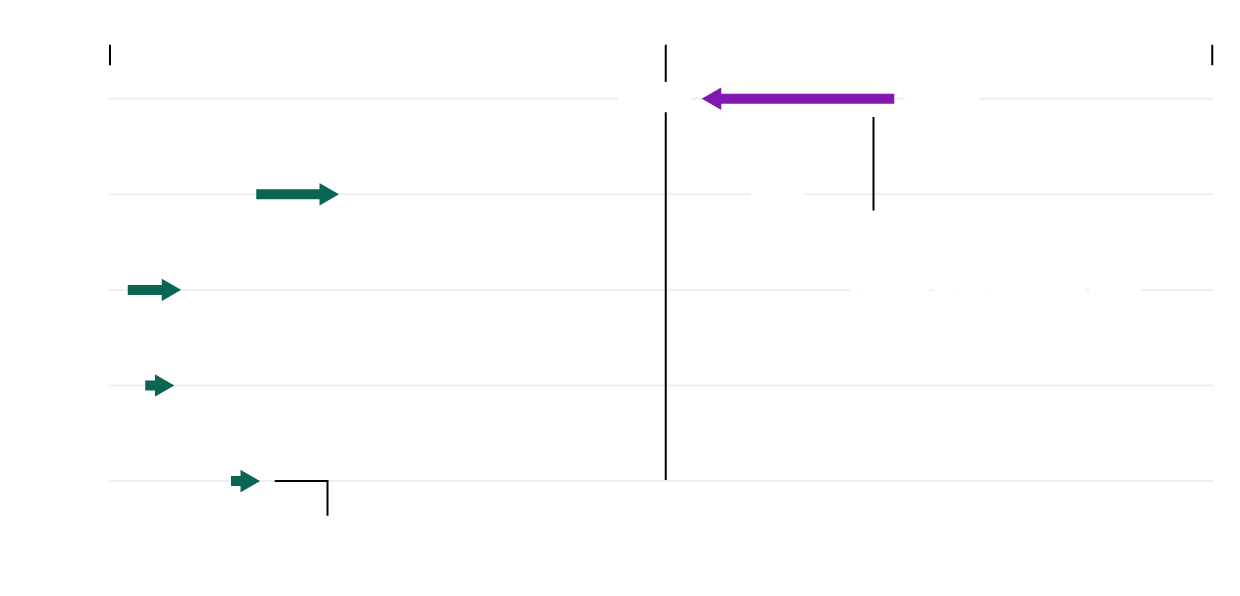
London is rapidly becoming more diverse and its White population is steadily shrinking, but it’s other ethnic minorities driving that change. The city’s Asian population grew 92% to 1.8 million over the last two decades and is now the fastest-growing group in 16 districts. The group now accounts for 21% of London’s overall population. The Black population, meanwhile, has grown at the slowest pace among ethnic minorities: a 52% increase to 1.2 million residents, now accounting for 13.5% of the city’s population.
That stagnation in the share of Black residents is partly because the immigration of Black Caribbeans — which built up the UK’s Black population in the 1950s and 1960s, as much of the region gained independence from the British empire — has since been overtaken by a growing Black African population, who tend to live outside the city.

The only three boroughs where Black people are the fastest-growing ethnic minority are in the outer ring of the city. The biggest increase in the share of Black people, at 14%, was recorded in Barking and Dagenham, a borough where commuting times towards central London can be long. Even the most accessible part of the borough is only reachable by a 20-minute express train that runs infrequently.
London Is More Diverse, But Black People’s Proportion Has Stagnated
0
0
50%
100
2021
2001
White
–17
pct.
pts.
Asian
+7.5
As the proportion of the
White population fell,
London became more
ethnically diverse...
Other
+4.8
Mixed
+2.6
Black
+2.6
...but the Black population’s
share increased the least
0
0
50%
100
2021
2001
White
–17
pct.
pts.
Asian
+7.5
As the proportion of the
White population fell,
London became more
ethnically diverse...
Other
+4.8
Mixed
+2.6
Black
+2.6
...but the Black population’s
share increased the least
0
0
50%
100
White
2021
2001
–17
pct.
pts.
Asian
+7.5
As the proportion of
the White population
fell, London became
more ethnically diverse...
Other
+4.8
Mixed
+2.6
Black
+2.6
...but the Black population’s
share increased the least
In some cases, the growth in the number of Black residents has dragged behind an area’s wider population surge. Take the East London boroughs of Newham and Hackney, where in 2001 more than a fifth of the population was Black. Now, Black households account for a smaller share in those districts, with each recording a 4% drop in the proportion of Black residents — the biggest declines among all of the city’s 32 boroughs and the City of London.
In other cases, the overall number of Black people has dropped sharply. In the neighborhoods on either side of Finsbury Park in North East London, there are several such areas, including a popular stretch of Black hair salons formed along Stroud Green Road. The wider district around the transport hub has transformed, seeing extensive redevelopment, including hundreds of expensive new homes built in recent years.
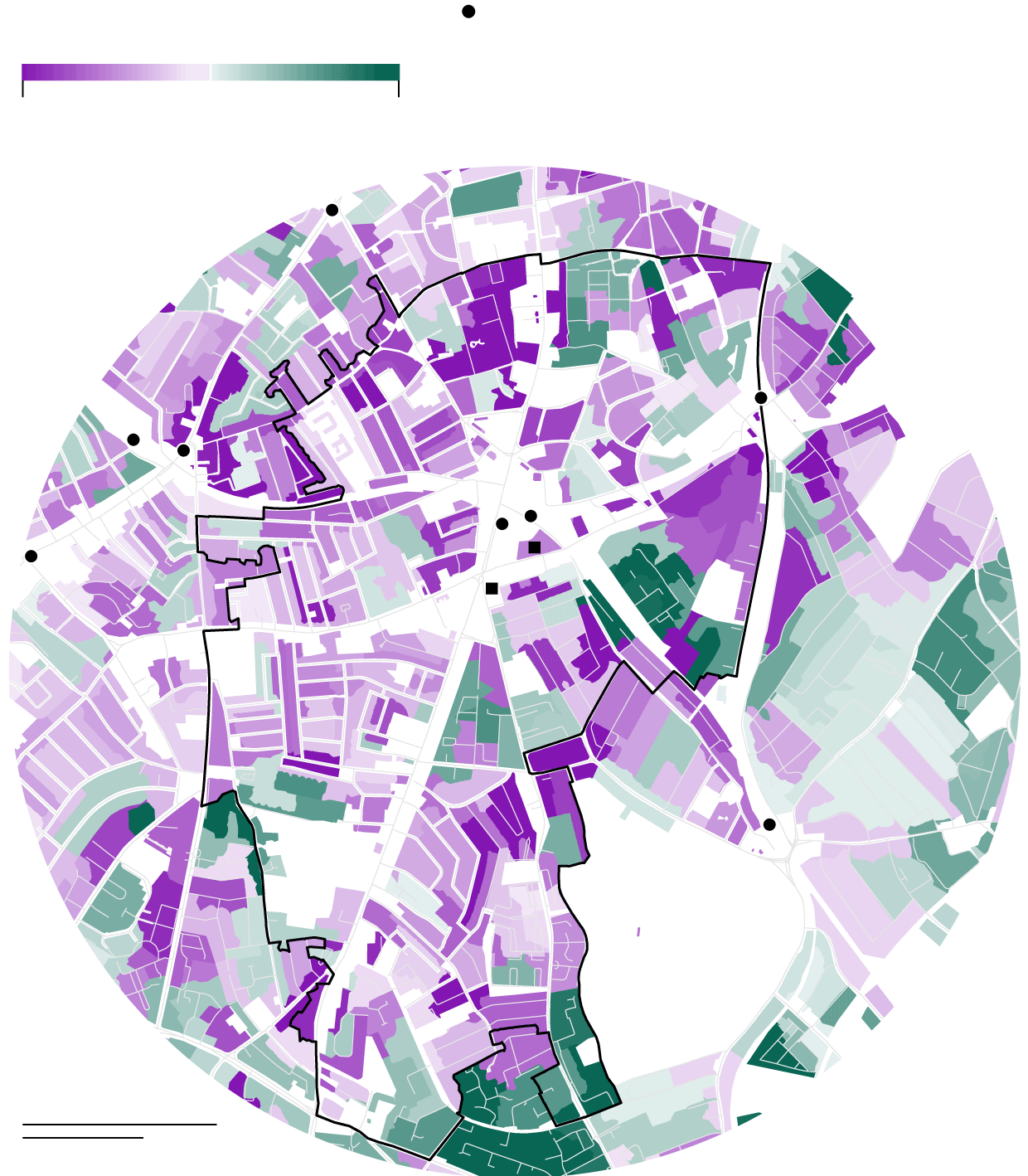
And there are areas that experience both dynamics, such as Brixton in South London. The neighborhood — a byword for gentrification for many years — saw a decrease in both the proportion and number of Black people in 18 out of 31 Census areas.
Like much of London, Brixton has sharp contrasts: In some pockets of the neighborhood, the share of the Black population has grown, but in others it has seen some of the steepest declines across the whole city.
Brixton, South London
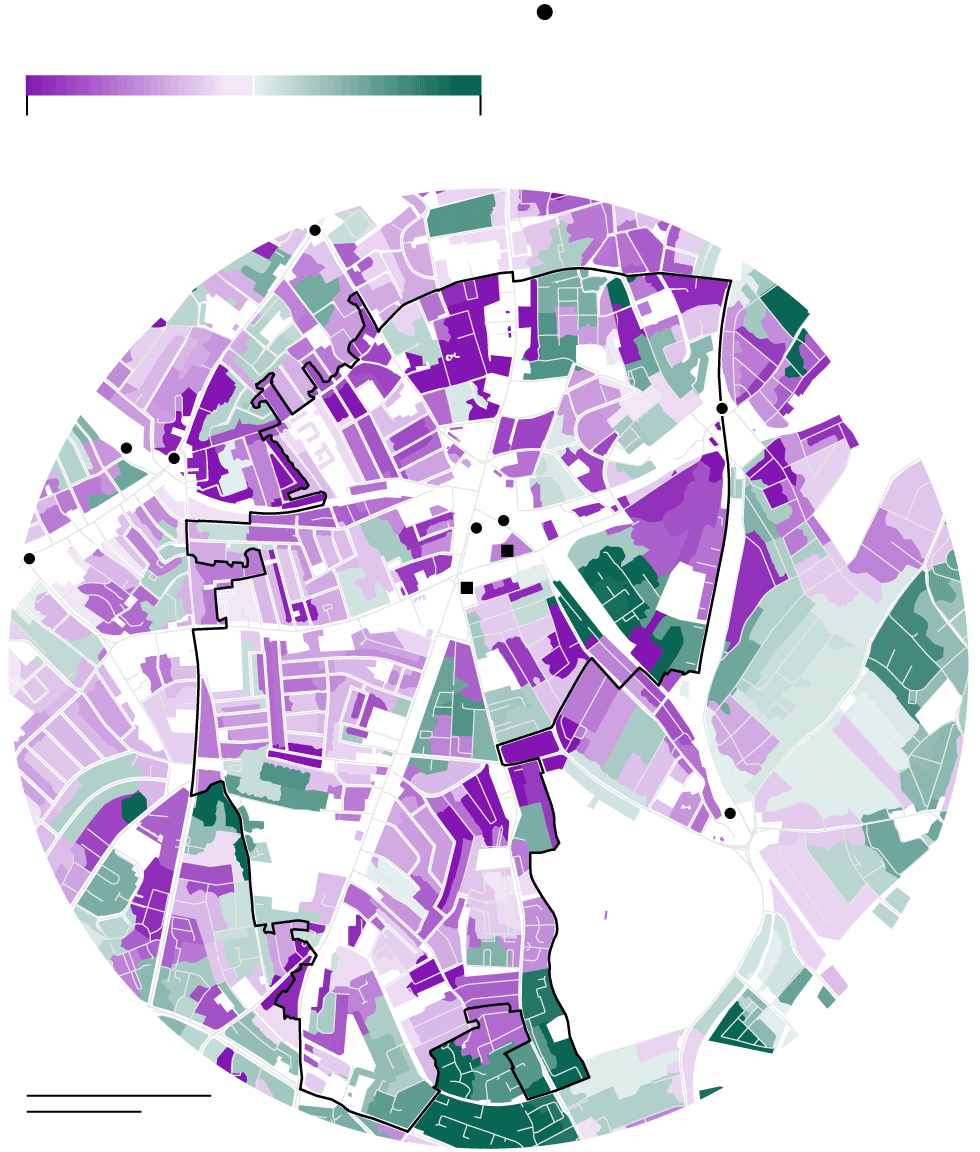
Change in Black population’s share
of total, pct. pts. 2001–2021
Tube or rail station
–15 or less
+15 or more
Stockwell
Brixton
North
Windrush
Brixton
Market
Acre
Lane
Windrush
Square
Clapham
Herne Hill
Rush
Common
0.25mi
250m
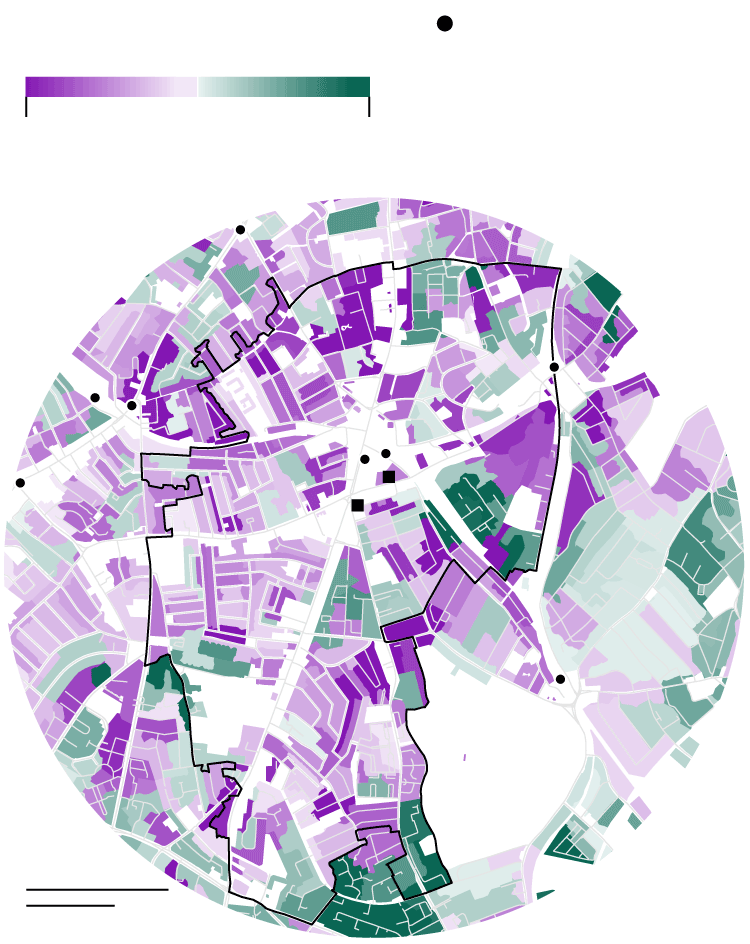
Change in Black population’s
share of total, pct. pts. 2001–21
Tube or rail station
+15
or more
–15
or less
Stockwell
Brixton
North
Windrush
Brixton
Market
Acre
Lane
Windrush
Square
Clapham
Herne Hill
Rush
Common
0.25mi
250m
Change in Black population’s share
of total, pct. pts. 2001–2021
Tube or rail
station
–15 or less
+15 or more
Stockwell
Brixton
North
Windrush
Brixton
Market
Windrush
Square
Acre
Lane
Clapham
Herne Hill
Rush
Common
0.25mi
250m
Take the Brown family, whose last three generations have encountered the push and pull across London and further afield.
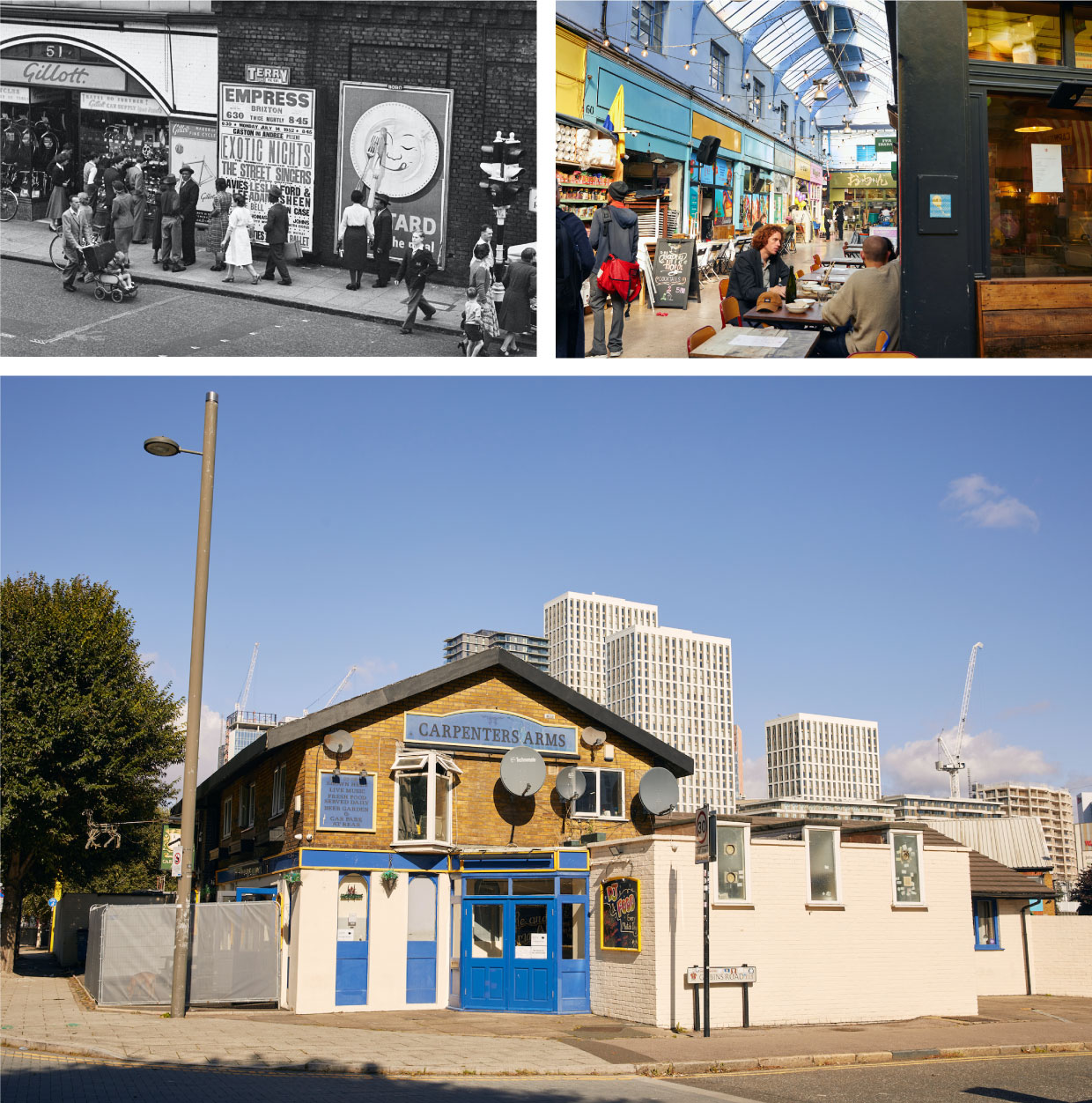
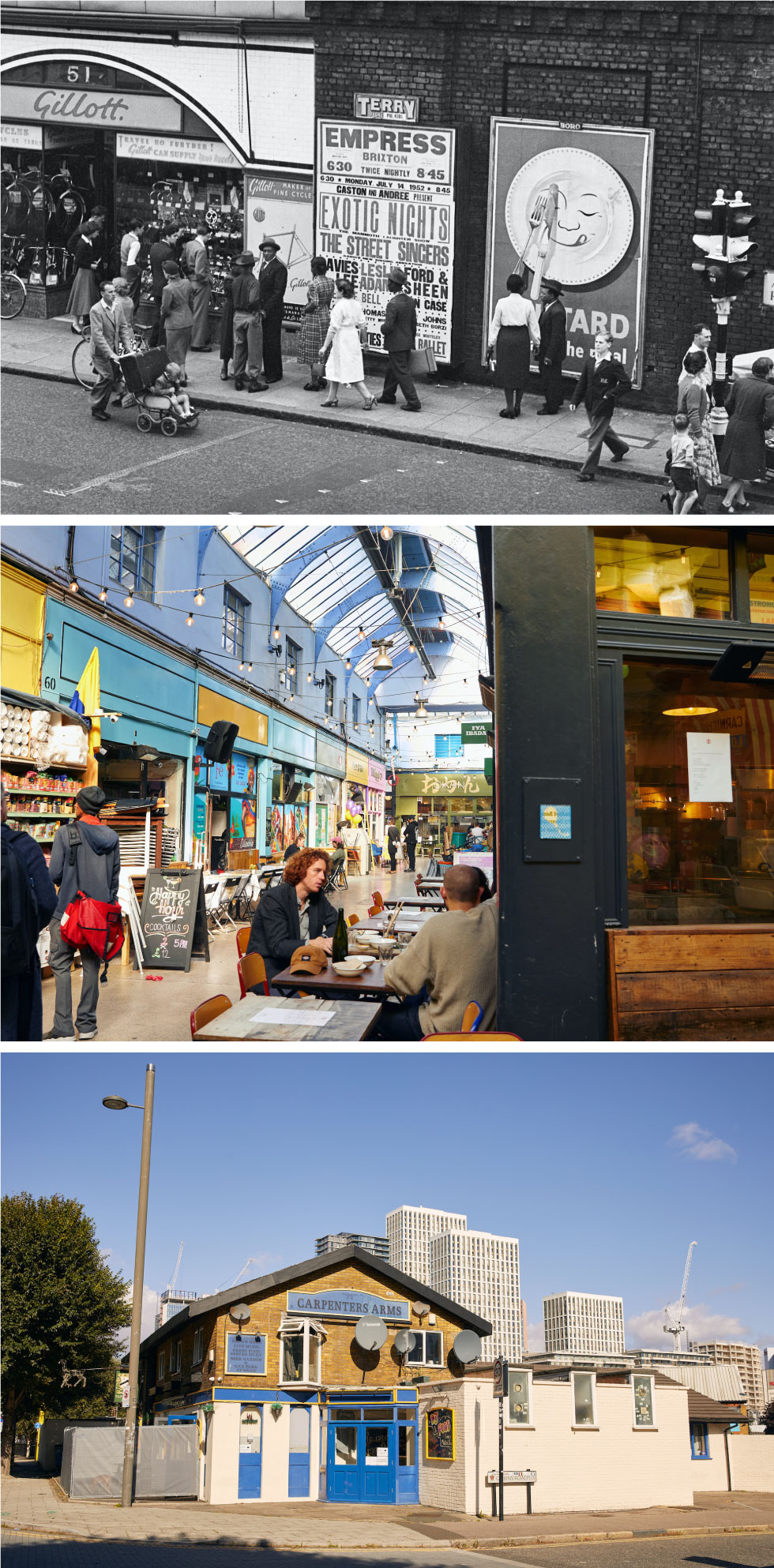
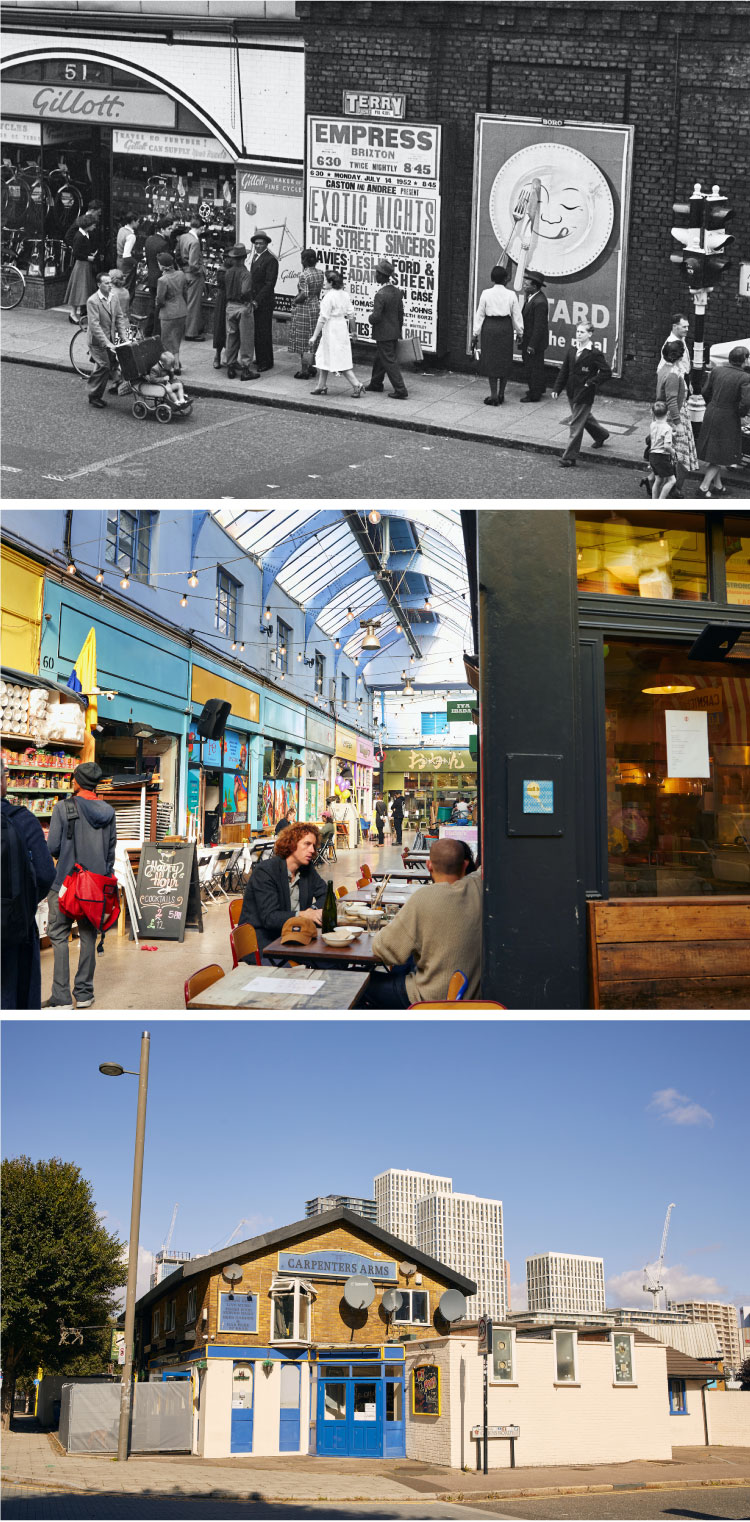
When Gloria and Hervin Brown immigrated to England in the 1950s and 1960s from Jamaica, it was Brixton’s Labour Exchange that drew in many of the new Caribbean arrivals seeking jobs. They often settled in nearby housing, partly because it was one of the few areas where landlords would rent to Black people.
At the time, the district had a mix of growing social housing and large Victorian homes in need of repair. West Indian traders became staples of the local market, helping to earn the area the nickname of Little Jamaica. It was also there that explosive riots in 1981 reshaped public debates about the over-policing of Black communities. In 1998, the small public space at the heart of the neighborhood was named Windrush Square, after Gloria and Hervin’s generation of Caribbean immigrants.

In the decades since, developers of newly built flats have used the area’s diversity to tempt a new, wealthier demographic to move there: A typical marketing blurb for a two-bedroom flat worth more than half a million pounds reads, “Brixton exudes that rare blend of cultural hub and genuine community.”
But some say that community has faded. “I miss Brixton, I really do — I miss the camaraderie that one used to have,” said Hervin, a school caretaker who moved to East London to live with his then-partner in the 1990s. He still visits family and friends who still live in the area, but he says all the landmarks which were once familiar to him have gone, from pubs to the local favorite retailer Woolworth’s. “I go to Brixton now and I can’t even find my way,” he said.
The neighborhood is now an uneasy balance between young people who pour in for the restaurants, bars and clubs which make up some of the city’s most popular nightlife, and an older West Indian community who sometimes meet around the Windrush Square, chatting into the night. The groups don’t often interact.
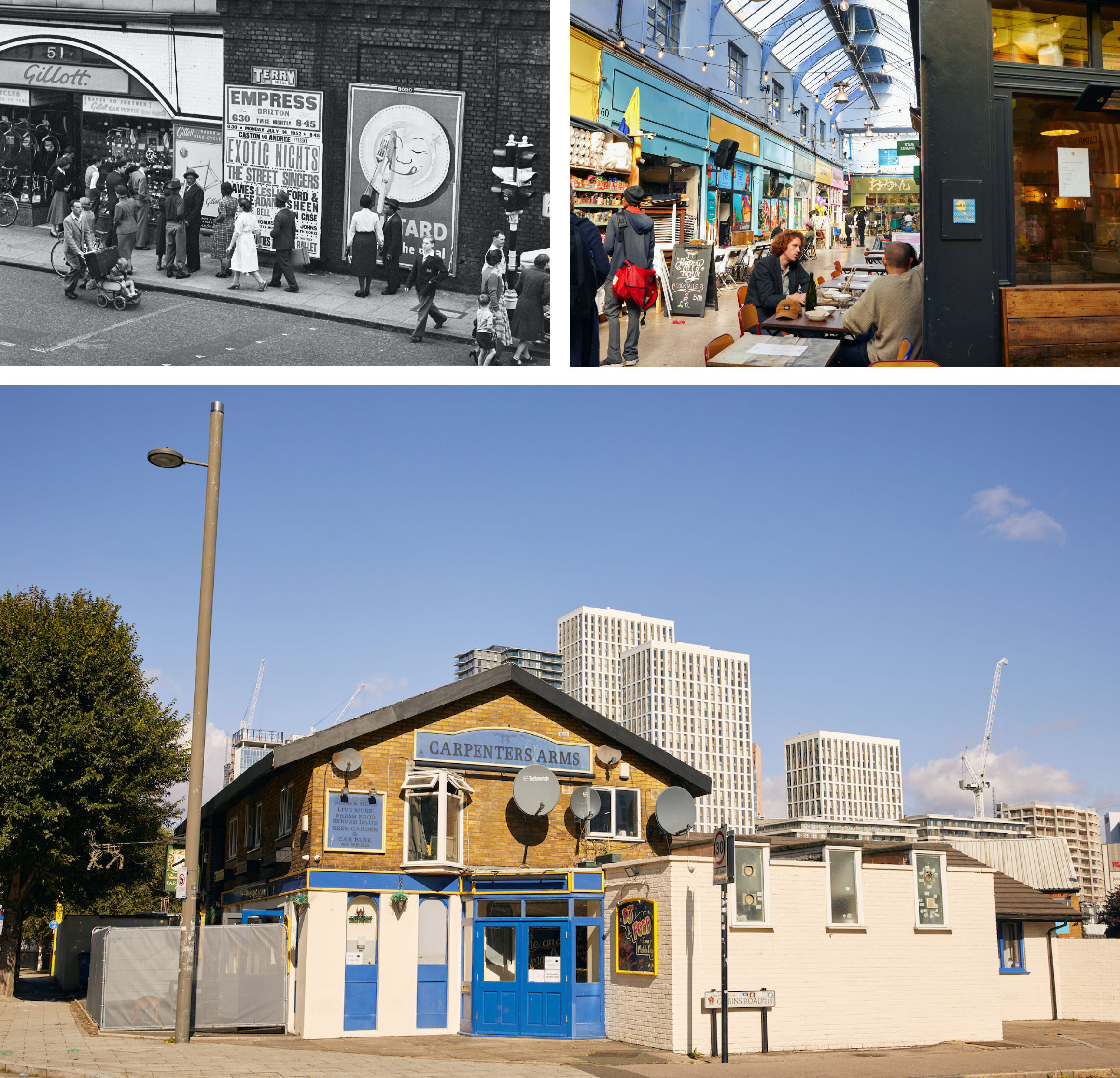
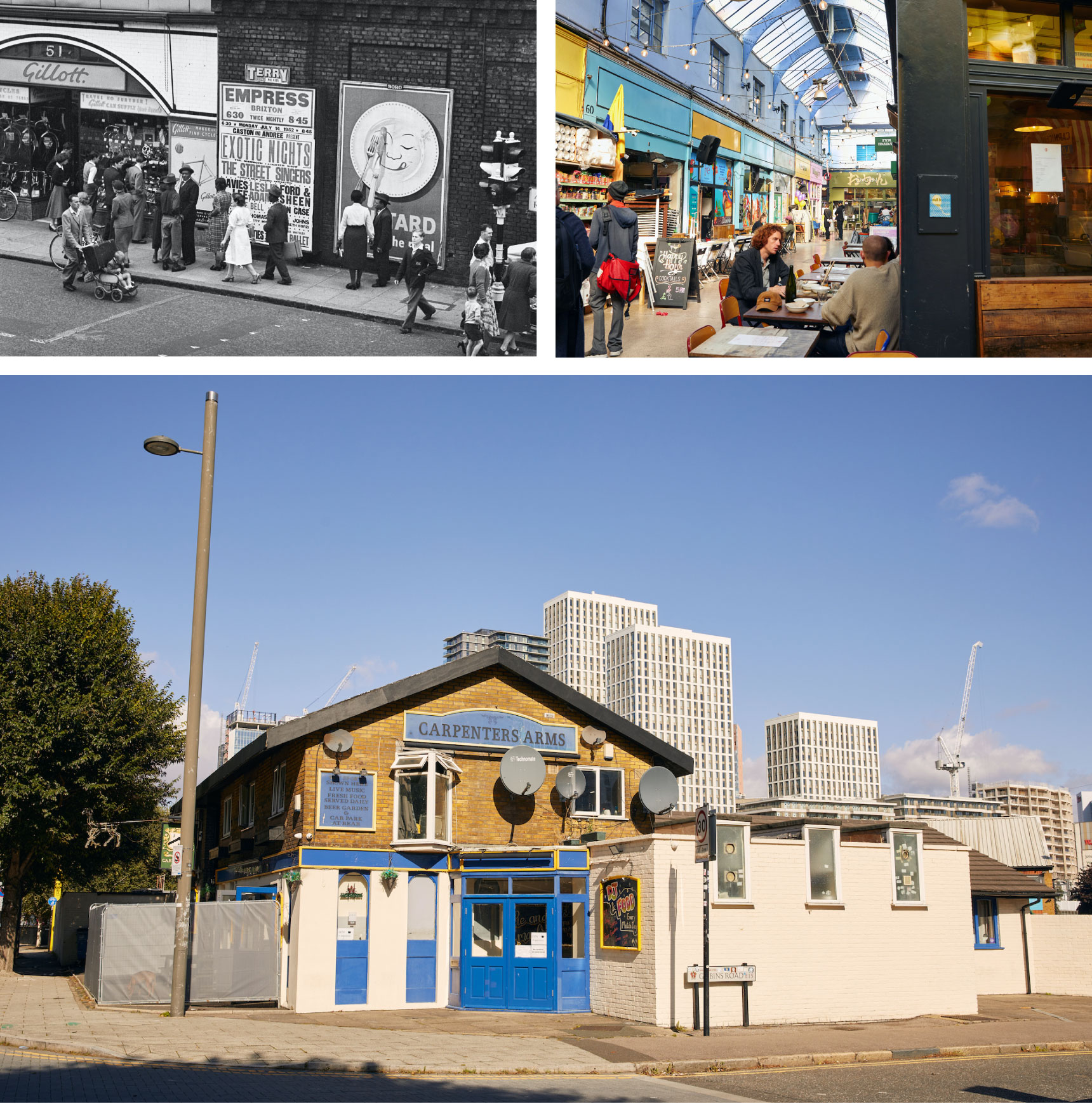
When it comes to identifying gentrification, there are a few key factors, according to Almeida, the researcher. They include a declining share of non-White residents, rising house prices and a faster turnover among residents. That’s often seen in areas with good transport links, lots of market-rate new homes being built and the redevelopment of social housing estates.
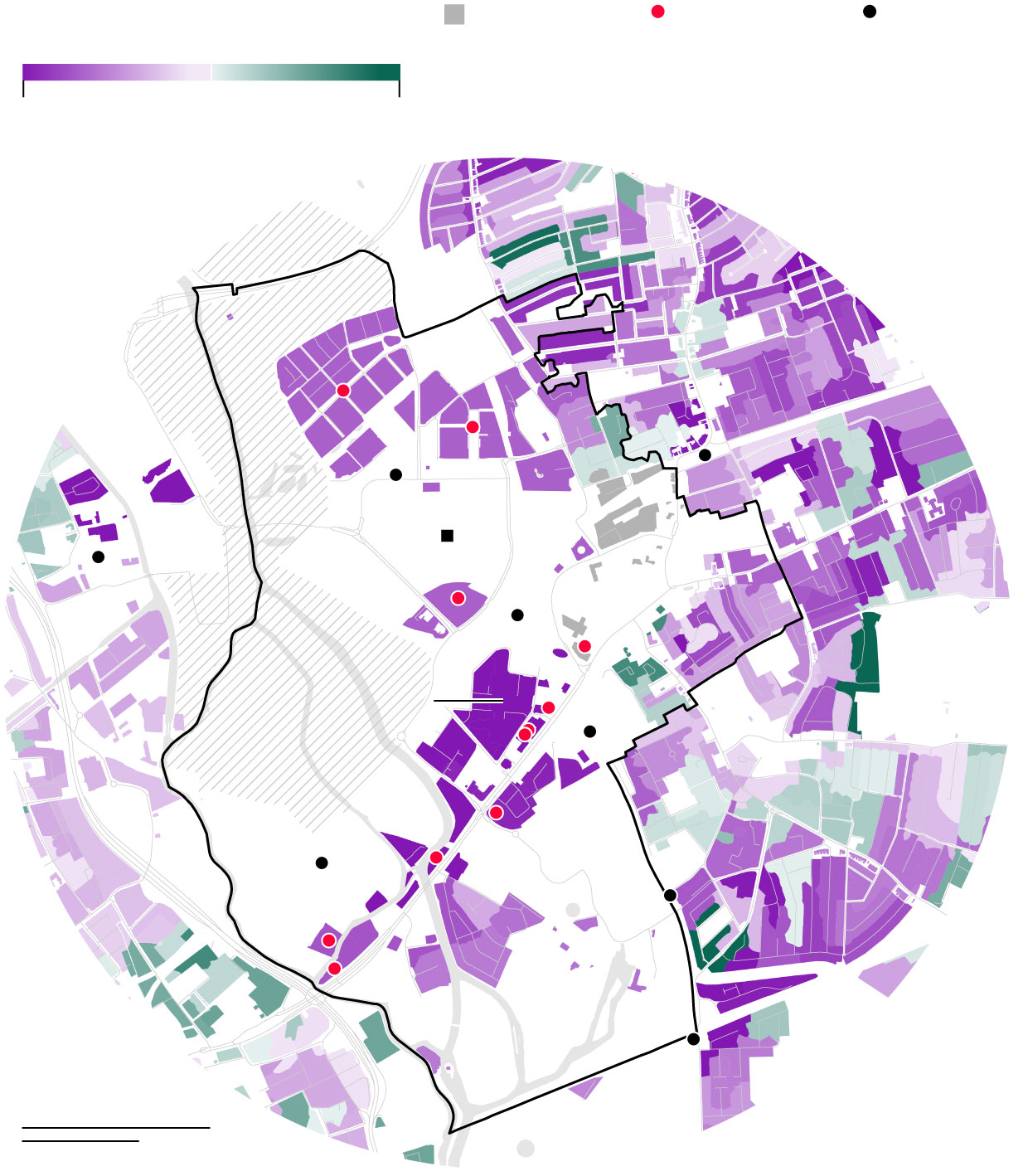
All of those factors come into play in Stratford, a neighborhood in the East London borough of Newham, once one of the city’s poorest districts.
Everything changed when the neighborhood was selected as the main site for the 2012 Summer Olympics. In the years before the sporting event, a brand new park, the East Village neighborhood and the gigantic Westfield shopping center sprung out of what was once largely urban wasteland into a new post code named E20.
The area’s population soared from around 9,400 people to 30,400 over the 20-year period ending in 2021. In comparison, the growth in the number of Black residents has dragged, rising from around 2,900 to 5,200 in the same time period.
The regeneration efforts have since come under criticism for uneven development across the district, and a failure to build as many affordable homes as was originally promised.
Stratford, East London
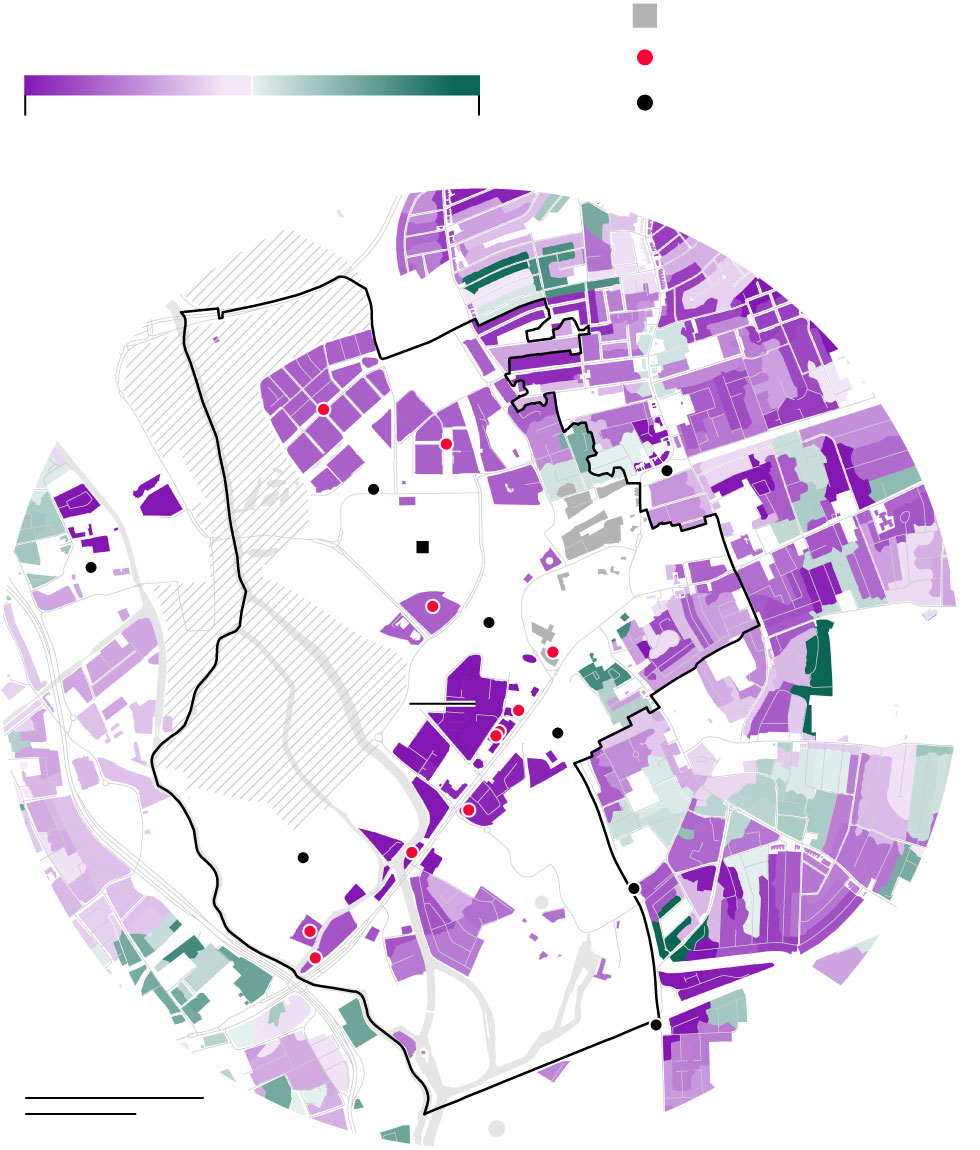
Change in Black population’s share
of total, pct. pts. 2001–2021
Data not comparable
Housing development
Tube or rail station
–15 or less
+15 or more
East
Village
Maryland
Westfield mall
Stratford
Hackney
Wick
High Street
Carpenters
Estate
Olympic
Park
West
Ham
Bow
0.25mi
250m
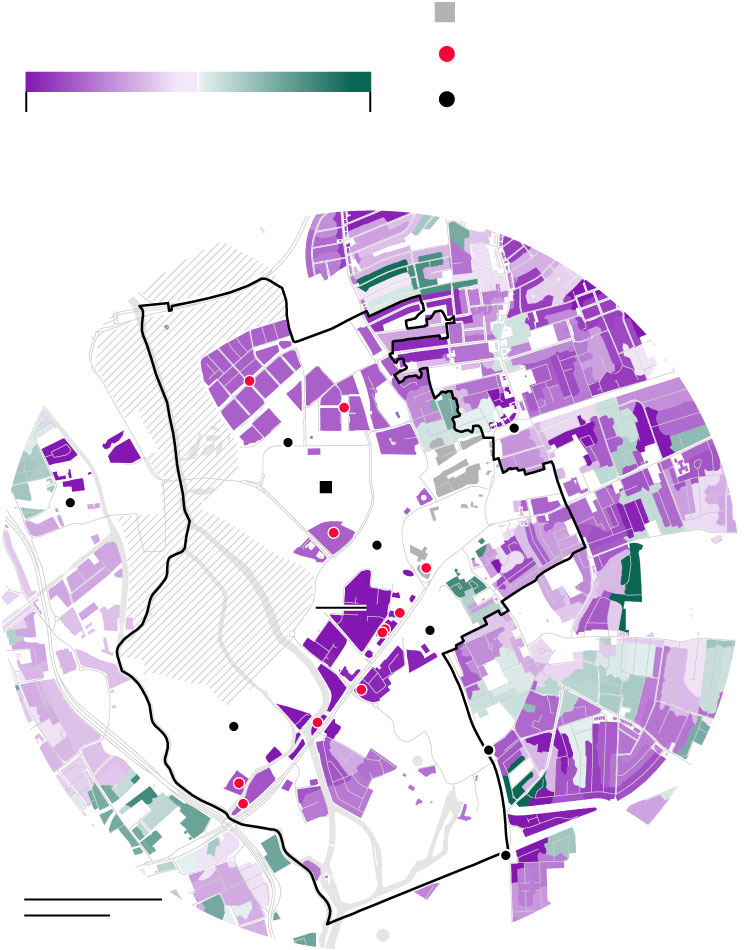
Data not comparable
Change in Black population’s
share of total, pct. pts. 2001–21
Housing development
Tube or rail station
–15
or less
+15
or more
East
Village
Maryland
Westfield mall
Stratford
Hackney
Wick
High Street
Carpenters
Estate
Olympic
Park
West
Ham
Bow
0.25mi
250m
Change in Black population’s share
of total, pct. pts. 2001–2021
Data not
comparable
Housing
development
Tube or rail
station
–15 or less
+15 or more
East
Village
Maryland
Westfield mall
Stratford
Hackney
Wick
Carpenters
Estate
High Street
Olympic
Park
West
Ham
Bow
0.25mi
250m
When Alex Oma-Pius, a theater director currently working on a project celebrating the contribution of British Nigerians, first moved to West Ham on the outskirts of Stratford more than 20 years ago, he was delighted that there were newsagents selling newspapers from his home country of Nigeria outside the main train station.

He says the nearby high street, a roaring dual carriageway overshadowed by metallic towers, is now a metaphoric dividing line: One side is defined by privilege and investment, while on the other, much of the deprivation which the Olympic project vowed to address remains. After housing costs, almost half of residents in the borough live below the poverty line.
“We view the other side, E20, as a lot of people who’ve come to suppress us,” he said, laughing.
London’s Growing Black Communities
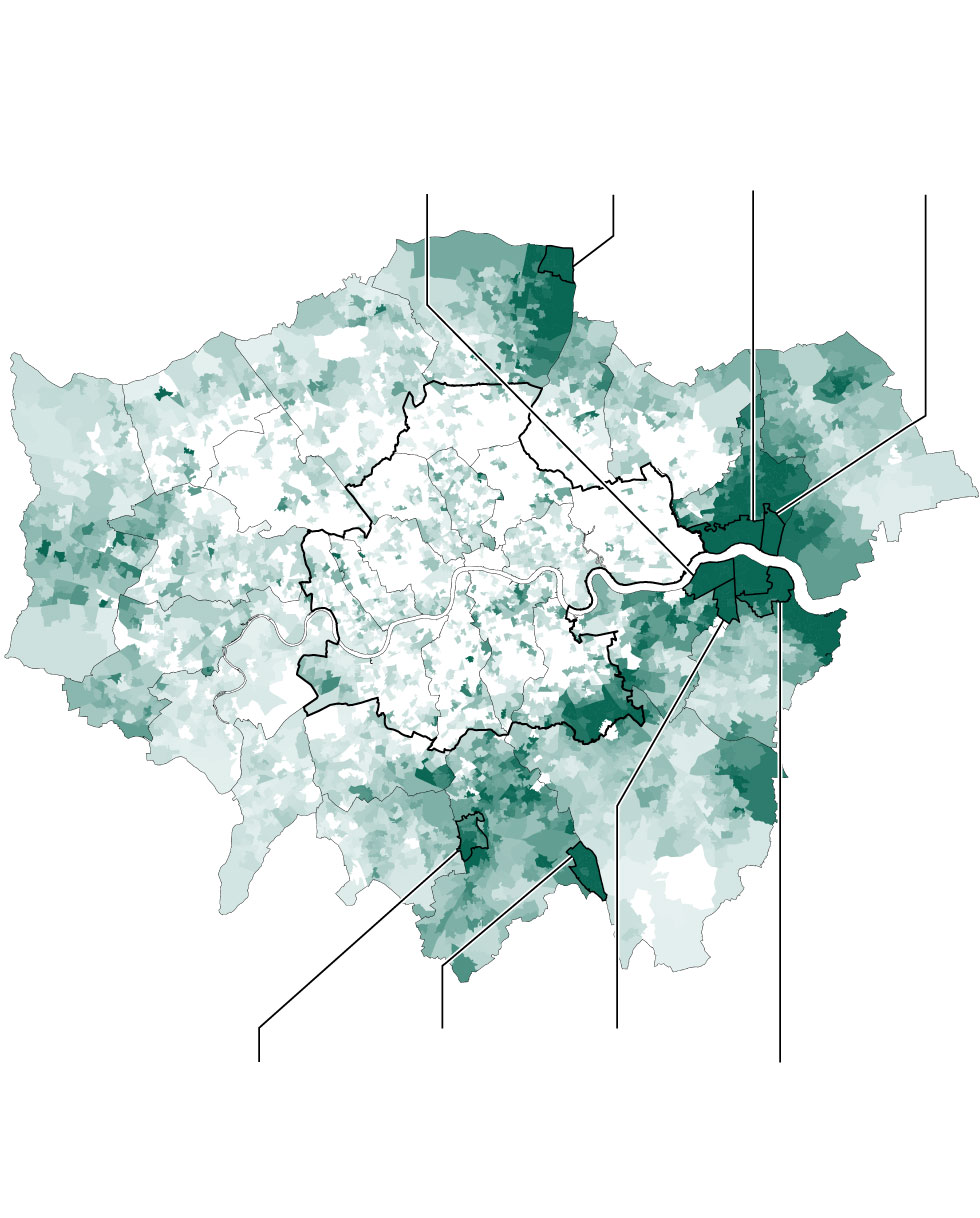
Enfield
Lock
Barking
Riverside
Neighborhood
Thamesmead
Beam
Black pop., 2021
10K
5.3K
4.5K
2.4K
+259%
+306
+496
2001–2021 change
+323
Share of total,
2001–2021 change
+21 pct. pts.
+19
+21
+20
New
Addington
Abbey
Wood
Waddon
Belvedere
5K
5.7K
3.6K
6.2K
+241
+237
+265
+377
+14
+19
+22
+16
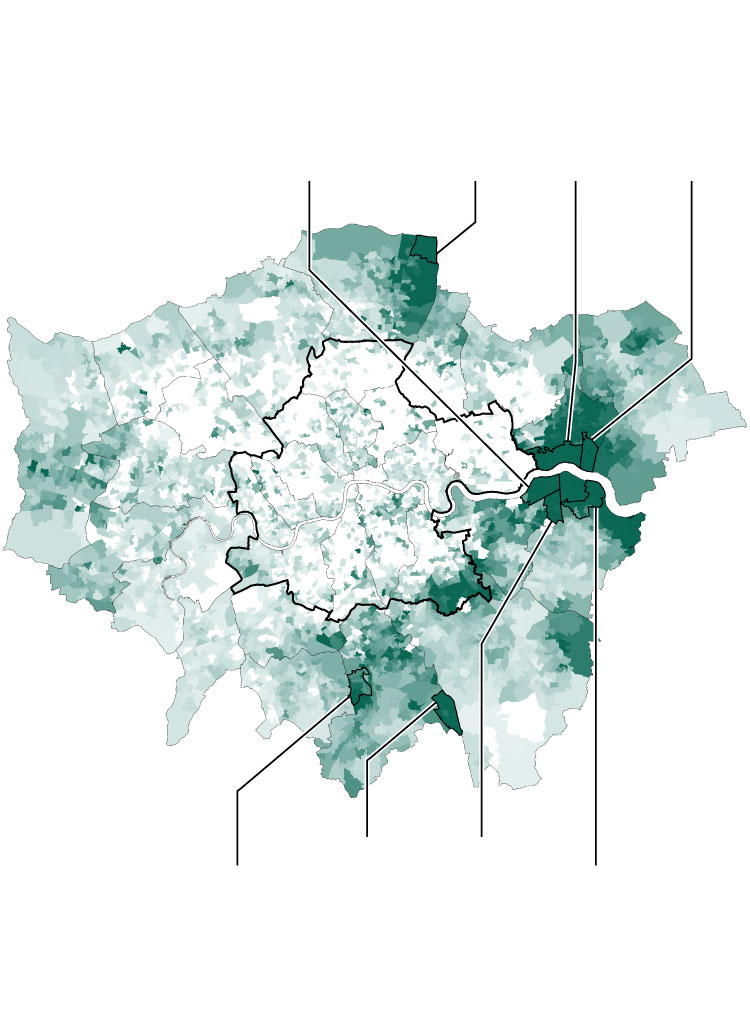
Enfield
Lock
Barking
Riverside
Neighborhood
Thamesmead
Beam
Black pop., 2021
10K
5.3K
4.5K
2.4K
+259%
+306
+496
+323
2001–21 change
Share of total,
2001–21 change
+21 pct. pts.
+19
+21
+20
New
Addington
Abbey
Wood
Waddon
Belvedere
5K
6.2K
5.7K
3.6K
+241
+237
+265
+377
+14
+19
+22
+16
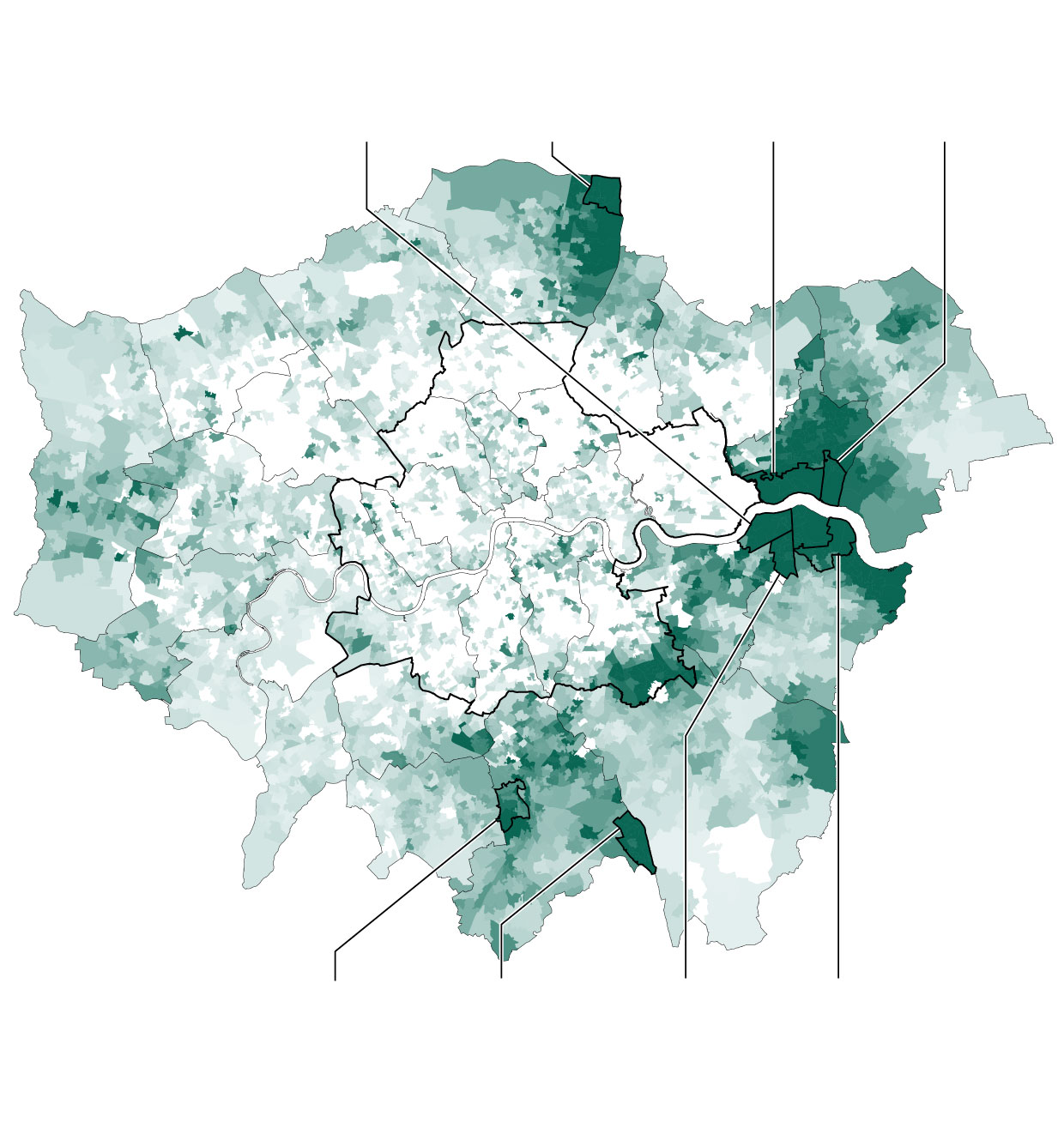
Beam
Neighborhood
Thamesmead
Enfield Lock
Barking Riverside
2.4K
Black pop., 2021
10K
5.3K
4.5K
+259%
+306
+496
+323
2001–2021 change
+21 pct. pts.
+19
+21
+20
Share of total,
2001–2021 change
Belvedere
Waddon
New Addington
Abbey Wood
5.7K
3.6K
6.2K
5K
+237
+265
+377
+241
+19
+22
+16
+14
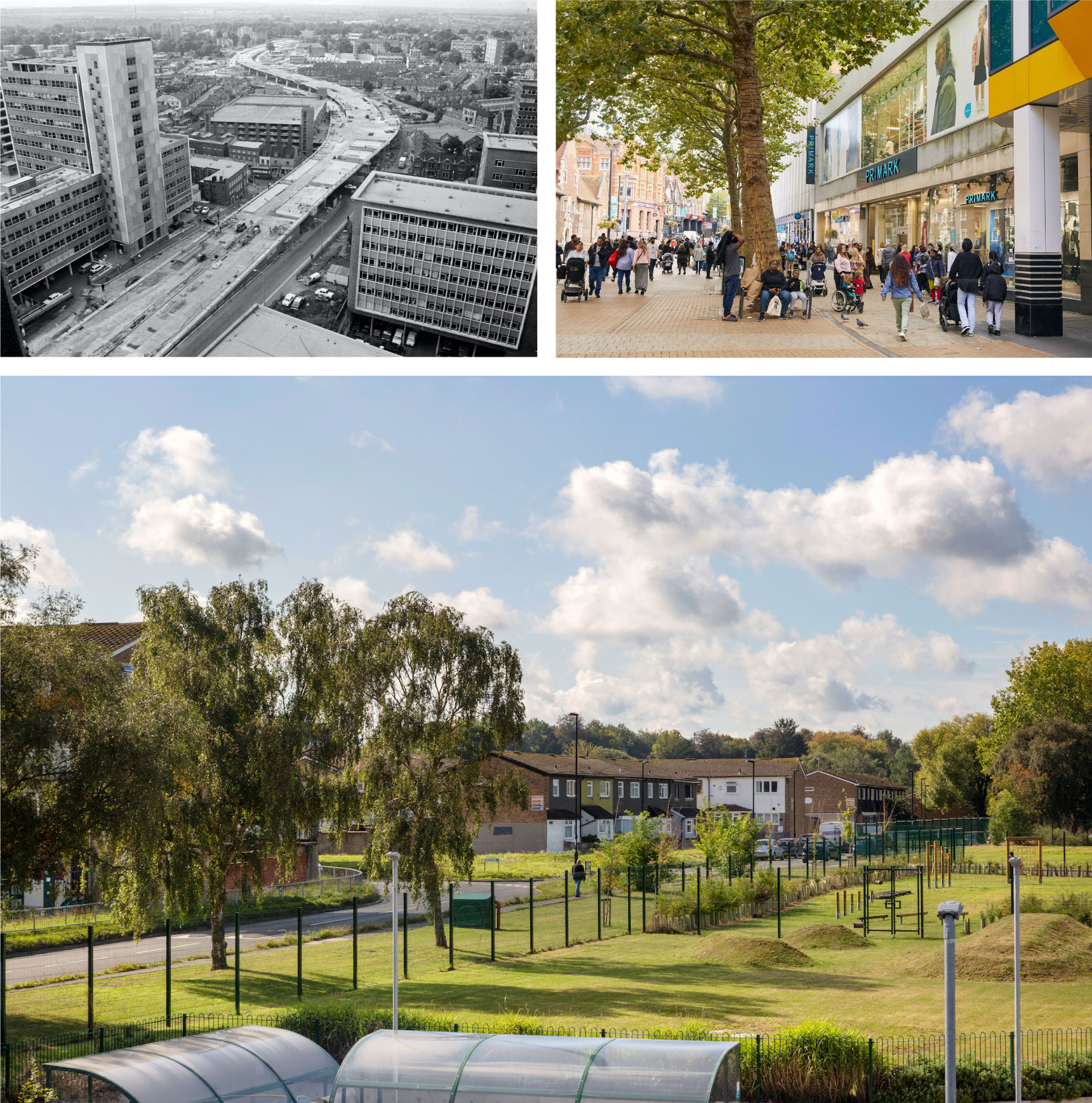
Hervin Brown’s son, Andrew, moved out of Brixton after he started a family. He’d been living in subsidized rental housing, but was given a cash grant of £16,000 to move out of the property under a government plan introduced in the 1990s to free up such homes for other residents applying to local councils for affordable housing. He used the money to make a deposit on a house about seven miles further south in the borough of Croydon, which at the time was less diverse and much cheaper. The area has seen some of the most growth in neighborhood-level Black populations in the city.
An eruption of multi-colored apartment blocks have sprouted around the main train station, which offers a short journey into the city center. The retail giant Unibail-Rodamco-Westfield has also flirted on-and-off with building an enormous destination shopping center similar to the one in Stratford, complete with adjoining offices and apartment blocks.
But those plans, sold as a much-needed boost to the struggling town center, proceeded at a snail’s pace, and were stalled for around a decade. The local government has declared effective bankruptcy three times in two years over a series of botched commercial ventures. The suburb was also tarnished by a “micro-apartment” boom, where changes to planning laws allowed developers to convert office buildings into housing units as small as 10 square meters (about 108 square feet).
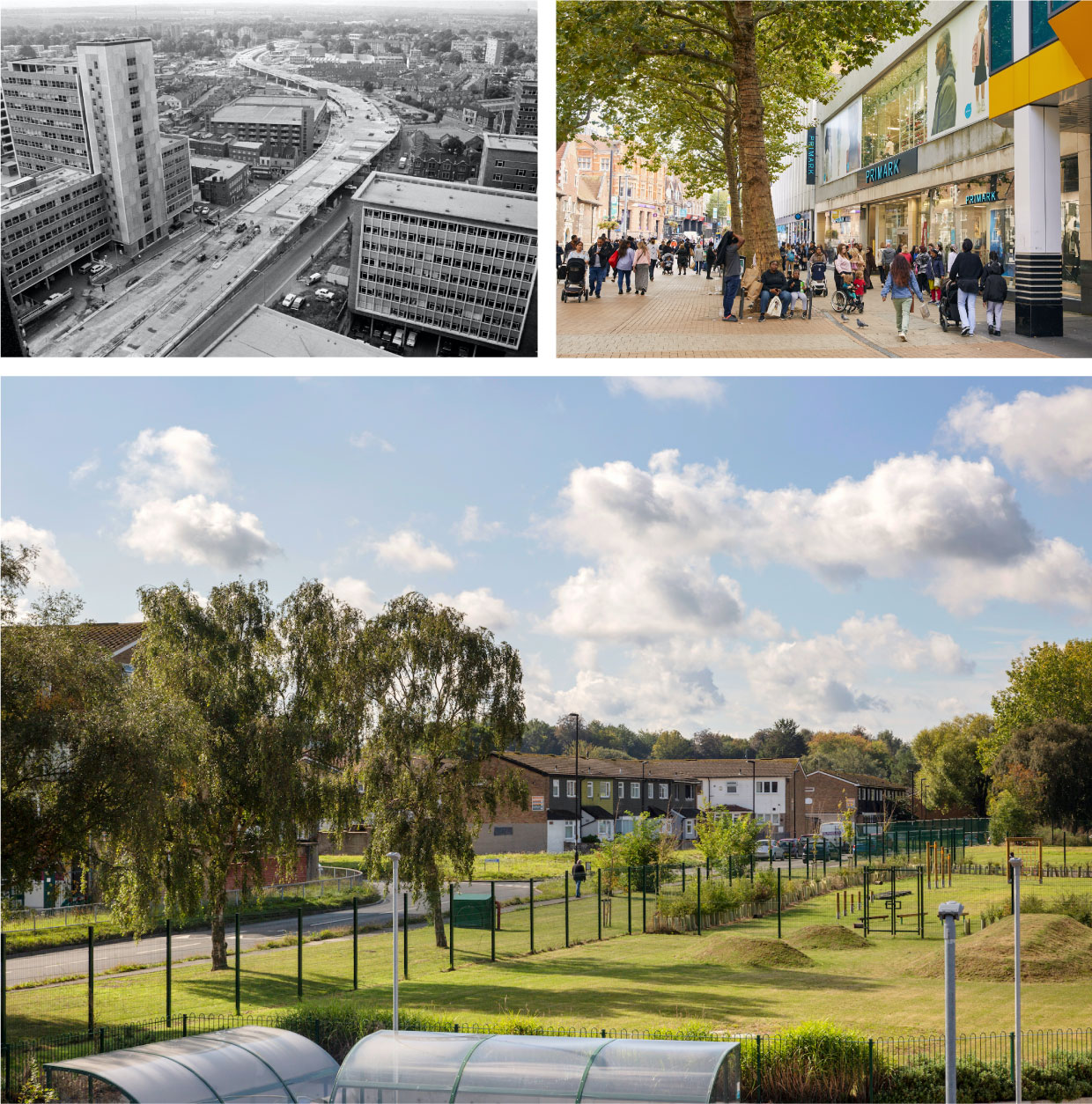
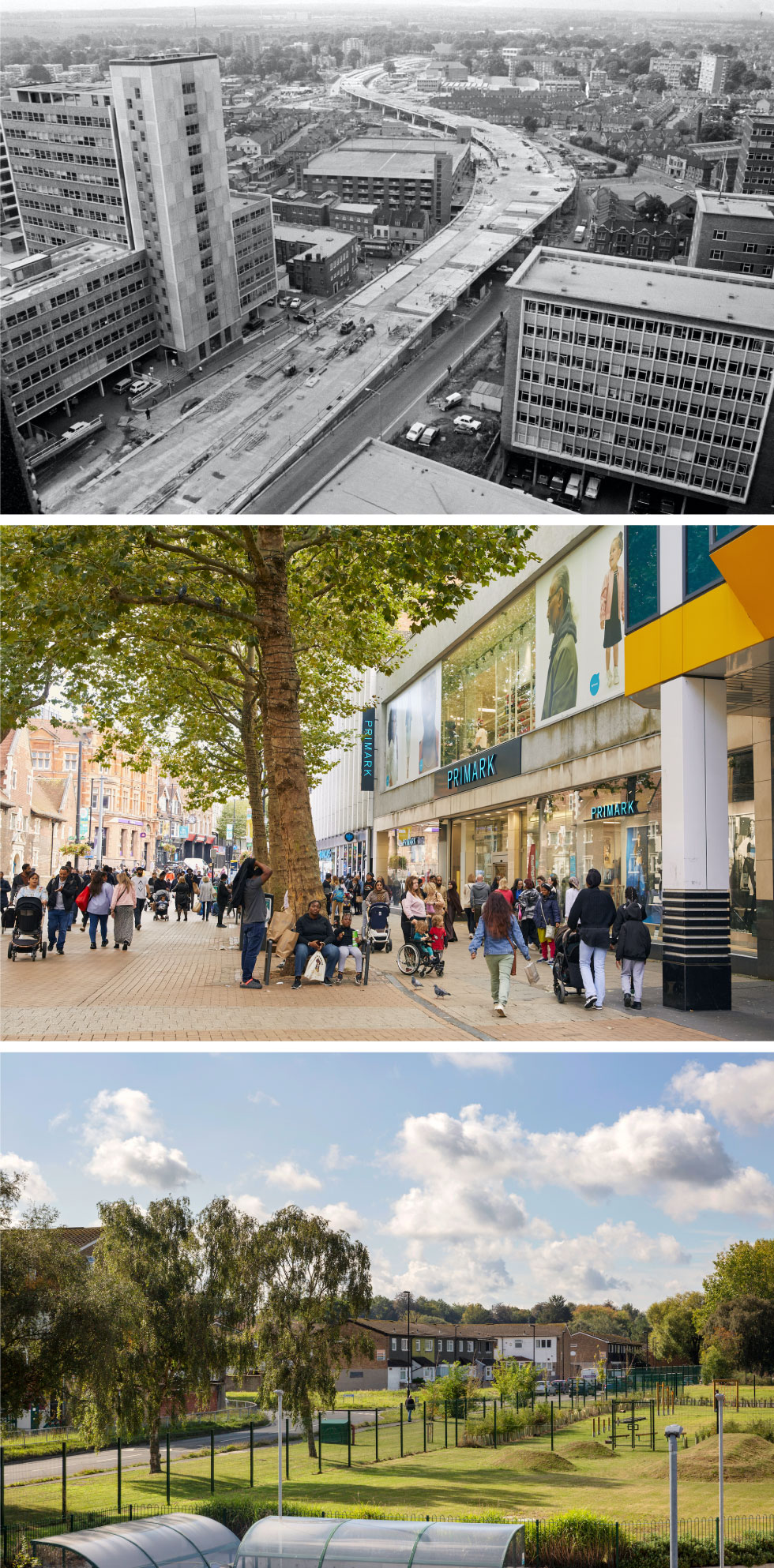
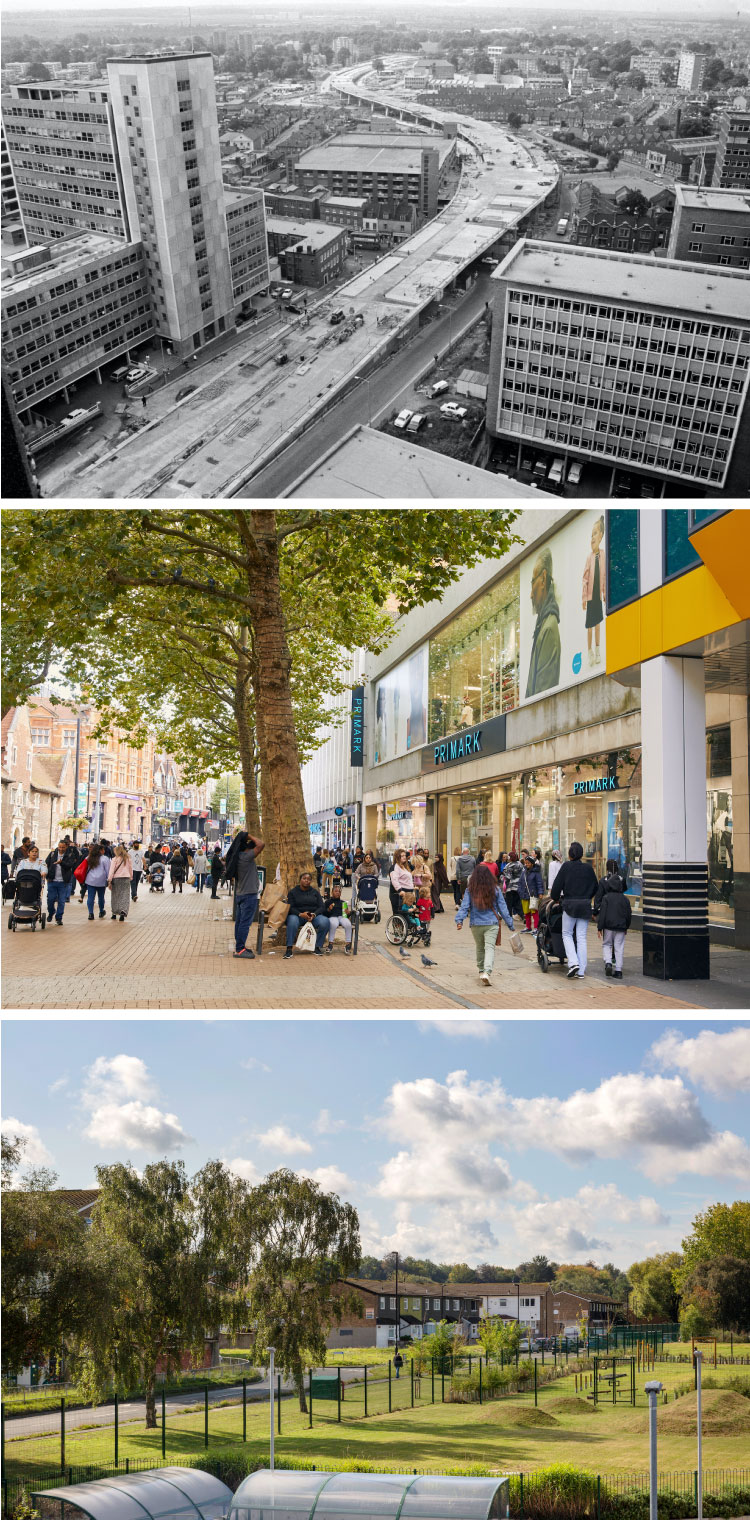
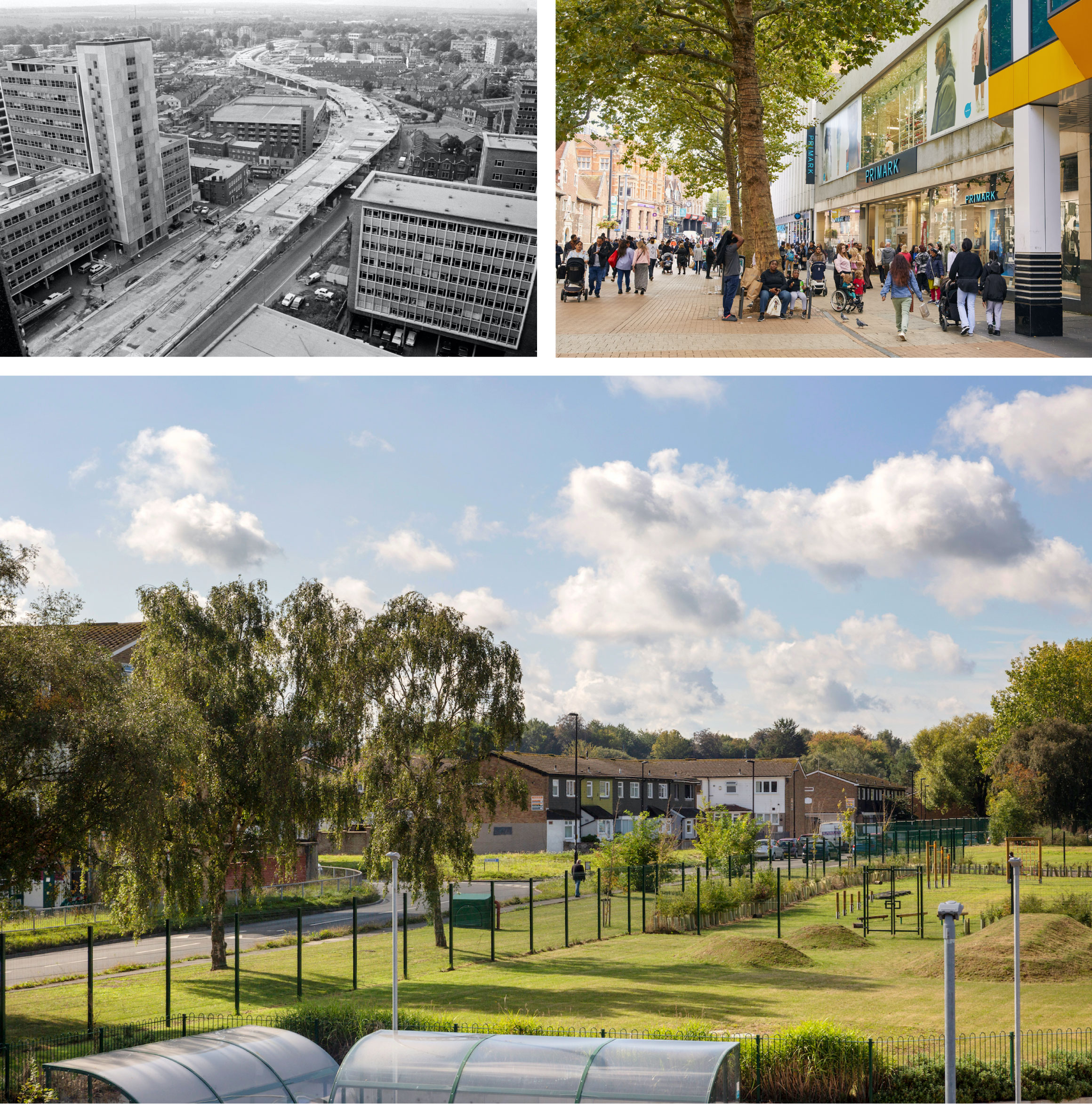
Partly because of such issues, the borough is one of the most affordable places to live within the city. The other London neighborhoods which have seen the sharpest rise in the number and proportion of Black residents also tend to be on the city’s periphery and where housing is cheaper.
But even within the borough, neighborhoods can differ dramatically, said Andrew, who leads the charity Croydon BME Forum, which works to level inequalities within the area.
“They say in Croydon there’s a north-south divide,” he said, with poorer, more built-up areas such as the town center where there was a brutal stabbing on Sept. 27 a short distance from more affluent ones in rolling countryside. Those in the most deprived part of the borough have a life expectancy that is six years lower than people in the richest district, according to local government figures.
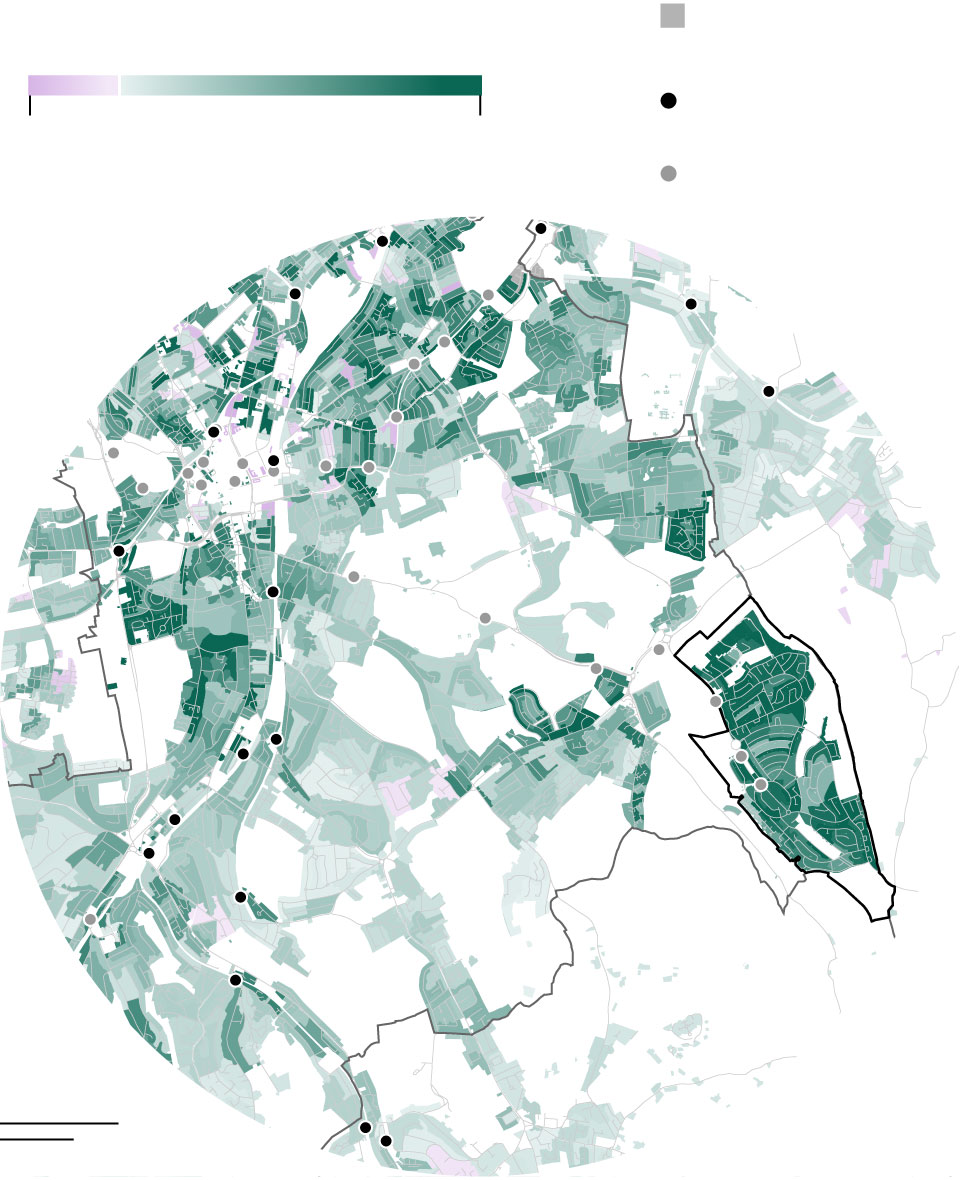
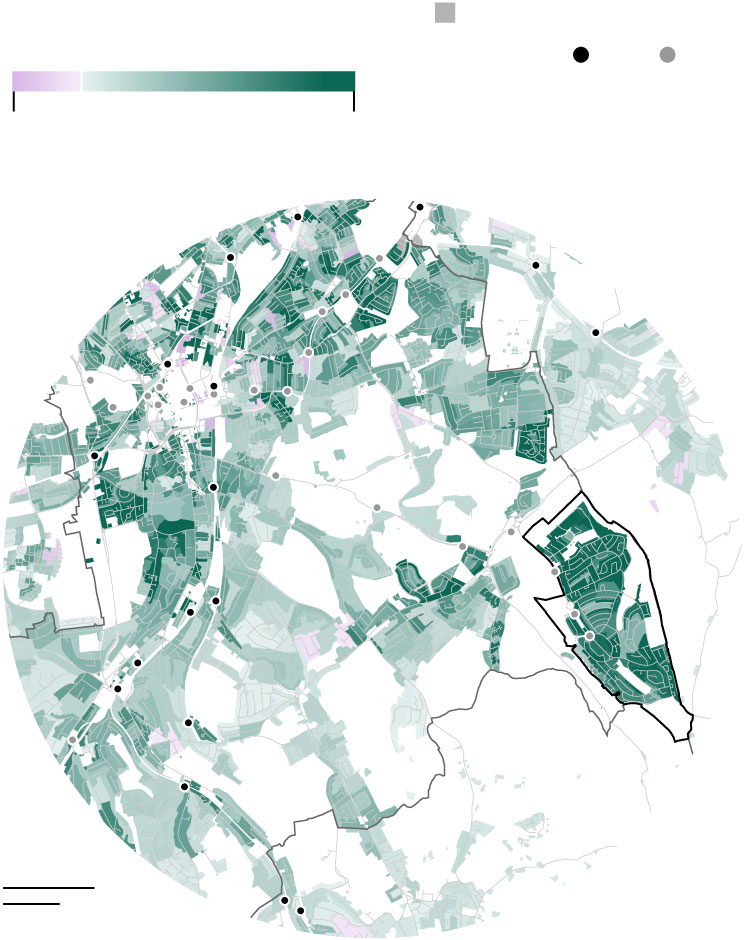
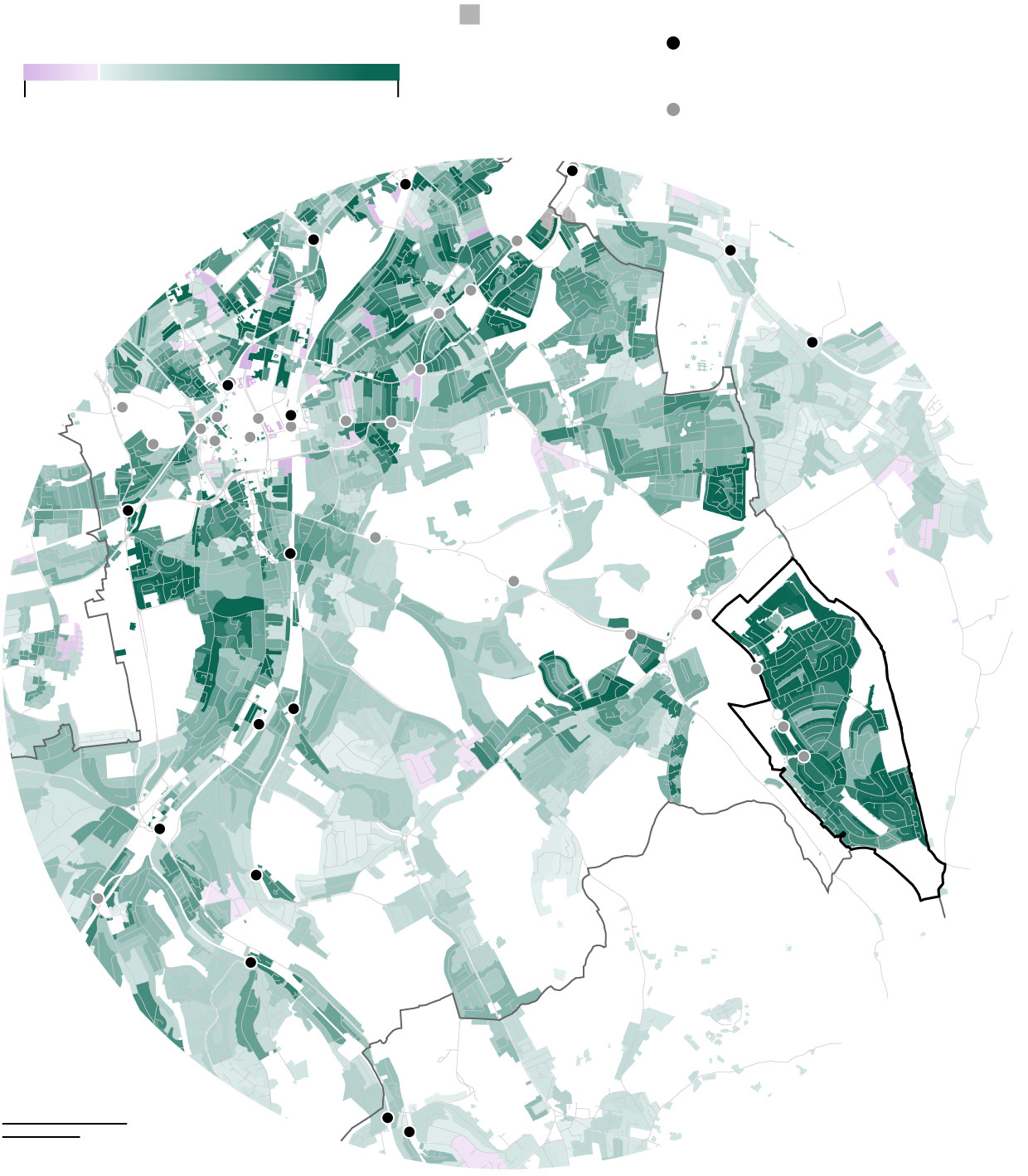
New Addington, a neighborhood which stands on the edge of the borough of Croydon, captures some of those contrasts: It’s surrounded by fields with grazing horses on one side, and woodlands on the other. To get from the district to the city center, some residents have to take a bus, a tram and a train. Once nicknamed Little Siberia, the town is cut off from the outside world altogether when it snows.
Croydon borough, South London
Change in Black population’s share
of total, pct. pts. 2001–2021
Data not comparable
Rail station:
With direct connection
to central London
–5 or less
+20 or more
No direct connection
Croydon
center
Bromley
borough
New
Addington
Sutton
borough
Greater London
boundary
0.5mi
500m
Change in Black population’s
share of total, pct. pts. 2001–21
Data not comparable
Rail station:
With
No
direct connection to central London
–5
or less
+20
or more
Croydon
center
Bromley
borough
New
Addington
Sutton
borough
Greater London
boundary
0.5mi
500m
Change in Black population’s share
of total, pct. pts. 2001–2021
Data not
comparable
Rail station:
With direct connection
to central London
No direct connection
–5 or less
+20 or more
Croydon
center
Bromley
borough
New
Addington
Sutton
borough
Greater London
boundary
0.5mi
500m
Despite its isolation, the town has seen a disproportionate rise in the percentage of Black residents. The area, which originated as a collection of housing estates built on farmland to ease overcrowding in nearby Croydon, has a far higher proportion of people living in social housing than the rest of the borough. It has also been classified as a food desert, with a shortage of large supermarkets serving the town. Almost two-thirds of residents are living in some form of “deprivation,” whether that means being low-income or having difficulties accessing housing.
Julia Weller has lived in the area her whole life. Her parents moved to the neighborhood in the 1960s, and she grew up with a social club for the district’s Caribbean people operating from her home, where people would come to cook food, dance and play dominoes. As a girl, everyone’s back gardens were interconnected, so she would be able to run from house to house.

“I love the area,” said Weller, who is CEO of the local charity the Family Centre. “I love the people, I love working here.”
But that work has become more and more demanding over the years due to the growing levels of need in the community, particularly since the Covid-19 pandemic. As the cost of living crisis took hold last year, one of the most pressing demands has been simply making sure people have enough food.
Leaving London
Some Black residents who left London altogether are finding their own communities in more affordable pockets of England.
Take Thurrock, which borders the eastern edges of the River Thames, and is where the HMT Empire Windrush carrying a new generation of Caribbean arrivals such as Tia’s grandparents first docked.
England’s Black Communities Grow Outside London
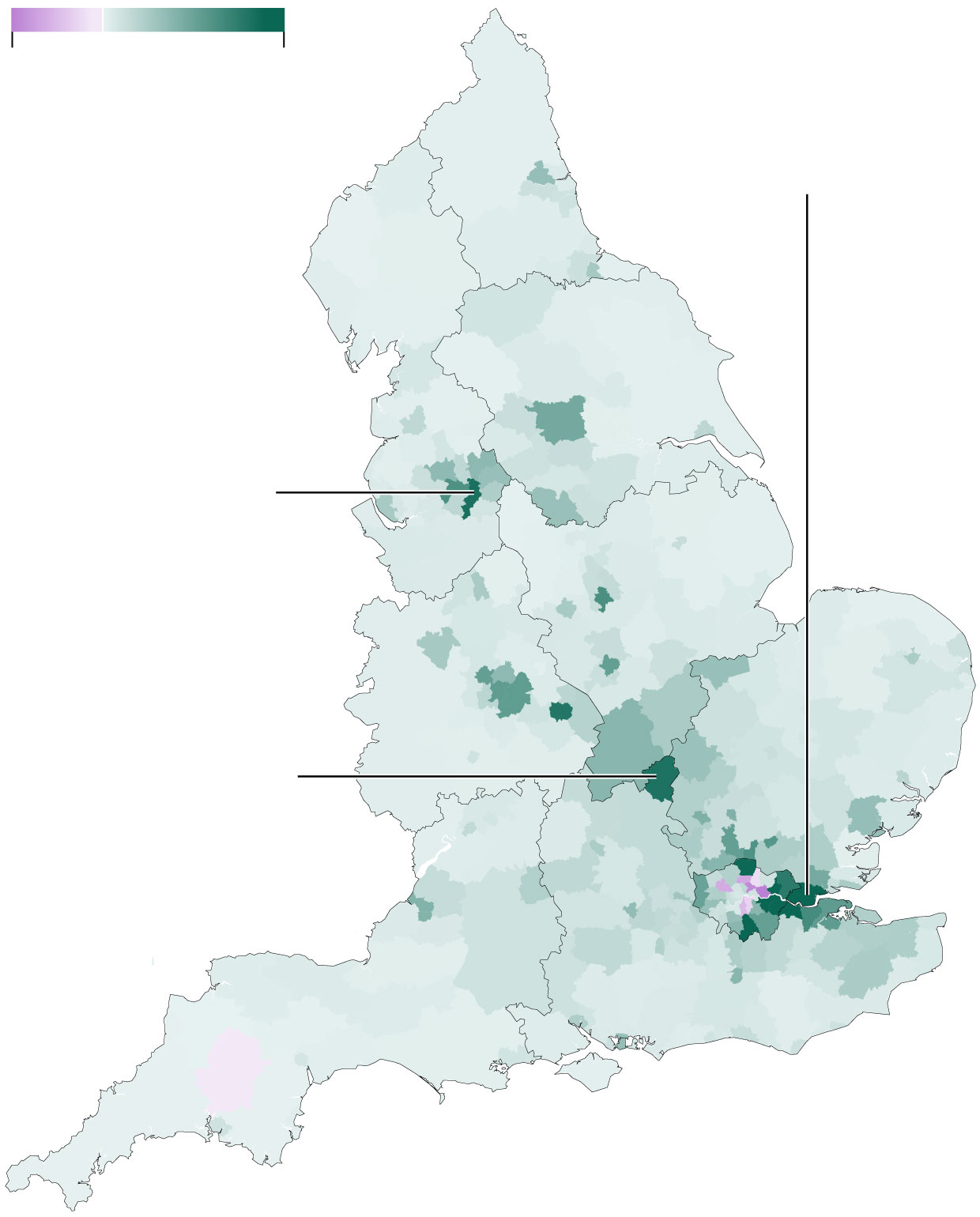
Outside London, among the highest
increases in the share of Black
people were recorded in areas like
the district of Thurrock, which sits
adjacent to the capital and is home
to several commuter towns
–4
+8 or more
In the North, Black
communities grew their
share of the population
in and around Manchester
Milton Keynes, another district
within London’s one-hour
commuter belt, saw the
fourth-highest increase
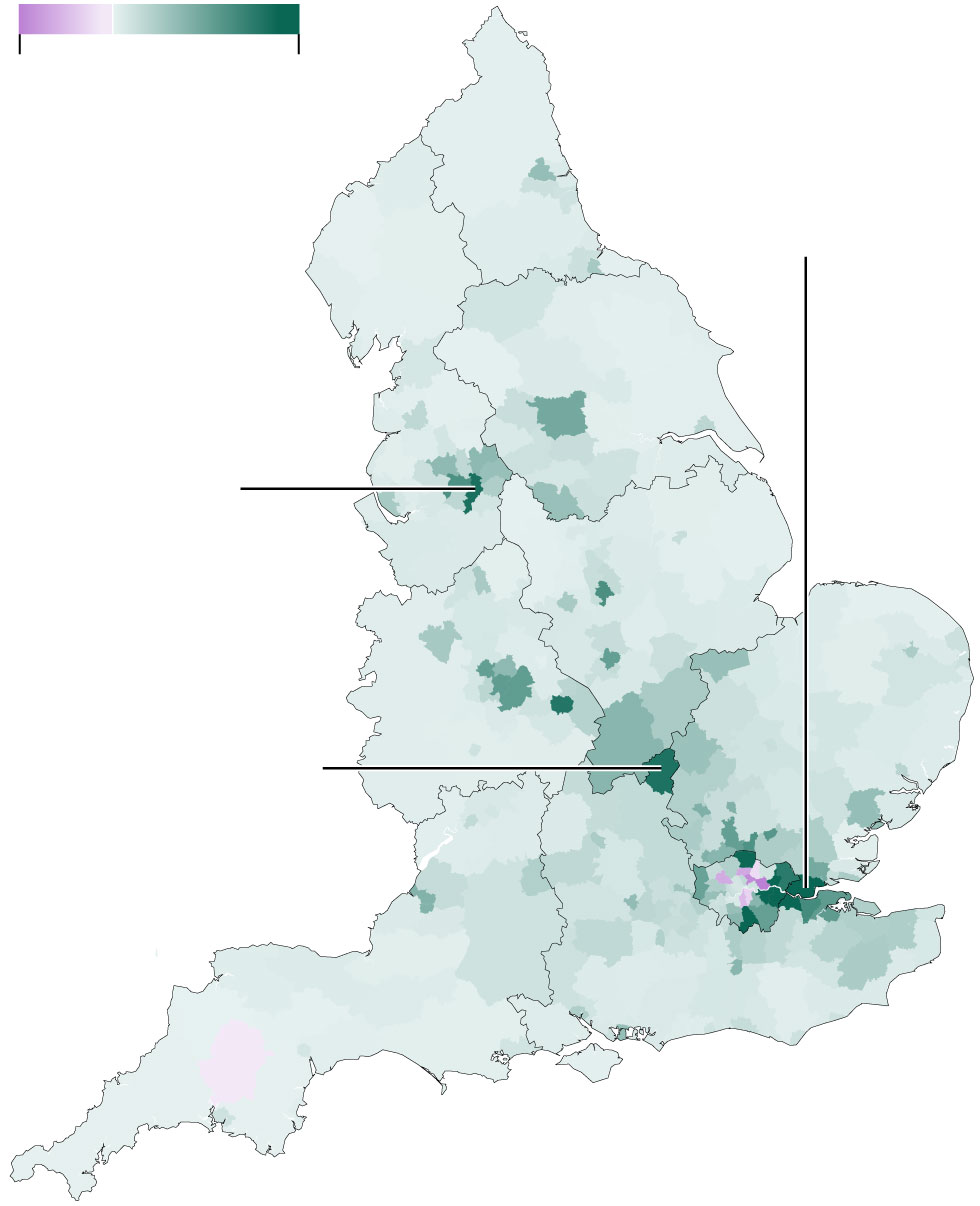
Outside London, among the
highest increases in the share
of Black people were recorded
in areas like the district of
Thurrock, which sits adjacent
to the capital and is home to
several commuter towns
–4
+8 or more
In the North, Black
communities grew
their share of the
population in and
around Manchester
Milton Keynes, another
district within London’s
one-hour commuter belt,
saw the fourth-highest
increase
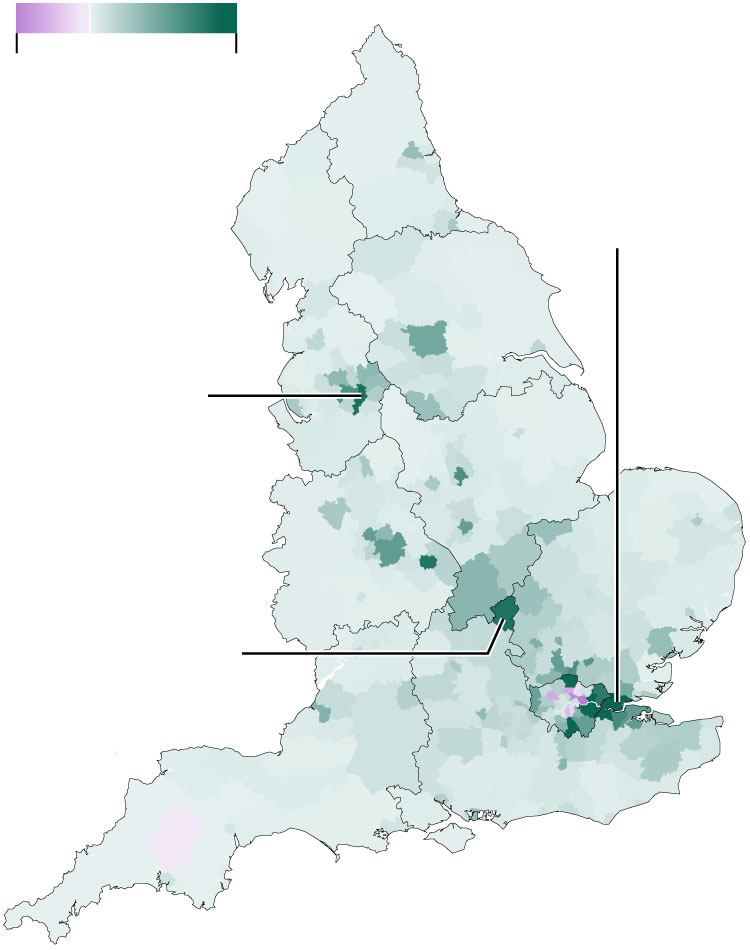
Outside London, among
the highest increases in the
share of Black people were
recorded in areas like the
district of Thurrock, which
sits adjacent to the capital
and is home to several
commuter towns
–4
+8
or more
In the North, Black
communities grew
their share of the
population in and
around Manchester
Milton Keynes, another
district within London’s
one-hour commuter
belt, saw the fourth-
highest increase
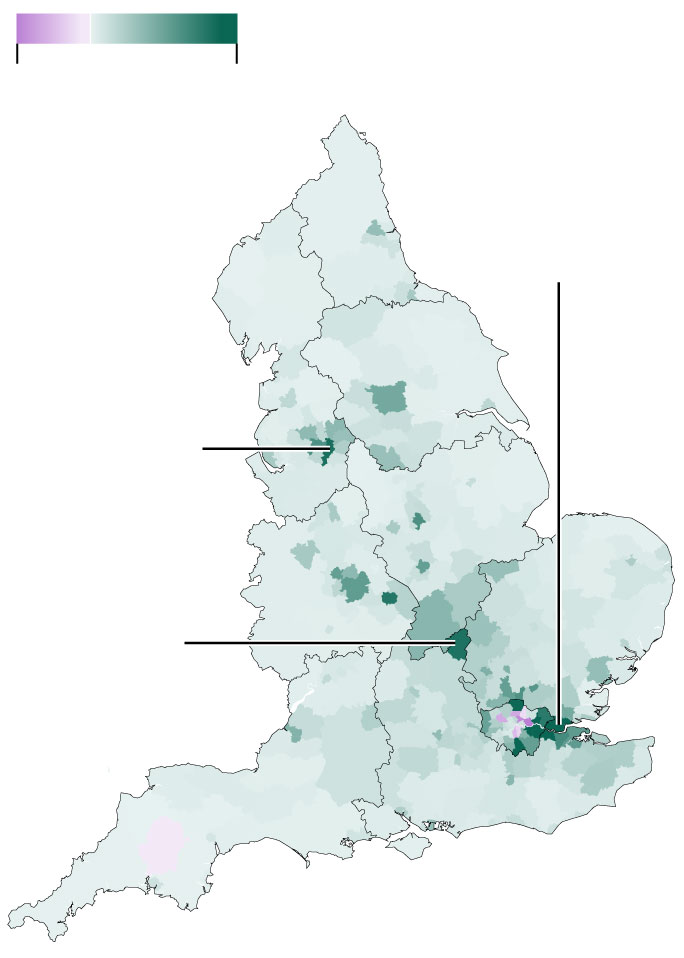
Outside London, among the highest increases in the share of Black people were recorded in areas like the district of Thurrock, which sits adjacent to the capital and is home to several commuter towns
–4
+8
or more
In the North, Black
communities grew
their share of the
population in and
around Manchester
Milton Keynes, another district within London’s one-hour commuter belt, saw the fourth-highest increase
When Bukky Okunade first moved to Thurrock 21 years ago from London, attracted by cheaper house prices, she started a community organization for other Africans in the area. At the time, they were encountering issues ranging from being chased on their way to work to their cars being vandalized.
“We haven’t got such terrible reports now,” Okunade said. The Nigeria-born population in Thurrock has grown exponentially, rocketing from around 230 people in 2001 to more than 5,400 in 2021, according to Census data that doesn’t break down figures among ethnic groups.

Wole Adejumo, who works in insurance as a client manager, lived in West London for more than 10 years after graduating from university. Although his job is still in London, he moved to Manchester in 2021 after he got married, a decision that he says has very few downsides. He largely works from home, only commuting into the capital once every few weeks.
Adejumo bought a city-center condo with access to amenities including a swimming pool and basketball court, something he could have never dreamed of in London. And he says there are enough Black people in Manchester that he never feels like he’s missing out, whether it’s being able to buy Nigerian food or the nightlife. “There’s very much a community,” he said.
He’s likely not alone in that sentiment: The city has experienced one of the biggest rises in its Black population’s proportion in the country since 2001.
“I’m delighted really, with the quality of life you get,” Adejumo said. “People can’t see further than London, you know? But there’s a lot out there.”

If all goes well, Andrew Brown’s daughter, Tia, will also make a similar move. For as long as Tia can remember, she’s lived on the very edges of London. As a child, she traveled to a school just outside the city, and was used to being one of the only Black children there. Now, the 28 year-old police officer is renting in the outer-London suburb of Sutton. Eventually, she and her young family would like to buy a home farther out in the leafy area of West Sussex.
Her father, 51, sees it as the latest stage of a complicated history that’s seen his family disperse further away from its central London roots. Though house prices were part of the impetus, moving to the outer edges of London also enabled his daughter to grow up looking out over fields where deer would sometimes wander, and away from the blare of sirens that characterizes inner London.

The last time he remembers seeing the flashing lights of an ambulance on his street was when a house on the road caught fire and neighbors filed out onto the street.
“And people didn’t even know who we were,” he said, even though the family had lived in the area for more than a decade. It’s a contrast to his memories growing up in Brixton, where everyone called their older neighbors “Mummy, Auntie, Uncle, you know — and everyone kind of looked after each other.”
But even if he had remained there, it’s not clear if he would have been able to hold onto that community.
“I’m not sure if that kind of spirit is still there now,” he said.
Updates the Croydon borough map with additional rail stations