
Ford Gets $9.2 Billion to Help US Catch Up With China’s EV Dominance
It’s one of the biggest loans to a US carmaker in more than a decade – and a watershed moment in Biden’s $400 billion plan to go all in on green technologies.
A deep-pocketed US government program designed to finance futuristic energy businesses is issuing a conditional $9.2 billion loan to Ford Motor Co. for the construction of three battery factories. The enormous loan — by far the biggest government backing for a US automaker since the bailouts in the 2009 financial crisis — marks a watershed moment for President Joe Biden’s aggressive industrial policy meant to help American manufacturers catch up to China in green technologies.
The new factories that will eventually supply Ford’s expansion into electric vehicles are already under construction in Kentucky and Tennessee through a joint venture called BlueOval SK, owned by the Michigan automaker and South Korean battery giant SK On Co. Ford plans to make as many as 2 million EVs by 2026, a huge increase from the roughly 132,000 it produced last year.
The three-factory buildout by BlueOval plus an adjacent Ford EV assembly unit have an estimated price tag of $11.4 billion. BlueOval was previously awarded subsidies by both state governments. That means taxpayers would be providing low-interest financing for almost all of the cost.
Ford’s cars and SUVs made with domestic batteries will also be eligible for billions of dollars in incentives embedded in the Inflation Reduction Act’s $370 billion in clean-energy funding, part of the historic climate measure narrowly passed into law about a year ago. The US government will subsidize manufacturing of batteries, and buyers could qualify for additional tax rebates of up to $7,500 per vehicle.
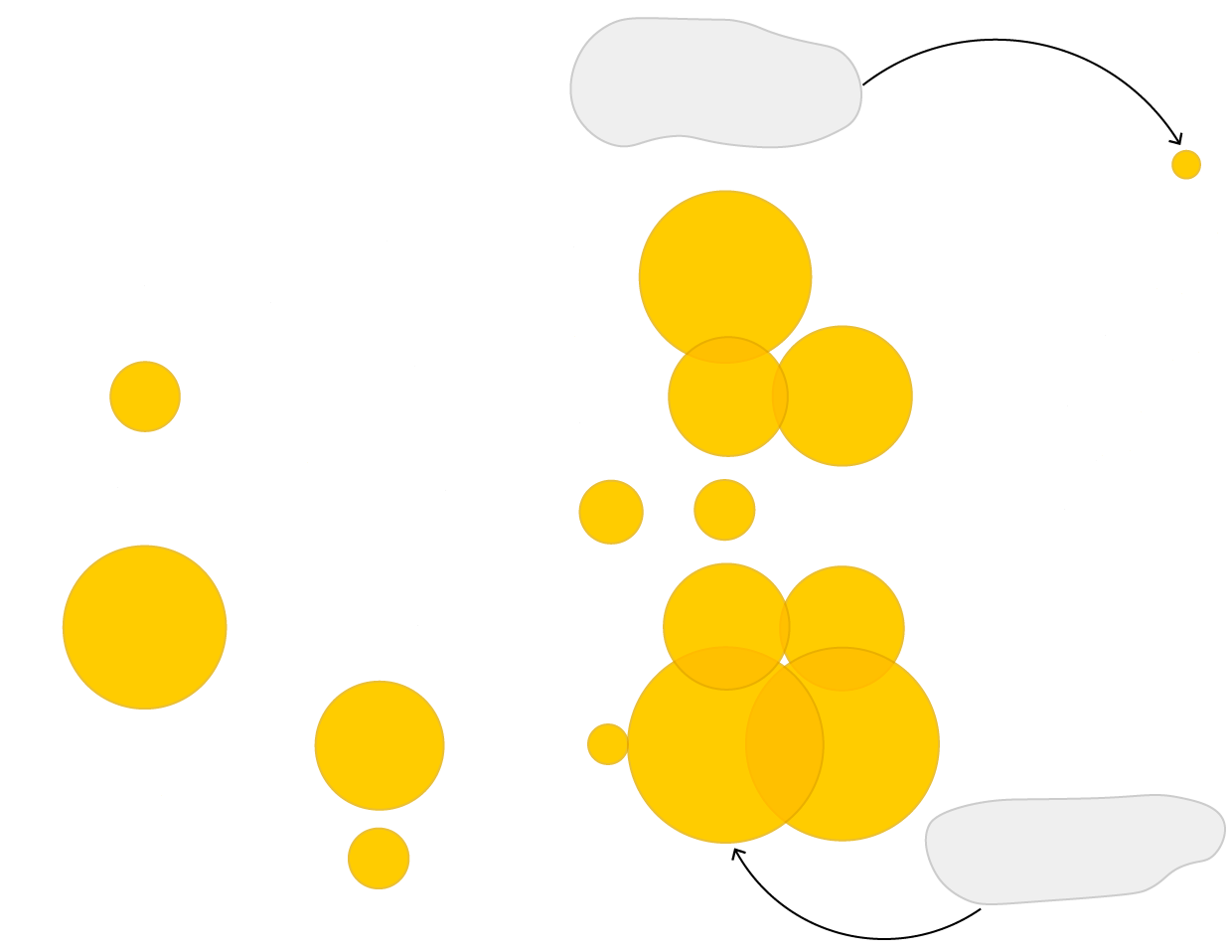
The rush of incentives, government lending and private-sector investment has led to a manufacturing boom in the wake of the IRA. More than 100 battery and electric-vehicle production projects are announced or already under construction in the US, representing about $200 billion in total investments.
“Not since the advent of the auto industry 100 years ago have we seen an investment like that,” says Gary Silberg, KPMG’s global automotive sector leader.
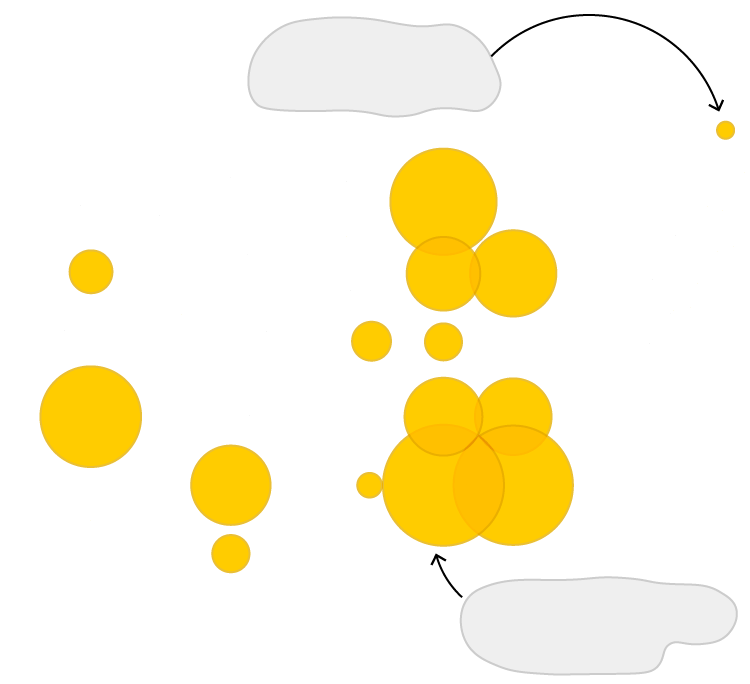
US Lending to Clean-Energy Projects Roars Back
👆 Hover or tap to learn more about each loan
- Loan repaid
- Ongoing
- Conditional
- Failed
OBAMA
TRUMP
BIDEN
2023
The $9.2 billion loan for
BlueOval SK would be the
single largest in the
history of the Loan
Programs Office
Tesla’s $465 million
loan helped the company
open its first factory
OBAMA
Tesla’s $465 million
loan helped the
company open its
first factory
TRUMP
BIDEN
2023
The $9.2 billion loan for
BlueOval SK would be
the single largest
in the history
of the Loan Programs Office
OBAMA
Tesla’s $465 million
loan helped the
company open its
first factory
TRUMP
BIDEN
The $9.2 billion
loan for BlueOval
SK would be the single
largest in the history
of the Loan Programs
Office
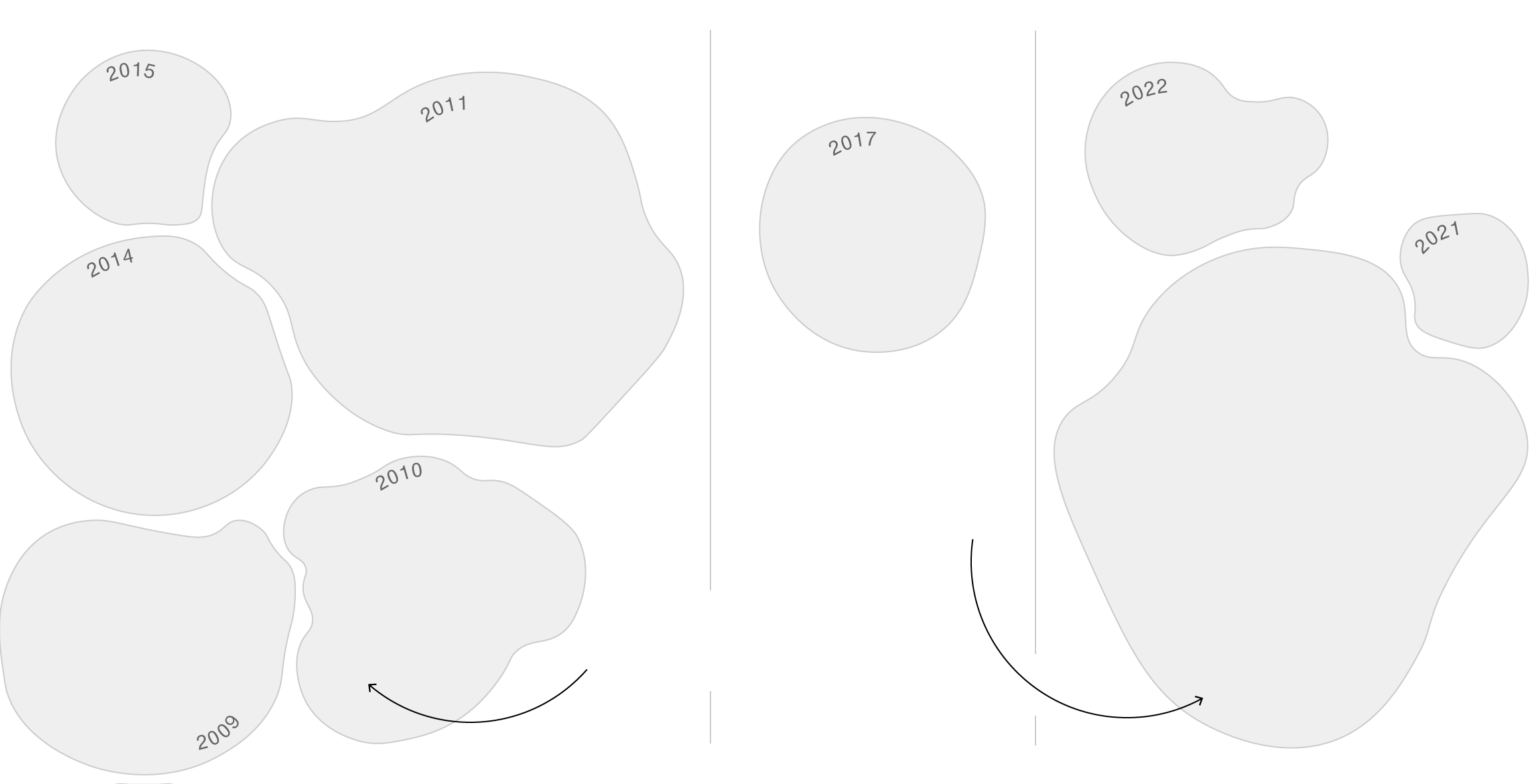
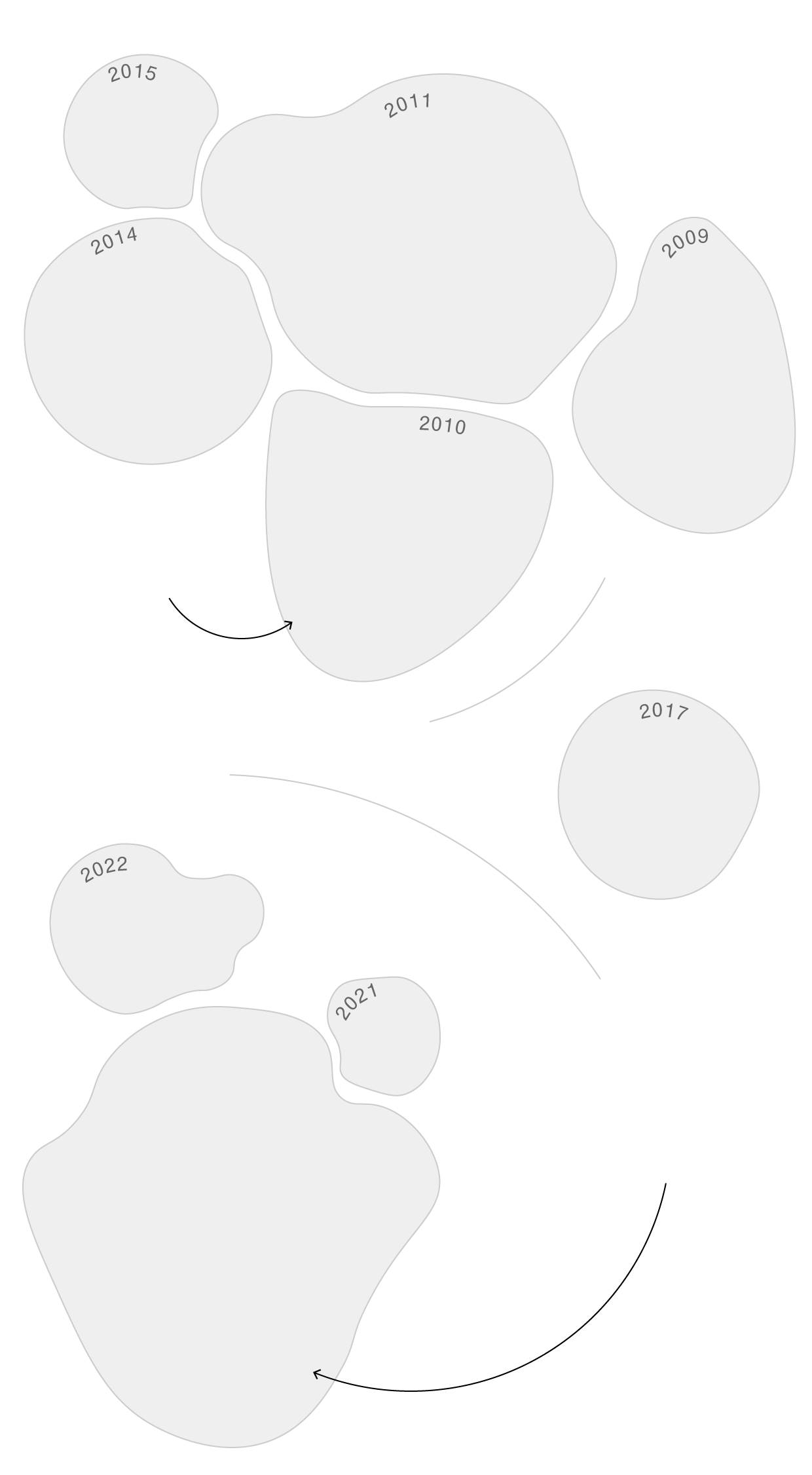
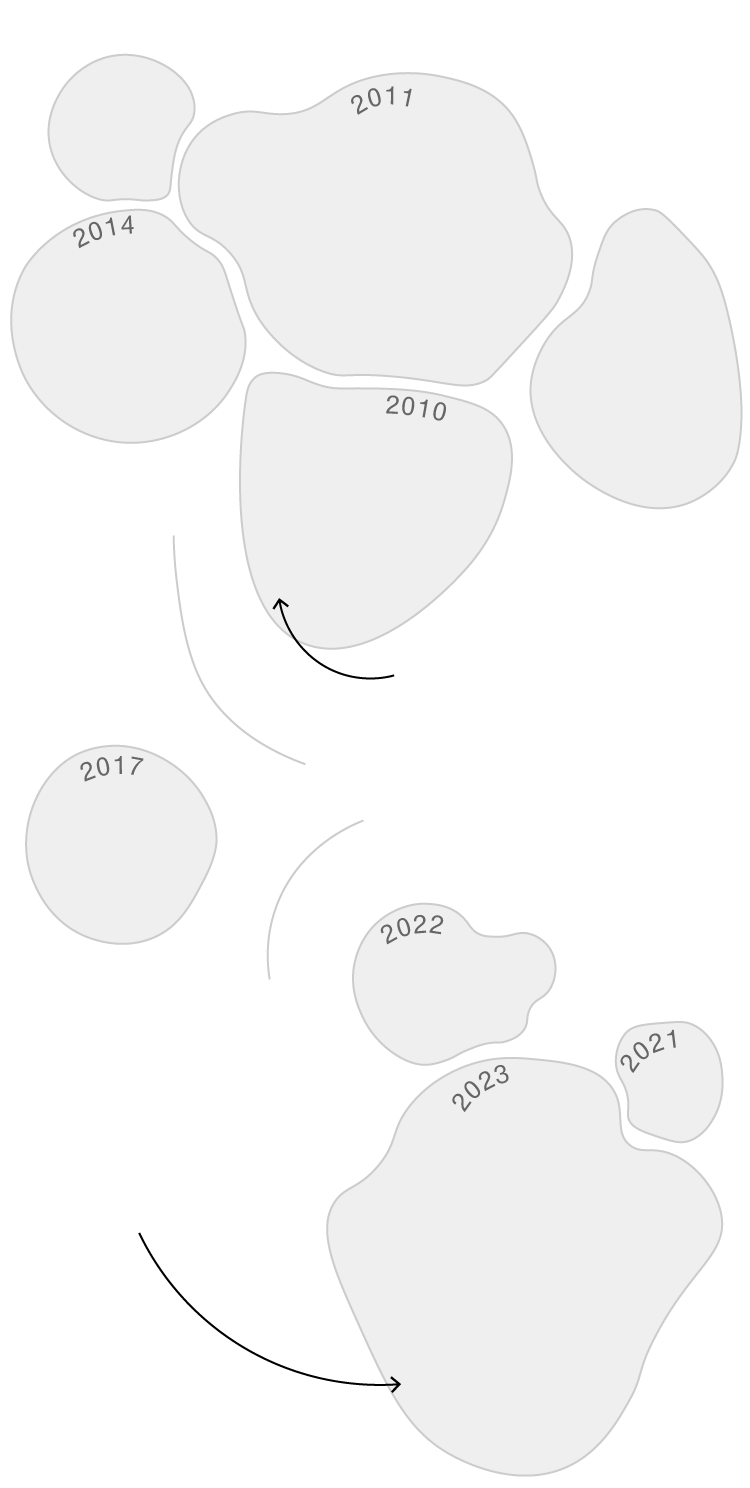
Ford’s battery borrowing comes through a facility within the US Department of Energy known as the Loan Programs Office, or LPO, that’s disbursed nearly $33 billion over the past 14 years. Since the IRA passed, the total amount now available for lending through the LPO is around $400 billion, and loan sizes appear to be trending upward. Ford’s loan is more than triple the borrowing by General Motors Co. from the same program last year.
The office is perhaps most closely associated with the failure of Solyndra, a solar startup that received a $535 million loan in 2009. But it also made a far more successful loan to Tesla Inc. the following year, at a critical moment when the company was struggling to get its breakthrough Model S sedan into production. With the help of $465 million in federal financing, Tesla ramped up its first factory in Fremont, California, went public, and is now the world’s most valuable automaker.
Part of the Loan Programs Office’s mandate is to serve emerging companies trying to scale up new technologies, and this often entails backing businesses that are inherently risky. A $1 billion conditional loan agreement with green-hydrogen startup Monolith Materials, announced at the end of 2021, is a good example of this approach. Monolith will use the government financing to build a plant that splits methane into carbon and hydrogen without producing carbon dioxide.
On funding for electric vehicles and battery supply chains, however, dazzling forays into never-before-seen tech aren’t always the hallmark of the LPO’s strategy. Nothing about BlueOval’s standard-issue EV batteries appears to be particularly cutting edge. The company declined to disclose any details of its technology. But the battery plants are looked at as important for US industrial strategy.
In an interview with Bloomberg Green, Jigar Shah, the director of the Loan Programs Office who was a pioneering solar entrepreneur, described the federal government’s battery-lending moves as a way to “onshore and reshore” manufacturing. “The goal of the program is not innovation but to get more of the supply chain to be manufactured in the US.”

BlueOval Chief Executive Officer Robert Rhee said in a statement that the company “will use this loan to its fullest as we create 7,500 good American jobs.” Ford deferred comment to BlueOval.
The passage of the IRA in August has enabled the Biden administration to bet on industrial policy that can make US automakers competitive globally and contribute to the goal of reducing US greenhouse gas emissions by half by 2030. The Loan Programs Office is likely to serve as an essential conduit of that policy.
Government support could not come at a better time for Ford. Last year the company announced a major restructuring that separated its businesses by the type of drivetrain, splitting electric motors from traditional engines, while committing to a four-year investment blitz that will sink $50 billion into EVs. “The biggest thing of scaling is batteries,” Jim Farley, Ford’s chief executive officer, told Bloomberg TV in a March interview from a BlueOval construction site in Tennessee.
In Conversation With Jigar Shah
In Conversation With Jigar Shah
Listen to the interview with LPO director Jigar Shah on the Zero podcast, and subscribe on Apple, Spotify or Google.
The lithium-ion batteries that power almost all of the 25 million EVs on the road worldwide are an indirect product of American innovation. Exxon first devised one in a research lab in the 1970s, but the oil giant didn’t back the invention. After decades of advancements, mostly through government research, lithium-ion batteries were commercialized for electronic devices in the 1990s and then moved into EVs in the 2000s.
Yet the technological head start for the US didn’t lead to a homegrown battery-manufacturing sector, which largely took root in Asia. Even Tesla, by far the market leader in EVs, has largely relied on a partnership with Japan’s Panasonic Holdings Corp. to provide batteries for its cars in the US.
The absence of an all-American battery giant isn’t from lack of trying. Companies like A123 Systems Inc. failed to take off due to a lack of demand, even with hundreds of millions of dollars in US government support back in 2009. It simply wasn’t enough to create a sustainable business. After A123 filed for bankruptcy in 2012, its assets were bought by a Chinese auto-parts company.
More robust backing from the Chinese Communist Party’s sustained industrial policy spawned the world’s biggest battery makers, and A123’s technology helped grow business for its new Chinese owner. Not only did China commit far more government money to battery businesses over the past decade, but Beijing also imposed strict limits on sales of internal-combustion vehicles. Chinese buyers faced long waits and steeper costs to purchase any car without a plug.
That’s how China cultivated global battery behemoths such as Contemporary Amperex Technology Limited, which is now the world’s largest maker of lithium-ion batteries with factories spreading into Europe. Between 2009 and 2021, the Chinese government poured more than $130 billion worth of subsidies into the EV market, according to a report last year by the Center for Strategic and International Studies.
“That’s a conservative estimate,” says Scott Kennedy, a senior adviser at the research group. The sum doesn’t include indirect support in the form of tax reductions and cheap land for factories. All that was matched several times over by investment from the private sector, including a big investment from Warren Buffett’s Berkshire Hathaway Inc. into made-in-China EV behemoth BYD Co.
China now has an iron grip on vast swathes of the world’s battery supply chain. More than 80% of lithium-ion battery cell manufacturing capacity is in China today, according to BloombergNEF.
If the Loan Programs Office has now become one of the biggest tools in the US response to China, over the crucial last decade it endured a period of neglect. The office atrophied under President Donald Trump, who proposed killing it in his federal budget requests. Rick Perry, who led the Department of Energy during that time, appointed the former head of the Texas board charged with maintaining the state capitol and governor’s mansion as the LPO’s director.
A decade of inactivity at the LPO stretched from 2012, around the end of President Barack Obama’s first term, until Biden took office in 2021 — a period that coincided with the US slipping far behind China on green technologies. Only about $12 billion went out the door in this period, all of it to a single nuclear power plant in the state of Georgia.
Biden’s IRA Boosts New Green Energy Manufacturing Across US

AK
ME
$450 million
for 1 project
VT
NH
MA
WA
ID
MT
ND
MN
WI
MI
NY
CT
RI
OR
NV
WY
SD
IA
IL
IN
OH
PA
NJ
CA
UT
CO
NE
MO
KY
WV
MD
DC
DE
AZ
NM
KS
AR
MS
TN
NC
VA
OK
LA
AL
GA
SC
$10 billion for
10 projects
FL
HI
TX
AK
ME
$450 million
for 1 project
VT
NH
MA
WA
ID
MT
ND
MN
WI
MI
NY
CT
RI
OR
NV
WY
SD
IA
IL
IN
OH
PA
NJ
CA
UT
CO
NE
MO
KY
WV
MD
DC
DE
AZ
NM
KS
AR
MS
TN
NC
VA
OK
LA
AL
GA
SC
$10 billion for
10 projects
FL
HI
TX
$450 million
for 1 project
AK
ME
VT
NH
MA
WA
ID
MT
ND
MN
WI
MI
NY
CT
RI
OR
NV
WY
SD
IA
IL
IN
OH
PA
NJ
CA
UT
CO
NE
MO
KY
WV
MD
DC
DE
AZ
NM
KS
AR
MS
TN
NC
VA
OK
LA
AL
GA
SC
FL
HI
TX
$10 billion for
10 projects
“During that period of dormancy for the office, there were many companies who needed this liquidity function and weren’t able to find it,” Shah says. “So ultimately they were delayed in terms of commercializing their technology. Today, we’re making sure that people know that we’re open for business.”
There are currently more than 140 companies and projects that have applied to the Loan Programs Office for backing in what amounts to about $120 billion in loan requests, according to Shah. About a third of the applicants have done the paperwork to borrow money before. Shah says he expects almost all of those applicants, who must still undertake extensive documentation in order to be considered, will be authorized for loans within the next 15 months.
“And then we have another roughly same number of projects that are sitting in pre-consultation, where the potential applicant hasn’t applied yet,” Shah says. “But you know, we’re talking to them and we’re quite bullish about the technology and the project that they’re pursuing.”
As tensions between the world’s two largest economies have increased, there’s been a corresponding rise in Washington’s ambition to expand domestic capacity in what it now considers strategic industries, including electric vehicles and batteries. The politics of clean energy are divided in the US, but there’s bipartisan support among Democrats and Republicans on countering China.
“I think that this office in particular has fairly universal support from the political parties,” Shah says. “We are uniformly funding everything. So whether it’s nuclear power or carbon capture and storage or hydrogen or next-generation wind, every single member of Congress, every single senator, every single politician, every mayor has a project that they want to happen in their district, in their community.”
Still, continued bipartisan support — a big if, after congressional Republicans recently pushed to roll back provisions of the IRA — doesn’t guarantee a quick changeover. “We’ll be able to assemble the cars and make the battery packs, and we’re spending billions on that,” says KPMG’s Silberg. “But to get it all here we’re going to be relying on China for a while.”
Incentives built into the IRA acknowledge that US manufacturers will be importing refined metals from China for the time being. That’s why the law prioritizes US domestic manufacturing and assembly of battery packs, which enable consumers to tap into tax incentives on car purchases. The new policies will boost US sales of EVs to as much as 51% of all car sales by 2030, according to BloombergNEF — just enough to surpass Biden’s 50% goal.
Getting there by the end of the decade means many things have to go right, and the sort of industrial policy practiced by the LPO has come with no shortage of setbacks. Back in 2009, for example, Ford received the very first loan under the LPO’s Advanced Technology Vehicle Manufacturing program. The company used the $5.9 billion to finance several green projects, including the conversion of a Michigan factory to build compact cars instead of gas guzzling sports-utility vehicles. Ford repaid the full sum last year. But the compact cars didn’t sell, and Ford exited the sedan business in 2018.
Now that same LPO-backed factory makes gasoline-burning SUVs and pickup trucks once again.
One of the best-known loans in LPO’s automaker portfolio went to Tesla in 2010 to support the manufacturing of the Model S. Tesla CEO Elon Musk, who frequently rails against government intervention, has admitted that the federal loan was “a helpful catalyst.”
“When we bet on Tesla, it was not in an enabling environment. That environment was one where people thought that electric vehicles had no place,” Shah says. “Today, the reason people can borrow money for electric vehicles is because Tesla is so successful.”
That leaves open the question of why a blue-chip corporate stalwart like Ford would need such a large loan from the government to build a mature product like EVs. Shah points to the huge amount of capital required to create a new supply chain. “You can imagine if they did it purely on Wall Street, without using our program, the terms may have been quite a bit less favorable,” Shah says, “to the point where Ford would have to think twice about whether they could make the transition at the speed and scale necessary for what we need to combat climate change.”
Other countries are making similar moves to lure key EV players. Canadian Prime Minister Justin Trudeau’s government has promised Volkswagen AG financial assistance of about $10 billion to build a new battery plant in St. Thomas, Ontario, about a two-hour drive from Detroit. Most of the money is to be paid as a direct subsidy of the facility’s production over a decade. Trudeau’s ministers are negotiating with Stellantis NV on a similar deal that may cost the government even more.
The US government is now spreading bets out across the EV and battery industries, spurred by the IRA and additional funding passed last year in the CHIPS Act. Ford’s latest $9.2 billion borrowing comes after the LPO gave a $2.5 billion loan to Ultium Cells, a joint venture between GM and South Korea’s LG late last year. Tesla is also poised to earn billions in production tax credits each year under the IRA, a number that will climb as it pumps out more batteries. Separately, the Biden administration has said that Tesla could be eligible for billions of dollars in subsidies if it opens up its charging stations to non-Tesla vehicles, something the company has started doing.
More recently, Shah’s LPO team has also made conditional loan commitments for battery recycling and lithium refining projects. In some cases, the conditions are tied to ensuring that the technology works at scale as claimed, while in other cases it’s more about paperwork to ensure a company’s finances are in order. The new Ford loan is conditional on paperwork.
It comes on top of a hefty subsidy package from the state of Tennessee. BlueOval won incentives worth at least $2.4 billion from the state in 2021 to support its factories. That figure, which excludes an electricity subsidy provided by the Tennessee Valley Authority, amounted to about $414,000 per job, according to data compiled by Bloomberg. Kentucky will likewise provide at least $250 million in forgivable loans and $36 million in training funds for the two BlueOval factories under construction. (The full value of the incentive package from Kentucky has not been disclosed.)
The combined package is going to be a big boost for Ford, which expects to lose $3 billion on its EV business this year. The company has said that it will turn things around and is aiming for an 8% profit before taxes and interest from the EV business by the end of 2026.
Despite Shah’s upbeat talk about bipartisan support, it’s likely that LPO’s lending will continue to face criticism as government handouts for profit-making private companies that make costly products. In the global context of electrification in the auto industry, however, analysts see the sums deployed by the US as relatively modest. That’s certainly true compared to China. And it doesn’t even include additional support needed to build out charging infrastructure.
“To make EVs affordable enough, you’re going to need some level of government support,” says Kennedy of CSIS. “You can debate how large those incentives need to be.”