
35%
of participating delegations in the history of Winter Olympics have won medals
The Winter Olympics Are Won by a Small Circle of Countries, Over and Over
There’s an exclusive club of nations that keeps winning the Winter Olympics — which for medal hopefuls has proven tough-as-ice to crack compared to the summer games, despite efforts to bring more diversity into the competition. What does it take to win? We analyze historical data on medal winnings to find out.
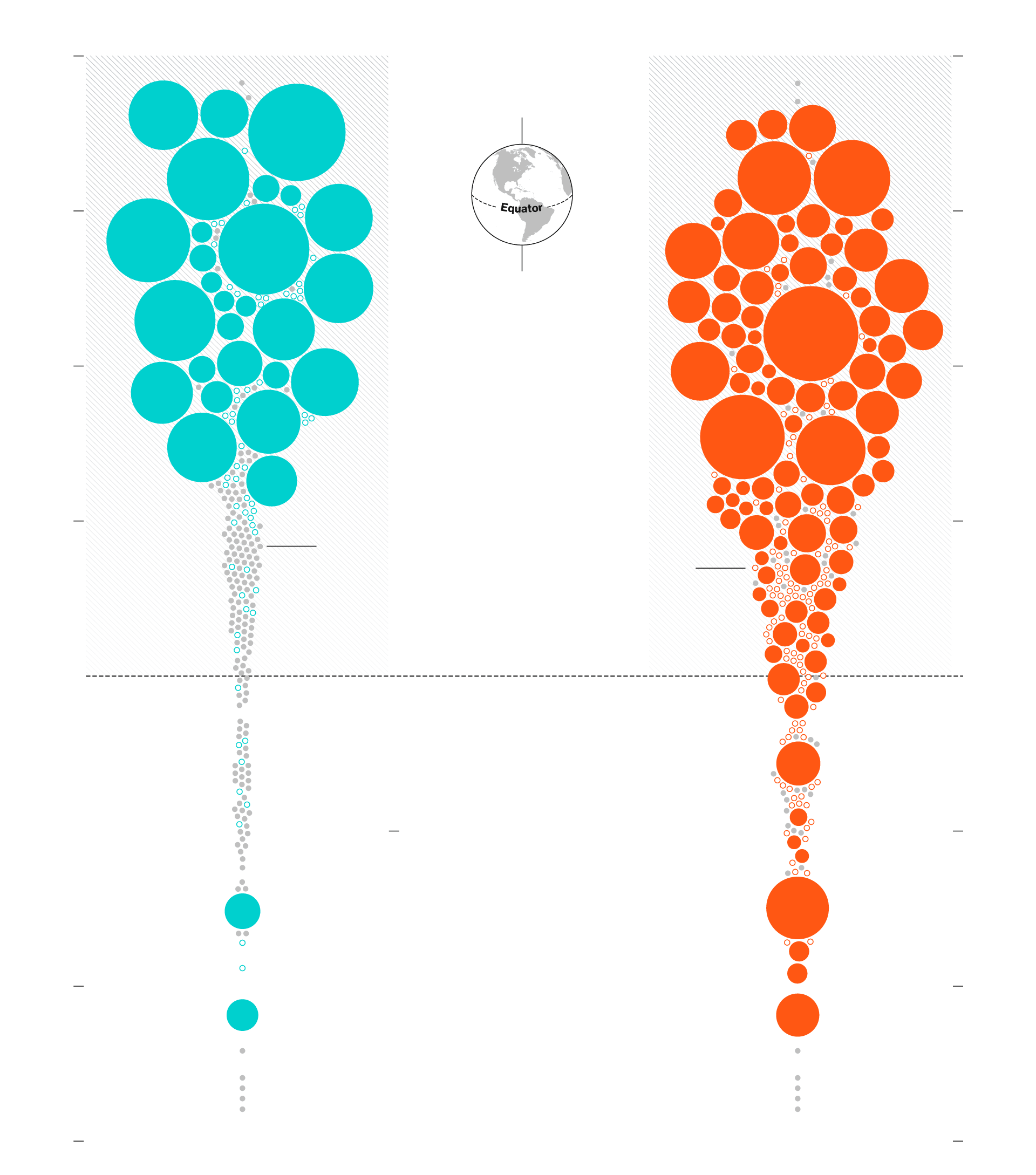
Of the 91 delegations that participated at the 24th Winter Olympics, less than a third won medals in Beijing this year. A Bloomberg News analysis of historical results shows that the winter games have often been dominated by Europe, along with the U.S. and Canada, creating a small circle of winners to have tasted glory.
Geography Matters
With the exceptions of Australia and, sometimes, New Zealand, the Winter Olympics are heavily skewed toward delegations from the Northern Hemisphere. The summer games draw more global participation. In the 2020 Tokyo Summer Olympics, 88 different delegations medaled — the most on record.

2022 Beijing Winter Olympics
The winter games have been dominated by delegations from the Northern Hemisphere, with Australia and New Zealand being the only medal winners from south of the equator.
Northern
Hemisphere
Germany
Switzerland
Sweden
U.S.
Southern
Hemisphere
Circle size represents % of total medals won
Japan
New Zealand
Australia
Canada
South
Korea
Russia*
China
France
Norway
Many countries have never participated at any Winter Olympics
Delegations that didn’t win any medal this Olympics
Italy
Austria
Netherlands
-80o
Latitude
0o
80o
Latitude
Equator
SOUTHERN HEMISPHERE
NORTHERN HEMISPHERE
2020 Tokyo Summer Olympics
Netherlands
Italy
China
Germany
New Zealand
Great
Britain
Australia
Brazil
Cuba
U.S.
Canada
Japan
Russia*
Hungary
France
0o
-80o
Latitude
80o
Latitude
Equator
SOUTHERN HEMISPHERE
NORTHERN HEMISPHERE
Circle size represents % of total medals won
2022 Beijing Winter Olympics
2020 Tokyo Summer Olympics
80o
Latitude
80o
Latitude
Northern
Hemisphere
Sweden
Canada
Norway
Great
Britain
Russia*
Canada
Netherlands
Germany
Germany
Hungary
Russia*
Netherlands
Southern
Hemisphere
France
Austria
U.S.
France
U.S.
Italy
Italy
Switzerland
China
China
Japan
Japan
South
Korea
Cuba
Many countries have never participated at any Winter Olympics
Delegations that didn’t win any medal this Olympics
0o
NORTHERN HEMISPHERE
Equator
SOUTHERN HEMISPHERE
Brazil
Australia
Australia
The winter games have been dominated by delegations from the Northern Hemisphere, with Australia and New Zealand being the only medal winners from south of the equator.
New Zealand
New Zealand
–60o
Latitude
–60o
Latitude

2022 Beijing Winter Olympics
The winter games have been dominated by delegations from the Northern Hemisphere, with Australia and New Zealand being the only medal winners from south of the equator.
Northern
Hemisphere
Southern
Hemisphere
Circle size represents % of total medals won
Latitude
80o
NORTHERN HEMISPHERE
Sweden
Norway
Canada
Netherlands
Germany
Russia*
Austria
U.S.
France
Italy
Switzerland
China
Japan
South
Korea
Delegations that didn’t win any medal at 2022 Winter Olympics
0o
Equator
SOUTHERN HEMISPHERE
Many countries have never participated in any Winter Olympics
Australia
New Zealand
-60o
Latitude
2020 Tokyo Summer Olympics
Circle size represents % of total medals won
Latitude
80o
NORTHERN HEMISPHERE
Canada
Great
Britain
Russia*
Germany
Hungary
Netherlands
France
U.S.
Italy
China
Japan
Cuba
0o
Equator
SOUTHERN
HEMISPHERE
Brazil
Delegations that didn’t win any medal at 2020 Summer Olympics
Australia
New Zealand
Countries did not participate in this Summer Olympics
-60o
Latitude
The International Olympic Committee and international sports federations have made efforts to draw more delegations into the winter games. A continental quota system has improved some countries’ chances. As a result, Haiti and Saudi Arabia made their Winter Olympics debuts in skiing events in Beijing.
But there’s still a long way to go. The quotas vary, and they’re controversial, seen as an inappropriate reward for athletes who aren’t qualified.
No New Members
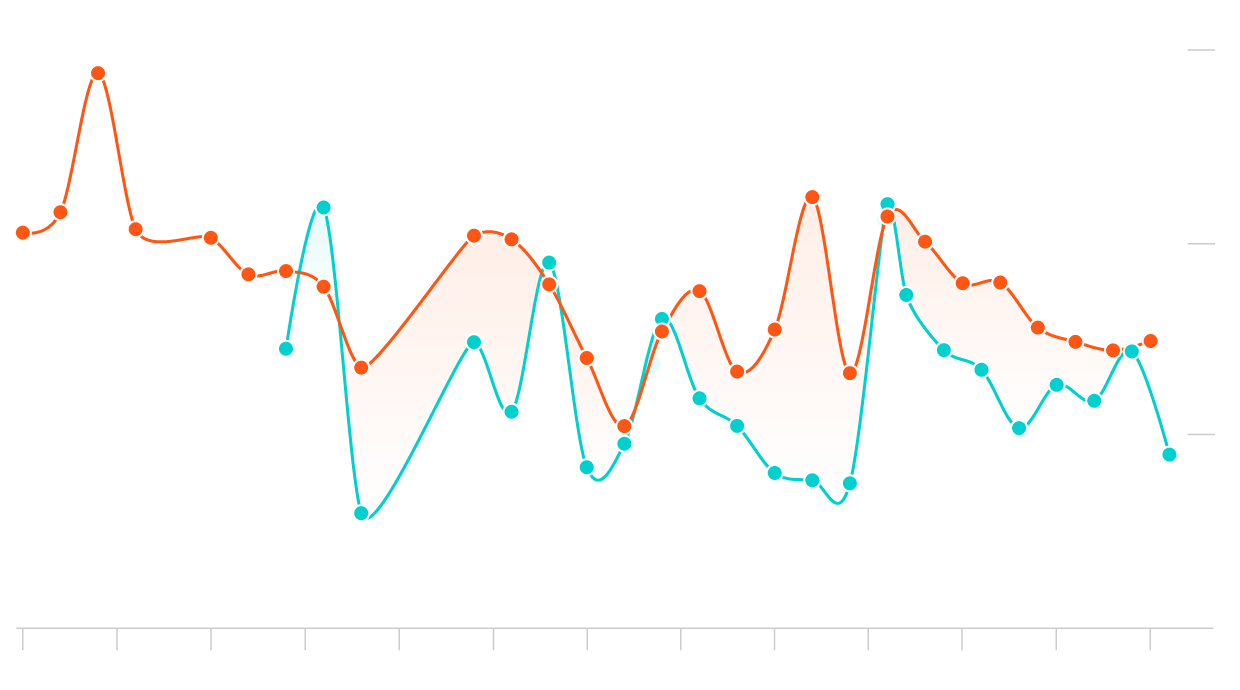
Every Summer Olympics since 1924, new delegations medal for the first time. In Tokyo, San Marino, Turkmenistan and Burkina Faso earned their first Summer Olympic medals. But no new delegation has medaled at the Winter Olympics since the 2006 Torino games.
Unexpected Medals Happen Less Often
As the pool of winter winners stays frozen, the competitors have meanwhile expanded their medal takings in other events.
This year, more than 50 medals were awarded to delegations who were first-time winners for a particular event. New Zealand snowboarder Zoi Sadowski-Synnott won the country’s first medal in Women’s Slopestyle — also its first Winter Olympics gold. China got its first medal — a bronze — in the Men’s Skeleton event.
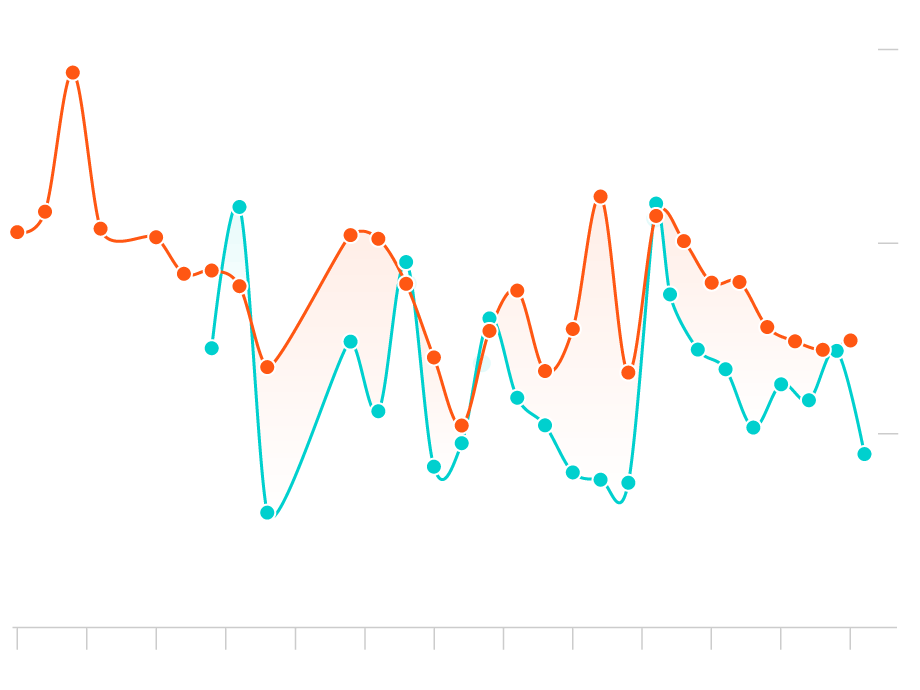
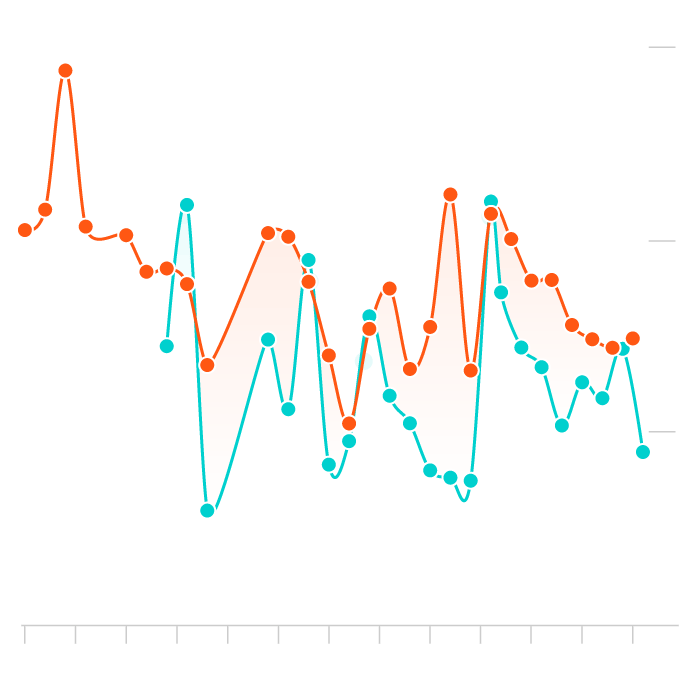
Event by event, new winners are generally less likely in the winter games than in the summer. Bloomberg News analyzed every medal in the history of the Olympics and calculated how many of the medals could be considered surprises, awarded to a delegation that had never won in that event before.
60%
SURPRISE MEDALS AS % OF TOTAL MEDALS WON
Summer Olympics
40
20
Winter Olympics
0
1900
1920
1940
1960
1980
2000
2020
60%
SURPRISE MEDALS AS % OF TOTAL MEDALS WON
Summer Olympics
40
20
Winter Olympics
0
1900
1920
1940
1960
1980
2000
2020
SURPRISE MEDALS AS % OF TOTAL MEDALS WON
60%
Summer Olympics
40
20
Winter Olympics
0
1900
1920
1940
1960
1980
2000
2020
At the Beijing Games, the women’s ice hockey medals went to Canada, Finland and U.S. — a triad that’s won 86% of all medals in the event since it was added to the Winter Olympics in 1998.
Men’s downhill alpine skiing is also dominated by three countries: Austria, France and Switzerland. They were at the top of the podium when the event made its debut in 1948, have stayed relevant and were the top three this year. Combined, they’ve brought home 44 medals, more than two-thirds of the hardware awarded in the history of the event.
Wealth and Olympic Glory
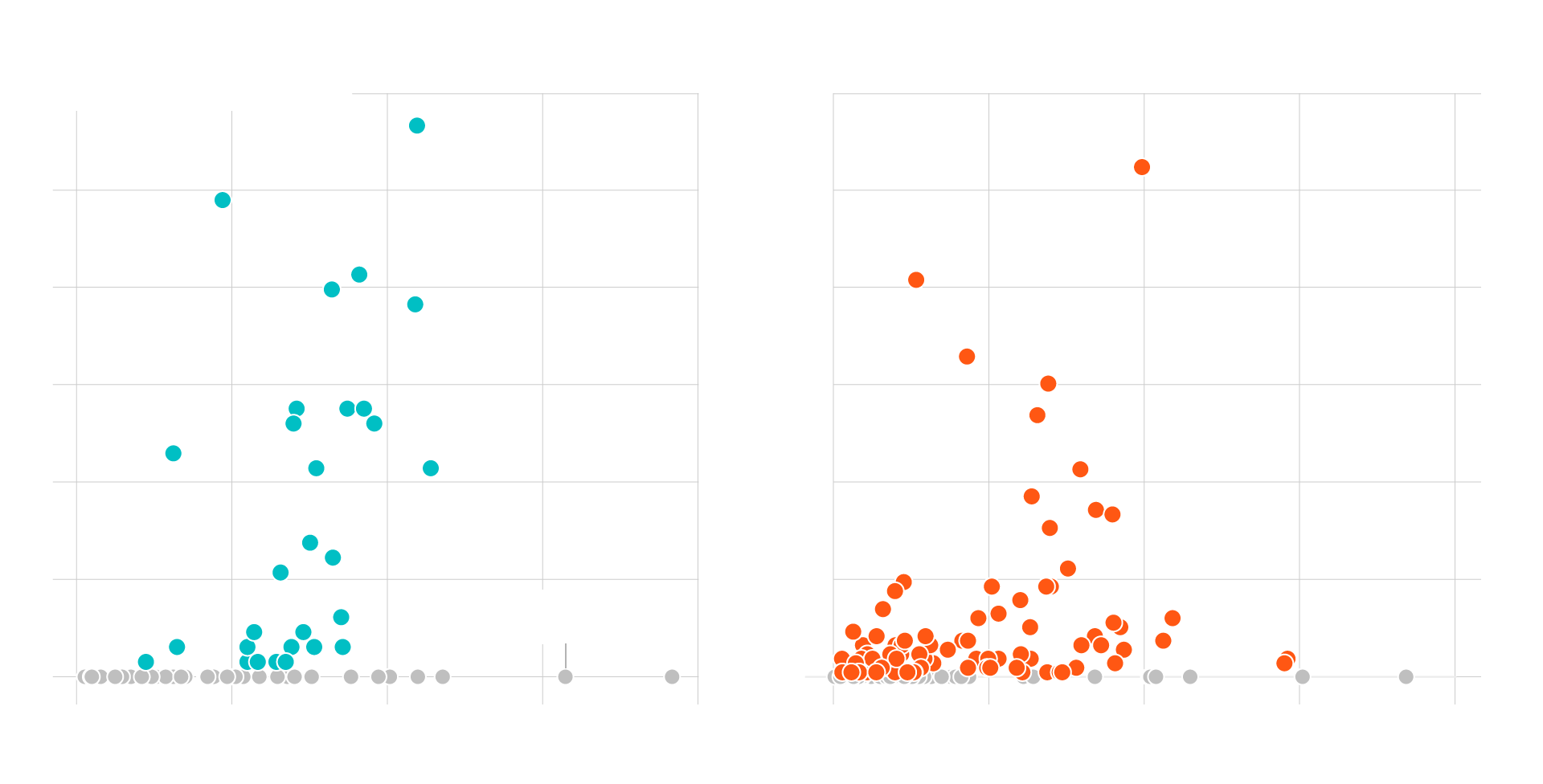
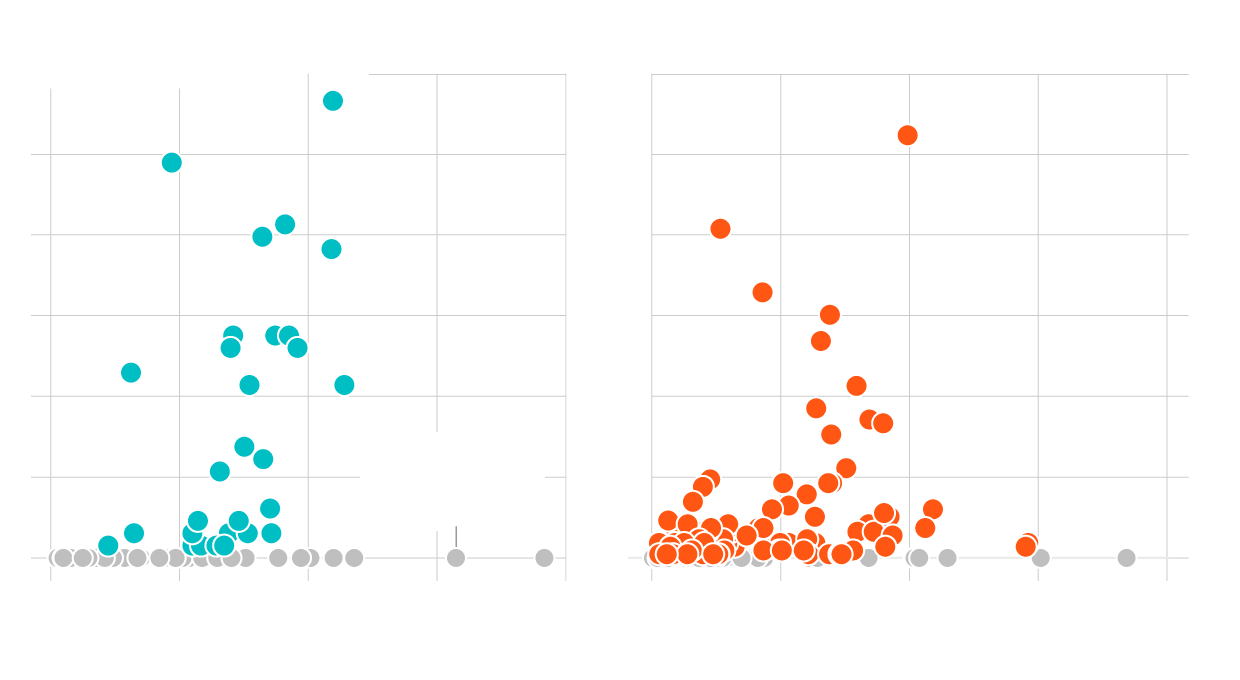
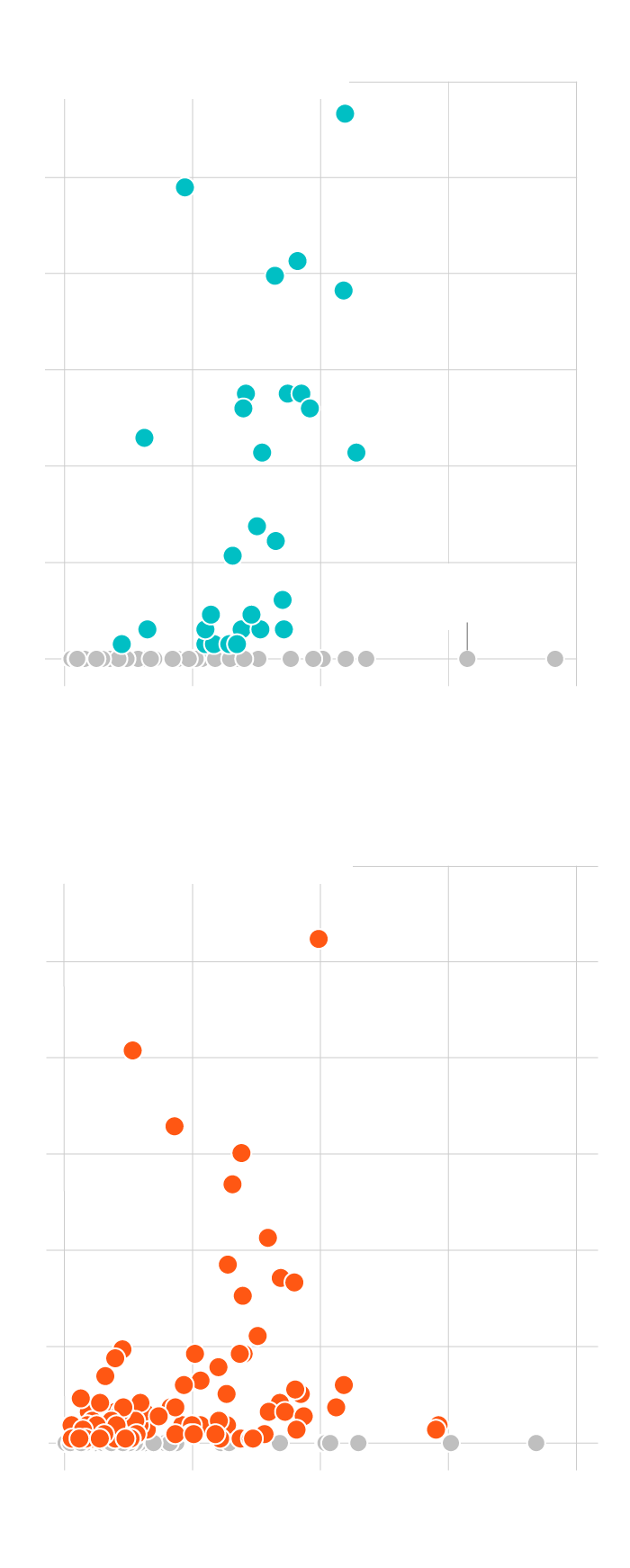
Geography and climate aren’t the only factors contributing to success at the winter games. In the most recent Olympics, countries with higher GDP per capita tended to win more medals, especially in the winter games.
2022 Beijing Winter Olympics
2020 Tokyo Summer Olympics
12%
12%
SHARE OF MEDALS WON
Norway
U.S.
10
10
Russia*
Germany
China
8
8
U.S.
Canada
Russia*
Great Britain
Japan
6
6
Austria
Japan
Netherlands
Italy
China
France
Switzerland
Australia
4
4
2
2
Delegations that didn’t win any medals
0
0
0
30,000
60,000
90,000
$120,000
0
30,000
60,000
90,000
$120,000
GDP PER CAPITA
2020 Tokyo Summer Olympics
2022 Beijing Winter Olympics
12%
12%
SHARE OF MEDALS WON
Norway
U.S.
10
10
Russia*
China
Germany
8
8
U.S.
Canada
Russia*
Great Britain
Japan
6
6
Austria
Japan
China
Netherlands
Italy
Australia
Switzerland
4
4
France
Delegations that didn’t win any medals
2
2
0
0
0
30,000
60,000
90,000
$120,000
0
30,000
60,000
90,000
$120,000
GDP PER CAPITA
2022 Beijing Winter Olympics
12%
SHARE OF MEDALS WON
Norway
10
Russia*
Germany
8
U.S.
Canada
Japan
6
Austria
Netherlands
Italy
China
Switzerland
4
France
2
Delegations that didn’t win any medals
0
0
30,000
60,000
90,000
$120,000
GDP PER CAPITA
2020 Tokyo Summer Olympics
12%
SHARE OF MEDALS WON
U.S.
10
China
8
Russia*
Great Britain
6
Japan
Australia
4
2
0
0
30,000
60,000
90,000
$120,000
GDP PER CAPITA
China and Russia are the exceptions. Both have sizable populations, and have hosted recent Winter Olympics games. China in particular has invested heavily in making sports a driver of economic growth.
In the 2020 Tokyo Olympics, China placed second in both gold and total medals, and was only one gold medal behind the U.S. This year, Russian athletes continued their dominance in winter sports like figure skating — taking home 32 medals in total, second only to Norway.