Tech Antitrust Bill Threatens to Break Apple, Google’s Grip on the Internet
US lawmakers are eyeing votes before November’s midterm elections on legislation that marks the first major effort by Congress to regulate big tech since the inception of the internet.
The American Innovation and Choice Act, which has bipartisan support in the House and Senate, would lay down key ground rules for dominant firms including Alphabet Inc.’s Google, Amazon.com Inc., Apple Inc., Facebook parent Meta Platforms Inc. and Microsoft Corp.
The measure is the product of years of effort, including a 16-month House probe featuring public testimony from the chief executive officers of Apple, Amazon, Google and Meta. The investigation by the panel, which published its final report last week, found the four companies use their platforms to dominate vast swaths of the internet—from social networking to mobile apps to e-commerce—often at the expense of smaller rivals.
The bill seeks to break the stranglehold the largest tech platforms have over their markets by prohibiting them from giving advantages to their own products and making it easier for rivals to communicate with customers and collect information about their users.

Companies sized by peak market cap during last 12 months
$514B
UnitedHealth
$1.9T
Amazon.com
$1.1T
Meta
$552B
Visa
$440B
Walmart
$2.6T
Microsoft
$794B
Berkshire
Hathaway
$513B
JPMorgan
Chase
$834B
NVIDIA
$2.0T
Alphabet
$300B
ByteDance
$397B
Procter &
Gamble
$441B
Exxon Mobil
$489B
Johnson &
Johnson
$433B
Kweichow
Moutai
$3.0T
Apple
$2.5T
Saudi Aramco
$1.2T
Tesla
$643B
TSMC
$679B
Tencent

Companies sized by peak market cap during last 12 months
$514B
UnitedHealth
$1.9T
Amazon.com
$1.1T
Meta
$552B
Visa
$440B
Walmart
$2.6T
Microsoft
$794B
Berkshire
Hathaway
$834B
NVIDIA
$2.0T
Alphabet
$513B
JPMorgan
Chase
$397B
Procter &
Gamble
$441B
Exxon Mobil
$489B
Johnson &
Johnson
$679B
Tencent
$3.0T
Apple
$2.5T
Saudi Aramco
$1.2T
Tesla
$433B
Kweichow
Moutai
$643B
TSMC
$300B
ByteDance

Johnson &
Johnson
Procter &
Gamble
$3.0T
Apple
$2.5T
Saudi Aramco
$1.9T
Amazon.com
Exxon
Mobil
$794B
Berkshire
Hathaway
Walmart
United
Health
JPMorgan
Chase
$1.2T
Tesla
$300B
ByteDance
$1.1T
Meta
$834B
NVIDIA
$2.6T
Microsoft
Kweichow
Moutai
$643B
TSMC
$552B
Visa
$679B
Tencent
$2.0T
Alphabet
Companies sized by peak market cap during last 12 months

Johnson &
Johnson
Procter &
Gamble
$3.0T
Apple
$2.5T
Saudi Aramco
$1.9T
Amazon.com
Exxon
Mobil
$300B
ByteDance
$794B
Berkshire
Hathaway
Walmart
JPMorgan
Chase
$1.2T
Tesla
$1.1T
Meta
$834B
NVIDIA
$2.6T
Microsoft
Kweichow
Moutai
$643B
TSMC
$552B
Visa
$679B
Tencent
$2.0T
Alphabet
Companies sized by peak market cap during last 12 months
United
Health

Companies sized by peak market cap during last
12 months
Procter &
Gamble
$3.0T
Apple
$1.9T
Amazon.com
Exxon
Mobil
$794B
Berkshire
Hathaway
JPMorgan
Chase
$1.2T
Tesla
Byte
Dance
$1.1T
Meta
$834B
NVIDIA
Kweichow
Moutai
$2.0T
Alphabet
$552B
Visa
Johnson &
Johnson
United
Health
$2.6T
Microsoft
Walmart
$2.5T
Saudi Aramco
$679B
Tencent
$643B
TSMC

Companies sized by peak market cap during last 12 months
$1.9T
Amazon.com
$1.1T
Meta
$552B
Visa
$2.6T
Microsoft
$794B
Berkshire
Hathaway
$834B
NVIDIA
$2.0T
Alphabet
$300B
ByteDance
$3.0T
Apple
$2.5T
Saudi Aramco
$1.2T
Tesla
$643B
TSMC
$679B
Tencent

Companies sized by peak market cap during last 12 months
$1.9T
Amazon.com
$1.1T
Meta
$552B
Visa
$2.6T
Microsoft
$794B
Berkshire
Hathaway
$834B
NVIDIA
$2.0T
Alphabet
$679B
Tencent
$3.0T
Apple
$2.5T
Saudi Aramco
$1.2T
Tesla
$643B
TSMC
$300B
ByteDance

$3.0T
Apple
$2.5T
Saudi Aramco
$1.9T
Amazon.com
$794B
Berkshire
Hathaway
$1.2T
Tesla
$300B
ByteDance
$1.1T
Meta
$834B
NVIDIA
$2.6T
Microsoft
$643B
TSMC
$552B
Visa
$679B
Tencent
$2.0T
Alphabet
Companies sized by peak market cap during last 12 months

$3.0T
Apple
$2.5T
Saudi Aramco
$1.9T
Amazon.com
$300B
ByteDance
$794B
Berkshire
Hathaway
$1.2T
Tesla
$1.1T
Meta
$834B
NVIDIA
$2.6T
Microsoft
$643B
TSMC
$552B
Visa
$679B
Tencent
$2.0T
Alphabet
Companies sized by peak market cap during last 12 months

Companies sized by peak market cap during last
12 months
$3.0T
Apple
$1.9T
Amazon.com
$794B
Berkshire
Hathaway
$1.2T
Tesla
Byte
Dance
$1.1T
Meta
$834B
NVIDIA
$2.0T
Alphabet
$552B
Visa
$2.6T
Microsoft
$2.5T
Saudi Aramco
$679B
Tencent
$643B
TSMC

Companies sized by peak market cap during last 12 months
$1.9T
Amazon.com
$1.1T
Meta
$2.6T
Microsoft
$2.0T
Alphabet
$300B
ByteDance
$3.0T
Apple
$679B
Tencent

Companies sized by peak market cap during last 12 months
$1.9T
Amazon.com
$1.1T
Meta
$2.6T
Microsoft
$2.0T
Alphabet
$679B
Tencent
$3.0T
Apple
$300B
ByteDance

$3.0T
Apple
$1.9T
Amazon.com
$300B
ByteDance
$1.1T
Meta
$2.6T
Microsoft
$679B
Tencent
$2.0T
Alphabet
Companies sized by peak market cap during last 12 months

$3.0T
Apple
$1.9T
Amazon.com
$300B
ByteDance
$1.1T
Meta
$2.6T
Microsoft
$679B
Tencent
$2.0T
Alphabet
Companies sized by peak market cap during last 12 months

Companies sized by peak market cap during last
12 months
$3.0T
Apple
$1.9T
Amazon.com
Byte
Dance
$1.1T
Meta
$2.0T
Alphabet
$2.6T
Microsoft
$679B
Tencent

Companies sized by peak market cap during last 12 months
$1.9T
Amazon.com
$1.1T
Meta
$2.6T
Microsoft
$2.0T
Alphabet
$300B
ByteDance
$3.0T
Apple

Companies sized by peak market cap during last 12 months
$1.9T
Amazon.com
$1.1T
Meta
$2.6T
Microsoft
$2.0T
Alphabet
$3.0T
Apple
$300B
ByteDance

$3.0T
Apple
$1.9T
Amazon.com
$300B
ByteDance
$1.1T
Meta
$2.6T
Microsoft
$2.0T
Alphabet
Companies sized by peak market cap during last 12 months

$3.0T
Apple
$1.9T
Amazon.com
$300B
ByteDance
$1.1T
Meta
$2.6T
Microsoft
$2.0T
Alphabet
Companies sized by peak market cap during last 12 months

Companies sized by peak market cap during last
12 months
$3.0T
Apple
$1.9T
Amazon.com
Byte
Dance
$1.1T
Meta
$2.0T
Alphabet
$2.6T
Microsoft

$1.9T
Amazon.com
$1.1T
Meta
$2.6T
Microsoft
Marketplace
Amazon Appstore
Twitch
AWS Marketplace
Amazon Echo/Alexa
$2.0T
Alphabet
$300B
ByteDance
Office 365 app store
Azure Marketplace
Xbox Marketplace
Microsoft Office
Microsoft Windows
Google Search
Google Maps
YouTube
Google Ads
Android OS
Google Assistant
Google Home
Google Play Store
TikTok
$3.0T
Apple
App Store
iOS
Siri

$1.9T
Amazon.com
$1.1T
Meta
$2.6T
Microsoft
Marketplace
Amazon Appstore
Twitch
AWS Marketplace
Amazon Echo/Alexa
$2.0T
Alphabet
Office 365 app store
Azure Marketplace
Xbox Marketplace
Microsoft Office
Microsoft Windows
Google Search
Google Maps
YouTube
Google Ads
Android OS
Google Assistant
Google Home
Google Play Store
$3.0T
Apple
$300B
ByteDance
App Store
iOS
Siri
TikTok

$3.0T
Apple
$1.9T
Amazon.com
App Store
iOS
Siri
Marketplace
Amazon Appstore
Twitch
AWS Marketplace
Amazon Echo/Alexa
$300B
ByteDance
$1.1T
Meta
$2.6T
Microsoft
TikTok
Office 365 app store
Azure Marketplace
Xbox Marketplace
Microsoft Office
Microsoft Windows
$2.0T
Alphabet
Google Search
Google Maps
YouTube
Google Ads
Android OS
Google Assistant
Google Home
Google Play Store

$3.0T
Apple
$1.9T
Amazon.com
App Store
iOS
Siri
$300B
ByteDance
Marketplace
Amazon Appstore
Twitch
AWS Marketplace
Amazon Echo/Alexa
TikTok
$1.1T
Meta
$2.6T
Microsoft
Office 365 app store
Azure Marketplace
Xbox Marketplace
Microsoft Office
Microsoft Windows
$2.0T
Alphabet
Google Search
Google Maps
YouTube
Google Ads
Android OS
Google Assistant
Google Home
Google Play Store

$3.0T
Apple
$1.9T
Amazon.com
App Store
iOS
Siri
Marketplace
Amazon Appstore
Twitch
AWS Marketplace
Amazon Echo/Alexa
Byte
Dance
$1.1T
Meta
TikTok
$2.0T
Alphabet
Google Search
Google Maps
YouTube
Google Ads
Android OS
Google Assistant
Google Home
Google Play Store
$2.6T
Microsoft
Office 365 app store
Azure Marketplace
Xbox Marketplace
Microsoft Office
Microsoft Windows
Congress is considering legislation, the American Innovation and Choice Act, to establish new rules for the biggest online platforms. This shows how the bill would apply to some of the most valuable public and private companies in the world.
The legislation only applies if a company has a certain size or global reach: a market cap of at least $550 billion in the last 12 months or at least 1 billion global users.
That second condition was added to ensure the bill applies to private companies that don’t have to disclose their financial information—like TikTok owner ByteDance. It also catches Meta and Tencent, whose market caps have dropped in recent months.
The bill focuses only on companies that operate online platforms—websites, online or mobile apps, operating systems, digital assistants or online services. To qualify, the platforms must also involve user-generated content (social networks), sales of goods, services or advertising (e-commerce) or information queries (search).
The platform needs to have a substantial connection to the US for the legislation to apply: at least 50 million monthly active US users or 100,000 US business users.
That knocks Tencent out of the running. While WeChat, Tencent’s popular messaging app, has about 1.3 billion users worldwide, its US usage is only an estimated 1 to 2 million. Epic Games—the Fortnite-maker that is partly owned by Tencent—also doesn’t have enough users.
The bill seeks to prevent companies from abusing the power that comes from operating a platform. But not every large online platform interacts with rivals. The bill has a “critical trading partner” test: the platform must have the ability to act as a gateway for other businesses to reach customers.
This is the trickiest of the criteria and most likely to lead to litigation. Here are the platforms that experts believe may meet the critical trading partner test for each company.
Sponsored in the Senate by Amy Klobuchar, a Minnesota Democrat, and Chuck Grassley, an Iowa Republican, and 10 others, the legislation has support from a wide-range of liberal Democrats and populist Republicans, as well as from smaller tech companies like Yelp Inc., Match Group Inc. and Spotify Technologies SA. A House companion from Rhode Island Democrat David Cicilline, Colorado Republican Ken Buck and 43 others is also awaiting a floor vote.
In an effort to help spur action on the bills, the House panel published new documents last week revealing how executives wielded their companies’ power. One email showed that Amazon executives strategized how to manipulate the company’s algorithms to promote its offerings and those by sellers that use its fulfillment services. Another disclosed Google executives formulated plans to ensure smartphone makers like Samsung preloaded as many as 51 of its apps on mobile devices that use its Android operating system. An internal memo revealed that Meta’s top brass worried about its own products, Instagram and WhatsApp, cannibalizing Facebook’s dominant position in social networking years after the acquisitions.
The measure has spawned hundreds of millions of dollars in lobbying over the past few years and heated rhetoric from the tech companies that oppose it. The four biggest technology companies and their third-party groups spent $35.3 million alone during the first half of 2022, a 15% increase over the year before. Amazon claims the bill will kill its popular Prime two-day shipping program—an unlikely outcome, though the company would need to change the priority it gives sellers who use its fulfillment services. Apple says the legislation will lead to more malware and spam apps on iPhones, which experts say is also probably untrue.
No one knows yet which of the companies’ products will need to change under the sweeping tech antitrust bill. Under the terms of the measure, those decisions will be made by the Justice Department’s antitrust division and the US Federal Trade Commission, which also enforces antitrust laws.





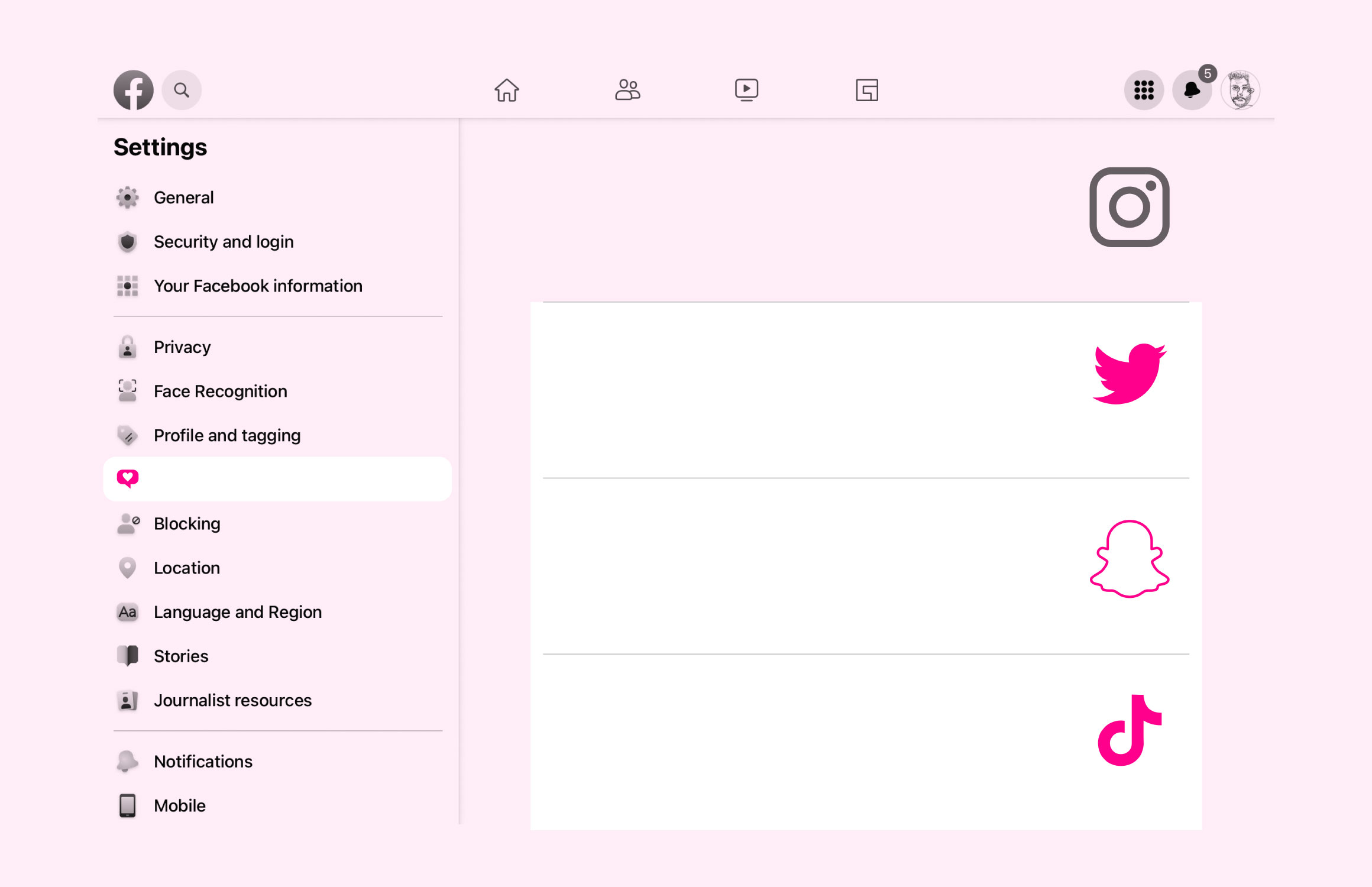
Manage Instagram on Facebook
Add your Instagram account to Facebook so that you can easily edit your account detail, create Instagram ads and more.
Manage Twitter on Facebook
Add your Twitter account to Facebook so that you can easily edit your account detail, create Twitter ads and more.
Manage other social media
Manage Snap on Facebook
Add your Snap account to Facebook so that you can easily edit your account detail, create Snapchat ads and more.
Manage Tiktok on Facebook
Add your Tiktok account to Facebook so that you can easily edit your account detail, create Tiktok ads and more.
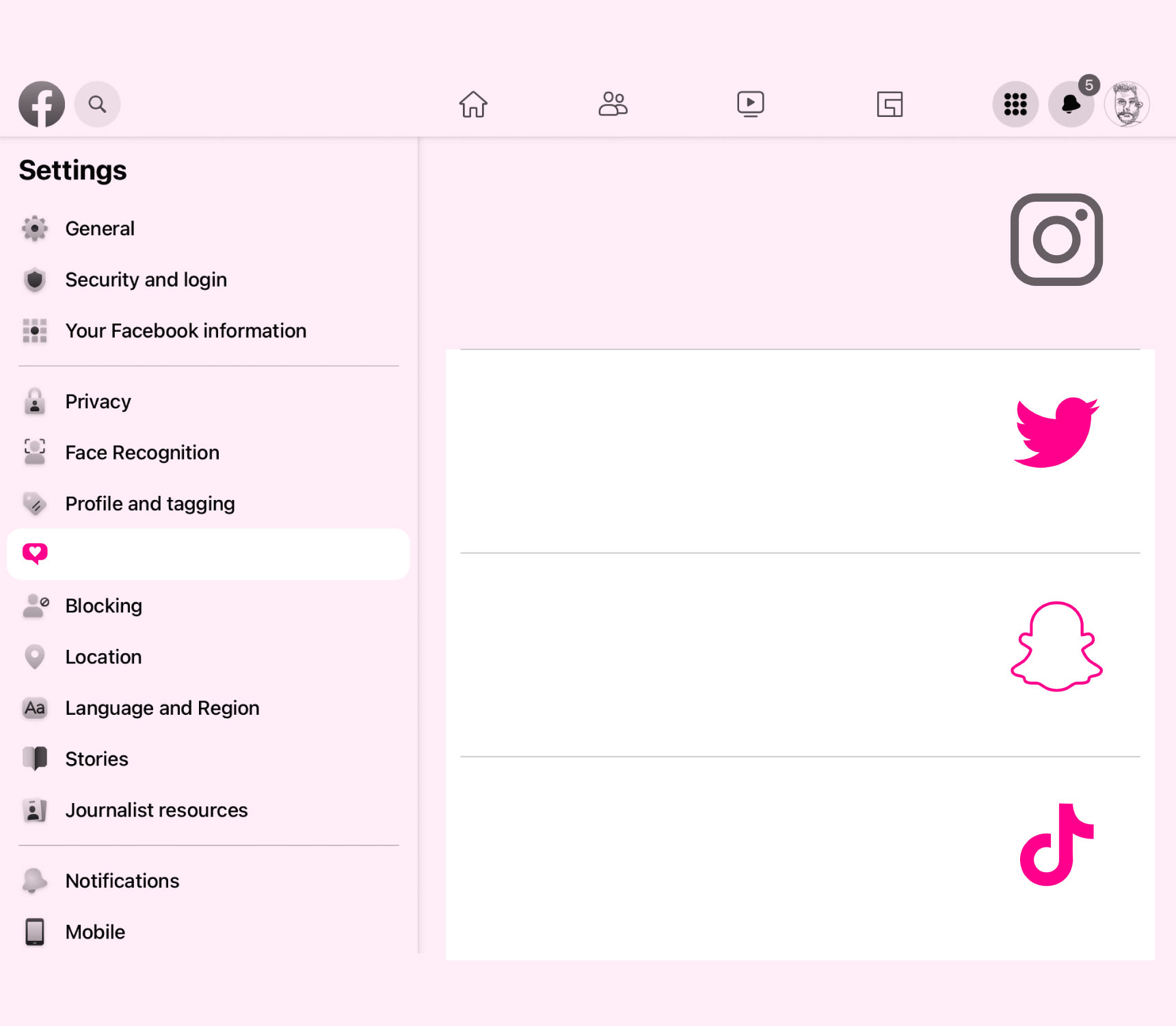
Manage Instagram on Facebook
Add your Instagram account to Facebook so that you can easily edit your account detail, create Instagram ads and more.
Manage Twitter on Facebook
Add your Twitter account to Facebook so that you can easily edit your account detail, create Twitter ads and more.
Manage other social media
Manage Snap on Facebook
Add your Snap account to Facebook so that you can easily edit your account detail, create Snapchat ads and more.
Manage Tiktok on Facebook
Add your Tiktok account to Facebook so that you can easily edit your account detail, create Tiktok ads and more.
Added on Jan 27, 2012 • Active
Added on Feb 6, 2017 • Active
Snap
Added on Jan 13, 2016 • Active
Manage other social media
Tiktok
Added on Apr 5, 2022 • Expired
Tumblr
Added on Nov 28, 2016 • Expired
Added on Mar 25, 2020 • Expired
Added on Jan 27, 2012 • Active
Added on Feb 6, 2017 • Active
Snap
Added on Jan 13, 2016 • Active
Manage other social media
Tiktok
Added on Apr 5, 2022 • Expired
Tumblr
Added on Nov 28, 2016 • Expired
Added on Mar 25, 2020 • Expired

Manage other social media
Add your other social media accounts to Facebook so that you can easily cross-post between platforms, integrate and edit your accounts, create ads and more.
Added on Jan 27, 2012 • Active
Added on Feb 6, 2017 • Active
Snap
Added on Jan 13, 2016 • Active
Tiktok
Added on Apr 5, 2022 • Expired
Tumblr
Added on Nov 28, 2016 • Expired
Added on Mar 25, 2020 • Expired





Apps
Apps
Apps
Choose your internet browser
The internet browser you choose will be set as default on your Home Screen. You can install other browser apps and reconfigure your home screen at any time.
Choose your music player
The music player you choose will be set as default on your Home Screen. You can install other player apps and reconfigure your home screen at any time.
Choose your map app
The map app you choose will be set as default on your Home Screen. You can install other map apps and reconfigure your home screen at any time.
Safari
Apple Music
Apple Maps
Chrome
Spotify
Google Maps
Firefox
Pandora
Waze
Opera
YouTube Music
MapQuest
Edge
SoundCloud Go
HERE WeGo
Tidal
Maps.Me
Next
Google Play Music
Next
Next

Apps
Apps
Choose your internet browser
The internet browser you choose will be set as default on your Home Screen. You can install other browser apps and reconfigure your home screen at any time.
Choose your music player
The music player you choose will be set as default on your Home Screen. You can install other player apps and reconfigure your home screen at any time.
Safari
Apple Music
Chrome
Spotify
Firefox
Pandora
Opera
YouTube Music
Edge
SoundCloud Go
Tidal
Next
Google Play Music
Next
Apps
Apps
Choose your internet browser
The internet browser you choose will be set as default on your Home Screen. You can install other browser apps and reconfigure your home screen at any time.
Choose your music player
The music player you choose will be set as default on your Home Screen. You can install other player apps and reconfigure your home screen at any time.
Safari
Apple Music
Chrome
Spotify
Firefox
Pandora
Opera
YouTube Music
Edge
SoundCloud Go
Tidal
Next
Google Play Music
Next
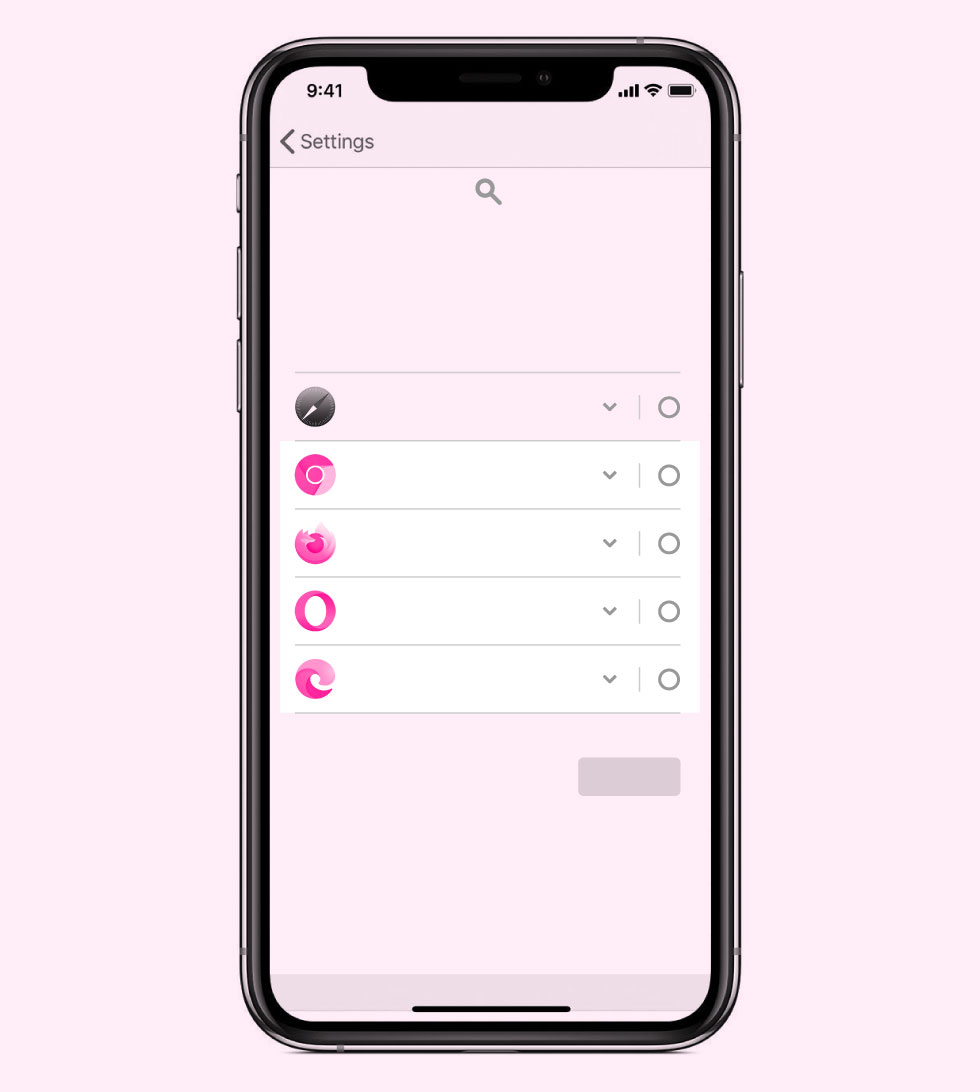
Choose your internet browser
The internet browser you choose will be set as default on your Home Screen. You can install other browser apps and reconfigure your home screen at any time.
Safari
Chrome
Firefox
Opera
Edge
Next
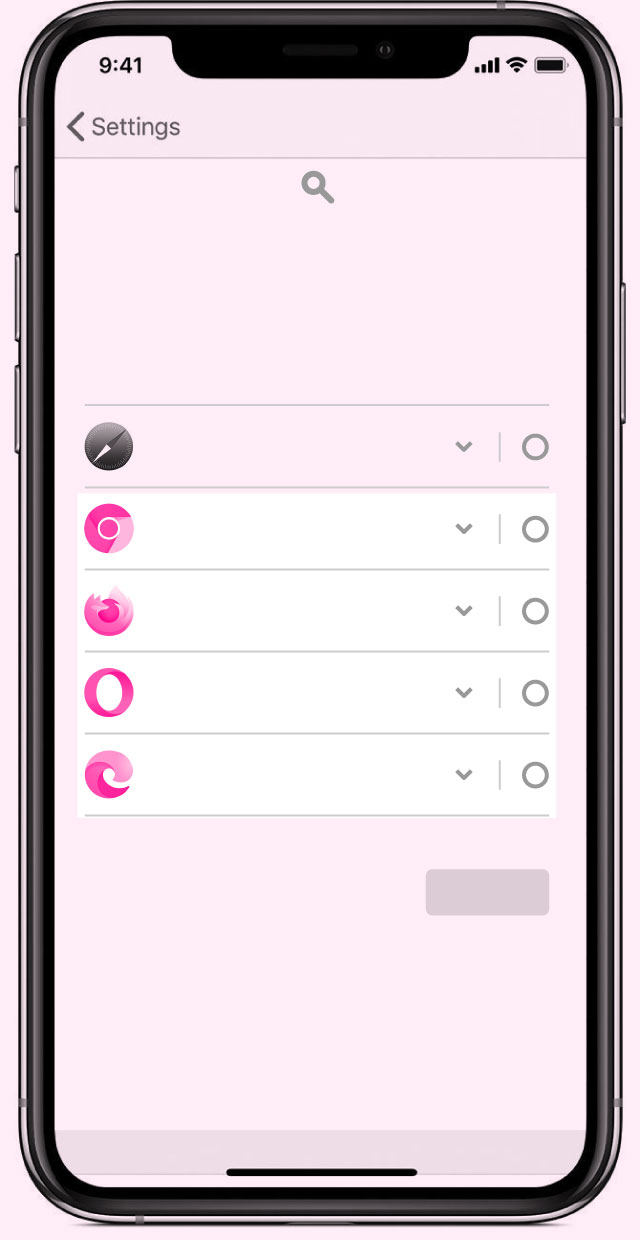
Apps
Choose your internet browser
The internet browser you choose will be set as default on your Home Screen. You can install other browser apps and reconfigure your home screen at any time.
Safari
Chrome
Firefox
Opera
Edge
Next
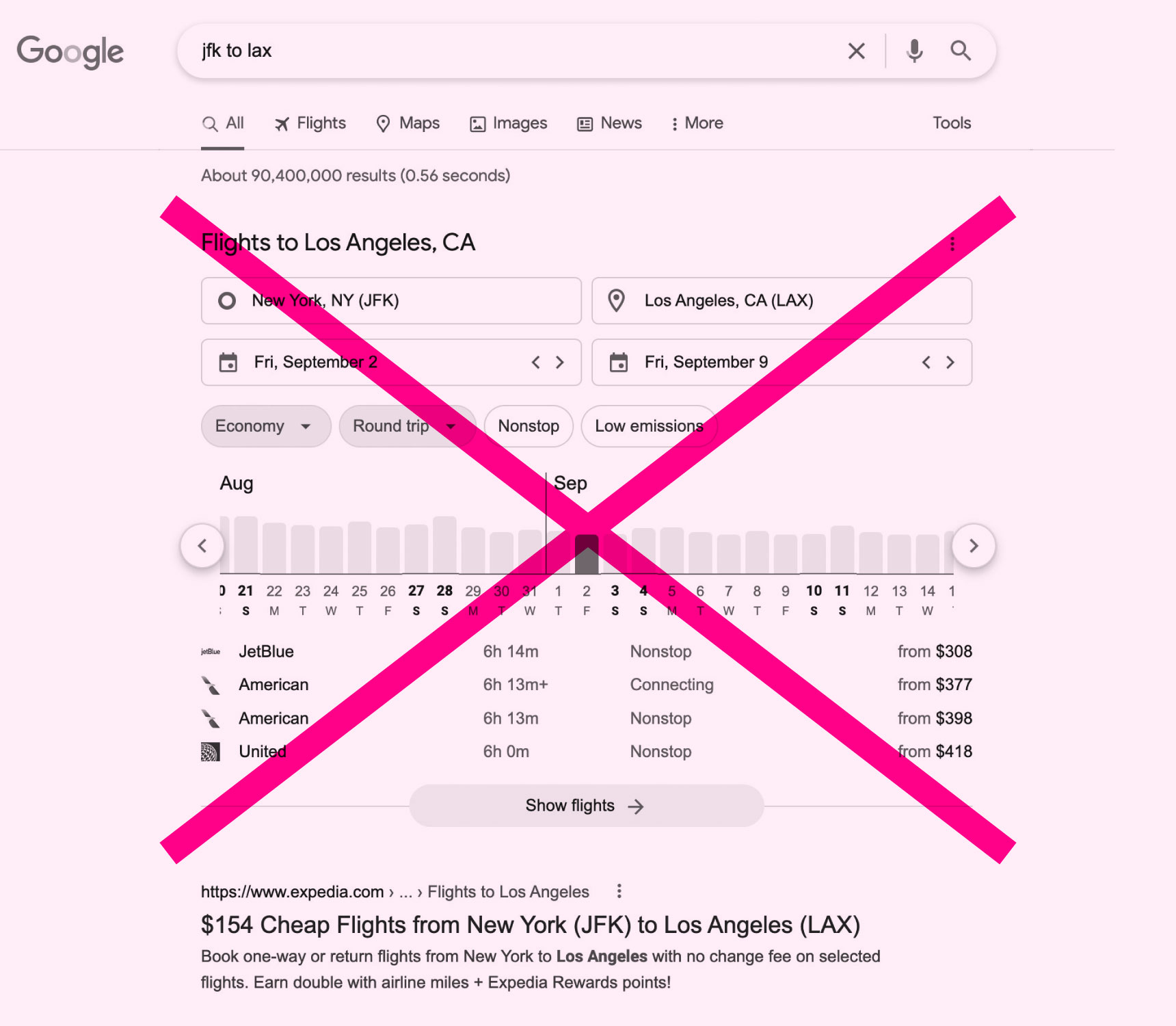
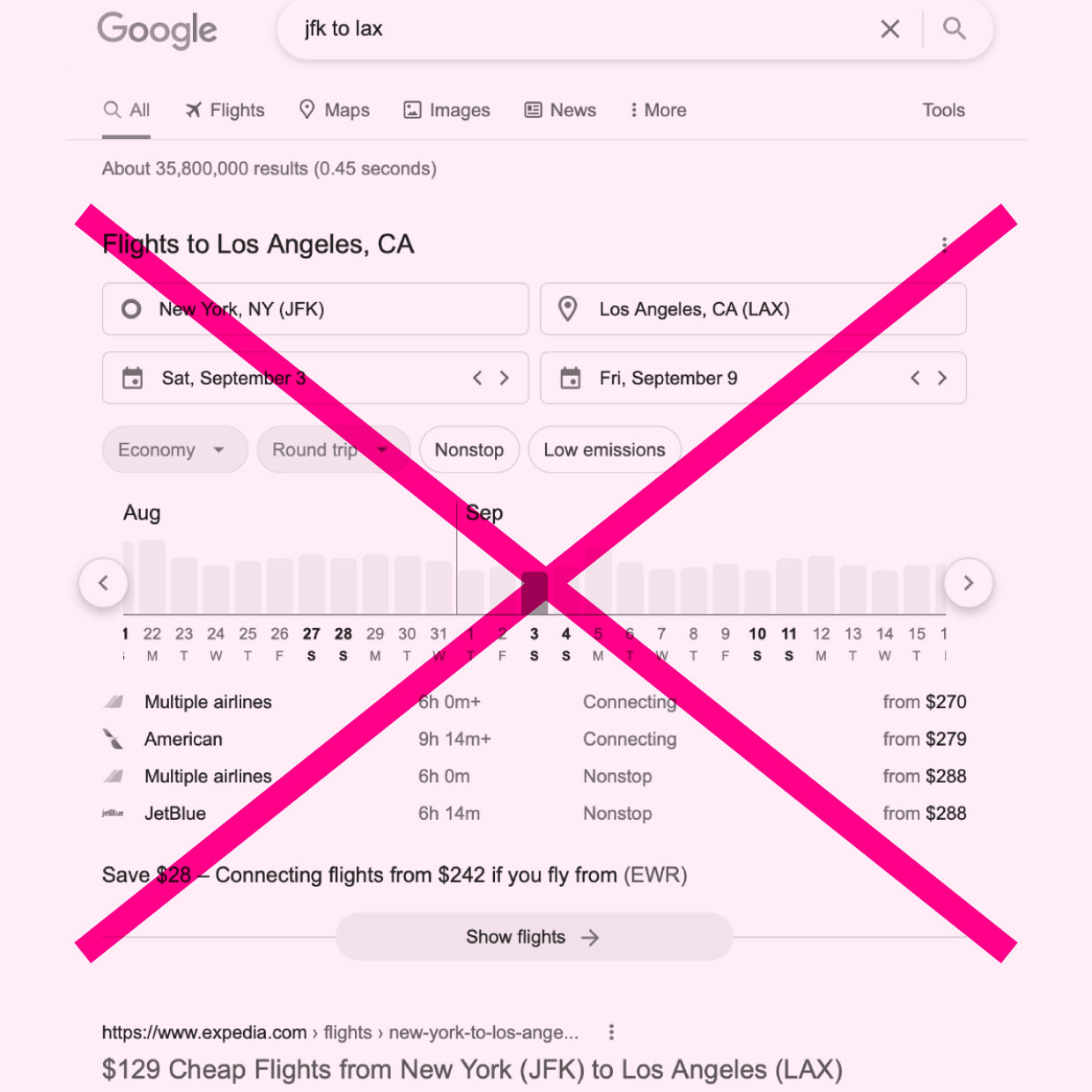
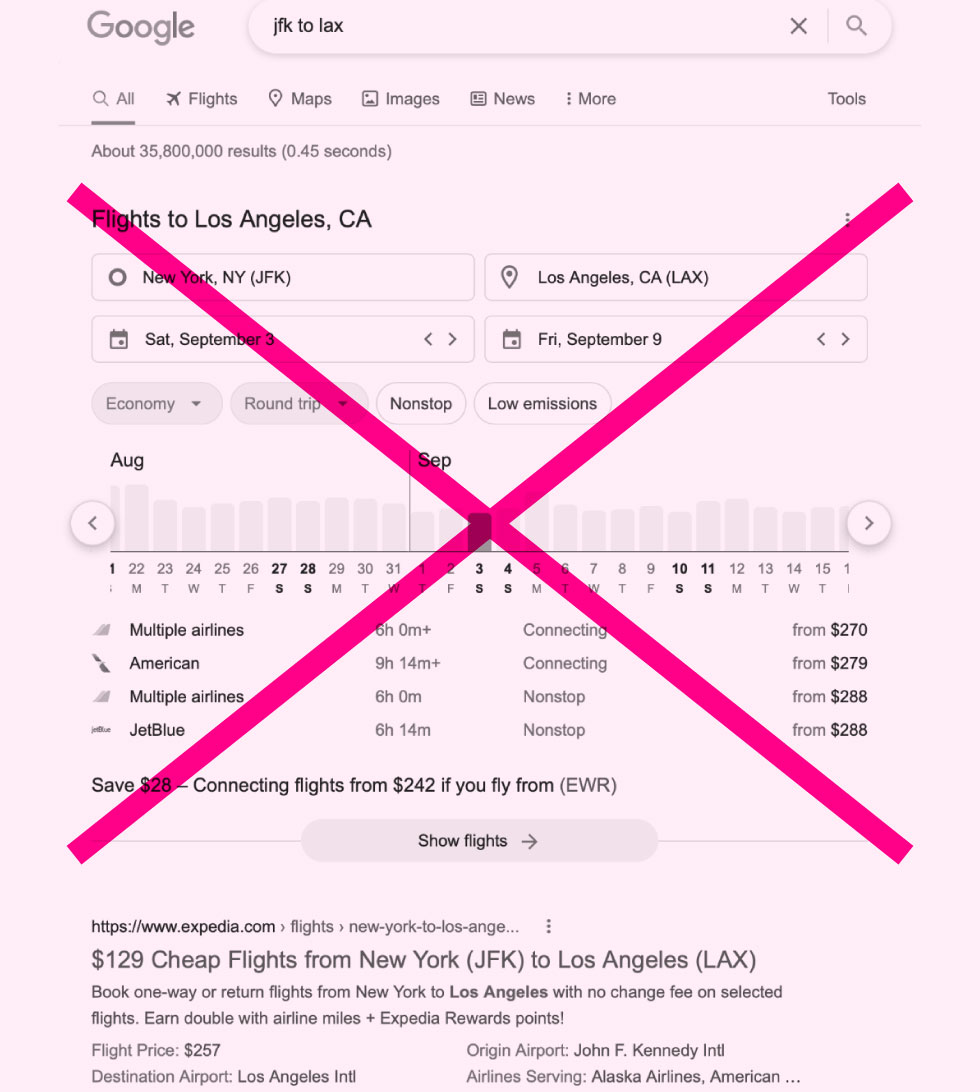
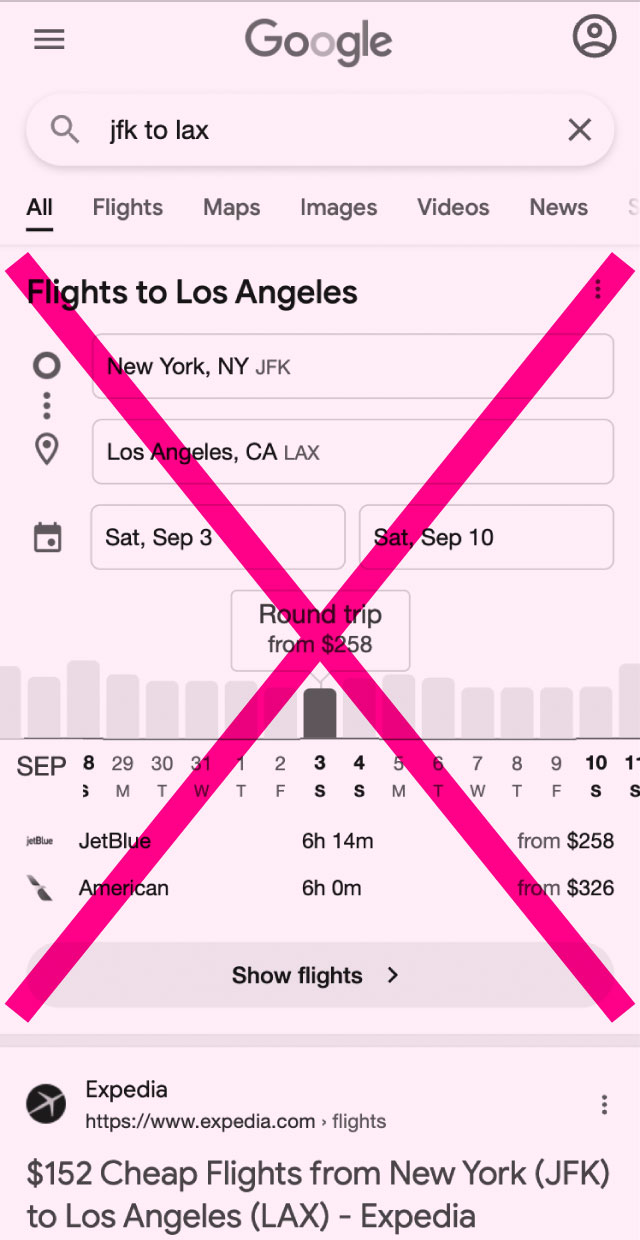
Companies couldn’t design algorithms to favor their own products: The bill would end a platform’s ability to “self-preference,” or favor its own products over those of competitors in rankings, search, review systems or overall design. A Google search, for example, could no longer favor its own vertical like Google Flights.
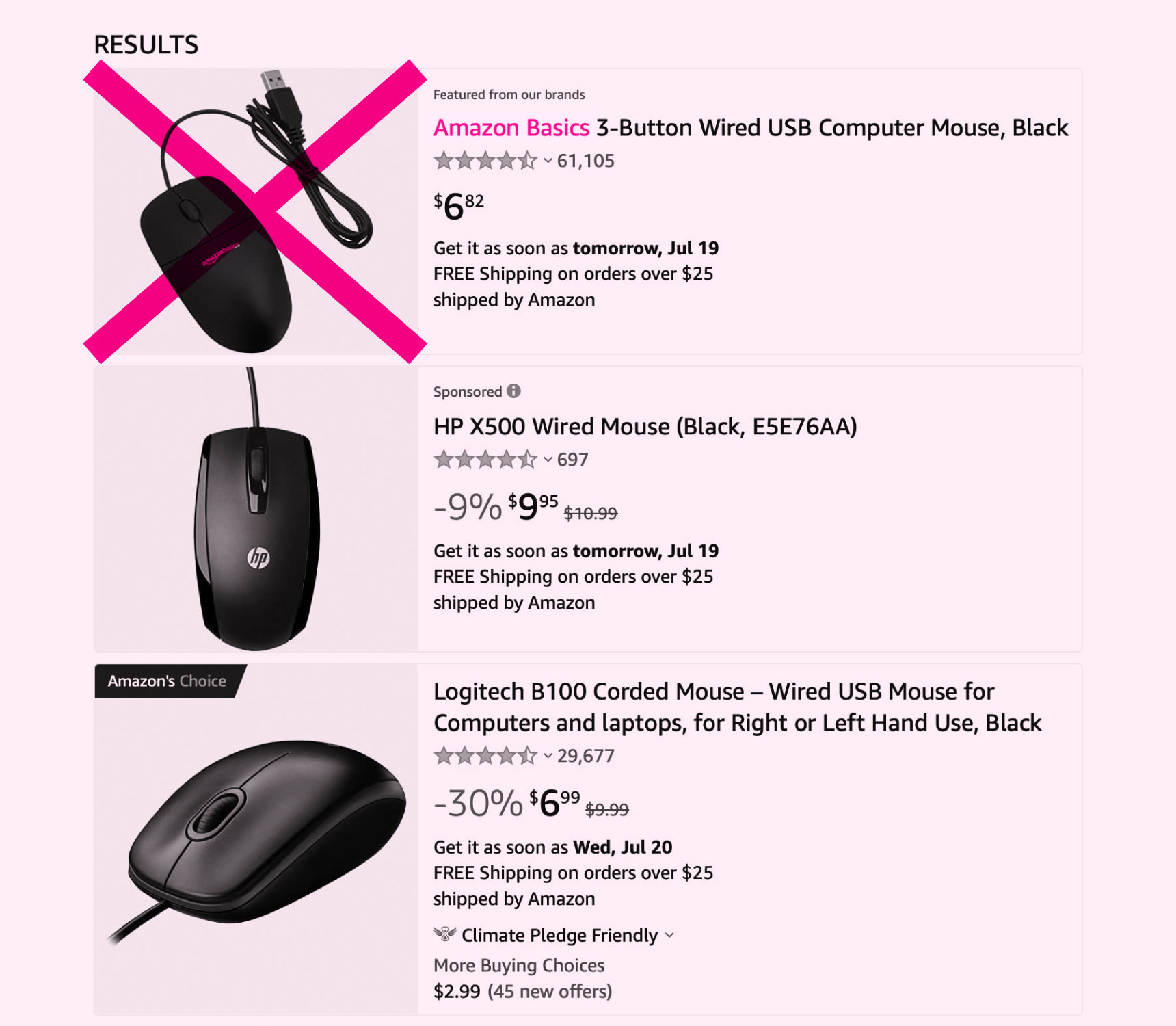
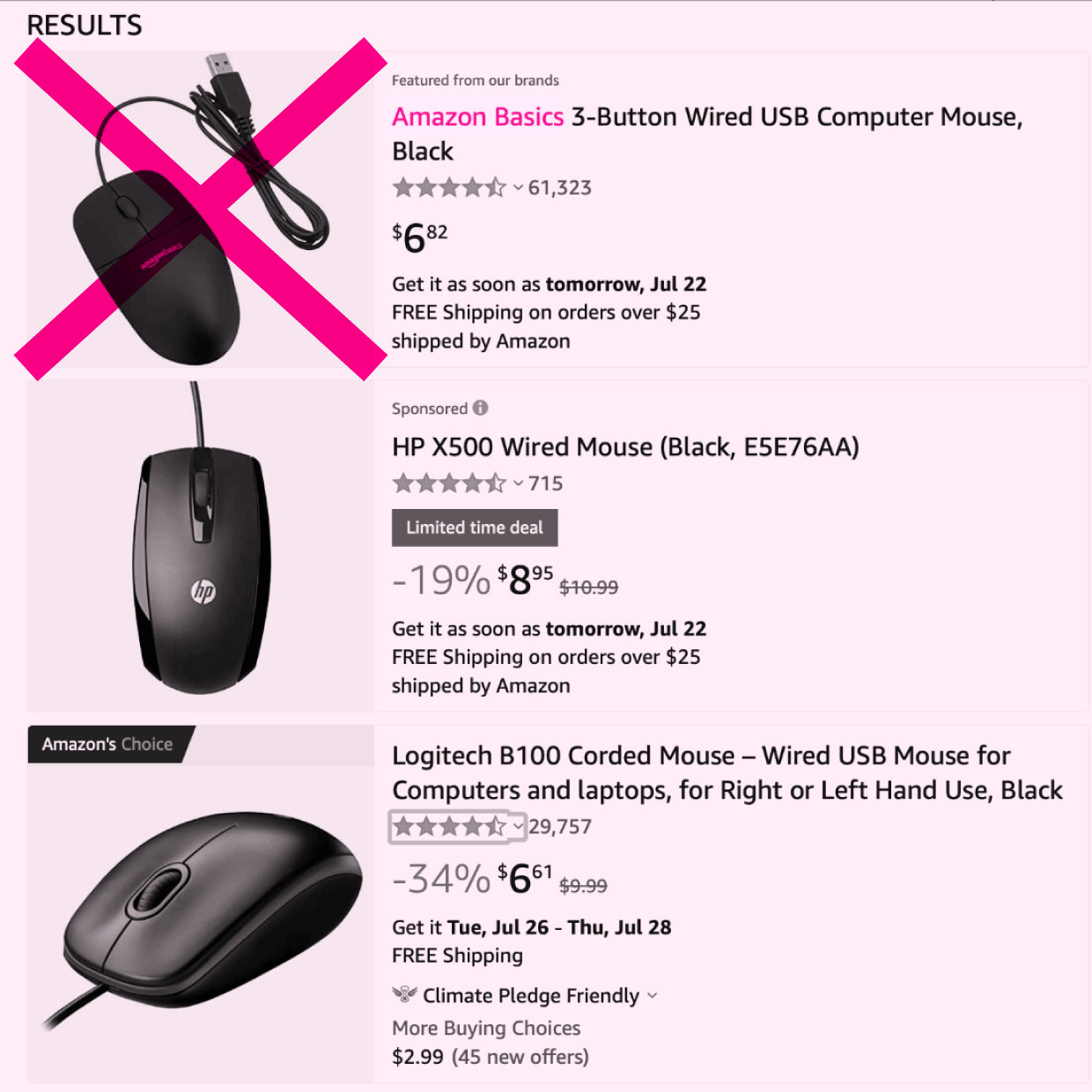
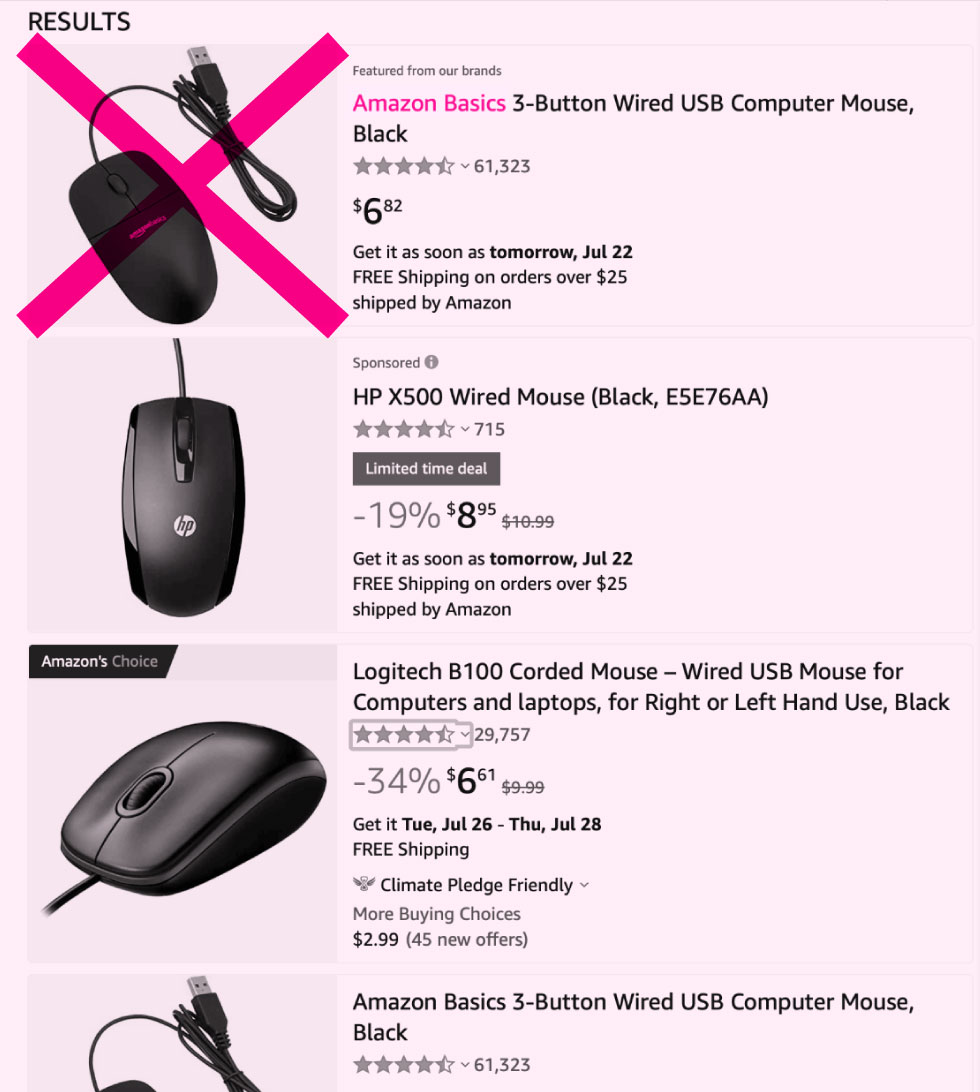
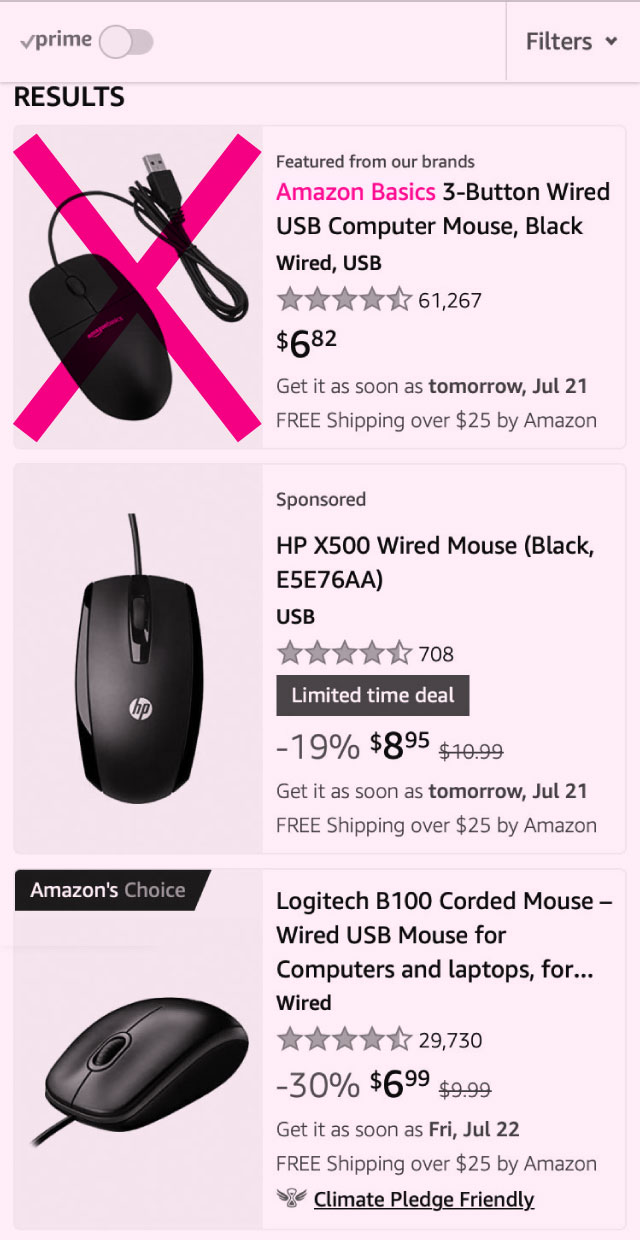
Amazon could no longer feature its own brand, Amazon Basics, at the top of a product search above other similar products.
Companies couldn’t prevent businesses from communicating with customers: The bill seeks to ensure online businesses can access data and contact users with whom they transact on platforms. It also would prevent platforms from using that data to unfairly compete against them—as Amazon has been alleged to do with Amazon Basics.
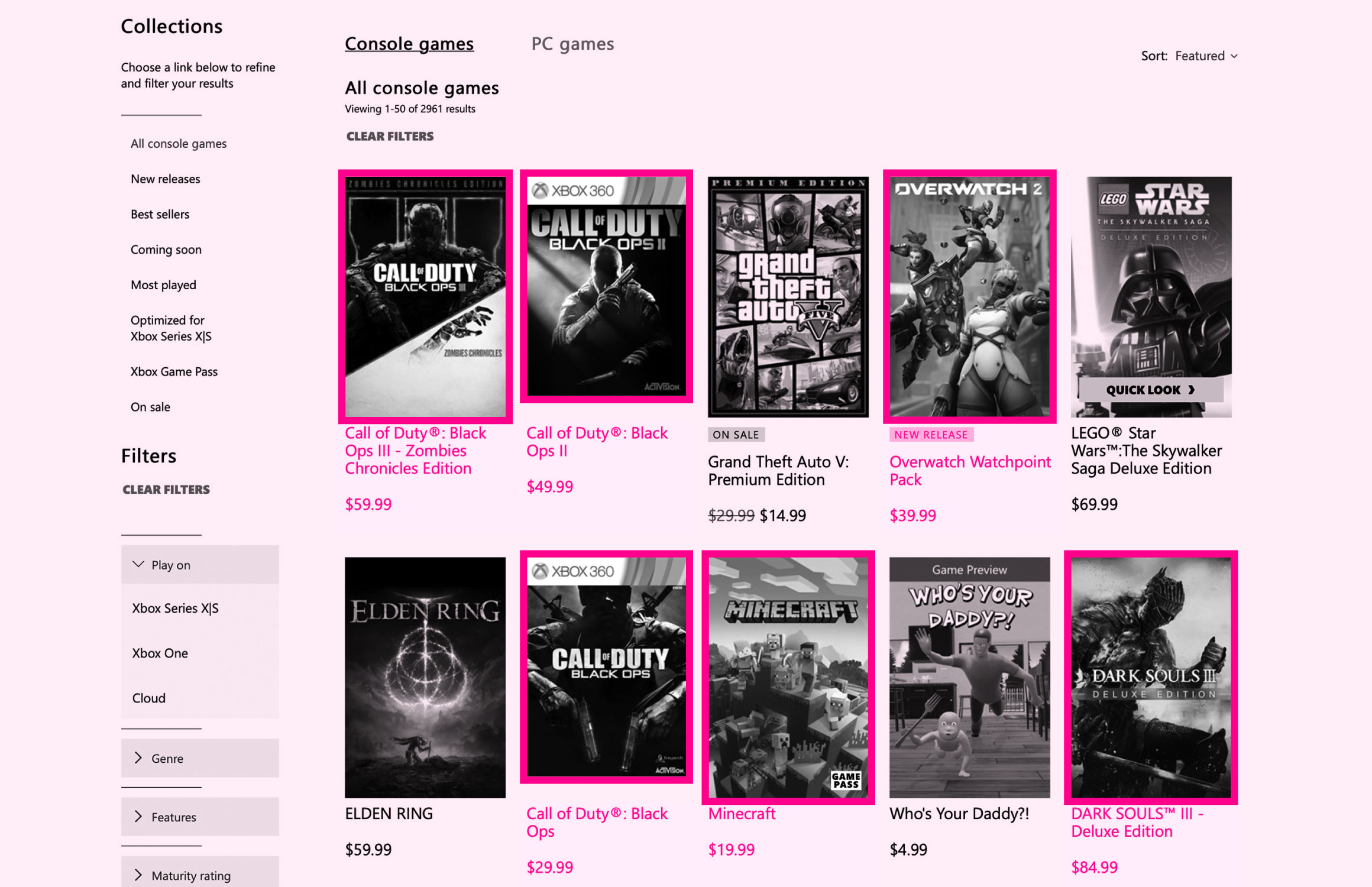
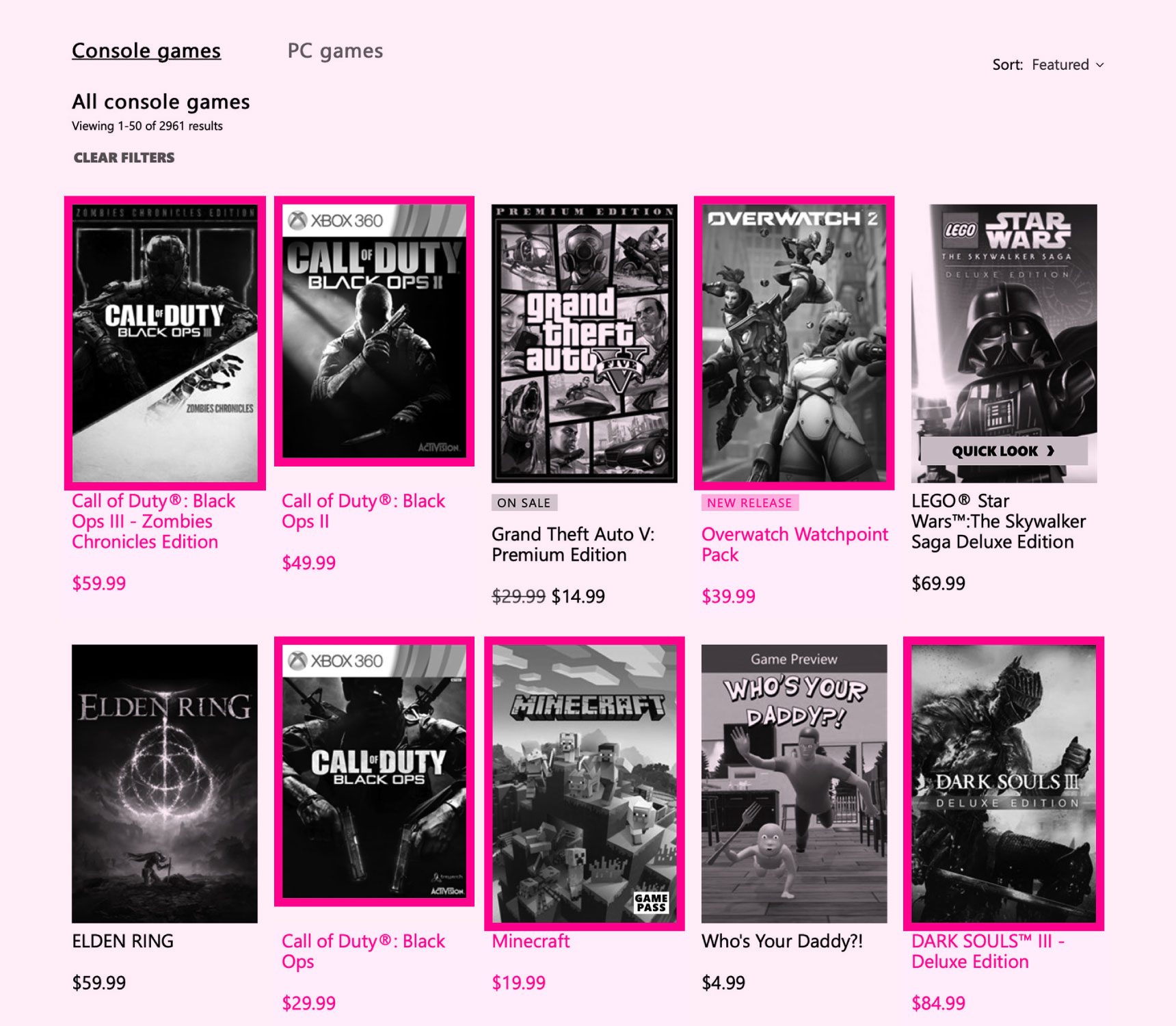
The self-preferencing ban would mean Microsoft couldn’t prioritize its own video games in the Xbox Marketplace.
Companies couldn’t limit rivals’ access to the platform: The bill seeks to ensure that rivals have the same access to the platform, its software, hardware and operating system, as the platform's own services have, unless this would lead to a significant cybersecurity risk.
Meta currently allows one-click cross-posting between Facebook and Instagram. They would likely need to make it easier to cross-post to other social media sites like Twitter, Snap and TikTok.
Likewise, Apple and Google may no longer be able to pre-install their own apps on smartphones and other devices if those apps have competitors.
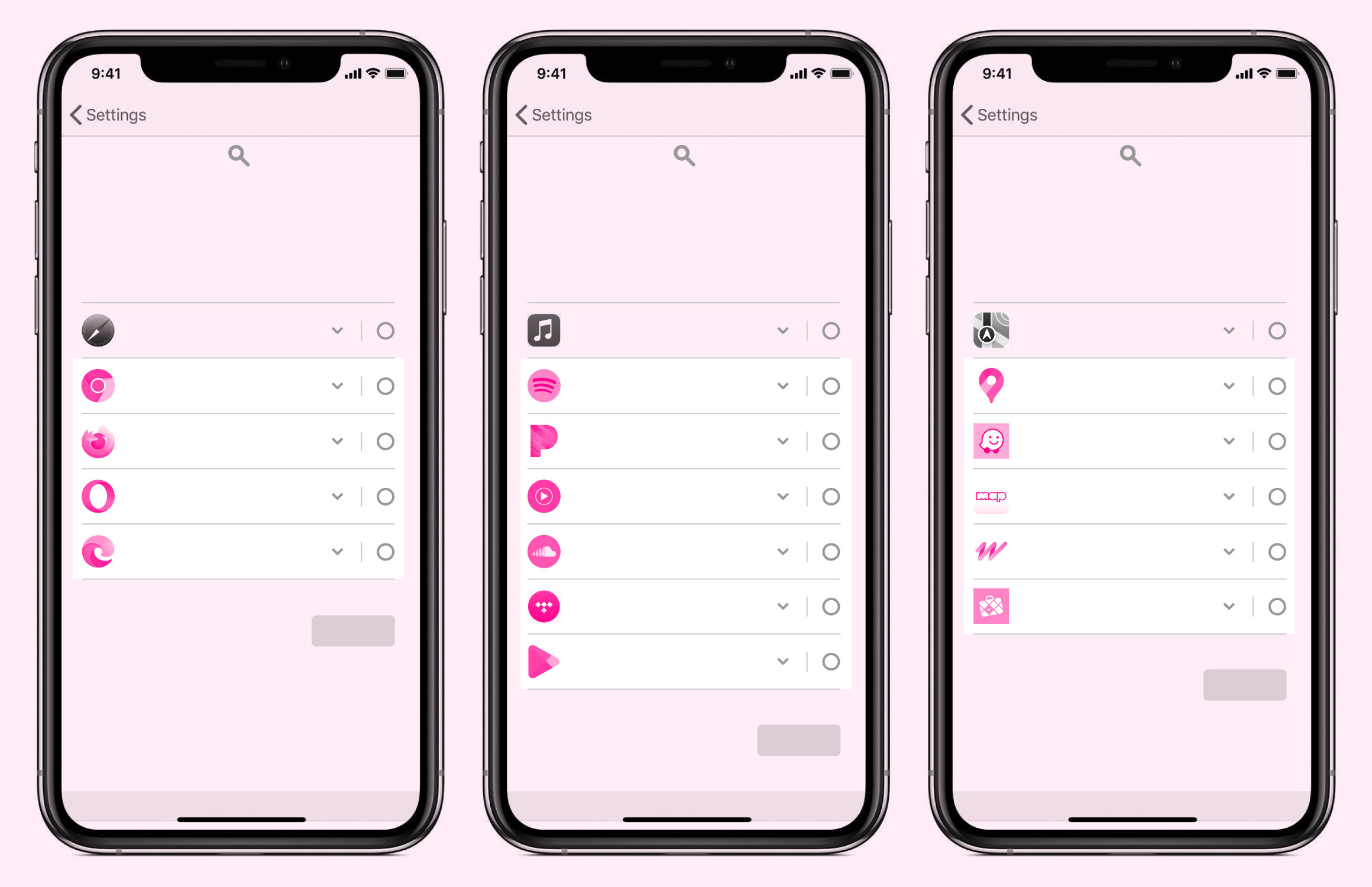
This could mean users have more work when setting up a device and need to manually install app stores, maps or browsers. Or Google and Apple may start using a “choice screen” on set-up like they do in the EU for certain apps.
Companies also couldn’t impose “pay to play” restrictions: The bill would prevent big companies from requiring that businesses buy additional goods and services or use specific payment processors in order to access a platform.
“Congress doesn’t have the expertise to make these very detailed decisions,” said Charlotte Slaiman, competition policy director for Public Knowledge and a former FTC attorney. Agencies like the Justice Department and FTC are better-suited to make these determinations because of their expertise and their ability to respond quickly as technology changes, she said.
Within nine months after the bill becomes law, the DOJ and FTC would issue guidance to implement the measure. That process would involve the DOJ’s national security, cybersecurity and civil rights experts, in addition to its antitrust prosecutors. Likewise, the FTC would offer input from its antitrust, privacy and consumer protection staff. The agencies would also consult with state attorneys general and others within the Biden administration, like the Departments of Commerce or Defense.
After that, the companies will have several months to ensure their products don’t breach any of the law’s requirements. Only the federal government or state attorneys general will be allowed to sue to enforce the rules. An earlier version of the legislation would have allowed companies harmed by dominant platforms to bring suit, but that provision was dropped to help garner Republican support.
Dozens of smaller tech companies have spent the past month lobbying members of Congress in favor of the legislation, saying it would open up tech markets and foster greater choice for consumers online.
“This will open up more possibilities for privacy protective services like us,” said Katie McInnis, senior public policy manager for DuckDuckGo, a browser that offers privacy and tracking protections, during a June briefing on Capitol Hill. The bill will help create a world “where consumer choice and agency is respected.”
Mozilla Corp.—whose Firefox browser is the fourth largest after Google’s Chrome, Microsoft’s Edge and Apple’s Safari—is also backing the legislation.
The bill “is important to the Internet as a whole” said Mika Shah, co-acting general counsel at Mozilla. Consumers “should control their experience online. Right now five large platforms are telling you what you should use.”