Republicans Fall Short in Voting-Rights Crackdown While Adding Hassle at Polls
A nationwide move by Republicans to tighten voting rules in the wake of Donald Trump’s defeat has largely fizzled into a few additional hassles for voters in the next elections, far short of the sweeping changes described by both the GOP and Democratic critics.
In the name of election security, Republican lawmakers passed dozens of new voting restrictions this year, adding hurdles to mail-in voting, reducing local control over elections and targeting innovations used by large urban counties during the coronavirus pandemic, even as Democratic-led states focused on making voting easier.
Republicans say that the changes are needed to restore confidence in elections after President Donald Trump’s false claims that massive fraud cost him a second term. Democrats argue the laws are aimed at suppressing votes from Black and Latino citizens after record-setting turnout, going so far as to label the moves “a new Jim Crow.”
But while segregation-era voting laws made it impossible for non-White voters to cast a ballot by adding hurdles like poll taxes and literacy tests, the laws passed this year mostly make voting less convenient.
Expansive Bills Outnumbered Proposed Restrictions
- Expand voting rights
- Mixed effects
- Restrict rights
Scot Schraufnagel, a professor at Northern Illinois University who studies voting, said the restrictions will primarily affect voters with less education and those who move frequently, but there’s no reason to think they will give either party an advantage.
And that’s if they even affect turnout. He noted that many of the restrictions can be overcome by high voter interest or more outreach from campaigns and other political groups, so it would likely affect only off-year elections and extremely close races.
If the lawmakers passing these bills think they will help either party gain a lasting advantage, he said, “They’re dead wrong.”
Across the country, Republican state lawmakers proposed more than 300 bills this year to restrict voting and dozens more that would restrict in some ways and expand in others. But the broadest measures either stalled or were scaled back.

NY
OH
Democrats in New York were eager to amend that state’s restrictive voting laws this year, proposing a number of expansive changes
WY
UT
SC
OK
SD
IA
VT
TN
MN
NE
NH
LA
PA
IN
AL
ND
MA
WV
AK
MD
ID
AR
AZ
KY
NC
HI
IL
CT
NJ
MI
MT
FL
WI
VA
KS
RI
GA
OR
NV
ME
CA
MO
MS
Even in Republican- run Texas, about 3/4s of the bill proposals were to expand voting rights
NM
CO
WA
DE
TX
DEMOCRATIC CONTROL
NEITHER
REPUBLICAN CONTROL
312
69
800
1,181
RESTRICTIVE
BILLS
MIXED EFFECT
BILLS
EXPANSIVE
BILLS
INTRODUCED
770
IN COMMITTEE
340
CROSSED OVER
69
PASSED
49
Nearly all restrictive laws were introduced by Republican lawmakers and passed on strict party-line votes
SIGNED
18
6
25
RESTRICTIVE BILLS
MIXED EFFECT BILLS
EXPANSIVE BILLS
NV
AL
AL
AL
AR
AR
AR
AR
AZ
AZ
FL
ID
MT
MT
MT
MT
UT
WY
NV
KY
GA
IA
IN
OK
CA
IL
ME
NJ
NM
NV
NY
NY
WA
MA
MD
MD
MD
MD
MD
MD
MD
MN
VT
IN
IN
MT
ND
ND
ND
The only two restrictive measures with Democratic co-sponsors were relatively mild. They include an Oklahoma bill with “mixed effects” and this Nevada law that expands precinct sizes.
Georgia's SB 202, also known as the Election Integrity Act of 2021, includes provisions that both restrict and expand voting access. While Republicans point to more early voting days and codified ballot dropboxes, critics say the bill's perks will go mostly to rural voters.
DEMOCRATIC CONTROL
REPUBLICAN CONTROL
NEITHER

OH
Democrats in New York were eager to amend that state’s restrictive voting laws this year, proposing a number of expansive changes
Even in Republican-run Texas, about 3/4s of the bill proposals were to expand voting rights
WY
NY
UT
SD
NE
SC
OK
ND
MN
IA
PA
ID
NH
VT
MA
IN
TN
LA
MT
MD
WV
AK
KY
FL
NJ
AL
CT
MI
NC
AR
AZ
IL
WI
KS
HI
VA
GA
RI
OR
MO
MS
ME
NV
CA
NM
CO
TX
WA
DE
DEMOCRATIC
CONTROL
NEITHER
REPUBLICAN
CONTROL
312
69
800
1,181
RESTRICTIVE
BILLS
MIXED
EFFECT
BILLS
EXPANSIVE
BILLS
INTRODUCED
770
IN COMMITTEE
340
CROSSED OVER
Nearly all restrictive laws were introduced by Republican lawmakers and passed on strict party-line votes
69
PASSED
The only two restrictive measures with Democratic co-sponsors were relatively mild. They include an Oklahoma bill with “mixed effects” and this Nevada law that expands precinct sizes.
49
SIGNED
DEMOCRATIC CONTROL
REPUBLICAN CONTROL
NEITHER
18
RESTRICTIVE
BILLS
NV
AL
AR
AR
AR
AZ
ID
MT
MT
MT
MT
UT
WY
AL
AL
AR
AZ
FL
25
6
EXPANSIVE
BILLS
MIXED EFFECT
BILLS
CA
IL
NM
NV
NY
MA
MD
MD
MD
MD
MD
MD
MN
VT
IN
MT
ND
ND
ME
NJ
NY
WA
MD
IN
ND
NV
KY
IN
OK
GA
IA
Georgia's SB 202, also known as the Election Integrity Act of 2021, includes provisions that both restrict and expand voting access. While Republicans point to more early voting days and codified ballot dropboxes, critics say the bill's perks will go mostly to rural voters.

ND
Even in Republican-run Texas, about 3/4s of the bill proposals were to expand voting rights
DEMOCRATIC CONTROL
REPUBLICAN CONTROL
NEITHER
ND
TX
ND
MT
MS
IN
1,181
IN
MO
VT
GA
MN
AZ
INTRODUCED
MD
770
AL
Georgia's SB 202, also known as the Election Integrity Act of 2021, includes provisions that both restrict and expand voting access. While Republicans point to more early voting days and codified ballot dropboxes, critics say the bill's perks will go mostly to rural voters.
MD
TN
25
MD
OK
MD
IN COMMITTEE
MD
SC
IA
EXPANSIVE
BILLS
MD
49
NH
MD
IN
REPUBLICAN
CONTROL
MA
WV
800
AR
WA
SIGNED
FL
340
NY
MT
ID
NY
EXPANSIVE
BILLS
ND
NE
NV
SD
CROSSED
OVER
NM
UT
WY
NJ
OH
ME
MN
IL
PA
69
CA
NEITHER
MA
69
MD
6
OK
KY
MIXED EFFECT BILLS
IN
MI
PASSED
WY
WI
IA
MIXED EFFECT
BILLS
312
KS
UT
NC
GA
MT
AK
DEMOCRATIC
CONTROL
LA
KY
MT
VT
RESTRICTIVE
BILLS
NV
MT
18
MT
ID
NY
The only two restrictive measures with Democratic co-sponsors were relatively mild. They include an Oklahoma bill with “mixed effects” and this Nevada law that expands precinct sizes.
Nearly all restrictive laws were introduced by Republican lawmakers and passed on strict party-line votes
FL
RESTRICTIVE
BILLS
NJ
AZ
Democrats in New York were eager to amend that state’s restrictive voting laws this year, proposing a number of expansive changes
CT
AZ
IL
AR
HI
AR
VA
AR
RI
OR
AR
ME
AL
NV
AL
CA
NM
AL
CO
WA
NV
DE
Most substantive changes to voting laws happened on party-line votes, with the exception of Kentucky, where Republican lawmakers worked with a Democratic governor to expand early voting.
In Florida and Georgia, voters will need to provide a driver’s license number or other ID when requesting a mail-in ballot, a measure Democrats argue will disproportionately affect voters of color, but which studies show also affects rural and older White voters. In Arizona and Florida, voters will need to participate every two years to keep receiving mail-in ballots. And in Florida, Georgia and Montana, they’ll have less access to ballot drop boxes.
Lawmakers also reduced local control over elections, which could give Republican-led legislatures more power over Democratic-leaning urban areas in the event of future claims of fraud by a losing candidate.
In nine states, including Arizona and Florida, local officials are now barred from receiving private donations to help run elections, which some did in 2020 after several states refused to pay for new equipment or extra staffing to respond to the coronavirus pandemic.
Other bills bar local officials from sending mail-in ballot applications en masse, a move some took during the pandemic; add fines for local clerks who make technical violations of elections law; and set limits on urban counties’ efforts to offer more opportunities to vote.
Georgia’s new law bars mobile voting centers, used by Fulton County, which includes Atlanta. A proposed Texas law would bar drive-through voting and 24-hour early voting centers used in Harris County, home of Houston.
New Laws Focused on Vote by Mail
- Expand voting rights
- Restrict rights
Lawmakers typically avoid amending voting laws in an election year and most legislatures wrap up work in mid-June, so the window for other major changes before the 2022 midterms is quickly closing.
One exception is Texas, where Republican Governor Greg Abbott vowed to bring up a massive elections bill in a special session later this year after Democrats used a rare legislative maneuver to kill it as the regular session ended in late May. Another is Michigan, where lawmakers have vowed to use ballot initiatives to get around expected vetoes by Democratic Governor Gretchen Whitmer.

New laws don’t change big picture
Schraufnagel, who maintains a list that ranks how easy it is to vote in each state, said that the overall picture hasn’t changed much.
Iowa and Georgia will move down his list for reducing the number of early voting days; Montana for ending Election Day registration; and Wyoming for adding a voter ID requirement.
But even those changes are less dramatic than they appear. Iowa reduced early voting from 29 days to 20, roughly the national average, while Georgia’s new standard means rural areas will see more days of early voting and urban areas fewer. Montana’s new deadline to register is noon the day before the election.
And in some states, the measures actually expand voting.
Kentucky and New Jersey will move up in Schraufnagel’s list for expanding early voting, as will Nevada and Vermont for moving to all-mail elections. Connecticut will move up in ranking if voters approve a constitutional amendment to allow early voting, as will New York if voters approve an amendment to allow no-excuse vote by mail.
California and Massachusetts have extended temporary expansions of vote by mail for another year as they consider making them permanent, which would move them up in ranking as well.
READ MORE: Vote-by-Mail Favored by Older, Affluent Voters, Census Finds
Bob Brandon, president and CEO of the Fair Elections Center, a nonpartisan voting rights group, said that while some of the new restrictions are small, they add up. Voters who are used to casting their ballot a certain way may not realize the law has changed and be disenfranchised, while others may give up in confusion, he argued.
He said the new restrictions are not justified since there is no evidence of fraud in last year’s election, which even Trump’s own national security advisers said was the most secure in history.
“The motivation is clearly to put more obstacles in the way of voting,” he said.
Former Republican National Committee spokesman Doug Heye said that the changes to elections law made this year ultimately aren’t very significant, since voters still have more access to early voting or vote by mail than they did even a decade ago.
But he said both parties benefit from overplaying the seriousness of the changes, since it helps Republicans convince their base that they are fighting voter fraud and Democrats convince their supporters that they are pushing back against discrimination.
Turnout boosts both parties
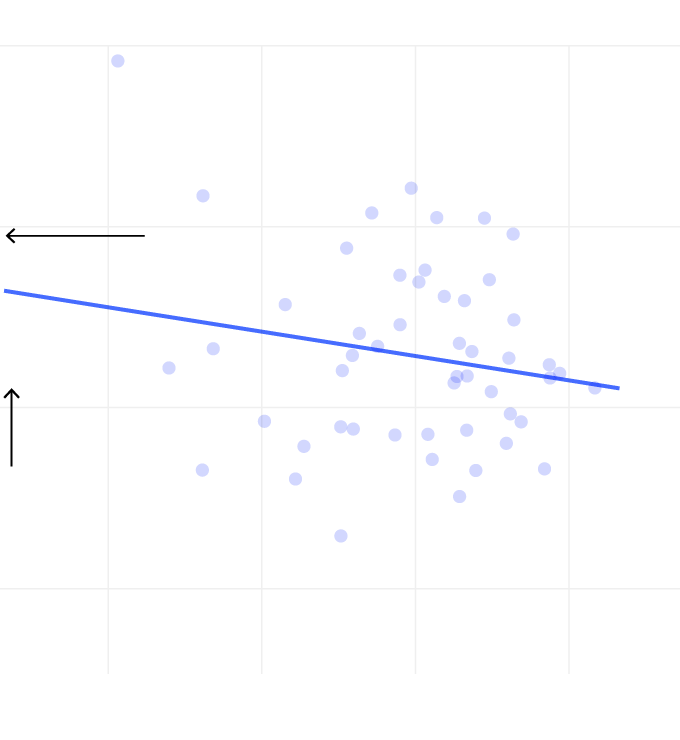
Even if the restrictions reduced turnout, it’s not clear that would benefit Republicans.
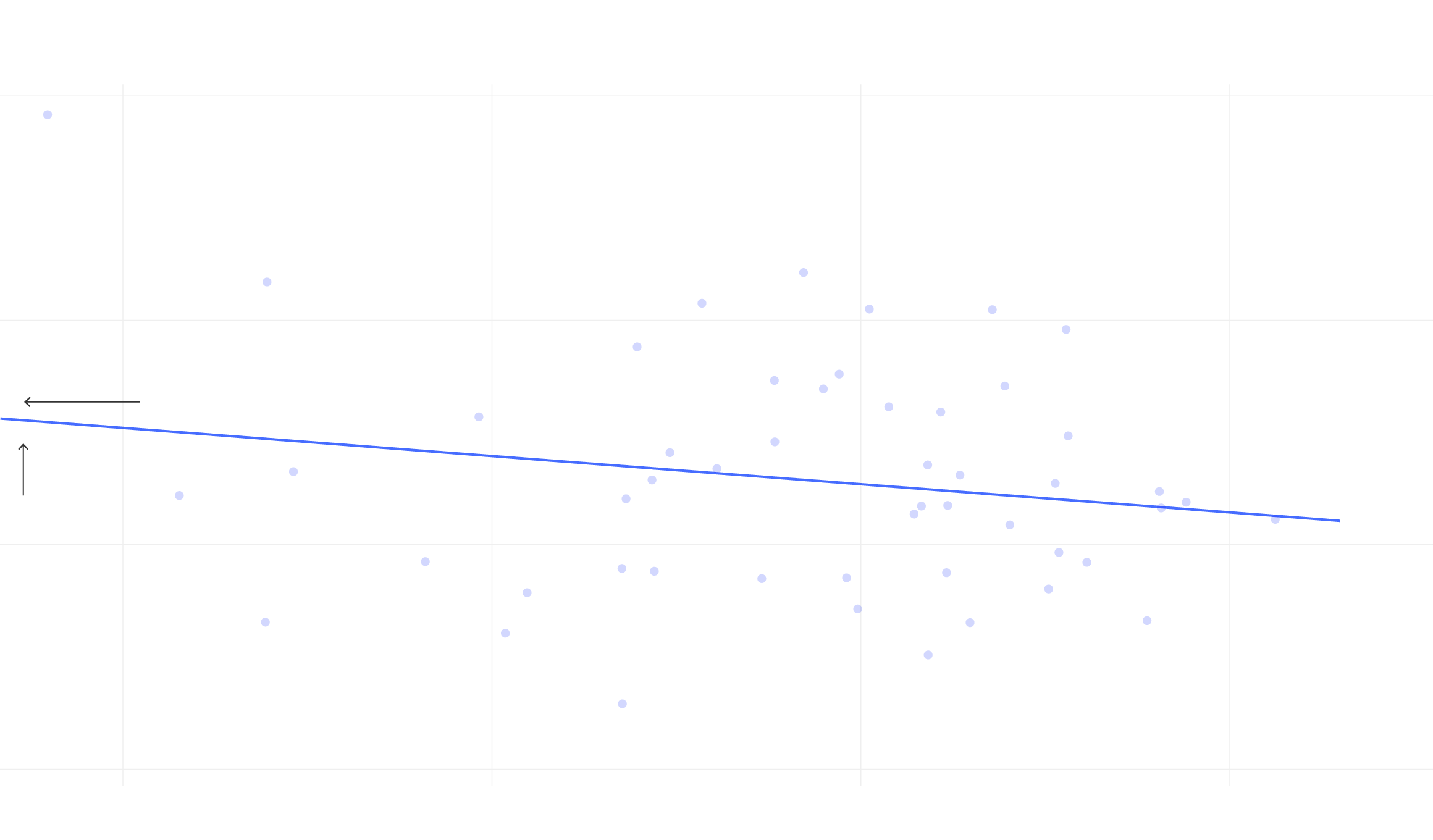
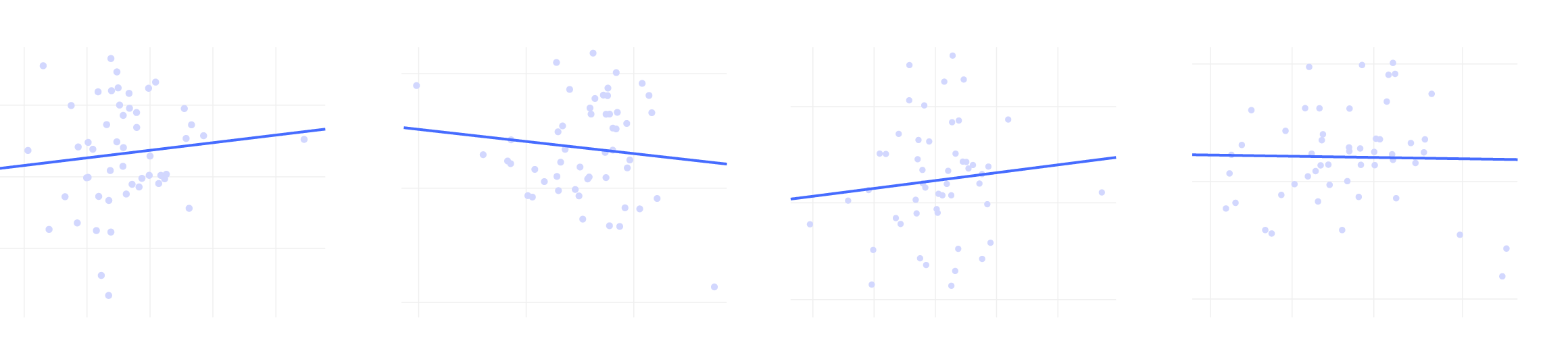
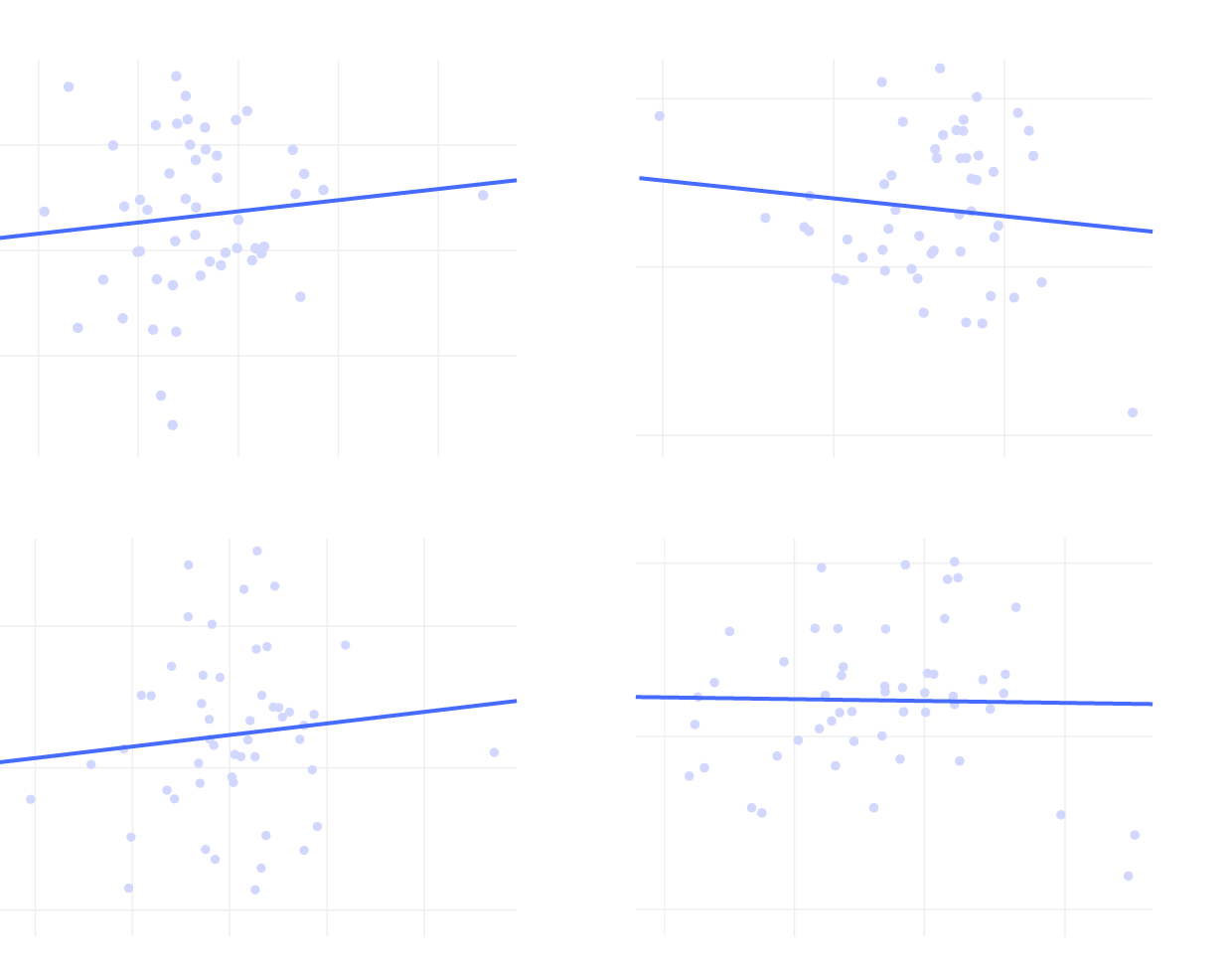
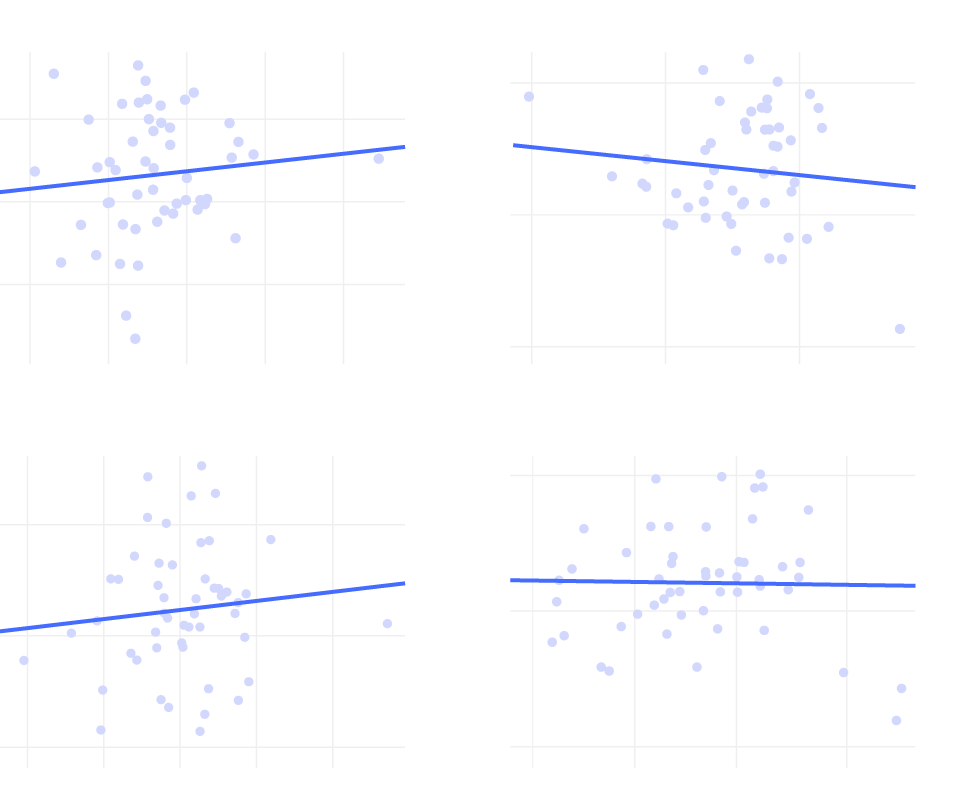
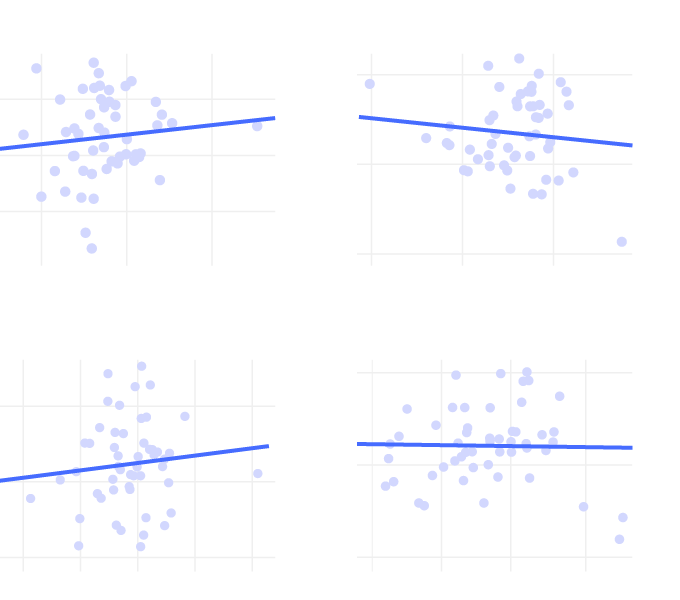
A wide range of politicians from Democratic Senator Elizabeth Warren to former President Donald Trump have argued that higher turnout boosts Democrats, but there is plenty of evidence to the contrary.
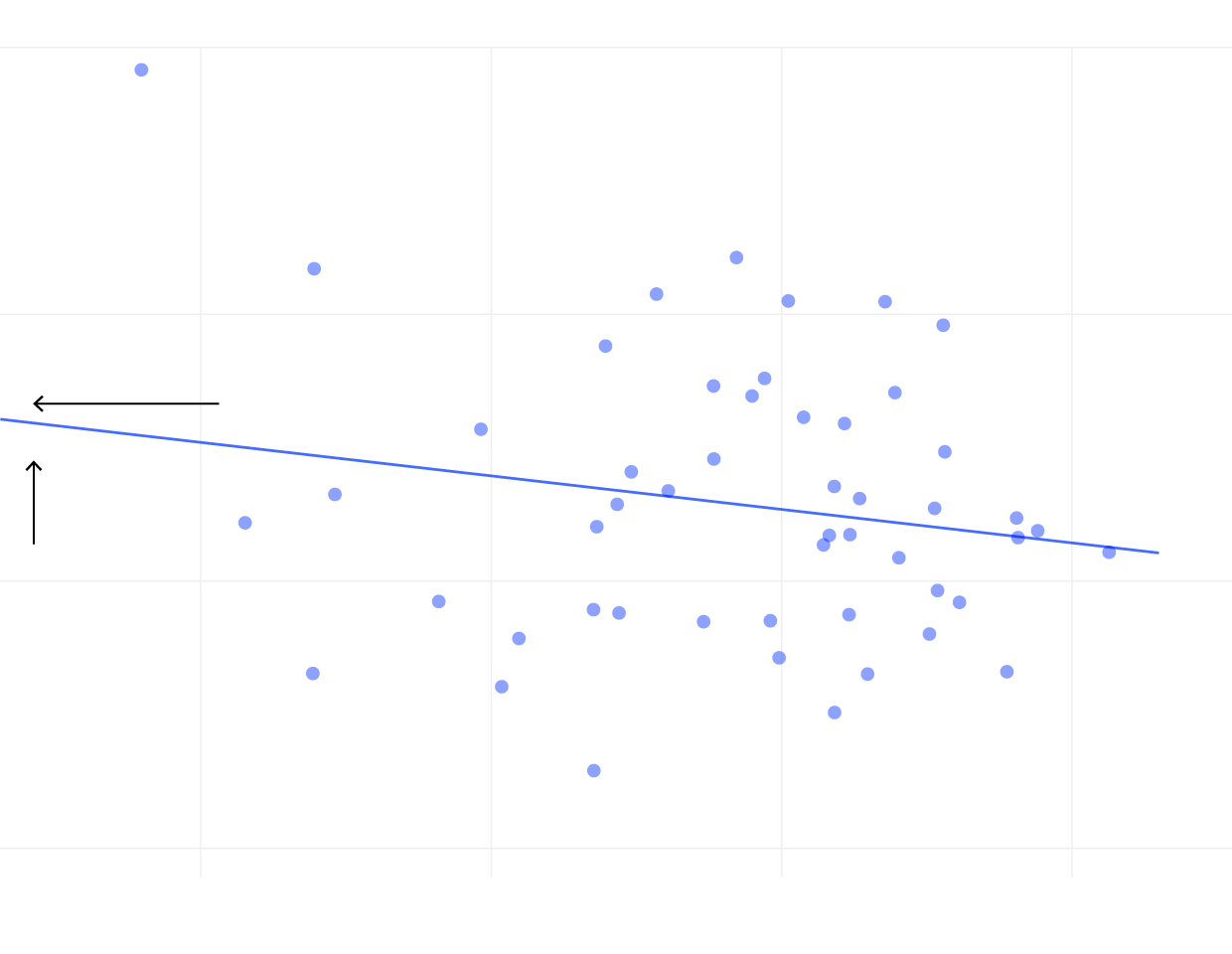
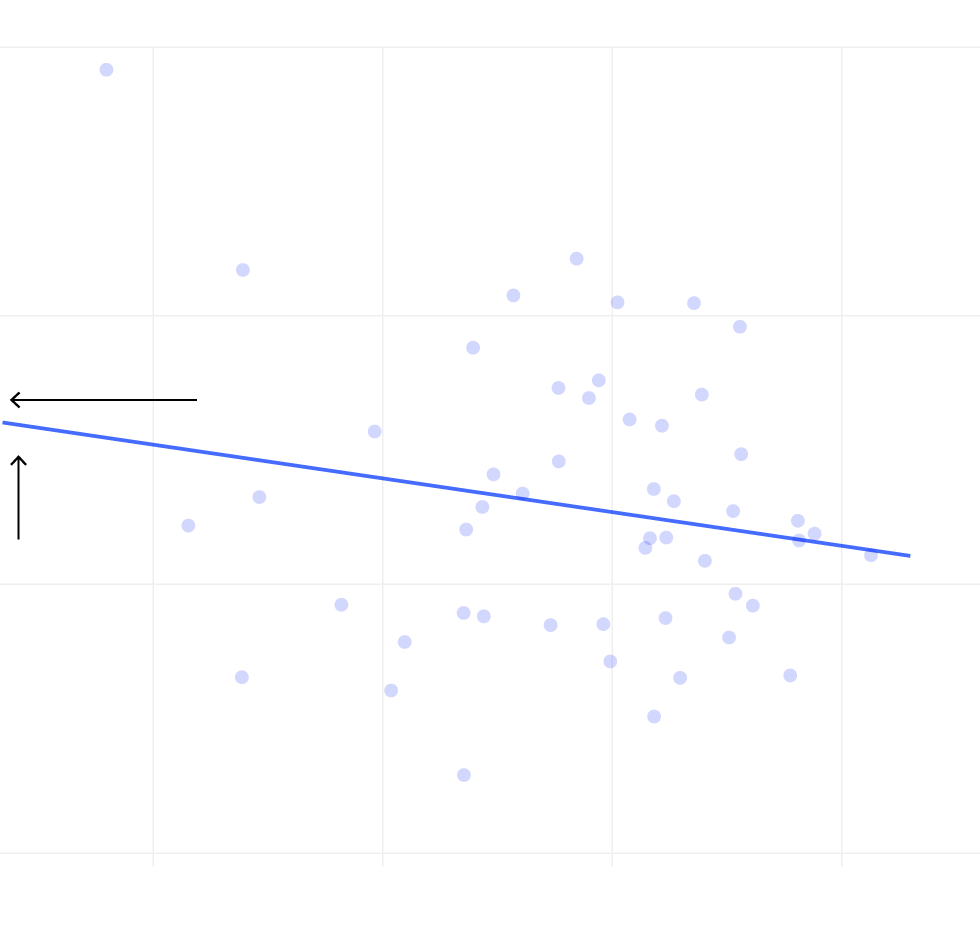
In the 2012, 2016 and 2020 elections, the Democratic presidential nominee actually fared slightly worse in states where turnout rose the most from four years earlier, according to data compiled by Schraufnagel.
Higher Voter Turnout Doesn’t Create a Partisan Advantage

2020 vs. 2016
CHANGE IN
VOTER
TURNOUT
CHANGE IN DEMOCRATIC CANDIDATE WIN MARGIN
-2%
0
+2%
+4%
+15%
HI
UT
CA
WA
AZ
MT
On average across states, Biden performed worse than Clinton in 2016...
+10%
VT
NJ
TX
MI
GA
OR
ID
NV
TN
AK
SC
PA
...the more voter turnout increased
WV
NC
SD
CT
KS
NE
FL
NM
VA
CO
NY
WI
KY
DE
+5%
RI
ME
MN
IN
IL
WY
MS
IA
MA
AL
OH
MD
MO
DC
NH
ND
AR
OK
LA
0
-2%
0
+2%
+4%
CHANGE IN DEMOCRATIC CANDIDATE WIN MARGIN
2020 vs. 2016
CHANGE IN VOTER TURNOUT:
+15%
HI
On average across states, Biden performed worse than Clinton in 2016...
UT
CA
WA
AZ
MT
+10%
VT
NJ
TX
MI
GA
OR
ID
NV
TN
AK
SC
PA
WV
...the more voter turnout increased
NC
SD
CT
KS
NE
FL
NM
VA
CO
NY
WI
KY
DE
+5%
RI
ME
MN
IN
IL
WY
MS
IA
MA
AL
OH
MD
MO
DC
NH
ND
AR
OK
LA
0
-2%
0
+2%
+4%
CHANGE IN DEMOCRATIC CANDIDATE WIN MARGIN
2020 vs. 2016
CHANGE IN VOTER TURNOUT:
+15%
HI
On average across states, Biden performed worse than Clinton in 2016...
UT
CA
WA
AZ
MT
+10%
VT
NJ
TX
MI
GA
OR
ID
NV
TN
AK
SC
PA
...the more voter turnout increased
WV
NC
SD
CT
KS
NE
VA
FL
NM
CO
NY
RI
WI
KY
DE
+5%
ME
MN
IN
WY
IL
MS
IA
MA
AL
MD
OH
MO
NH
DC
ND
AR
OK
LA
0
-2%
0
+2%
+4%
CHANGE IN DEMOCRATIC CANDIDATE WIN MARGIN
2020 vs. 2016
CHANGE IN VOTER TURNOUT:
+15%
HI
On average across states, Biden performed worse than Clinton in 2016...
UT
CA
WA
AZ
MT
+10%
VT
NJ
TX
MI
GA
OR
ID
NV
TN
AK
SC
PA
WV
NC
SD
CT
KS
NE
FL
VA
CO
NM
NY
+5%
KY
WI
DE
RI
...the more voter turnout increased
MN
IN
ME
OH
IL
WY
MS
IA
MA
AL
MD
MO
ND
NH
DC
AR
OK
LA
0
-2%
0
+2%
+4%
CHANGE IN DEMOCRATIC CANDIDATE WIN MARGIN

2016 vs. 2012
2012 vs. 2008
2008 vs. 2004
2004 vs. 2000
+10%
0
+2.5%
+5%
0
+5%
−5%
0
−2.5%
–5%
0
−10%
-10%
-5%
0
+5%
+10%
−10%
−5%
0
−5%
0
+5%
+10%
+15%
−6%
−3%
0
+3%
2016 vs. 2012
2012 vs. 2008
0
+2.5%
0
−5%
−2.5%
−10%
-10%
-5%
0
+5%
+10%
−10%
−5%
0
2008 vs. 2004
2004 vs. 2000
+10%
+5%
+5%
0
–5%
0
−5%
0
+5%
+10%
+15%
−6%
−3%
0
+3%
2016 vs. 2012
2012 vs. 2008
0
+2.5%
0
−5%
−2.5%
−10%
-10%
-5%
0
+5%
+10%
−10%
−5%
0
2008 vs. 2004
2004 vs. 2000
+10%
+5%
+5%
0
–5%
0
−5%
0
+5%
+10%
+15%
−6%
−3%
0
+3%
2016 vs. 2012
2012 vs. 2008
0
+2.5%
0
−5%
−2.5%
−10%
–8%
0
+8%
−10%
−5%
0
2008 vs. 2004
2004 vs. 2000
+10%
+5%
+5%
0
-5%
0
–6%
0
+6%
+12%
+18%
−6%
−3%
0
+3%
Trump won in 2016 because White voter turnout increased in key states like Florida while Black voter turnout fell in battleground states like Michigan and Wisconsin.
Conversely, making voting more convenient also doesn’t appear to help Democrats as much as lawmakers assume.
A study by the Stanford Institute for Economic Policy Research found that easing the rules on vote by mail during the pandemic likely had no effect on turnout, while another study by the Public Policy Institute of California study found that if there was any partisan advantage, it was a slight boost to Republicans.
Maria Teresa Kumar, president and CEO of Voto Latino, said what happens next will depend on how Democrats respond to the new voting restrictions.
She said that Democrats made a mistake when the Supreme Court overruled part of the Voting Rights Act by talking too much about how voting might become harder, possibly scaring off some voters in 2014.
Her group focused on educating voters on how to cast ballots under the new rules.
“We made it very matter-of-fact, and voters listened,” she said.