The STEM Graduate System Is Broken. Here’s How to Fix It.

It was the fall of 2007, and Jack Krumholtz, Microsoft Corp.’s associate general counsel and chief lobbyist, had a problem. A major immigration bill supported by the George W. Bush administration had collapsed, taking down with it a proposal to almost double the number of visas for highly skilled guest workers. Microsoft wanted access to this steady supply of desirable hires.
To solve his problem, Krumholtz picked up on an idea that was circulating around Washington. In a letter dated Nov. 15, he urged then-Secretary of Homeland Security Michael Chertoff to consider a workaround that would get Microsoft the employees it wanted and bypass a congressional logjam. In 3½ pages, Krumholtz helped lay the groundwork to expand a program that has become, in effect, the U.S.’s largest pipeline for skilled guest workers — with no legislation from Congress.

Krumholtz proposed that DHS extend Optional Practical Training, which enables international students to work in the U.S., technically as part of their studies. A longer program would make it easier to recruit college graduates, side-stepping the onerous H-1B visa process for skilled workers and its “severely insufficient” annual cap of 65,000 approvals. “True reform of the H-1B program, of course, will require congressional action. Yet the Administration...can take a simple, immediate step to help address this crisis,” he wrote.
In the months that followed, a lobbying campaign took flight. Chertoff and DHS received letters from the U.S. Chamber of Commerce, Yale University and interest groups representing higher education and the securities industry, as well as a joint statement signed by the chairmen of Microsoft and Intel Corp., the chief executive officer of Qualcomm Inc., the presidents of Columbia University and Johns Hopkins University and others.
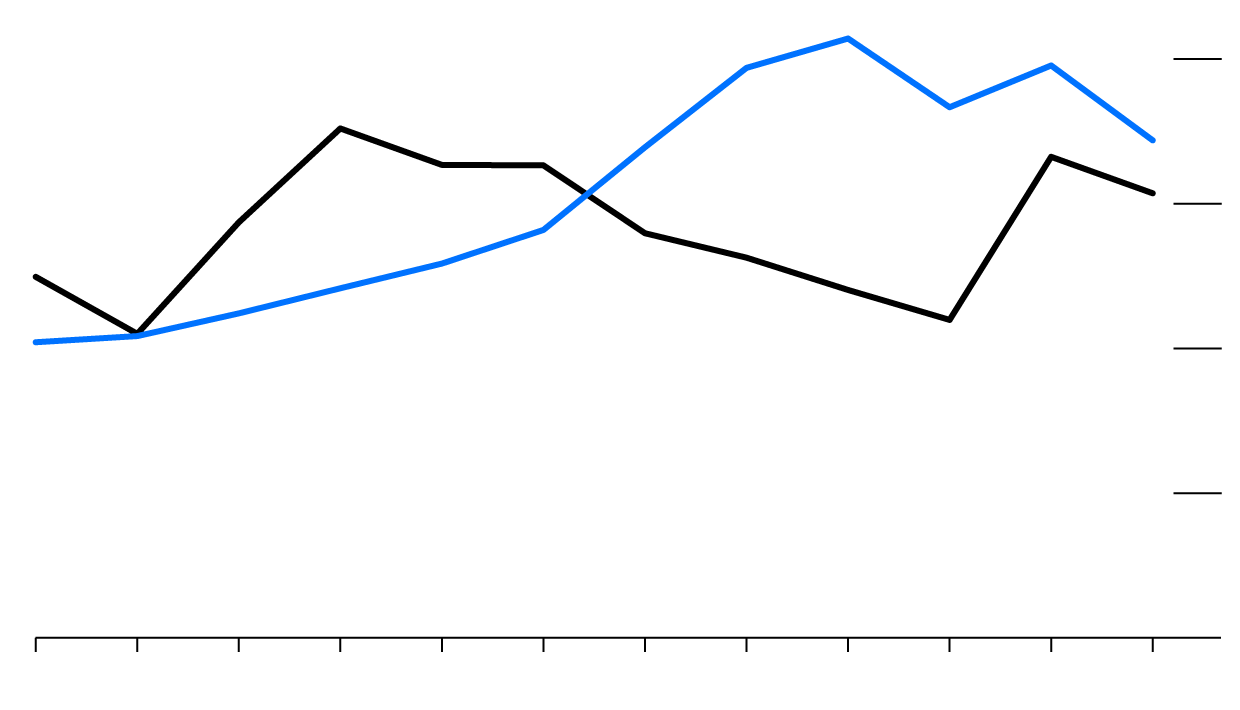
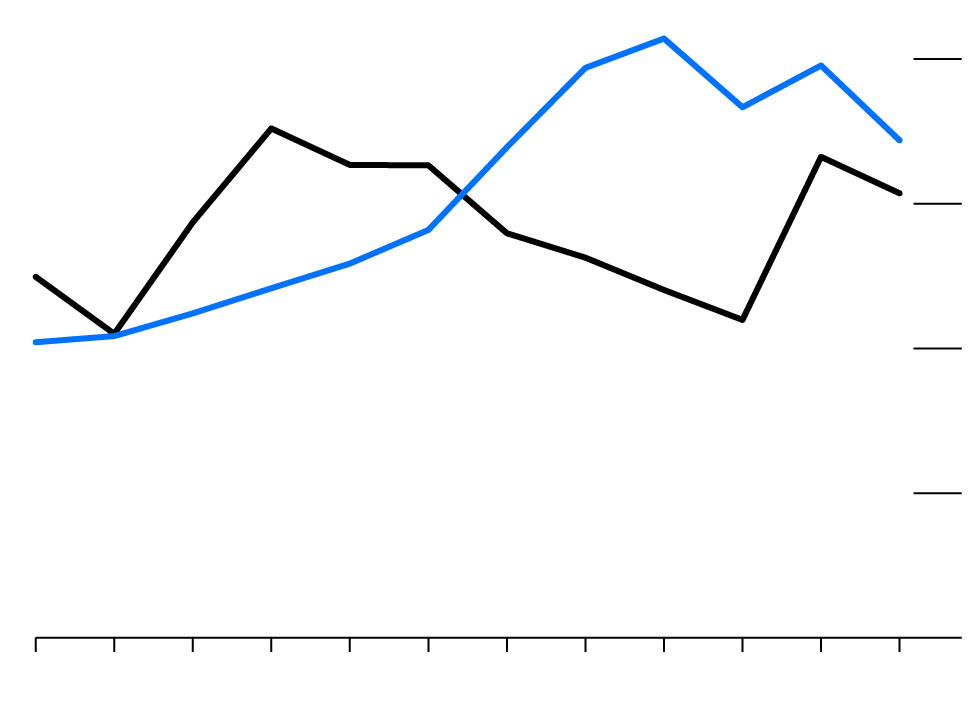
By April 2008, the petitioning paid off: DHS nearly tripled the maximum duration of OPT. With no annual cap, the number of work authorizations exploded, to 203,000 in 2019 from 83,000 in 2008, according to Immigration and Customs Enforcement, which oversees many aspects of the program. About 411,000 people had documentation to work under OPT in 2019, not including another 126,000 from a related pre-graduation version of the program. The number of initial approvals for OPT has exceeded those for H-1B visas every year since 2015, according to data from U.S. Citizenship and Immigration Services.
OPT Outpaces H-1B
160K
OPT
120
H-1B
80
40
0
2009
2010
2011
2012
2013
2014
2015
2016
2017
2018
2019
2020
160K
OPT
120
H-1B
80
40
0
2009
2010
2011
2012
2013
2014
2015
2016
2017
2018
2019
2020

160K
OPT
120
H-1B
80
40
0
’09
’10
’11
’12
’13
’14
’15
’16
’17
’18
’19
’20
Note: Initial approvals are for new applicants and distinct from continuing employment or renewals. H-1B and OPT can stretch multiple years. Fiscal years ended Sept. 30.
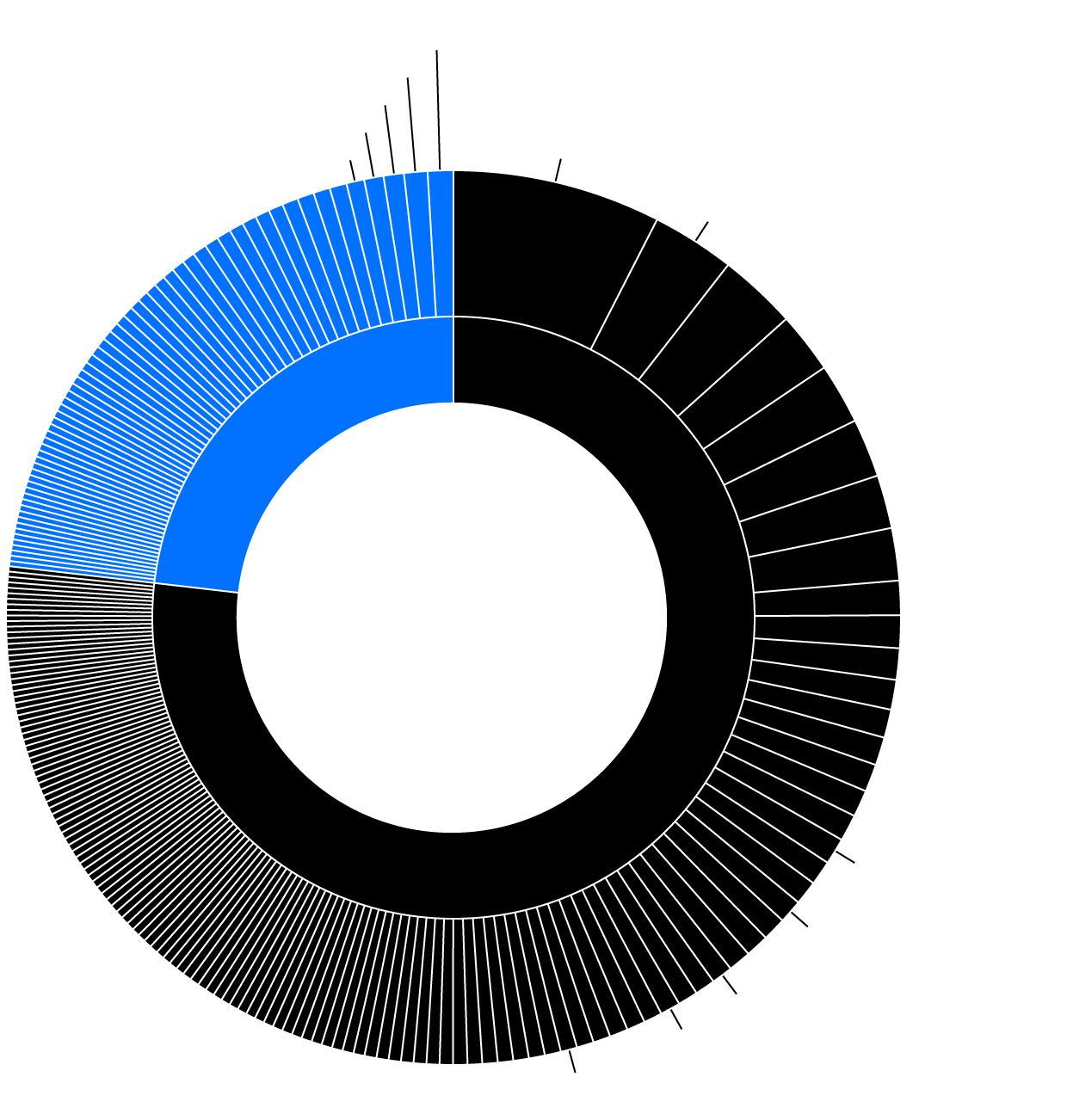
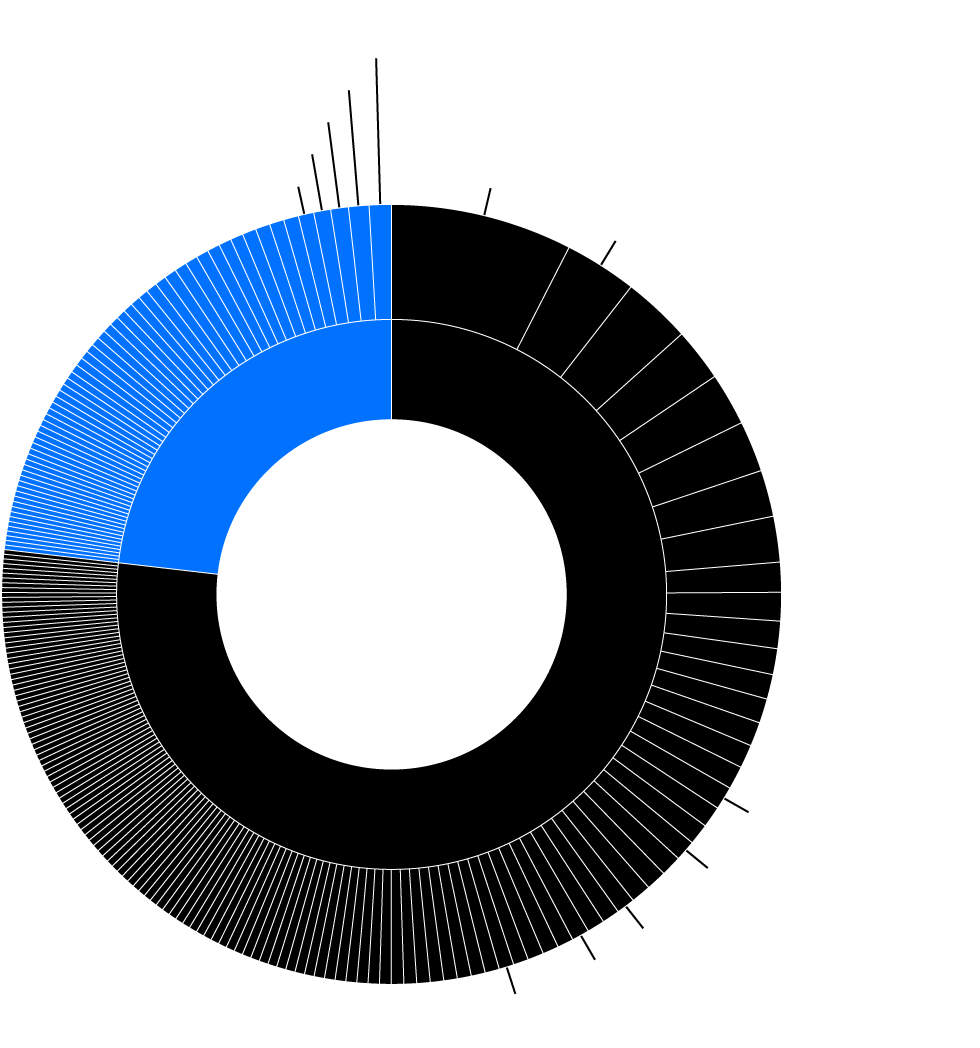
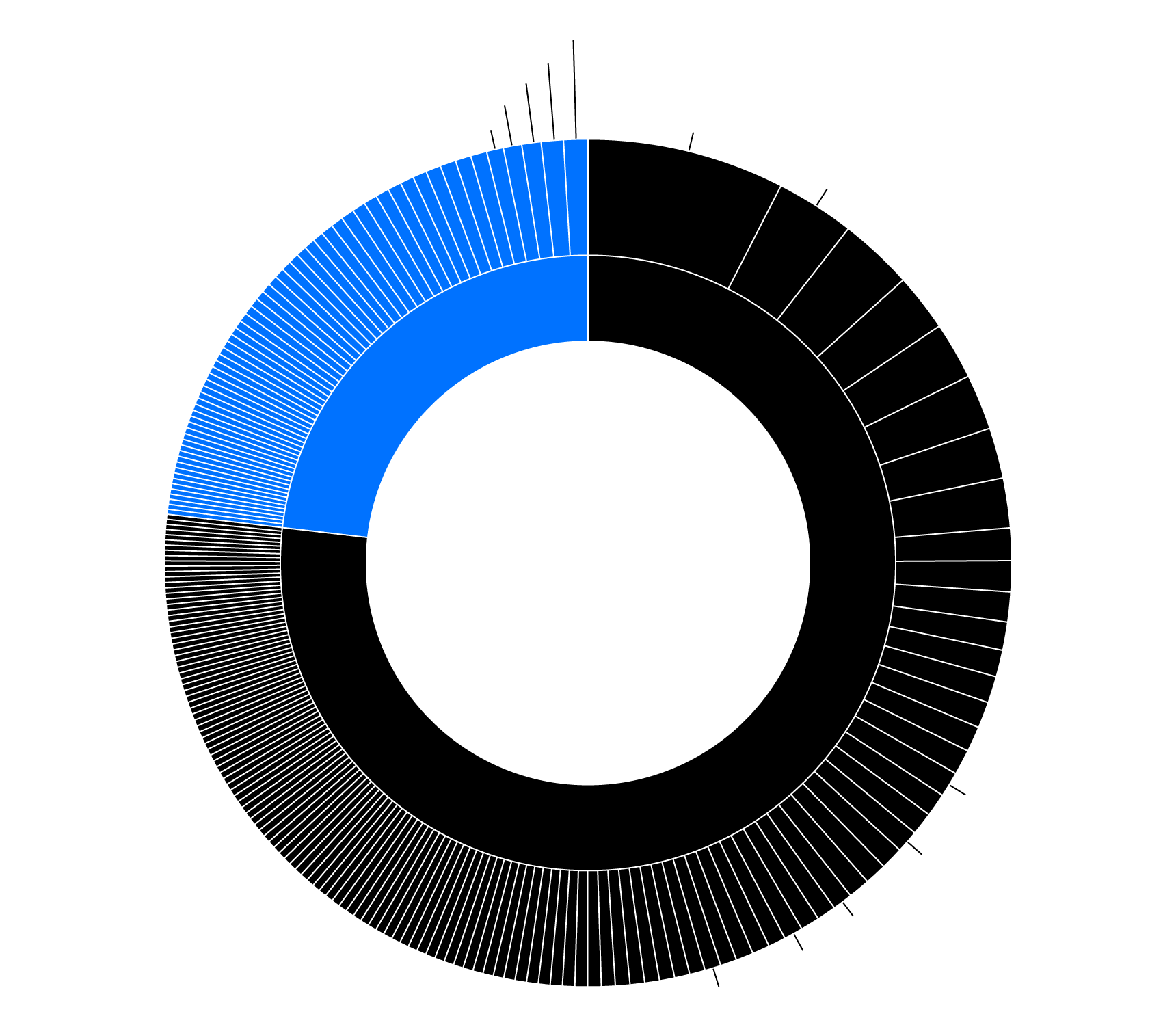
Yet notwithstanding the boon to U.S. companies and those smart, hardworking foreign graduates who have managed to get good jobs through the program,[1] OPT has also opened a side door into the U.S. job market with minimal labor protections and oversight. It is increasingly funneling cheaper and more pliable, visa-dependent foreign candidates into fields such as software engineering and development, depressing wages and making a once-attractive career path less desirable. Moreover, even as OPT benefits U.S. schools eager to attract foreign students, it can undercut American students looking for work. And there have been too many instances of exploitation and outright fraud.
Top OPT Employers
MIT 345
Stanford 316
Johns Hopkins 275
Columbia 262
University of Florida 240
2,813 Amazon
1,123 Google
23%
Schools
77%
Businesses
Top 200 employers
of students in OPT or
STEM OPT, 2019
Companies
with similar
number of
hires as top
university
employers
358 Robert Half
320 Cisco
286 Citigroup
271 Tesla
230 Oracle
MIT 345
Stanford 316
Johns Hopkins 275
Columbia 262
U. of Florida 240
2,813 Amazon
1,123 Google
23%
Schools
77%
Businesses
Top 200
employers of
students in OPT
or STEM OPT,
2019
Companies
with similar
number of
hires as top
university
employers
358 Robert Half
320 Cisco
286 Citigroup
271 Tesla
230 Oracle

Top 200 employers of students in
OPT or STEM OPT students, 2019
MIT 345
Stanford 316
Johns Hopkins 275
Columbia 262
U. of Florida 240
2,813 Amazon
1,123 Google
23%
Schools
77%
Businesses
358
Robert Half
320 Cisco
286 Citigroup
271 Tesla
230 Oracle
Companies with similar number of hires as top university employers
MIT 345
Stanford 316
Johns Hopkins 275
Columbia 262
University of Florida 240
2,813 Amazon
1,123 Google
23%
Schools
77%
Businesses
Top 200 employers
of students in OPT or
STEM OPT, 2019
Companies
with similar
number of
hires as top
university
employers
358 Robert Half
320 Cisco
286 Citigroup
271 Tesla
230 Oracle
The ambitious immigration bill that Democrats just introduced does little to address the OPT program’s weaknesses, even as it pursues important goals. There’s no doubt that the U.S. needs to move away from the xenophobia, cruelty and chaos that characterized many of President Donald Trump’s policies. It needs to keep attracting the world’s best and brightest. But it also needs to advance the aspirations of its citizens and permanent residents for decent jobs and a rising standard of living — especially those who bought into the American Dream by investing in a college education and are about to enter the workforce. A good place to start would be by fixing OPT.
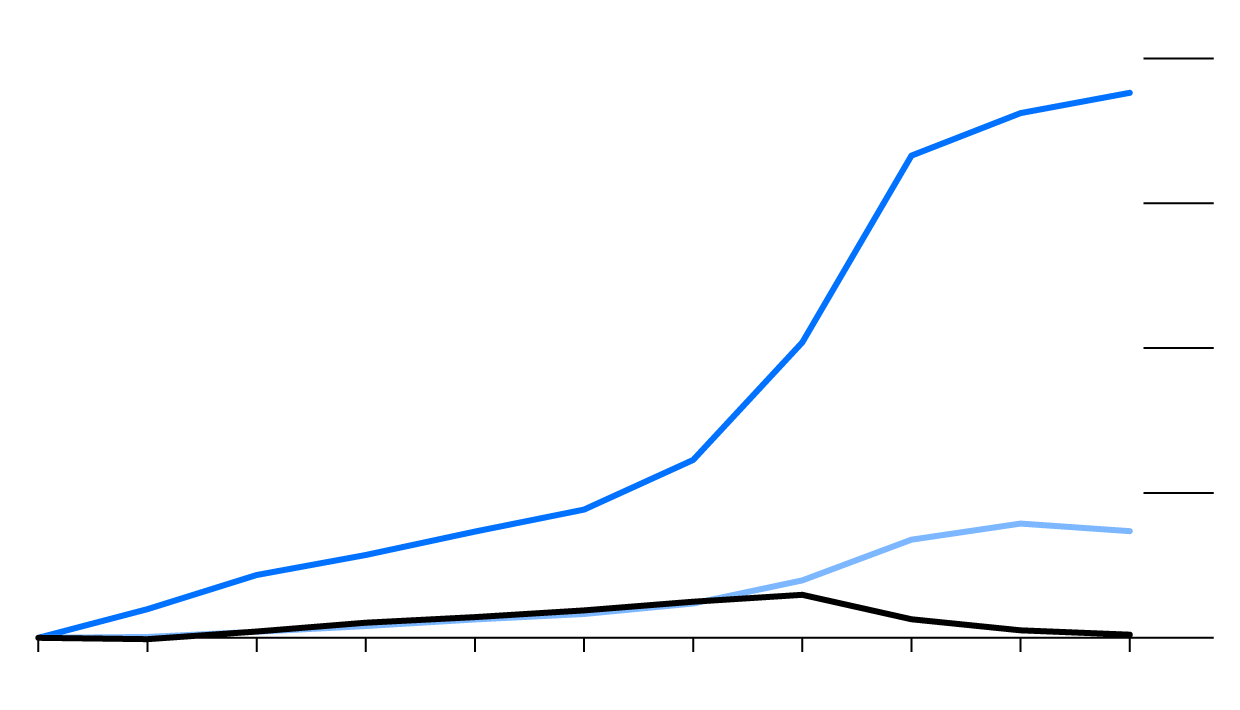
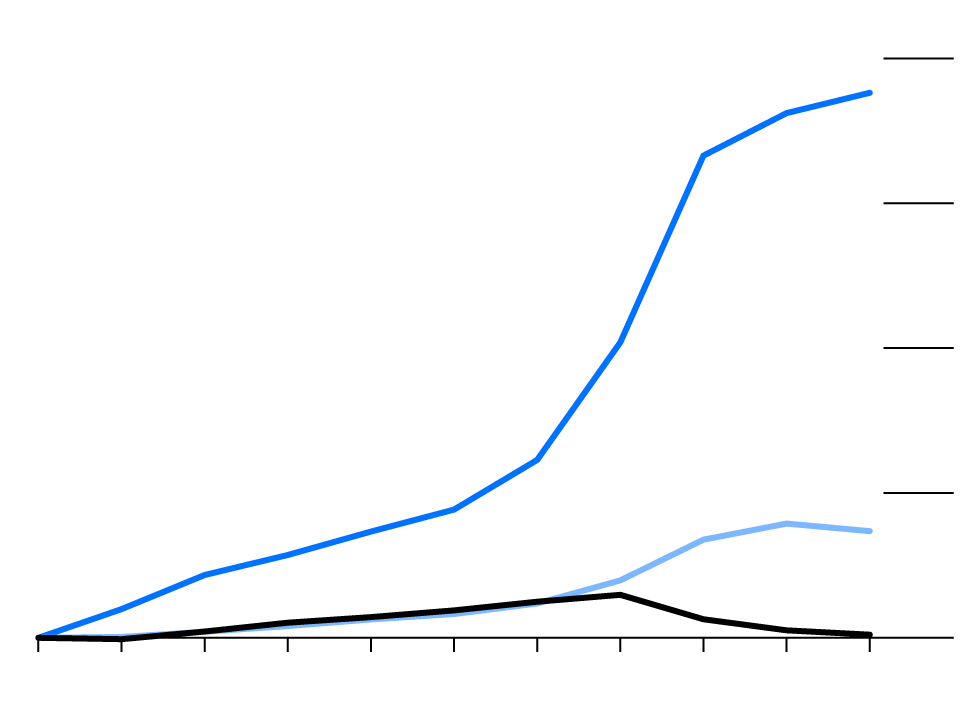
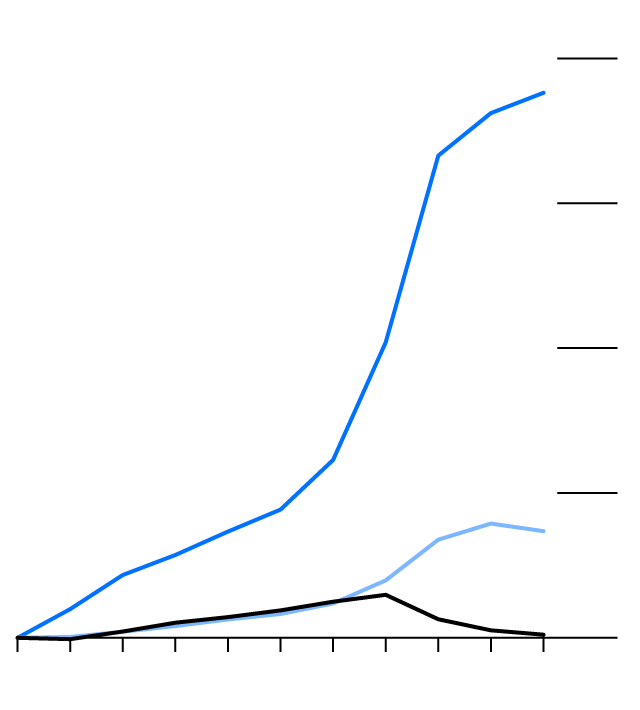
The Optional Practical Training program as we know it began in 1992 and allowed students to work for one year. The 2008 lobbying efforts extended this period for graduates in science, technology, engineering and mathematics by 17 months, including an additional six-month buffer for students with pending H-1B petitions. In 2016, the Obama administration expanded the STEM portion to 24 months, for a total of three years. Those who get a second STEM degree can re-apply, stretching the maximum period to six years. Though STEM OPT is a relatively small subset of the larger program, it has grown exponentially.
STEM-Driven Growth Since 2008
1,200%
STEM OPT
900
600
300
OPT
F-1 visa
0
2008
2009
2010
2011
2012
2013
2014
2015
2016
2017
2018
1,200%
STEM OPT
900
600
300
OPT
F-1 visa
0
2008
’09
’10
’11
’12
’13
’14
’15
’16
’17
’18
1,200%
STEM OPT
900
600
300
OPT
F-1 visa
0
’08
’09
’10
’11
’12
’13
’14
’15
’16
’17
’18
Note: STEM OPT is lagged one year (2009 data is lined up with 2008 OPT and F-1 visa data) because it is issued at the expiration of the first year of OPT; STEM OPT and OPT data are the number of students who reported an employer in SEVIS.
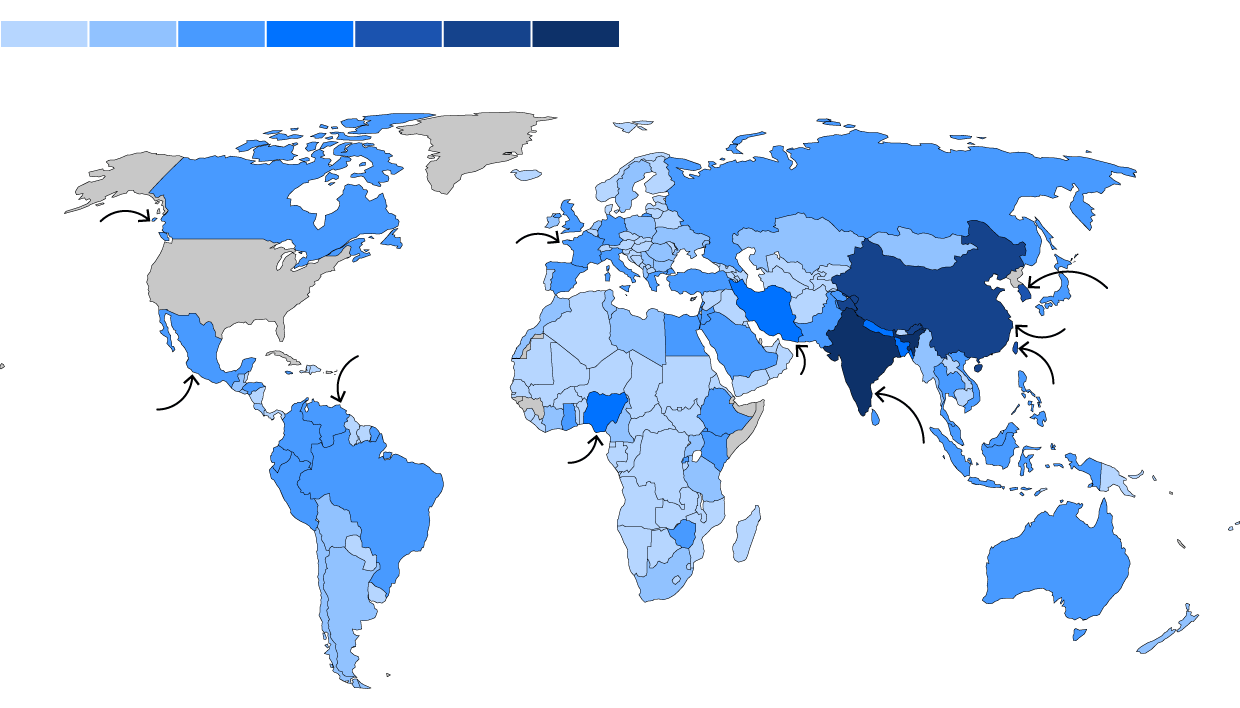
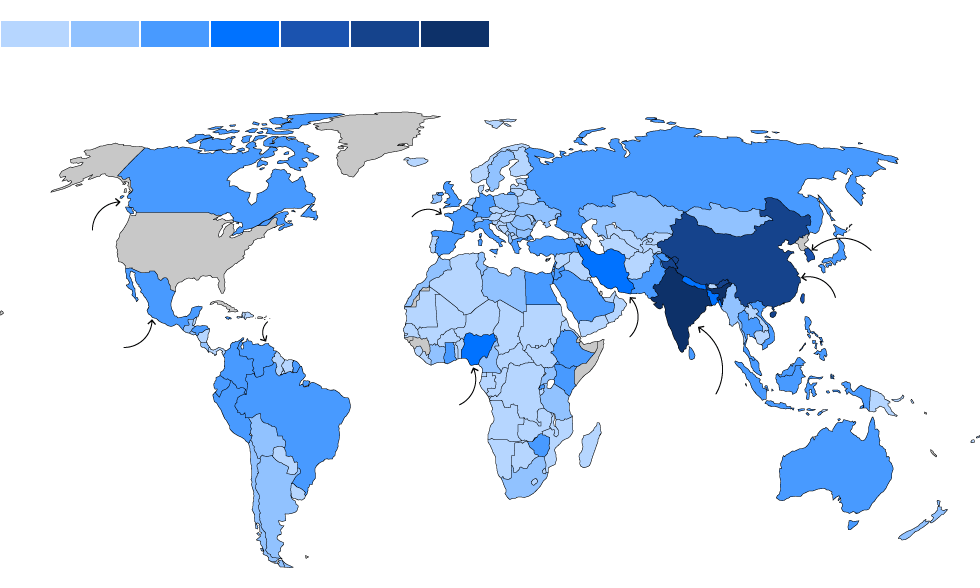
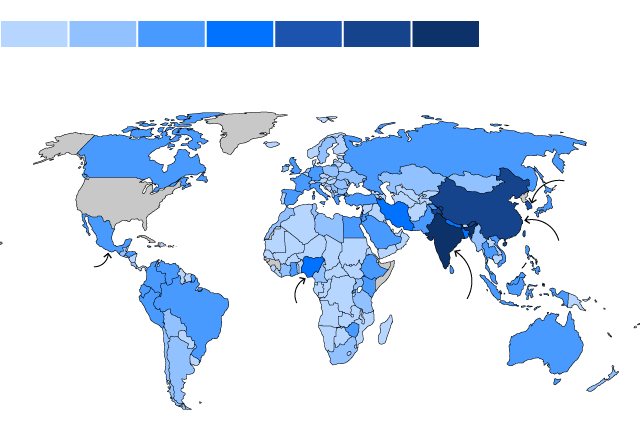
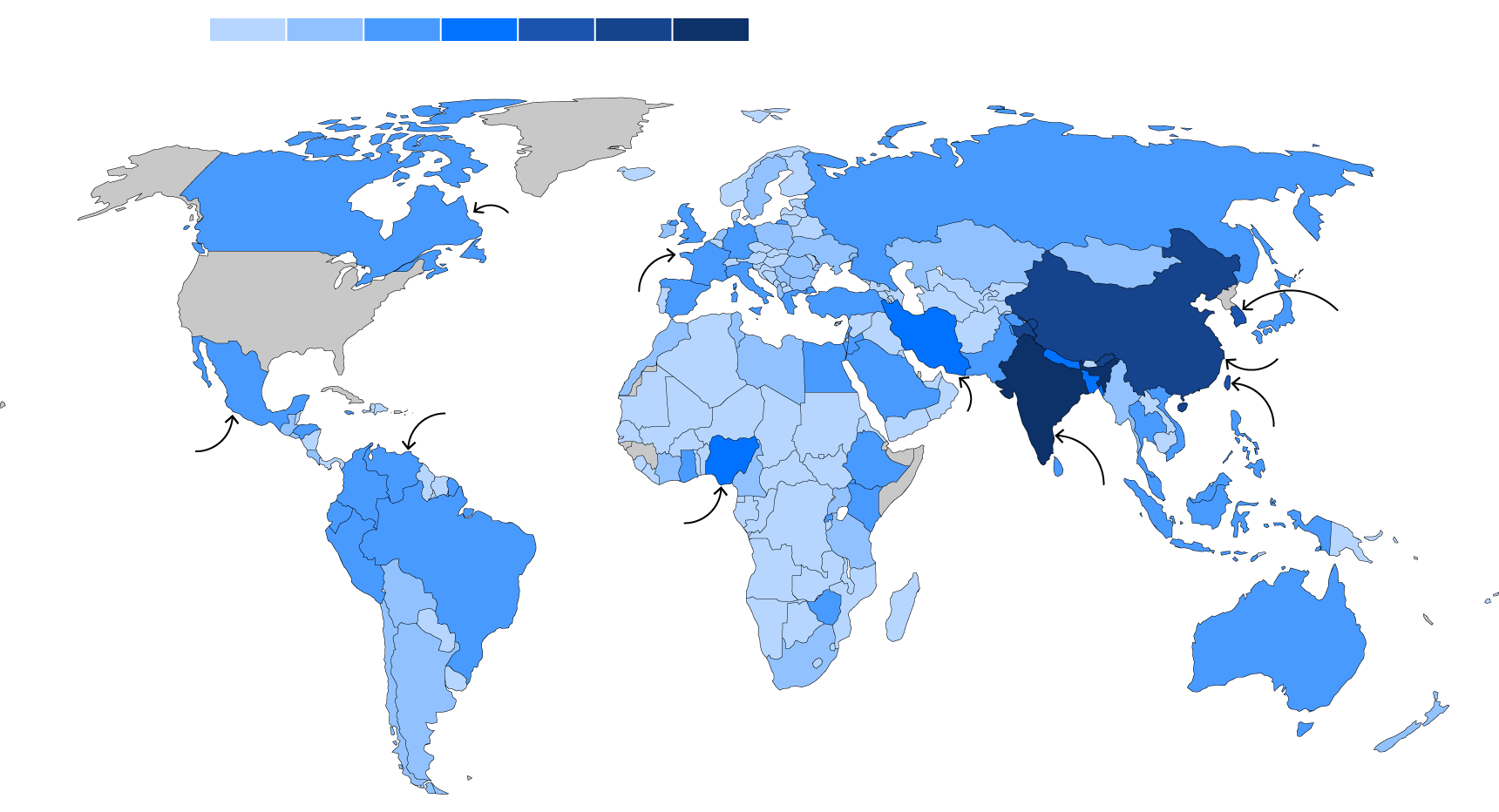
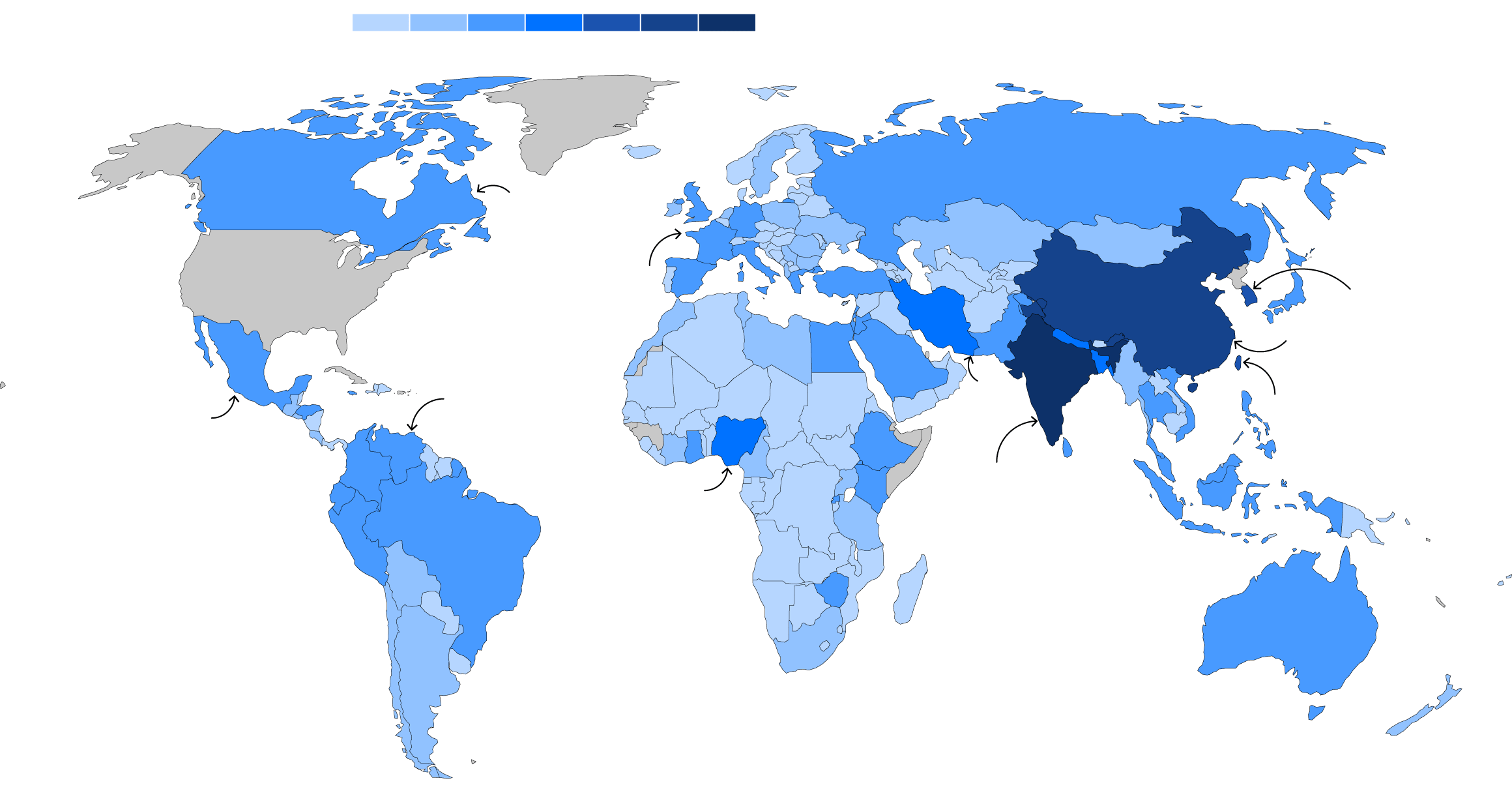
The No. 1 country of origin is India, with about 78,000 active student records, 2½ times the number from China and far outpacing third-ranked South Korea, at 2,600, according to the Student and Exchange Visitor Information System, or SEVIS, ICE’s web-based system. The non-STEM program is dominated by Chinese students, with 474,000 active records; 249,000 are from India.[2]
Where STEM OPT Students Come From
50
100
1K
2K
30K
75K
2.6K
South
Korea
985
Canada
431
France
U.S.
30K
China
552
Venezuela
1.4K
Iran
679
Mexico
2K
Taiwan
1.3K
Nigeria
78K
India
50
100
1K
2K
30K
75K
431
France
2.6K
South
Korea
U.S.
985
Canada
552
Venezuela
30K
China
679
Mexico
1.4K
Iran
1.3K
Nigeria
78K
India
50
100
1K
2K
30K
75K
2.6K
South
Korea
U.S.
30K
China
679
Mexico
78K
India
1.3K
Nigeria
50
100
1K
2K
30K
75K
985
Canada
2.6K
South
Korea
U.S.
431
France
30K
China
552
Venezuela
1.4K
Iran
679
Mexico
2K
Taiwan
78K
India
1.3K
Nigeria
50
100
1K
2K
30K
75K
985
Canada
431
France
U.S.
2.6K
South
Korea
30K
China
552
Venezuela
1.4K
Iran
2K
Taiwan
679
Mexico
78K
India
1.3K
Nigeria
The responsibility for administering and ensuring compliance for OPT falls to the Student and Exchange Visitor Program, or SEVP, a unit of ICE — which is part of DHS. Yet schools are the main link between students and employers, with university employees managing student documentation through SEVIS.
Thanks to the Obama administration’s 2016 rule, employers are required to provide formal training and learning objectives for STEM OPT hires. Businesses also must attest that these employees will not replace a U.S. worker,[3] and that duties, hours and compensation are “commensurate” with “similarly situated” U.S. workers in the job location.
As straightforward as these parameters sound, however, they raise some fundamental questions.
What exactly is “practical training”?
Although the F-1 visa is intended for a “bona fide student” who seeks to enter the U.S. “solely for the purpose of pursuing...a course of study,” some form of so-called practical training has been permitted since 1947. Such employment was initially intended only for those who couldn’t cover their expenses, or when working outside the classroom was “required or recommended” by their school, according to the Federal Register.

The definition of practical training evolved over the years, including which academic or vocational institutions qualify, the length of permitted employment and whether it could occur before or after graduation. Today, it resembles a full-time job. Few students or employers consider it an internship (what sort of internship lasts three years?), and DHS’s own website uses the term “employment” liberally.
What is a commensurate wage?
Because the 2008 rule had no minimum wage provision, the “commensurate” guidance introduced in 2016 marked a step forward. Yet the concept of a commensurate wage is vague: How would an employer determine that level, and could DHS even verify it? The department doesn’t have the staff or resources to regularly conduct such analysis, and its collection of wage data is spotty. (For non-STEM OPT, identifying an employer isn’t even required to obtain work authorization, which makes wage verification a guessing game.) Most critically, there’s little to prevent OPT workers from being hired as unpaid interns — and though data are scarce, this isn’t uncommon.
Should DHS even be running this program?
OPT started as a regulation, not a law, and has operated under DHS for decades. The H-1B visa program, by contrast, passed through Congress as part of the Immigration Act of 1990.
When OPT was a footnote to immigration policy, its origins were unobjectionable. Now that it has become a full-scale guest worker program, the question of whether DHS has the authority, expertise and resources to manage this program has become more pressing.
Tech worker groups have sued DHS, arguing that OPT is illegal because of its beginnings. In December, a judge upheld the program; his ruling has already been appealed, another twist in a decade-plus of litigation.
SEVP’s lack of staffing, meanwhile, has led to several damning oversight failures. In 2019, 1.2 million foreign students were at nearly 9,000 certified schools across more than 18,000 campuses. Watching over them were just 376 full-time SEVP employees. One former DHS official called OPT the “Wild West of worker programs.”
Over the years, the program’s lack of a legislative mandate, unresolved questions and fuzzy administrative contours have yielded a series of negative or unintended outcomes:
Wage suppression
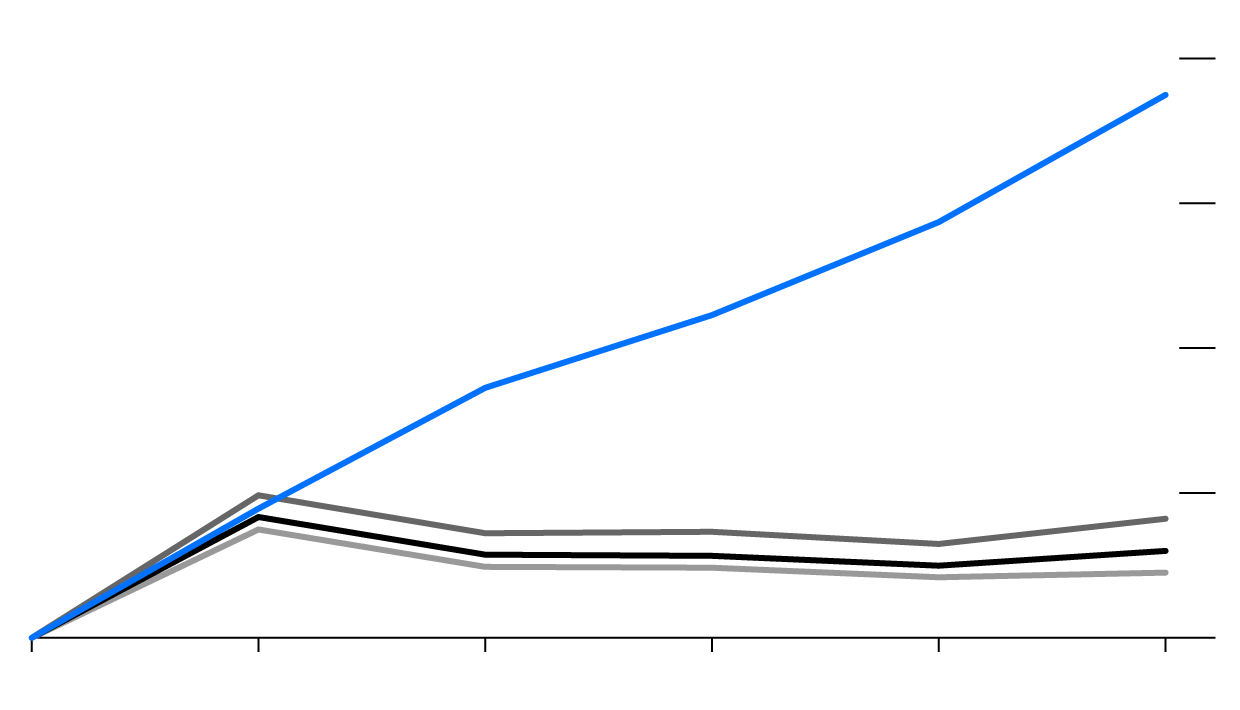
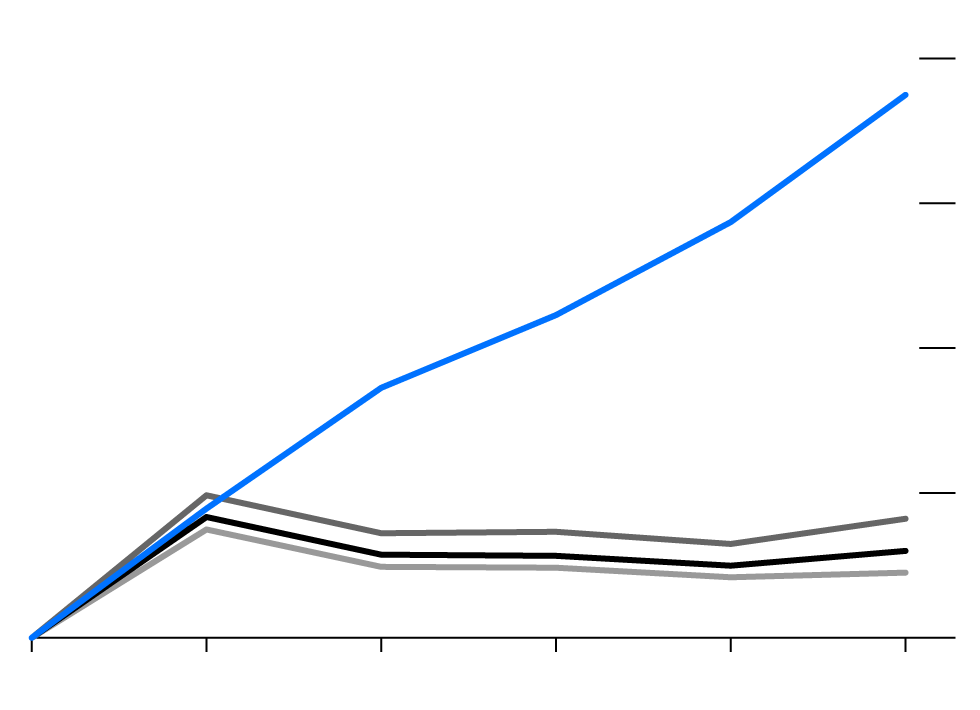
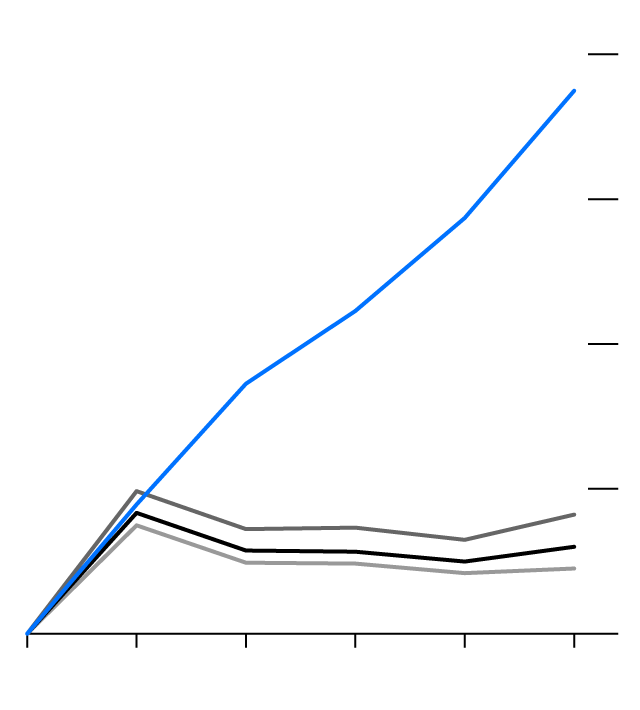
Because foreign STEM graduates are concentrated in certain occupations, their impact on wages is stark even if absolute numbers aren’t huge. In 2018, some 53,000 foreign students earned degrees in computer science or related engineering fields, two-thirds of which were master’s degrees, according to calculations by Hal Salzman, a professor at Rutgers University’s John J. Heldrich Center for Workforce Development, and Khudodod Khudododov, a research analyst, using data from the National Center for Education Statistics. That year, the U.S. had between 96,000 and 143,000 openings in IT occupations that typically went to candidates with a bachelor’s degree or higher in computer science or engineering, they found. So, OPT participants accounted for anywhere from one-third to one-half of new hires. If you add H-1B candidates, up to two-thirds of openings went to guest workers, according to Salzman.
IT Employment and Wages Since 2014
20%
Employment
15
10
Wage growth: 75th percentile
Median
5
25th percentile
0
2014
2015
2016
2017
2018
2019
20%
Employment
15
10
Wage growth: 75th percentile
Median
5
25th percentile
0
2014
2015
2016
2017
2018
2019
20%
Employment
15
10
Wage growth:
75th percentile
Median
5
25th percentile
0
2014
2015
2016
2017
2018
2019
Note: Adjusted for inflation.
Thanks to OPT’s loose provisions, these new hires can legally work for less than market wages. That helps explain why the median annual wage in IT occupations rose just 3% between 2014 and 2019, while employment jumped 18.7%, according to Salzman and Khudododov. This trend may be consistent with stagnant wages in the rest of the economy — but it also flies in the face of employers like Microsoft and their insistence that OPT and H-1B are critical to filling a shortage of qualified U.S. workers. Ample evidence suggests these industry claims are overblown, if not false: For one thing, more than 90% of STEM bachelor’s degrees are earned by American citizens and permanent residents. And if the U.S. really lacked skilled workers, wages would be rising sharply. Instead, we see mild wage growth and tens of thousands of candidates beyond the available supply of jobs.
Degrees Earned by Residency Status

100%
Bachelor’s degrees
Master’s degrees
Non-residents
75
50
25
Residents
0
2008
2019
2008
2019

100%
Bachelor’s degrees
Master’s degrees
Non-residents
75
50
25
Residents
0
2008
2019
2008
2019
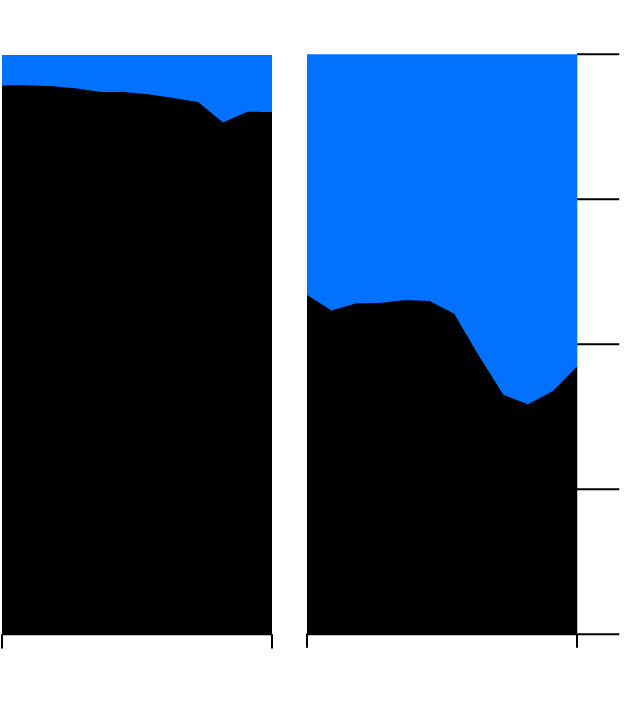
Bachelor’s degrees
Master’s degrees
100%
Non-residents
75
50
25
Residents
0
2008
2019
2008
2019
Note: Years are academic year ends.
Tax loopholes
Businesses that hire foreign students are exempt from paying Medicare and Social Security taxes, amounting to a discount of 7.65%. OPT workers, meanwhile, don’t contribute the same proportion from their paychecks as U.S. citizens and permanent residents do.[4] Together, that could amount to labor cost savings of more than 15%. Could a company justifiably capture the entire discount? Perhaps. Multiply that out, and it’s potentially tens, if not hundreds, of millions of dollars in corporate America’s pockets.
Conflicts of interest
The employer attestation model depends on the good intentions of businesses to pay workers fairly. The chances that DHS will pick up on abuses are slim: It’s up to school officials, not the federal government, to review STEM OPT training plans.
Schools, meanwhile, are responsible for maintaining student records and day-to-day compliance, as most SEVP officials visit campuses just once or twice a year. Yet with state budgets shrinking and enrollment down, universities have financial incentives to admit as many foreign students as possible. They pay up to triple the amount of tuition that locals do — to the tune of $20 billion a year, by some estimates, when you add in university fees.
The ability to work after graduation is a big draw for foreign students, and schools go to great lengths to make STEM OPT expansive. At New York University, for example, even majors like classics and art history and drama therapy qualify for the STEM extension. At the University of California, Berkeley, journalism passes the test.
Where Foreign Students Get Their Master’s
Percentage of degrees awarded to non-residents
1
20
40
60
80%
Percentage of degrees awarded to non-residents
1
20
40
60
80%
Percentage of degrees awarded to non-residents
1
20
40
60
80%
Percentage of degrees awarded to non-residents
1
20
40
60
80%
Top 10 RANKED programs
No. 1 ranked Carnegie Mellon awarded 79% of its CS master’s degrees to non-residents, amounting to 848 diplomas
848
Programs where more than
50% of degrees were awarded
to non-residents
Less than 50%
425
No. 8 ranked Georgia Institute of Technology gave 38% of degrees to non-residents
11 to 25
923
USC
26 to 50
Schools ranked 26 to 50 gave 12% of all CS master’s degrees to non-residents
660
NYU
Below 50
941
UT Dallas
The vast majority, 71%, of degrees given out to non-residents were earned at schools ranked below 50 or not ranked at all
Unranked
1,023
Unranked Wilmington University awarded the highest number of degrees to foreign students
Top 10 RANKED programs
No. 1 ranked Carnegie Mellon awarded 79% of its CS master’s degrees to non-residents, amounting to 848 diplomas
848
Programs where more
than 50% of degrees were
awarded to non-residents
Less than 50%
425
No. 8 ranked Georgia Institute of Technology gave 38% of degrees to non-residents
11 to 25
USC
26 to 50
Schools ranked 26 to 50 gave 12% of all CS master’s degrees to non-residents
NYU
Below 50
UT
Dallas
The vast majority, 71%, of degrees given out to non-residents were earned at schools ranked below 50 or not ranked at all
Unranked
1,023
Unranked Wilmington University awarded the highest number of degrees to foreign students
Top 10 RANKED programs
No. 1 ranked Carnegie Mellon awarded 848 (79%) of its CS master’s degrees to non-residents
50% of degrees
were awarded to
non-residents
Less than 50%
11 tot 25
USC
26 to 50
Schools ranked 26
to 50 gave 12% of all CS master’s to non-residents
NYU
Below 50
UT
Dallas
Schools ranked below 50 or not ranked at all gave out 71% of degrees to non-residents
Unranked
1,023
Unranked Wilmington University awarded the most degrees to foreign students
Top 10 RANKED programs
No. 1 ranked Carnegie Mellon awarded 79% of its CS master’s degrees to non-residents, amounting to 848 diplomas
848
Programs where more than 50% of
degrees were awarded to non-residents
Less than 50%
No. 8 ranked Georgia Institute of Technology gave out 425 degrees to non-residents, 38% of its total
425
11 to 25
923
USC
26 to 50
Schools ranked 26 to 50 accounted for 12% of all computer science master’s degrees awarded to non-residents
660
NYU
Below 50
941
UT Dallas
The vast majority, 71%, of degrees given out to non-residents were earned at schools ranked below 50 or not ranked at all
Unranked
1,023
Unranked Wilmington University awarded the highest number of degrees to foreign students
Note: Rankings are U.S. News and World Report’s 2018 best graduate programs in computer science.
Third- and fourth-tier universities have caught on, too. In recent years, they have aggressively expanded their STEM offerings and foreign-student recruitment efforts. More than 70% of nonresident computer science master’s degrees awarded in 2018 came from unranked programs or those ranked 50 and lower by U.S. News and World Report. Just 17% came from schools ranked in the top 25.
So-called visa mills offer few, if any, classes and quickly shuttle students into jobs. An ICE investigation late last year found that thousands of students were attending dozens of fake schools and had gotten permits to work at sham employers. Other students get sucked into exploitative jobs at IT contracting firms known as body shops, which dangle the promise of visa sponsorship. Towering student debt and family pressure to “make it” in the U.S. leave foreign students vulnerable to accepting job offers with strings attached.

Internal brain drain
Business and higher-education lobbies often advocate for a limitless flow of students into the high-skilled guest worker pipeline. Isn’t it good to have as many engineers as possible, the argument goes, even if they don’t come from Carnegie Mellon? No, says Norman Matloff, a computer science professor at UC Davis, who writes on high-skilled guest worker policies. An oversupply of cheaper, more dependent candidates for entry-level jobs disincentivizes U.S. graduates from pursuing certain STEM fields. This causes what Matloff calls an “internal brain drain.”
Wage stagnation, long hours, high turnover, corrosive workplace culture and stiff competition for a limited number of jobs drive U.S. graduates away from entry-level tech work and into other fields. As Matloff notes, “Young people see these market signals and respond accordingly... The talents STEM students have been applying — keen quantitative insight, good problem-solving and analytical skills and so on — are much more highly rewarded outside STEM.” This calculus helps explain why half of STEM graduates work outside STEM fields.
With $750 billion in undergraduate loans outstanding, U.S. students might find it hard to justify shelling out $70,000 for an optional master’s degree. Many simply want to get a job and start making money. For a foreign student, whose access to working legally in the U.S. is tied to academic attainment, the incentives point the other way: Getting as many degrees as you can afford makes sense.
Competing interests will complicate any effort to address OPT’s deficiencies: American citizens and permanent residents want jobs, foreign students want access to a better life, schools want tuition money and employers want workers. But reconciling those interests is exactly what the legislative process is supposed to do. Congress needs to step up.
Republicans such as Senator Chuck Grassley of Iowa have been concerned about a lack of OPT oversight for years. “It’s no secret that the OPT program has long been susceptible to abuse from bad actors looking to exploit foreign students as cheap foreign labor,” Grassley wrote in an email. Republican House members have recently drafted a bill that proposes suspending OPT and adds more scrutiny to H-1B hiring, citing the need to protect American workers and recent graduates.
Democrats, meanwhile, have so far seemed reluctant to grapple with the program’s shortcomings. Senator Dick Durbin of Illinois has worked with Grassley since 2007 on legislation that would increase oversight of the H-1B and L-1 visas for company transfers. Yet Durbin, like many Democrats who recognize the need for H-1B reform, believes the key objective should be finding a less convoluted way to make STEM graduates citizens. “We need to reorient our legal immigration system to treat talented immigrant workers like future Americans, not expendable guest workers,” the senator wrote in an email.

President Joe Biden’s proposed immigration bill goes some way toward that goal, though its chances of getting through Congress are slim. Many suspect it will be passed piecemeal, which makes individual provisions important. The legislation seeks to allow more foreign students and guest workers to stay in the U.S. by dramatically raising the number of employment-based green cards. Other measures, such as recognizing the F-1 visa as “dual intent,” make it more straightforward to remain in the country post-graduation. These are laudable ends. Yet making businesses the sole guardians of green cards can create a reliant and overly compliant workforce. By contrast, the failed immigration reform efforts of 2013 also put forward a merit-based point system.
Some parts of the bill suggest the president has sought middle ground. Even if Ph.D. graduates from an expansive list of STEM fields would qualify for an unlimited number of green cards, this target is less ambitious than the one set in 2013, which would have included master’s degree candidates. The legislation also might move toward prioritizing H-1B allocation to higher-wage earners — a measure sought by the Trump administration. Yet the bill’s language is much fuzzier than the existing rule, which has been delayed until December pending further review. Last week, Grassley and Durbin sent a letter to Secretary of Homeland Security Alejandro Mayorkas urging DHS to implement the Trump rule “expeditiously”: “Establishing an equitable distribution of new visas is a key starting point to ensuring that the H-1B visa program is not used to lower wages and displace American workers,” they wrote.
Despite these provisions, the new bill doesn’t meaningfully address the OPT program’s weaknesses. Congress needs to fill that gap while avoiding the mistakes of past efforts. (A pilot program similar to OPT was floated in the early 1990s and scrapped partly because of concerns it would hurt U.S. workers.) This would bring OPT out of the regulatory shadows, send clearer signals to the business community and, ultimately, put the issue into voters’ hands. For all its flaws, the H-1B visa was the result of legislative sausage-making that put specific requirements on various agencies. OPT has none of that. ICE doesn’t have the appropriation or staffing to conduct worthwhile wage analysis, nor can it compel other agencies, such as the Labor Department, to help — though it has tried.
A logical first step is recognizing OPT for what it is: a guest worker program that DHS is poorly equipped to run. Shifting oversight from DHS to the Labor Department should be an obvious baseline, according to Daniel Costa of the Economic Policy Institute and Ronil Hira of Howard University. Even if its administration of the H-1B program has been flawed, the department’s central work is the protection of labor standards.
Next, scrap the “commensurate” wage guidelines and set a prevailing wage. Costa and Hira have sensibly proposed that foreign students should be “paid according to U.S. wage standards.” They suggest drawing upon Labor Department data, using approximately a 50th-percentile wage by occupation and local area, to set an appropriate level. On March 11, in an effort to address criticisms of H-1B abuses, the Biden administration proposed its own rules for setting prevailing wage levels.
Eliminating the payroll tax advantage would also help ensure that merit rather than pay drives hiring. Some public comments to the Obama-era rule offered creative solutions, such as requiring STEM OPT employers to pay an amount equal to payroll taxes into a fund encouraging employment of U.S. STEM workers. A carrot-and-stick approach, for example, could exempt employers from such taxes for two years when they hire new U.S. STEM graduates, and charge a 10% penalty for displacement when an OPT student is hired.
Finally, the U.S. should focus on attracting talent for jobs where a shortage truly exists. This involves ensuring visa holders have a legitimate job offer with a wage at or above specified levels, making a concerted effort to recruit U.S. workers and targeting the truly “best and brightest.” David North, a fellow at the Center for Immigration Studies, has suggested tying OPT to academic performance rather than academic attainment, requiring candidates to be in the top 25% of their class with a degree from one of the top 100 institutions ranked by a publication such as U.S. News and World Report.
Another way to ensure that the U.S. remains a destination for the world’s most talented, and that its companies can thereby thrive, is to optimize the visa categories designed for that purpose. Employment-based green card quotas could be rebalanced to provide a greater share of EB-1 visas (for “foreign nationals of extraordinary ability” and “outstanding professors”) and EB-2 (for those with “exceptional ability” or those with an advanced degree or its equivalent), Matloff, the UC Davis professor, wrote in his 2013 paper.
The Trump administration had some smart people working on guest worker reforms. But the incendiary rhetoric on immigration Trump aimed at his base also burned bridges with obvious allies, such as labor-minded Democrats. The White House was beset by infighting between immigration restrictionists in the orbit of senior adviser Stephen Miller and the pro-business types circulating around Jared Kushner, the president’s son-in-law. This paralysis helps explain why Trump failed to fulfill his campaign promises to protect American workers. Some of his eleventh-hour changes to the H-1B program were commendable, such as raising prevailing wage levels. But they were hasty and hamstrung by legal blunders.
This is where Biden has an opening. Many American workers who voted for Trump were lifelong Democrats. They bought into his agenda only because it seemed like someone was finally hearing them. Biden, the ultimate empath, has built a political brand on listening. His personal grief has become a synecdoche for a nation of suffering, be it Covid-related loss or diminishing job opportunities or opioid addiction.

In an interview with CNN’s Jake Tapper in December, Biden spoke about the burgeoning middle-class anxiety that drove many Americans to vote for Trump: “I’m going to reach out to those who didn’t support me...because I think a lot of people are just scared and think they’ve been left behind and forgotten.”
True OPT reform, however, will require bravery as much as compassion. The beneficiaries of the status quo have deep pockets and good friends in Washington. But the failings of the current program make it hard to argue against better oversight, which would keep the door open to the best and brightest while shutting it to abusers of the system. Upholding this promise to American workers — whether those just out of college or just out of a job, and those would-be Americans who play by the rules — demands no less. The truth is, the U.S. doesn’t need any more race-to-the-bottom computer programmers. Only its tech behemoths and their shareholders do.
(Updates with news of Biden’s proposed H-1B wage level rules in 39th paragraph. Corrects attribution of idea for regulatory change in second paragraph.)