Cigarettes
Coconut oil
Bank
Rice
Sugar
Beer
Jade
Ruby
Toothbrush
Tea mix
Hotel
Rum
Coffee
Toothpaste
Condensed milk
Bowling
Long before Myanmar's military seized control of the streets, the influence wielded by the armed forces was visible in the daily lives of ordinary citizens.
SCROLL
Families might start their day with a bowl of MEC Myanmar rice and a cup of Nan Myaing Coffee sweetened with Royal Karaweik sugar—all made by businesses owned by two military-run conglomerates, according to a report by the United Nations.
In Yangon, the country's biggest city, the military owns an 11-lane bowling alley and ice rink in the Royal Sportainment complex and, for travelers, the Central Hotel.
Many entrust their savings at Myawaddy Bank, among the country's biggest, and also owned by the armed forces. Pearls and most of the rubies and jade on the market are extracted by companies owned by the military, according to reports by international watchdog groups.
Through two opaque conglomerates, Myanmar’s military leaders control at least 110 businesses at the heart of the economy. They bring in billions of dollars, money that strengthens the military’s might and enriches its top officers and armed forces units, according to the United Nations and other watchdog groups. Renewed sanctions by the U.S. and Europe aren’t likely to make a dent.
Myanmar’s Generals Run a Nearly Sanction-Proof Business Empire
Back when it looked like Myanmar had a chance at democracy, American lawyer Eric Rose opened a firm in Yangon to advise investors interested in the newly opened country. In 2014, a client asked him to evaluate a potential joint venture with several state-owned pharmaceutical companies, Rose got a glimpse at how the military ran business ventures.
As part of due diligence, Rose talked to the directors and reviewed the financials of the companies, which were under the control of a government still dominated by generals that had run Myanmar since the 1960s. The businesses were inefficient, the equipment outdated, the employees poorly trained veterans, he said. The companies’ leaders were former military officers without business experience.
“They were losing money left and right,” he said. “We looked at the financials, pulled our hair out and said, ‘Let’s get out of here.’ There was no prospect of these businesses ever turning around.”

But in Myanmar, Western standards don’t always apply. The two major conglomerates founded by the Defense Ministry, Myanma Economic Holdings Public Company Ltd. (MEHL) and Myanmar Economic Corp. (MEC), have cemented the military’s role at the center of the economy. They offer a wide variety of civil society’s essential goods and services; they also employ thousands of civilian and military personnel, control industries including real estate, alcohol, tobacco and natural resources, and pay dividends to hundreds of thousands of soldiers.
As a result, traditional measures of business success are sometimes irrelevant, and international sanctions designed to put pressure on the junta after the February coup are likely to have minimal effect, according to analysts. “Even if we have economic isolation and chaos on the ground, the military comes out of this a winner,’’ said Romain Caillaud, an associate fellow focused on Myanmar at Singapore’s ISEAS-Yusof Ishak Institute. “The cake is shrinking but they will have bigger slices of it.’

Agriculture, forestry
& fishing
Each bar
represents
a subsidary
Finance
Trade
Mining & quarrying
Manufacturing
Others
25 companies
50
75
100
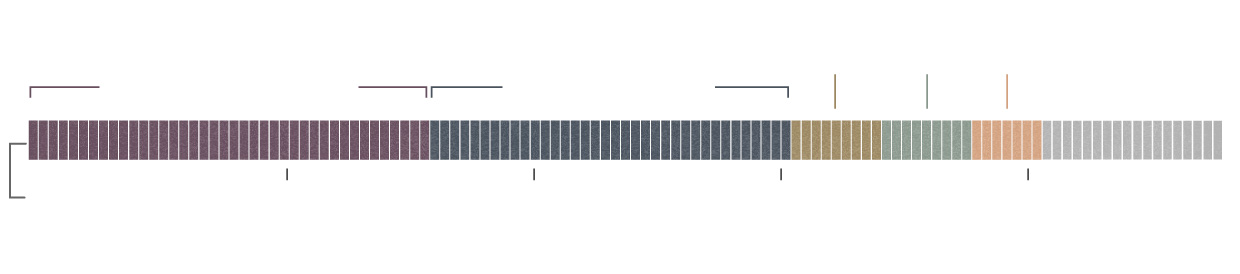
Agriculture, forestry
& fishing
Finance
Trade
Mining & quarrying
Manufacturing
Others
Each bar
represents
a subsidary
25 companies
50
75
100
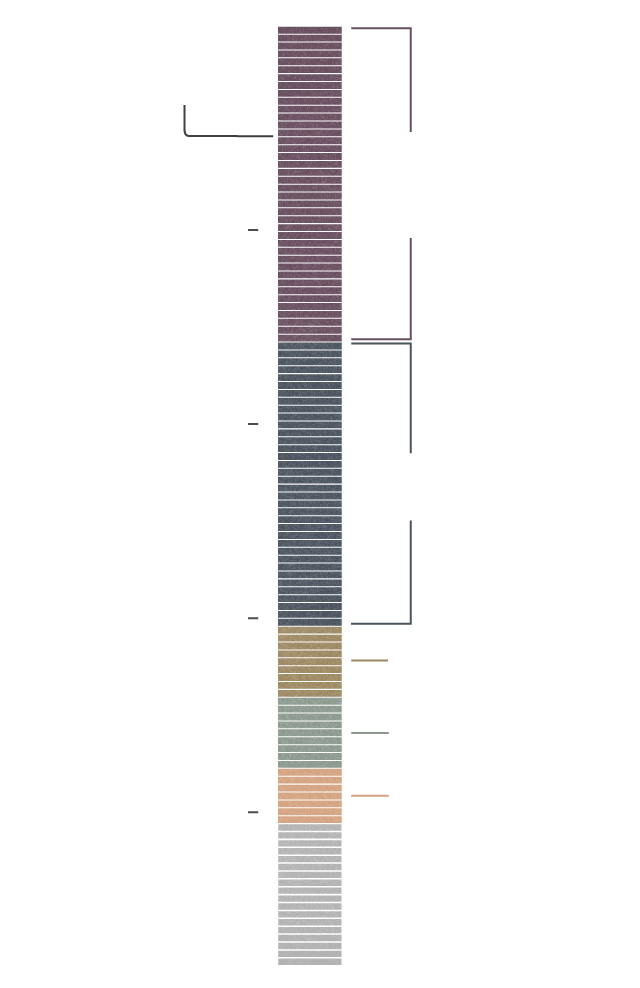
Each bar
represents
a subsidary
Mining &
quarrying
25
companies
50
Manufacturing
75
Finance
Trade
Agriculture,
forestry
& fishing
100
Others
The military has linked its commercial and political interests since its first coup in 1962, when General Ne Win took power and nationalized major industries. After a crackdown on student led-protests prompted broad U.S. sanctions, the junta established Myanma Economic Holdings Public Co. in 1990, followed by Myanmar Economic Corporation seven years later. Sanctions on both companies were lifted in 2016, after Nobel laureate Aung San Suu Kyi’s National League for Democracy took power in a credible election.
During the last decade’s brief period of democracy, investors began to see Myanmar as a market begging for development. But the civilian government struggled to rein in the military, and optimism had faded even before the recent coup. The U.S. restored sanctions on generals over atrocities against the Rohingya Muslim minority—the government denied any wrongdoing—and corporate interests faced pressure from human rights groups and socially conscious investors.
In 2020, Japanese brewery Kirin Holdings Co. agreed to conduct a strategic review of its partnership with MEHL’s Myanmar Brewery and Mandalay Brewery—together, they produce about 80% of the beer sold in the country. But even a majority business partner struggled to figure out how the company was using its profits. Despite repeated requests, the information provided was “insufficient,” Kirin said in a statement in June.
It hired an outside accounting firm to investigate and ensure the breweries’ profits weren’t funding military activities. According to Kirin, the auditors couldn’t extract any information either. In January, the brewery described the report as “inconclusive” and, following the military takeover, announced its plans to end the joint venture.
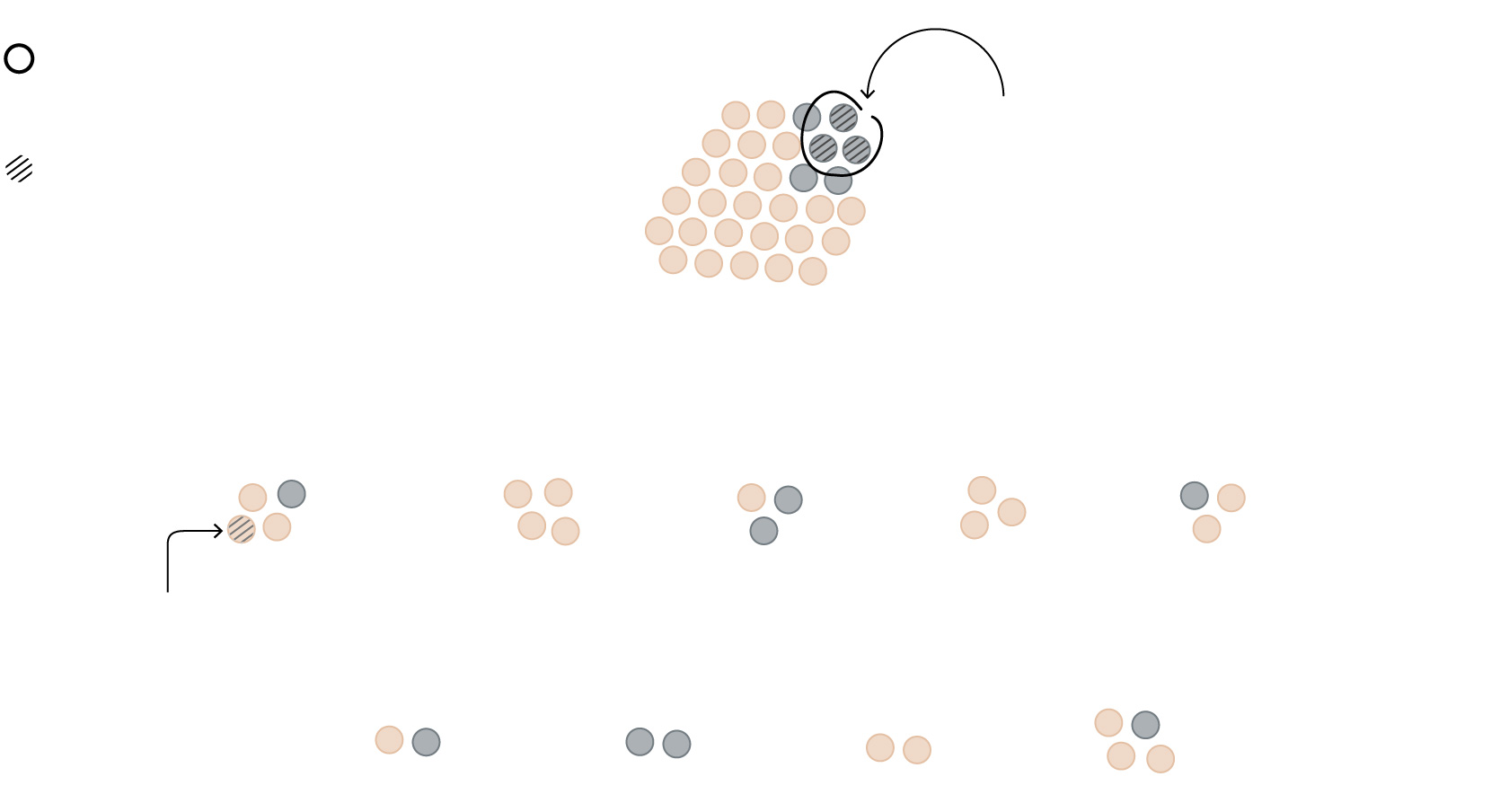
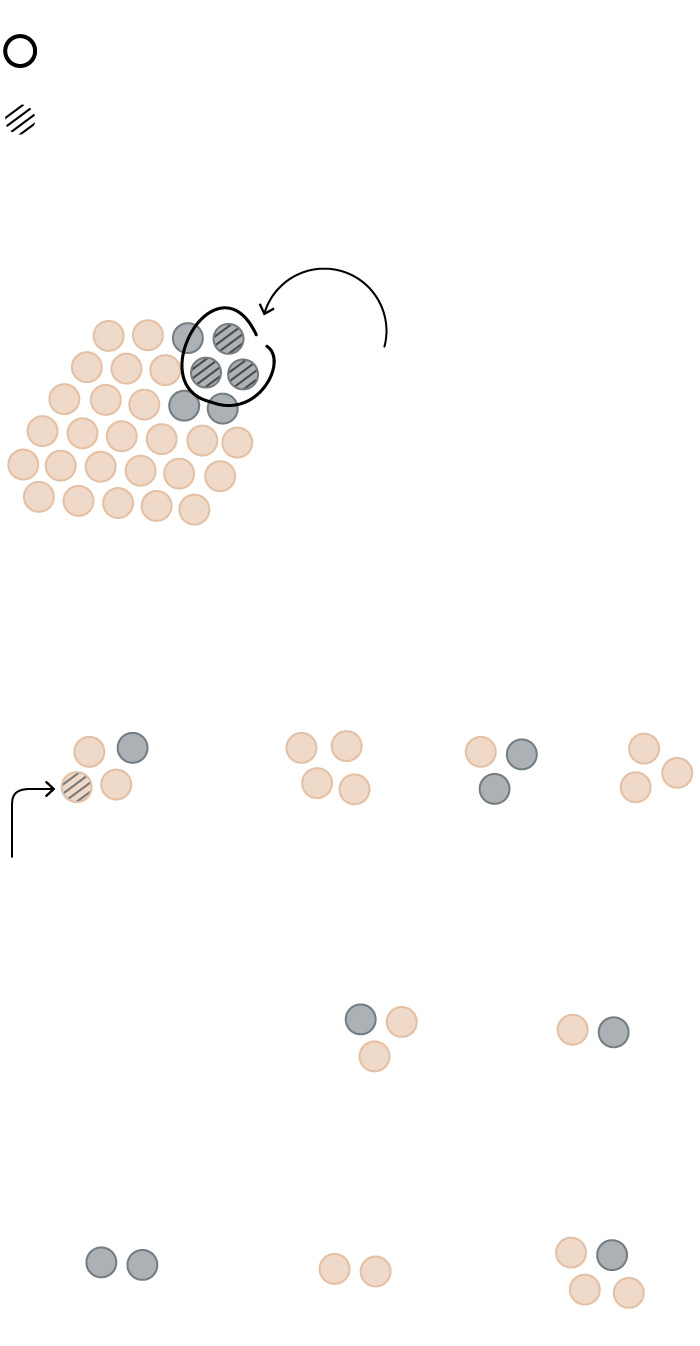
Each dot represents
one company
Manufacturing
Kirin and Posco plan to end their joint ventures with the military businesses. The two companies have established three* joint ventures with the military-owned conglomerates.
Joint ventures to be terminated
or foreign companies that have
already cut ties with the military
Information &
Communication
Real
estate
Mining &
Quarrying
Finance
Trade
Belgium satellite communications firm Newtec announced to cut ties with the military in 2019
Transportation
& Storage
Construction
Tobacco
Others
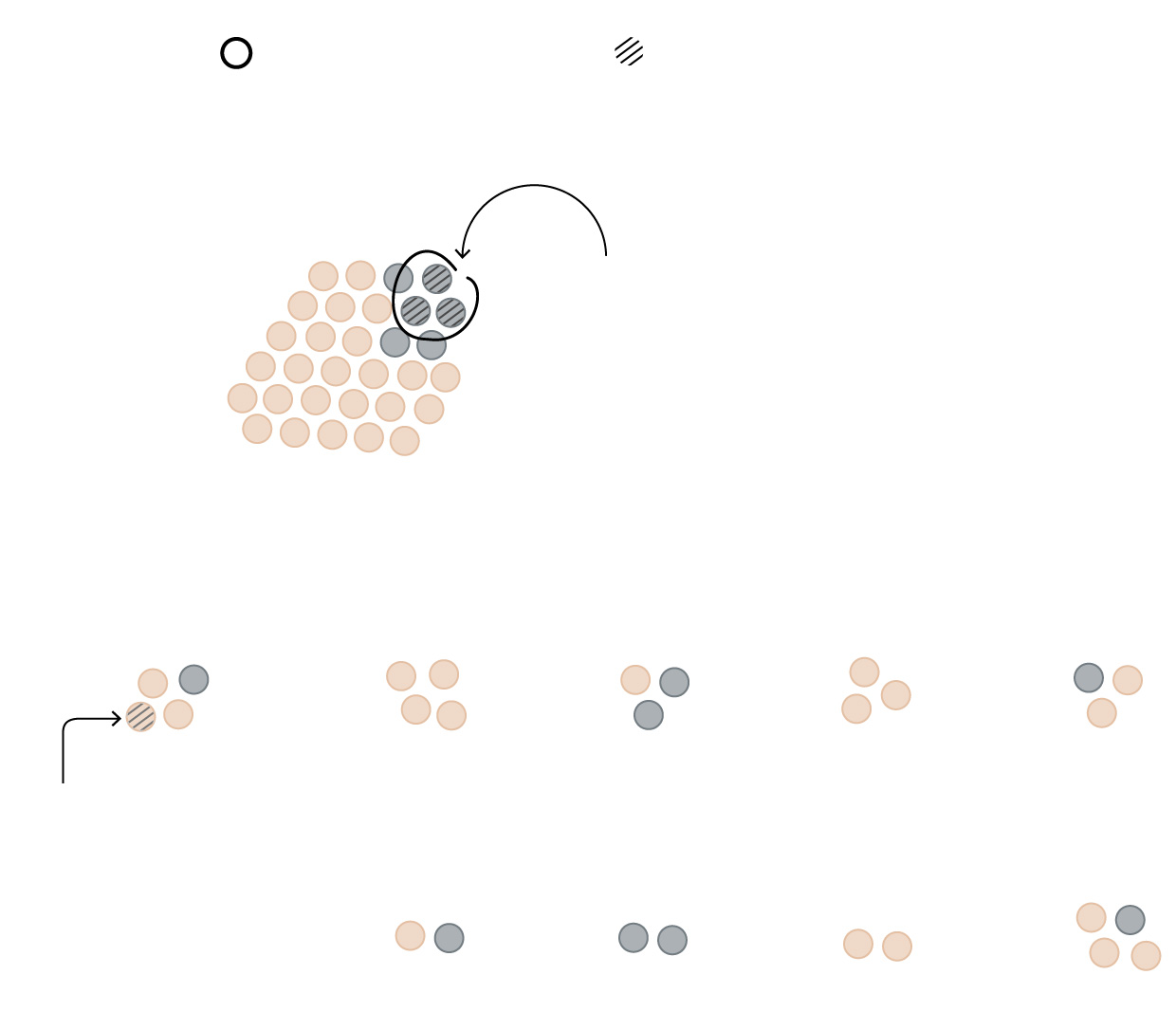
Joint ventures to be terminated
or foreign companies that have
already cut ties with the military
Each dot represents
one company
Manufacturing
Kirin and Posco plan to end their joint ventures with the military businesses. The two companies have established three* joint ventures with the military-owned conglomerates.
Real
estate
Mining &
Quarrying
Information &
Communication
Finance
Trade
Belgium satellite communications firm Newtec announced to cut ties with the military in 2019
Transportation
& Storage
Construction
Tobacco
Others
Each dot represents one company
Joint ventures to be terminated or foreign
companies that have already cut ties with the military
Manufacturing
Kirin and Posco plan to end their joint ventures with the military businesses. The two companies have established three* joint ventures with the military-owned conglomerates.
Information &
Communication
Real
estate
Finance
Trade
Belgium satellite communications firm Newtec announced to cut ties with the military in 2019
Mining &
Quarrying
Construction
Transportation
& Storage
Tobacco
Others
South Korean steelmaker Posco, which has a joint venture with MEHL, is considering buying out its local partner or other ways to cut ties, the company said. The crisis in Myanmar is “unfolding in a way we didn’t expect,” Chon Jung-Son, head of Posco’s global infrastructure business, said in a conference call with analysts on April 26. The company believes profits are going to the government, he said, and added that about 20% of the gas produced goes toward local power generation.
Western governments have imposed fresh sanctions on the two military conglomerates as well as on top military leaders and their families in response to the junta’s takeover. But senior officials at Myanmar’s military-run companies minimized the impact of political or commercial pressure. Business, they said, is doing fine.
“Our business is domestic-focused, so we don’t see many problems,” said Myint Than, the general manager of MEC until 2019, when he took mandatory retirement. He remains with the company as a consultant. “There could be some difficulties in the purchase of some raw materials, but we can buy them from China. It would be a lie if we say there is no impact [of the sanctions], but it’s not severe.”
“A lot of experienced professionals are playing a role in our business operations,” he added. “It’s not child’s play. In our businesses, the leaders are well-prepared for any possible consequences.”
In an interview, Hla Myo, general manager of MEHL, pointed out that “things are changing every day. We are doing business, so we focus on our business only. We will try harder to make our business improve. That’s it.”
Regarding international sanctions, he said, “I have no comment because they are doing as they like.”
Within Myanmar, protesters fighting the coup are encouraging consumers to stop paying for cigarettes, beer and everything else produced by the military’s businesses. Activists have launched an app, called Way Way Nay, which translates to Stay Away, to help users know which products and services to avoid.
“We must boycott the military-run businesses and military-backed products as a nationwide campaign to cut their revenue,” said Hnin Akari, 23, who is an organizer of the “Don’t Buy” campaign. “That kind of social punishment matters.”
City Mart, the nation’s biggest retailer, said its supermarkets and convenience stores no longer carry products made by military-backed companies. Others have followed suit, despite lost revenue from not stocking shelves with Kirin and Myanmar beers, as well as Red Ruby and Premium gold cigarettes—all market leaders in their categories.
So far, sanctions and boycotts pose little threat to the military’s finances. Some foreign companies are staying put, and Myanmar’s regional neighbors have yet to impose limits on trade.
Myanmar jade is highly sought-after in China, and trade in the vivid green mineral underpins the military’s empire. At least two global watchdogs have estimated that in various periods since 2014, Myanmar’s jade trade could have been worth more than $30 billion, nearly half the country’s GDP. From 2016-2019, MEHL and its subsidiaries were together the single largest holder of jade mining permits in the country, according to Global Witness.
“Military-owned businesses have built their own business society in their own way,” said Maung Maung Lay, senior vice president of the Union of Myanmar Federation of Chambers of Commerce and Industry, the country’s biggest business association. “They are quite isolated.”
The conglomerates’ subsidiaries and other companies with military ties don’t participate in the group’s events or activities, he said. “There’s no cooperation or communication with our domestic companies.”
Many independent domestic companies eventually run into the military, said George McLeod, a former forensics manager at PwC who often helped Western companies investigate potential partnerships. Most Western global companies are bound by codes of conduct that prevented them from working with the military, a stipulation that often prevented them from entering the market at all.
“There were ties to some military figures in almost all of the large conglomerates in Myanmar,” McLeod said. “Any company in Myanmar that got to a certain level would have to have very, very strong military relationships.’’
In 2014, a rare public account of a dispute between MEHL and a local business partner shed light on what some of the conglomerate’s tactics might be. An arbitrator put a notice in a local newspaper alleging that the company’s representative, a retired colonel, had physically locked the door to bar its estranged business partner from a scheduled meeting and had removed “chairs, tables and furniture” from an arbitration room in a bid to unilaterally end negotiations.
Before Myanmar normalized trade relations with the U.S. during Aung Sang Suu Kyi’s administration, Tatmadaw businesses asked Rose to help them come into compliance with U.S. sanctions imposed on the conglomerates. In presentations to leaders of the conglomerates’ major subsidiaries, he suggested it would require releasing them from the control of the military.
“In the end, they said no—they weren’t willing to do that,’’ said Rose. “They said, ‘There’s no way we can separate these businesses from the Tatmadaw.’ These businesses bring in a lot of money.”
The military didn’t respond to repeated requests for comment made through its official spokesman.
That money in turn props up the military. It’s not unusual for business interests to lead to political power and vice versa, but it’s particularly acute in Myanmar, where MEHL and MEC are big employers and pay dividends to a vast number of soldiers, officers and veterans.
Each dot represents a shareholder of MEHL
Almost 2,000 military institutions, such as regional commands and war veteran associations, own one-third of the shares
More than 380,000 active or veteran military personnel


* At local unofficial exchange rates, the USD amount could be less.
95 separate military units under Western Command owned more than 4.3 million shares and received more than $208 million in 2010-11 under the official exchange rate*, according to the most recent public data available. The company’s shares are distributed to active and retired military personnel and can’t be sold or transferred.
Senior General Min Aung Hlaing
Current Commander-in-Chief
In 2010-11, he owned 5,000 shares and received a dividend payment of 1.5 million kyats (US$250,000)*.
Lieutenant General Soe Htut
Current Minister for Home Affairs
Aung Kyi
Former Anti-Corruption Commission Chair
General Khin Aung Myint
Former Commander-in-Chief, Myanmar Air Force
Lieutenant General Thein Htay
Former head of the Directorate of Defence Industries
MEHL operates one of the country's biggest banks and the military's pension fund. Of more than 383,000 shareholders, more than 99% are active or retired military personnel, according to documents obtained by Amnesty International, the U.N. and Justice For Myanmar. The rest are military-related institutions.
Among them, there were well-known groups like the Western Command, the regional division that oversees operations in Rakhine State, where violence against the Rohingya occurred.
As of 2010-11, the shareholders included several senior military leaders.
A 2019 report by the United Nations said the military’s business interests were aiding human rights abuses. Current and former high-ranking military officials, “including those accused of some of the gravest crimes under international law, have apparent significant control and influence over the two holding companies’’ and their subsidiaries, according to the UN.
In Myanmar, the government refused to recognize the fact-finding mission and rejected the conclusions of the report. “We regard the report as an action intended to harm the interests of Myanmar and its people,” the Ministry of Foreign Affairs said in a statement.
Prior to the short-lived period of democracy, the military presided over a tightly closed economy, a period characterized by political and economic isolation that left Myanmar behind most of its regional neighbors. The future is beginning to look a lot like the past.
“It’s ripe for economic catastrophe,’’ said Gerard McCarthy, a fellow at the Asia Research Institute in Singapore. “The progress that the military feel they’ve made for the country—that is all evaporating in the blink of an eye.’’