La Niña Roars, Unleashing Fire, Drought and Floods Worldwide


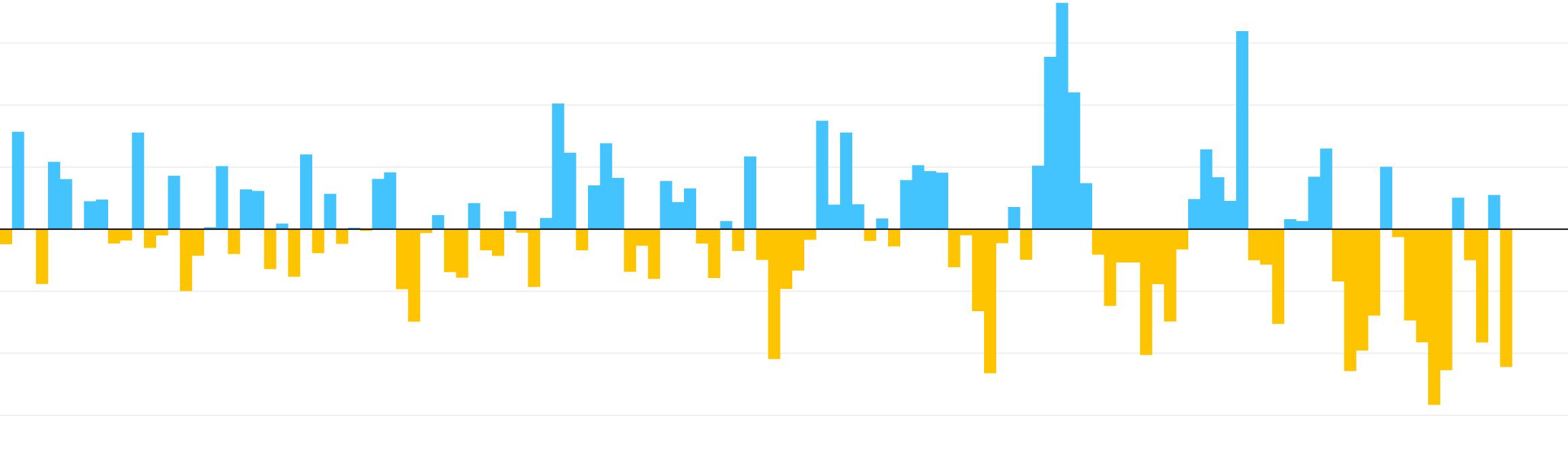
In the American West, the drought that paved the way for 2020’s hellscape of wildfires is poised to be even worse this year. Fanning the flames: La Niña.
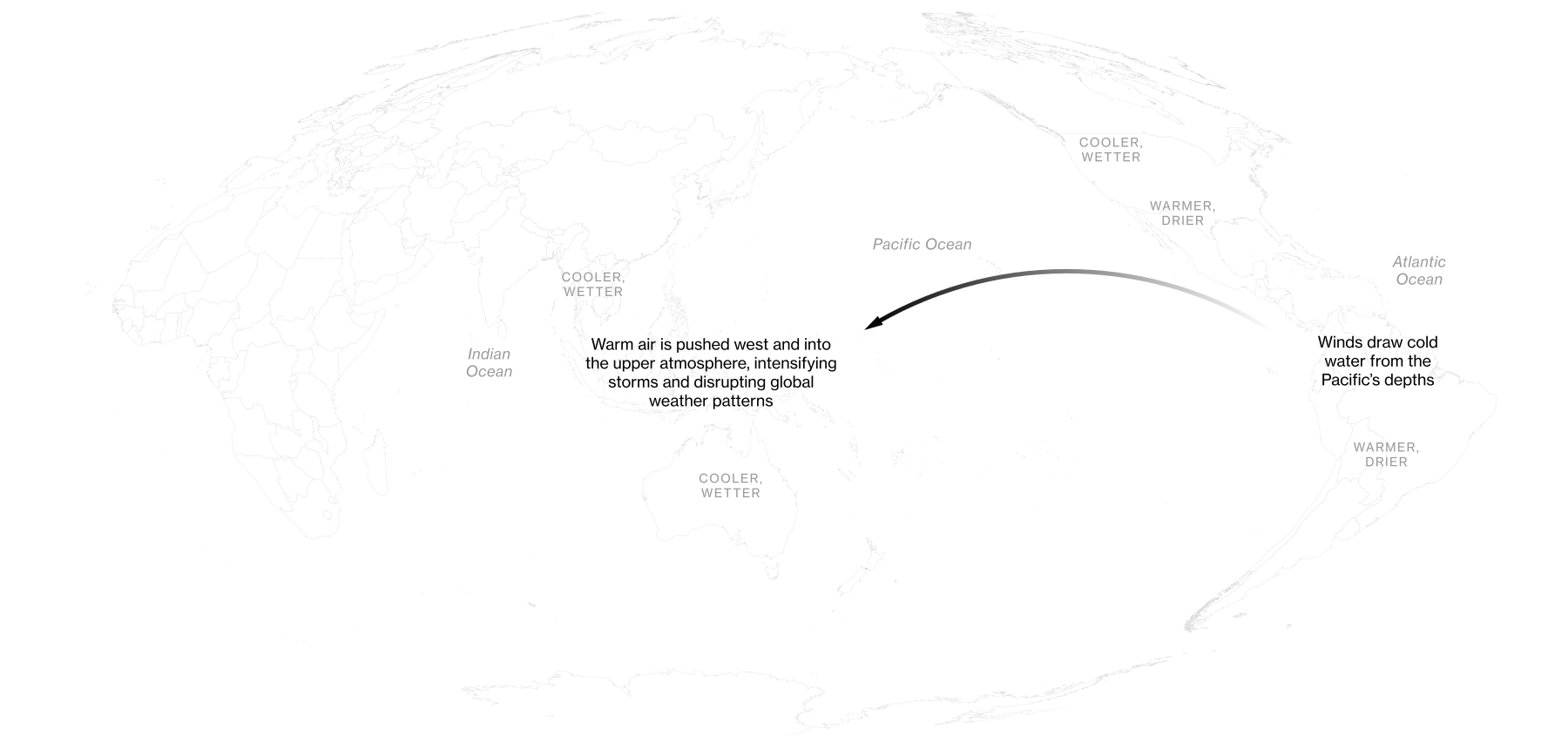
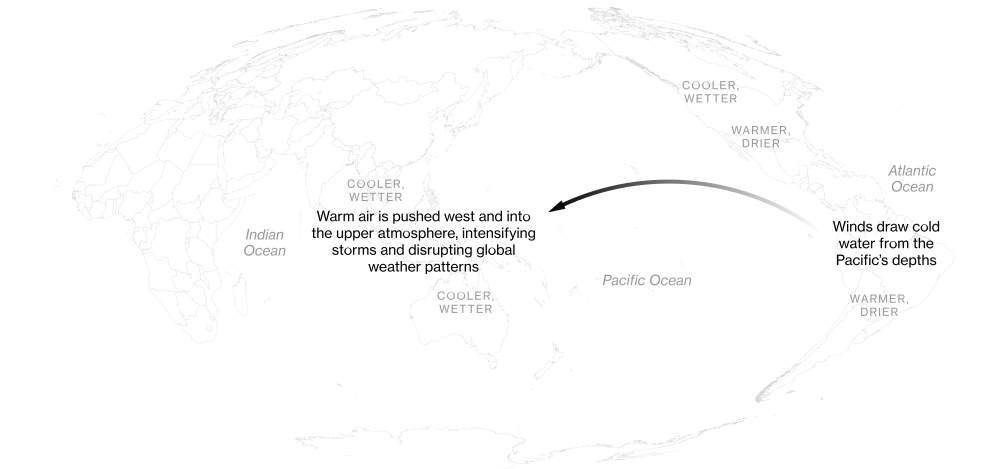
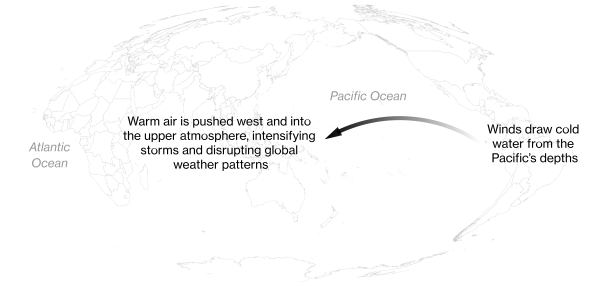
The weather pattern has reached the peak of its power, wreaking havoc on a world already reeling from an unprecedented string of extreme weather brought on by climate change. Characterized by a cooling of the equatorial Pacific, La Niña triggers an atmospheric reaction that roils commodities markets across the globe—parching cropland in some areas while bringing a flood of rain to others.
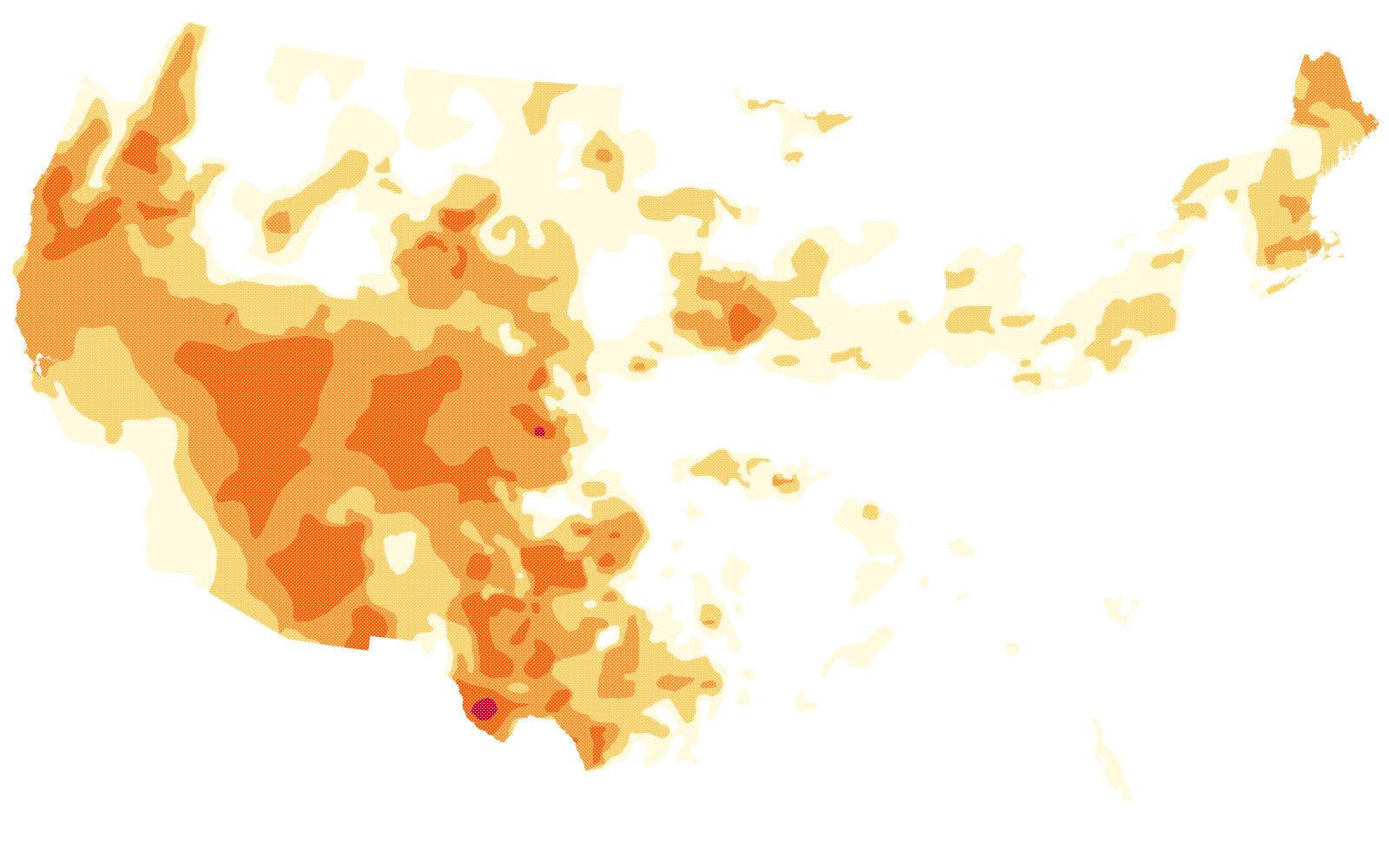
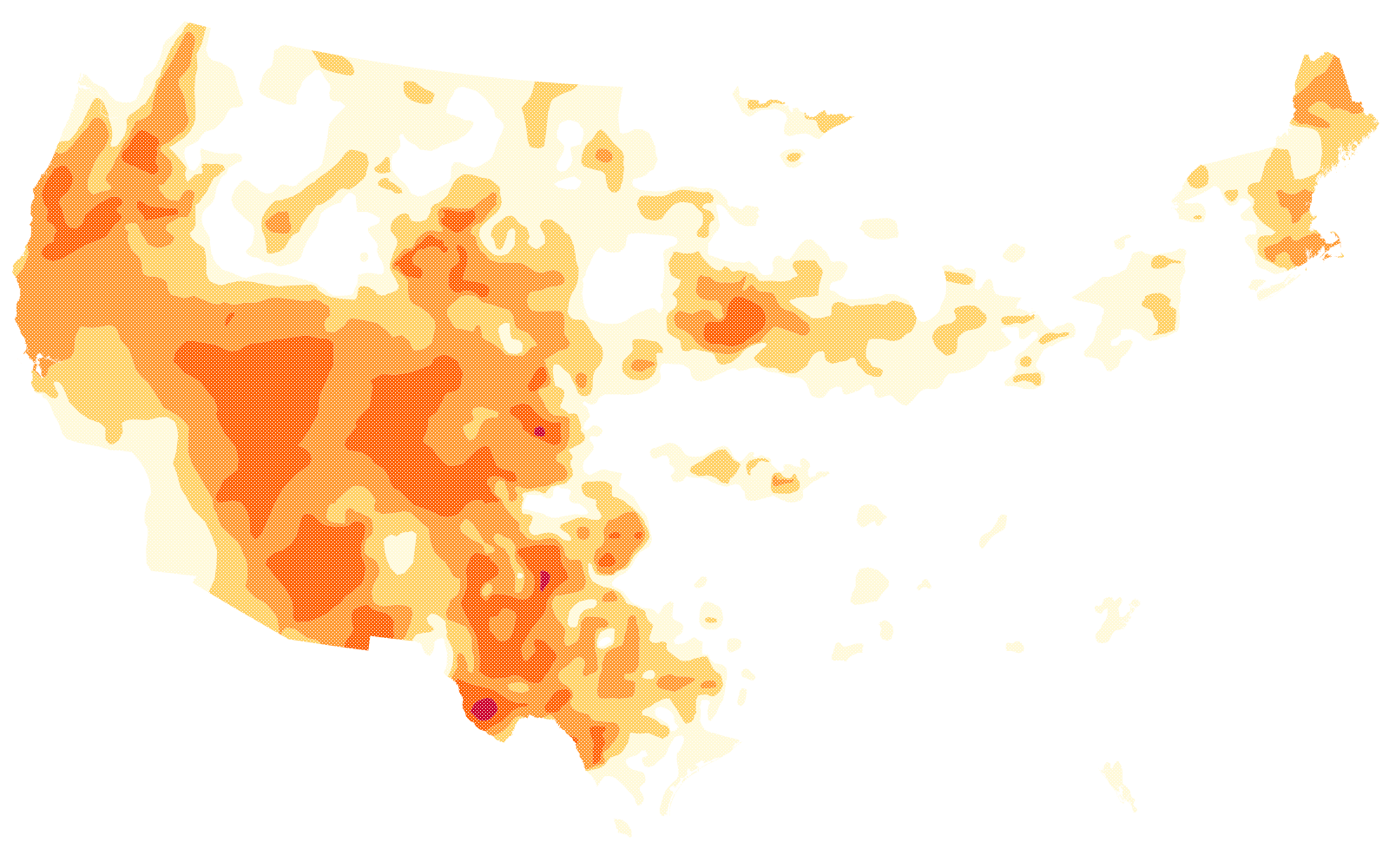
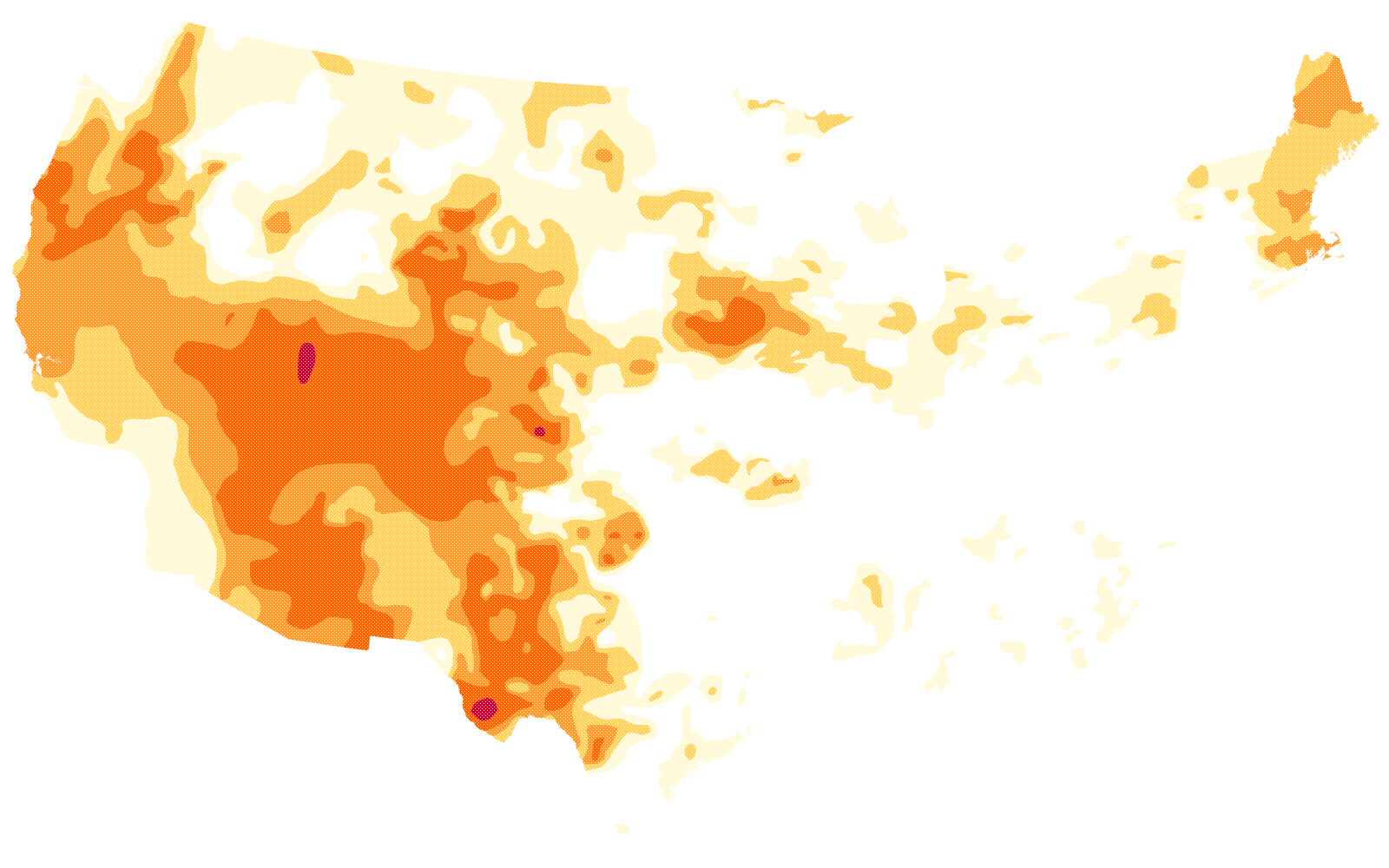
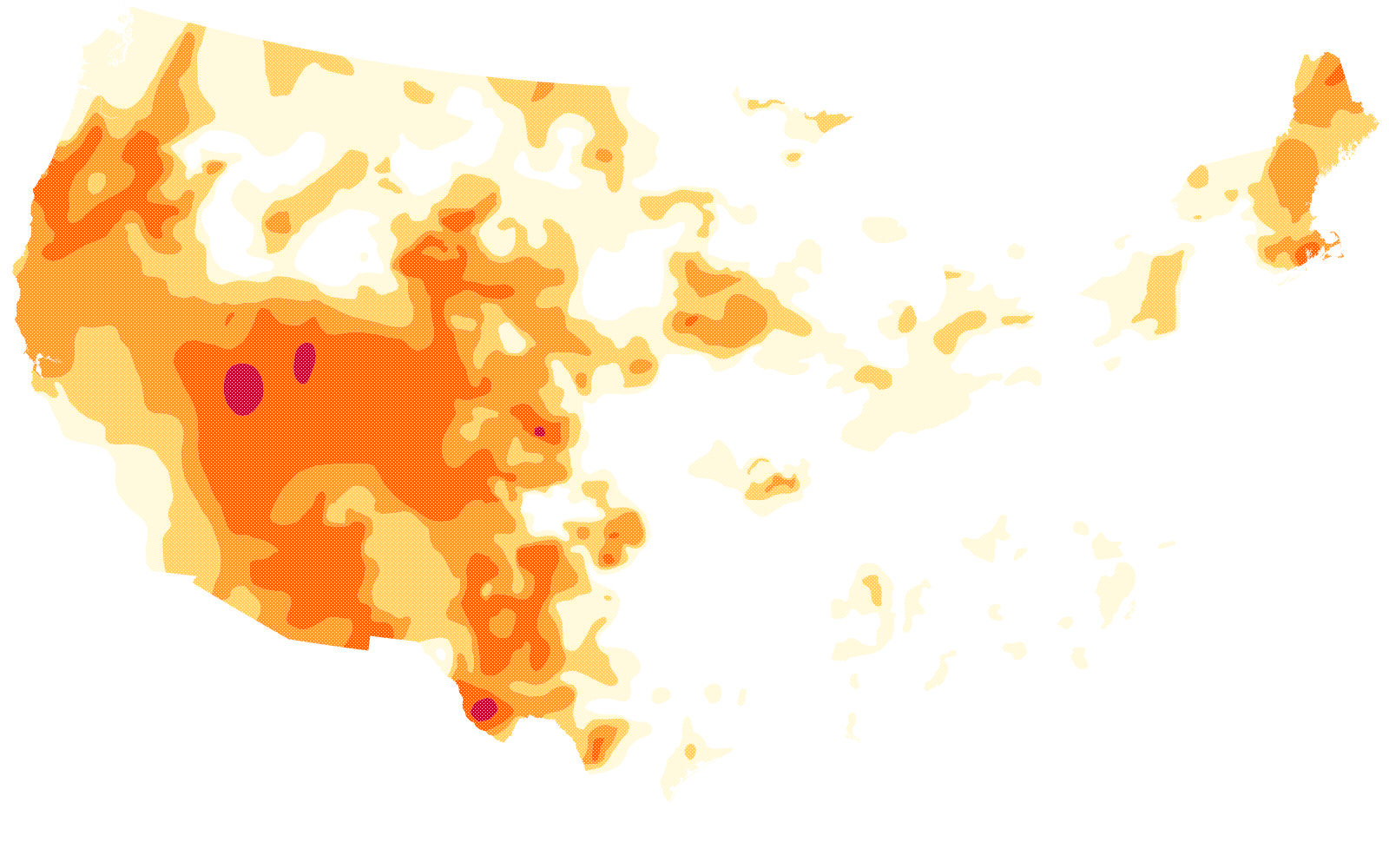
PDSI:
6
4
2
0
-2
-4
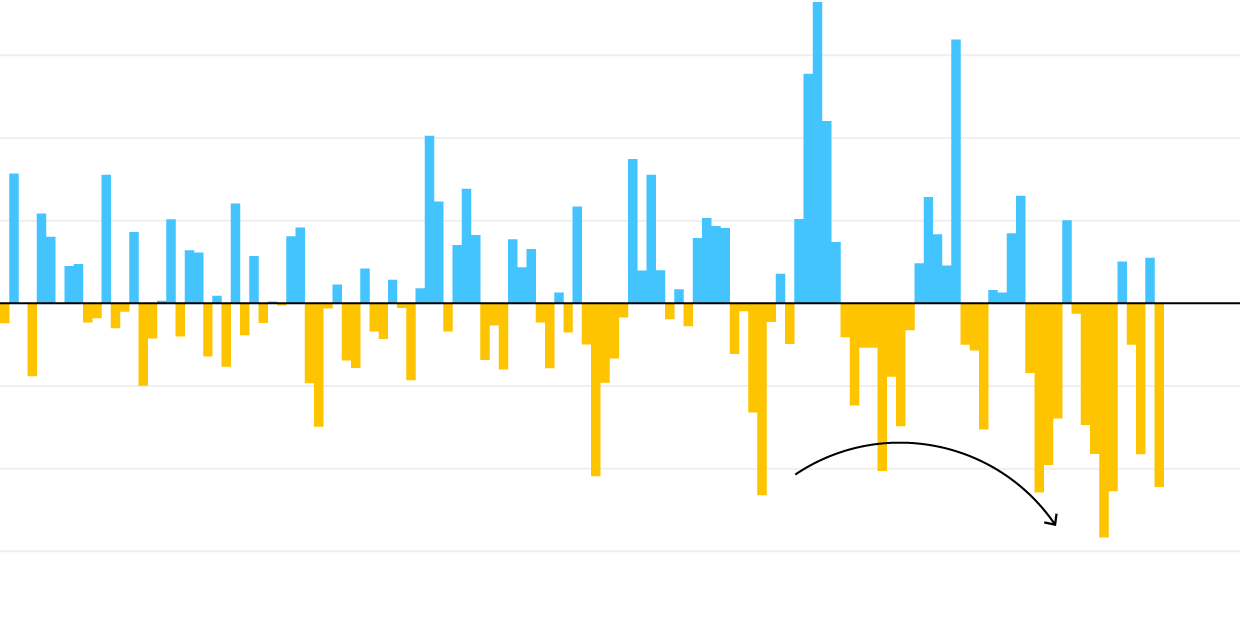
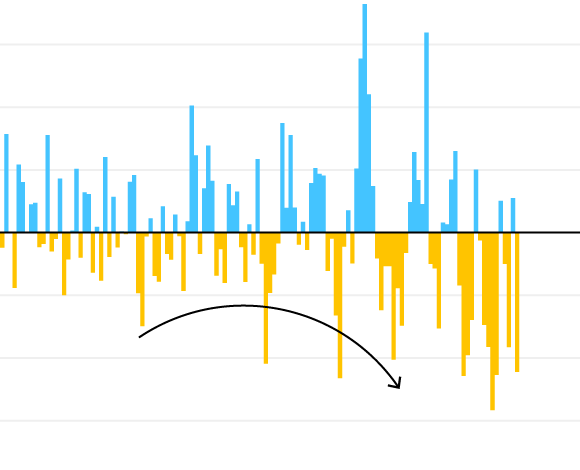
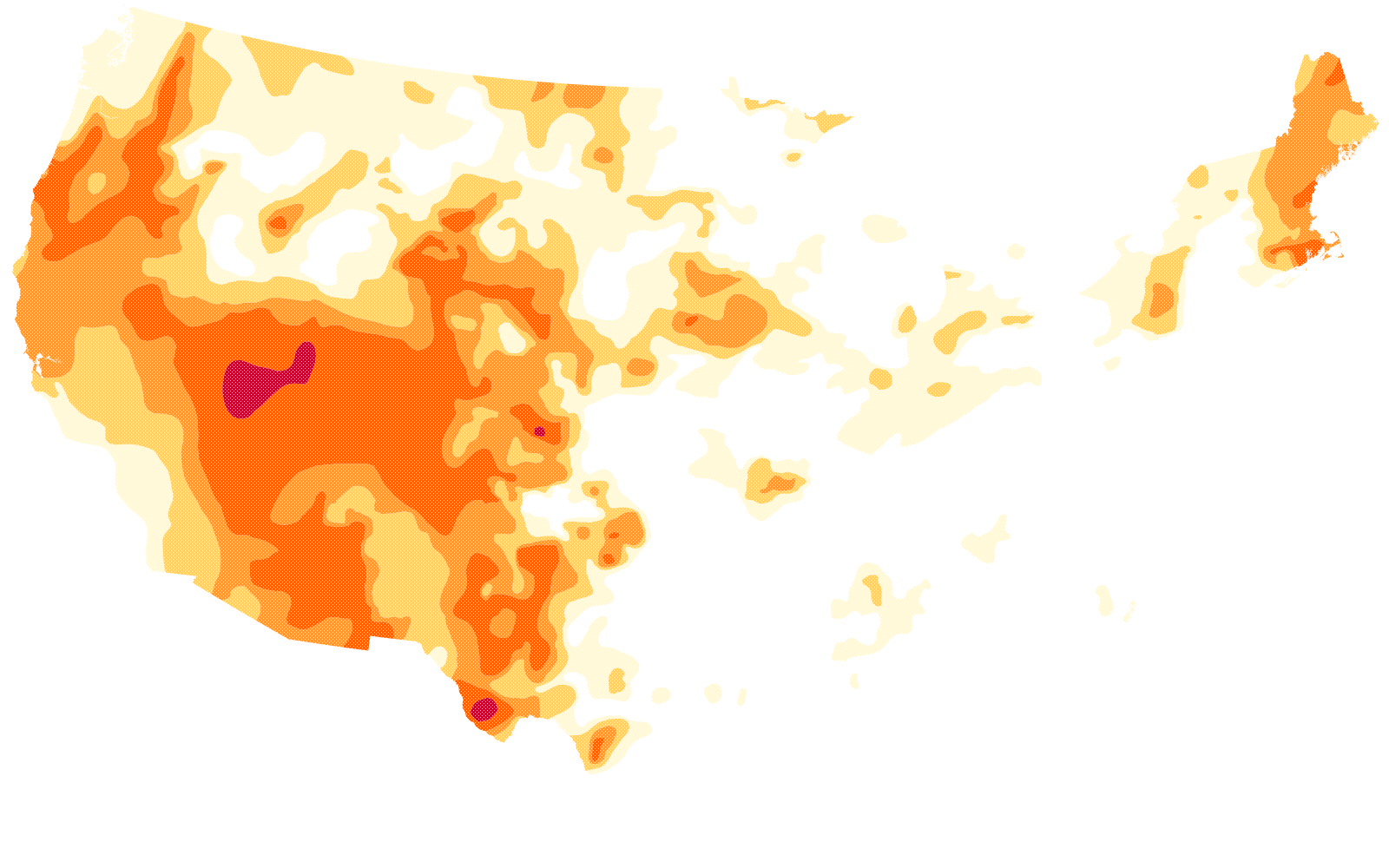
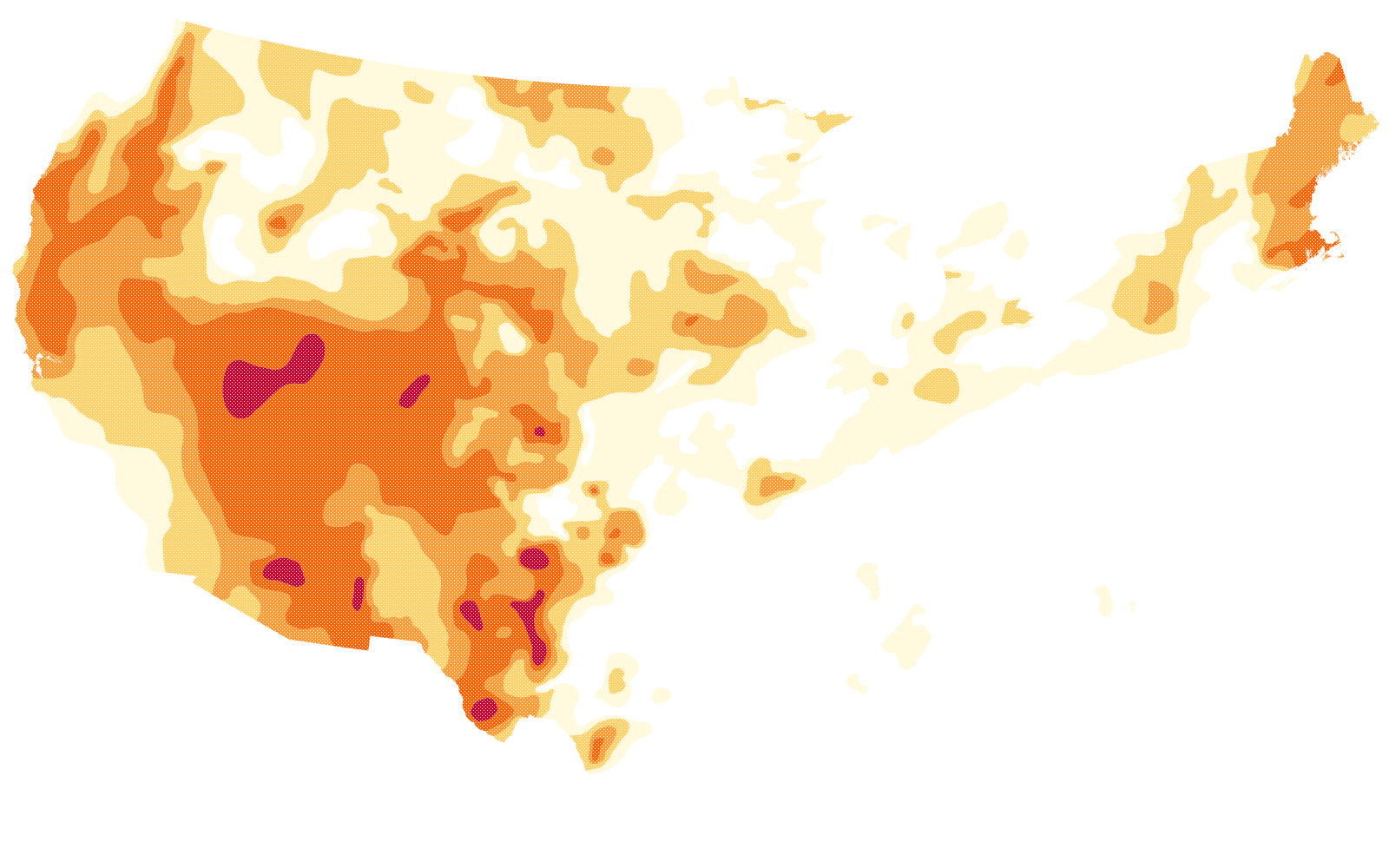
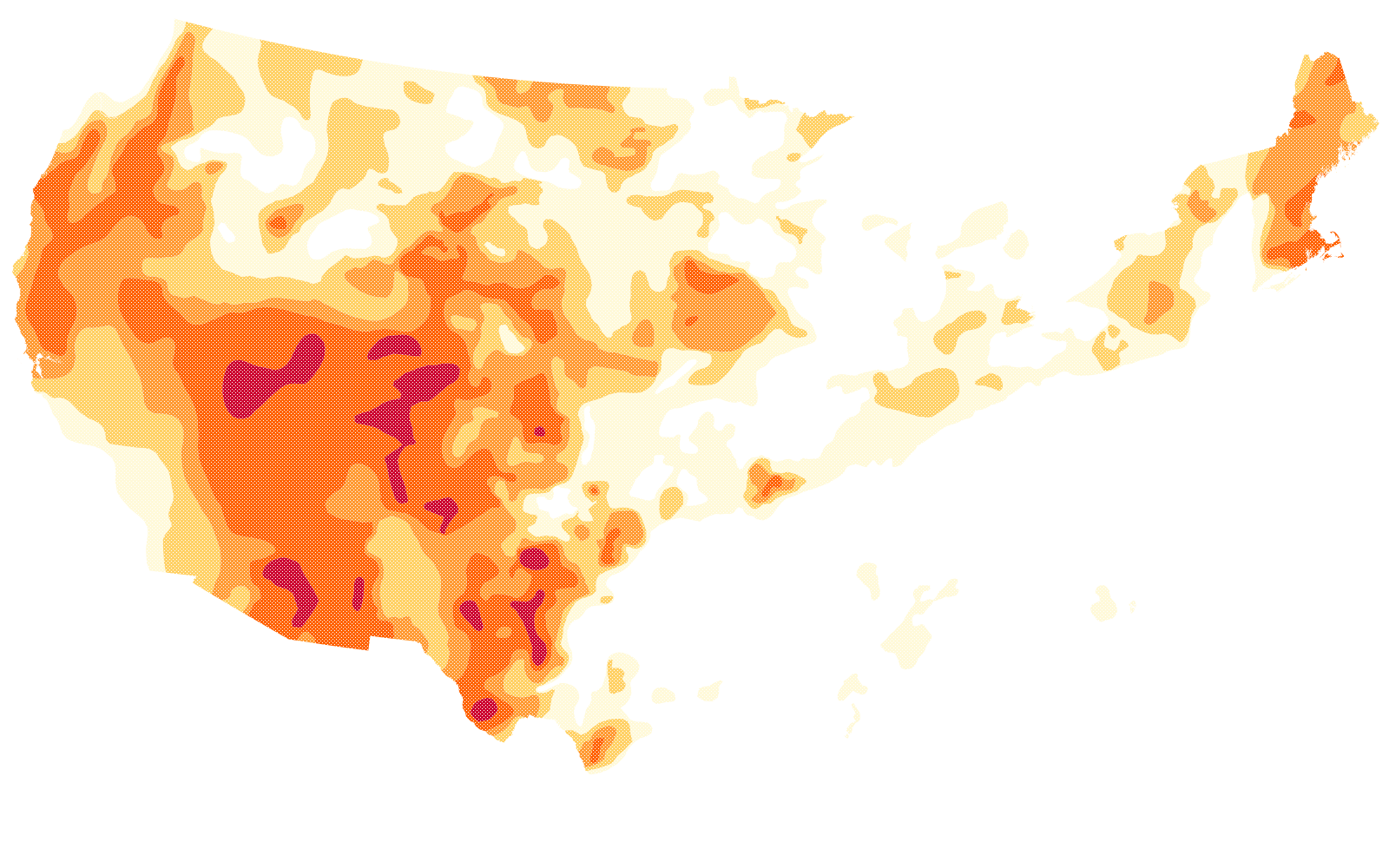
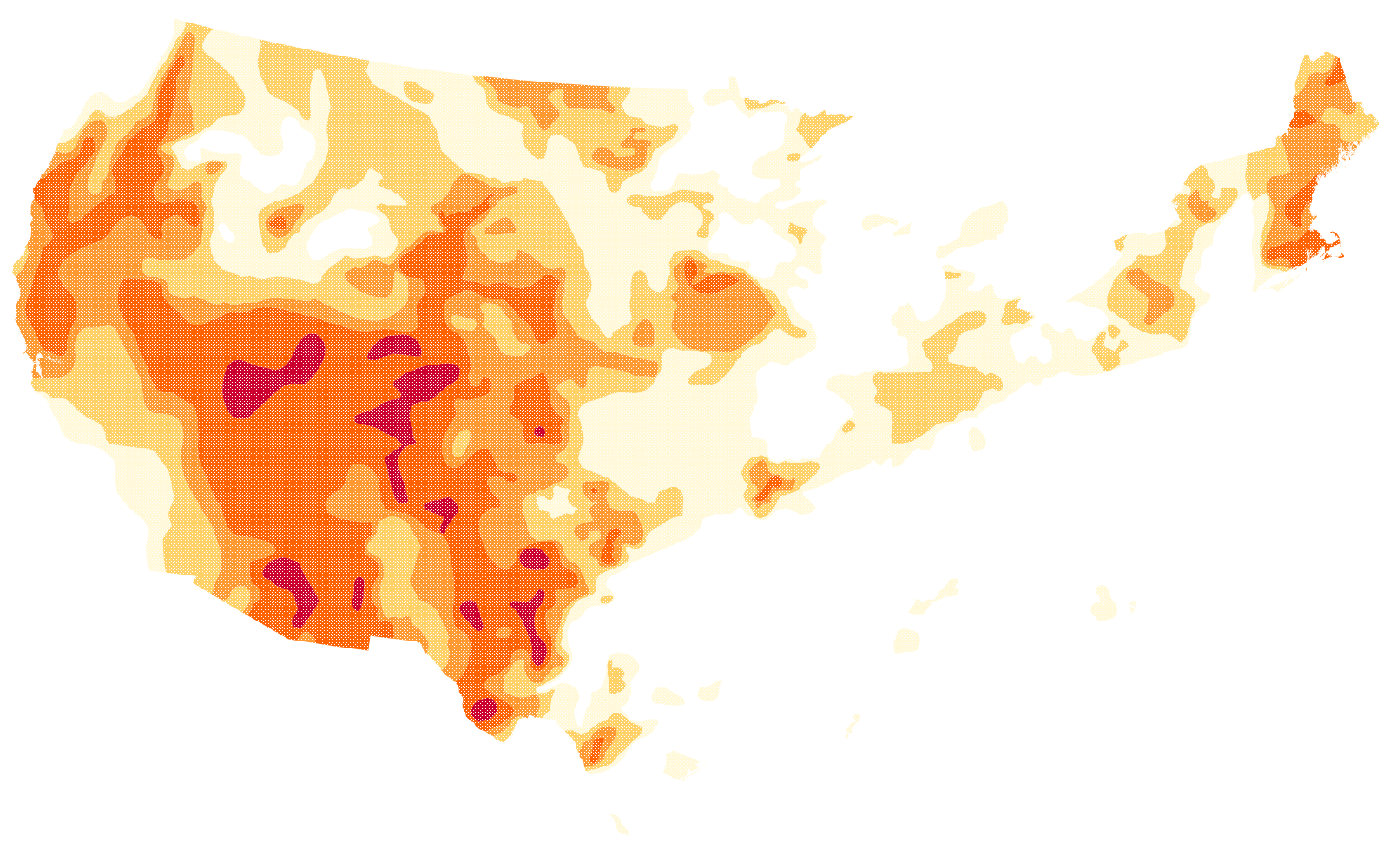
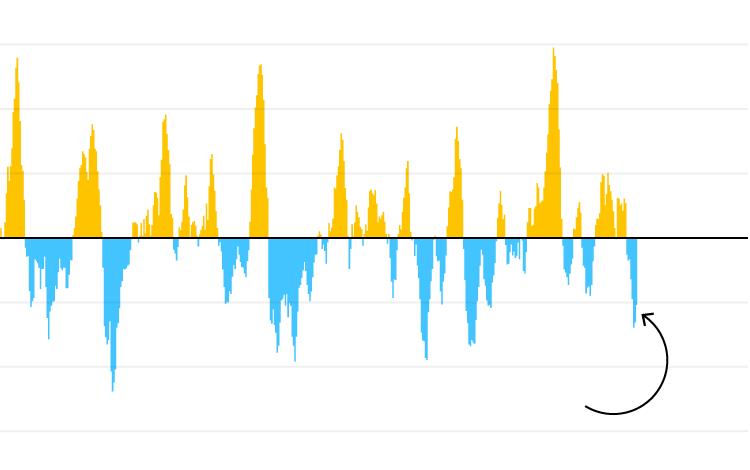
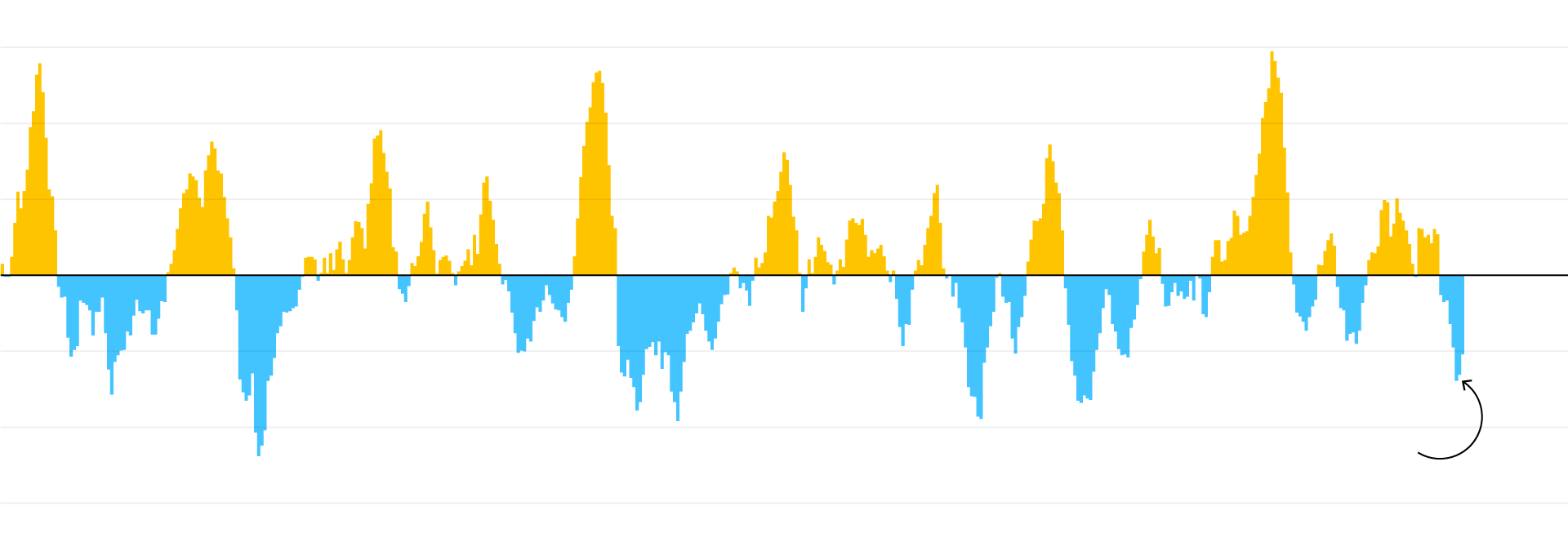
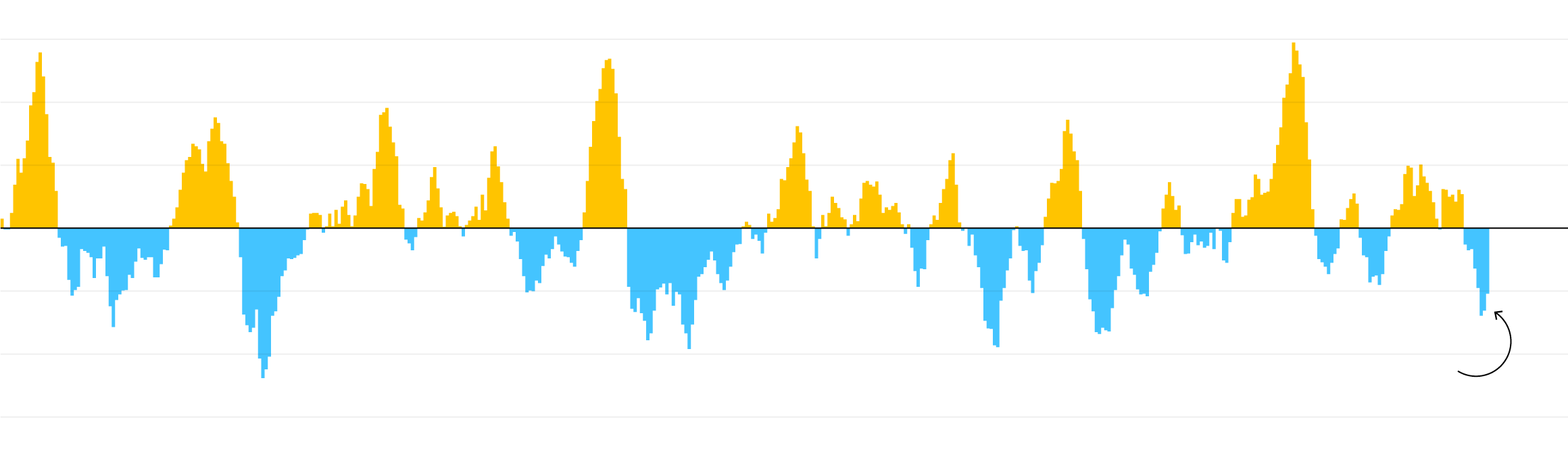
Droughts are becoming more extreme
-6
1895
2020
PDSI:
6
4
2
0
-2
-4
Droughts are becoming more extreme
-6
1895
2020
PDSI:
6
4
2
0
-2
-4
Droughts are becoming more extreme
-6
1895
2020
PDSI:
6
4
2
0
-2
-4
-6
1895
2020
Palmer Drought Severity Index:
6
4
2
0
-2
-4
-6
1895
2020
PDSI:
6
4
2
0
-2
-4
Droughts are becoming more extreme
-6
1895
2020
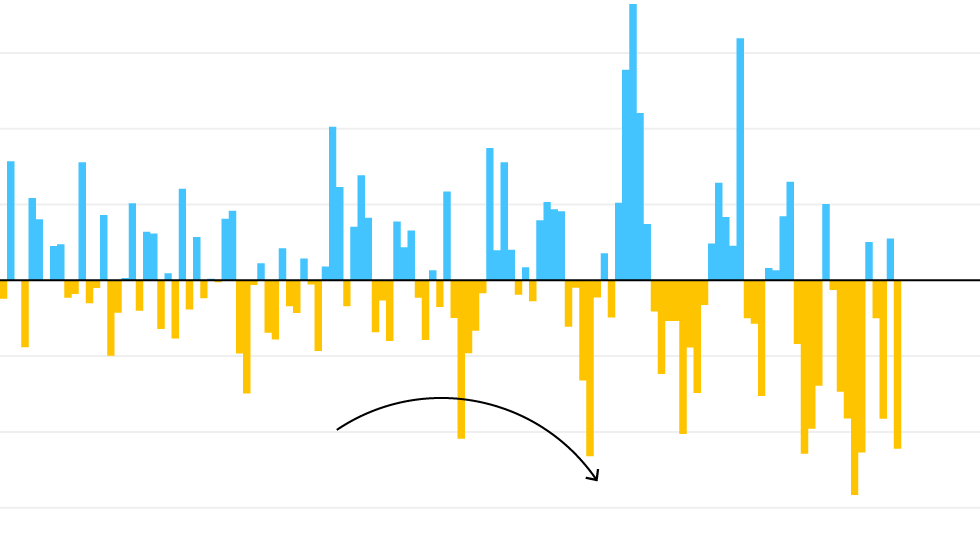
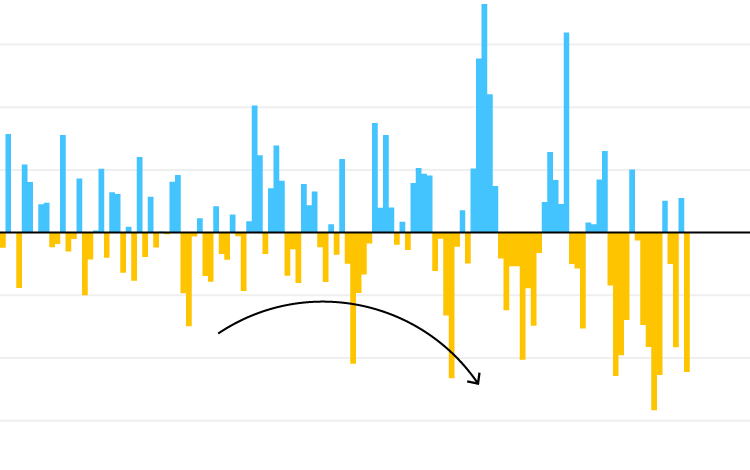
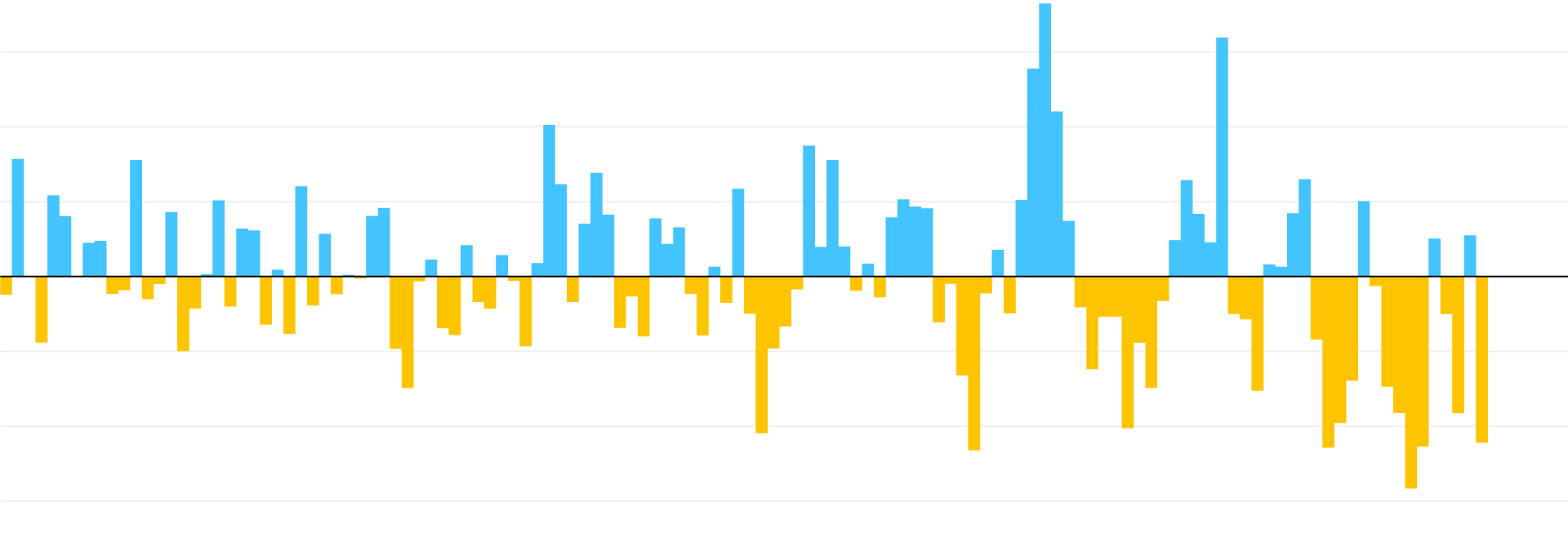
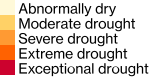
Note: The Palmer Drought Severity Index (PDSI) is a standardized measure, ranging from about -10 (dry) to +10 (wet) with values below -3 representing severe to extreme drought.
In the U.S. West, the biggest threat is drought. Even as long-awaited rain falls this week, water scarcity plagues 78% of 11 western states, according to the U.S. Drought Monitor. January should be California’s wettest month, bringing an end to fire season with frequent rain along the coast and valleys and snow in the Sierra Nevada Mountains. But with La Niña steering the winter away from the state, fire season now seems to be limitless. A record 4.2 million acres burned in the state in 2020, and the threat still hasn’t abated. At least a dozen blazes erupted this month as dry gusts rattled the southern half of the state.
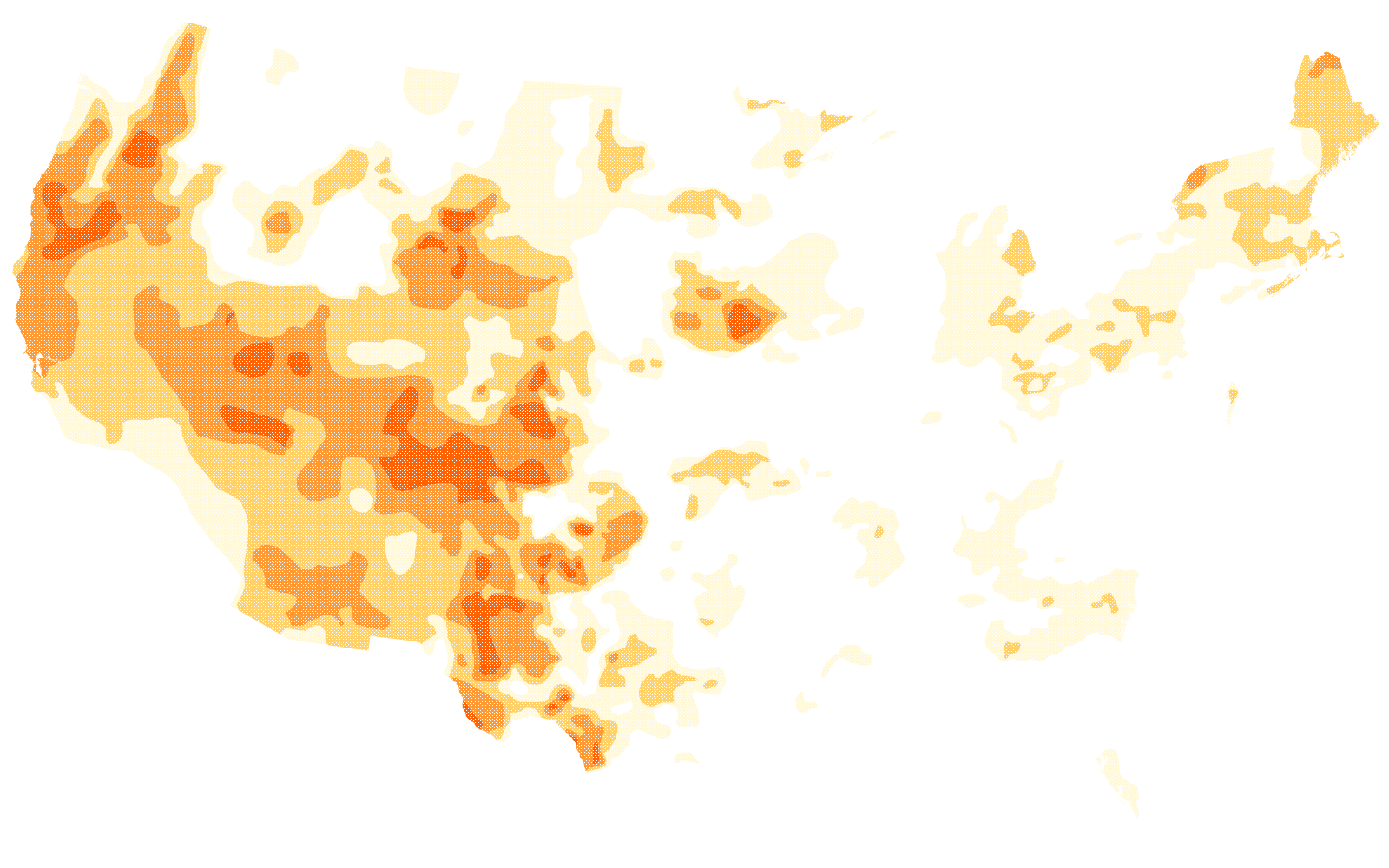
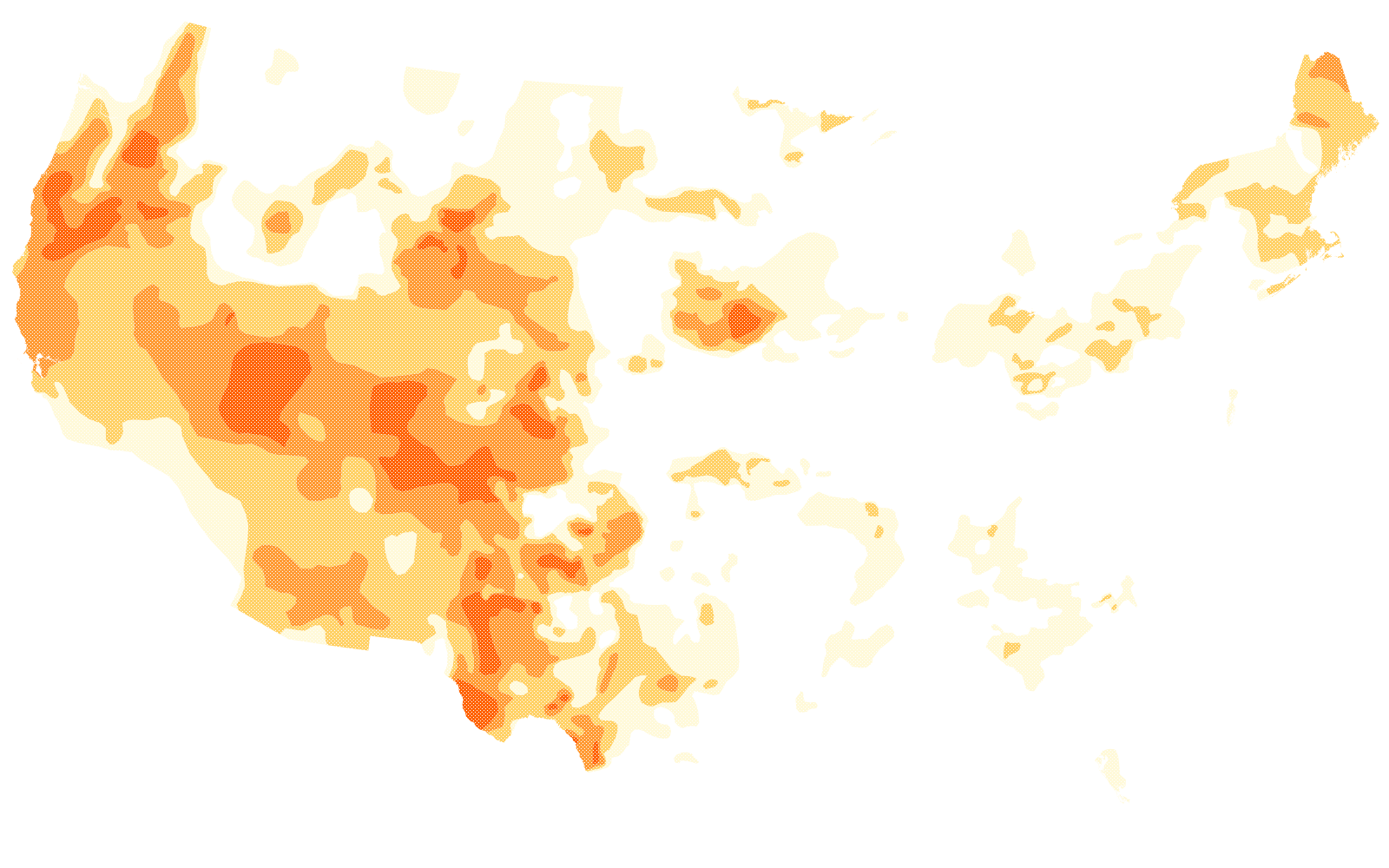
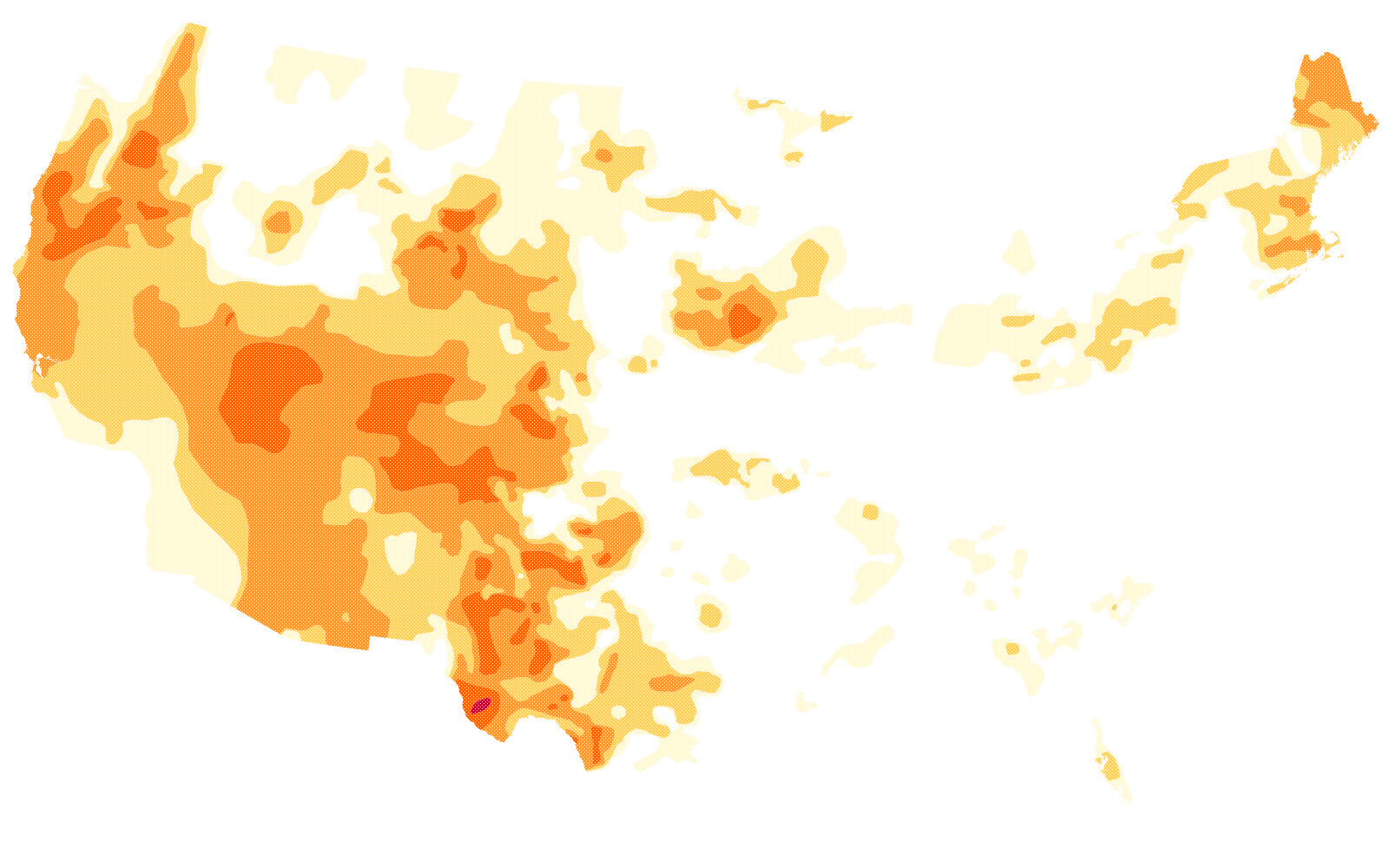
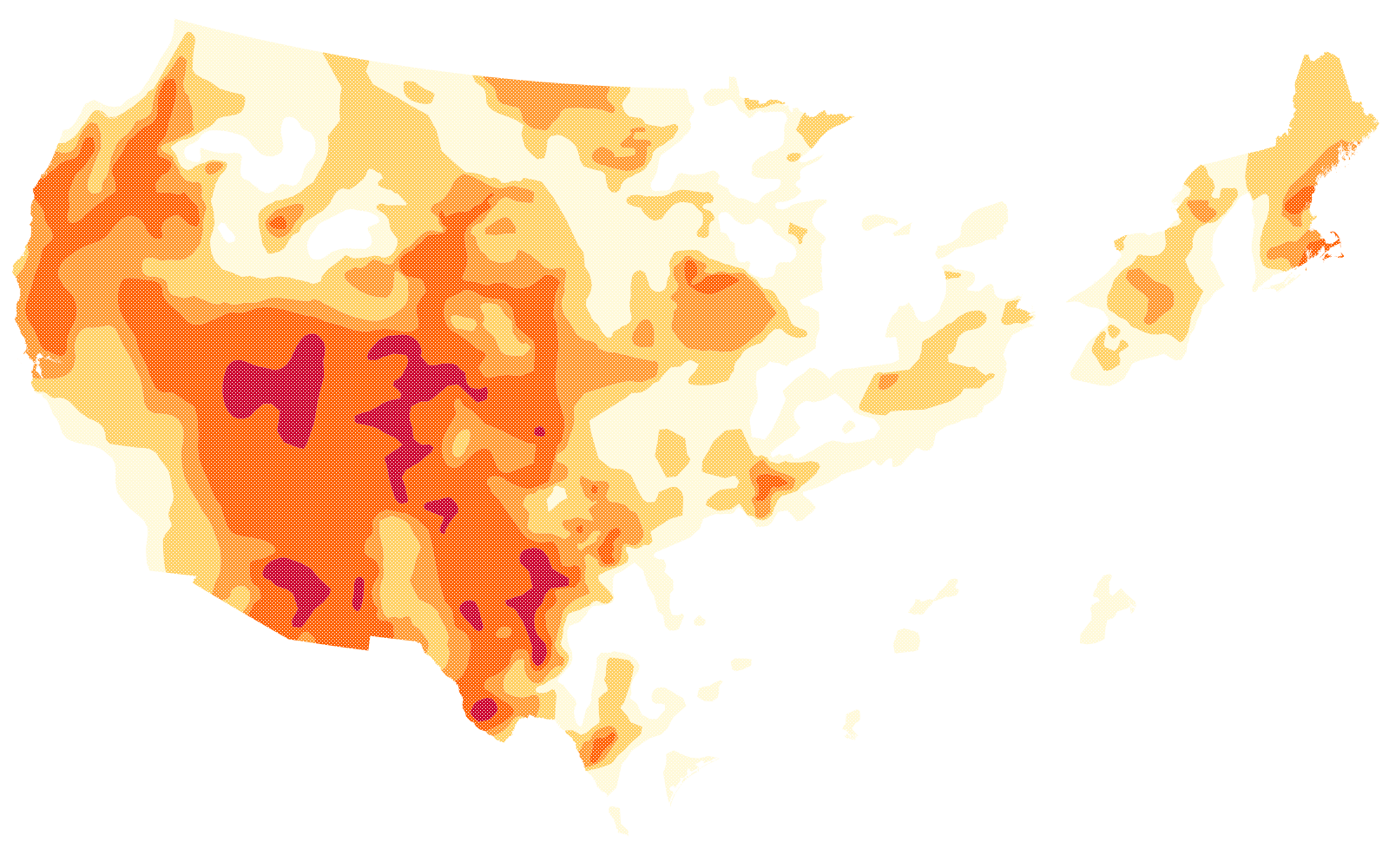
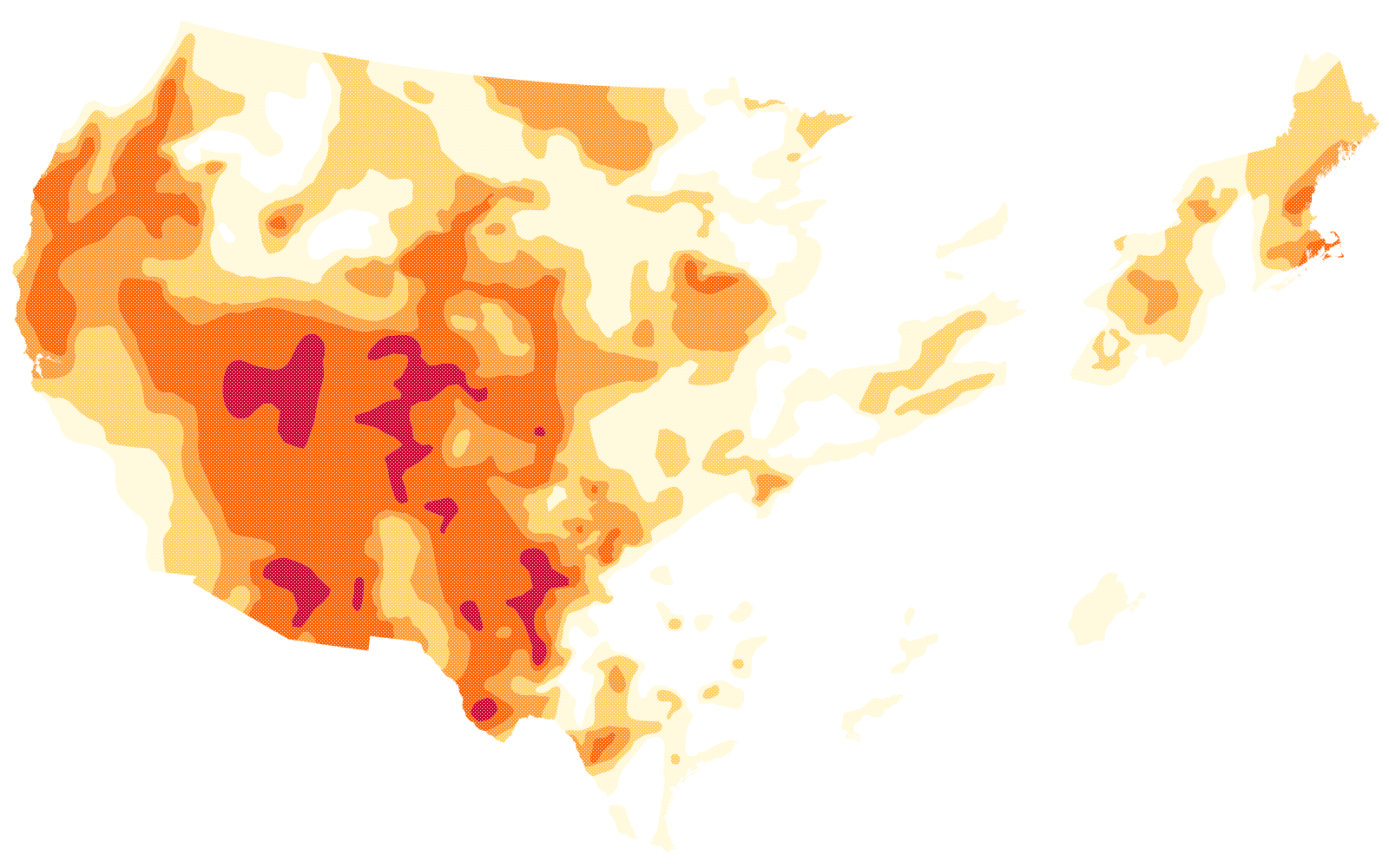
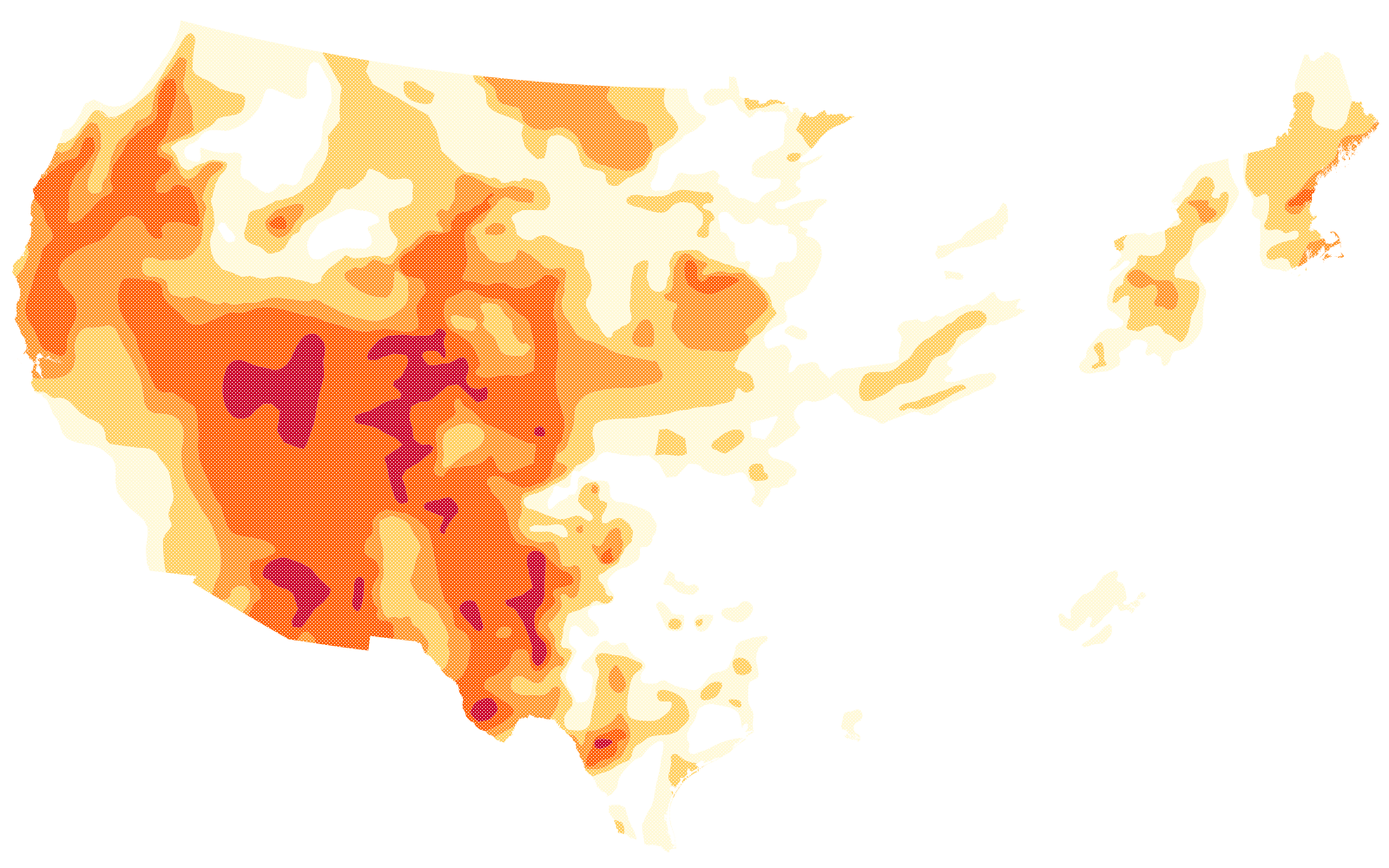
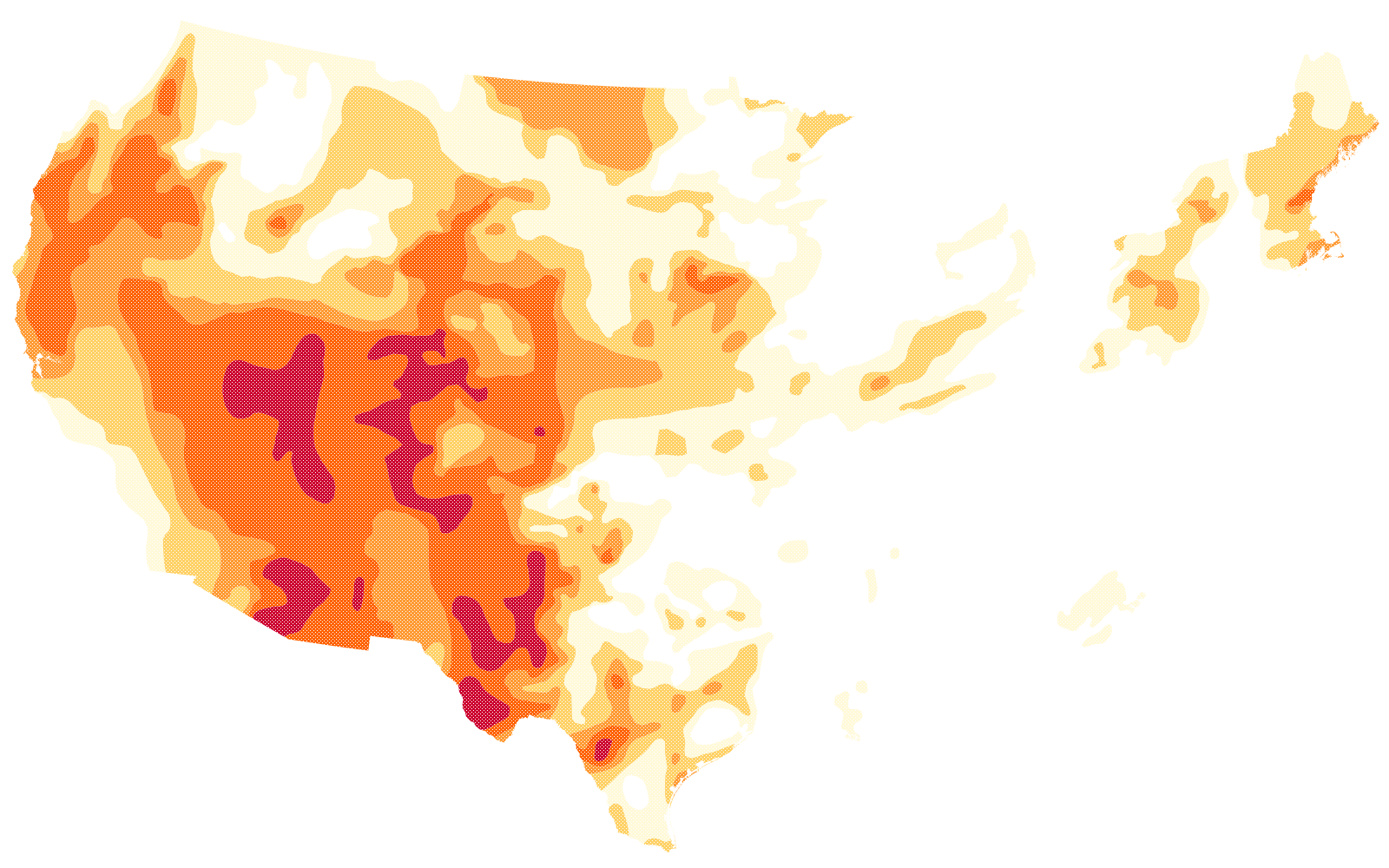
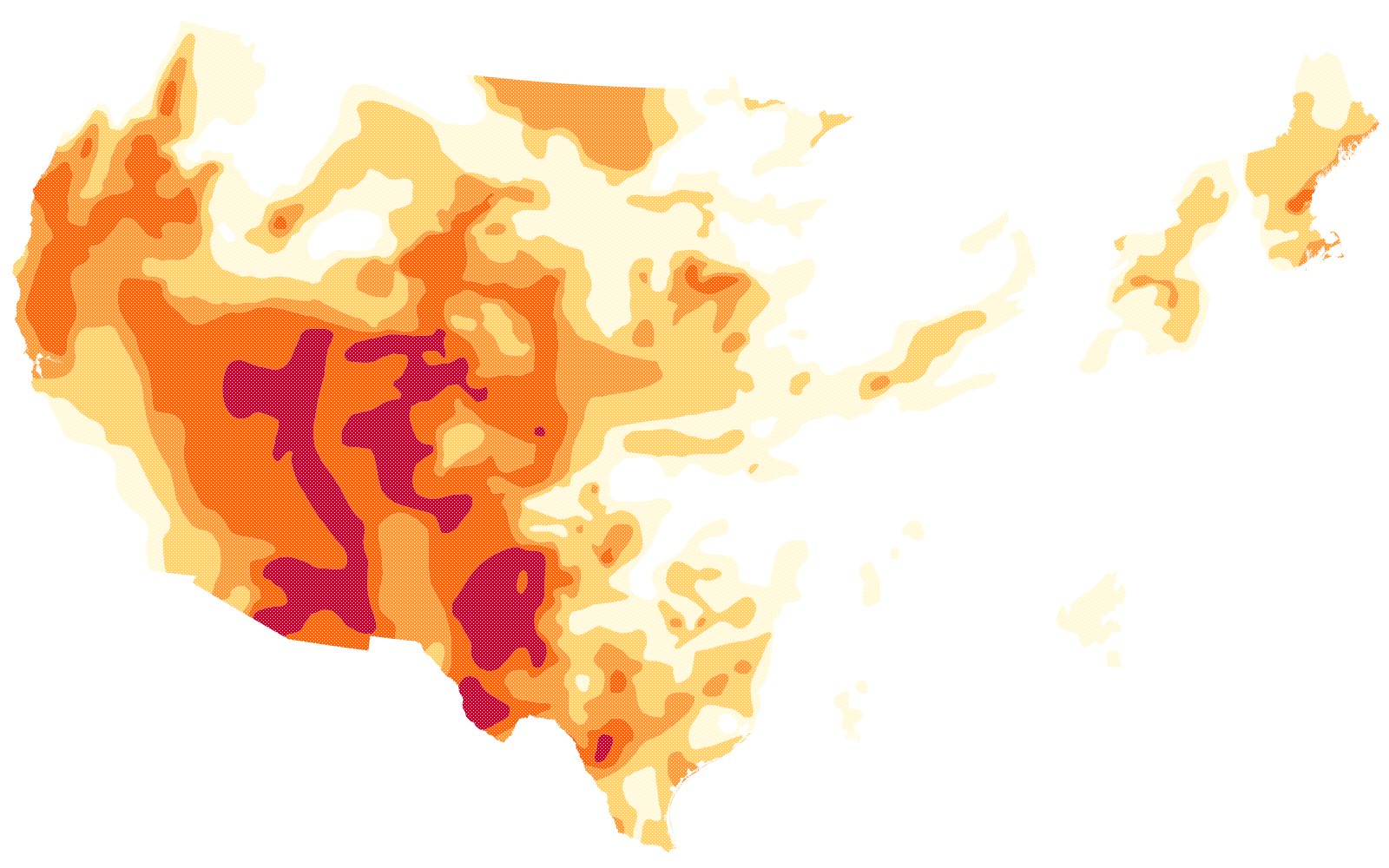
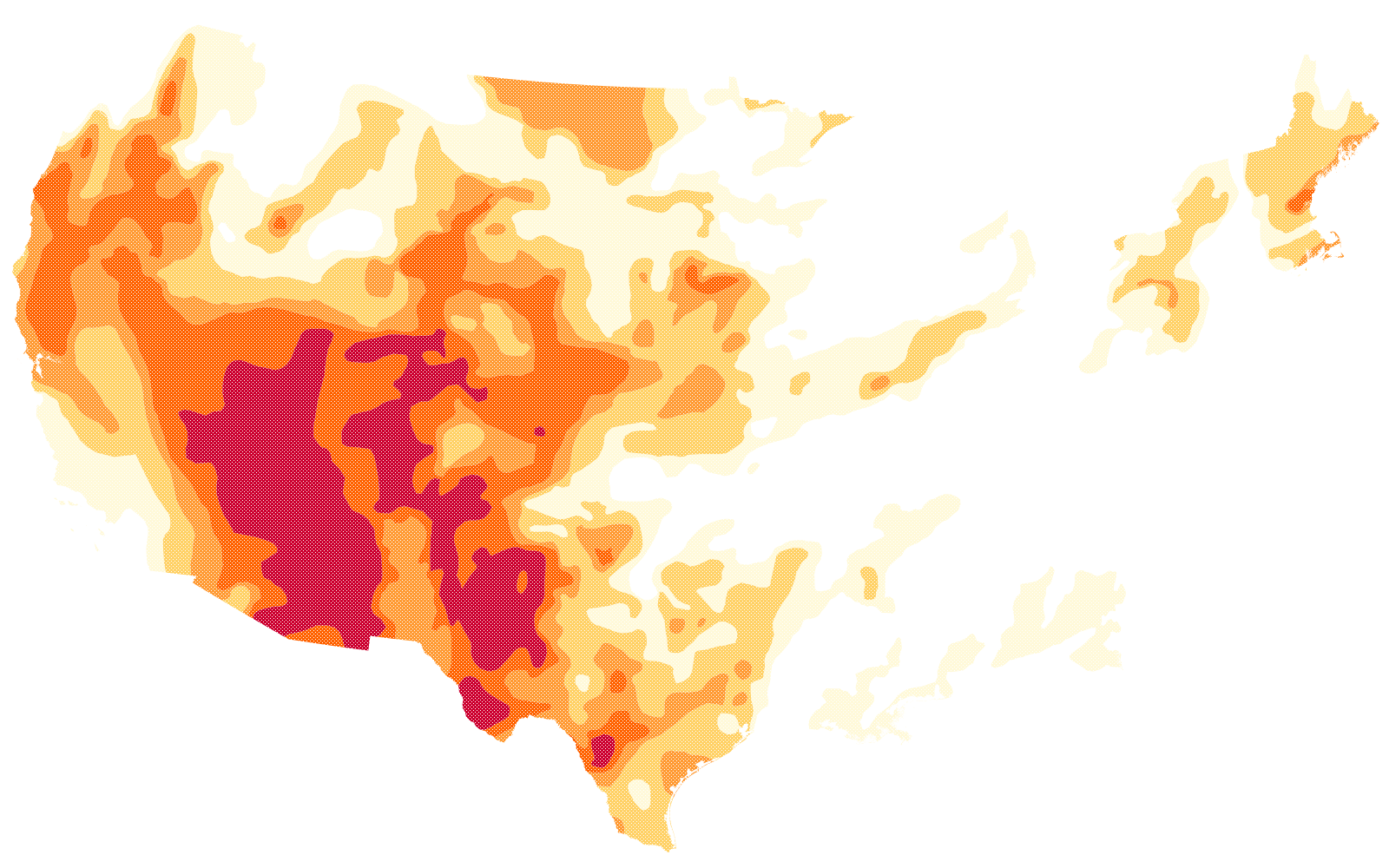
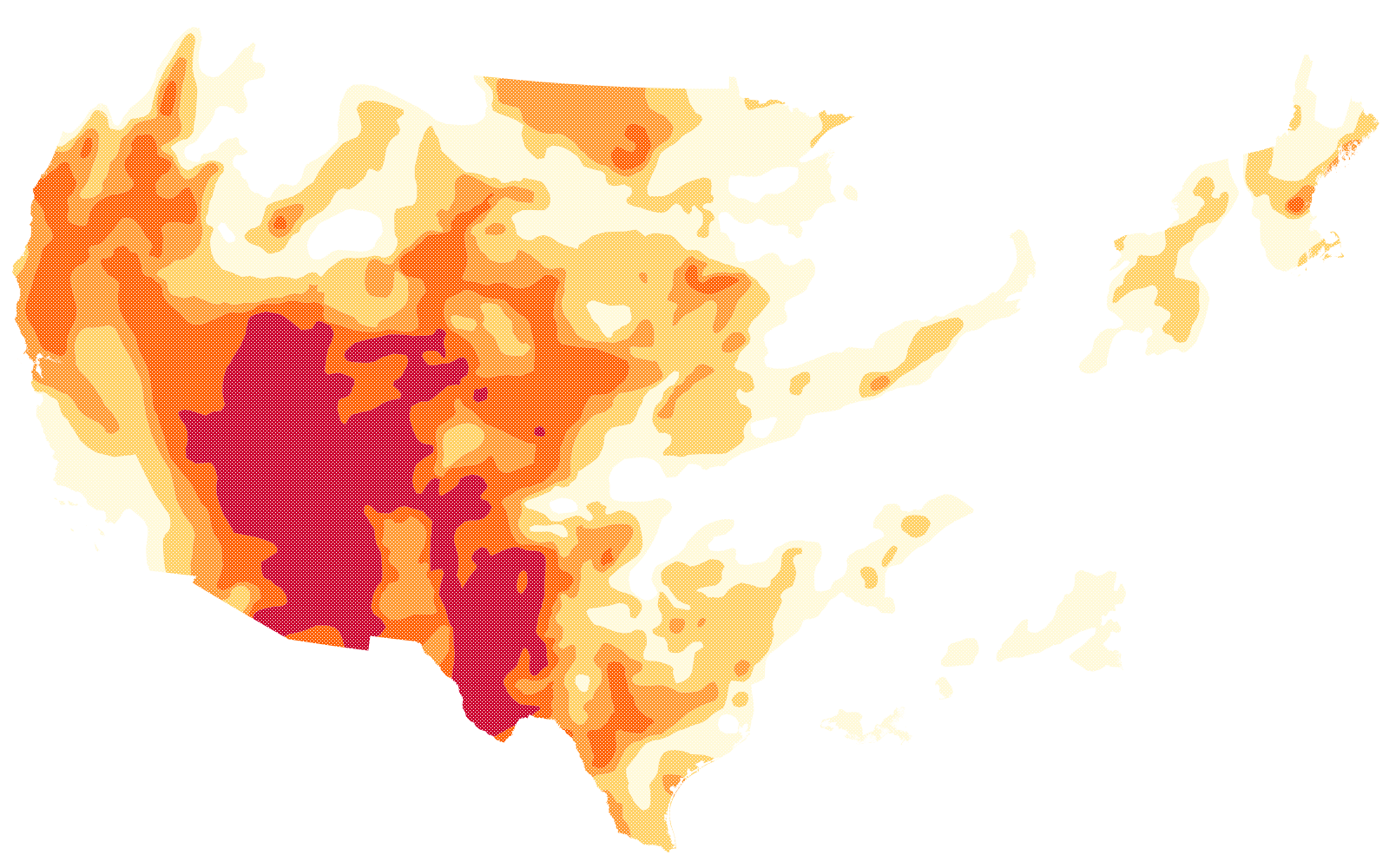
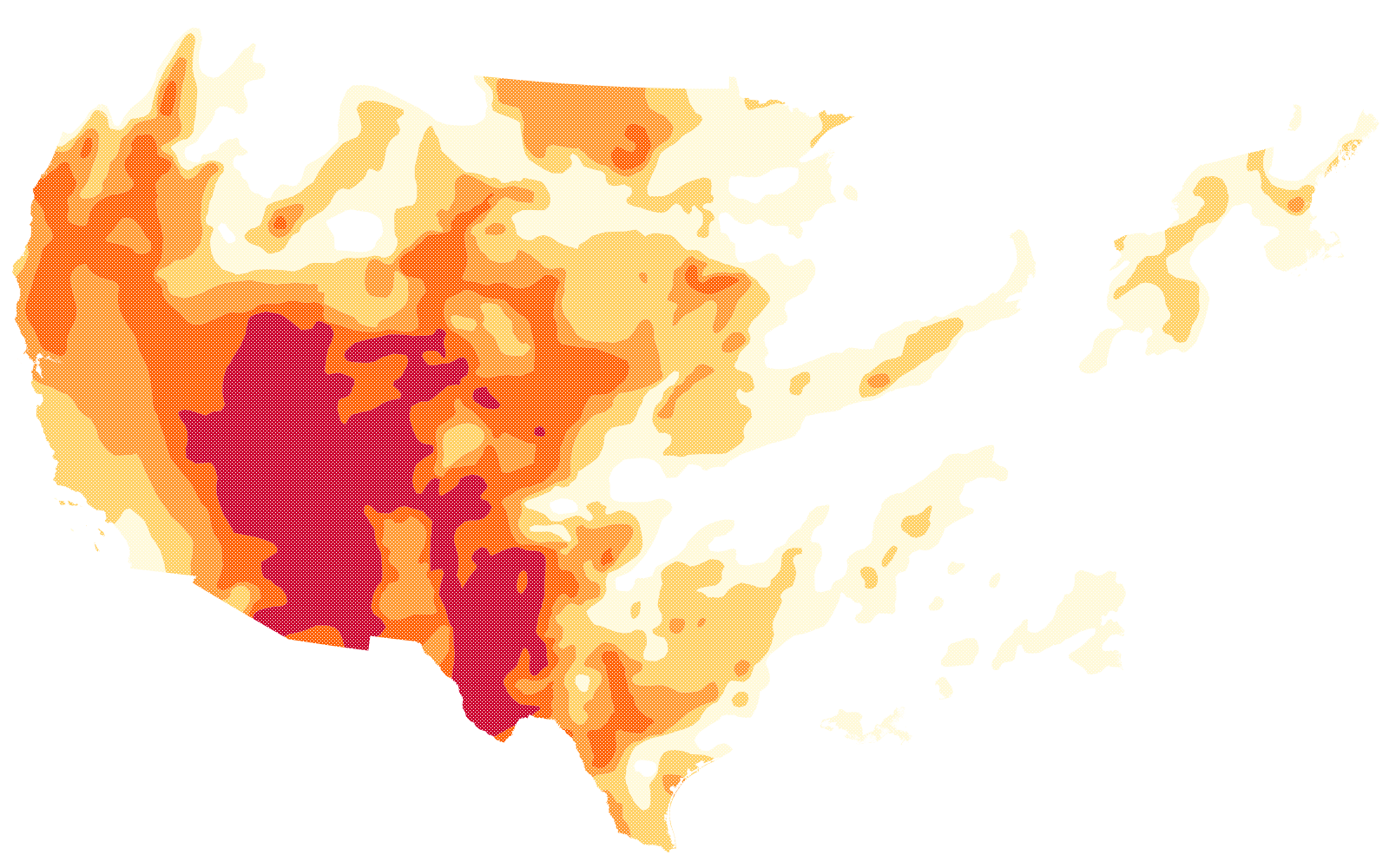
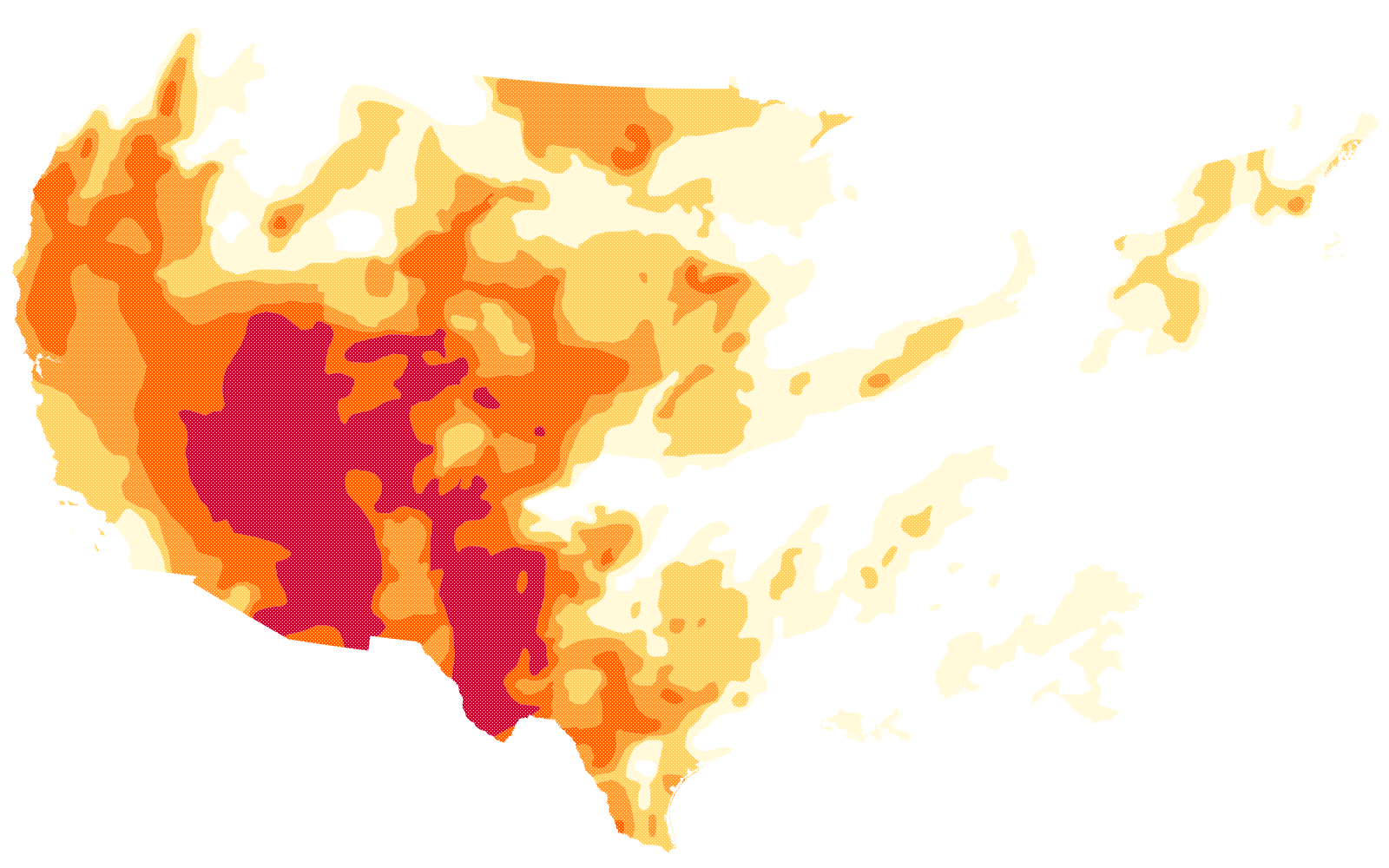
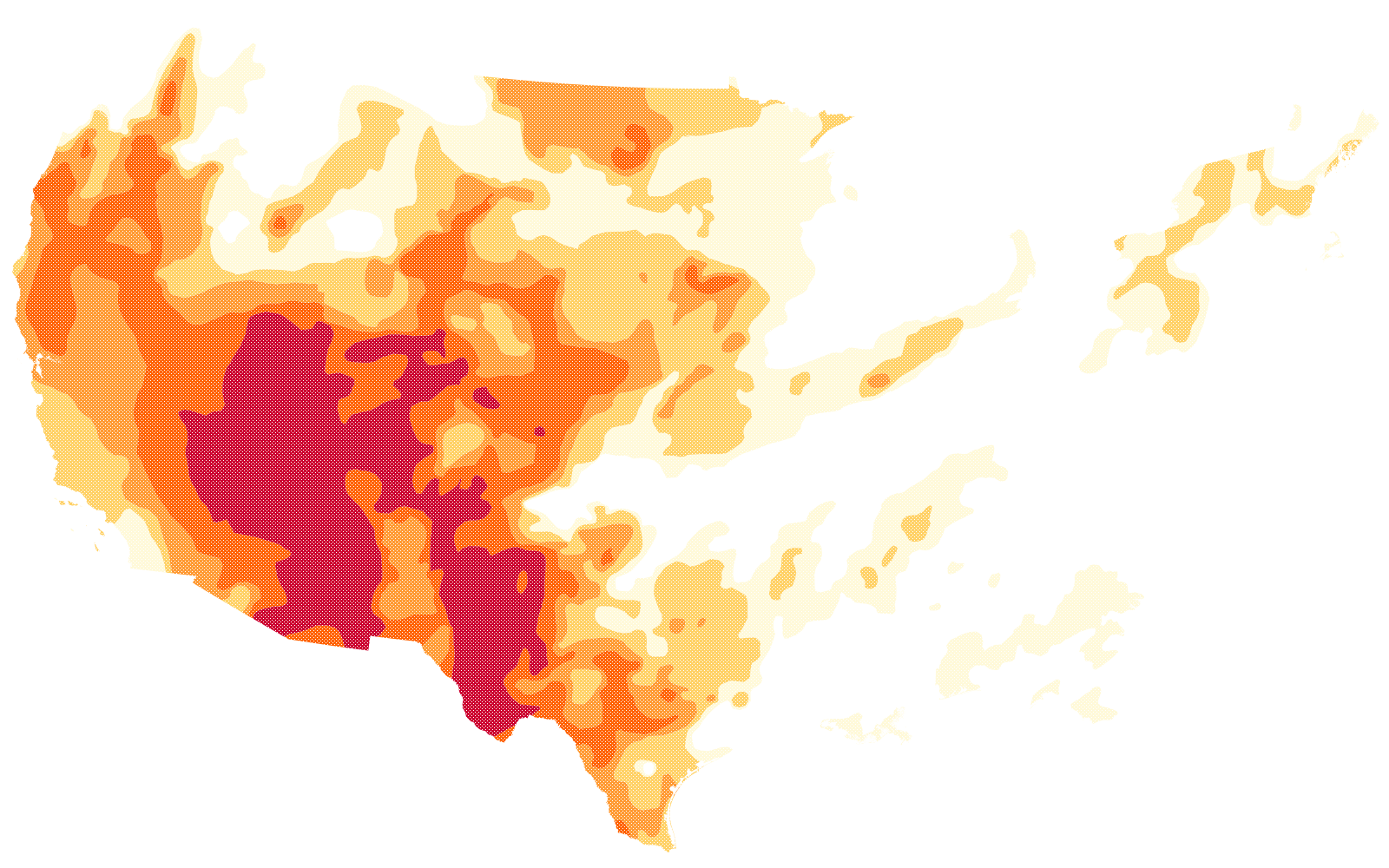
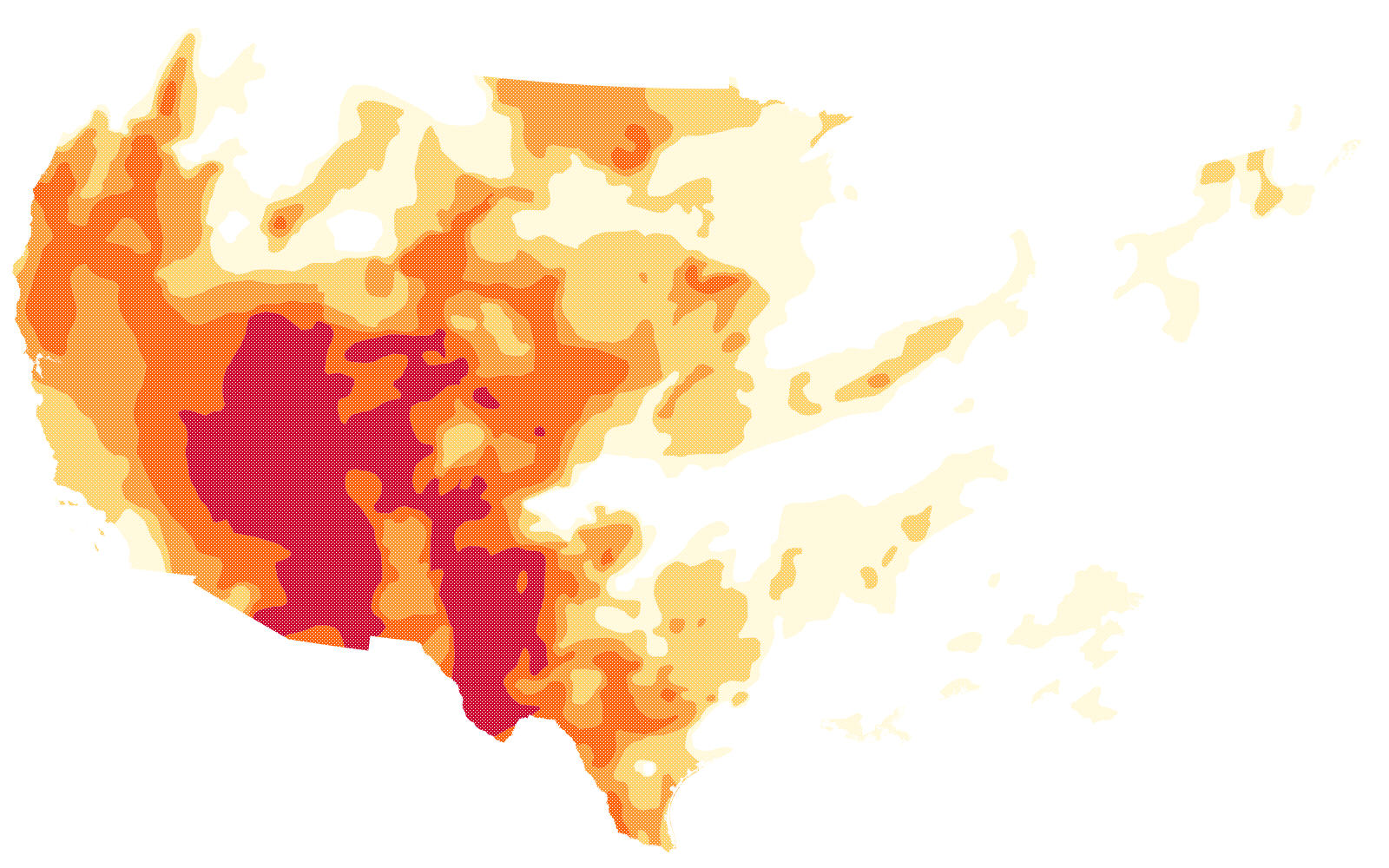
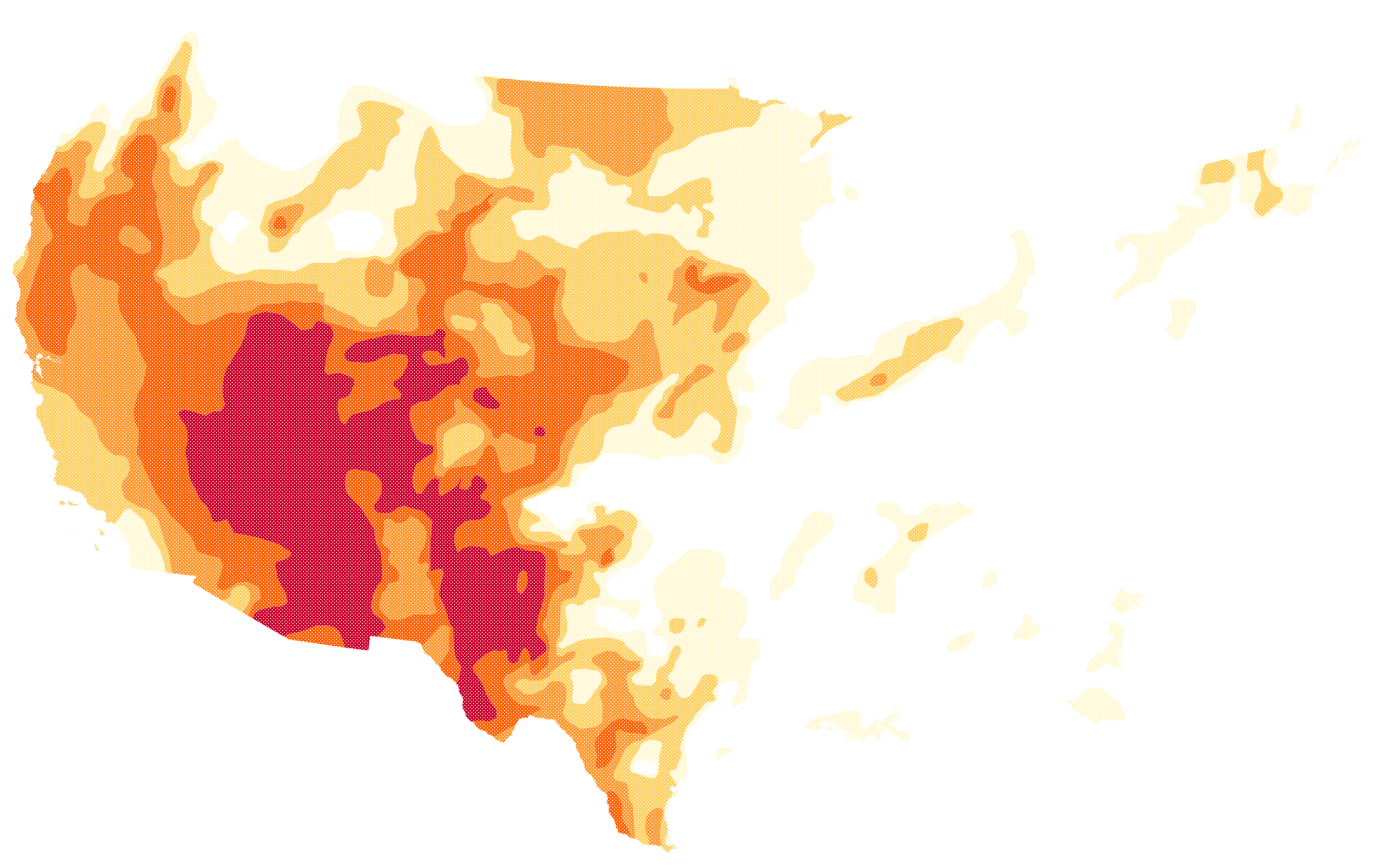
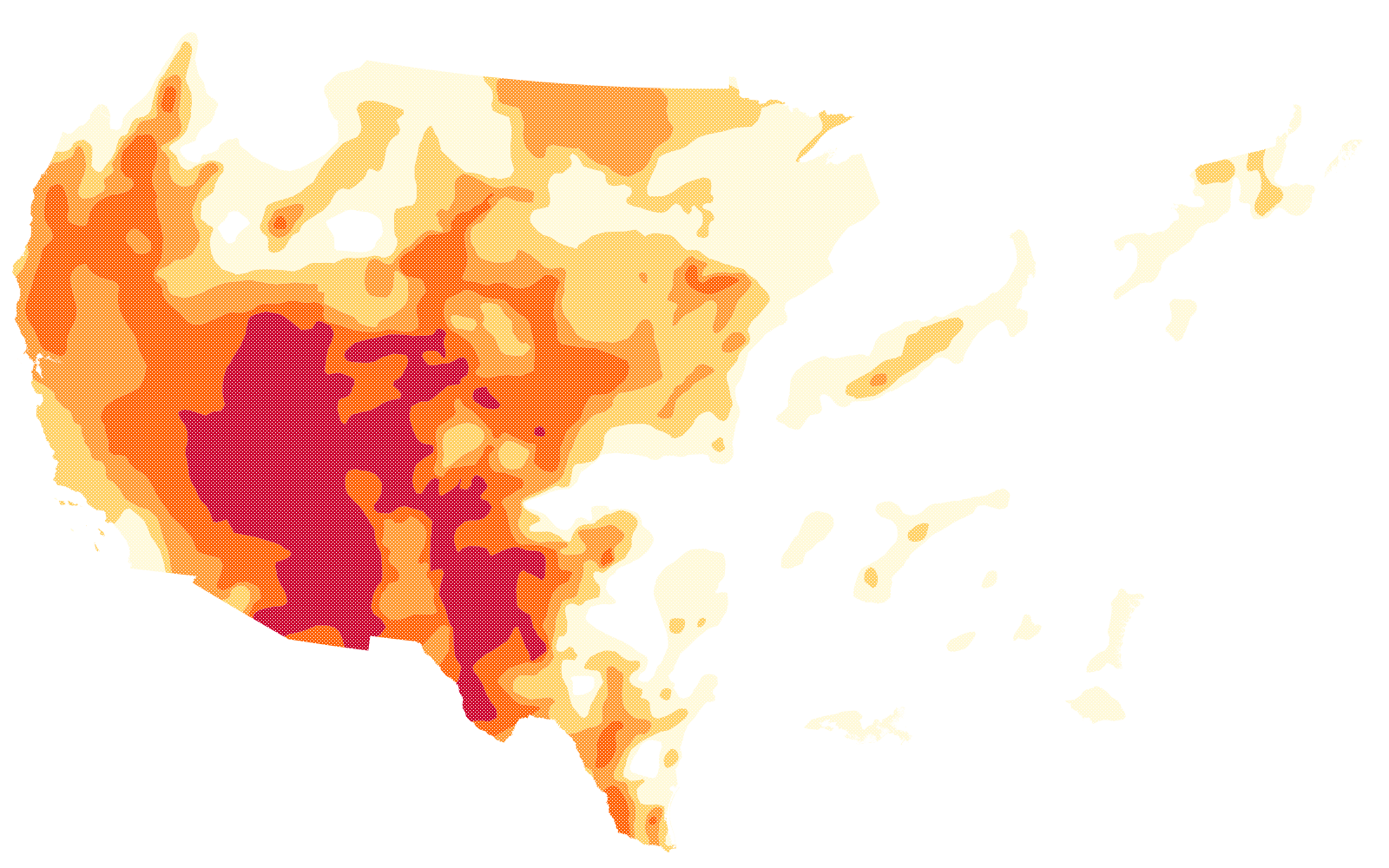
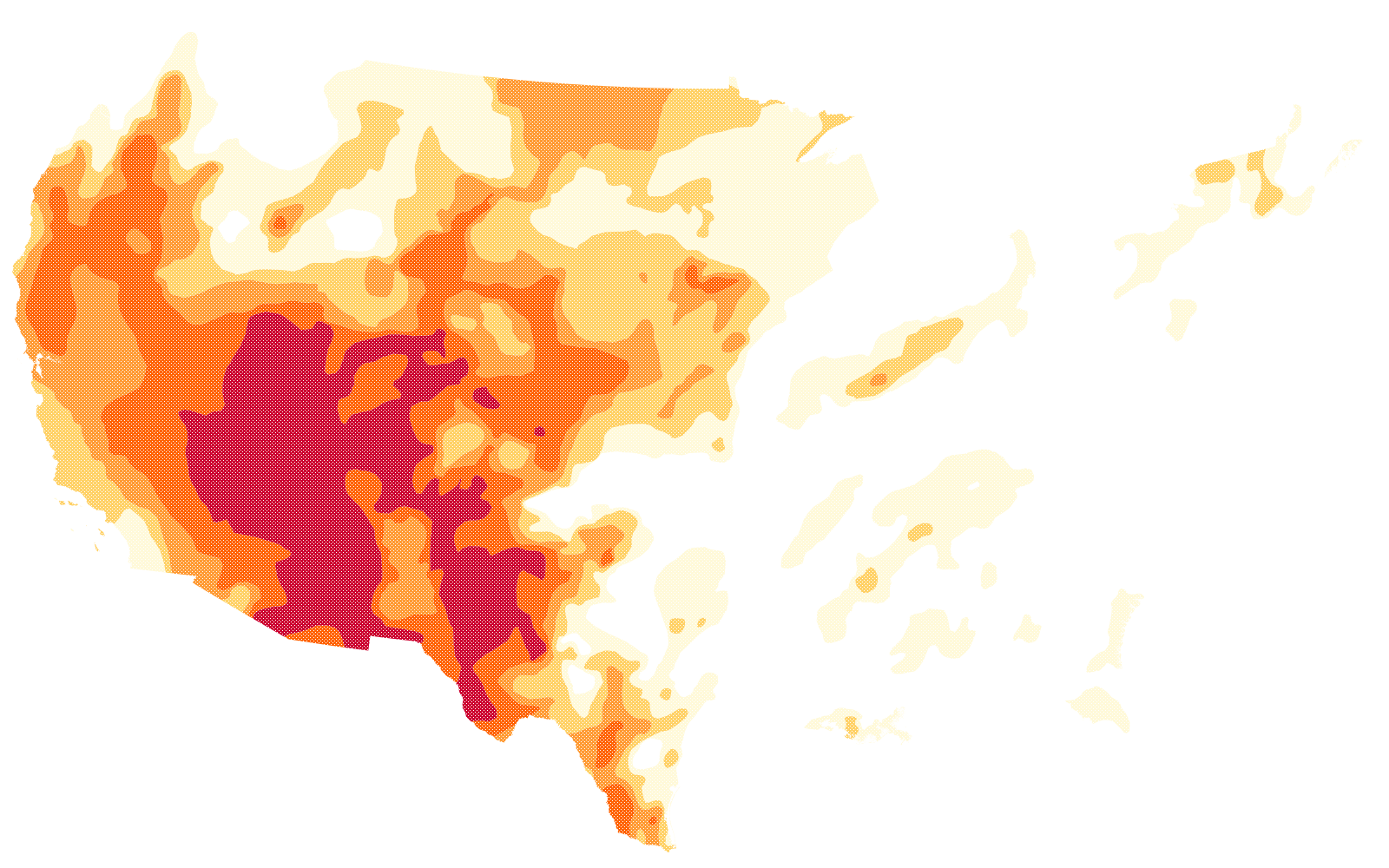
“The impacts of La Niña should linger through spring, specifically, with conditions continuing across the drought-plagued West, unfortunately,” said Todd Crawford, chief meteorologist at The Weather Company.
La Nina has peaked as the world is already reeling from a deluge of extreme weather, including a record number of Atlantic storms, an all-time high acreage burn in California and one of the strongest typhoons ever recorded. Weather-related disasters cost the world about $210 billion in 2020, according to insurer Munich Re.
Many of those violent storms were fueled, at least in part, by global warming. Yet so far there isn’t any evidence climate change has changed La Nina, Michelle L’Heureux, a forecaster at the U.S. Climate Prediction Center said. Studies suggest it could have an impact by the end of the century.

Photographer: Philip Pacheco/Bloomberg
Now, La Niña is extending the pain as it roils weather across the globe. While the southern U.S. from California to Florida is drying out, rains are flooding parts of East Asia.
“This is a hallmark of La Niña,” said Mike Halpert, deputy director of the U.S. Climate Prediction Center. “It is a general shift of the storm track with a wetter signal across the north and drier signal across the south.”
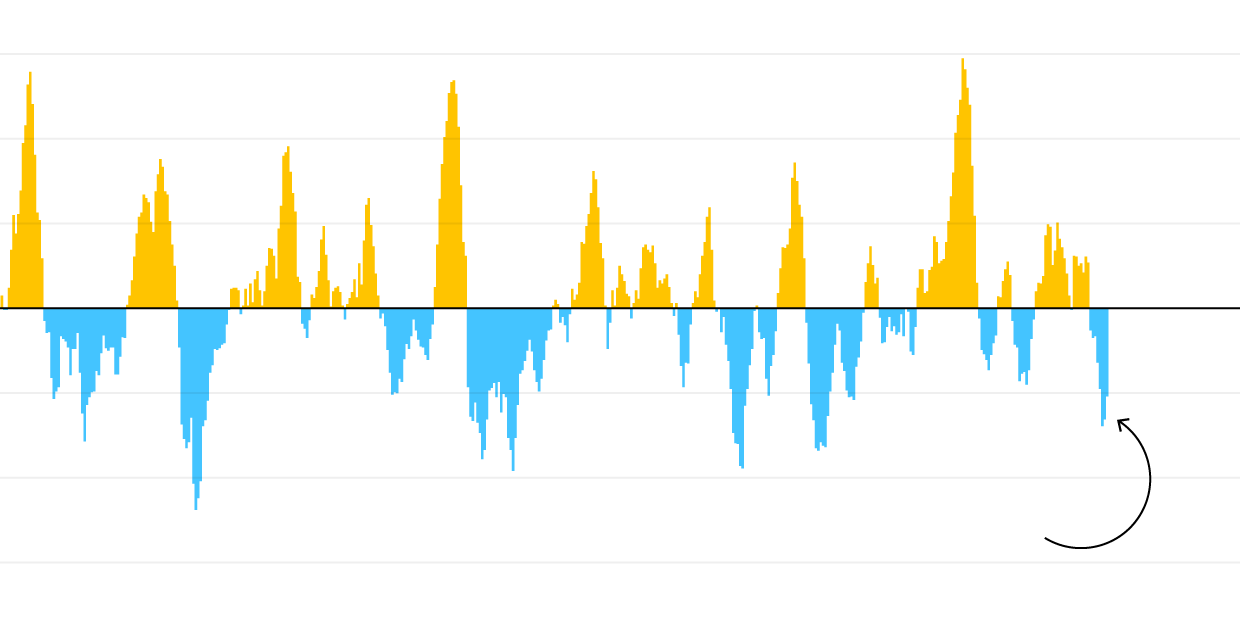
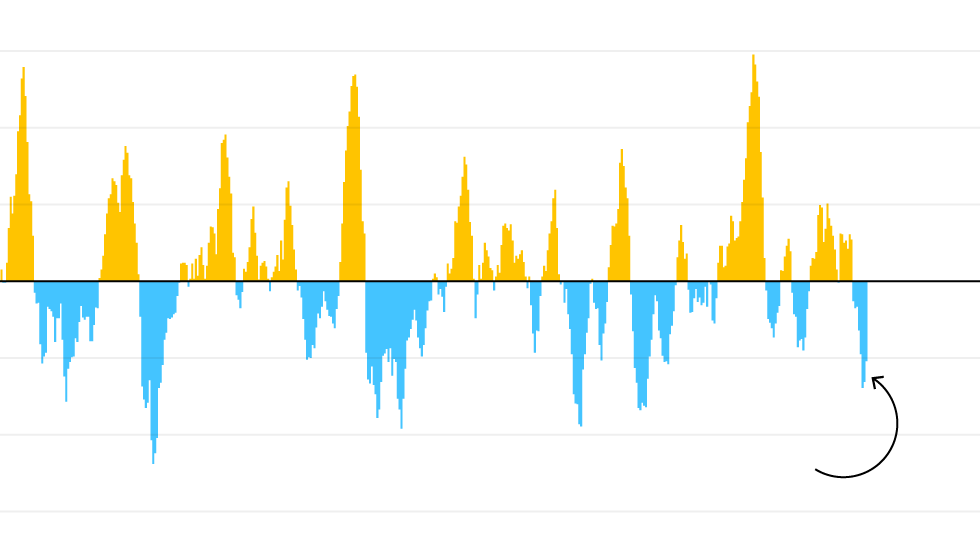
La Niña is part of a cycle that sees the Pacific’s surface range from warm to cool and back again every three to seven years. Known as El Nino Southern Oscillation, or ENSO among researchers and meteorologists, it sets off a series of relatively predictable reactions in global weather that often form the foundation of seasonal forecasts across the continents, as well as outlooks for the Indian monsoon, and hurricanes in the Atlantic.
Sea surface temperature anomaly:
+3°C
+2
+1
0
-1
-2
Extended cooling in the equatorial Pacific points to a La Nina
-3
Jan. 1982
Dec. 2020
Sea surface temperature anomaly:
+3°C
+2
+1
0
-1
-2
La Nina
-3
Jan. 1982
Dec. 2020
Sea surface temperature anomaly:
+3°C
+2
+1
0
-1
-2
La Nina
-3
Jan. 1982
Dec. 2020
Sea surface temperature anomaly:
+3°C
+2
+1
0
-1
Extended cooling in the equatorial Pacific points to a La Nina
-2
-3
Jan. 1982
Dec. 2020
Sea surface temperature anomaly:
+3°C
+2
+1
0
-1
Extended cooling in the equatorial Pacific points to a La Nina
-2
-3
Jan. 1982
Dec. 2020
Note: Temperature anomalies measured in the Nino 3.4 region
Around the world, La Niña will have a wide array of impacts.
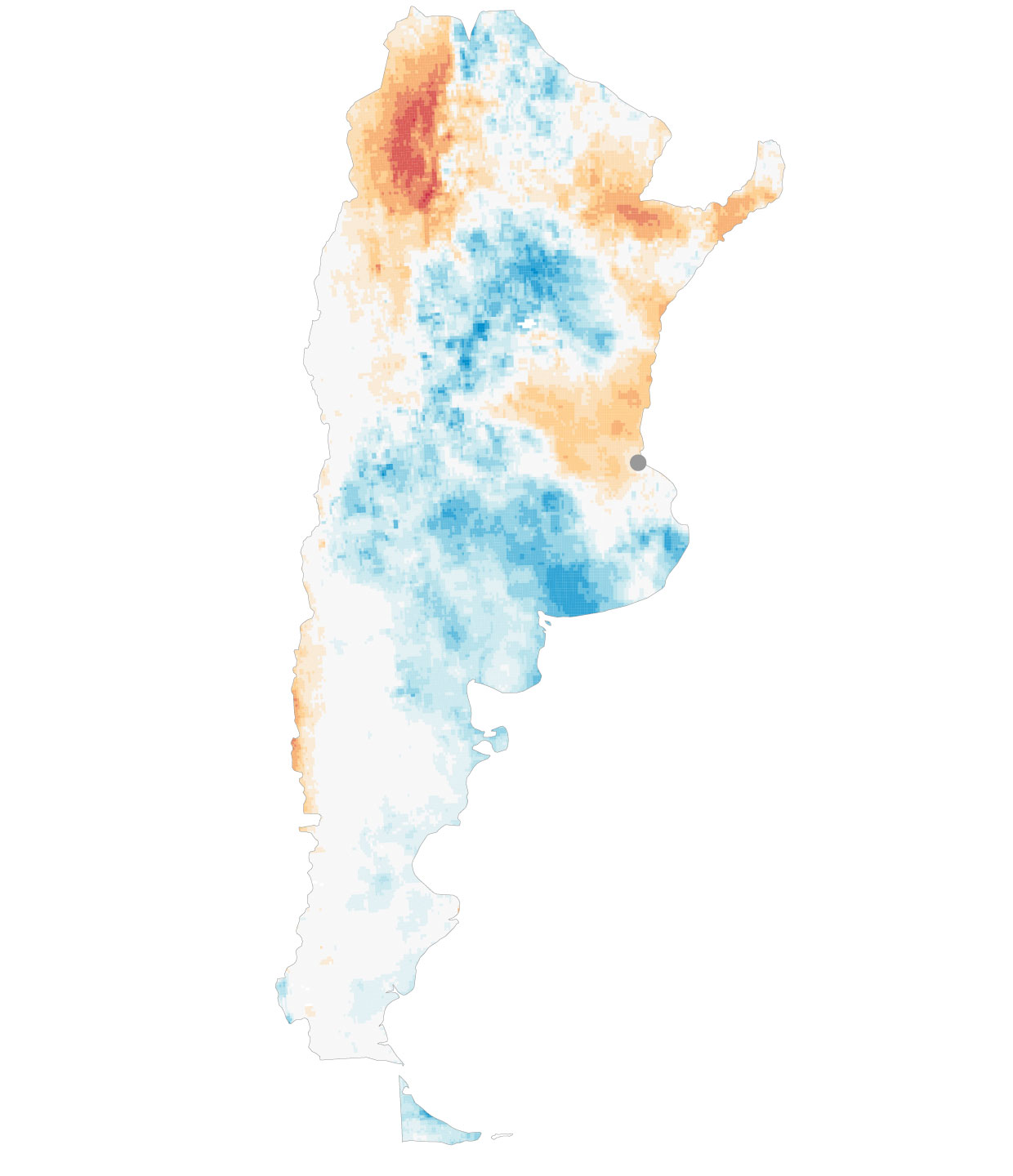
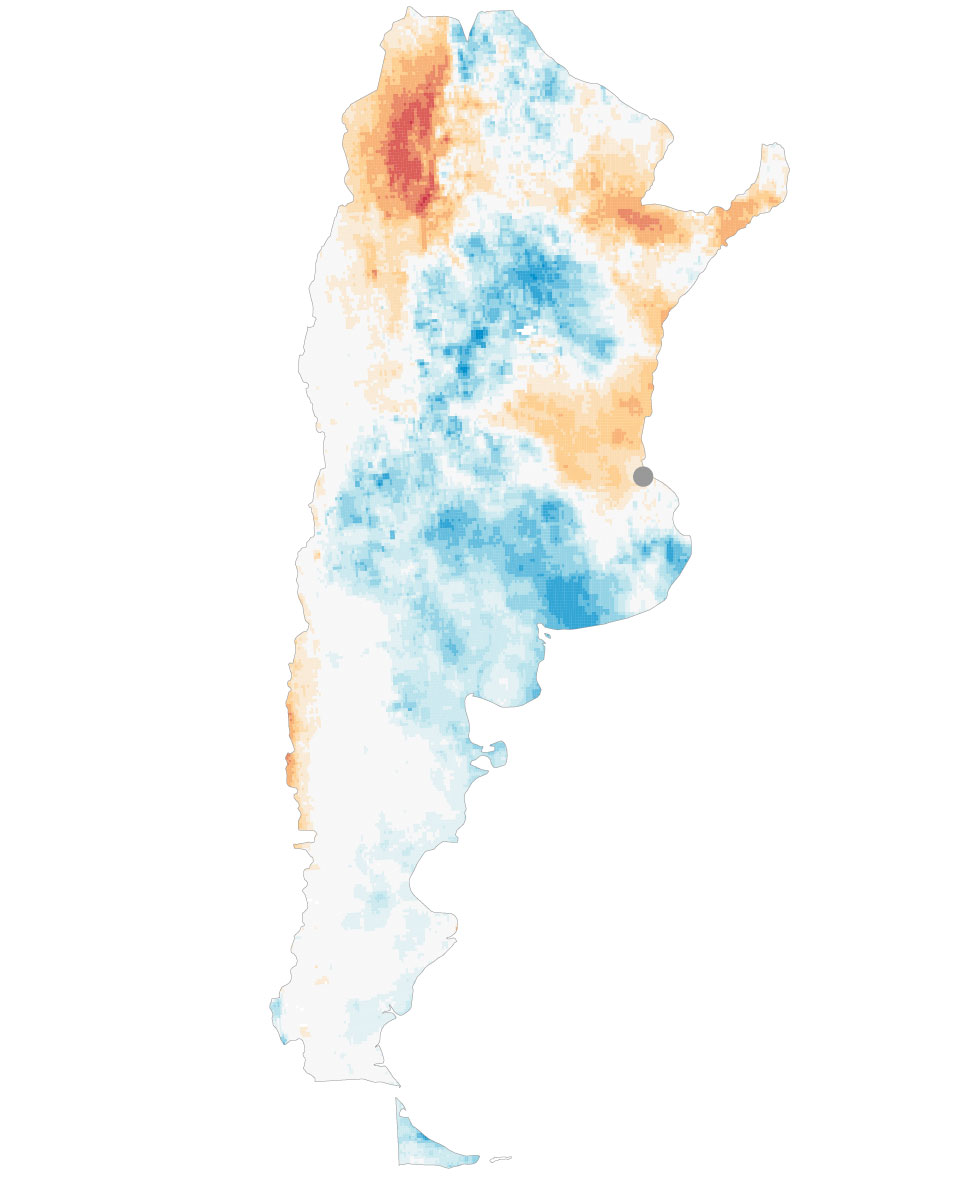
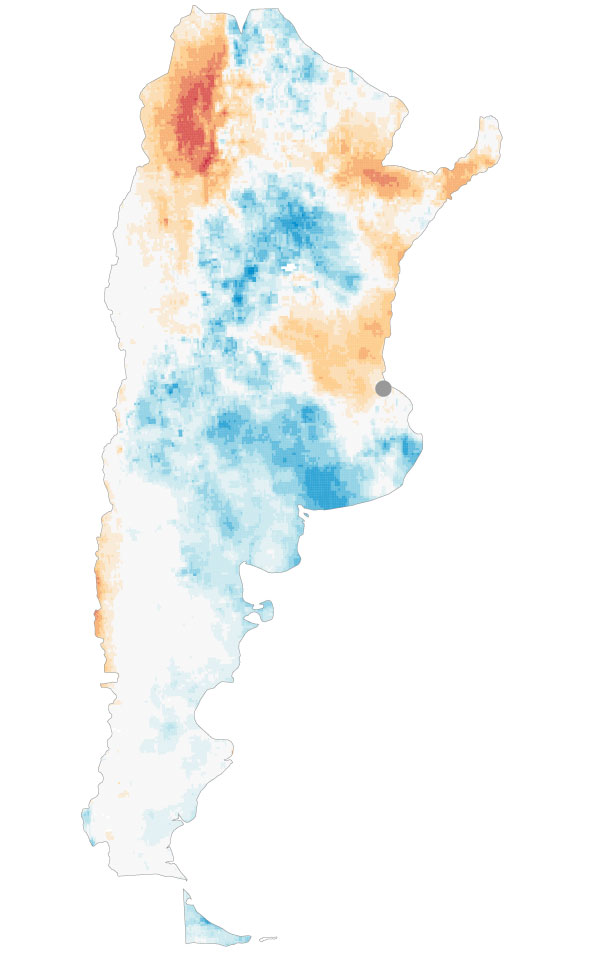
In Argentina, one of the world’s largest soy producers, dryness and heat have already hit crops, causing benchmark soybean futures to soar 49% in Chicago in the second half of 2020. The adverse conditions for central and eastern Argentina may persist through at least April, and “no significant improvements are expected through the rest of the growing season,” said Don Keeney, senior agricultural meteorologist at Maxar in Gaithersburg, Maryland.
Precipitation anomalies in Argentina

Soy growing
areas
Buenos Aires
ARGENTINA
Soy growing
areas
Buenos Aires
ARGENTINA
Soy growing
areas
Buenos Aires
ARGENTINA
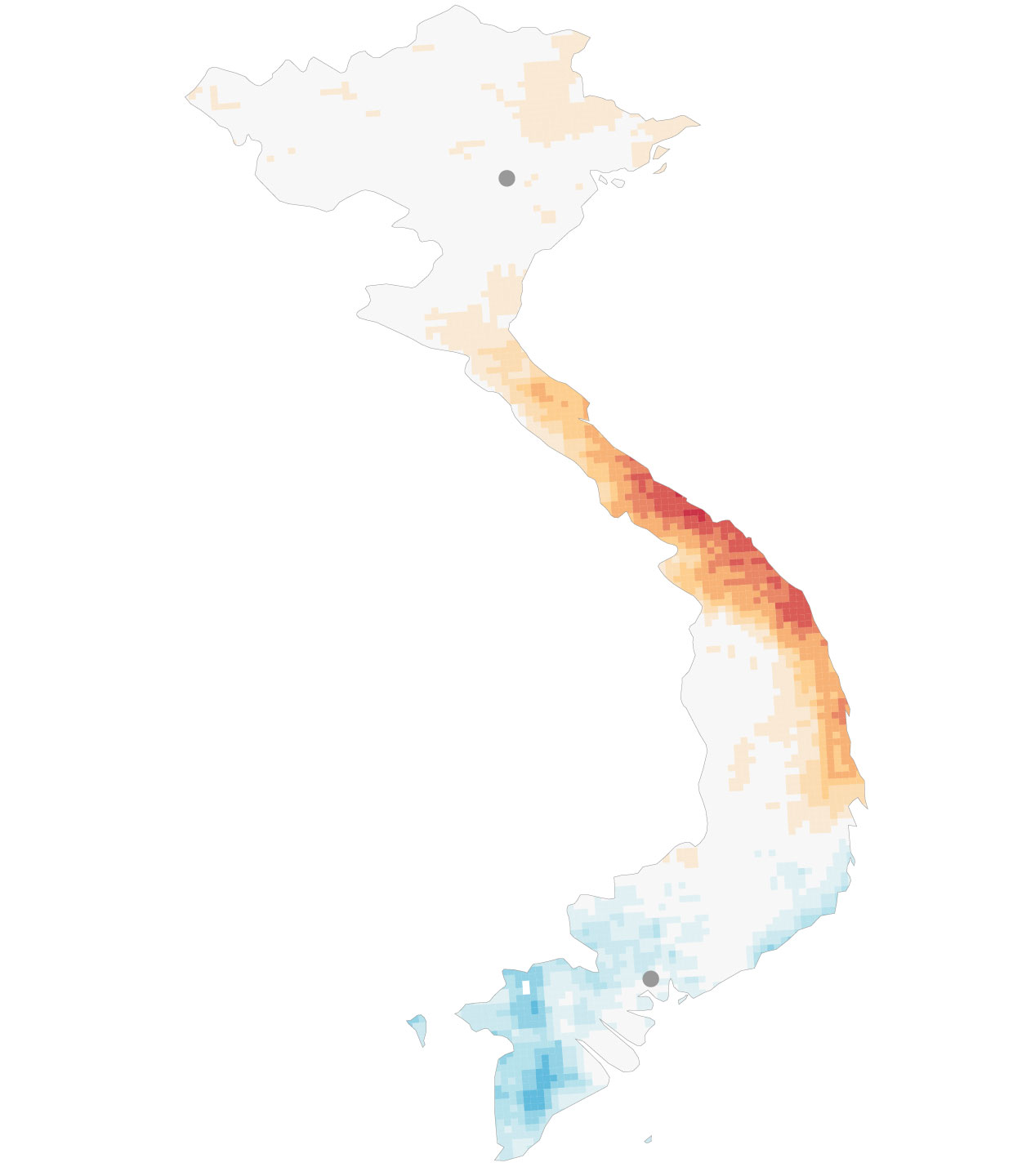
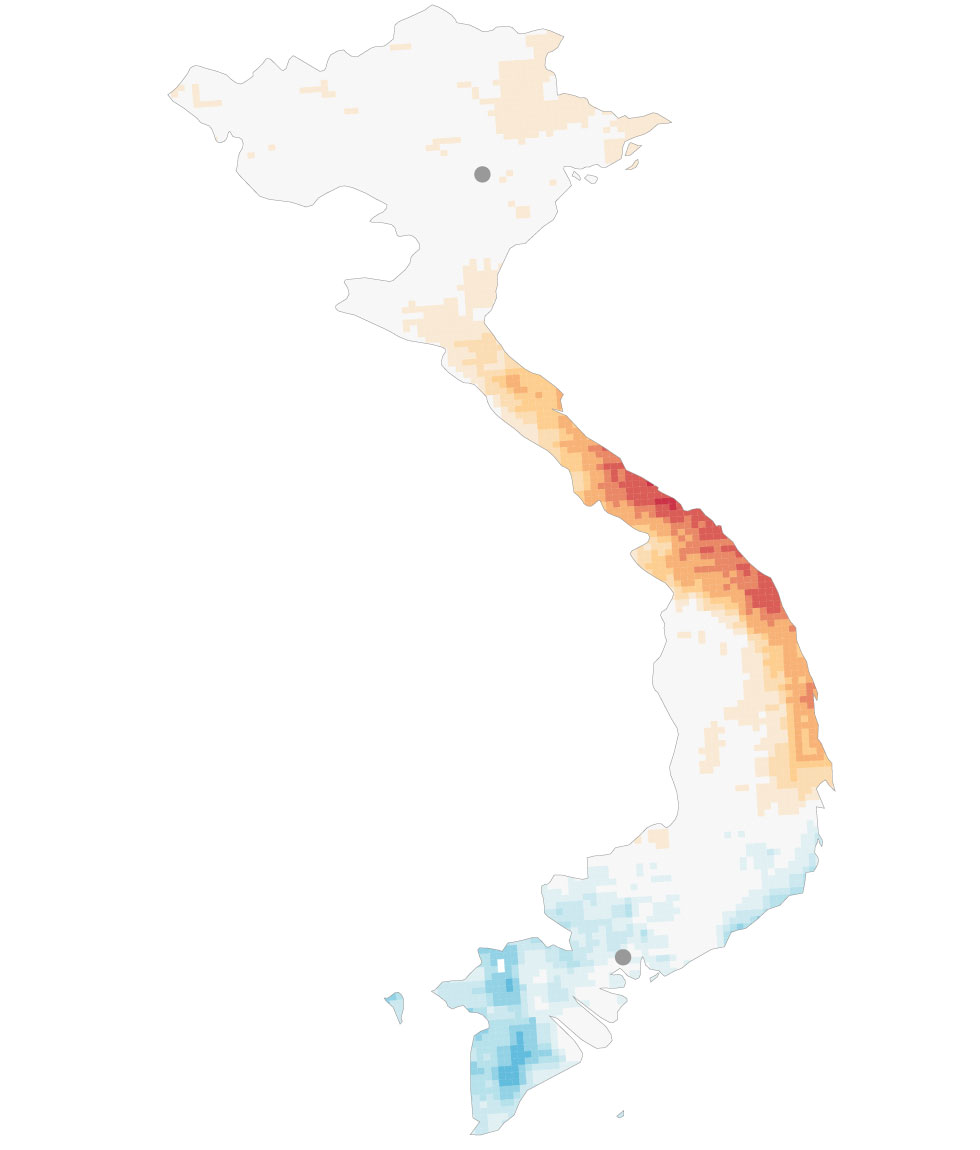
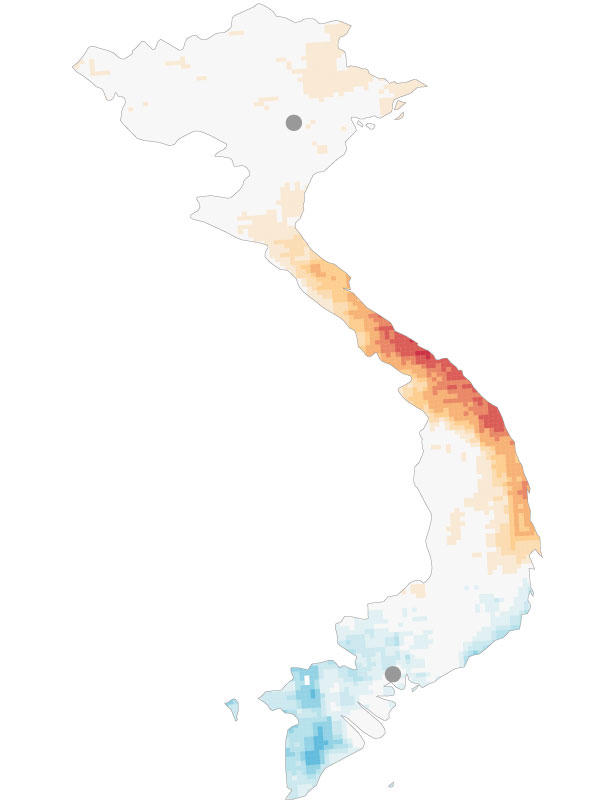
Prolonged rainfalls in Vietnam’s Central Highlands region have caused early flowering of coffee trees in some areas, which may hurt the volume of the 2021-22 crop, according to Le Tien Hung, chairman of the country’s second-biggest coffee exporter Simexco DakLak.
Precipitation anomalies in Vietnam
Hanoi
VIETNAM
Central
Highlands
Ho Chi Minh City
Hanoi
VIETNAM
Central
Highlands
Ho Chi Minh City
Hanoi
VIETNAM
Central
Highlands
Ho Chi Minh City
In Thailand, severe flooding has disrupted tapping activities in key rubber plantation areas, with an industry group forecasting that output may shrink by about 100,000 tons from these provinces, representing about 2% of Thailand’s average annual output.
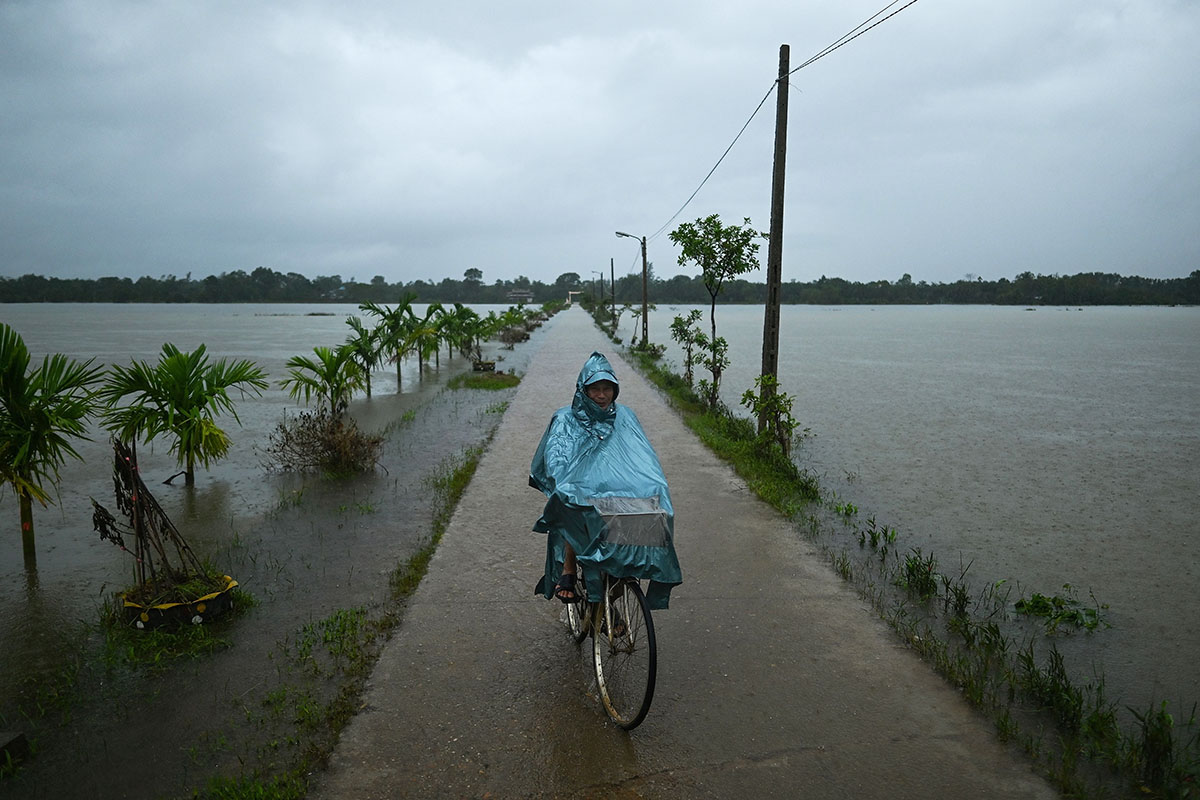
Photographer: Manan Vatsyayana/AFP/Getty Images
China’s weather officials expect La Niña to peak this winter, bringing more frequent cold spells to northern regions. This could potentially cause freeze damage to winter wheat crops, Jia Xiaolong, a deputy director at China’s National Climate Center, said in November.
As temperatures plummet, China is cutting power supply to some industrial and commercial users in Hunan and Jiangxi provinces, where demand for electricity has jumped by at least 18% over the previous year. Other regions, including the cities of Beijing and Chongqing, also face tight electricity supply after freezing temperatures caused grid problems that require maintenance.
In Malaysia, La Niña-fueled flooding has affected vegetable production driving the cost of imported tomatoes into Singapore up 200% from last week.
Meanwhile, the weather pattern is bringing good fortune to Australian farmers, who are set to rake in bumper harvests this season after years of punishing drought. Recent increased rainfall has boosted total crop supply to some of the highest levels in decades, with the 2020-21 season forecast to surge 76% from last year to 51.5 million tons.
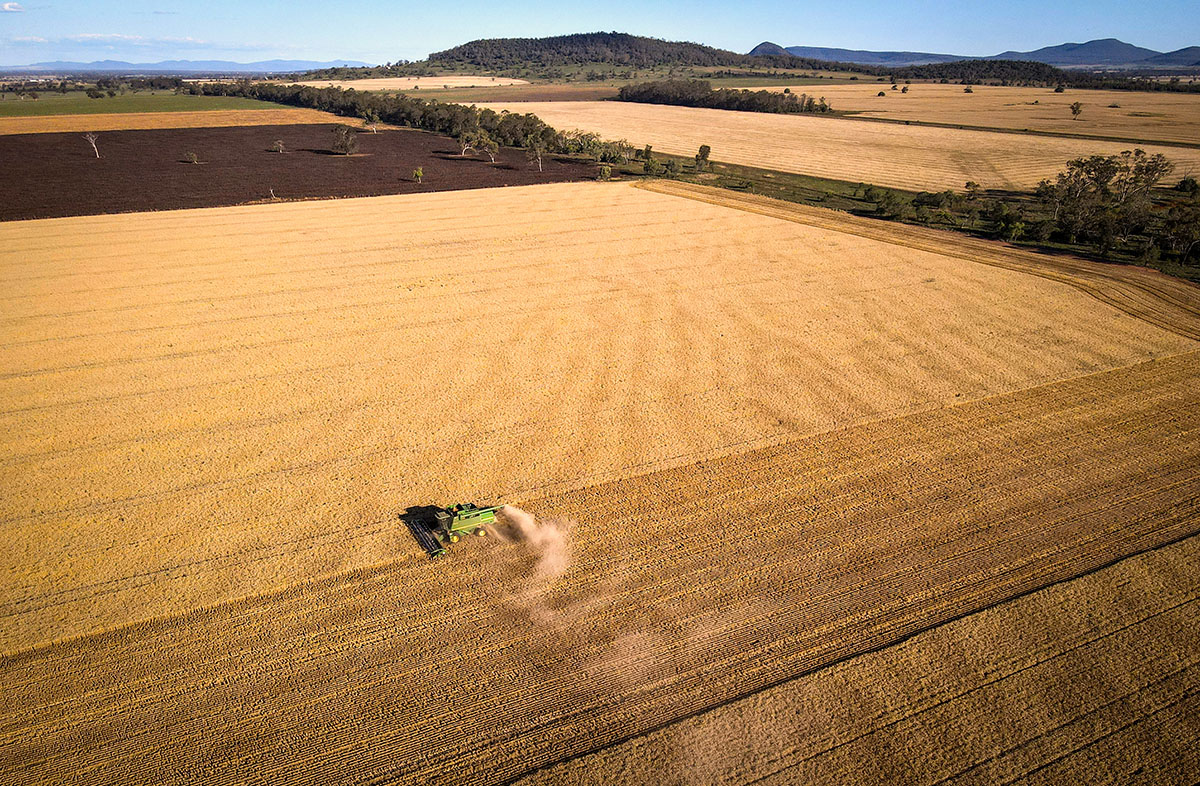
Photographer: David Gray/Bloomberg
At the same time, dry conditions across key growing areas in Europe, Russia and Argentina have hit global wheat supply, spurring a price rally and presenting an opportunity for Australia to boost exports. Wheat exports this season are expected to more than double from the last, reaching 21 million tons, according to the Australian Bureau of Agricultural and Resource Economics and Sciences.