In little more than a year, China’s expansive crackdown on dissent in Hong Kong has transformed the Asian financial hub and raised big questions for individuals and companies alike.
Imposed by Beijing without public debate last year after historic mass protests calling for greater democracy, the national security law carries harsh sentences: Individual offenders face as long as life in prison, while businesses could be shut down. It criminalizes subversion, secession, colluding with foreign forces and terrorist activities—a broadly defined term that includes “sabotage” of public transportation facilities.
While the law explicitly reaffirms Hong Kong’s freedoms of speech, assembly and the press, so far the vast majority of charges relate to things that have been said, written, published or waved on a banner. The police force’s National Security Department, a new body mandated by the law, has also detained people under colonial-era legislation that bans seditious acts.
All of these arrests send a powerful signal to Hong Kong, and to the rest of the world: Beijing is clearly running the show.
Speech-related offenses
Joshua Wong
Financial
Weapons
possession
Jimmy Lai
Unknown
Plotting attacks
Violence
Failing to hand
over documents
Plotting attacks
Weapons
possession
Unknown
Speech-related offenses
Violence
Failing to hand
over documents
Financial
Plotting attacks
Weapons
possession
Speech-related
offenses
Violence
Failing to hand
over documents
Financial
Unknown
Speech-related offenses
Financial
Unknown
Plotting attacks
Violence
Failing to hand
over documents
Plotting attacks
Weapons
possession
Unknown
Speech-related offenses
Violence
Failing to hand
over documents
Financial
Plotting attacks
Weapons
possession
Speech-related
offenses
Violence
Failing to hand
over documents
Financial
Unknown
Speech-related offenses
Financial
Weapons
possession
Unknown
Plotting attacks
Violence
Failing to hand
over documents
Plotting attacks
Weapons
possession
Unknown
Speech-related offenses
Violence
Failing to hand
over documents
Financial
Plotting attacks
Weapons
possession
Speech-related
offenses
Violence
Failing to hand
over documents
Financial
Unknown
Ages between
15 and 28 years
Ages between
15 and 28 years
Ages between
15 and 28 years
Convicted
Convicted
Convicted
Note: Data as of October 5, 2021. Individual’s age is based on the day they were arrested. Identities are unknown for individuals aged 15 and under.
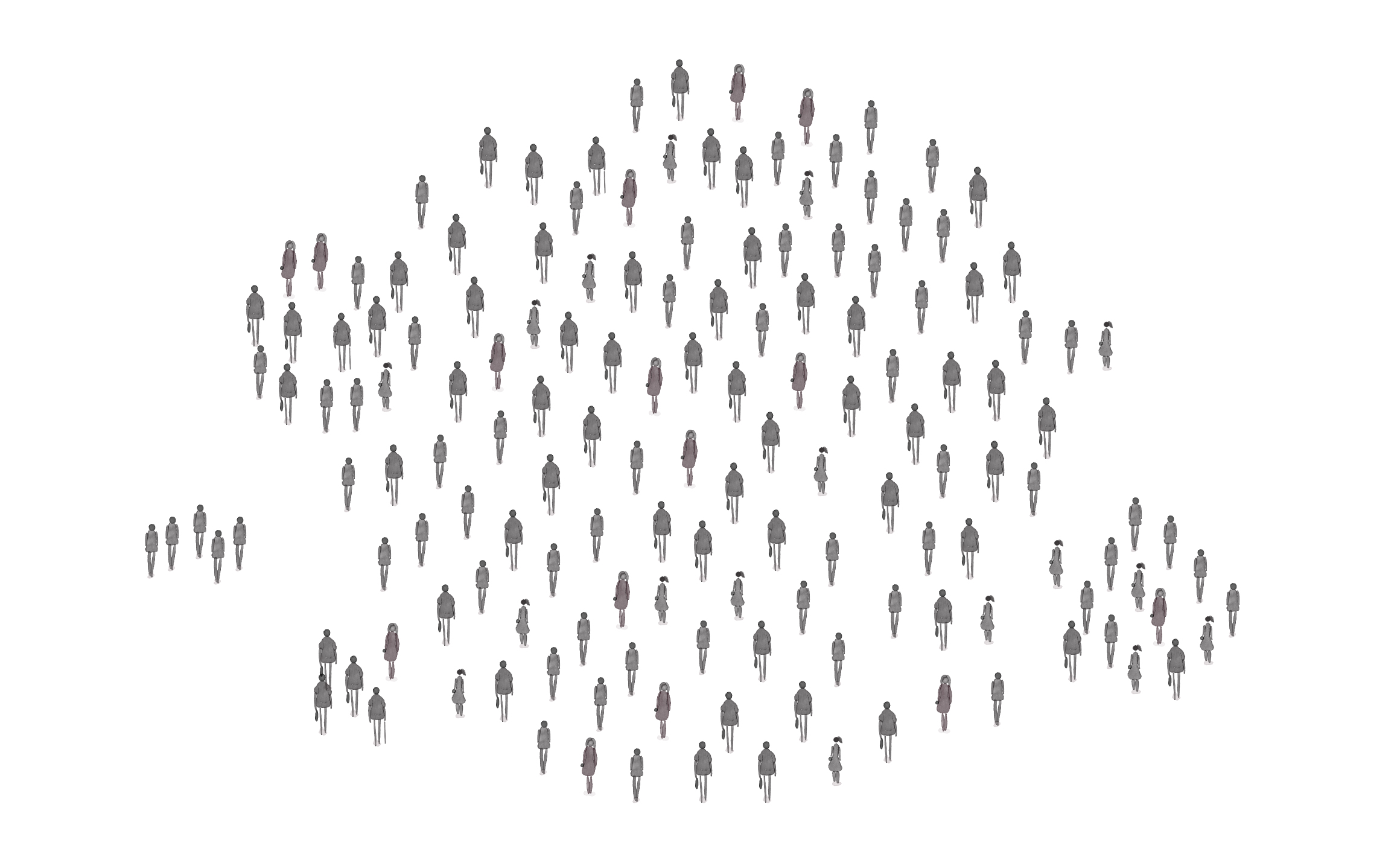
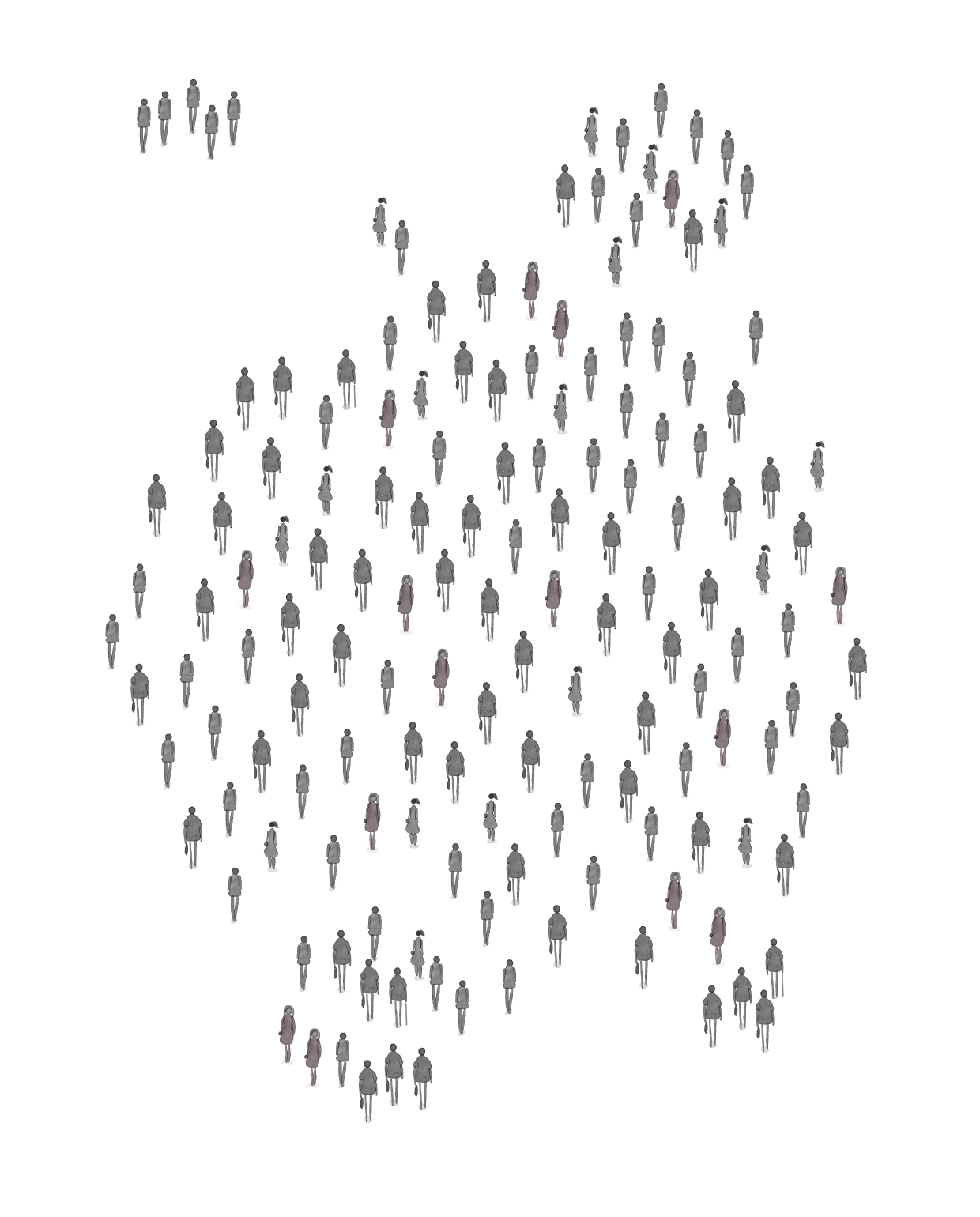
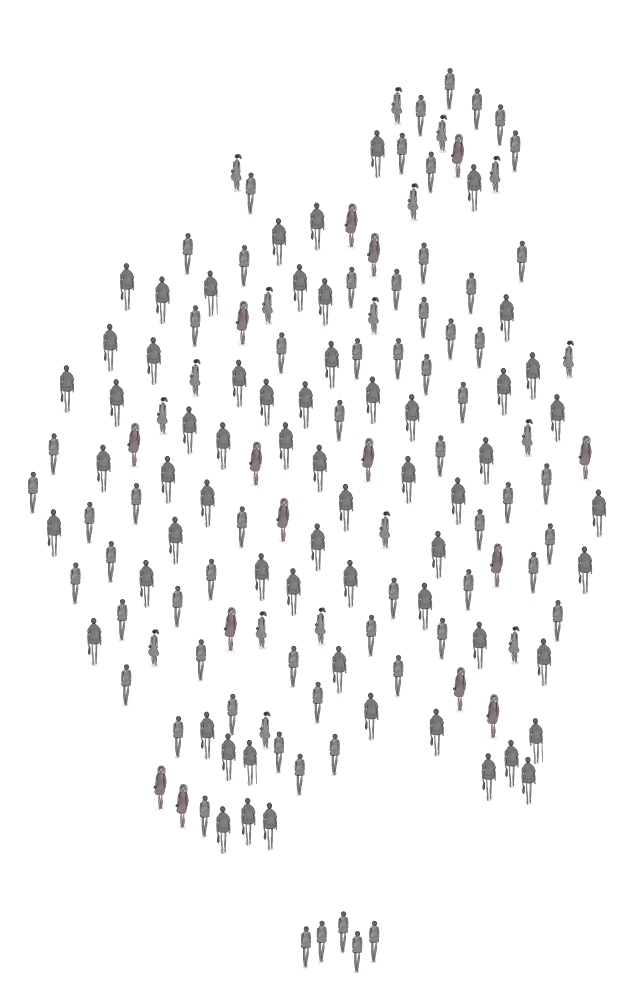
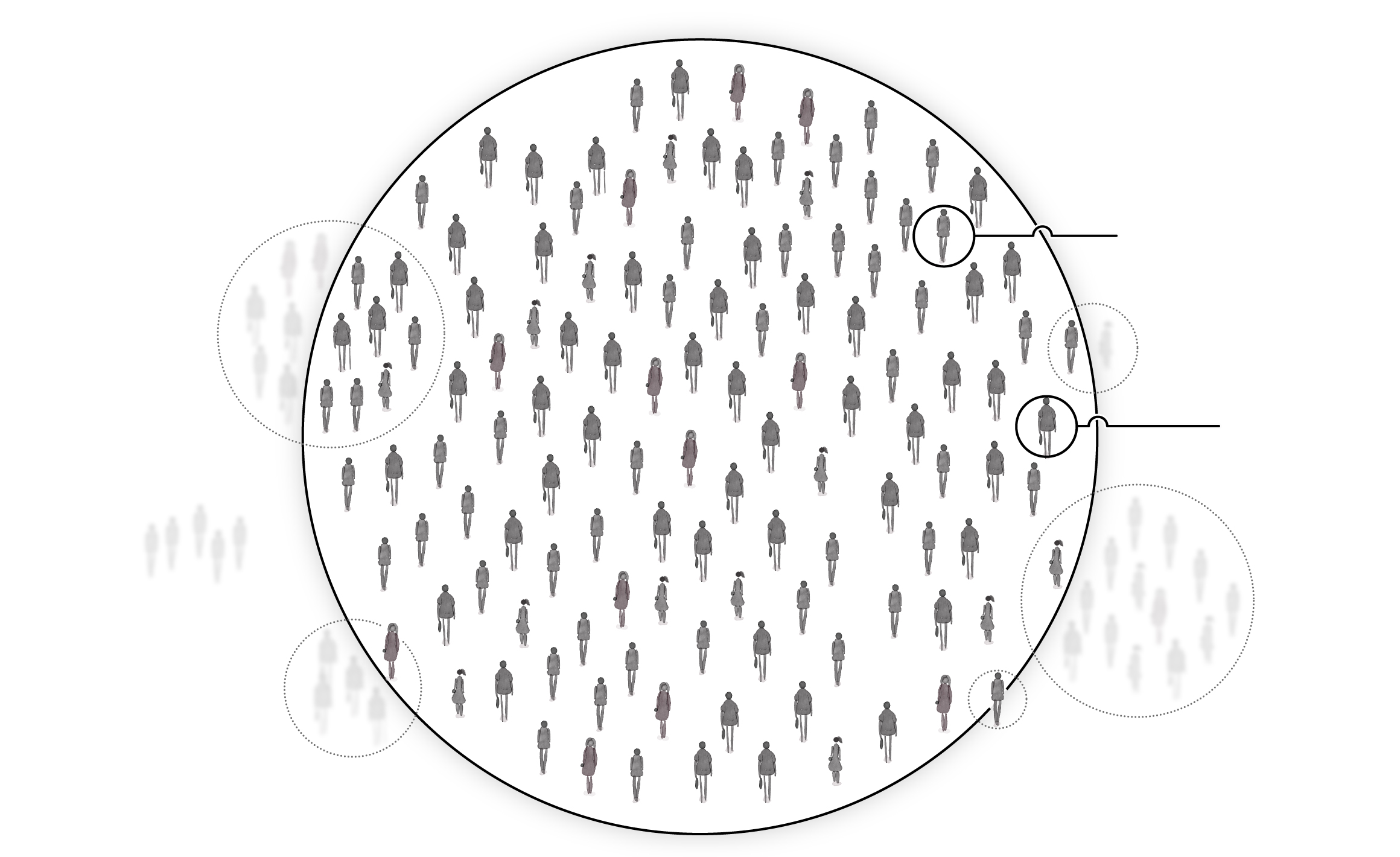
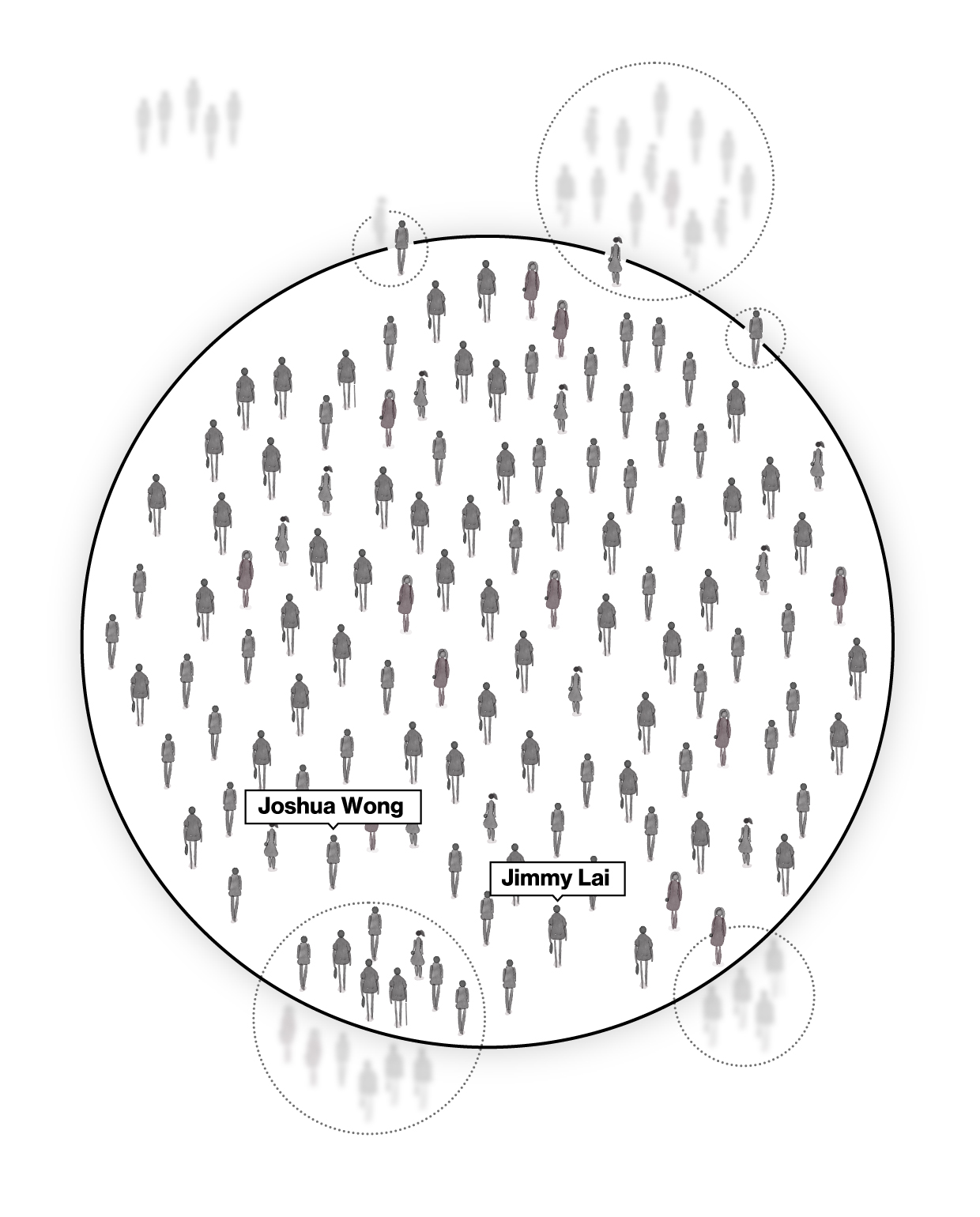
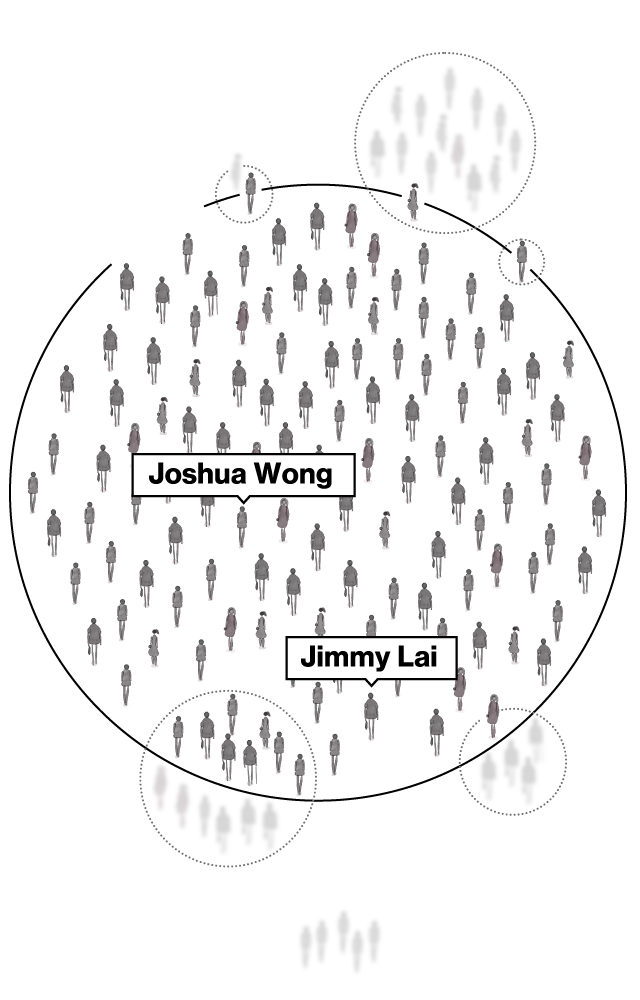
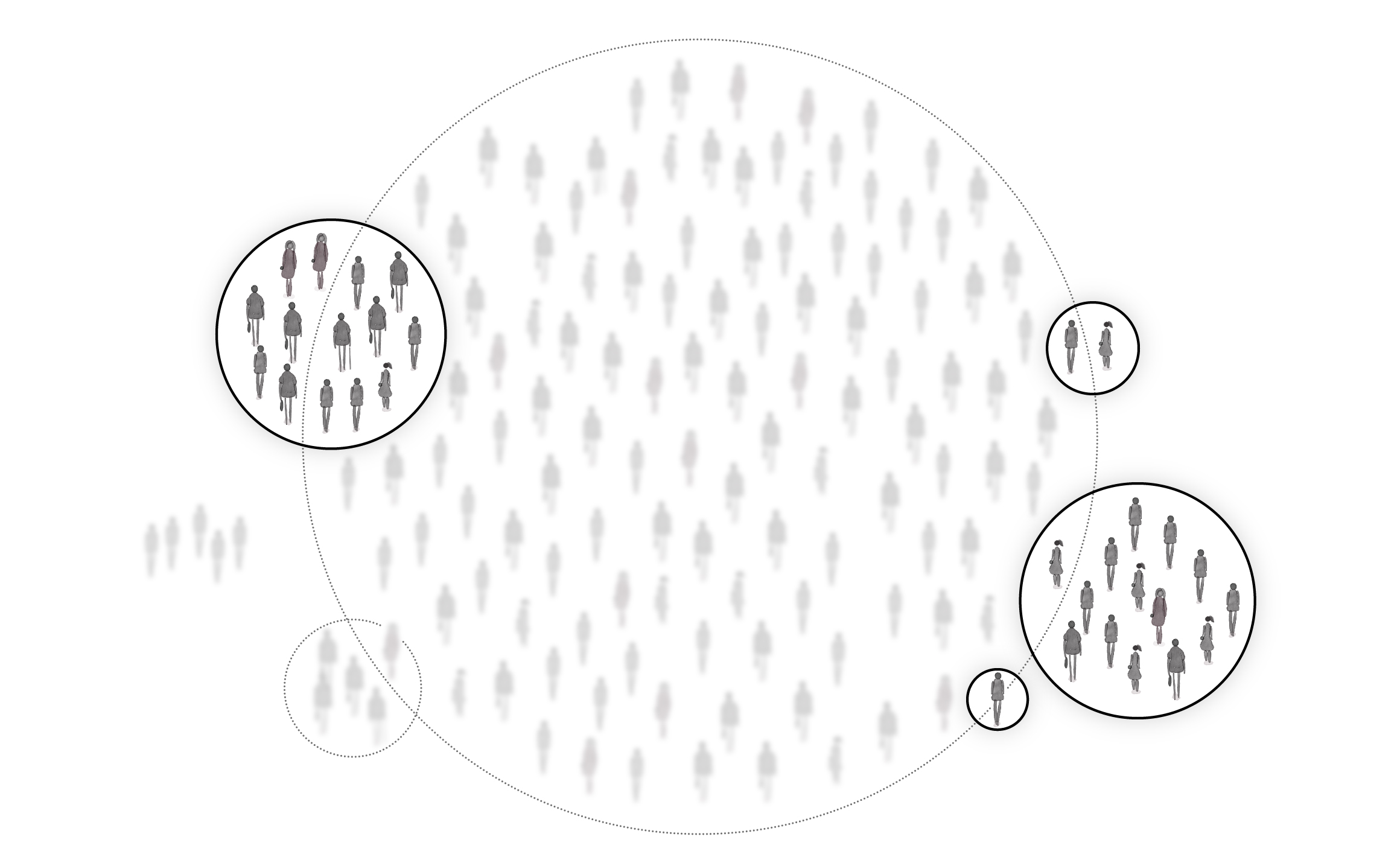
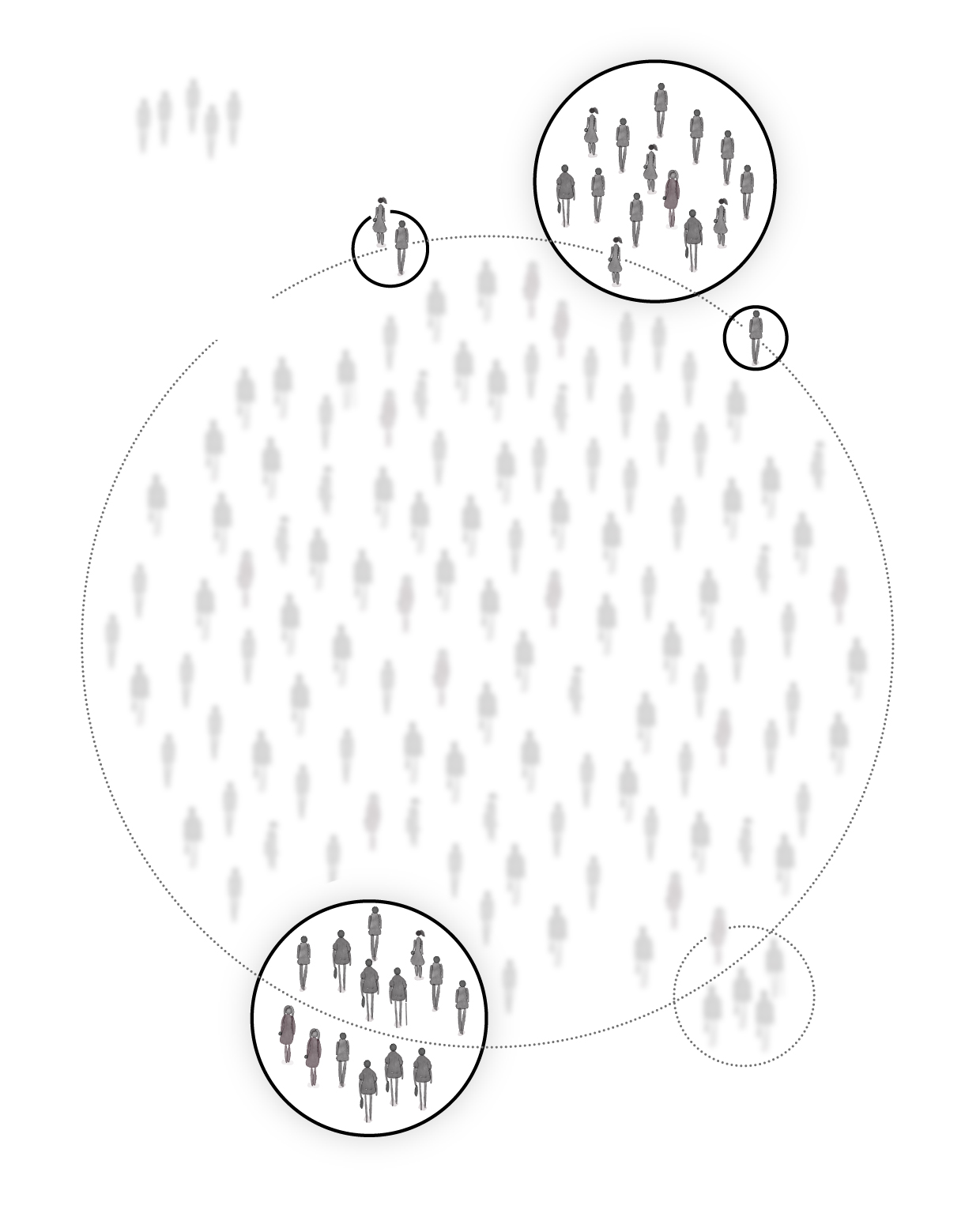
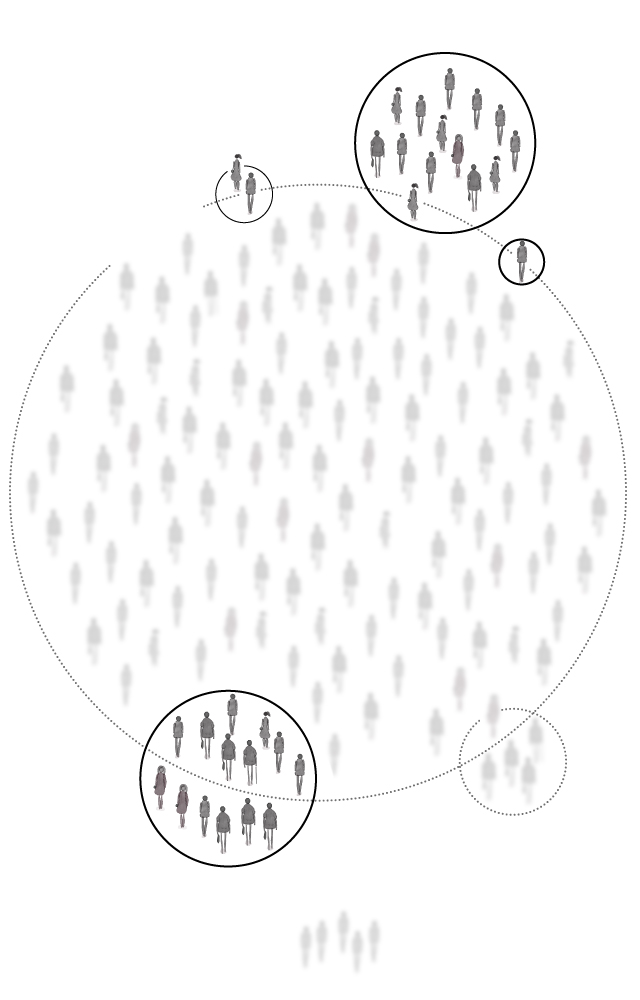
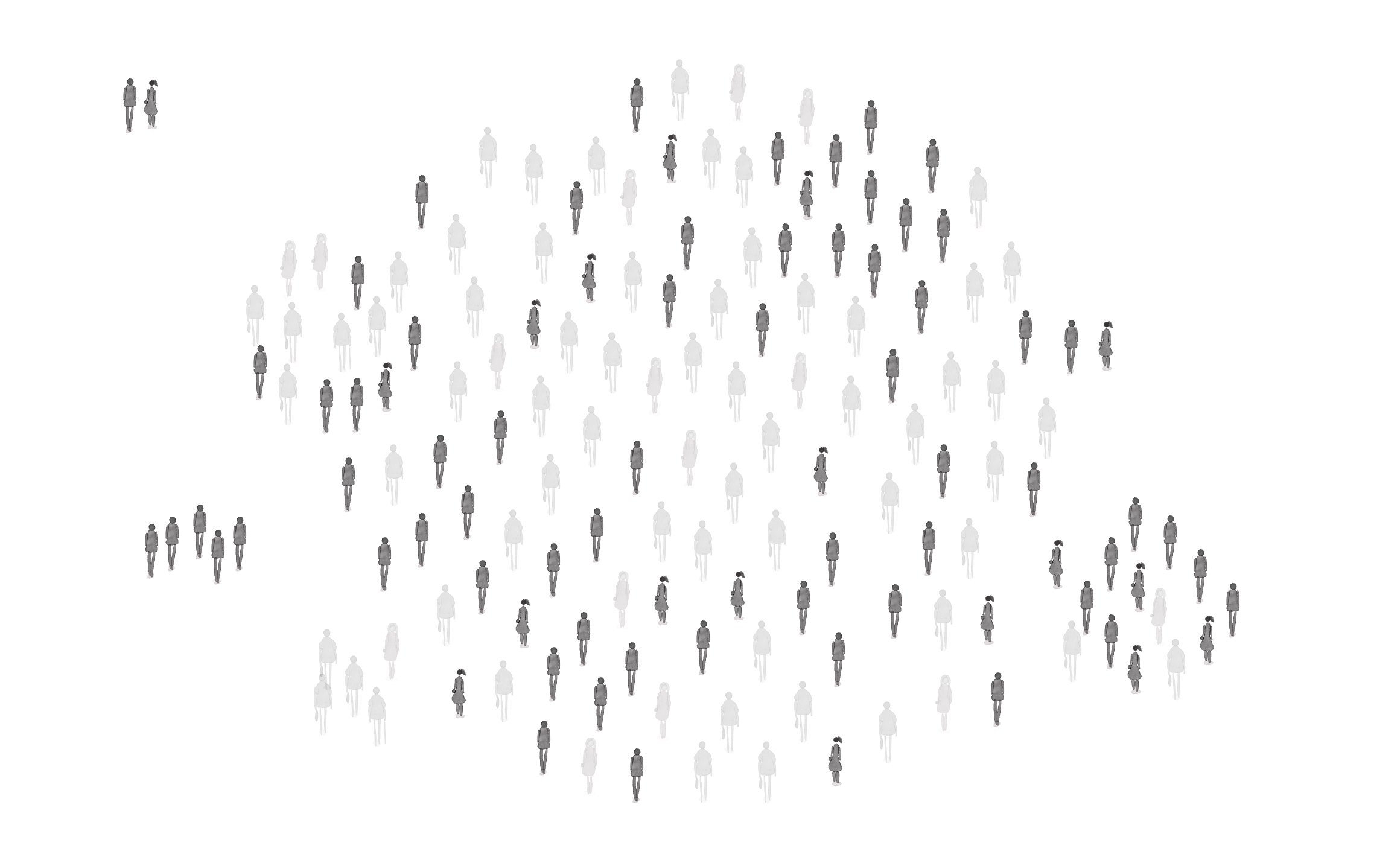
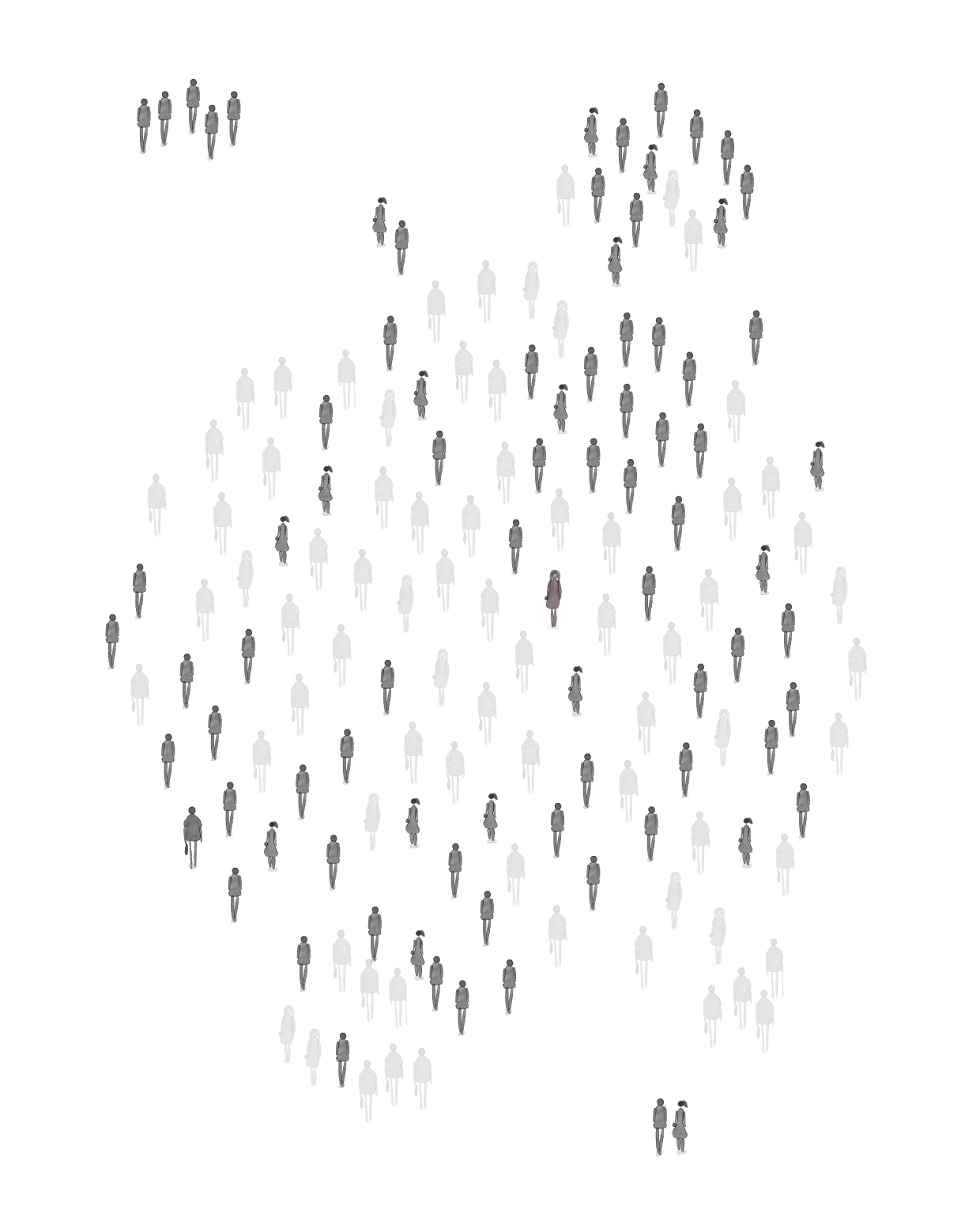
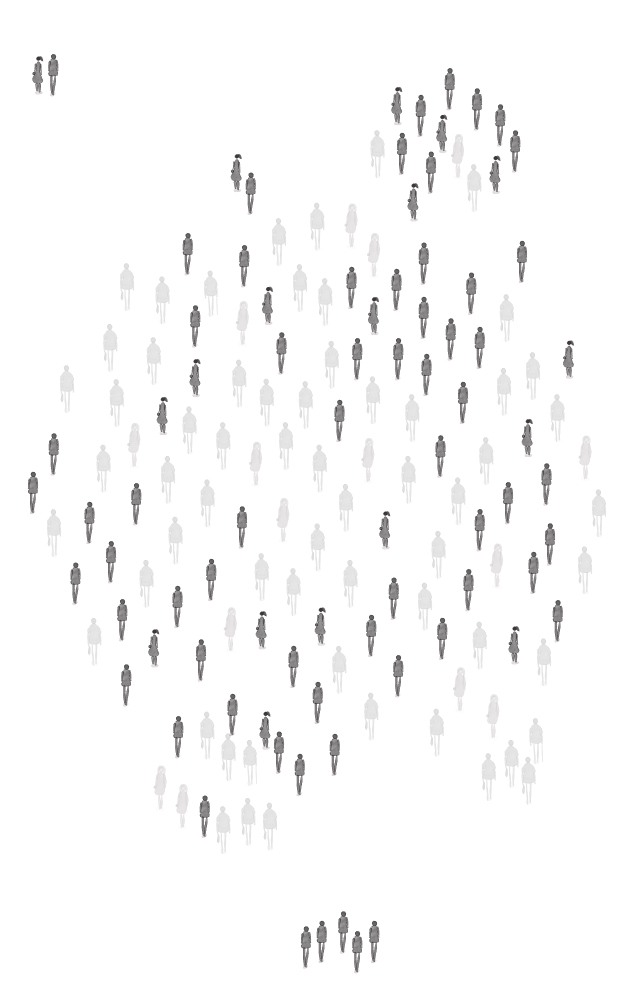
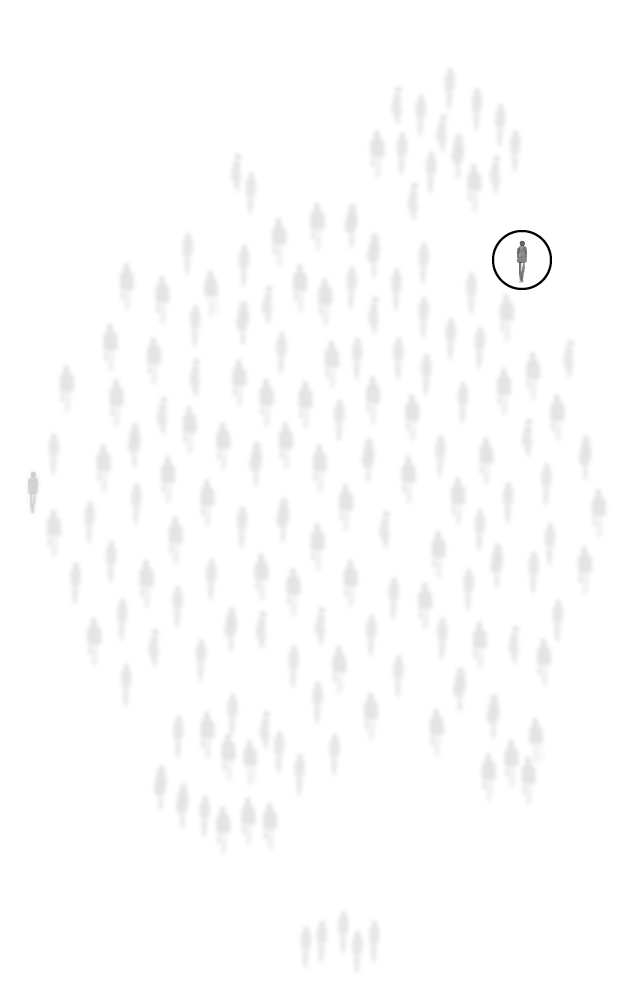
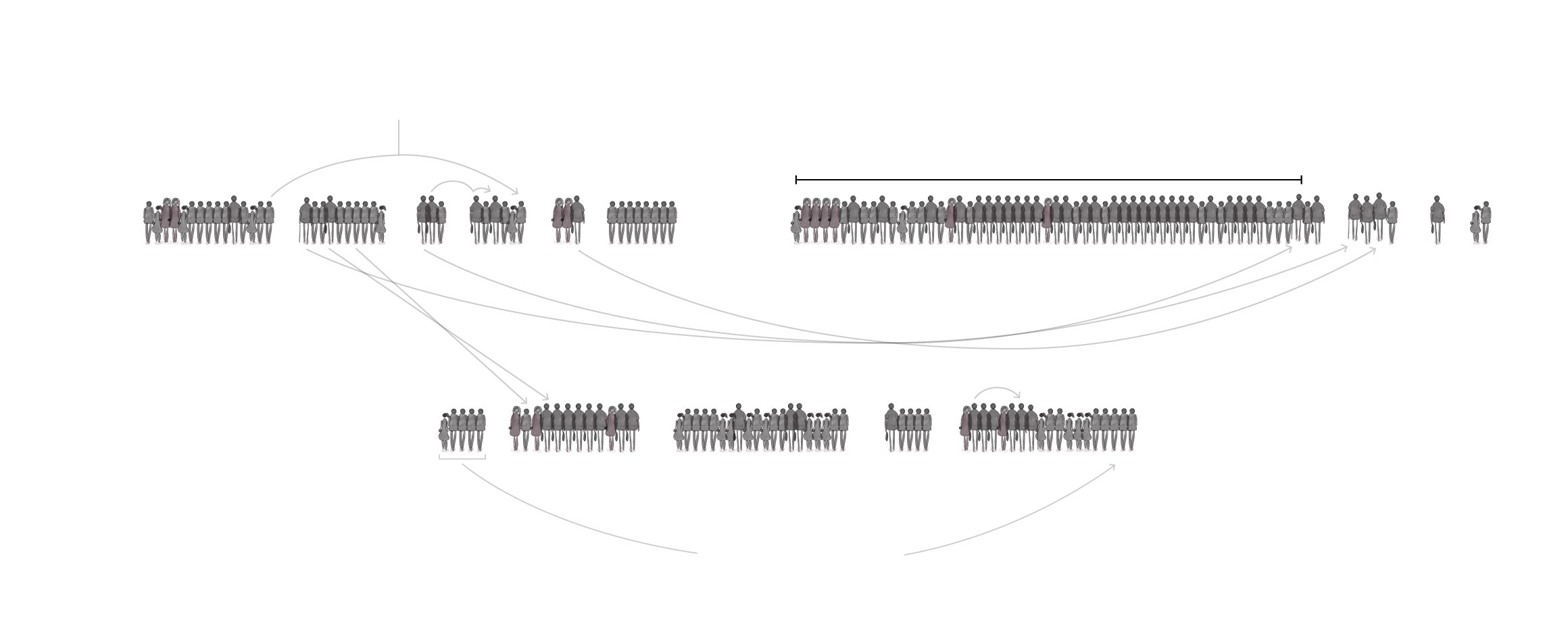
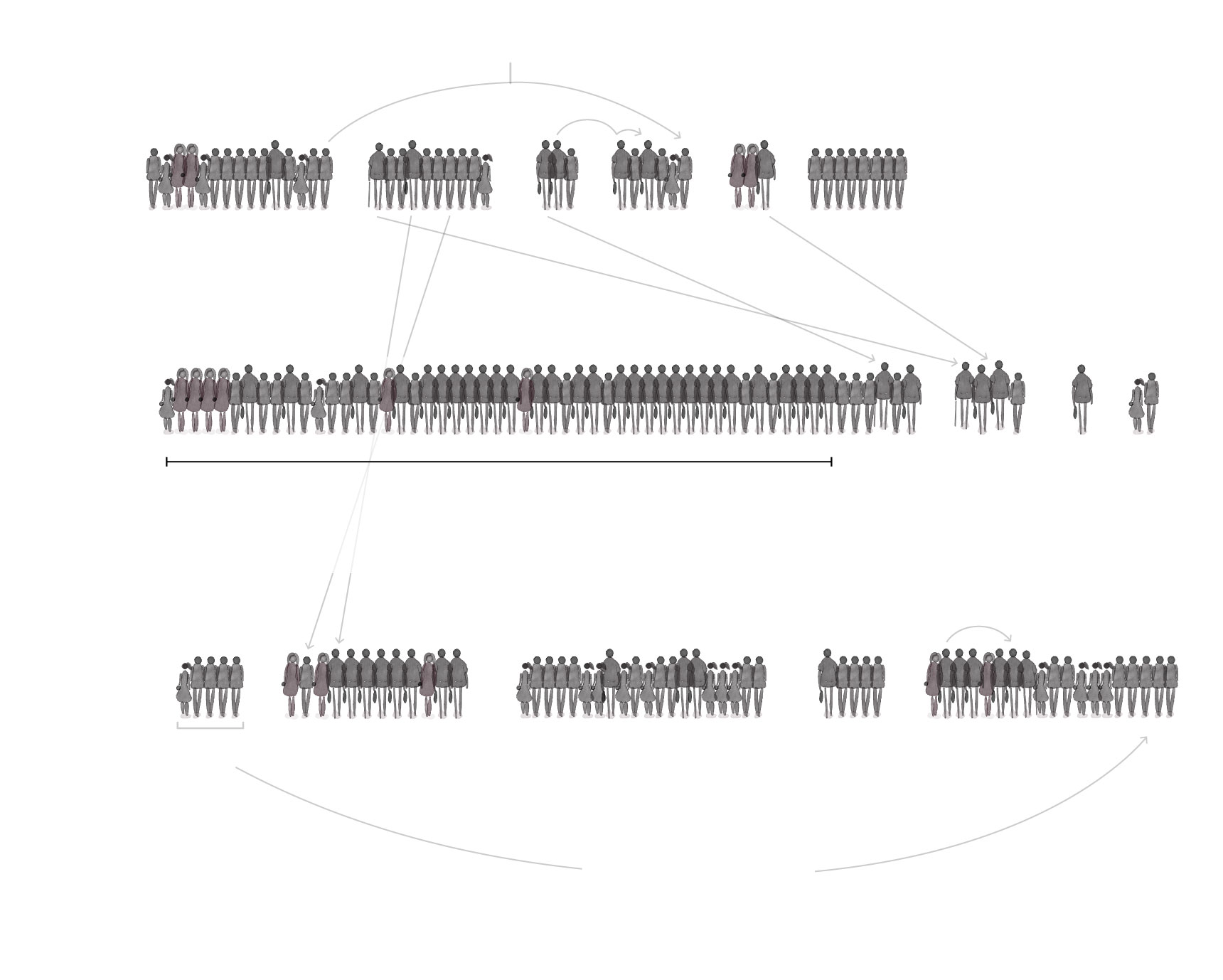
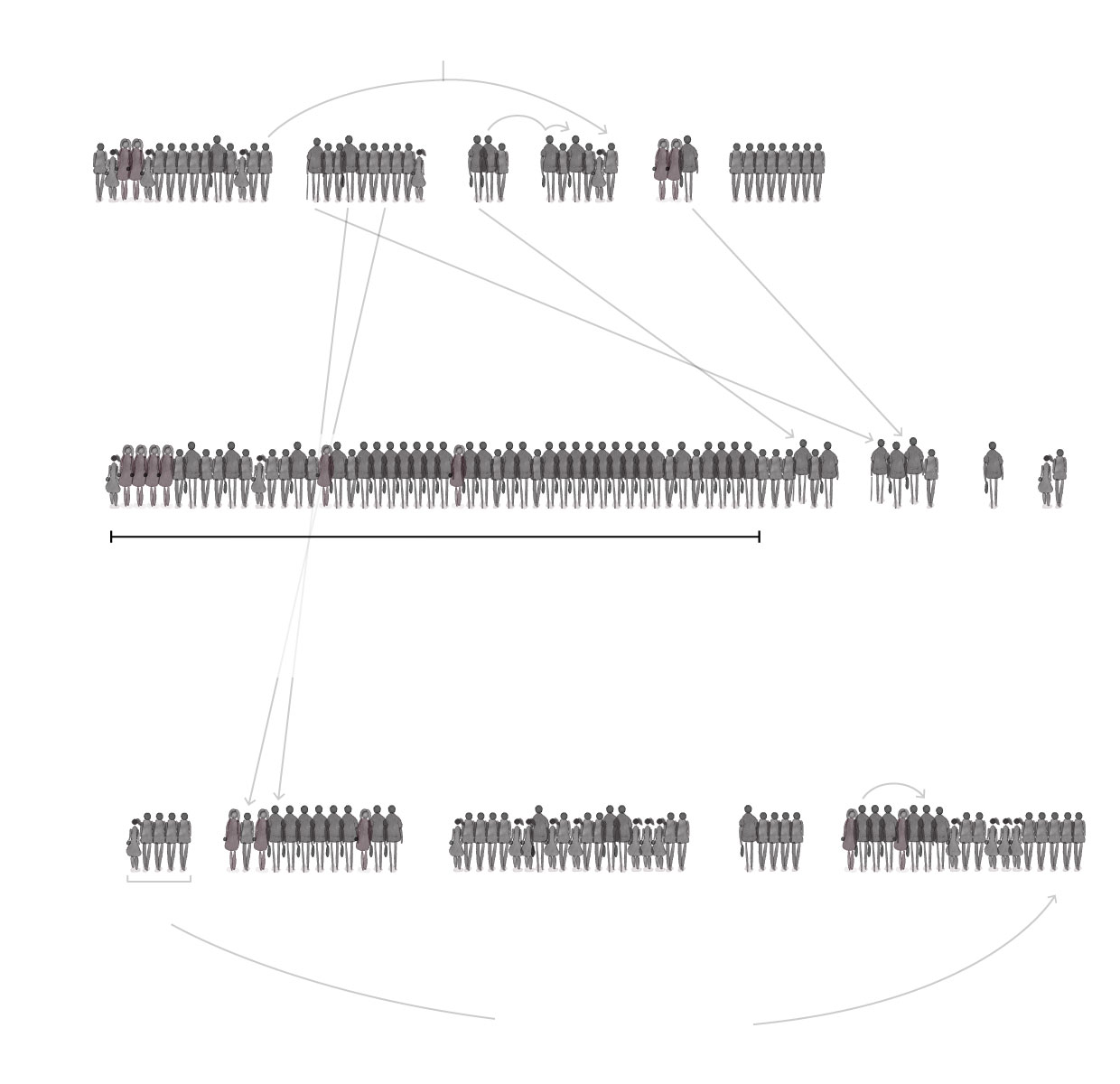
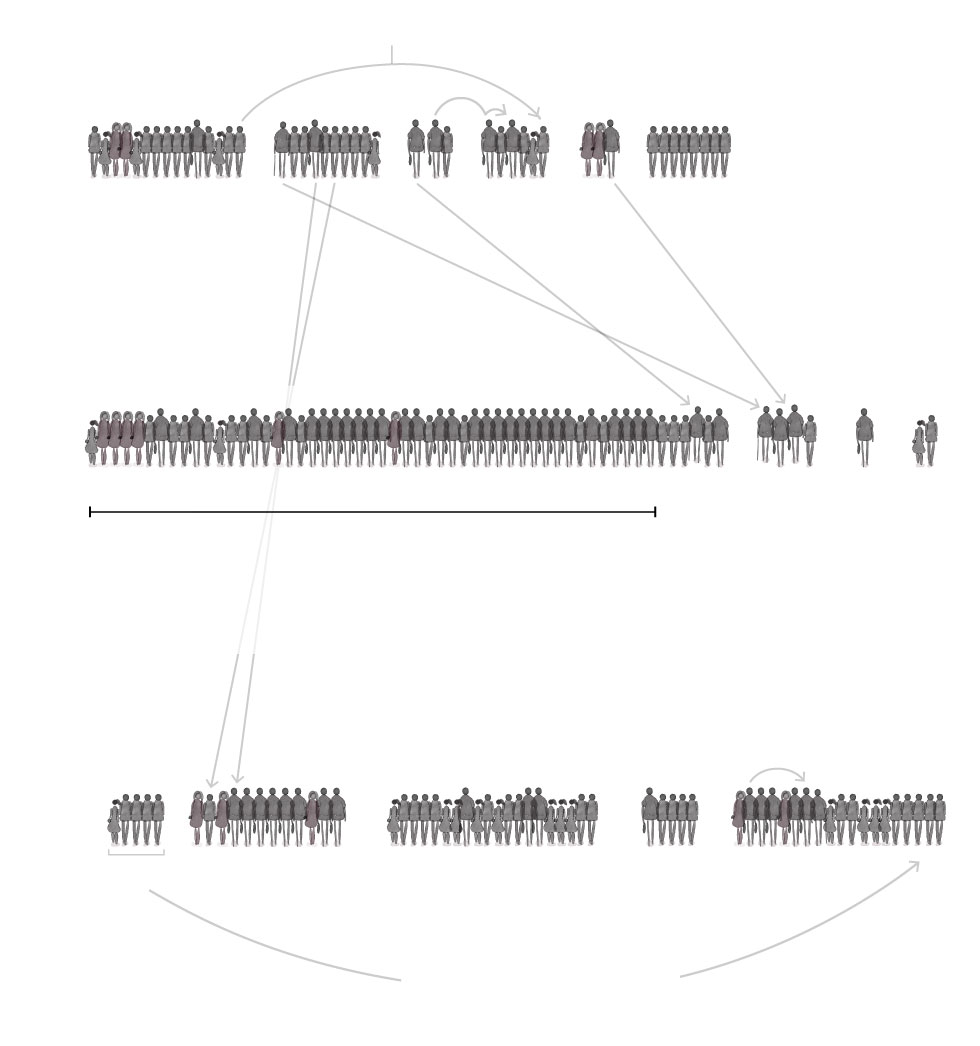
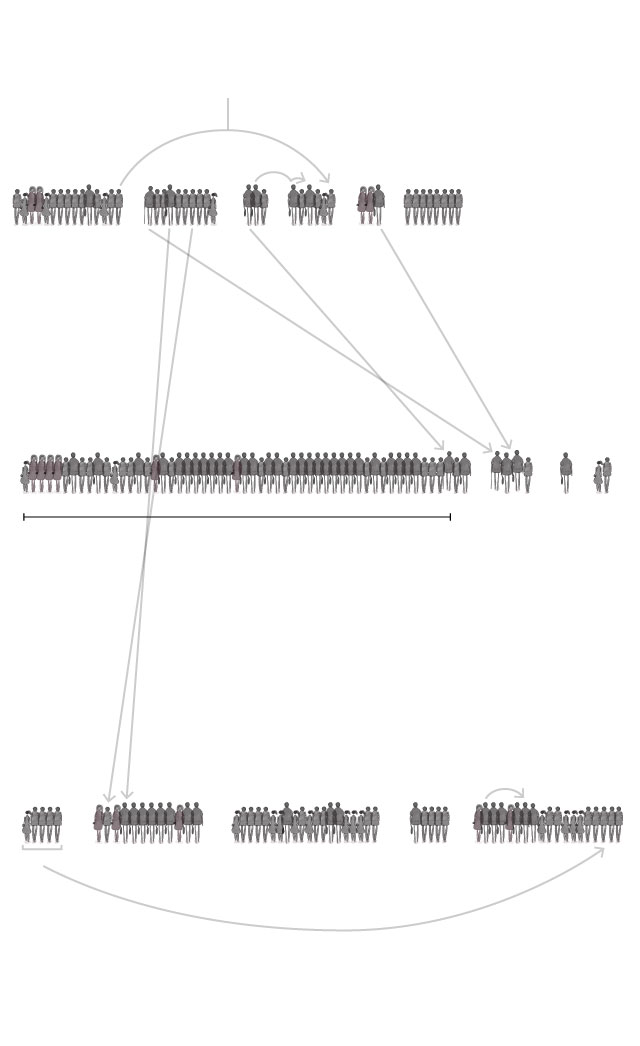
More than 150 people have been arrested by Hong Kong’s National Security Department since the law was enacted in June 2020.
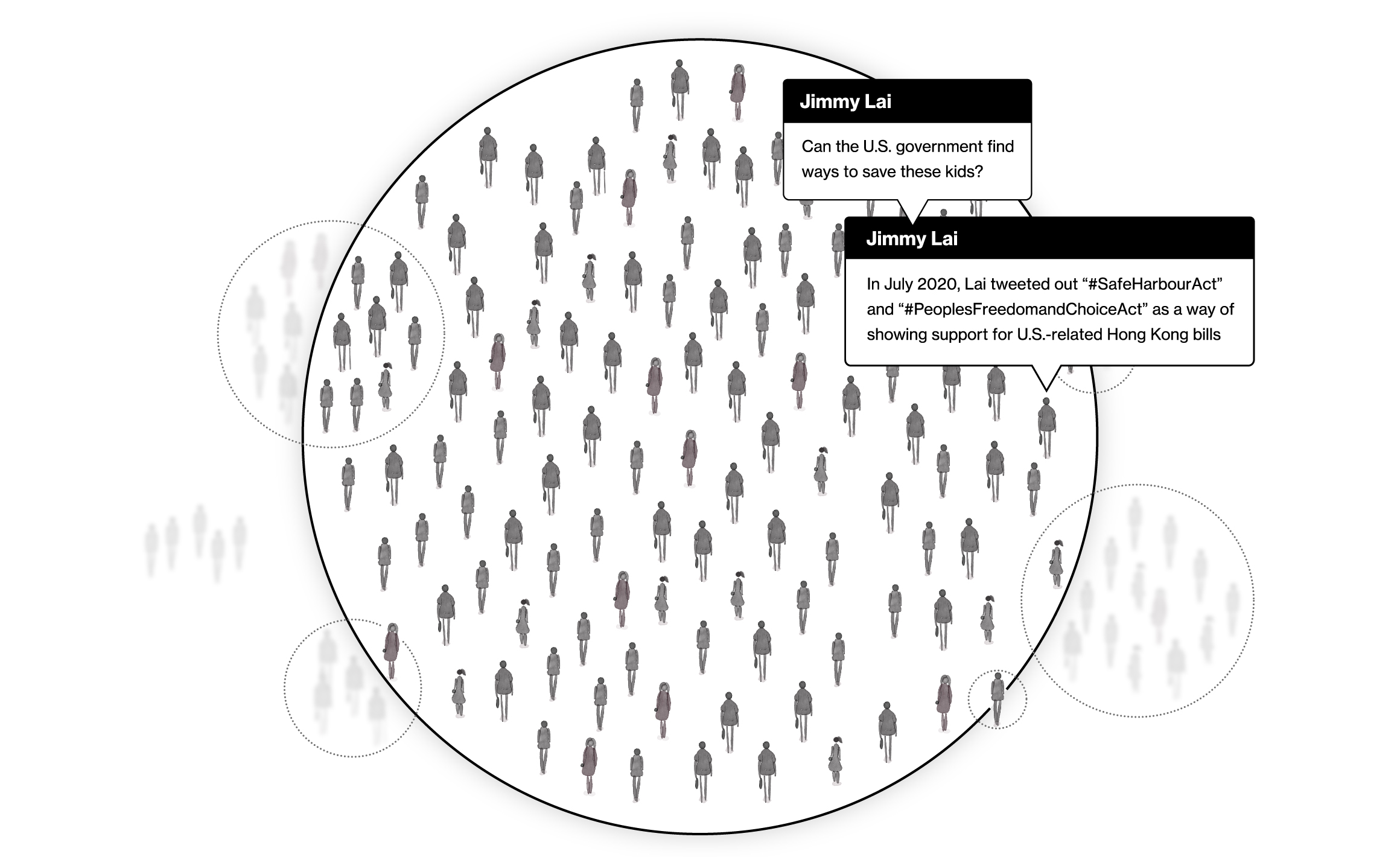
Most were accused of offenses related to their public statements, positions and other political activities. They include media tycoon Jimmy Lai and former student leader Joshua Wong.
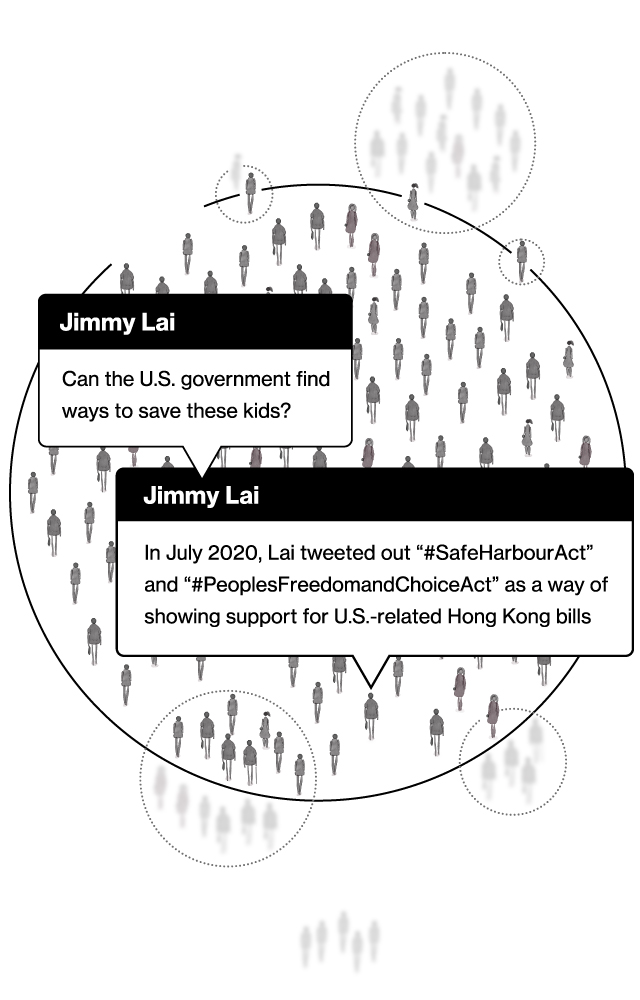
“Can the U.S. government find ways to save these kids?” Lai wrote in one of 18 Twitter posts highlighted by police, according to local media reports.
One person has been detained for an offense that resulted in violence, while 14 others were accused of plotting attacks. Another 14 were arrested over financial activities, including a crowdfunding campaign to help young pro-democracy protesters move to Taiwan.
The group spans all ages, with more than a third between 15 and 28 years old. Women and girls account for about 20% of those arrested.
The government says it is pursuing cases against about 65% of the people arrested, including prominent activists, journalists, lawyers, and academics. The rest have been released, along with a small minority of those awaiting trial.
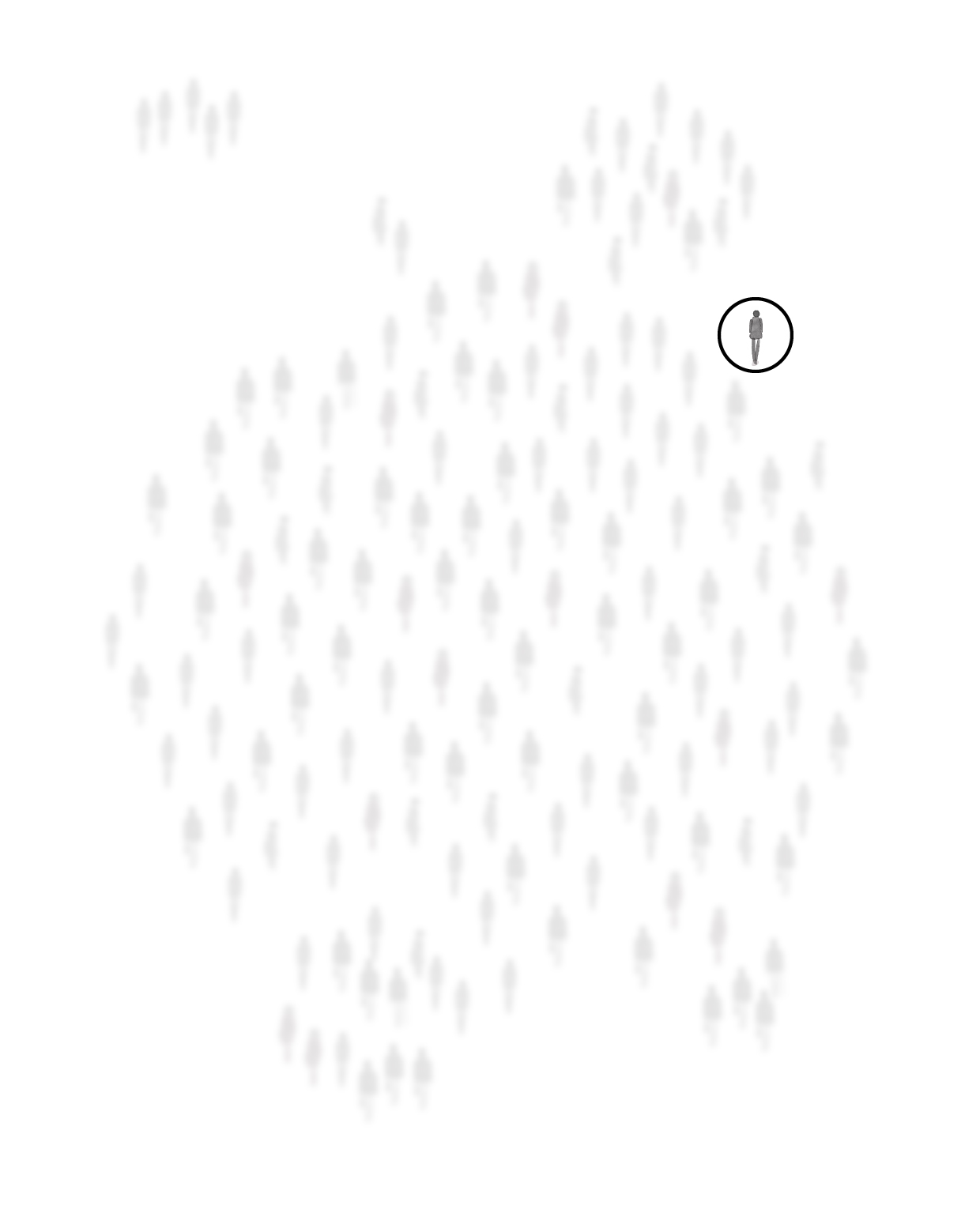
Only one person has been convicted. Tong Ying-kit was sentenced to nine years in prison for incitement to secession and engaging in terrorist activities after driving a motorcycle into a group of police officers, injuring three. Two others have pleaded guilty.
Before the national security law came into force, Chinese and Hong Kong officials including Chief Executive Carrie Lam said it would only target “an extremely small minority” of the city’s residents. But authorities have steadily expanded the number of actions in breach of the law.
“The ways we used to be able to speak our mind are now prevented or deemed illegal,” said Chiu, who took part in the 2019 protests and now closely follows the court cases of some pro-democracy activists. He asked to be identified only by his last name for fear of reprisal. “As a regular Hong Konger, there are very few outlets,” he added.
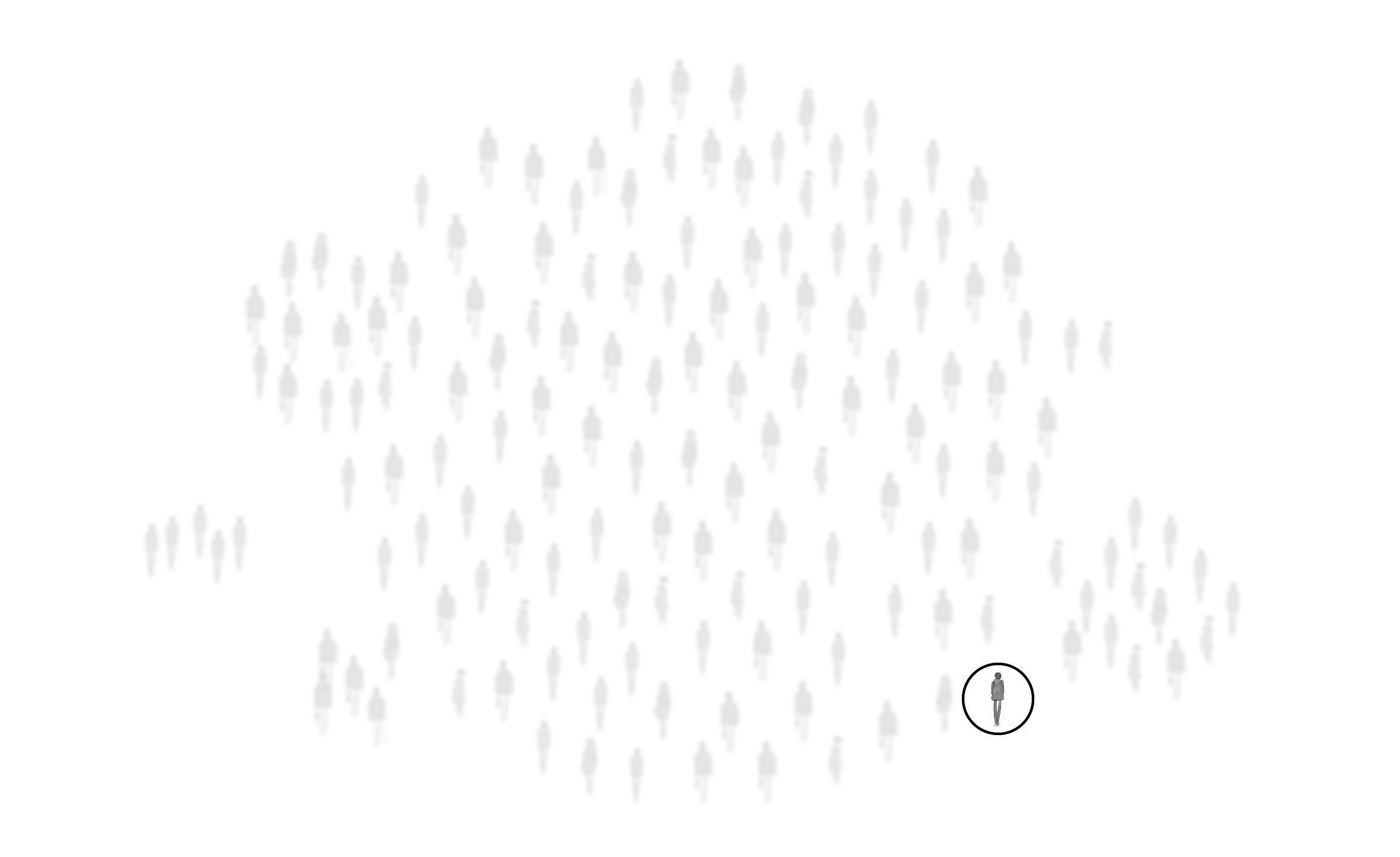
Mass arrests also reinforce the message that dissent will not be tolerated. In January, police carried out the largest single round-up yet, arresting 53 former opposition lawmakers, activists, academics and lawyers for participating in an informal pro-democracy primary ahead of a Legislative Council election that was later postponed.
One-Third of Security Law Arrests Came on a Single Day
On 6 January 2021, more than 50 Hong Kong pro-democracy activists, former legislators, social workers and academics were arrested
Information about what happens at national security trials is limited—courts have placed restrictions on what can be reported from most hearings. “The national security law is something very foreign, something that is very difficult to understand, especially how all the legal court proceedings work,” Chiu said. “If you don’t go to court, you won’t know.”
As Hong Kong’s leaders have ramped up their focus on law and order, expenditure on the city’s growing national security apparatus has also increased.
In its latest annual budget, the government earmarked HK$8 billion ($1 billion) for measures including the police force’s national security unit, a national security office that is not subject to local jurisdiction, and a justice department division to prosecute national security cases. Meanwhile, police force expenditure rose 18.3% in 2019-20 alone, a period including the worst of the protests.
In a written response to questions from Bloomberg, the Hong Kong government said the four offenses covered by the national security law are “clearly defined” and that “law-abiding people will not unwittingly violate” the rules. Any actions taken by law enforcement agencies are strictly based on evidence and aren’t related to any individual’s background or political affiliations, it said.
In addition, the government said the law has reversed “the chaotic situation in Hong Kong” and that “it would be contrary to the rule of law” for any person or sector to be above the legislation.
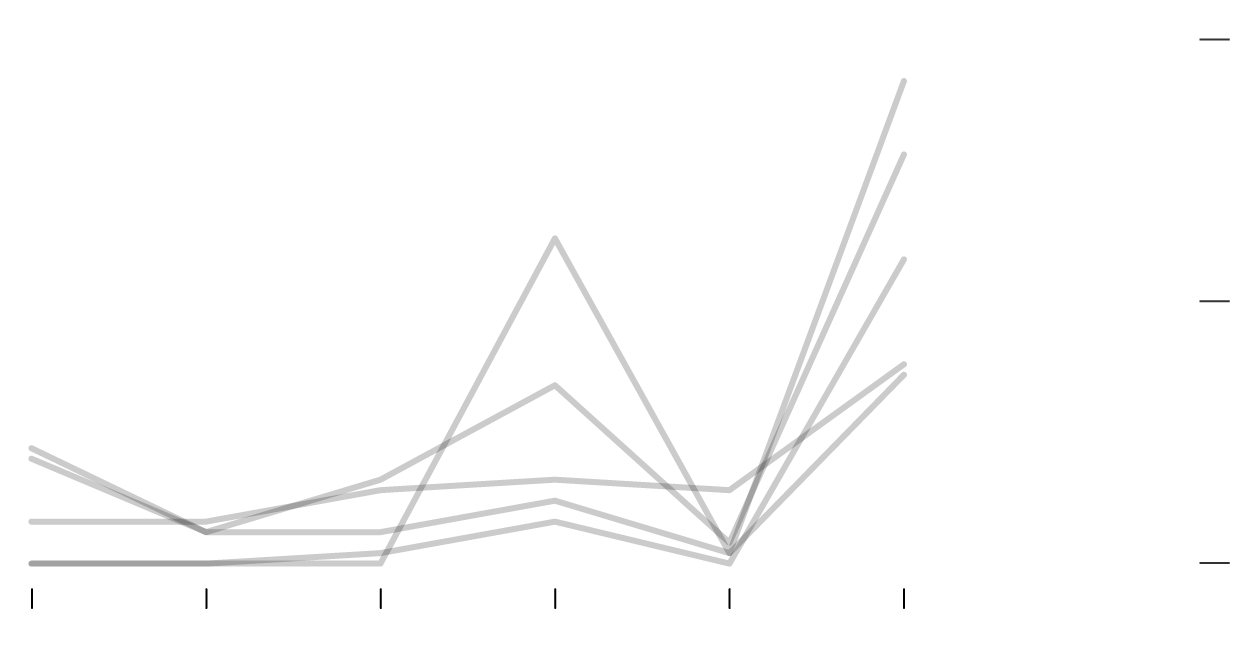
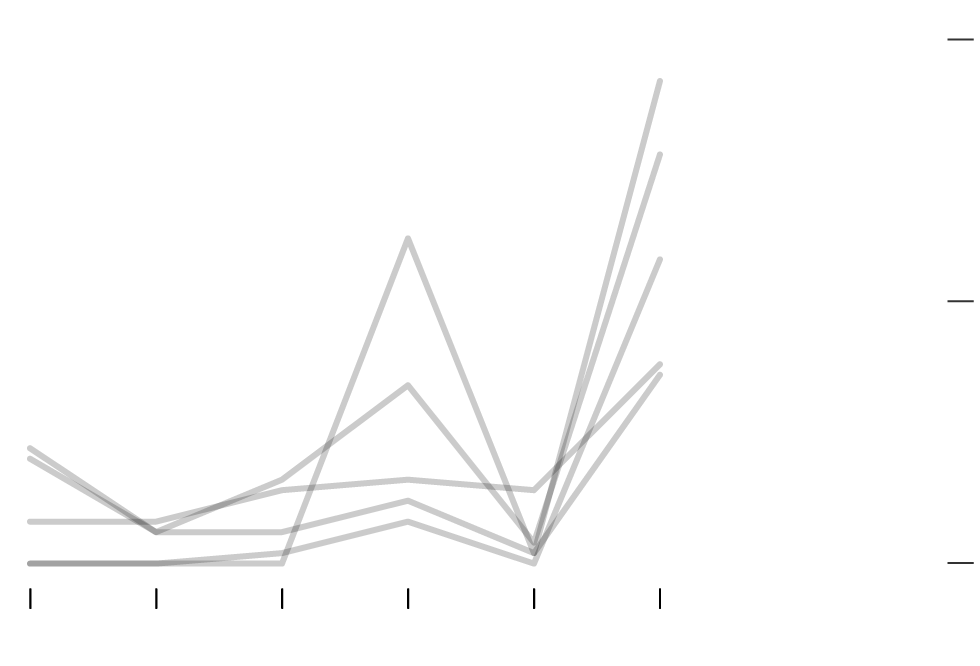
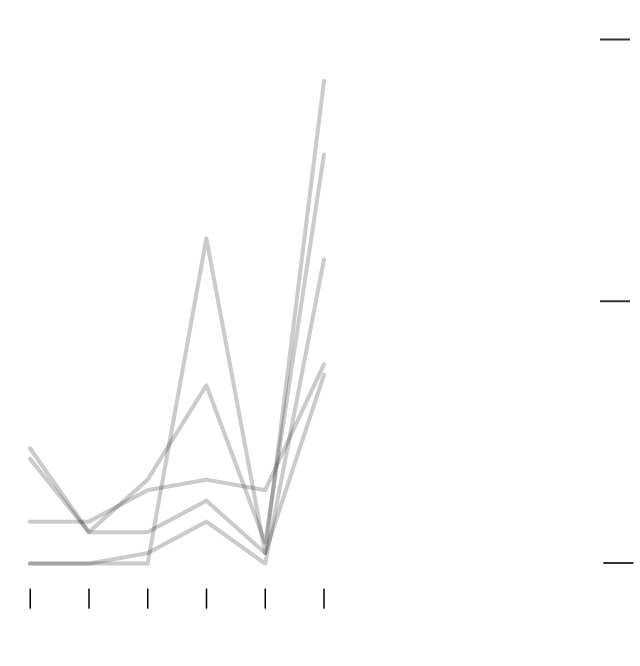
The chief executive’s annual policy addresses also show how Hong Kong is aligning more with the vision of the Communist Party. References to Beijing’s authoritative power and to integration with the mainland have increased notably in recent years, a reminder of China’s absolute sovereignty over the city.
“We have realized Hong Kong won’t be like it was before—the government has a lot of power,” said Fung, a 26-year-old IT worker who asked to be identified only by her Chinese last name. “I can feel that a lot of people are already self-censoring online and when they talk in person as well.”
Leaning on Beijing
China references in speeches by Hong Kong’s leader increase sharply
50
Greater Bay Area
Central government
National security
25
“One country,
two systems”
China
0
2015
2016
2017
2018
2019
2020
50
Greater Bay Area
Central government
National security
25
“One country,
two systems”
China
0
2015
2016
2017
2018
2019
2020
50
Greater Bay Area
Central government
National security
25
“One country,
two systems”
China
0
2015
2020
Source: Hong Kong Chief Executive’s annual policy addresses from 2015-2020. Note: Counts are derived from speech text and segment headings. The length of the speech differs from year to year. Central government includes references to “central authorities”.
Hong Kong’s national security agenda continues to expand. Schools have been ordered to adopt a more patriotic curriculum and the number of directly elected seats on the city’s Legislative Council has been cut. The body, which is now dominated by Beijing-friendly lawmakers, is expected to pass a revamped film censorship law aimed at restricting content considered “contrary to the interests of national security.”
Against this backdrop, and in the wake of the pandemic, Hong Kongers have been emigrating at a record pace. Countries such as Australia, Canada, the U.K. and the U.S. have opened up special visa arrangements for people looking to leave the city.
“I just don’t want my kids to grow up in this society,” said Cheung, who relocated to the U.K. after the national security law was implemented and who asked to be identified by her Chinese last name only. She said China wants everyone to “just listen and follow, and then the government will give you a good life. These game rules aren’t good for society. It’s a main reason I wanted to leave.”
New groups continue to find themselves swept up in the crackdown. The city’s largest independent trade union and teachers’ association—groups representing hundreds of thousands of employees—have disbanded in recent weeks, following criticism in Beijing-backed media and threats of criminal probes. The Hong Kong Journalists’ Association has also been forced to deny claims by the city’s security chief that it has been “infiltrating” public schools.
“The NSL is no way to win people’s hearts and minds,” said Kelly, a 27-year-old business analyst who asked to be identified only by her English first name. “It will create future generations whose hearts and minds will be molded from a young age to love the party, perhaps. But it will only drive those of us who grew up differently further away.”
Edited by: Alyssa McDonald, Brendan Scott and Jane Pong