
Europe’s Giant Job-Saving Experiment Pays Off in Pandemic
Europe’s biggest welfare experiment of modern times is starting to look vindicated.
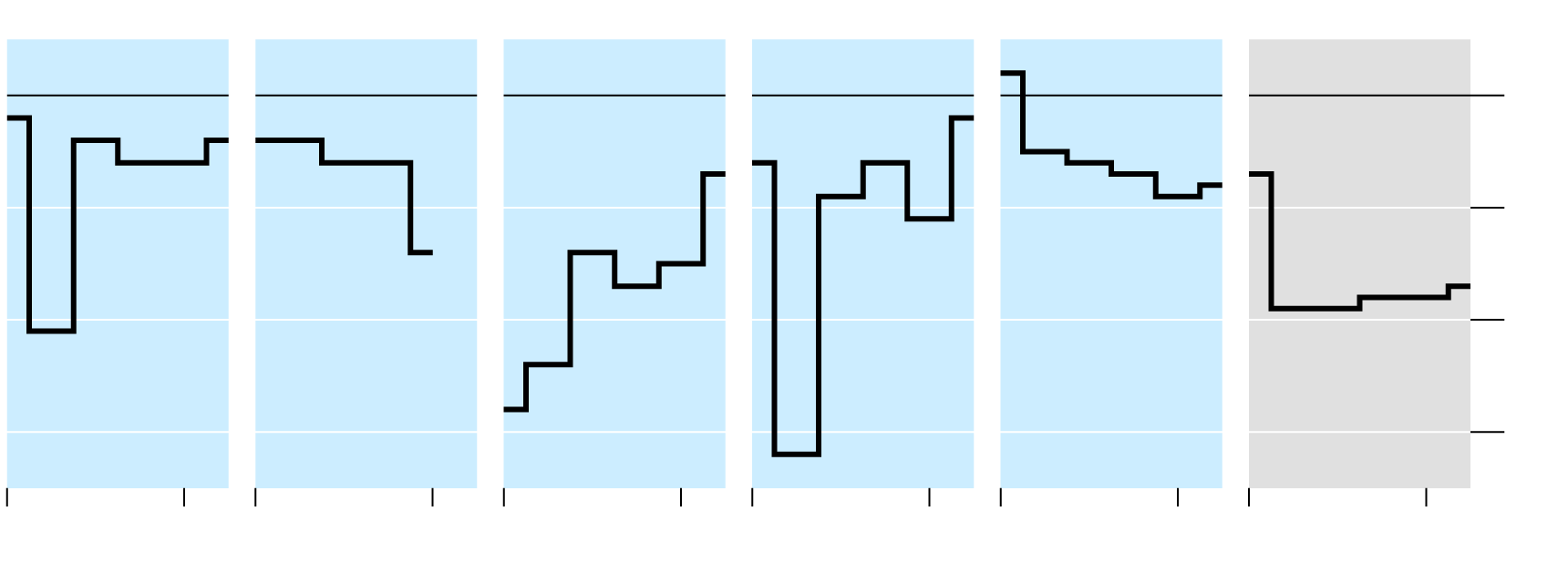
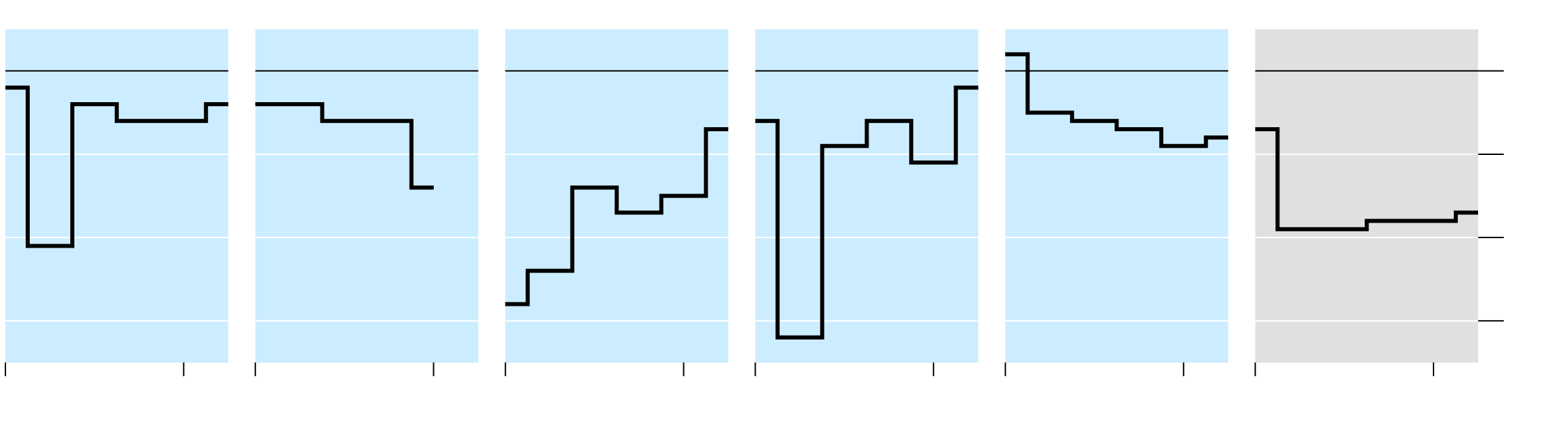
The region’s defining crisis response, of supporting people in jobs even when they’re not working due to the pandemic, has stood the test of 19 months of unprecedented emergency. With the U.K. ending its so-called furlough program this week, the balance of evidence so far suggests such policies averted pain for employees without delaying necessary economic renewal.
European Workers’ Safety Nets

France
Germany
Italy
Spain
U.K.
8.8M
6.6
4.4
2.2
0
April
2020
Jan.
2021
Aug.
2021

France
Germany
Italy
Spain
U.K.
8.8M
6.6
4.4
2.2
0
April
2020
Jan.
2021
Aug.
2021

France
Germany
Italy
8.8M
6.6
4.4
2.2
0
April
2020
Jan.
2021
Aug.
2021
Spain
U.K.
8.8M
6.6
4.4
2.2
0
April
2020
Jan.
2021
Aug.
2021

France
Germany
Italy
8.8M
6.6
4.4
2.2
0
April
2020
Jan.
’21
Aug.
’21
Spain
U.K.
8.8M
6.6
4.4
2.2
0
April
2020
Jan.
’21
Aug.
’21

France
Germany
Italy
Spain
U.K.
8.8M
6.6
4.4
2.2
0
April
2020
Jan.
2021
Aug.
2021
That will revive the debate on whether Europe’s response was more optimal than the U.S. approach of allowing workers to lose their jobs, but addressing the fallout with expanded unemployment aid. The American model has long been touted as a way to spark creative destruction and drive a more enduring rebound.
Judgments on the success of such highly contrasting policies may well provide blueprints for the advanced world’s fiscal responses to future economic emergencies at a time when efforts to turn the tide on widening inequality have become a priority for governments.
“I would bet the European approach was much better,” said Adam Posen, president of the Peterson Institute for International Economics, a Washington-based think tank. “Most of the evidence we have is that increasing labor-market churn is harmful to people’s well-being.”
Europe’s crisis approach meant that its five largest economies—Germany, U.K., France, Italy and Spain—supported as many as 32 million jobs through furlough schemes in April 2020, a figure that has tapered off to about 4 million in the latest data available. Those economies have maintained productive capacity underpinning a strong recovery.
In the U.K., for example, unemployment is now expected to peak at around 5%, compared with fears of more than 12% at the start of the pandemic.
The region’s experience-in-the-making contrasts with that of the 2008 global financial crisis. Then markets were propped up with central-bank stimulus but many jobs were allowed to evaporate, leaving persistent scars of unemployment and inequality.
Germany, with its decades-old furlough model that supports both employers and workers when demand drops, marked a notable exception back then. Its program this time provided a model for other countries across the region to expand or create their own programs in response to the crisis. Europe’s top five economies have spent so far about €196 billion ($230 billion)—or 1.8% of their combined 2020 GDP—to save livelihoods.
Cost of European furlough schemes during the pandemic

U.K.
€77.4B
3.2% of 2020 GDP
Germany
€40.2B
1.2%
France
€35.5B
1.6%
Italy
Spain
€24.2B*
1.5%
€18.8B
1.7%
Meanwhile, U.S. states paid out about $790 billion across regular unemployment insurance and federal benefits in the 17 months through July 2021—or about 3.7% of U.S. 2020 GDP. That figure includes the jobless aid programs created at the start of the pandemic, such as the one for those not traditionally eligible for assistance including self-employed workers.
“The fiscal costs of letting people lose their jobs, which means less revenue from income tax or supporting them through furlough schemes, is comparable,” said Achim Wambach, president of Germany’s ZEW institute, one of the country’s leading economic research organizations.
“You’re stabilizing companies and helping them hold on to workers so they don’t have to deal with the frictions of the job market,” he said.
Safety nets in the U.S. and Europe have long been structurally different. While roughly half of American states have a program similar to Germany’s Kurzarbeit, their scope is limited, and many businesses don’t know they exist.
Instead, the U.S. focuses support on jobless workers. Although those benefits were expanded during the pandemic, quickly distributing aid to the millions who needed it proved extremely challenging.
Here’s a closer look at what to watch out for as labor markets in Europe and the U.S. recover from the coronavirus pandemic.
Job Toll
While the U.S. allowed unemployment to surge to 14.8% when the coronavirus raged in April 2020, Europe’s top five economies sought to avoid that with furlough programs, some of which were hastily created. Joblessness in the euro area peaked at 8.6%.
U.S. payrolls dropped by more than 22 million across March and April 2020. Nearly half of the jobs in leisure and hospitality vanished. While the unemployment rate remains elevated, the economy has clawed back about three-quarters of the jobs lost at the start of the pandemic.
European Furlough Programs Kept Unemployment at Bay

France
Germany
Italy
Spain
U.K.
U.S.
12 ppts.
9
6
3
0
–3
March
2020
Jan.
2021
July
2021

France
Germany
Italy
12 ppts.
9
6
3
0
–3
March
2020
Jan.
2021
July
2021
Spain
U.K.
U.S.
12 ppts.
9
6
3
0
–3
March
2020
Jan.
2021
July
2021

France
Germany
Italy
12 ppts.
9
6
3
0
–3
March
2020
Jan.
2021
July
2021
Spain
U.K.
U.S.
12 ppts.
9
6
3
0
–3
March
2020
Jan.
2021
July
2021

France
Germany
Italy
12 ppts.
9
6
3
0
–3
Mar.
2020
Jan.
’21
July
’21
Spain
U.K.
U.S.
12 ppts.
9
6
3
0
–3
Mar.
2020
Jan.
’21
July
’21

France
Germany
Italy
Spain
U.K.
U.S.
12 ppts.
9
6
3
0
–3
March
2020
Jan.
2021
July
2021
Europe’s unemployment rates are likely to tick higher as support programs end, but the worst seems to have passed. The ultimate verdict will depend on a range of factors, including how quickly people rejoin the labor market, which jobs survive, and how persistent challenges will be for vulnerable groups such as minorities.
Bringing Back Work
A common narrative even before the pandemic was that the U.S. is better at creating jobs because of its greater flexibility in hiring and firing. During the 2008 crisis, losses were more pronounced in the U.S., but the pain lasted longer in Europe. Employment growth there only really started to recover in 2013, after the euro crisis was contained.
This time, European policy makers were worried that another slow, jobs-poor recovery would follow the pandemic. But according to Marion Amiot, a senior European economist at S&P Global Ratings in London, the opposite is happening: companies have already adjusted workforces to a longer-term perspective.
Employee Count Rebounds

France
Germany
Italy
Spain
U.K.
U.S.
0%
–5
–10
–15
March
2020
Jan.
2021
Aug.
2021

France
Germany
Italy
0%
–5
–10
–15
March
2020
Jan.
2021
Aug.
2021
Spain
U.K.
U.S.
0%
–5
–10
–15
March
2020
Jan.
2021
Aug.
2021

France
Germany
Italy
0%
–5
–10
–15
March
2020
Jan.
2021
Aug.
2021
Spain
U.K.
U.S.
0%
–5
–10
–15
March
2020
Jan.
2021
Aug.
2021

France
Germany
Italy
0%
–5
–10
–15
Mar.
2020
Jan.
’21
Aug.
’21
Spain
U.K.
U.S.
0%
–5
–10
–15
Mar.
2020
Jan.
’21
Aug.
’21

France
Germany
Italy
Spain
U.K.
U.S.
0%
–5
–10
–15
March
2020
Jan.
2021
Aug.
2021
“The jobs recovery has definitely taken hold,” she said. “When you look at the U.S. now, the hiring process is not as smooth because you don’t have workers on the payroll. So companies are competing for new staff.”
Read more: High Quits Rates, Poaching: U.S. Firms Are Plagued by Turnover
Bringing Back Workers
In both Europe and the U.S., a key challenge is getting workers to return too. Swaths of people have given up on looking for a job altogether—for a variety of reasons—and are no longer counted as unemployed. That effect has hurt labor force participation, and distorted joblessness tallies.
In part due to an aging population, participation in the U.S. steadily declined for more than a decade after the turn of the century, but began to reverse slightly in the years before the pandemic as a tight labor market and higher wages drew Americans off the sidelines. In Europe, the share of people active in the labor market was growing.
The pandemic erased much of those gains everywhere as virus fears, business closures and shuttered schools and daycares kept millions of people from seeking work. Those effects are expected to dissipate after the crisis, but the long-term impact remains unclear.
Pushed Aside the Labor Force
France
Germany
Italy
Spain
U.K.
U.S.
0 ppts.
–1
–2
–3
Q1
2020
Q1
2021
France
Germany
Italy
0 ppts.
–1
–2
–3
Q1
2020
Q1
2021
Spain
U.K.
U.S.
0 ppts.
–1
–2
–3
Q1
2020
Q1
2021
France
Germany
Italy
0 ppts.
–1
–2
–3
Q1
2020
Q1
2021
Spain
U.K.
U.S.
0 ppts.
–1
–2
–3
Q1
2020
Q1
2021
France
Germany
Italy
0 ppts.
–1
–2
–3
Q1
2020
Q1
2021
Spain
U.K.
U.S.
0 ppts.
–1
–2
–3
Q1
2020
Q1
2021
France
Germany
Italy
Spain
U.K.
U.S.
0 ppts.
–1
–2
–3
Q1
2020
Q1
2021
“Once the labor market gets tighter and the pandemic effects are over, then there is only one thing left, which is: has there been a major shift in the mindset of some people about not wanting to work?” said Gad Levanon, head of the Conference Board Labor Market Institute.
Levanon reckons the U.S. approach creates faster productivity growth because it fosters a quicker adjustment of resources to growing industries. But Posen worries the crisis could cause scarring as Americans confront job losses, causing them to think twice about returning to work.
“If the U.S. system ends up producing lower labor force participation than the European system at the end of this, then that’s a pretty negative verdict,” Posen said.
The most efficient system may also depend on the nature of the economic shock, said Aysegul Sahin, an economist at the University of Texas at Austin. For example, when the 2007–2009 recession started, Sahin reckons the U.S. didn’t need as much of the labor force working in construction. But in the case of the pandemic-driven recession, the European model is “a better fit because we wanted to keep the matches intact,” she said.
Pockets of Vulnerability
Even if Europe’s approach has its merits, many economists caution that it’s too soon to tell whether safety nets there hindered necessary structural economic shifts. Many southern countries, for instance, have a strong reliance on tourism, an industry still blighted by the pandemic. Furloughs may not have provided enough incentives for people to re-skill.
“If the new jobs are going to be in a different area to where the old jobs were, it doesn’t make so much sense from a policy perspective to be supporting jobs that won’t be sustainable,” according to Brian Coulton, chief economist at Fitch Ratings in London.
For now, data show that vacancies across many sectors in Europe are outpacing demand for jobs, signaling that such concerns aren’t materializing. French companies, for example, have reported a sharp increase in hiring difficulties even as the number of people on furlough has fallen sharply with the ending of nearly all restrictions in worst-hit sectors.
Labor Market Mismatch

France Q1 2021
Germany August 2021
Italy Q2 2021
Hospitality
Manufacturing
Market services
Trade
Hospitality
Other services (excl. public admin.)
Transportation, storage
Transportation, storage
Industry
Information, communication
Professional and technical services
Construction
Agriculture, fishing
Information, communication
Finance, insurance, real estate
Trade (incl. vehicle repair)
Industry
Construction
Construction
Business services
Health, public and social services
All other sectors combined
0
0.25
0.5
0.75
1M
Spain June 2021
U.K. July 2021
Hospitality
Hospitality
Trade (incl. vehicle repair)
Trade (incl. vehicle repair)
Manufacturing
Admin. and support services
Admin. and support services
Manufacturing
Transportation, storage
Transportation, storage
Arts, entertainment, recreation
Energy
Professional and technical services
Finance, insurance
Construction
Public admin., defence, social security
Public admin., defence, social security
Health, social services
0
0.25
0.5
0.75
1M

France Q1 2021
Germany August 2021
Italy Q2 2021
Hospitality
Manufacturing
Market services
Trade
Hospitality
Other services (excl. public admin.)
Transportation, storage
Transportation, storage
Industry
Information, communication
Professional and technical services
Construction
Agriculture, fishing
Information, communication
Finance, insurance, real estate
Trade (incl. vehicle repair)
Industry
Construction
Construction
Business services
Health, public and social services
All other sectors combined
0
0.25
0.5
0.75
1M
Spain June 2021
U.K. July 2021
Hospitality
Hospitality
Trade (incl. vehicle repair)
Trade (incl. vehicle repair)
Manufacturing
Admin. and support services
Admin. and support services
Manufacturing
Transportation, storage
Transportation, storage
Arts, entertainment, recreation
Energy
Professional and technical services
Finance, insurance
Construction
Public admin., defence, soc. security
Public admin., defence, soc. security
Health, social services
0
0.25
0.5
0.75
1M

France Q1 2021
Germany August 2021
Hospitality
Manufacturing
Trade
Hospitality
Transportation, storage
Transportation, storage
Information, communication
Professional and technical services
Agriculture, fishing
Information, communication
Finance, insurance, real estate
Trade (incl. vehicle repair)
Industry
Construction
Construction
Business services
Health, public and social services
All other sectors combined
0
0.25
0.5
0.75
1M
Italy Q2 2021
Spain June 2021
Market services
Hospitality
Other services (excl. public admin.)
Trade (incl. vehicle repair)
Industry
Manufacturing
Construction
Admin. and support services
Transportation, storage
Arts, entertainment, recreation
Professional and technical services
Construction
Public admin., defence, soc. security
0
0.25
0.5
0.75
1M
U.K. July 2021
Hospitality
Trade (incl. vehicle repair)
Admin. and support services
Manufacturing
Transportation, storage
Energy
Finance, insurance
Public admin., defence, soc. security
Health, social services
0
0.25
0.5
0.75
1M

France Q1 2021
Germany August 2021
Hospitality
Manufacturing
Trade
Hospitality
Transportation, storage
Transportation, storage
Information, communication
Profess. and technical services
Agriculture, fishing
Information, communication
Finance, insurance, real estate
Trade (incl. vehicle repair)
Industry
Construction
Construction
Business services
Health, public and soc. services
All other sectors combined
0
0.25
0.5
0.75
1M
Spain June 2021
Italy Q2 2021
Market services
Hospitality
Trade (incl. vehicle repair)
Other services (excl. publ. admin.)
Industry
Manufacturing
Construction
Admin. and support services
Transportation, storage
Arts, entertain., recreation
Profess. and technical serv.
Construction
Publ. admin., defence, soc. sec.
0
0.25
0.5
0.75
1M
U.K. July 2021
Hospitality
Trade (incl. vehicle repair)
Admin. and support services
Manufacturing
Transportation, storage
Energy
Finance, insurance
Publ. admin., defence, soc. sec.
Health, social services
0
0.25
0.5
0.75
1M

France Q1 2021
Germany August 2021
Italy Q2 2021
Spain June 2021
U.K. July 2021
Hospitality
Manufacturing
Market services
Hospitality
Hospitality
Trade
Hospitality
Other services (excl. public admin.)
Trade (incl. vehicle repair)
Trade (incl. vehicle repair)
Transportation, storage
Transportation, storage
Industry
Manufacturing
Admin. and support services
Information, communication
Professional and technical services
Construction
Admin. and support services
Manufacturing
Agriculture, fishing
Information, communication
Transportation, storage
Transportation, storage
Finance, insurance, real estate
Trade (incl. vehicle repair)
Arts, entertainment, recreation
Energy
Industry
Construction
Professional and technical services
Finance, insurance
Construction
Business services
Construction
Public admin., defence, social security
Health, public and social services
All other sectors combined
Public admin., defence, social security
Health, social services
0
0.25
0.5
0.75
1M
Europe’s welfare model didn’t help everyone. For example, furloughs were less tailored to self-employed workers, who found themselves particularly impacted by the pandemic.
For Europe and the U.S. too, assessing the long-term impact of how policies cushioned the effects on young people and women, both disproportionately affected groups, will also be a test of their success.
“It will be key to see if there are distributional consequences from the two models,” said Bloomberg Economics’ Maeva Cousin, “especially between ‘insiders’—those who were in stable employment before Covid—and ‘outsiders’—new entrants or temporary workers who would have normally been looking for employment during the crisis.”