States Dole Out Cash to College Kids, Theaters in $200 Billion ‘Experiment’
New Jersey is bailing out cash-strapped renters whose debts piled up during the national eviction moratorium. Florida is writing $1,000 checks to police officers. Louisiana is adding to a fund it uses to rebuild from storms like Hurricane Ida, which just ripped through the state.
They’re among states nationwide that have been figuring out how to spend nearly $200 billion of direct aid provided in President Joe Biden’s American Rescue Plan—an unprecedented handout intended to ensure that the U.S. economic recovery wouldn’t be derailed by the type of fiscal crisis that followed the last recession.
Disclosures by the states show that much of the money has yet to be spent, meaning it will continue to help stoke the economy. At least $81 billion has already been spent or appropriated by states for specific uses, according to data compiled by Bloomberg from over 40 states. Getting the aid out will take time, and some programs are designed to use the funds over years.
How Much of the Funds Did States Allocate?
- Allocated or Spent
- Unallocated
- Lacking Visibility
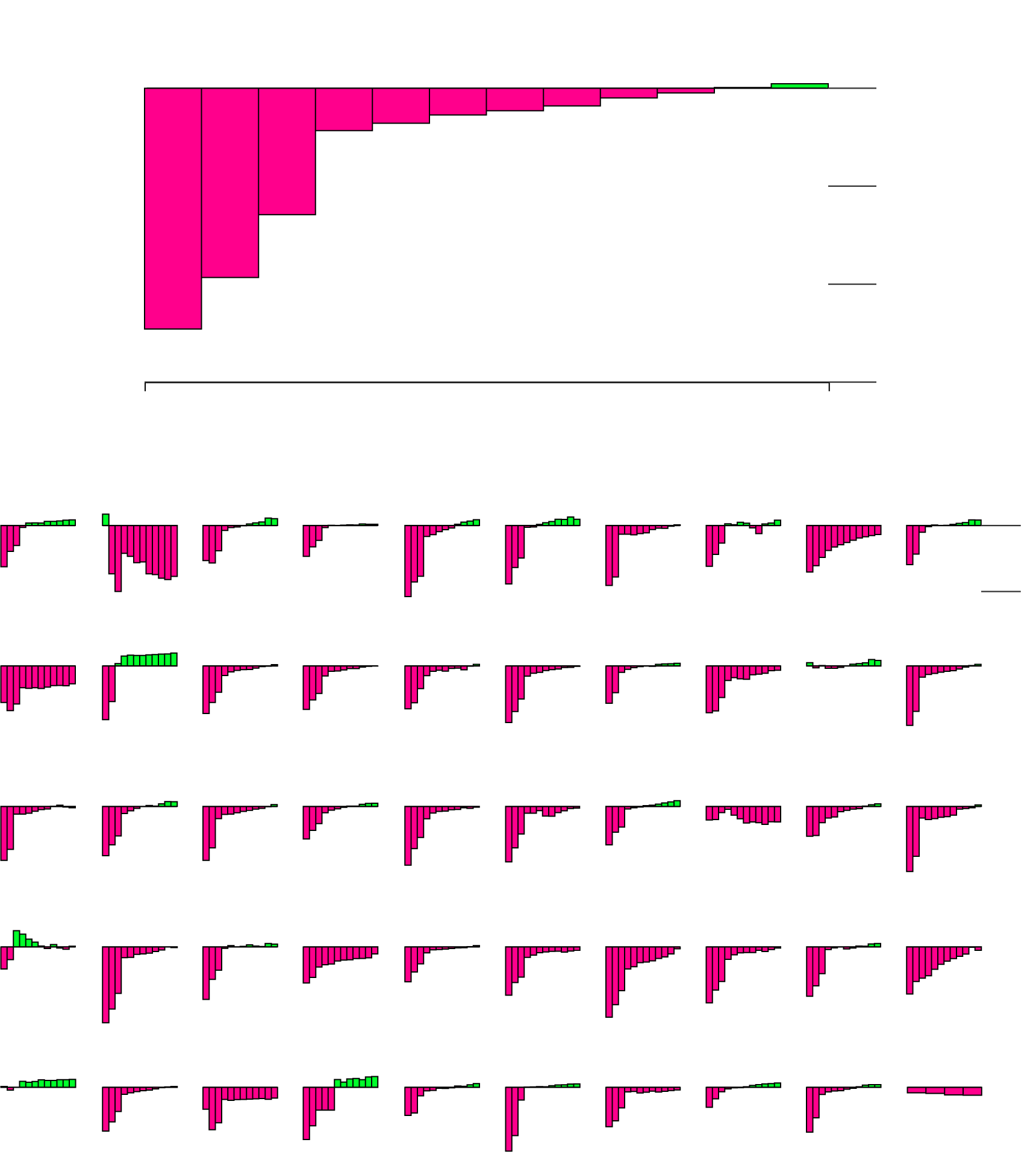
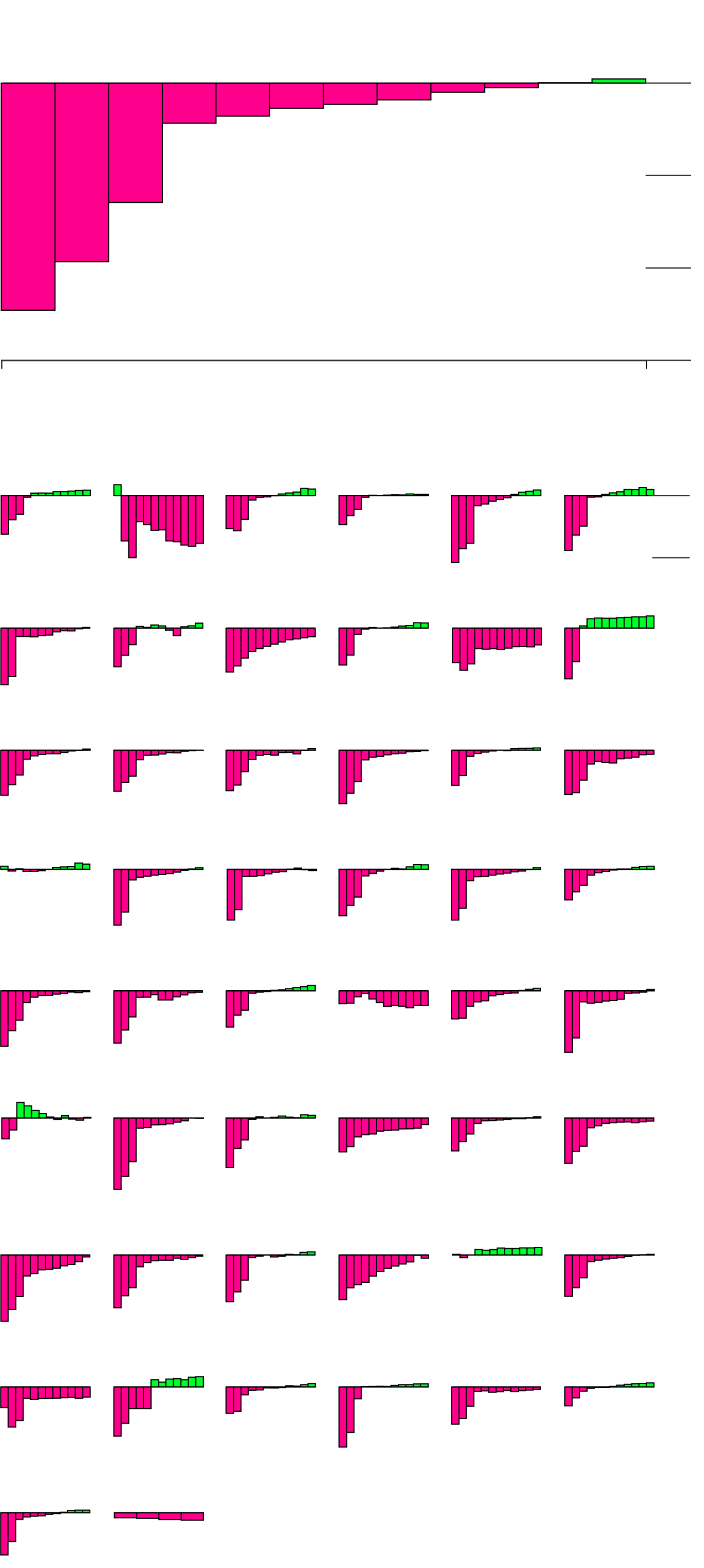
One reason: Some states’ tax collections rebounded surprisingly quickly from the pandemic, due in part to the stock market’s rally, the ability of high earners to work at home and massive stimulus measures from Washington.
That means governors generally don’t need to draw on the funds to close massive budget gaps like those that triggered rounds of painful austerity measures over a decade ago. Instead, they have the luxury—and time—to figure out how to best use it for public works, social programs, and measures that would help repair the economic toll of the past 17 months.
“I can’t remember a time when the federal government has given that much money into the hands of the states and said, ‘Go stimulate the economy,’” said Dan White, director of public sector research at Moody’s Analytics. “It is a very interesting, natural experiment that Congress has set up, whether they know it or not.”
Where States Stand
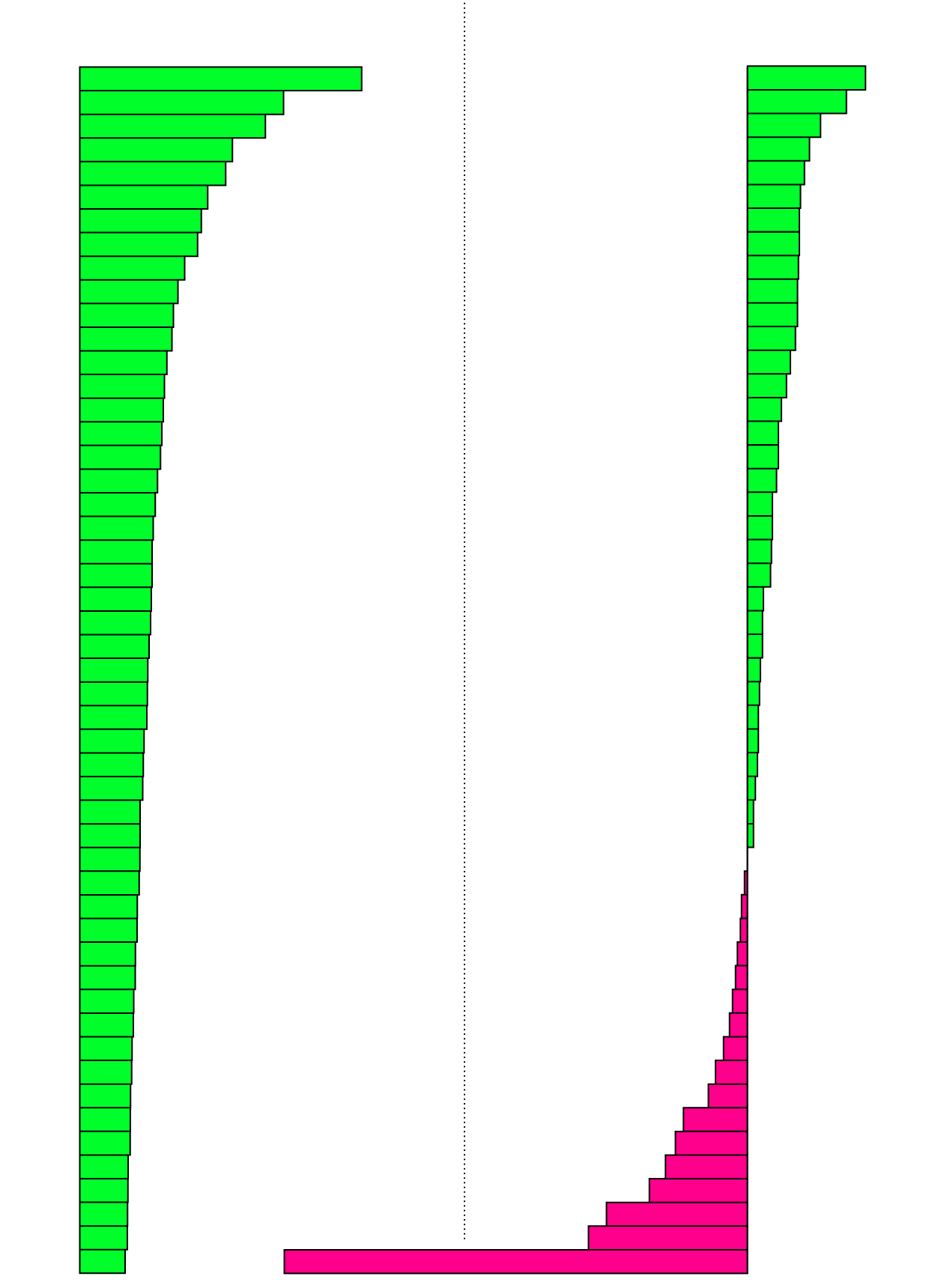
American Rescue Plan state aid on a per-capita basis
Tax revenue percent change, April 2020– March 2021 vs April 2019–March 2020
D.C.
$2,554
Idaho
11.8%
1,846
Wyo.
Utah
9.9%
1,682
Vt.
S.D.
7.3%
1,383
Alaska
Ariz.
6.2%
1,322
N.D.
Colo.
5.7%
1,159
Hawaii
S.C.
5.3%
1,102
S.D.
N.C.
5.2%
1,068
R.I.
Calif.
5.2%
950
Del.
Ala.
5.1%
889
Nev.
Maine
5.0%
848
Mont.
Ga.
5.0%
835
N.M.
Del.
4.8%
789
Conn.
Mich.
4.3%
767
Mass.
Wash.
3.9%
756
W.Va.
Va.
3.4%
742
Maine
Vt.
3.1%
731
N.H.
R.I.
3.1%
703
N.J.
Miss.
2.9%
684
Calif.
Wis.
2.5%
665
Colo.
Neb.
2.5%
655
N.Y.
Ky.
2.4%
655
Mich.
N.H.
2.3%
648
La.
Minn.
1.6%
641
Ill.
Mass.
1.5%
628
Ore.
Iowa
1.5%
615
Md.
N.J.
1.3%
612
Idaho
Ill.
1.2%
607
Miss.
Ohio
1.1%
581
Wash.
Ark.
1.1%
575
Ariz.
U.S.
1.0%
570
Pa.
Tenn.
0.8%
546
Tenn.
N.M.
0.6%
545
Texas
Conn.
0.6%
544
Kan.
Ind.
0.0%
538
Neb.
Kan.
-0.3%
521
Ark.
N.Y.
-0.6%
519
N.C.
Mo.
-0.7%
503
Va.
Pa.
-1.0%
502
Minn.
Md.
-1.2%
489
Ky.
Mont.
-1.5%
485
S.C.
Ore.
-1.8%
473
Okla.
W.Va.
-2.4%
469
Iowa
Okla.
-3.2%
459
Ohio
La.
-3.9%
457
Ga.
Nev.
-6.4%
456
Ind.
Wyo.
-7.2%
438
Mo.
Fla.
-8.2%
435
Wis.
Texas
-9.8%
432
Ala.
N.D.
-14.1%
430
Utah
Hawaii
-15.9%
410
Fla.
Alaska
-46.3%

American Rescue Plan state aid on a per-capita basis
D.C.
$2,554
1,846
Wyo.
1,682
Vt.
1,383
Alaska
1,322
N.D.
1,159
Hawaii
1,102
S.D.
1,068
R.I.
950
Del.
889
Nev.
848
Mont.
835
N.M.
789
Conn.
767
Mass.
756
W.Va.
742
Maine
731
N.H.
703
N.J.
684
Calif.
665
Colo.
655
N.Y.
655
Mich.
648
La.
641
Ill.
628
Ore.
615
Md.
612
Idaho
607
Miss.
581
Wash.
575
Ariz.
570
Pa.
546
Tenn.
545
Texas
544
Kan.
538
Neb.
521
Ark.
519
N.C.
503
Va.
502
Minn.
489
Ky.
485
S.C.
473
Okla.
469
Iowa
459
Ohio
457
Ga.
456
Ind.
438
Mo.
435
Wis.
432
Ala.
430
Utah
410
Fla.
Tax revenue percent change, April 2020– March 2021 vs April 2019–March 2020
Idaho
11.8%
Utah
9.9%
S.D.
7.3%
Ariz.
6.2%
Colo.
5.7%
S.C.
5.3%
N.C.
5.2%
Calif.
5.2%
Ala.
5.1%
Maine
5.0%
Ga.
5.0%
Del.
4.8%
Mich.
4.3%
Wash.
3.9%
Va.
3.4%
Vt.
3.1%
R.I.
3.1%
Miss.
2.9%
Wis.
2.5%
Neb.
2.5%
Ky.
2.4%
N.H.
2.3%
Minn.
1.6%
Mass.
1.5%
Iowa
1.5%
N.J.
1.3%
Ill.
1.2%
Ohio
1.1%
Ark.
1.1%
U.S.
1.0%
Tenn.
0.8%
N.M.
0.6%
Conn.
0.6%
Ind.
0.0%
Kan.
-0.3%
N.Y.
-0.6%
Mo.
-0.7%
Pa.
-1.0%
Md.
-1.2%
Mont.
-1.5%
Ore.
-1.8%
W.Va.
-2.4%
Okla.
-3.2%
La.
-3.9%
Nev.
-6.4%
Wyo.
-7.2%
Fla.
-8.2%
Texas
-9.8%
N.D.
-14.1%
Hawaii
-15.9%
Alaska
-46.3%
Some states are seizing on the chance with some novel steps, seeding college-savings accounts for poor children, delivering free books to boost literacy or moving to rescue the ailing local movie-theater industry.
New Jersey focused its first round of aid around tackling immediate needs created by the pandemic. About $865 million will go to social programs, such as providing money to renters to help them avoid eviction, after prior relief efforts were tapped out.
Over $13 billion has been set aside by states for such social-related programming so far, data compiled by Bloomberg show.
“This was huge for New Jersey,” said Zakiya Smith Ellis, chief policy adviser to Governor Phil Murphy. “Even though the state’s fiscal situation isn’t the same, the need is still there for our residents.”
Tax Revenue Change
United States
Percent change
0
–20
–40
–60%
April 2020
March 2021
Ala.
Alaska
Ariz.
Ark.
Calif.
Colo.
Conn.
Del.
Fla.
Ga.
0
–60%
Hawaii
Idaho
Ill.
Ind.
Iowa
Kan.
Ky.
La.
Maine
Mass.
Md.
Mich.
Minn.
Miss.
Mo.
Mont.
N.C.
N.D.
N.H.
N.J.
N.M.
N.Y.
Neb.
Nev.
Ohio
Okla.
Ore.
Pa.
R.I.
S.C.
S.D.
Tenn.
Texas
Utah
Va.
Vt.
W.Va.
Wash.
Wis.
Wyo.*
United States
Percent change
0
–20
–40
–60%
April 2020
March 2021
Ala.
Alaska
Ariz.
Ark.
Calif.
Colo.
0
–60%
Conn.
Del.
Fla.
Ga.
Hawaii
Idaho
Ill.
Ind.
Iowa
Kan.
Ky.
La.
Maine
Mass.
Md.
Mich.
Minn.
Miss.
Mo.
Mont.
N.C.
N.D.
N.H.
N.J.
N.M.
N.Y.
Neb.
Nev.
Ohio
Okla.
Ore.
Pa.
R.I.
S.C.
S.D.
Tenn.
Texas
Utah
Va.
Vt.
W.Va.
Wash.
Wis.
Wyo.*

United States
Percent change
0
–20
–40
–60%
April 2020
March 2021
Ala.
Alaska
Ariz.
Ark.
0
–60%
Calif.
Colo.
Conn.
Del.
Fla.
Ga.
Hawaii
Idaho
Ill.
Ind.
Iowa
Kan.
Ky.
La.
Maine
Mass.
Md.
Mich.
Minn.
Miss.
Mo.
Mont.
N.C.
N.D.
N.H.
N.J.
N.M.
N.Y.
Neb.
Nev.
Ohio
Okla.
Ore.
Pa.
R.I.
S.C.
S.D.
Tenn.
Texas
Utah
Va.
Vt.
W.Va.
Wash.
Wis.
Wyo.*
Thinking Long-Term
The Treasury has intentionally given states both broad latitude and a long timeline to spend the funds, which can be used as late as 2026. Some states will receive their aid in two split payments that are about a year apart.
In California, about $1.8 billion of the state’s $27 billion allocation is helping seed $500 college savings accounts for millions of low-income students. Foster youth and homeless students will get an extra $500. And in Florida, students who read below grade level will get free books delivered to their homes as part of a program designed to boost literacy.
It will also finance many infrastructure projects, with over $20 billion total steered that way by the states. Tennessee officials agreed to use $500 million to expand broadband while Ohio is using $250 million to provide grants for water and sewer projects.
“This is money that we need to spend wisely to make long term investments to move the state of Ohio forward,” said Mark Fraizer, a Republican lawmaker in Ohio who was a sponsor of legislation allocating the money this year.
How Four Different States Are Spending Relief Cash
- Health
- Infrastructure
- Education
- Economic Recovery
- Fiscal Relief
- Social
- Other
Some of the spending reflects local concerns. Florida, one of the state’s most susceptible to the impact of global warming, is spending over $1 billion of it on environment projects, like local government grants for resiliency projects, and using $100 million for high-resolution mapping of the coastal sea floor.
Governments can also hone in on small programs to provide relief or services. Movie theaters in Louisiana and Wisconsin will get nearly $16 million of aid. Utah officials appropriated $1 million for an initiative that helps bring awareness to mental-health issues and pressures facing women in sports, according to its plan.
Still, the rollout of the aid has been slow in some cases since states can lean on strong tax collections while they decide how to spend it.
At least 11 haven’t specifically committed the money yet, a group that is made up of mostly Republican-led states but also some with Democratic governors.
In Rhode Island, which hasn’t appropriated money yet, the state has been meeting with lawmakers and members of the community to get feedback, Governor Daniel McKee, a Democrat, said in an Aug. 30 letter to the Treasury Department about the state’s plan for spending the money.
“It’s important that we begin making investments soon—in order to safeguard our recovery—and make them within a smart framework that ensures a prosperous and equitable future,” he said in the letter.
At least 18 states have spent or appropriated at least half of their aid allocations so far, so the decisions will almost certainly extend into next year when governors start putting together their annual budgets.
Texas Governor Greg Abbott is planning to call a special legislative session to decide what to do with the state’s $15.8 billion of aid. Minnesota saved $1.15 billion of its $2.83 billion share for the 2022 legislative session.
“Where the real success of these programs will come is bridging the gap between the near-term recovery and long-term expansion,” said White, the Moody’s economist. “It’s going to be a very interesting period.”