
How the U.K. Plans to Lead the World in Covid Vaccination
The U.K. begins vaccination for Covid-19 Tuesday using shots from Pfizer Inc. and BioNTech SE, with care-home staff and hospital inpatients and outpatients aged over 80 the first to be immunized.
An initial batch of 800,000 doses—enough to vaccinate 400,000 people—has been delivered from the manufacturing site in Belgium, just days after the U.K. became the first Western country to authorize the vaccine for emergency use. This happened while the country averaged 427 deaths per day in the past week, with the total exceeding 61,000, the world’s fifth-highest in total.
Read more: Tracking the Coronavirus Vaccines That Will End the Pandemic
Doses are planned to be shared across the U.K.’s four nations. Most will go to England and Wales, with 65,000 earmarked for Scotland and 25,000 for Northern Ireland.
Who Will Get the Vaccine First
The Joint Committee on Vaccination and Immunisation has developed nine priority groups for vaccination, recommending that those in aged–care should receive the first shots.
Between February and July, 65% of deaths from Covid-19 were of those aged over 75 and at least 2 in 5 care homes have reported an outbreak.
Inoculating a Population
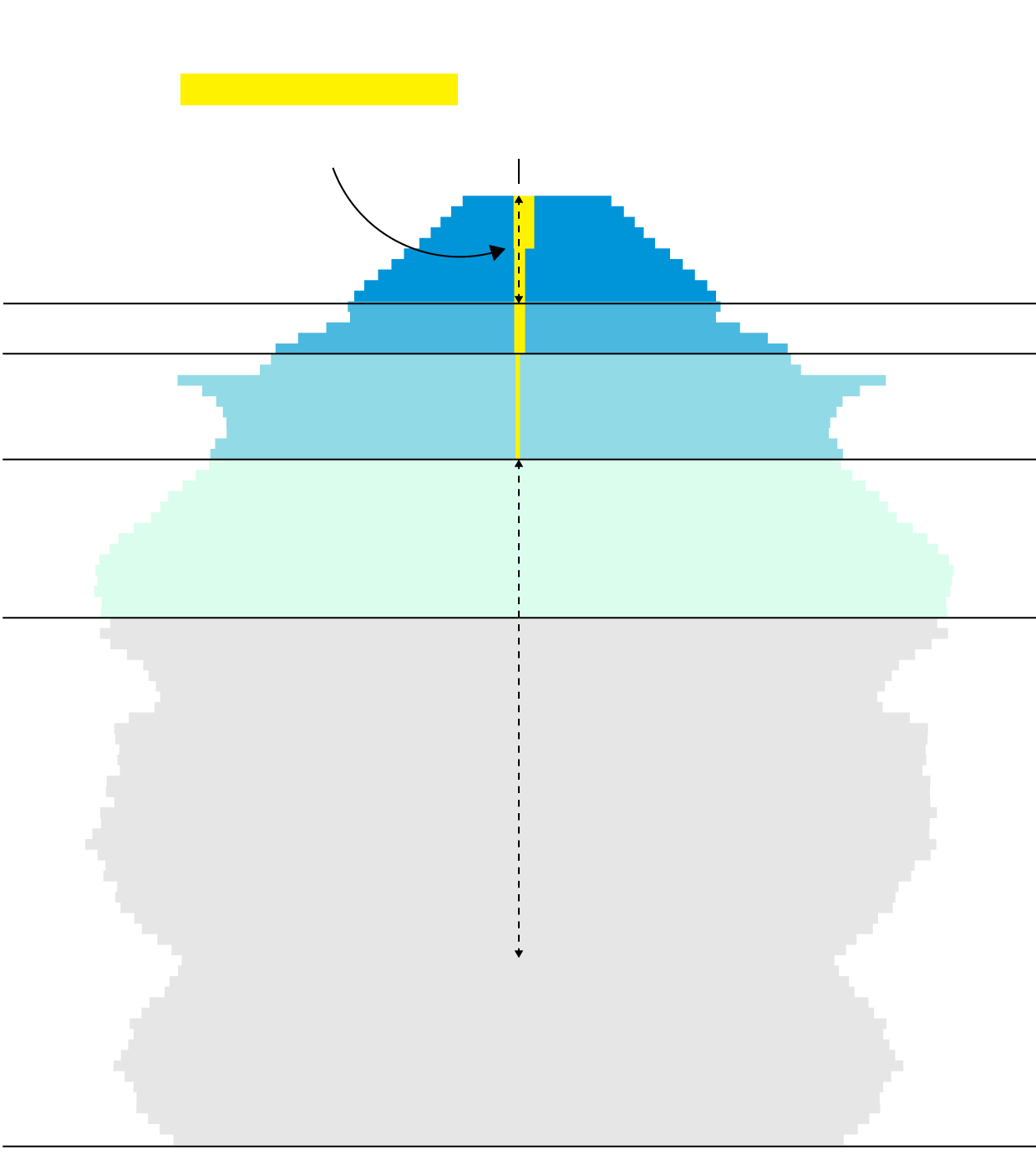
Priority 1
Residents in care homes
291K over 65
in the last census
Men
Women
2.5M
80 and above
Priority 2
75–79 1.7M
Priority 3
5.9M
65–74
Priorities
4 and 5
10.5M
50–64
Priorities
7 to 9
Priority 6
Those deemed “at risk” in the 18-64 range
37M
Under 50
Priority 1
Residents in care homes
291K over 65
in the last census
Men
Women
2.5M
80 and over
Priority 2
75–79 1.7M
Priority 3
Priorities
4, 5
5.9M
65–74
Priorities
7, 8, 9
10.5M
50–64
Priority 6
Those deemed “at risk” in the 18–64 range
37M
Under 50
Priority 1
Residents in care homes
291K over 65
in the last census
Men
Women
2.5M
80 and over
Priority 2
Priority 3
75–79 1.7M
Priorities
4, 5
5.9M
65–74
Priorities
7, 8, 9
10.5M
50–64
Priority 6
Those deemed “at risk” in the 18–64 range
37M
Under 50
In England, the vaccine will be distributed through more than 50 NHS trusts—the entities operating the country’s hospitals—to begin with, followed by hospitals, large-scale vaccination sites and community-led programs yet to be announced.
The NHS trusts will coordinate logistics for their local areas and be responsible for the vaccination of their workforces and those of trusts in neighboring areas. Some of these trusts are clustered around areas that have seen the most Covid-19 infections since the pandemic broke out.
Managing Vaccine Logistics

London
Pfizer’s vaccine needs to be kept in ultra-cold storage at around minus-70 degrees Celsius. The company developed a shipper that is packed with dry ice that will maintain the temperature for 10 days. Once thawed the vaccine may be stored for five days at 2–8°C.
Pfizer and BioNTech’s Vaccine Will Ship in Ultra-Cold Boxes

Pfizer and BioNTech’s Vaccine Will Ship in Ultra-Cold Boxes
The vaccine must be stored at ultra-cold temperatures of 94 degrees below zero Fahrenheit
Sources: Pfizer, Centers for Disease Control and Prevention
Note: Two doses are required to protect a single person
GPS temperature monitoring
device
Ultra-low temperature freezer
= 5
doses
Dry ice
Five
200-vial trays
Each vial contains five doses, so up to 5,000 doses, or 1,000 vials, can be shipped in each box
22
inches
Administration sites without freezers can store vials in shipping boxes for up to 15 days, after which dry ice must be replenished
Inner dry-ice
sleeve
Administration sites with freezers can store vaccines for six months
16 inches
16 inches

GPS temperature monitoring device
Each vial contains five doses, so up to 5,000 doses, or 1,000 vials, can be shipped in each box
Dry
ice
= 5
doses
Five
200-
vial
trays
Administration sites without freezers can store vials in shipping boxes for up to 15 days, after which dry ice must be
replenished
22
in.
Inner dry-ice
sleeve
16 inches
16 inches
Ultra-low temperature freezer
Administration sites with freezers can store vaccines for six months
Current State of Lockdown
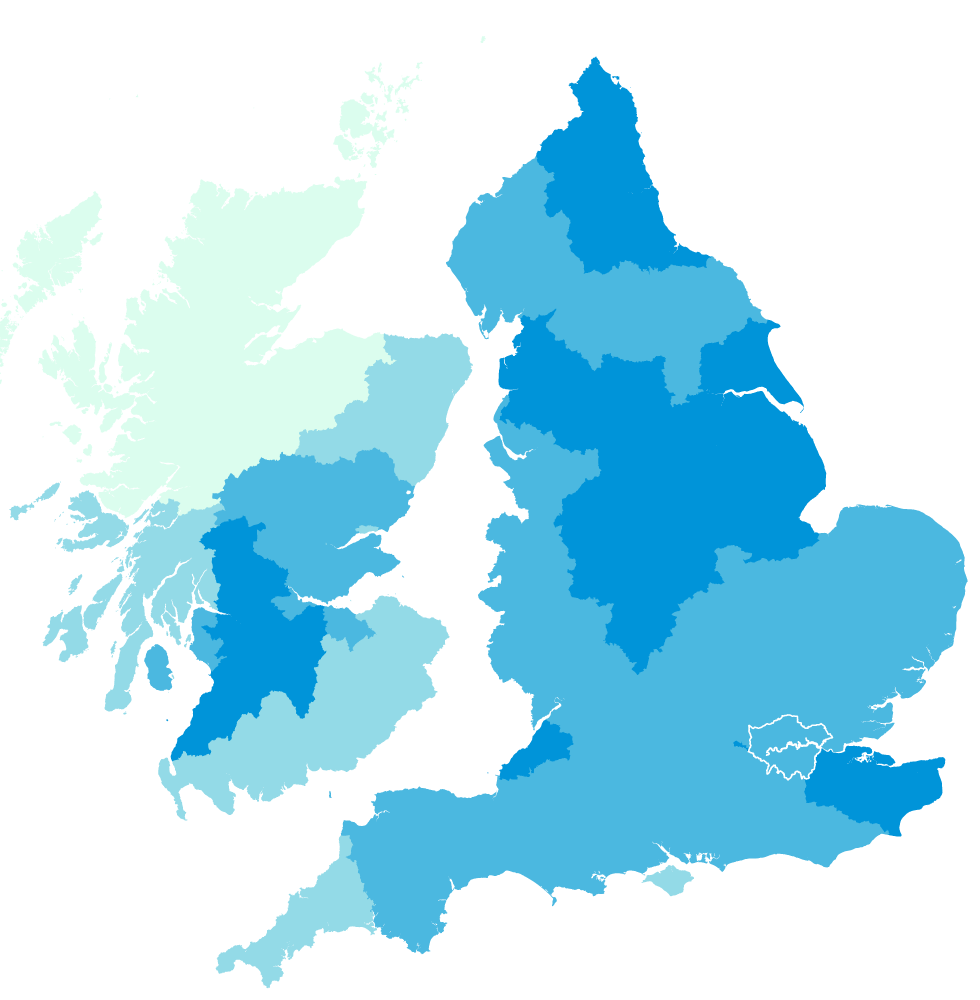
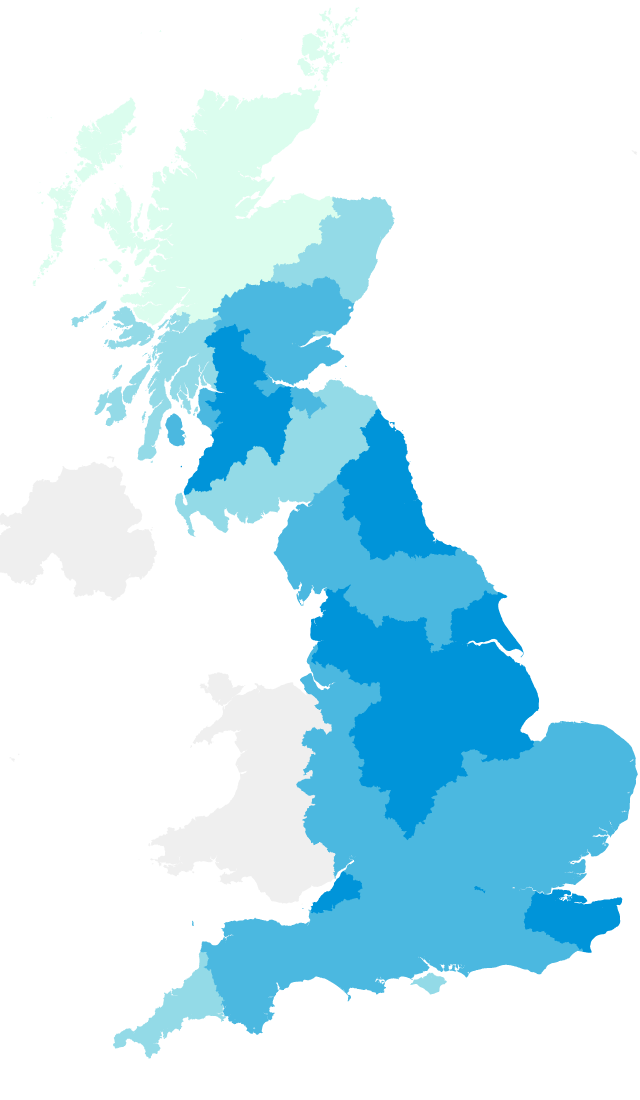
The vaccine was approved on Dec. 2, the same day England emerged from a four-week lockdown, the second since March. A three-tier system of restrictions has been reinstated in England which means 23.3 million in tier three—or very high alert—are living with closures on non-essential businesses and restrictions on socializing outside one’s own household.
Scotland has been under a system of local restriction levels as well, since Nov. 2. Northern Ireland and Wales, although not using a similar system of tiers, are applying their own set of restrictions, such as bans on indoors mixing of households and closures on arts and entertainment venues.
Current Restrictions
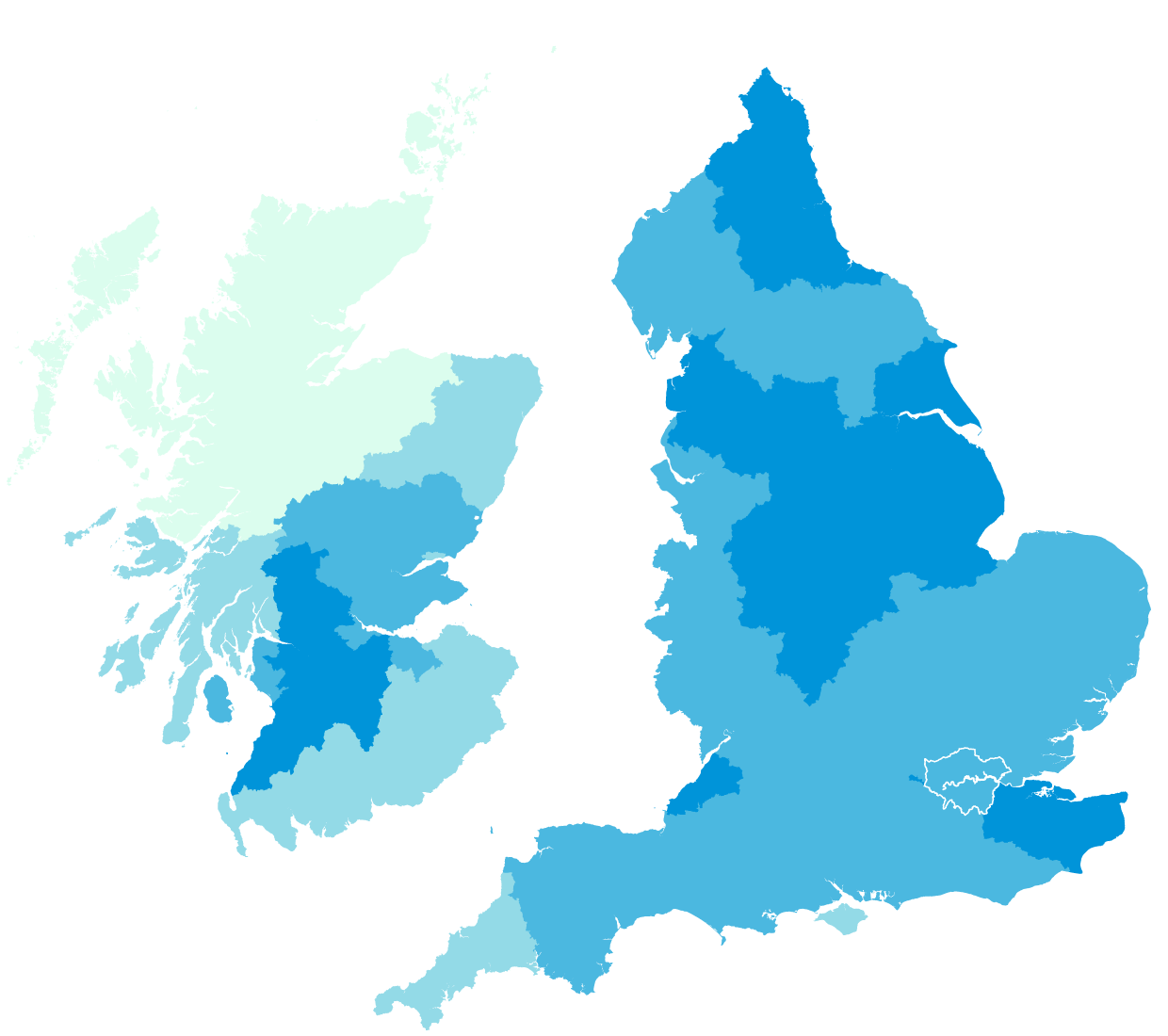
Scotland
England
Protection level 1
404K people
Very high alert
23.3M people
Level 3
1.8M
High alert
31.6M
Level 4
2.3M
Level 2
947K
London
Medium alert
711K
Scotland
England
Protection level 1
404K people
Very high alert
23.3M people
Level 3
1.8M
High alert
31.6M
Level 4
2.3M
Level 2
947K
London
Medium alert
711K
Protection level 1
404K people
L3
1.8M
L4
2.3M
L2
947K
Northern
Ireland
Very high alert
23.3M
Wales
High alert
31.6M
Medium alert
711K
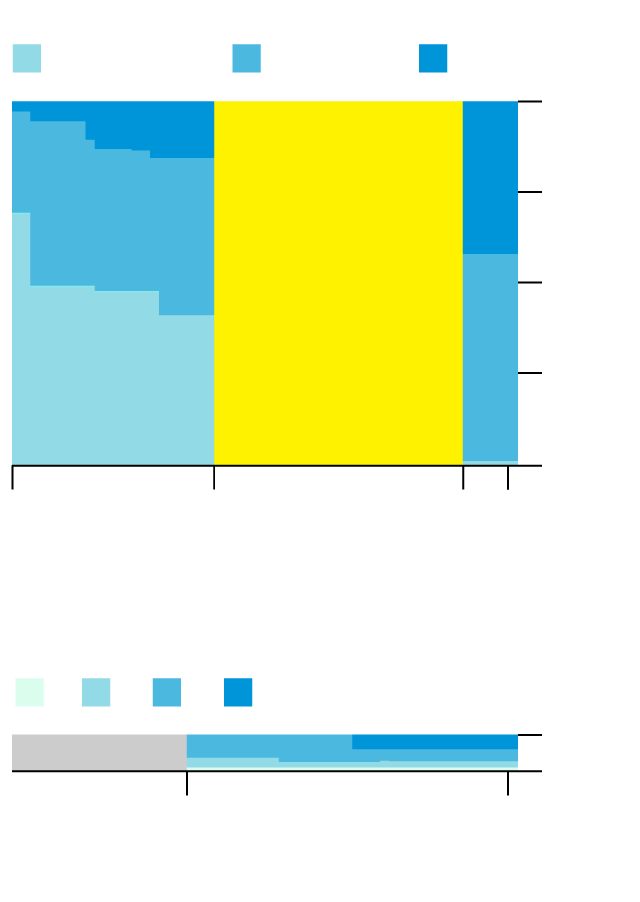
Since lockdown ended in England, more areas have been put into stricter restriction levels than at the beginning of November, because the virus is still looming large. Similarly, in Scotland more people now live under stricter restrictions than a couple weeks ago.
Tightening Up Restrictions
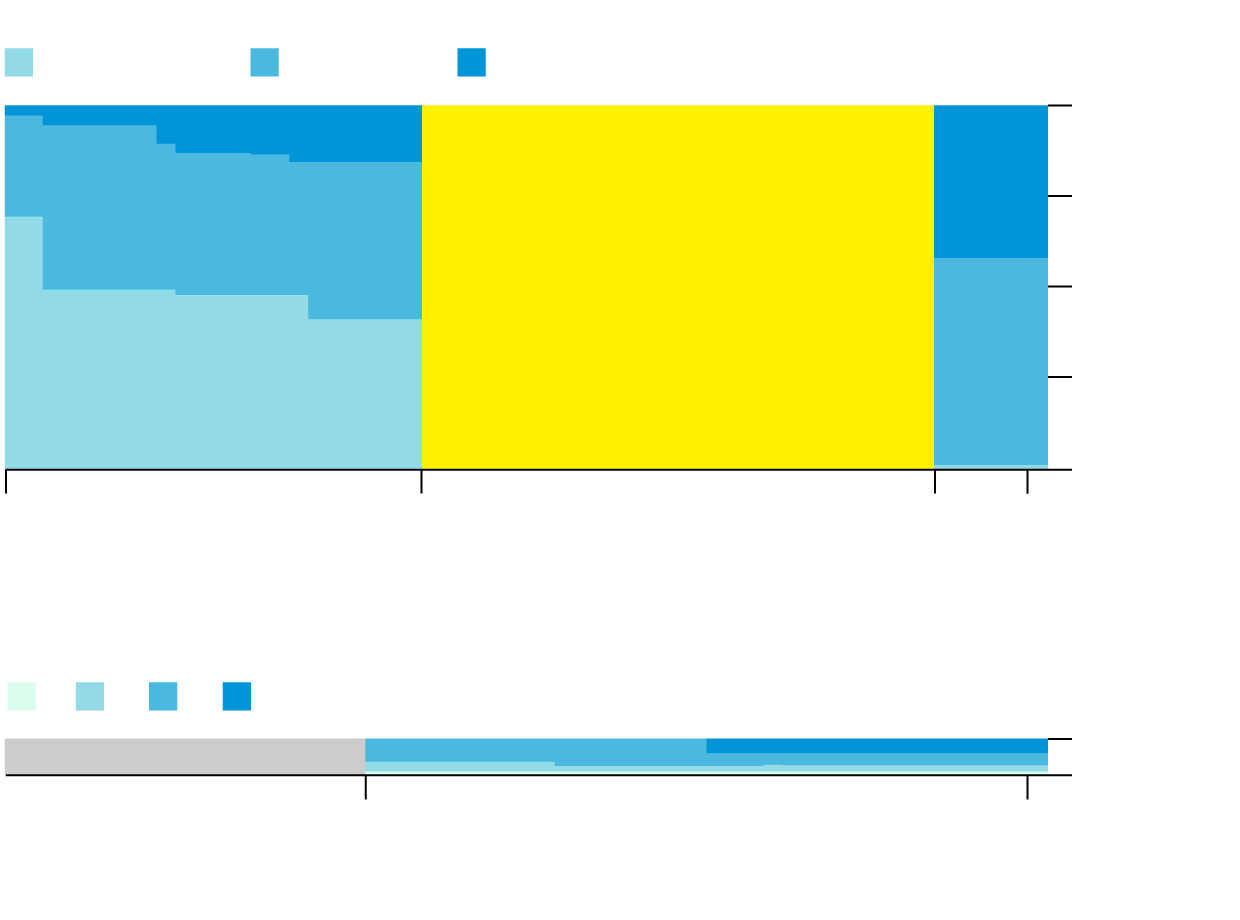
England, local restriction tiers:
1
2
3
Medium alert
High alert
Very high alert
56M
people
39
26
13
0
Oct. 14
Nov. 5
Dec. 2
Dec. 7
Tier system
introduced
Second national
lockdown
Back to
tier system
Scotland, local protection levels:
1
2
3
4
5.5M people
0
Dec. 7
Nov. 2
Protection level
system introduced
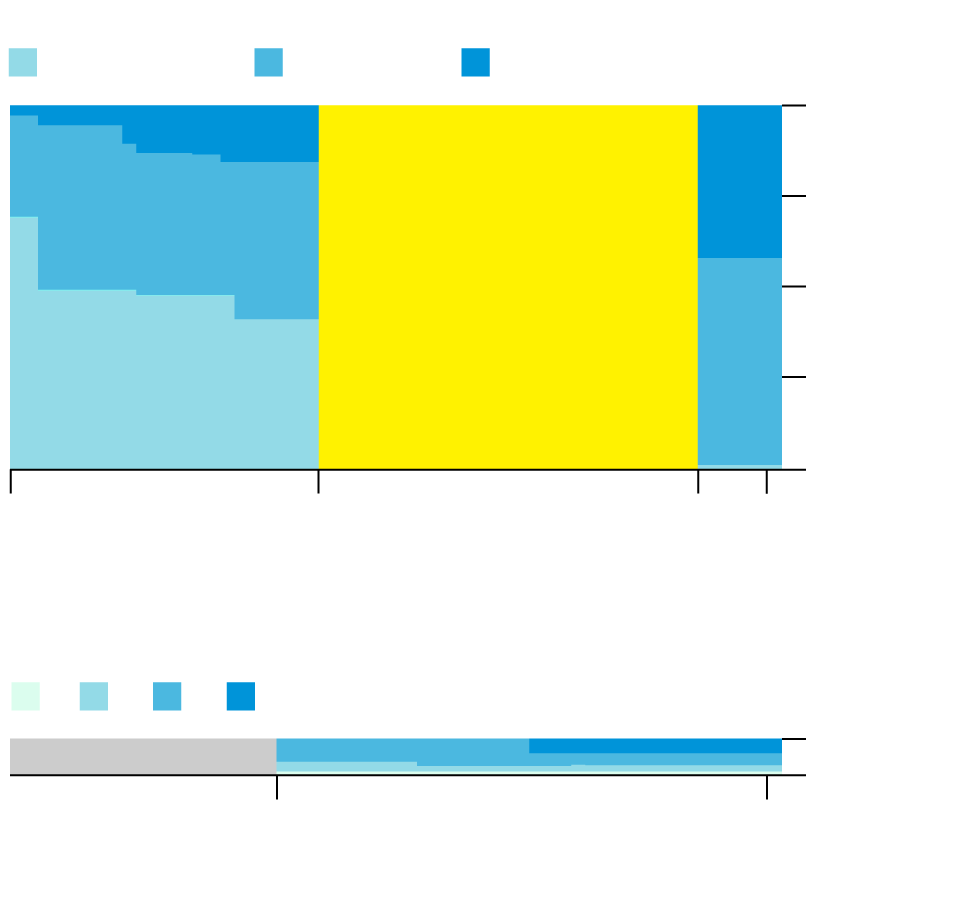
England, local restriction tiers:
1
2
3
Medium alert
High alert
Very high alert
56M
people
39
26
13
0
Oct. 14
Nov. 5
Dec. 2
Dec. 7
Tier system
introduced
Second national
lockdown
Back to
tier system
Scotland, local protection levels:
1
2
3
4
5.5M people
0
Dec. 7
Nov. 2
Protection level
system introduced
England, local restriction tiers:
1
2
3
Medium alert
High alert
Very high alert
56M
people
39
26
13
0
Nov. 5
Oct. 14
Dec. 2
Dec. 7
Tier system
introduced
Second
national
lockdown
Back to
tier system
Scotland, local protection levels:
1
2
3
4
5.5M
people
0
Nov. 2
Dec. 7
Protection level
system introduced
The Road to Mass Vaccination
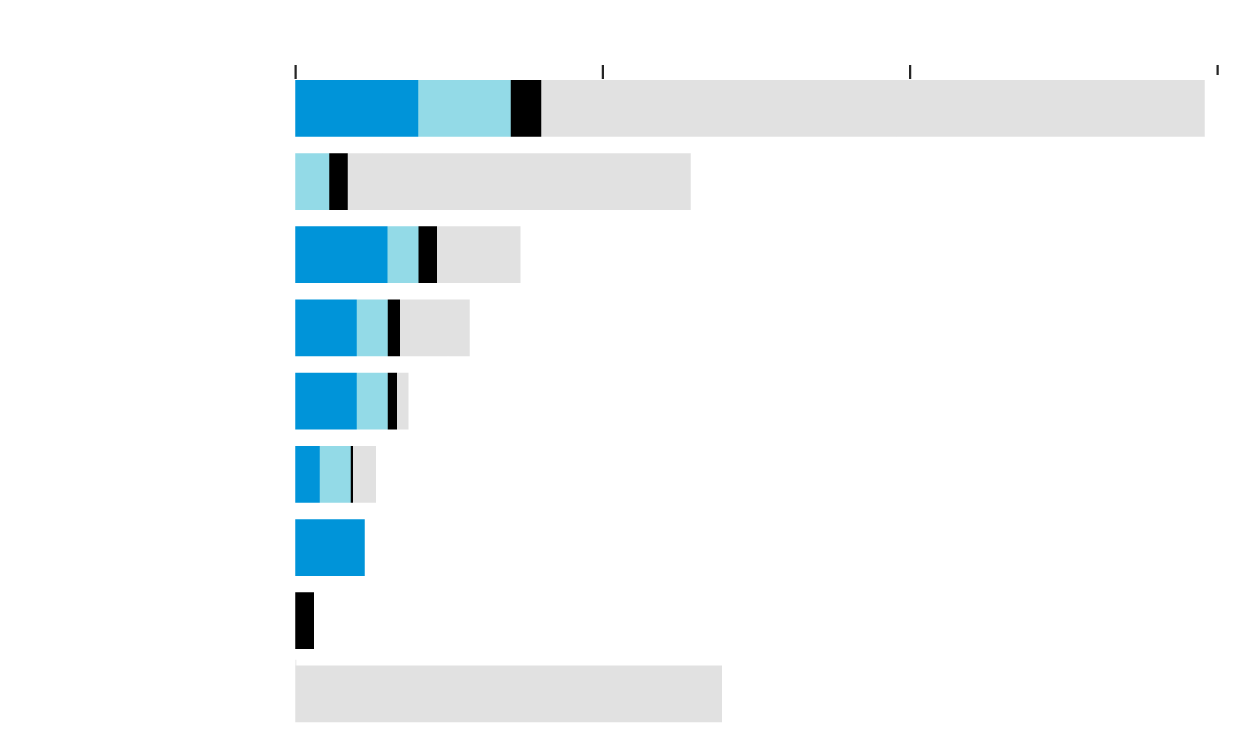
The U.K. has ordered a total of 357 million doses of seven different vaccines, including 40 million doses—enough for 20 million people—of the two-shot Pfizer vaccine, 100 million doses of the AstraZeneca/University of Oxford vaccine and 60 million doses of the Sanofi/GSK vaccine.
Only Pfizer’s vaccine has been approved so far. Health Secretary Matt Hancock has said that it’s “not unreasonable” to expect the U.K. to receive 5 million doses by the end of the year.
The Vaccines to End the Pandemic
- U.K.
- EU
- U.S.
- Others


0
1B
2B
3B
AstraZeneca/Oxford
Novavax
Sanofi/GSK
Pfizer
Johnson & Johnson
Moderna
CureVac
Valneva
Others
0
1B
2B
3B
AstraZeneca/Oxford
Novavax
Sanofi/GSK
Pfizer
Johnson & Johnson
Moderna
CureVac
Valneva
Others
0
1B
2B
3B
AZN/Oxford
Novavax
Sanofi/GSK
Pfizer
J&J
Moderna
CureVac
Valneva
Others
The U.K. will have to vaccinate one of the largest populations in Europe. “This is going to be one of the biggest civilian projects in history,” Hancock said in a radio interview when the Pfizer vaccine approval was announced.