Furloughed and Frustrated, Workers Are Struggling Across the U.K.
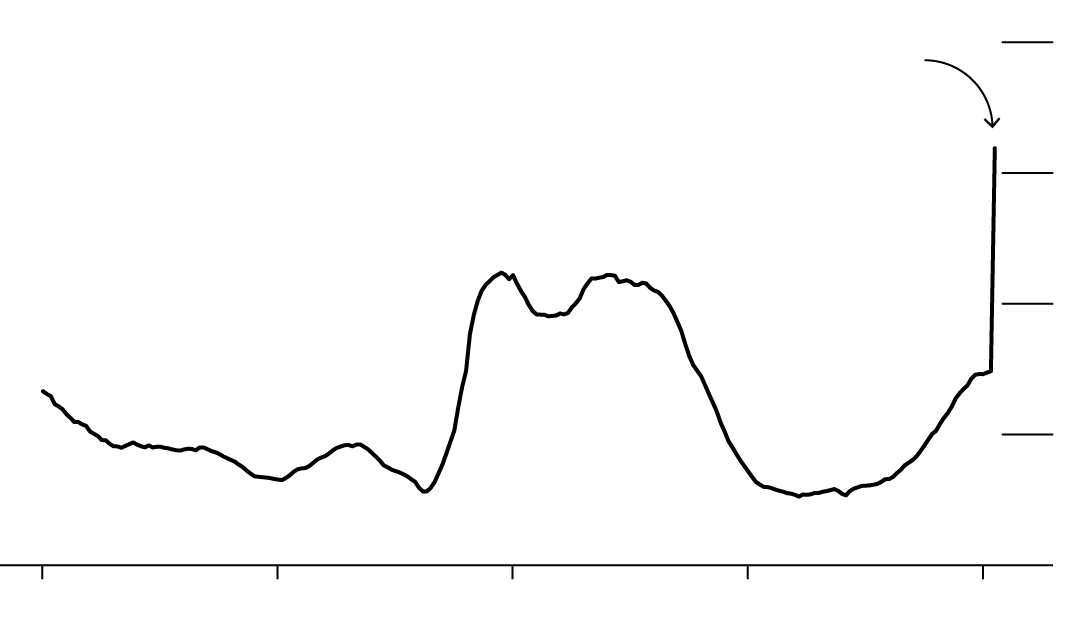
Benefit claims made by unemployed and underemployed people in the U.K. rose more last month than at any time on record, with the pain spread throughout the country. Jobseeker’s Allowance and related Universal Credit claims jumped by 856,500 in April alone. For context, the worst month during the 2008-09 financial crisis saw claims increase by 143,000.
Number of Britons Seeking Jobless Benefits

Jobless claims rose 856,500 to more than 2 million in April
2.5M
2.0
Financial
Crisis
1.5
1.0
0.5
2020
2000
2005
2010
2015
2.5M
Jobless claims rose 856,500 to more than 2 million in April
2.0
Financial
Crisis
1.5
1.0
0.5
2000
2005
2010
2015
2020
2.5M
Jobless claims rose 856,500 to more than 2 million in April
2.0
Financial
Crisis
1.5
1.0
0.5
2000
2005
2010
2015
2020
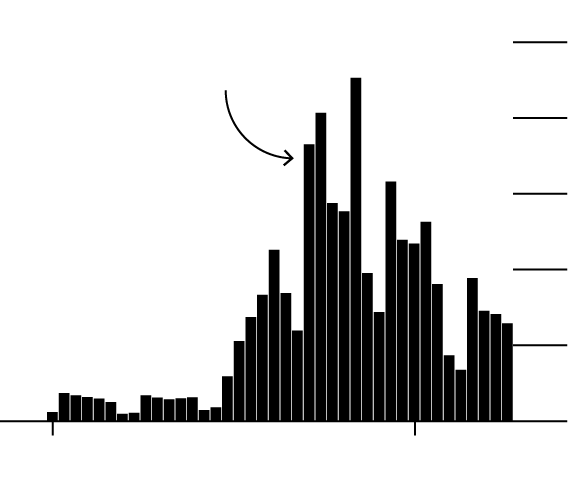
Britain’s official lockdown didn’t start until March 23, but storefronts were quickly shuttered and supply chains cut off as citizens were told to “stay home” to protect their neighbors and the stressed National Health Service. Revenue streams for many businesses began to dry up and workers took reduced hours, were furloughed or just let go.
New Claims Made to Universal Credit
150K
Start of
lockdown
120
90
60
30
0
March 1
April 1
Dig into the detail and the hardship being inflicted is clear. Some of those seeking benefits last month were still employed but had experienced a significant loss of income due to being put on temporary leave or forced to self isolate on statutory sick pay. There were around 25% fewer hours worked in the final week of March, while claims for Universal Credit welfare payments totaled over 550,000 in each of the two weeks following the lockdown. In a normal week, there are about 50,000.
Seeking Assistance
No sector has been hit harder than hospitality, so it is little surprise that regions reliant on tourism are seeing the biggest increase in benefit claims. East Devon in southwest England recorded over three times more jobless benefit claims than a year earlier. Even worse affected was Westmorland and Lonsdale, in northwest England’s scenic Lake District.
Regional Spikes in Claiming Unemployment Benefits

March
April
London
300K
North West
South East
West Midlands
200
Yorkshire and
The Humber
Scotland
East of England
South West
East Midlands
North East
100
Wales
Northern Ireland
London recorded a near doubling of claims, with the construction, transport and arts and entertainment industries heavily impacted by furloughing. Birmingham, the second-largest city, fared better. The region posting the smallest increase was northeast England, possibly reflecting its above-average dependence on pubic-sector jobs, education and manufacturing.
In order to help companies and workers cope with the economic fallout from the pandemic, the Treasury has put together a relief package that the country’s fiscal watchdog reckons could cost 123 billion pounds ($150 billion). That includes extra funding for the NHS, but also expanding the pool of people who can claim Universal Credit, including those who are self-employed. Provisions for covering sick pay for small businesses would amount to 2 billion pounds and 500 million pounds would be distributed for hardship grants.
The Coronavirus Job Retention Scheme offers to pay 80% of furloughed employees wages up to a total of 2,500 pounds a month. Businesses can also take advantage of various grants, loans, and tax breaks to ease the pain of the lockdown and a potentially deep recession.
How Industries Are Coping
The U.K. government is paying the wages for about 10 million jobs, most of them employee roles. That’s limiting the damage to the labor market, though the signs are ominous. Vacancies have collapsed and data based on tax records suggest the number of employees fell by over 450,000 in April, a drop of almost 2%. The unemployment rate, which dipped to 3.9% between January and March, could surge to 7% or higher this quarter, according to Bloomberg Economics.
Despite still seeing thousands of new confirmed Covid-19 cases every day, the U.K. is attempting to catch up with other European nations that are emerging from their isolation and starting to reopen their economies—a delicate balancing act of trying to control the virus while keeping people gainfully employed.