Spray-Painting Through the Pandemic
Camilo José Vergara has been documenting neglected urban communities for more than four decades. Vergara, who was born in Chile, was named a MacArthur Fellow in 2002 and received the National Humanities Medal in 2012.
•••
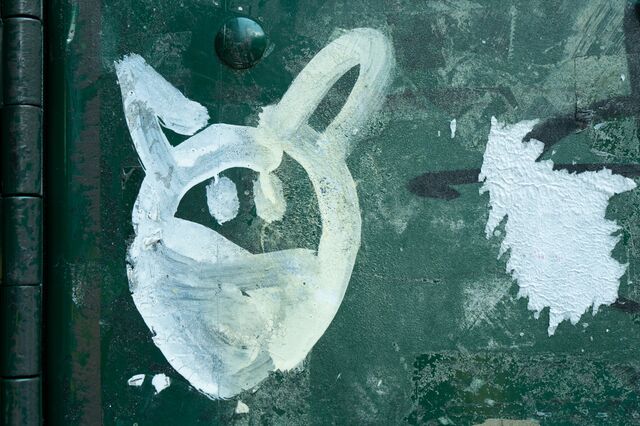
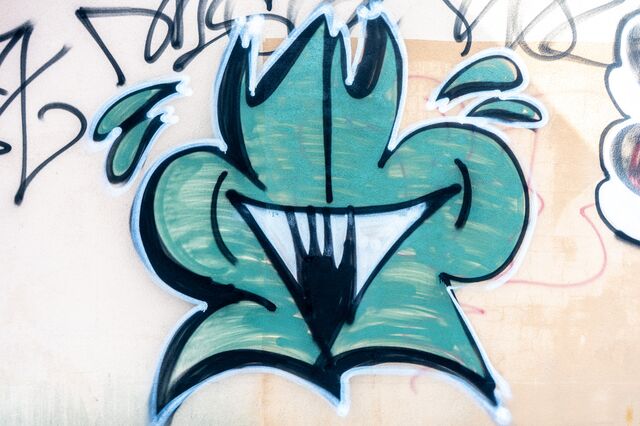
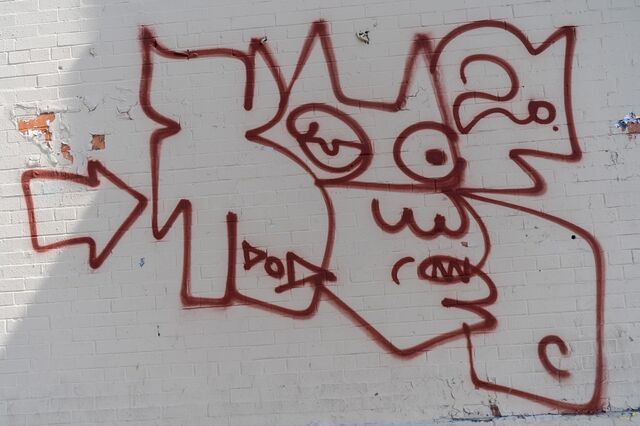
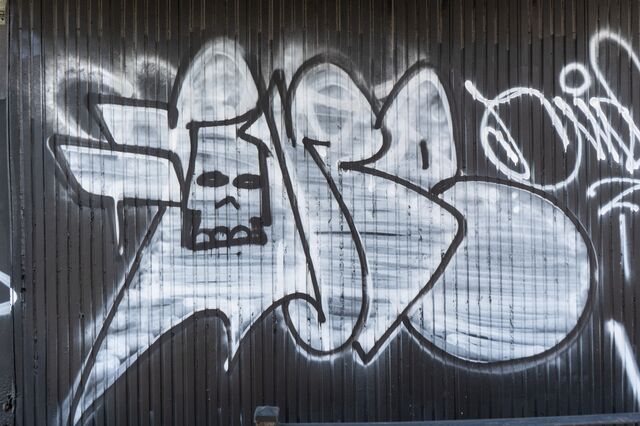
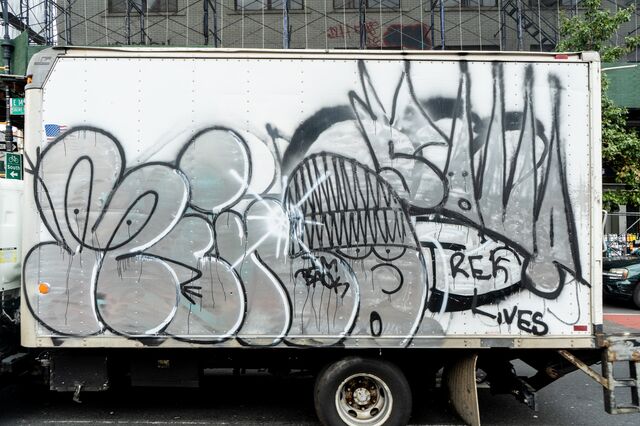
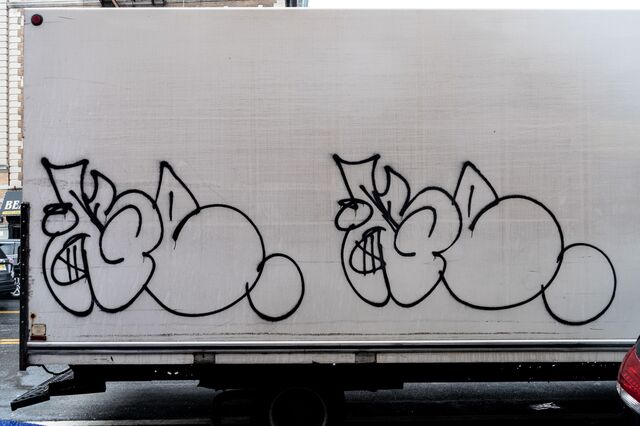
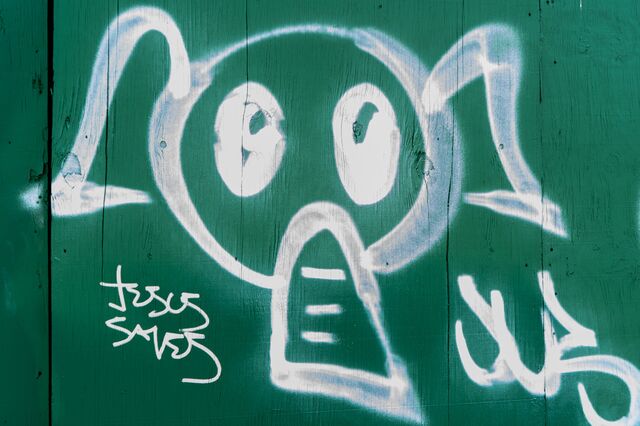
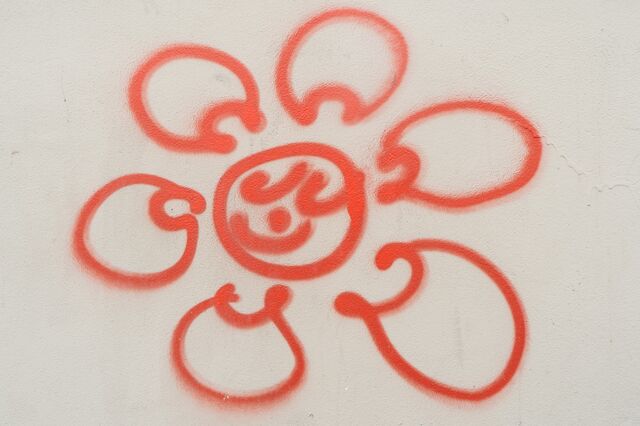
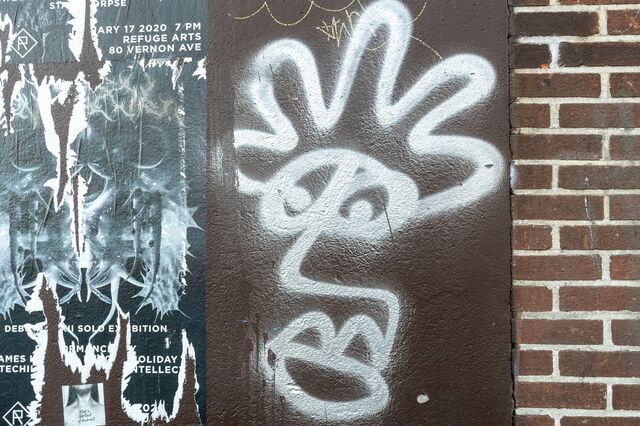
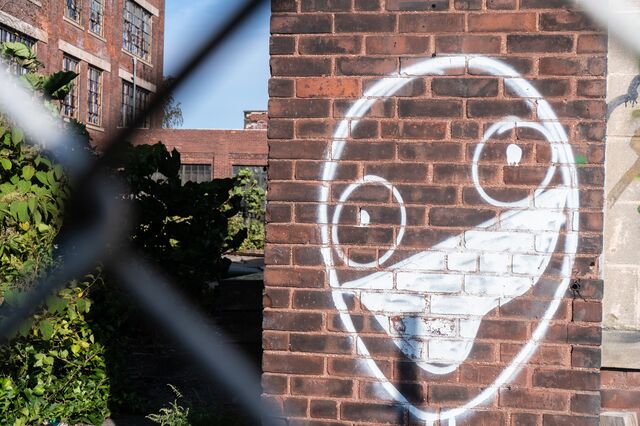
Since the start of the pandemic, I have been walking the streets of the communities hardest hit by the virus and documenting the outward signs of its presence. I photograph changes in the street scenes created by people, businesses and institutions as they try to adapt. Among the subjects that interest me is the way street artists are depicting the terrible power of Covid-19: their fear of infection, the sadness of loss and anger at having to quarantine.
My aim is to document these graphics before they are painted over by other street artists or erased by building owners.
The following selection of images were taken in and around New York over the last eight months.
•••
Suffering and death are being addressed explicitly by street artists, with such words as “coronavirus,” “Covid-19,” “pandemic” and “plague.” This summer and into fall, they appeared alongside folk images and text in response to the murder of George Floyd.
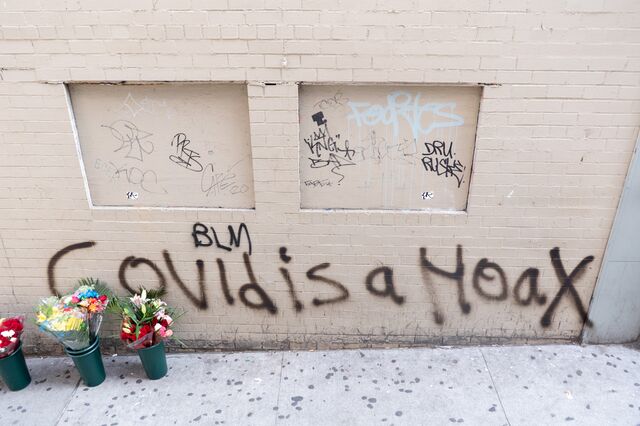
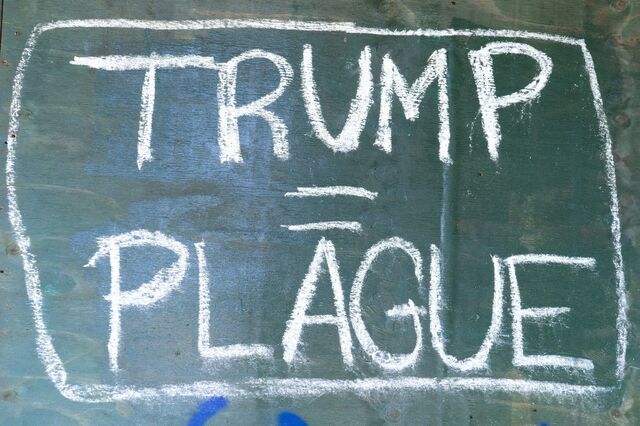
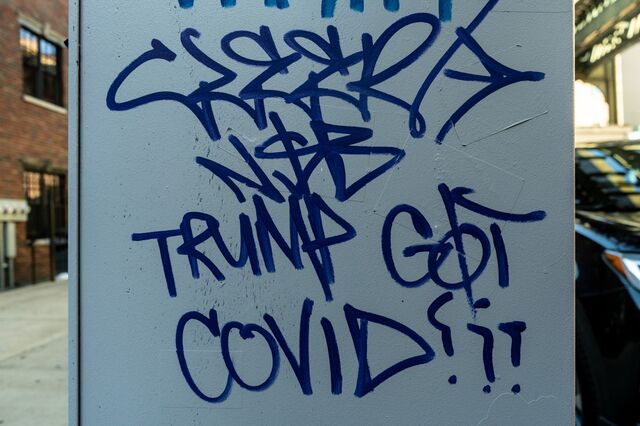
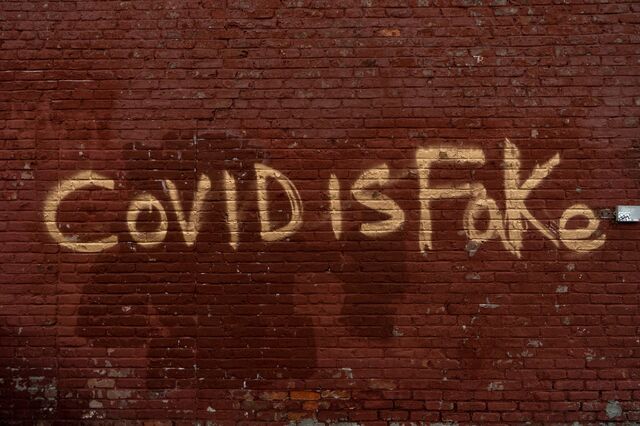
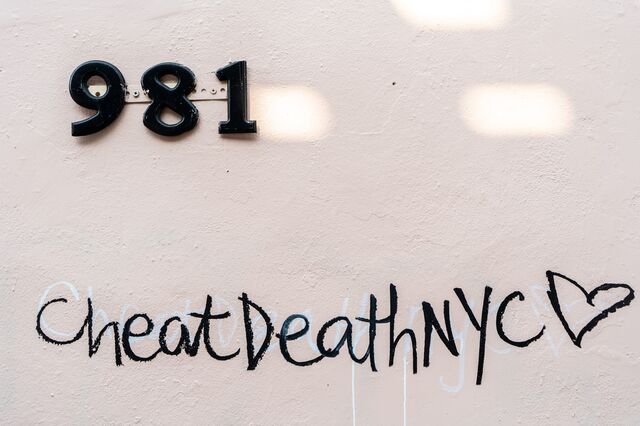
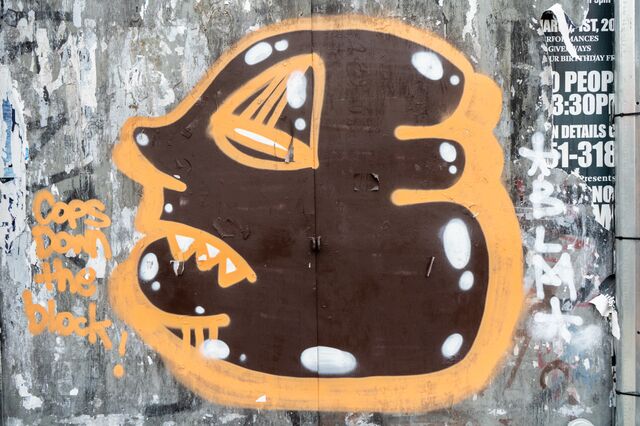
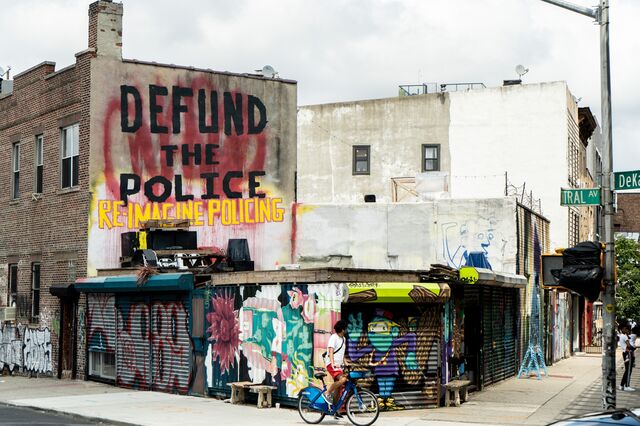
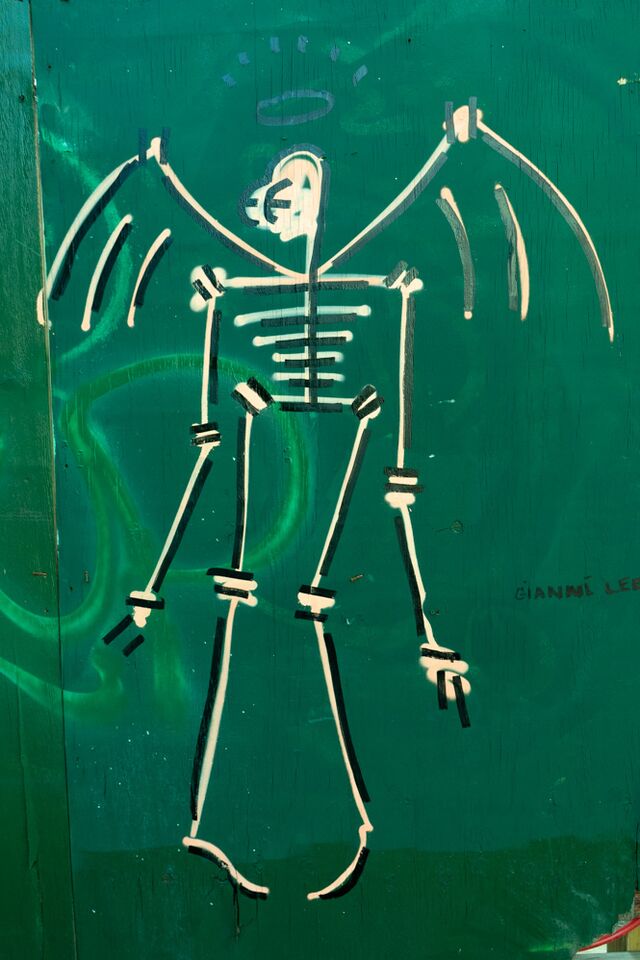
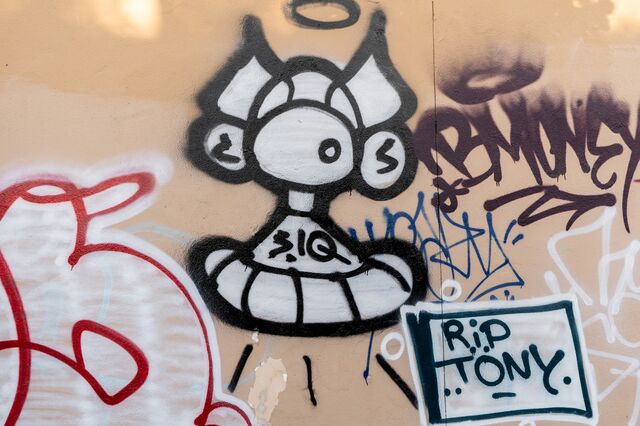
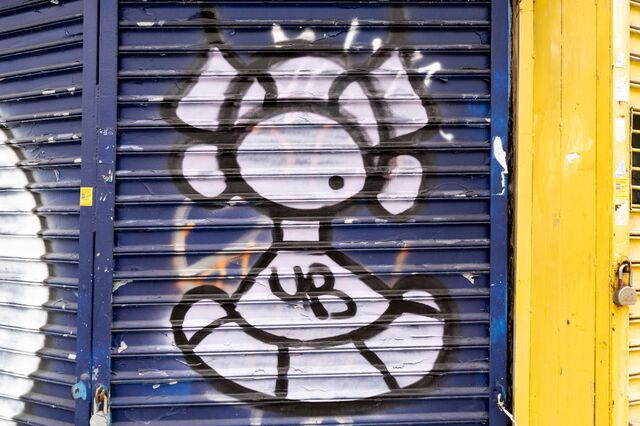
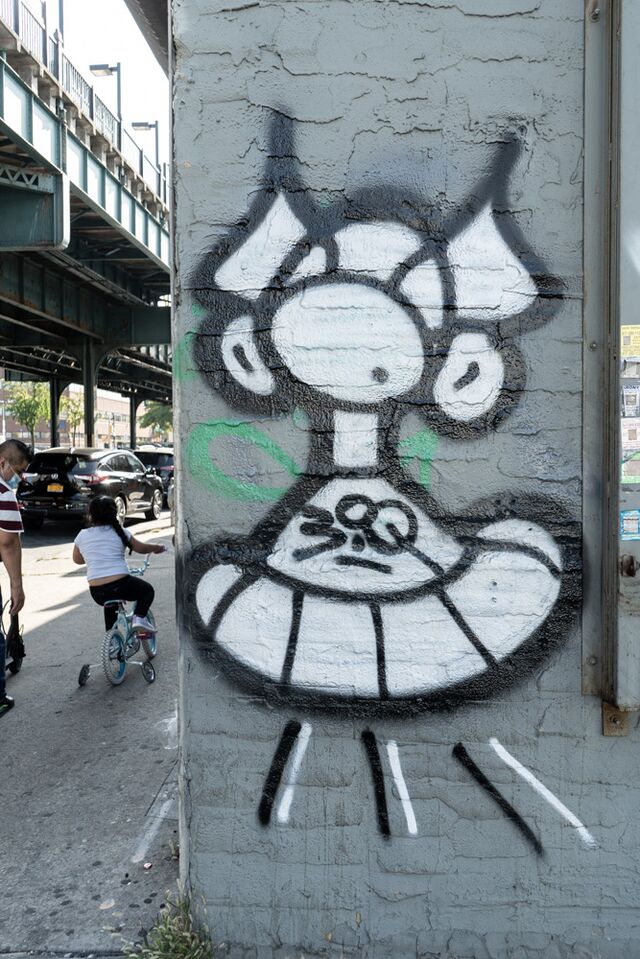
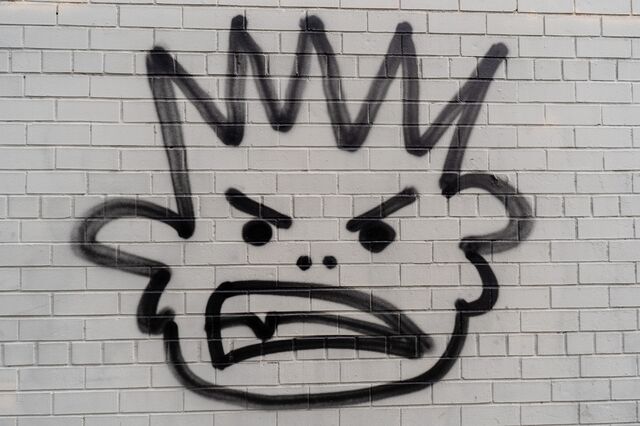
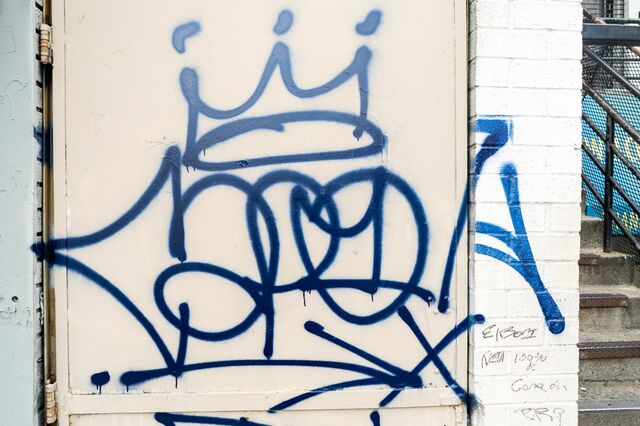
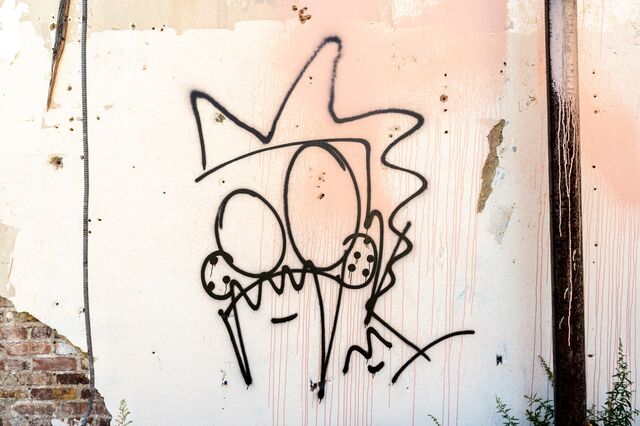
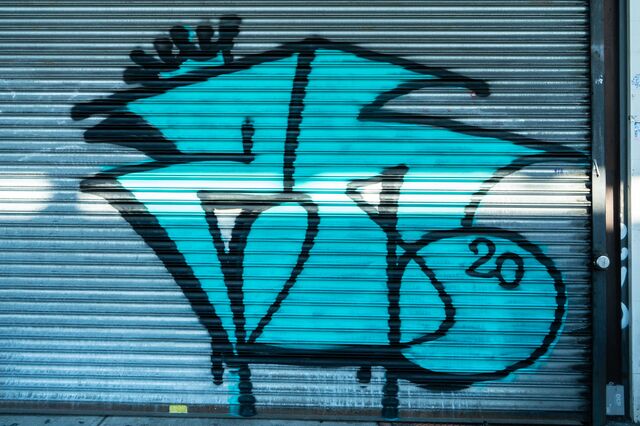
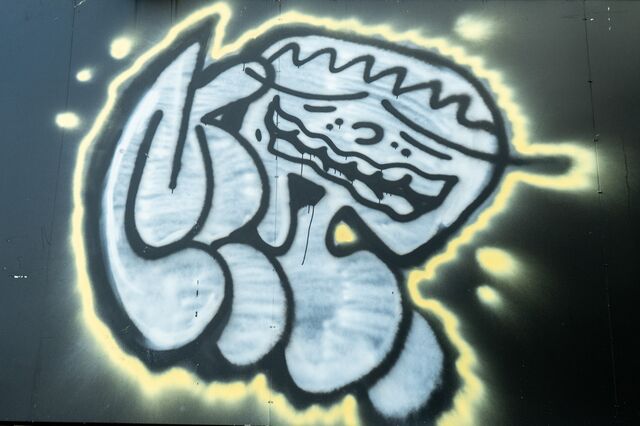
Popular representations of the virus include crowned heads; masked figures and RIP memorial signs; a variety of angry and energetic monsters. Text by Covid-19 deniers is also becoming evident. Abstract images include the number 20, referring to this extraordinary year; the number 19, alluding to the current infection; and the words “curfew” and “stay home.” In Bushwick, Brooklyn, I ran into one version of Death as a winged skeleton, now wearing a mask, by the artist Gianni Lee.
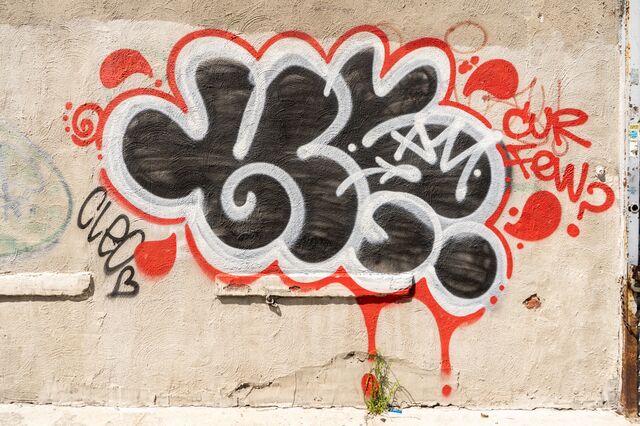
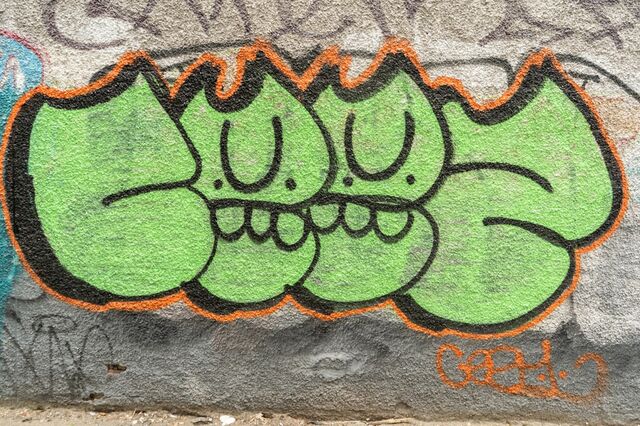
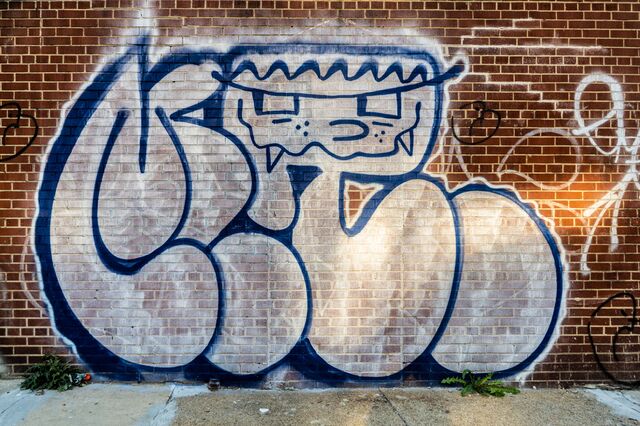
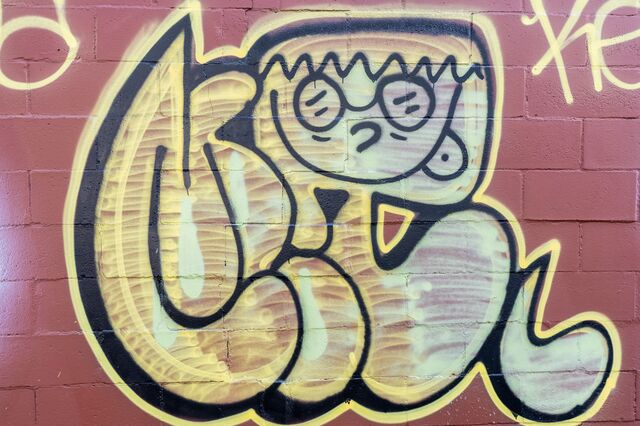
Popular tags include flower-shaped figures shedding droplets, animal forms in furious pursuit of each other and smiling coronavirus particles. Street artists have adapted and transformed existing cartoon characters: Tags from the East Bronx remind us of a masked Marvin the Martian; others found in Harlem and Jackson Heights, Queens, feature a crowned figure whose head brings to mind that of Bart Simpson, a figure with a sharp, spiky crown.

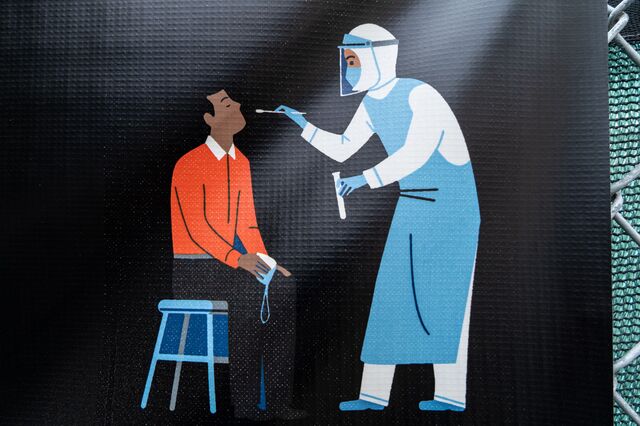
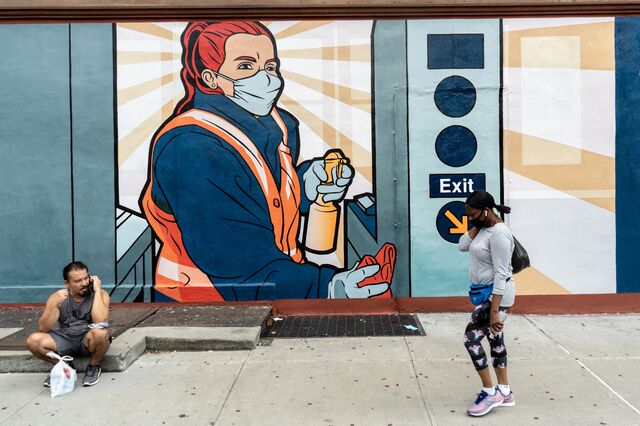
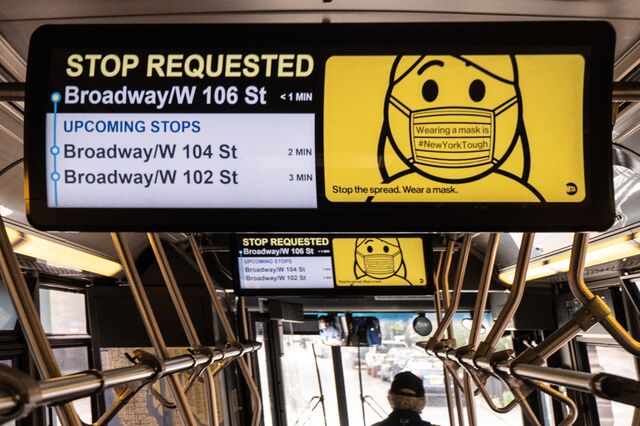
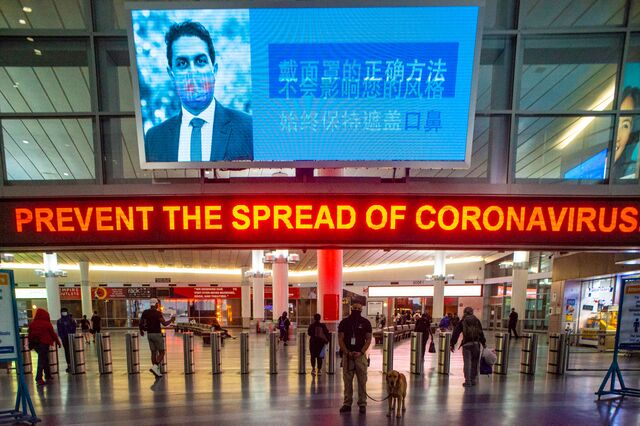
Municipal campaigns to stop the pandemic are now ever-present in public places: subways, train stations, bus stops, schools. These signs and announcements are changing the city's identity. In 2020, New York’s most visible business is fighting the coronavirus.

“Covid-19, Covid-19, Covid-19,” a young man sings softly as he walks along Roosevelt Avenue in Queens.