Women Are Bearing the Brunt of the Covid-19 Economic Pain
The devastation being wrought by the Covid-19 pandemic is not evenly distributed. The disease seems to be deadlier in men, but the economic fallout has hit women harder. Unlike the last recession, which led to greater job losses for men in the U.S., the current downturn is disproportionately hurting women’s employment — with ramifications that could be long-lasting if we don’t pay attention to them now.
A recent National Bureau of Economic Research paper provides two major reasons this recession is tougher for women: First, this crisis has battered sectors where women’s employment is concentrated, like restaurants, retail, hospitality and health care. This was not the case in past recessions, which hurt male-dominated sectors like manufacturing and construction. Second, coronavirus shutdowns have closed schools and daycares around the U.S. and the world, keeping kids at home and making it even harder for parents — but especially mothers, who tend to provide the majority of childcare — to keep working.
State of Unemployment
We looked at a variety of data to better understand the economic picture for women in the U.S. and the U.K. In terms of employment, the most recent April data from the U.S. Bureau of Labor Statistics show that unemployment has risen more sharply among American women than men. The unemployment rate for men aged 16 years and older was 13.3% in April (compared to 3.6% in April 2019); that number was 15.7% for women (compared to 3.1% in April 2019). These figures are not seasonally adjusted. Women made up 49.2% of all nonfarm payroll workers in April (compared to 50% in February and March).

U.S. unemployment rate, April
Women
3.1%
2019
2020
15.7%
Men
2019
3.6%
13.3%
2020

U.S. unemployment rate, April
Women
3.1%
2019
2020
15.7%
Men
2019
3.6%
13.3%
2020

U.S. unemployment rate, April
Women
3.1%
2019
2020
15.7%
Men
2019
3.6%
13.3%
2020

U.S. unemployment rate, April
Women
2019
3.1%
2020
15.7%
Men
2019
3.6%
2020
13.3%
The data available looking at gender and race show an even bleaker picture for women of color. White women saw an increase in unemployment from 2.4% last April to 14.6% in April 2020. The unemployment rate for black women in April 2019 was 4.8%; in April 2020 it was 15.8%. Hispanic and Latina women saw a drastic jump from a 3.4% unemployment rate last April to 19.8% last month. (These figures are of women aged 20 and older and are not seasonally adjusted.)
Employment fell in all major U.S. industry sectors, but the losses in leisure and hospitality were particularly severe in April — the data show employment in this sector plunged by 7.7 million, or 47%. Employment in education and health services also took a nose dive, losing 2.5 million jobs.
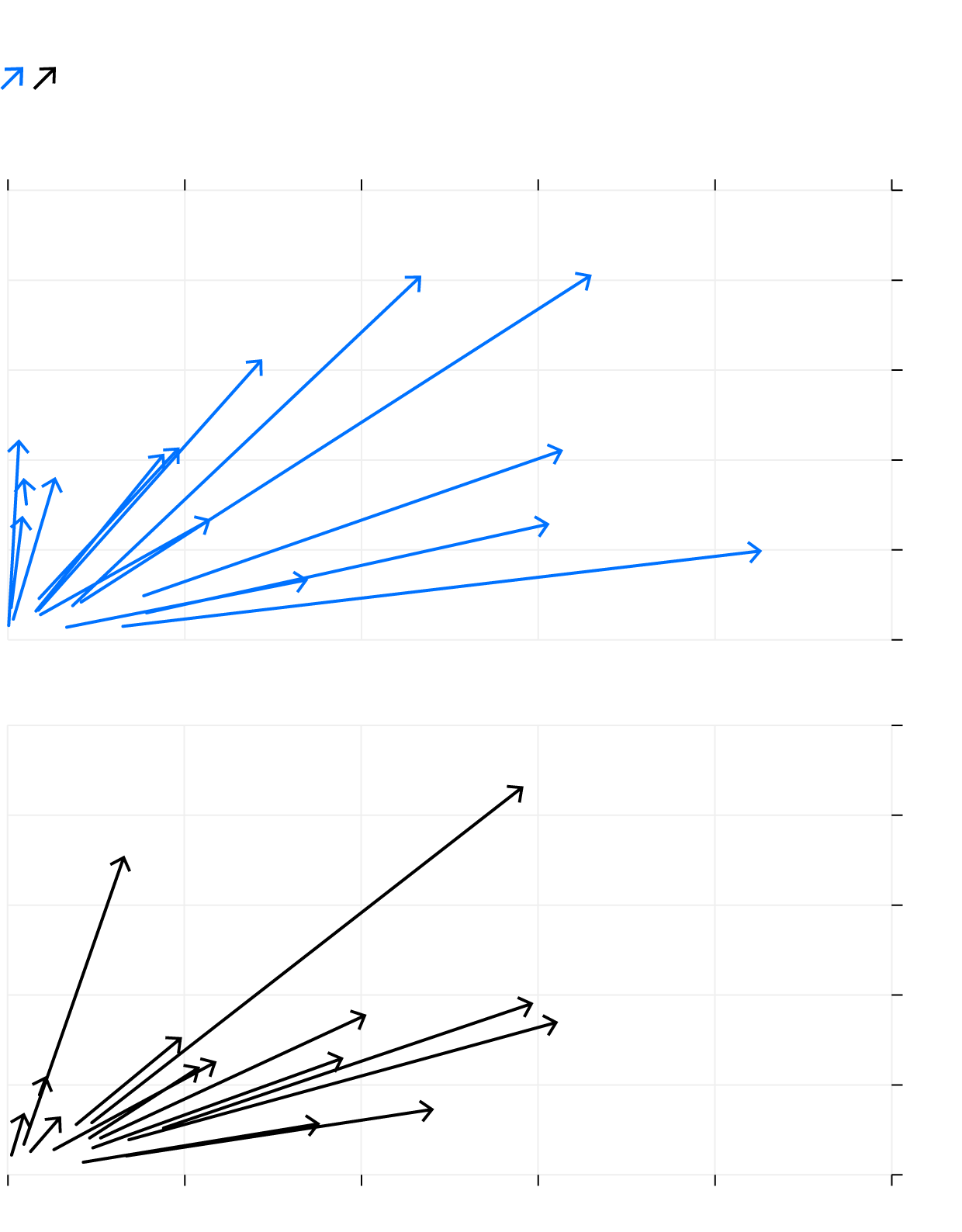
Change in number and rate unemployed, April 2019 to April 2020, by sector
Increase
Women
0
0.5
1.0
1.5
2.0
2.5 million
50%
Food preparation,
serving
Personal care,
service
40
Cleaning,
maintenance
30
Sales
20
Office, admin
Professional
10
0
Men
50%
Food preparation,
serving
Personal care,
service
40
30
20
Construction, extraction
Production
Transportation,
material moving
10
Professional
0
0
0.5
1.0
1.5
2.0
2.5 million
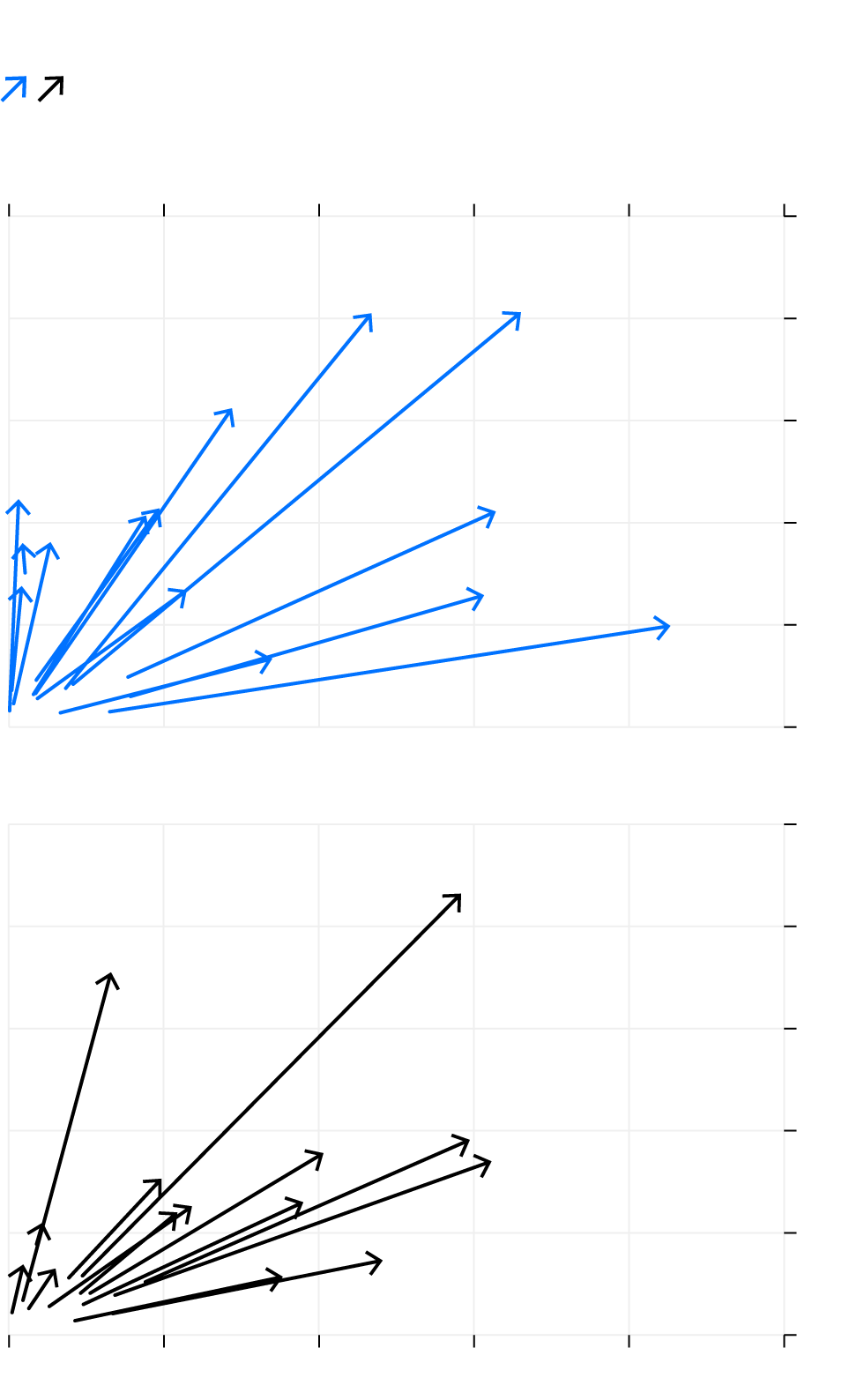
Change in number and rate unemployed, April 2019 to April 2020, by sector
Increase
Women
0
0.5
1.0
1.5
2.0
2.5 million
50%
Personal care,
service
Food preparation,
serving
40
Cleaning,
maintenance
30
Sales
20
Office, admin
10
Professional
0
Men
50%
Food preparation,
serving
Personal care,
service
40
30
20
Construction, extraction
Production
Transportation,
material moving
10
Professional
0
0
0.5
1.0
1.5
2.0
2.5 million
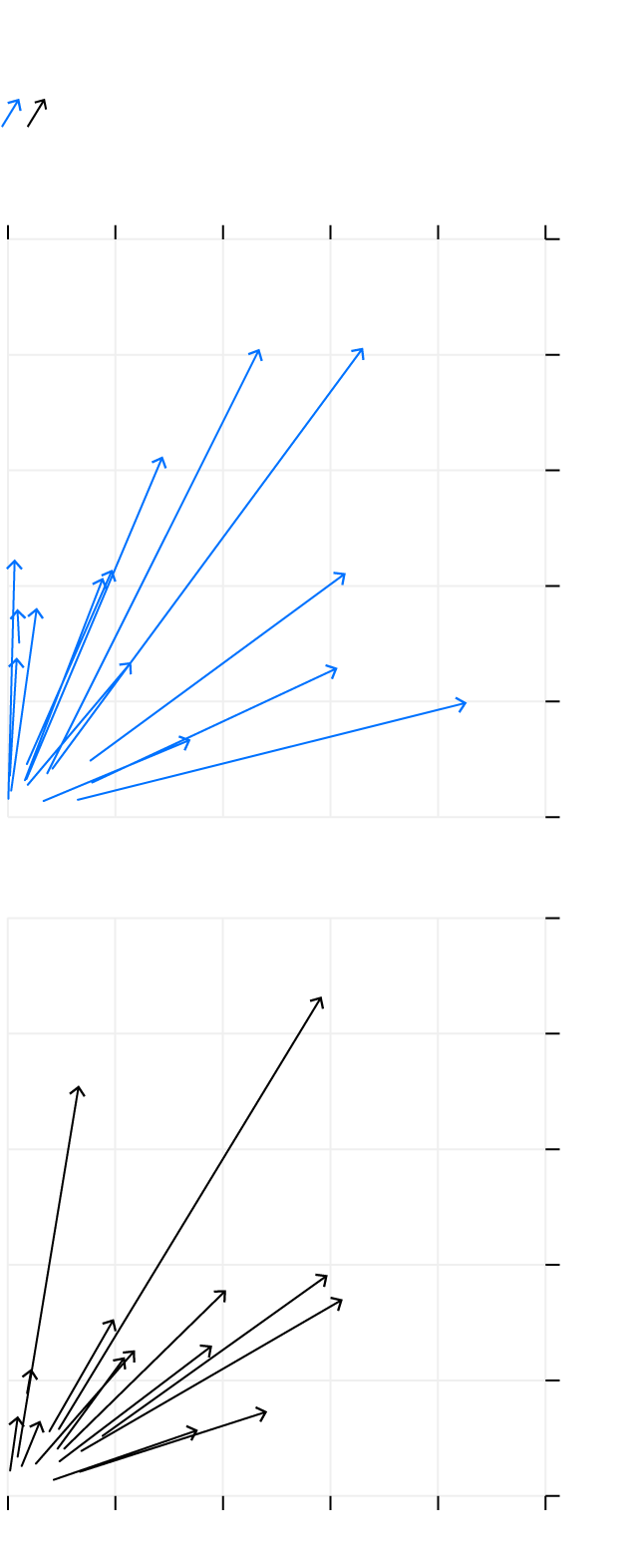
Change in number and rate unemployed
April 2019 to April 2020, by sector
Increase
Women
0
0.5
1.0
1.5
2.0
2.5 million
50%
Food preparation,
serving
Personal care, service
40
Cleaning,
maintenance
30
Sales
20
Office, admin
10
Professional
0
Men
50%
Food preparation,
serving
40
Personal care,
service
30
Construction,
extraction
20
Production
Transportation,
material moving
10
Professional
0
0
0.5
1.0
1.5
2.0
2.5 million
The employment picture looks fairly similar in the U.K., where, according to an early April analysis by the Institute for Fiscal Studies, women were more likely than men to work in a sector that had been shut down due to coronavirus, such as retail and childcare.

Share of U.K. workers in sectors that have been shut down
Women
17%
Men
13%

Share of U.K. workers in sectors that have been shut down
Women
17%
Men
13%

Share of U.K. workers in sectors that have been shut down
Women
17%
Men
13%

Share of U.K. workers in shut down sectors
17%
Women
13%
Men
Gendered employment patterns show how the disruption of certain sectors can affect women and men differently.

Distribution of U.K. workers in sectors that have been shut down
Women
Men
Accommodation and food
30%
28%
Retail*
26%
26%
Childcare
14%
1%
Personal care
12%
3%
Arts and leisure
11%
17%
Passenger transport
4%
21%
Travel
3%
2%
Domestic services
1%
0%

Distribution of U.K. workers in sectors that have been shut down
Women
Men
Accommodation and food
30%
28%
Retail*
26%
26%
Childcare
14%
1%
Personal care
12%
3%
Arts and leisure
11%
17%
Passenger transport
4%
21%
Travel
3%
2%
Domestic services
1%
0%

Distribution of U.K. workers in shut down sectors
Women
Accommodation, food
Men
30%
28%
Retail*
26%
26%
Childcare
14%
1%
Personal care
12%
3%
Arts, leisure
11%
17%
Passenger transport
4%
21%
Travel
3%
2%
Domestic services
1%
0%
Who Is an Essential Worker
There’s also the question of who’s continued to work during the crisis to provide necessary services — taking care of patients, running grocery stores and dispensing medications — keeping their jobs but risking their health. The NBER paper found that 17% of employed women in the U.S. work in critical occupations (mostly in health care) compared to 24% of employed men.

Share of U.S. workers in critical occupations
Health care practioners, technicians and support
Other critical
Women
17%
Men
24%

Share of U.S. workers in critical occupations
Health care practioners, technicians and support
Other critical
Women
17%
Men
24%

Share of U.S. workers in critical occupations
Health care practioners, technicians and support
Other critical
Women
17%
Men
24%

Share of U.S. workers in critical occupations
Health care
Other critical
Women
17%
Men
24%
This may mean that men’s jobs are more protected, even though their health would be at greater risk. (The researchers caution that their classification is rough, and the real share of women in critical jobs is likely higher once grocery store clerks are taken into account.)
Single Parenting Around the World
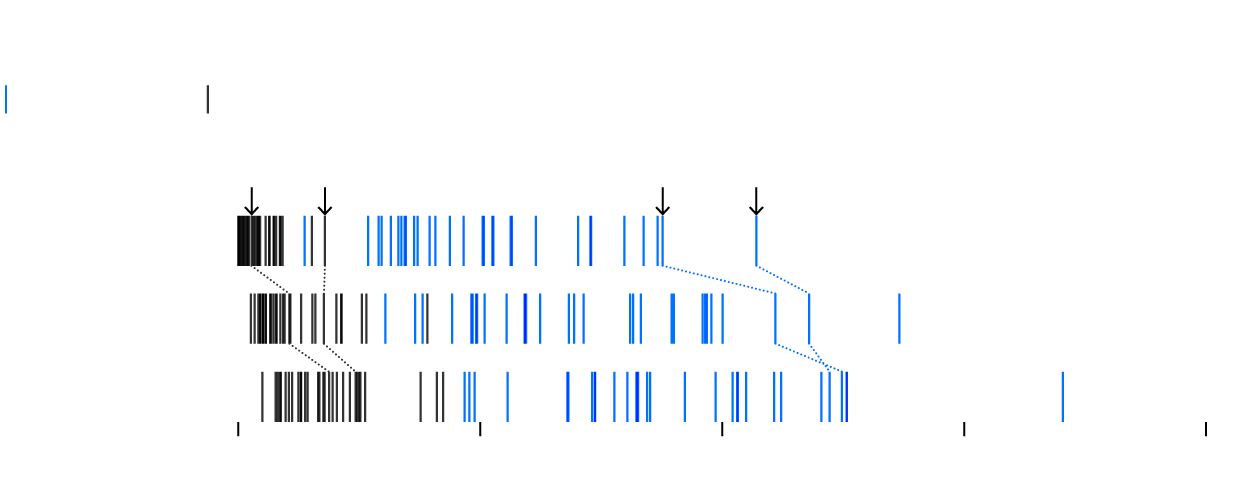
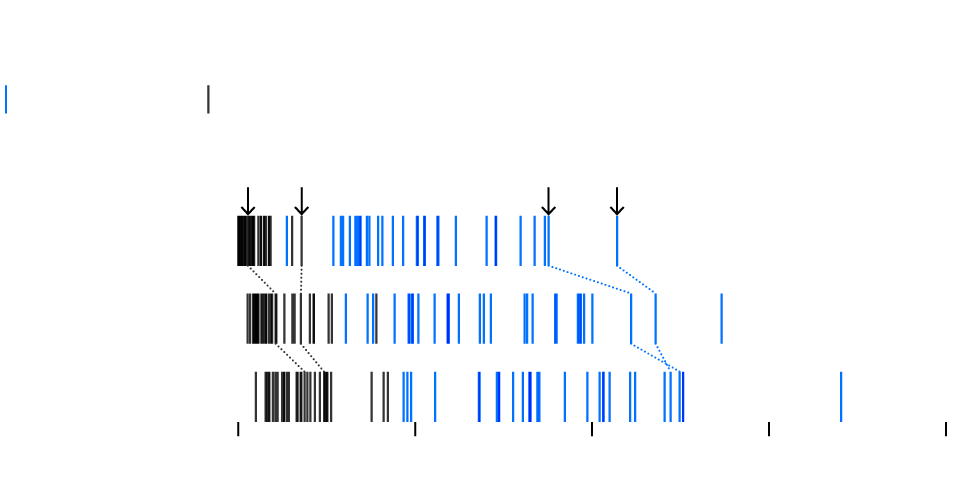
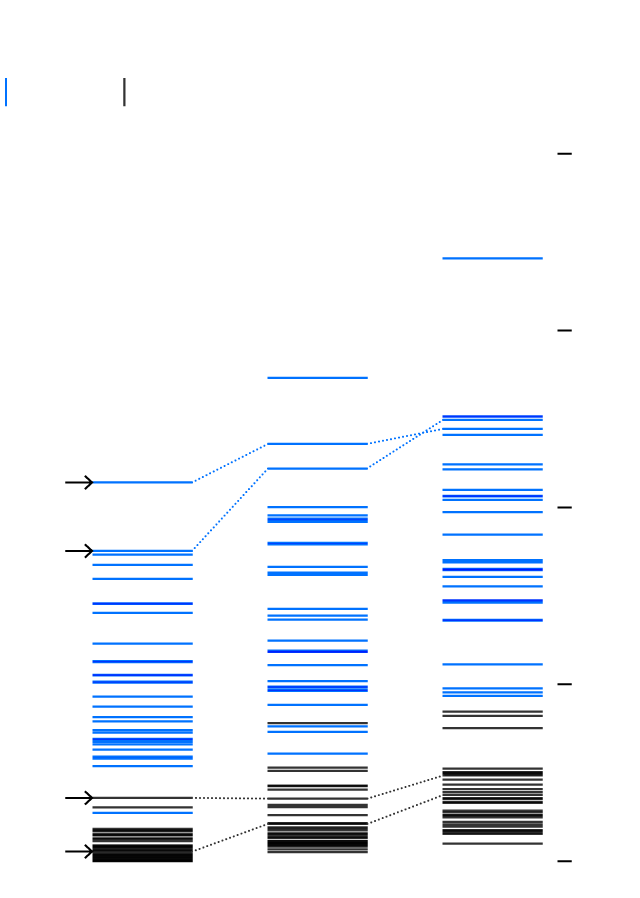
Then there’s the impact of school closures. With millions of children stuck at home, parents are now responsible for a larger share of childcare and education, which is undoubtedly cutting into their ability to work.
This is especially problematic for single parents, and around the world there are far more single mothers than single fathers. In the U.S., there are around 15 million single moms, and they make up nearly 70% of all single-parent households, according to the NBER paper’s analysis of U.S. Census Bureau data. “Supporting these women and their children during the crisis is among the most immediate and important policy challenges,” the NBER paper states.
In OECD countries, 16% of children live in single-parent homes, and overwhelmingly with their mothers. This is especially true for preschool-aged children, with 21% in the U.S. and 18% in the U.K. living with only their mom. No schools or babysitters means more hours spent caring for and educating children.

Percentage of children living with one parent
Father only
Mother only
Each line represents one country
U.K.
U.S.
U.K.
U.S.
0 to 5-year-olds
6 to 11-year-olds
12 to 17-year-olds
0
10
20
30
40%
Percentage of children living with one parent
Father only
Mother only
Each line represents one country
U.K.
U.S.
U.K.
U.S.
0 to 5-year-olds
6 to 11-year-olds
12 to 17-year-olds
0
10
20
30
40%
Percentage of children living with one parent
Father only
Mother only
Each line represents one country
U.K.
U.S.
U.K.
U.S.
0 to 5-year-olds
6 to 11-year-olds
12 to 17-year-olds
0
10
20
30
40%
Percentage of children living with one parent
Each line represents one country
Mother
Father
40%
12 to 17
30
6 to 11
Ages
0 to 5
U.S.
20
U.K.
10
U.S.
U.K.
0
Who’s Doing Chores?
Shutdowns also create more housework, which women traditionally do more of. Restaurant closures mean more cooking. More time inside means more reasons to clean the house. Having a partner doesn’t necessarily mean getting help with these responsibilities. For decades, women in heterosexual couples have done the majority of this unpaid work — even when they out-earn their husbands. Data from 2015 analyzed by U.K.’s Office for National Statistics and the 2018 American Time Use Survey show that the imbalance in unpaid housework women and men perform is stark.

Time spent on unpaid or household work
Women
Men
U.K.
Cooking
8 hours/week
Laundry
Transport
Childcare
Housework
U.S.
Housework
50 minutes/day
Laundry
Childcare
Cooking
Transport

Time spent on unpaid or household work
Women
Men
U.K.
Cooking
8 hours/week
Laundry
Transport
Childcare
Housework
U.S.
Housework
50 minutes/day
Laundry
Childcare
Cooking
Transport

Time spent on unpaid or household work
Women
Men
U.K.
Cooking
8 hours/week
Laundry
Transport
Housework
Childcare
U.S.
Housework
50 minutes/day
Laundry
Childcare
Transport
Cooking
This unequal division of labor likely hasn’t changed that much since the onset of the pandemic. Even though men are spending more time at home than before, women are still reporting doing more of the housework. A New York Times analysis found that men are largely oblivious to this: 45% of surveyed men believed they spent more time homeschooling, but only 3% of women agreed. (Time-tracking studies consistently show that women are more accurate estimators of who does housework and childcare.)
Women Working Longer
Having to do a greater share of unpaid work at home does not bode well for women’s career progression or future earning potential, since it is likely to come at the cost of the paid work they could be doing instead. After all, women don’t have a lot of slack in their schedules. A Pro Bono Economics report shows that women’s work weeks have gotten longer compared with four decades ago. They’re doing the same amount of unpaid work they were doing in the 1970s, and they’re also doing more paid work. This translates to 30.5 more full-time working days each year.
Men are doing more unpaid work than their fathers did ... but it is still about half the amount women contribute. Men’s paid work, meanwhile, has also shifted downward during this period, which is part of a trend in most advanced economies. When you include both paid and unpaid labor, men work about two hours less than women each week on average.

Average number of hours worked in a week in the U.K.
Unpaid
Paid
Women
48 hours
1974–75
52
2014–15
Men
52
1974-75
50
2014-15

Average number of hours worked in a week in the U.K.
Unpaid
Paid
Women
48 hours
1974–75
52
2014–15
Men
52
1974-75
50
2014-15

Average number of hours worked in a week in the U.K.
Unpaid
Paid
Women
48 hours
1974–75
52
2014–15
Men
52
1974-75
50
2014-15

Average number of hours worked in the U.K.
Unpaid
Paid
Women
48 hours a week
1974–75
52
2014–15
Men
52
1974-75
50
2014-15
Post-pandemic Promise
The shock inflicted by the coronavirus crisis doesn’t have to reinforce this lopsided arrangement. Historically, disruptions like the one we’re living through can lead to lasting social and economic change. That could happen now — if policymakers design recovery efforts with gender equality in mind, if employers allow for more flexible, predictable remote work and if fathers pick up more of the childcare and housework. These moves would not only prevent women from falling behind during the pandemic, but create a more level playing field in the future.