
North Carolina’s Breakneck Growth Makes It a Senate Battleground
2020 Senate Races
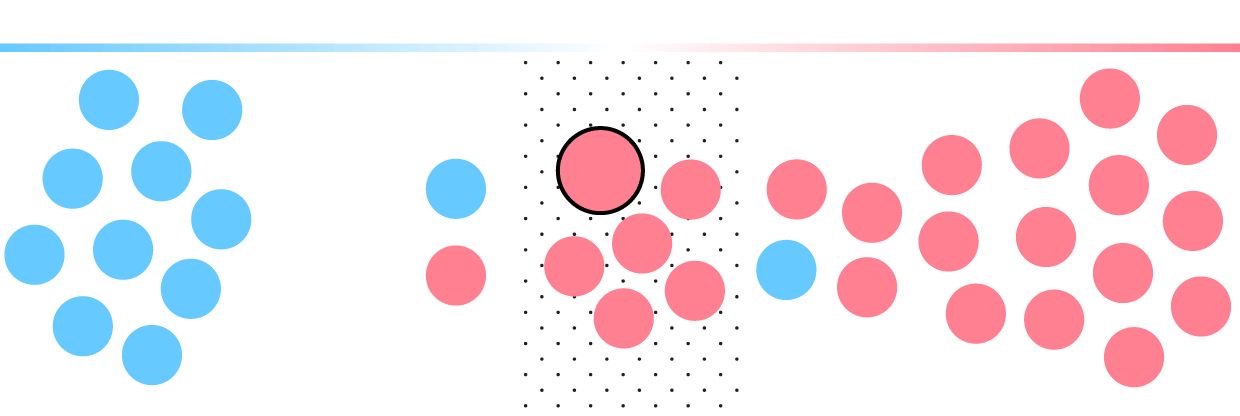
SAFE DEMOCRATS
TOSS UPS
SAFE REPUBLICANS
RI
MS
NM
TN
AR
AK
OR
NC
VA
NE
SC
MI
MT
KS
MN
WV
ID
TX
GA
NJ
IL
ME
AL
OK
AZ
GA-S
IA
NH
WY
KY
LA
CO
MA
DE
SD
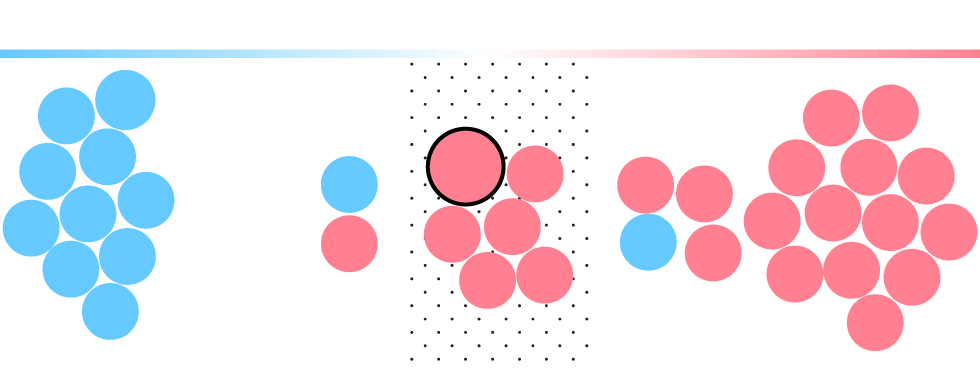
SAFE DEMOCRATS
TOSS UPS
SAFE REPUBLICANS
NM
TN
RI
AR
OR
AK
MS
NC
VA
MT
WV
SC
MI
KS
MN
ID
NJ
TX
NE
GA
IL
WY
ME
AL
AZ
GA-S
NH
MA
LA
IA
KY
OK
CO
DE
SD

SAFE DEMOCRATS
TOSS UPS
SAFE REPUBLICANS
NM
TN
RI
AR
OR
NC
AK
MS
VA
MT
WV
SC
MI
KS
MN
ID
NJ
TX
NE
GA
IL
WY
ME
AL
AZ
GA-S
NH
MA
LA
KY
IA
OK
CO
DE
SD
The demographic tide has been slowly rising for Democrats in North Carolina. Cal Cunningham is counting on it to carry him past incumbent Republican Thom Tillis in November in a contest that could determine which party controls the Senate next year.
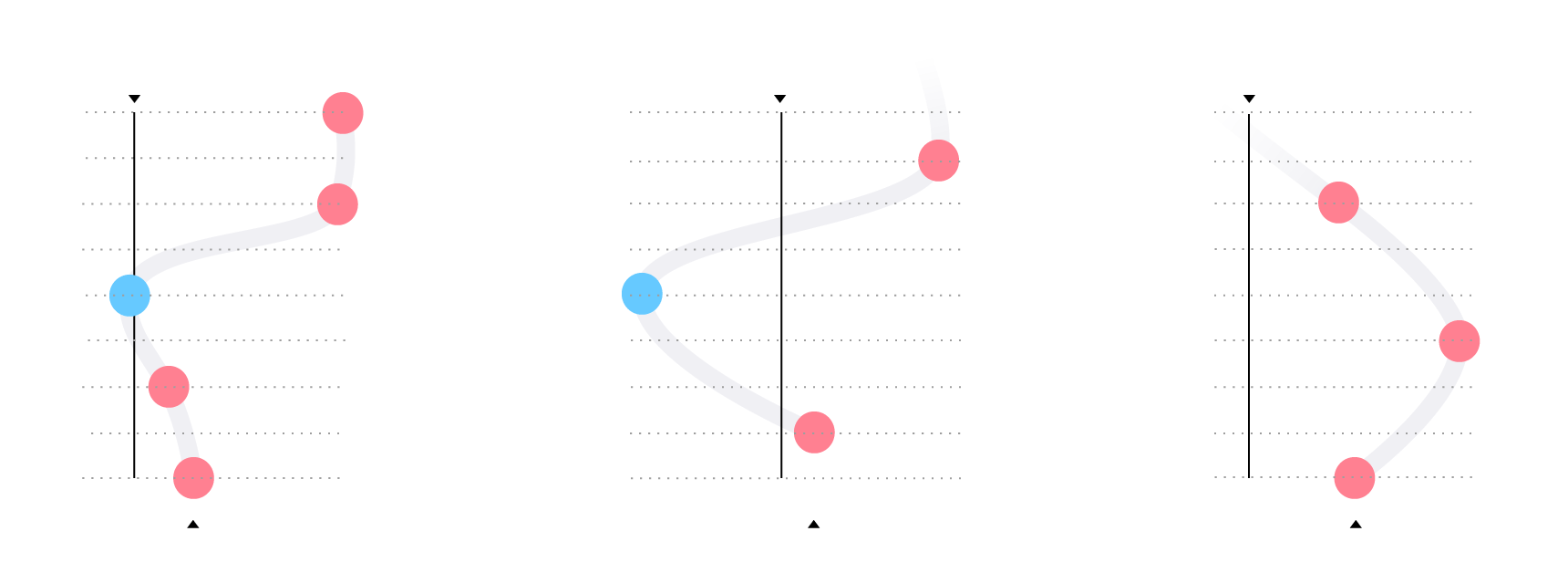
The state’s dynamic growth has put nearly 1.8 million new voters on its rolls since 2016, according to Michael Bitzer, a politics professor at Catawba College in Salisbury, when President Donald Trump won it by 3.6 percentage points. Those new voters amount to about a quarter of the electorate. They skew younger—and they are more diverse. That could have consequences from the top of the ballot down.
Follow the storythread for real time updates on this graphic.
“I have described North Carolina as center-slightly-leaning Republican, but I think we are moving into potentially pure tossup,” Bitzer said.
North Carolina Election Results
- Democrat
- Republican
PRESIDENT
SENATE
SENATE
TIE
TIE
TIE
TIE
TIE
TIE
TIE
TIE
TIE
+12.8
+12.8
+12.8
+12.8
R
R
R
R
2000
2000
2000
2000
2002
+8.6
R
2004
+4.6
R
R
R
R
R
2004
+12.5
2008
2008
D
+0.3
+8.5
D
+11.8
2010
R
2012
+2.0
R
+1.5
R
2014
2016
2016
+3.6
+5.7
R
R
TRUMP
TILLIS
BURR

PRESIDENT
SENATE
SENATE
TIE
TIE
TIE
TIE
TIE
TIE
TIE
TIE
TIE
+12.8
+12.8
+12.8
+12.8
R
R
R
R
2000
2000
2000
2000
+8.6
R
2002
+4.6
R
R
R
R
R
2004
2004
+12.5
2008
D
+0.3
+8.5
D
2008
+11.8
2010
R
+2.0
R
2012
+1.5
R
2014
2016
2016
+3.6
+5.7
R
R
TRUMP
TILLIS
BURR

SENATE
TIE
TIE
TIE
TIE
+8.6
R
2002
2008
D
+8.5
+1.5
R
2014
TILLIS
SENATE
PRESIDENT
TIE
TIE
TIE
TIE
TIE
+12.8
+12.8
+12.8
+12.8
R
R
R
R
2000
2000
2000
2000
2004
+4.6
R
2004
R
R
R
R
+12.5
2008
+0.3
D
+11.8
2010
R
2012
+2.0
R
2016
2016
+5.7
R
+3.6
R
BURR
TRUMP

SENATE
TIE
TIE
TIE
TIE
+8.6
R
2002
2008
D
+8.5
+1.5
R
2014
TILLIS
SENATE
TIE
TIE
TIE
TIE
+4.6
R
2004
+11.8
2010
R
2016
+5.7
R
BURR
PRESIDENT
TIE
+12.8
+12.8
+12.8
+12.8
R
R
R
R
2000
2000
2000
2000
2004
R
R
R
R
+12.5
2008
+0.3
D
+2.0
R
2012
2016
+3.6
R
TRUMP
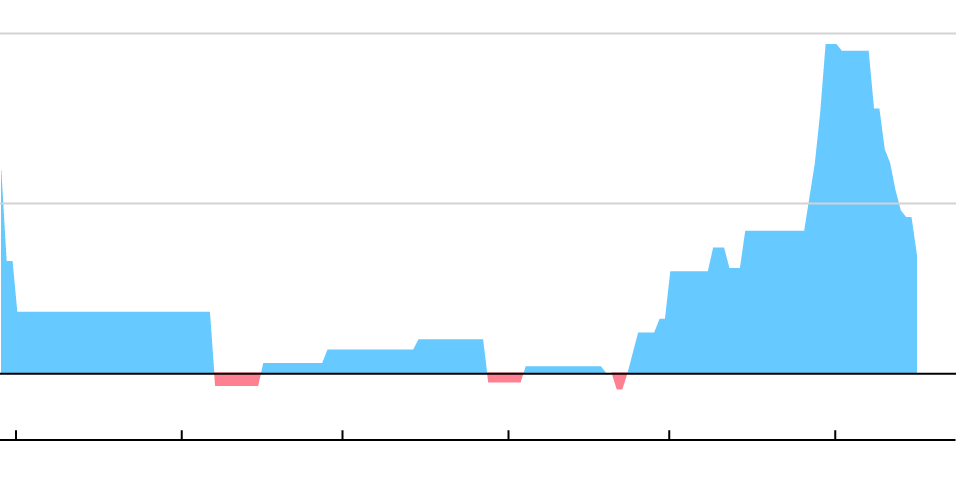
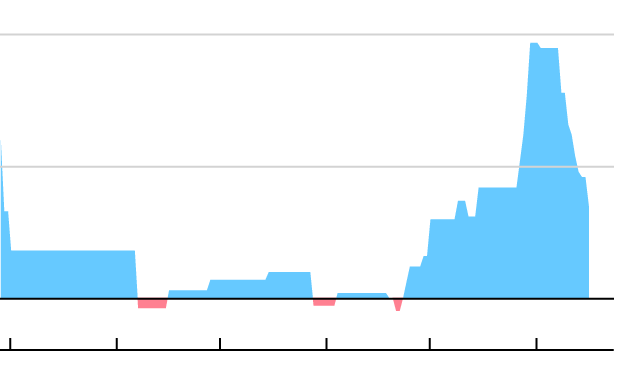
That’s reflected in polling of both the presidential and Senate races, which show close and volatile contests. In a Monmouth University poll released Thursday, Cunningham held a 47% to 45% lead over Tillis among likely voters. Democrat Joe Biden also had a 2-point advantage over Trump. Both results were well within the margin of error and in line with some other recent polls. Yet a Fox News poll released Wednesday put Cunningham ahead of Tillis 48% to 42%, while Biden was up 50% to 46% over Trump.
North Carolina Senate Polling Average
- Cunningham
- Tillis

+10%
5
0
March
April
May
June
July
August
+10%
5
0
March
April
May
June
July
August
+10%
5
0
March
April
May
June
July
Aug.
Republicans now hold a 53-to-47 advantage in the Senate, and North Carolina is one of the prime targets for Democrats among the seven states where a GOP incumbent is considered vulnerable. That’s brought in a flood of outside money, and the attention of Trump, who paid a visit there on Wednesday and plans to return on Sept. 8.
2020 Election Preview: Democrats’ Quest for Senate Majority Rides on Biden’s Coattails
Cunningham has adopted the tactics used successfully by Democrats who flipped Republican House seats in 2018: focusing on issues like health care and serving local interests, with less on Trump and the battle for the White House.
A former state senator who served in Iraq and Afghanistan in the Army Reserve, he’s attempting to convert some Trump voters through a message that Washington—and longtime politicians like Tillis—aren’t working for them.
“I’m running against Thom Tillis, and I’ll work with whoever the next president is,” Cunningham said. “I hear from an awful lot of Republicans who, many of whom may go in the booth to re-elect the president, but will not vote to re-elect Thom Tillis. So we are fighting for those votes.”

Tillis, a former state House speaker who won his seat by less than 2 percentage points in 2014, has regularly voted with Trump and his Republican colleagues.
But he’s tried to avoid getting pulled in the stream of controversies over Trump’s tweets and statements, and has at times separated himself from the president. Early last year, he wrote a Washington Post op-ed opposing Trump’s emergency order diverting funding from military projects to build the border wall as a matter of principle—though he later voted against overturning the order.
Unlike the president, he’s long advocated mask use to stem the spread of the coronavirus. After he was photographed without one while attending Trump’s crowded White House convention speech, he released a statement saying he’d fallen short of his own standards.
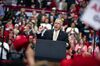
Of late, Tillis has tied himself more closely to the president. Trump, aware of the importance of North Carolina and the Senate seat to the GOP, praised him as “a real friend of mine—a tremendous senator” during an event Wednesday in Wilmington to commemorate the 75th anniversary of Japan’s surrender and the end of World War II.
“President Trump and I are running on our record of accomplishments and we are going to win,” Tillis tweeted recently.
Tillis declined to be interviewed for this article, with his campaign citing a busy schedule.
Like much of the rest of the country, North Carolina voters are polarized, leaving only a small slice of the electorate available to be swayed. Bitzer said Democratic candidates like Cunningham are playing for the middle while Republicans are concentrating on their conservative base. With more young people joining the voting rolls, that may turn into a losing strategy for the GOP.
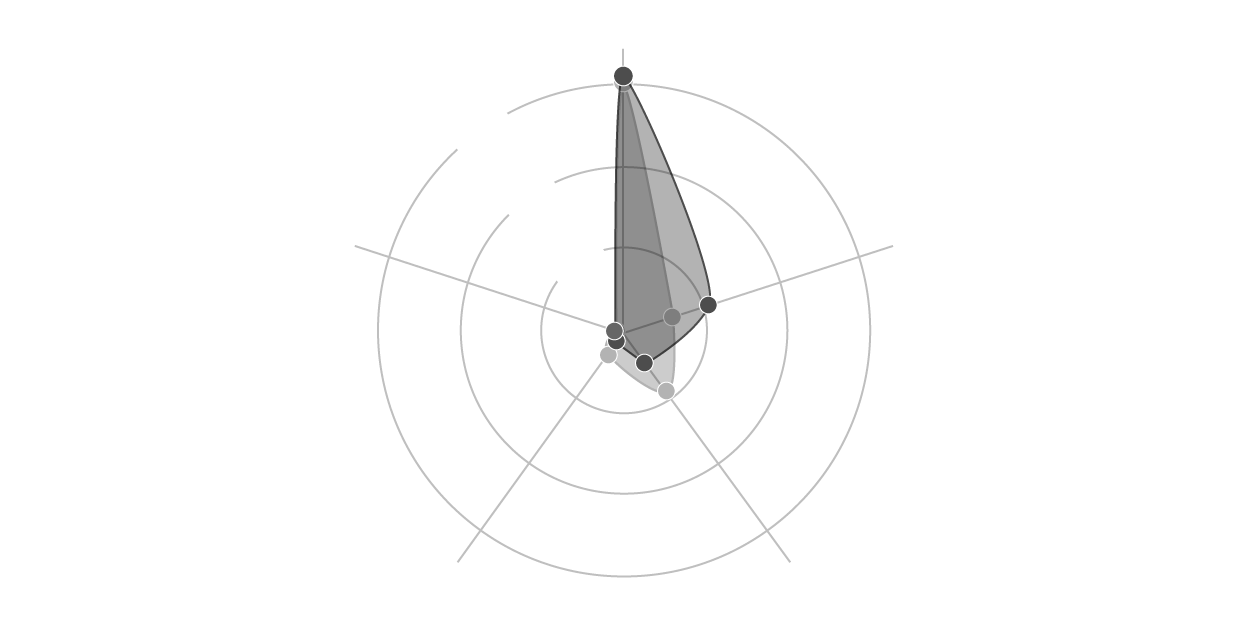
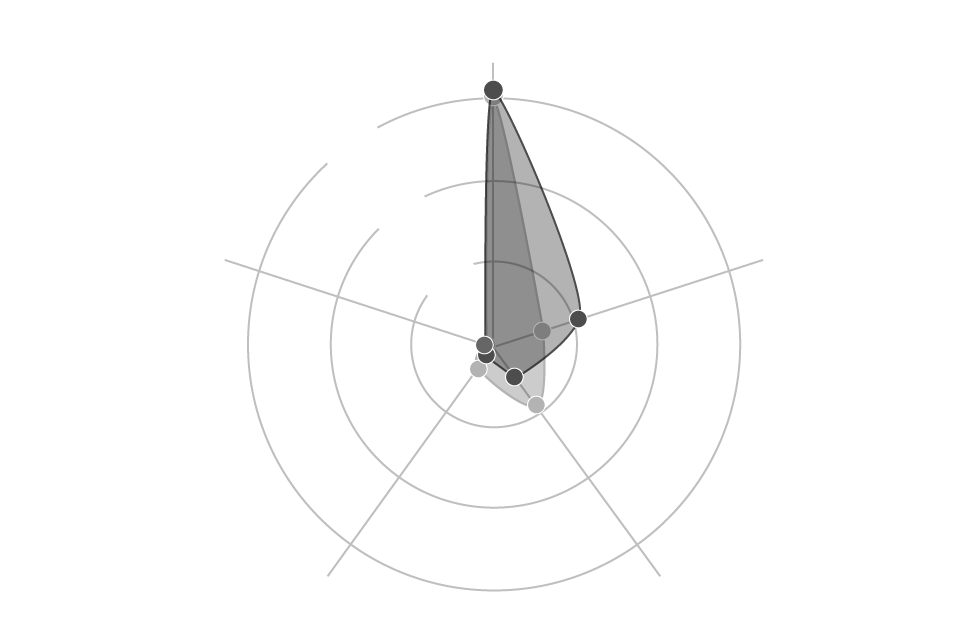
Statewide, 30% of new voters have registered as Democrats, against 26% for Republicans. Bitzer said that among millennial and Gen-Z groups, Republicans have only just over 20%. “That’s the canary in the coal mine” for the party, he said.
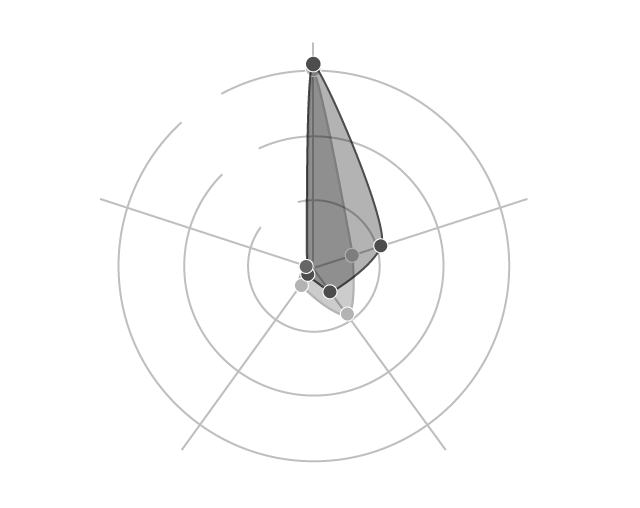
Another factor is the Black vote. Blacks, who historically lean Democratic, make up 22% of the state’s population. One of the keys for Cunningham is generating turnout among minorities and young voters.
North Carolina Demographics
- U.S.
- North Carolina
WHITE
60%
40%
NATIVE
BLACK
20%
LATINO
ASIAN
WHITE
60%
40%
NATIVE
BLACK
20%
LATINO
ASIAN
WHITE
60%
40%
NATIVE
BLACK
20%
LATINO
ASIAN
Cunningham has marched with demonstrators amid the wave of protests triggered by the death of George Floyd, a Black man, in custody of a White police officer in Minneapolis. But he has opposed ideas like defunding the police. Tillis has sought to tie Cunningham to violence in cities like Raleigh, emulating Trump’s “law and order” mantra.
Tillis campaign spokesman Andrew Romeo pointed to statistics showing Republican registration has remained steady while the proportion of Democrats has declined. He cited data showing a bigger shift towards voters not affiliating with either party and said the state remains right-of-center ideologically.
“We are confident that Senator Tillis’ policies to get North Carolinians back to work when contrasted with Cal Cunningham’s tax-hiking, job-killing agenda will allow us to do well with them,” Romeo said.
Cunningham has led significantly in recent fundraising, taking in about $5 million more than Tillis in the most recent quarter. But the two had nearly equal levels of cash on hand at $6.8 million for Tillis to $6.6 million for Cunningham.
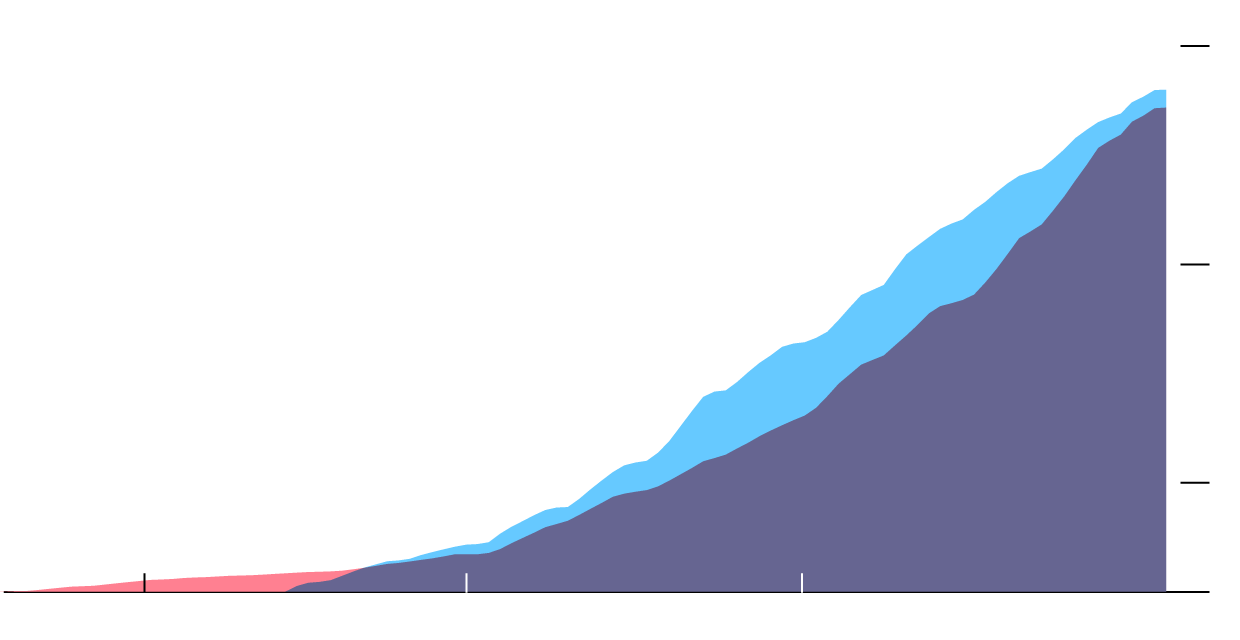
Outside groups and party committees have been pouring tens of millions of dollars into the race. Overall outside spending has reached $38.6 million, the most of any Senate race, according to OpenSecrets.org.
The Senate Leadership Fund, aligned with Majority Leader Mitch McConnell, earlier this year announced it was allocating $21.8 million to help Tillis, and a sister political action committee, American Crossroads, this week allocated $10.8 million more. Democratic-aligned groups have allocated similar amounts for Cunningham, with VoteVets unveiling a $2.7 million ad buy this week.
Big Spending in North Carolina Senate Ad Race
- Democrat
- Republican
$15M
9
3
0
June
July
August
$15M
9
3
0
June
July
August
$15M
9
3
0
June
July
August
Health care was a winning issue for Democrats in 2018 and it’s become more pressing amid the coronavirus pandemic. The state of 10.5 million people has reported more than 170,000 Covid-19 cases, with at least 2,779 deaths.
Cunningham has regularly attacked Tillis for blocking the expansion of Medicaid under the Affordable Care Act when he was state House speaker, and voted against preserving that act in the Senate.
Tillis has proposed legislation to restore some—but not all—of the ACA’s protections for people with pre-existing health conditions should the court strike it down.
The candidates have also engaged on the traditionally partisan topic of taxes. Tillis has launched attacks on Cunningham for backing an increase when he was a state senator nearly 20 years ago. Cunningham has faulted Tillis for supporting the 2017 Trump tax law that he said favored the wealthy and opened the door to the lawsuit seeking to strike down Obamacare.
Whoever wins the presidential and Senate contests on Nov. 3, it won’t be by much.
“The general consensus is,” Bitzer said, “if somebody wins statewide by more than 5 percentage points that’s a landslide.”