What States Have Learned About Counting Votes in a Pandemic
An influx of mailed ballots in November will test the preparedness of most states, particularly those with little experience running vote-by-mail elections. Primary elections earlier this year showed that the coronavirus pandemic has dramatically changed how people prefer to vote. In Kentucky, where 2% of voters typically vote absentee, about 75% of June primary voters cast their vote via mail-in ballot. In California’s primary, the share jumped 13 percentage points from the 2016 general election. All states face the added challenge of carrying out the vote as President Donald Trump and his Democratic opponent, Joe Biden, each accuse the other of trying to rig the election. Trump has said mail-in ballots “are a disaster” and to “get rid of the ballots.”
With about a month until the general election, some states are still trying to pin down how they’ll count unprecedented numbers of mail-in ballots accurately and efficiently. Legal challenges mean some rules could change all the way up until Election Day.
This year’s primaries revealed how unprepared some states were for a high-turnout election where most voters don’t go to their polling place. In fact, hundreds of thousands of ballots in primaries across the country were rejected because of being late or over signature questions. Opening, sorting and verifying mailed ballots and counting in some states—like Pennsylvania—took weeks to finalize. In Detroit’s Wayne County, the procedures were not only slow, but they resulted in some counting discrepancies.
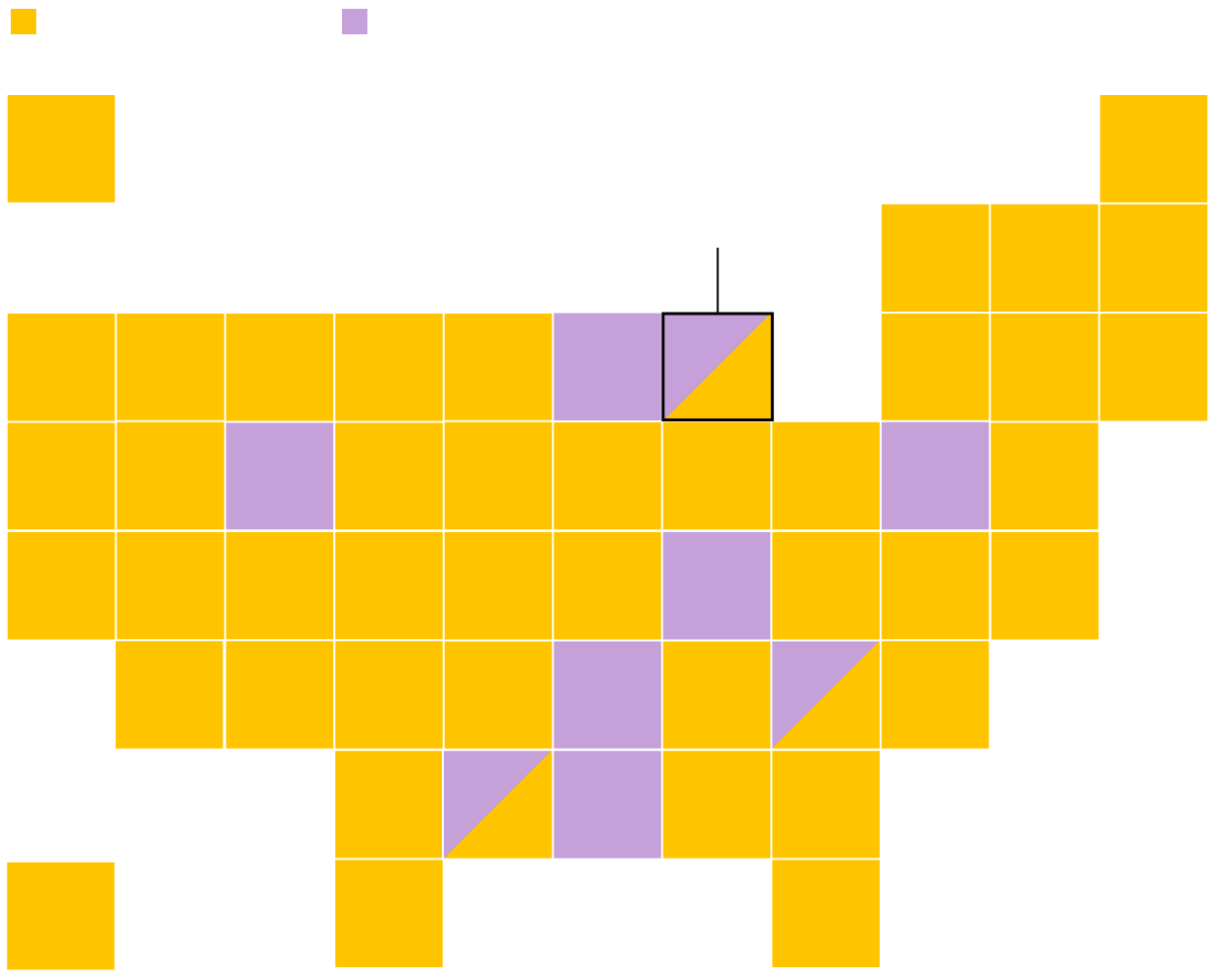
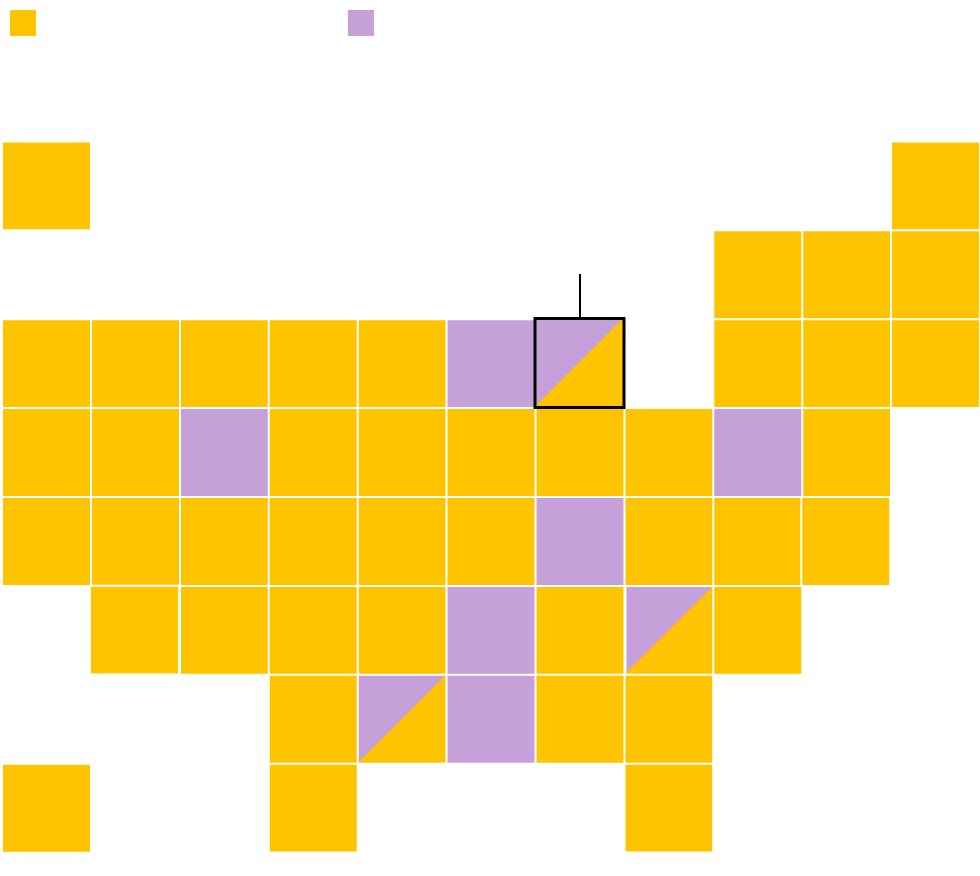
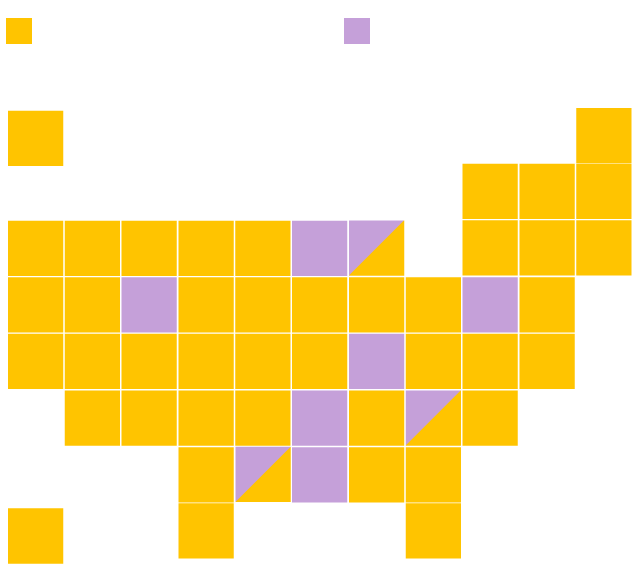
When States Start Processing Mailed Ballots Differs
Before Election Day
Election Day
A newly approved bill lets some clerks process mail ballots on the day before the election
AK
ME
VT
NH
MA
WA
ID
MT
ND
MN
WI
MI*
NY*
CT
RI
OR
NV
WY
SD
IA
IL
IN
OH
PA
NJ
CA
UT
CO
NE
MO
KY
WV
MD
DC
DE
NM
KS
AR
MS
TN*
VA*
NC
AZ
OK
AL
GA
SC
LA*
HI
TX
FL
Before Election Day
Election Day
A newly approved bill lets some clerks process mail ballots on the day before the election
AK
ME
VT
NH
MA
WA
ID
MT
ND
MN
WI
MI*
NY*
CT
RI
OR
NV
WY
SD
IA
IL
IN
OH
PA
NJ
CA
UT
CO
NE
MO
KY
WV
MD
DC
DE
AZ
NM
KS
AR
MS
TN*
VA*
NC
OK
LA*
AL
GA
SC
HI
TX
FL
Before Election Day
Election Day
AK
ME
VT
NH
MA
NY*
CT
RI
WA
ID
MT
ND
MN
WI
MI*
OR
NV
WY
SD
IA
IL
IN
OH
PA
NJ
CA
UT
CO
NE
MO
KY
WV
MD
DC
DE
AZ
NM
KS
AR
TN*
VA*
NC
MS
OK
AL
GA
SC
LA*
TX
FL
HI
An audit of the Postal Service’s performance during the primaries by the Office of the Inspector General found that many pieces of election mail were mailed “too close to the election, resulting in insufficient time for the Postal Service to process and deliver” them. Many states allow ballot applications within a week of Election Day, despite the Postal Service’s recommendations and warnings that more time is needed. Montana and Wyoming for example, allow applications to be submitted up until the day before the election.
The Latest Possible Date Mailed Ballots Will be Accepted by State
Examining a few key counties in swing states where primaries were complicated by ballot casting confusion or counting delays underscores what is at stake in the general election. Even just a few thousand rejected ballots could mean the difference in a competitive state in November. The number of absentee votes rejected in Michigan’s August primary matched Trump’s 2016 margin of victory in the state.
With time still to learn lessons from the primaries and implement changes for the general election, state and local leaders say they’re better prepared to manage a second high-turnout, mail-in-heavy election. However, we should not expect complete results on election night—and that’s not necessarily a sign that anything is amiss.

Wayne County, Michigan
26%
69%
2016 General
mail-in votes
2020 Primary*
Wayne County, Michigan
69%
2020 Primary* mail-in votes
26%
2016
General
The August state primary in Michigan saw a record turnout with 2.5 million voters participating, including 1.6 million by mail-in vote.
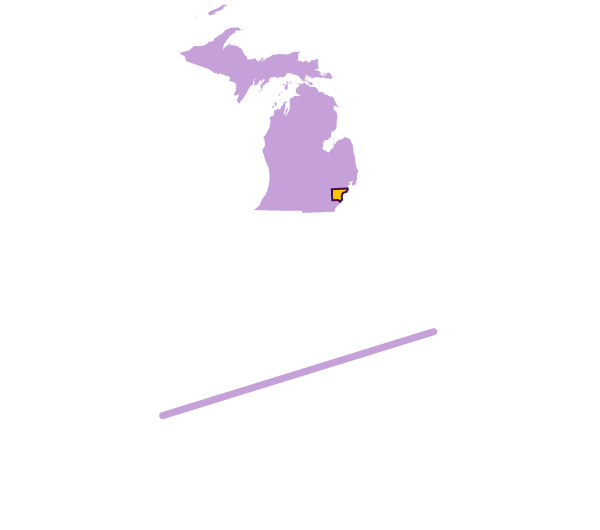
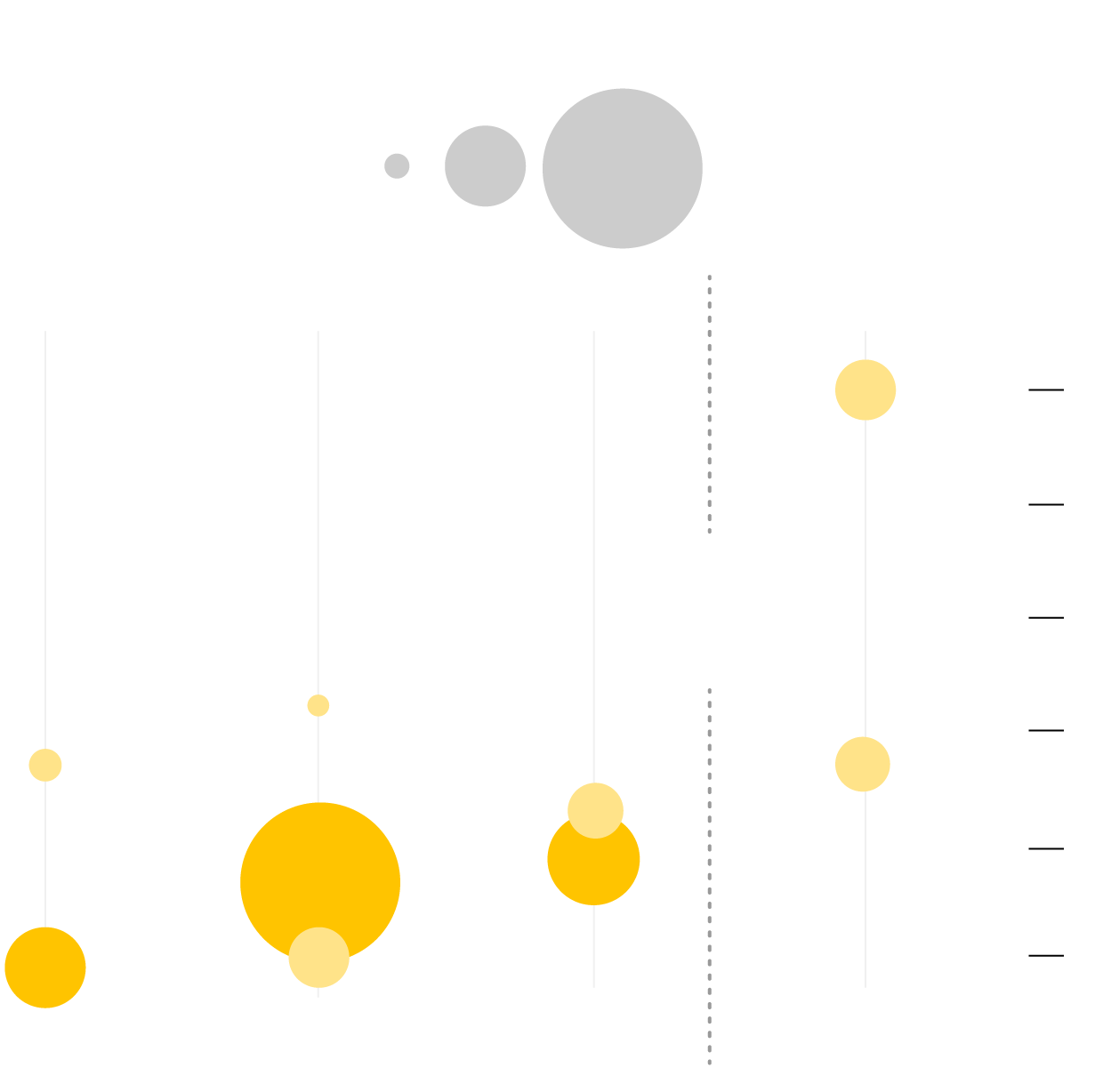
Michigan updated its law to allow “no-reason mail-in” voting in 2018, and many voters embrace this in 2020 in the face of the pandemic. About 69% of votes cast were by mail in Wayne County in the August primary—the highest proportion in the past four election cycles. Close to 275,000 votes were by mail, which was more than three times as many as in the August 2016 primary in Wayne County. The number of mail-in ballots are expected to be even higher this November.
Wayne County Saw a Surge in Mail Votes in August
Total votes cast in election
1M
500K
200K
Votes cast by mail-in ballot:
70%
2020
2016
2014
2018
August 4
state primary
60
Michigan implements no-reason absentee voting
50
State primary
40
General election
March 10 presidential preference primary
30
20
Presidential
preference primary

Total votes cast in election
1M
500K
200K
Vote
by mail:
70%
2020
2016
2014
2018
August 4
state primary
60
Michigan implements no-reason absentee voting
50
State primary
40
March 10 presidential primary
30
General election
20
Presidential
primary
That higher mail-in ballot turnout brought with it rejected ballots, processing issues and problems with how ballots are cast and delivered.
About 10,000 ballots were rejected in the primary across the state, 6,400 of those because they were late. “With turnout and absentee ballot numbers expected to double or even triple in November, we could be looking at tens of thousands of Michigan citizens disenfranchised if the legislature again fails to act” said Michigan Secretary of State Jocelyn Benson in a statement released shortly after the primary.
The state did not begin to process mail-in ballots until the day of its primary, and the unprecedented amount of mail-in ballots in Wayne County strained election offices. In 72% of precincts in Detroit, which is in Wayne County, the number of mail-in votes counted did not match the number recorded and was off by at least one vote, according to a report by WXYZ Detroit.
Complicating things even more is the fact that the Detroit area has also had one of the lowest shares of on-time delivery of three-to-five day First Class mail in the past couple of months, according to the USPS Quarterly Performance report for the third quarter, between April 1 and June 30th. In the Detroit metro area, 74.7% of Presort Two-Day First Class mail arrived on-time, compared to 95.6% during the same period last year.
Detroit Metro Area Had Low On-Time USPS Mail Performance in Q3
In the primary, even if voters in Detroit wanted to avoid in-person voting and possible Postal Service delays, they were limited options with only two ballot boxes in the city. The rest of the county had about 40 ballot boxes.
When asked about changes for the general election, Tracy Wimmer, Director of Media Relations for Benson, said in an email that “there are plans to expand the number of ballot boxes, throughout the state and in Detroit.” A statement released by Benson’s office said it would be installing over 30 ballot boxes across the city.
Ballot Boxes Across Wayne County in the August State Primary

August primary ballot box locations
Detroit
Windsor
ONTARIO
WAYNE COUNTY

August primary ballot box locations
Detroit
Windsor
ONTARIO
WAYNE COUNTY

August primary ballot box locations
Detroit
Windsor
ONTARIO
WAYNE COUNTY
Changes for the general election extend to the state level. The Michigan House and Senate in the past two weeks approved a bill that would let clerks process mail-in ballots one day earlier, instead of on Election Day. Benson and Detroit City Clerk Janice Winfrey released a statement detailing how the two offices would jointly run Detroit’s election in response to the precinct counting issues. They also revealed a list of changes that would address primary woes, including installing new ballot boxes and recruiting 6,000 poll workers with plans for new training.
Allegheny County, Pennsylvania
5%
68%
2016 General
mail-in votes
2020 Primary
Philadelphia
2%
51%
2016 General
mail-in votes
2020 Primary
68%
2020 Primary
mail-in votes
5%
2016 General
Allegheny County, Pennsylvania
Philadelphia
51%
2020 Primary
mail-in votes
2%
2016 General
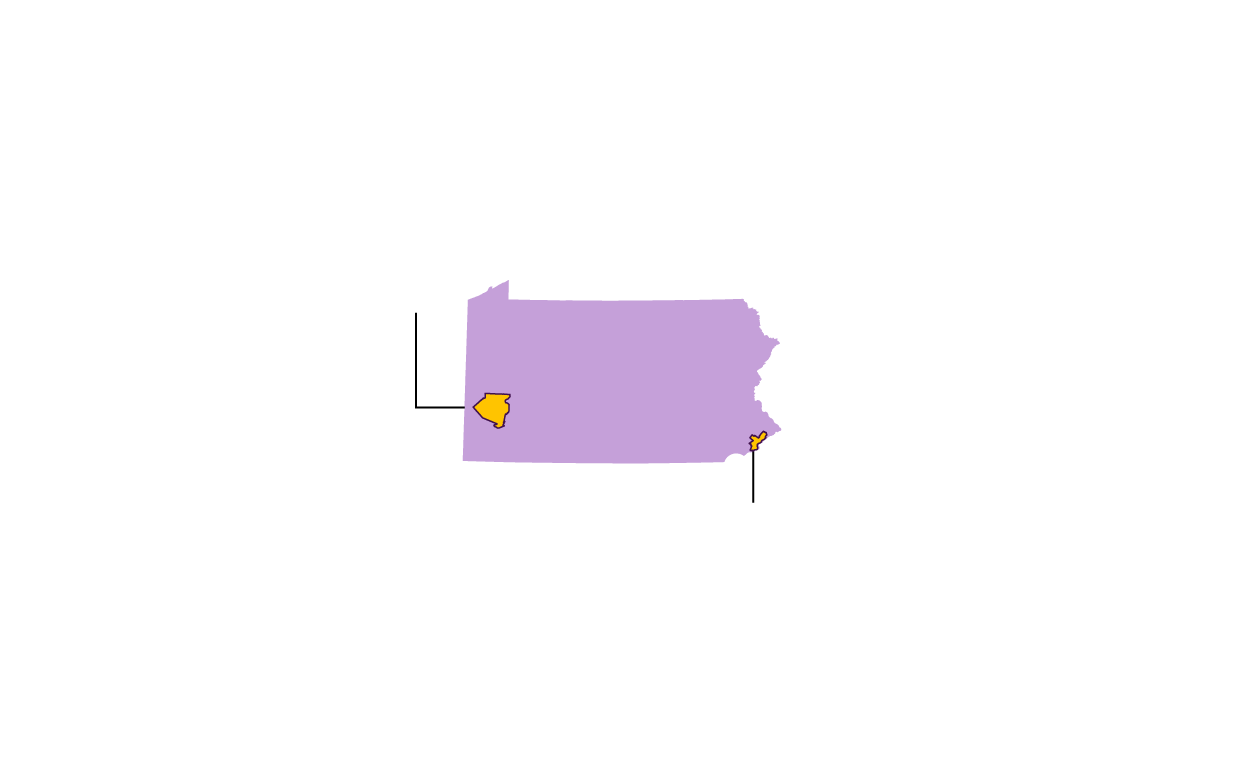
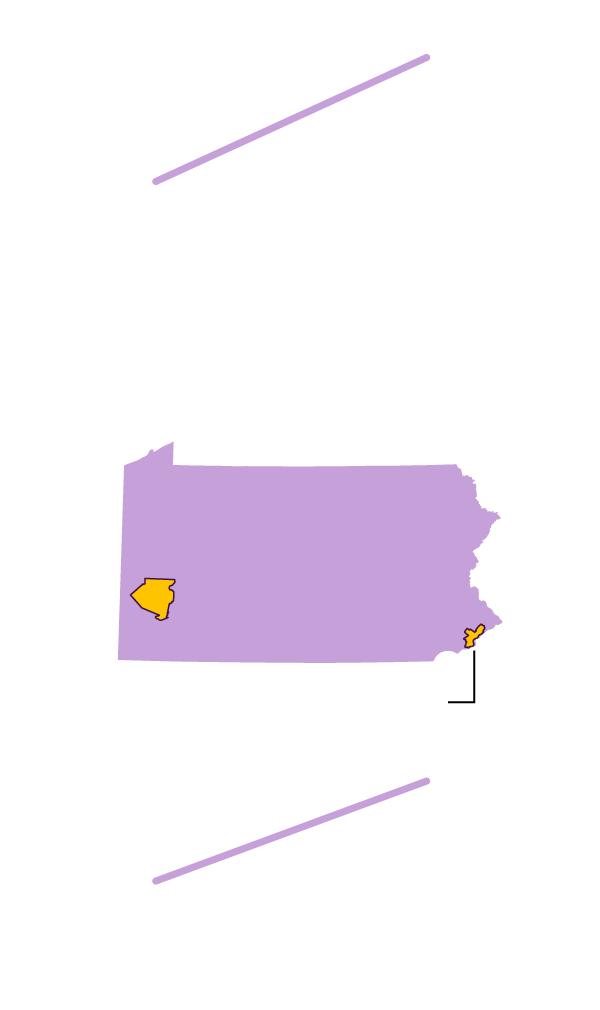
As in Michigan, Pennsylvania passed legislation in 2019 allowing “no reason mail-in” voting—which made way for a huge, pandemic-induced surge in their 2020 primary on June 2. In Philadelphia, 51% of ballots were cast by mail in the 2020 primary, compared to 2% in the 2016 general election. And in Pittsburgh’s Allegheny County, the share shot up to 68% from about 5%. As in Detroit’s Wayne County, the dramatic shift came with growing pains.
By law, Pennsylvania didn’t begin processing and counting ballots until Election Day, which contributed to the week-long delay in the results for the primary. In Philadelphia, 100,000 mail-in ballots were uncounted a week after the primary, and according to a Department of State report, “the sheer volume of these ballots delayed some primary results in several counties.”
Part of the cause of the delay were the thousands of ballots still in the mail on Election Day. Governor Tom Wolf issued an executive order that allowed all primary ballots postmarked on the election date and received by June 9, a week later, to be counted in counties including Philadelphia and Allegheny County, where almost 23,000 ballots combined that were counted were marked returned from June 3 through June 9.
Thousands of Ballots Arrived After June 2 In Philadelphia and Allegheny County
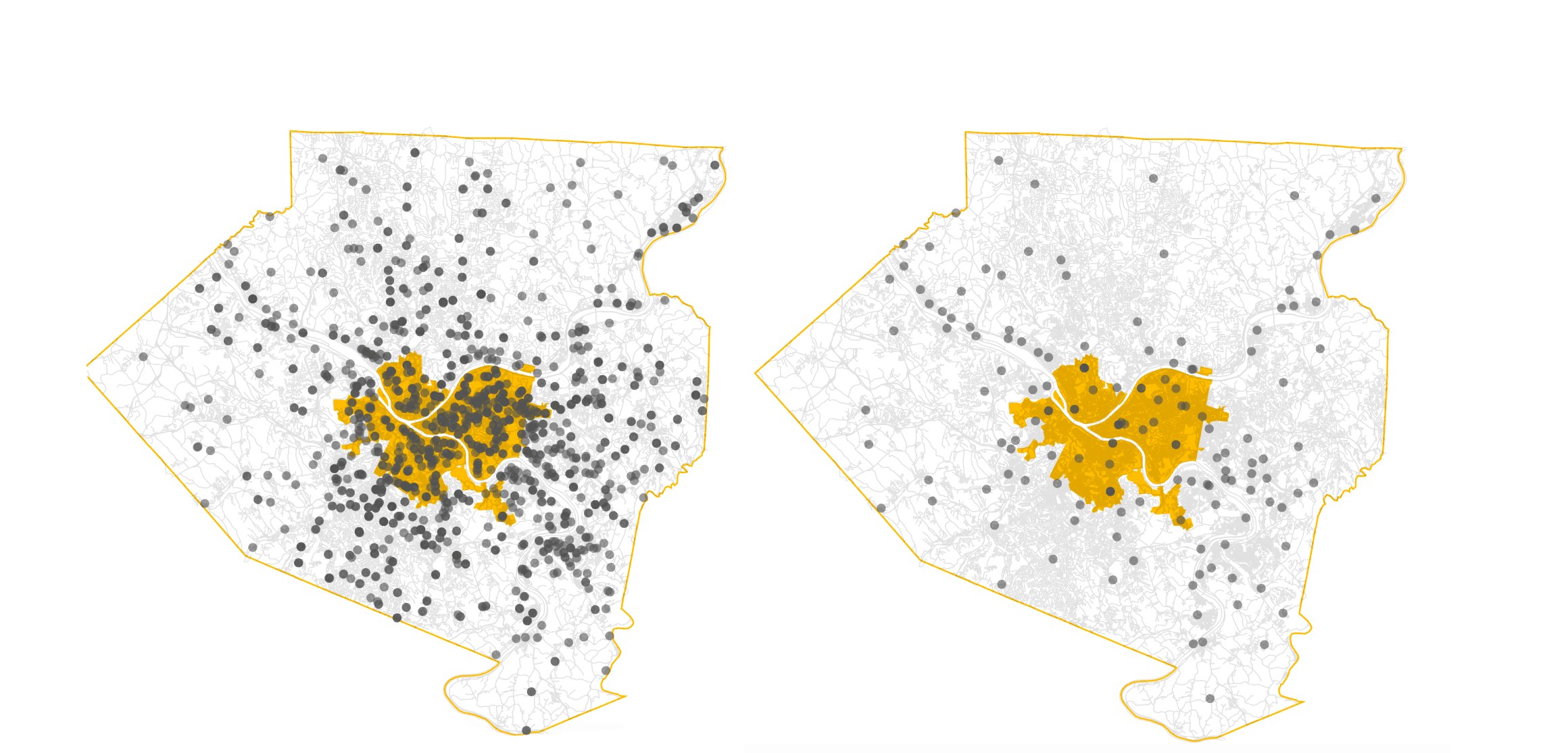
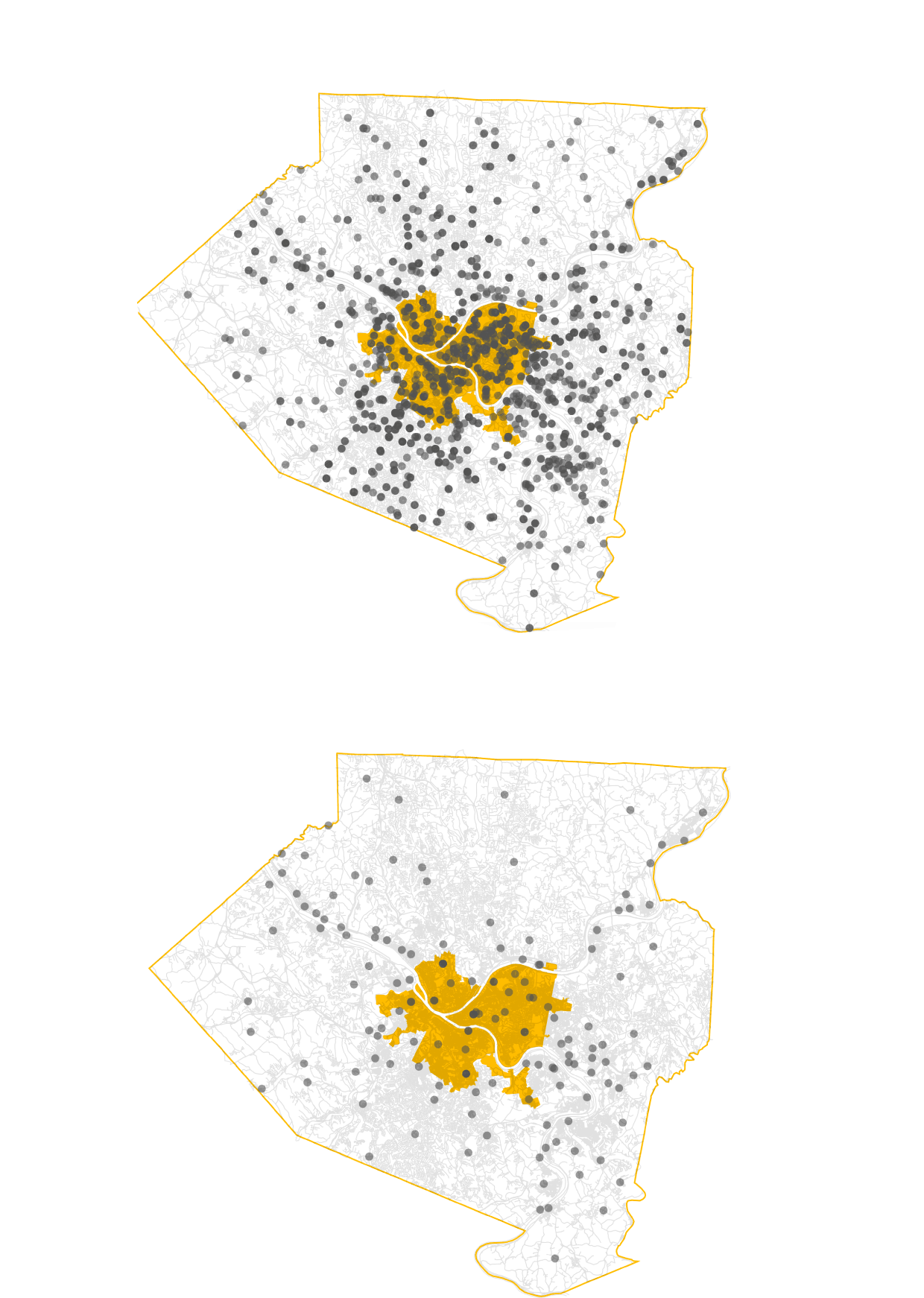
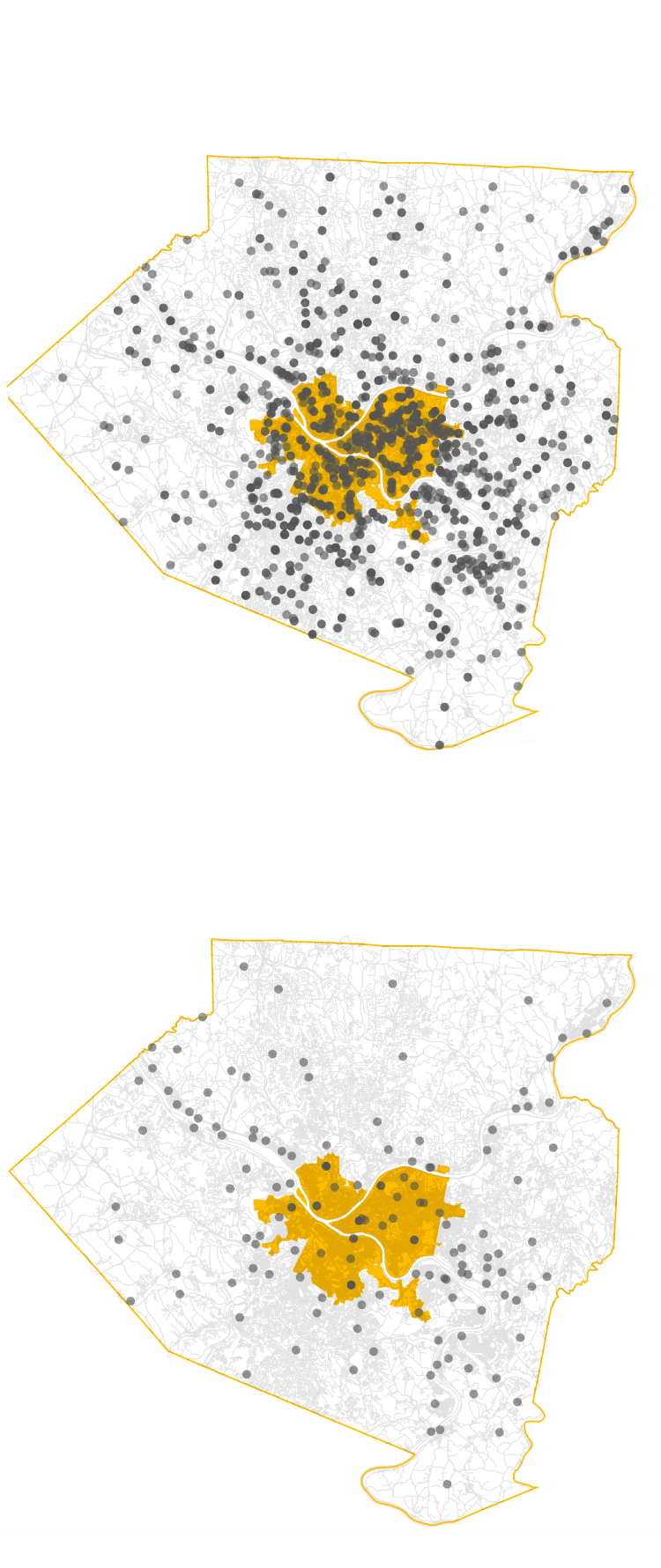
In Allegheny County, more votes by mail were paired with highly consolidated polling locations. Ninety percent of locations were closed for the primary. The county, which usually has more than 1,300 possible polling locations, opened just 161 in June because of the pandemic. Even with lower in-person turnout as voters turned to the mail, there were still reports of long lines and delayed openings across the county and state.
David Voye, Manager of the Elections Division for Allegheny County, noted “The state law that allowed consolidation was only in place for the June 2 primary. All 1,300-plus election districts will be in use for the November 3 general election.”
Allegheny County Consolidated Its Polling Locations for the Primary
1,323 polling locations were listed in May 2019
161 polling locations were in use for the June 2020 primary
ALLEGHENY COUNTY
Pittsburgh
1,323 polling locations were listed in May 2019
Pittsburgh
161 polling locations were in use for the June 2020 primary
Pittsburgh
1,323 polling locations were listed in May 2019
Pittsburgh
ALLEGHENY COUNTY
161 polling locations were in use for the June 2020 primary
Pittsburgh
ALLEGHENY COUNTY
Voye also said, “The greatest challenge will be in preparing and counting the mail-in and absentee ballots received, particularly with current provisions in place that do not allow envelopes to be opened or the process begun before 7 a.m. on Election Day.”
Which ballots should be deemed countable was also in question during the primary. “Allegheny county was giving out information saying if you’re missing your secrecy envelope, your ballot cannot be counted” said Democrat Bethany Hallam, Allegheny County Council Member. The Department of State later released guidance announcing these “naked ballots” would be counted for the primary.
The state—and the courts—may make more changes before the general election as decisions are finalized for November. “Changes are happening from a variety of sources. There are a lot of players on the court right now,” says Senior Director of Advocacy and Litigation Celina Stewart at the League of Women Voters.
To allow more time for verification and counting, Governor Wolf has called for legislation allowing mail-in ballot processing to begin three weeks before Election Day. The Pennsylvania Supreme Court ruled on Sept. 17 that mail-in ballots received through Nov. 6—three days after the general election—will be accepted, allowing more leeway for delays. Republican legislative leaders plan to appeal the decision to extend the deadline. The decision allows ballot boxes across the state, and in a shift that has raised concern for some, does not allow “naked ballots” to be counted in the general election.
Trump has recently said he will be relying on federal courts to ensure an “evening where we know who wins” and “not where the votes are going to be counted a week later, two weeks later.” His statements pushing for results on election night conflict directly with what states like Pennsylvania anticipate—“I don’t think it’s realistic to think we will have results on election night. We very well may not have results on election night, and it doesn’t mean that anything shady is going on” says Hallam.

Maricopa County, Arizona
78%
94%
2016 General
mail-in/early votes
2020 Primary*
Maricopa County
94%
2020 Primary*
78%
2016 General
mail-in/early
Votes
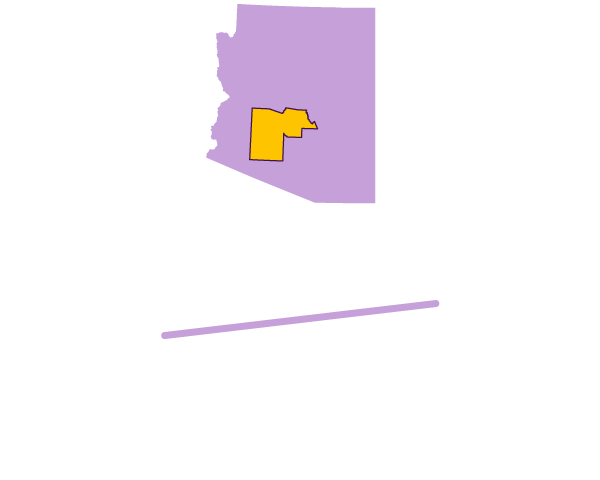
Unlike in Michigan and Pennsylvania, Arizona has a precedent of large numbers of voters mailing in their ballots. In Maricopa County, which includes Phoenix, most voters send in their ballot or vote early. In the 2016 general election, 78% of voters voted early either mailing their ballot in or at a poll location.
Processing and pre-canvassing of those ballots can begin as early as 14 days before Election Day. Counting of ballots can also begin before Election Day, though results are not revealed until after polls close. Megan Gilbertson, Communications Director for the Maricopa County Elections Department, said that the county uses other practices to streamline the process of running a mostly-by-mail election—picking up ballots directly from the Phoenix Postal Service distribution center, for example. The county and the rest of the state also maintain a permanent early voter list, and those voters who elect to be included are automatically mailed a ballot. Overall, the county expects the November election to look similar to its primary.
“For the primary, 97% of the ballots that were in our hands by the Sunday before election day, were tabulated and counted and reported out by 8 p.m. on Election Day” says Gilbertson.
For historically disenfranchised voters, especially from Black, Latino and tribal communities, mailing in a ballot may still not be a practical choice, particularly for those who may “need language assistance, ... or may not have access to cars, or may not have access to the mail” says Professor Patty Ferguson-Bohnee, Native voting rights expert and director of the Indian Legal Clinic at Arizona State University in Phoenix.
For those who want to vote in person, Maricopa County will have fewer polling places than in previous elections, using a system of centralized voting centers as opposed to a precinct-based system. In previous years the county has had about 500 locations, and this November they may have about 175. Maricopa County has a history of hours-long lines in previous elections (like during the 2016 presidential preference primary) but early in-person voting at the centers and newly added drop box and drive-through locations are ways that voters may avoid crowded lines and long waits.
It comes down to “voters knowing their options and preparing to participate in this election,” says Gilbertson.