Pound Traders Draw on Last Four Years to Weigh Johnson Threat
The one thing pound traders have learned over the past four years of Brexit talks is that politicians normally find agreement, even if it’s a thin one. The problem is all the volatility before a deal is struck.
Sterling has endured three prime ministers, five changes to Bank of England interest rates, flash crashes and a global pandemic since Britons voted in June 2016 to leave the European Union. It’s frequently traded more like an emerging-market currency than a global reserve. That means traders are taking Prime Minister Boris Johnson’s latest no-deal threat with a pinch of salt.
“The track record does suggest a deal of some sort will get done,” said Neil Jones, head of foreign-exchange sales to financial institutions at Mizuho Bank. “It probably will be a last-minute type deal, given the last four years, but it will provide support to the pound.”
Here’s four years of the pound’s Brexit reactions and how it might play out for the currency in the coming months.

GBP to USD exchange rate
$1.15
▼
$1.20
▼
$1.25
▼
$1.30
▼
$1.35
▼
$1.40
▼
$1.45
▼
$1.50
▼

GBP to USD exchange rate
$1.15
▼
$1.20
▼
$1.25
▼
$1.30
▼
$1.35
▼
$1.40
▼
$1.45
▼
$1.50
▼

GBP to USD exchange rate
$1.15
▼
$1.20
▼
$1.25
▼
$1.30
▼
$1.35
▼
$1.40
▼
$1.45
▼

GBP to USD exchange rate
$1.20
▼
$1.30
▼
$1.40
▼
$1.50
▼

2016
Traders should hedge their bets on a trade deal. The Brexit referendum, which resulted in sterling tumbling as much as 11%, showed what can happen when they get the result badly wrong.
June
J
If there’s no trade agreement, the BOE will most likely have to take action, possibly cutting interest rates to 0%. In August 2016, a similar scenario caused the pound to fall the most in four weeks.
A
S
In turn, Britain’s markets may become increasingly volatile, as trading dries up. A flash crash in the months after the referendum saw sterling drop 6.1% in just a few minutes to hit the lowest level since 1985.
O
N
D
2017
J
F
M
A
Could failure to secure a deal bring with it the risk of another election? If so, watch out for large price swings like those seen in 2017 when then Prime Minister Theresa May tried and failed to increase her majority in Parliament.
M
J
J
A
S
O
N
D
2018
J
F
M
What’s the best case for the pound on a trade deal? An agreement on the transition in 2018 sent the currency to $1.43, the highest level over the pastfour years on speculation that a rate hike could follow.
A
M
J
J
A
S
O
N
D
2019
J
F
M
A
M
The worst case is the ensuing political uncertainty from having no deal, perhaps. The pound dropped about 5% in just over three months after May announced her resignation.
J
J
A
Traders would do well to see what happened a year ago, when sterling appreciated more than 6% against the dollar in little over a week as Prime Minister Boris Johnson and the EU agreed to a deal in time for an EU summit.
S
O
N
Clarity is a market’s best friend and Johnson’s election victory in December paved the way for sterling to touch a 19-month high.
D
2020
J
F
M
Brexit isn’t the only game in town though. The peak of the coronavirus panic in March caused sterling to slide to $1.14 as investors sought the dollar’s safety instead and the BOE cut rates twice in just over a week.
A
M
J
J
Conversely, sterling almost hit $1.35 in September on the U.S. currency’s weakness. But investor nerves remain high with the U.K. and EU threatening to walk away from the negotiating table.
A
S
Oct.
2016
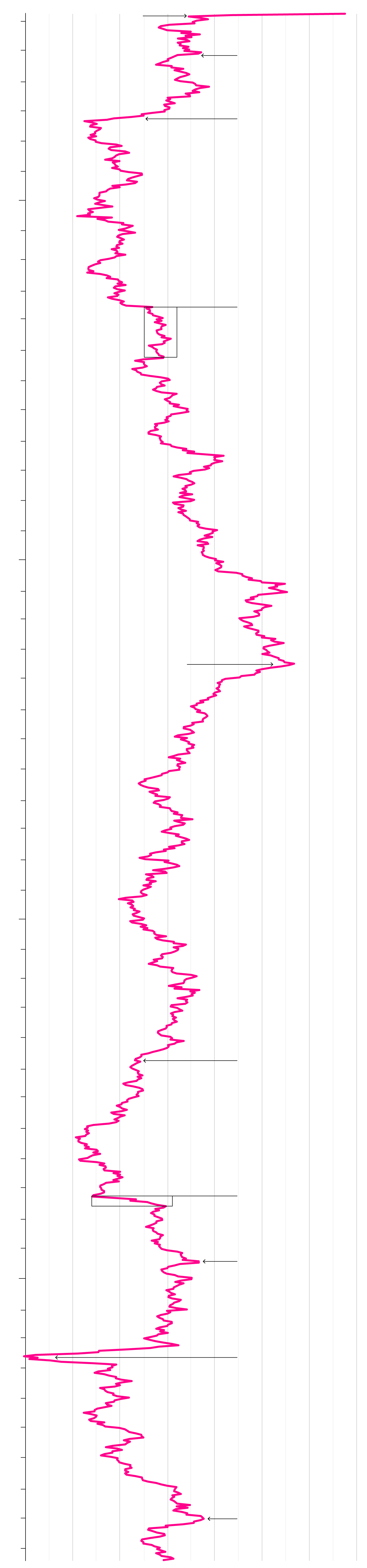
Traders should hedge their bets on a trade deal. The Brexit referendum, which resulted in sterling tumbling as much as 11%, showed what can happen when they get the result badly wrong.
June
J
If there’s no trade agreement, the BOE will most likely have to take action, possibly cutting interest rates to 0%. In August 2016, a similar scenario caused the pound to fall the most in four weeks.
A
S
In turn, Britain’s markets may become increasingly volatile, as trading dries up. A flash crash in the months after the referendum saw sterling drop 6.1% in just a few minutes to hit the lowest level since 1985.
O
N
D
2017
J
F
M
A
Could failure to secure a deal bring with it the risk of another election? If so, watch out for large price swings like those seen in 2017 when then Prime Minister Theresa May tried and failed to increase her majority in Parliament.
M
J
J
A
S
O
N
D
2018
J
F
M
What’s the best case for the pound on a trade deal? An agreement on the transition in 2018 sent the currency to $1.43, the highest level over the past four years on speculation that a rate hike could follow.
A
M
J
J
A
S
O
N
D
2019
J
F
M
A
M
The worst case is the ensuing political uncertainty from having no deal, perhaps. The pound dropped about 5% in just over three months after May announced her resignation.
J
J
A
S
Traders would do well to see what happened a year ago, when sterling appreciated more than 6% against the dollar in little over a week as Prime Minister Boris Johnson and the EU agreed to a deal in time for an EU summit.
O
N
Clarity is a market’s best friend and Johnson’s election victory in December paved the way for sterling to touch a 19-month high.
D
2020
J
F
M
Brexit isn’t the only game in town though. The peak of the coronavirus panic in March caused sterling to slide to $1.14 as investors sought the dollar’s safety instead and the BOE cut rates twice in just over a week.
A
M
J
J
A
Conversely, sterling almost hit $1.35 in September on the U.S. currency’s weakness. But investor nerves remain high with the U.K. and EU threatening to walk away from the negotiating table.
S
Oct.
2016
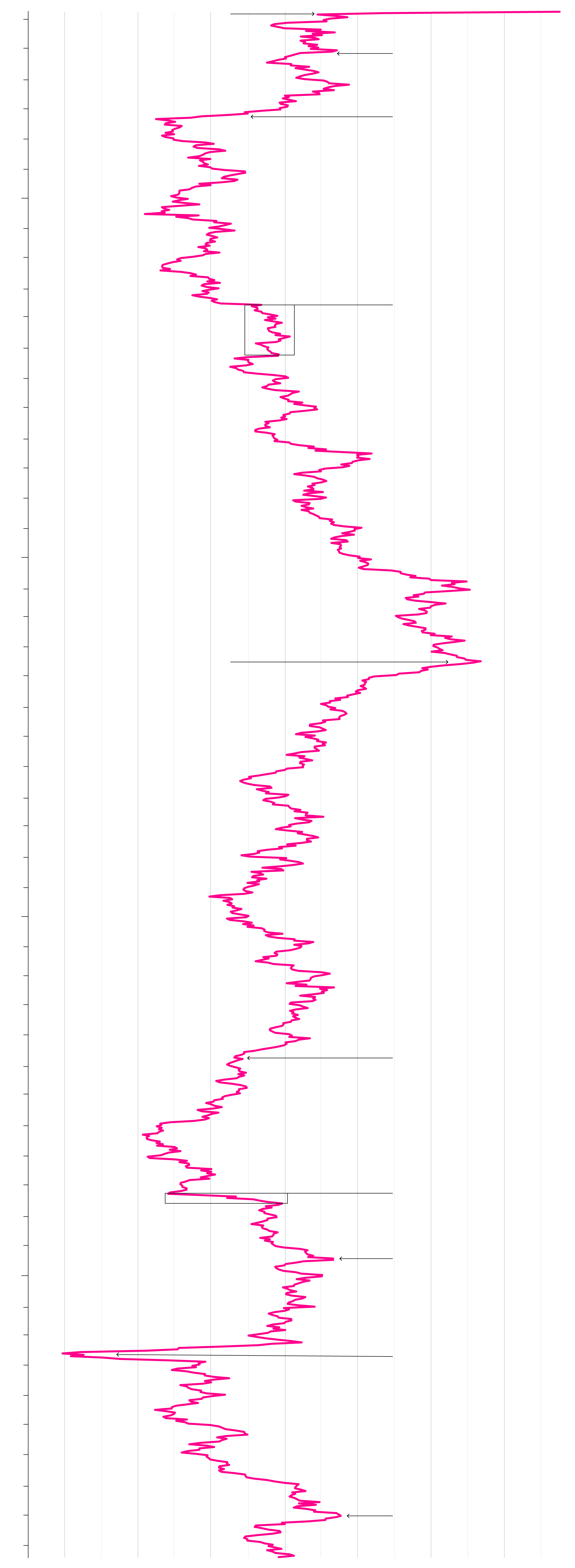
Traders should hedge their bets on a trade deal. The Brexit referendum, which resulted in sterling tumbling as much as 11%, showed what can happen when they get the result badly wrong.
June
J
If there’s no trade agreement, the BOE will most likely have to take action, possibly cutting interest rates to 0%. In August 2016, a similar scenario caused the pound to fall the most in four weeks.
A
S
In turn, Britain’s markets may become increasingly volatile, as trading dries up.
A flash crash in the months after the referendum saw sterling drop 6.1% in just a few minutes to hit the lowest level since 1985.
O
N
D
2017
J
F
M
A
Could failure to secure a deal bring with it the risk of another election? If so, watch out for large price swings like those seen in 2017 when then Prime Minister Theresa May tried and failed to increase her majority in Parliament.
M
J
J
A
S
O
N
D
2018
J
F
M
What’s the best case for the pound on a trade deal? An agreement on the transition in 2018 sent the currency to $1.43, the highest level over the past four years on speculation that a rate hike could follow.
A
M
J
J
A
S
O
N
D
2019
J
F
M
A
M
The worst case is the ensuing political uncertainty from having no deal, perhaps. The pound dropped about 5% in just over three months after May announced her resignation.
J
J
A
S
Traders would do well to see what happened a year ago, when sterling appreciated more than 6% against the dollar in little over a week as Prime Minister Boris Johnson and the EU agreed to a deal in time for an EU summit.
O
N
Clarity is a market’s best friend and Johnson’s election victory in December paved the way for sterling to touch a 19-month high.
D
2020
J
F
M
Brexit isn’t the only game in town though. The peak of the coronavirus panic in March caused sterling to slide to $1.14 as investors sought the dollar’s safety instead and the BOE cut rates twice in just over a week.
A
M
J
J
A
Conversely, sterling almost hit $1.35 in September on the U.S. currency’s weakness. But investor nerves remain high with the U.K. and EU threatening to walk away from the negotiating table.
S
Oct.

2016
Traders should hedge their bets on a trade deal. The Brexit referendum, which resulted in sterling tumbling as much as 11%, showed what can happen when they get the result badly wrong.
June
If there’s no trade agreement, the BOE will most likely have to take action, possibly cutting interest rates to 0%. In August 2016, a similar scenario caused the pound to fall the most in four weeks.
J
A
S
In turn, Britain’s markets may become increasingly volatile, as trading dries up. A flash crash in the months after the referendum saw sterling drop 6.1% in just a few minutes to hit the lowest level since 1985.
O
N
D
2017
J
F
M
A
Could failure to secure a deal bring with it the risk of another election? If so, watch out for large price swings like those seen in 2017 when then Prime Minister Theresa May tried and failed to increase her majority in Parliament.
M
J
J
A
S
O
N
D
2018
J
F
M
What’s the best case for the pound on a trade deal? An agreement on the transition in 2018 sent the currency to $1.43, the highest level over the past four years on speculation that a rate hike could follow.
A
M
J
J
A
S
O
N
D
2019
J
F
M
A
M
The worst case is the ensuing political uncertainty from having no deal, perhaps. The pound dropped about 5% in just over three months after May announced her resignation.
J
J
A
Traders would do well to see what happened a year ago, when sterling appreciated more than 6% against the dollar in little over a week as Prime Minister Boris Johnson and the EU agreed to a deal in time for an EU summit.
S
O
N
Clarity is a market’s best friend and Johnson’s election victory in December paved the way for sterling to touch a 19-month high.
D
2020
J
F
M
Brexit isn’t the only game in town though. The peak of the coronavirus panic in March caused sterling to slide to $1.14 as investors sought the dollar’s safety instead and the BOE cut rates twice in just over a week.
A
M
J
Conversely, sterling almost hit $1.35 in September on the U.S. currency’s weakness. But investor nerves remain high with the U.K. and EU threatening to walk away from the negotiating table.
J
A
S
Oct.