How ‘Good Governance’ in 38 Countries Affects Living Standards
If you believe that vibrant democracies guarantee good government or that robust economic output ensures a better quality of life for a nation’s citizens, think again.
All over the world, stable economies are facing restive moments. U.S. President Donald Trump was impeached in the House on Wednesday over charges of obstruction and abuse of power. U.K. Prime Minister Boris Johnson could be on the verge of delivering Brexit—three years after voters first chose to leave the European Union—after his Conservative Party won a resounding majority in last week’s general election. In local elections last month, Hong Kong overwhelmingly elected pro-Democracy council members as China seeks to clamp down on protests that have gripped the city for most of the year.
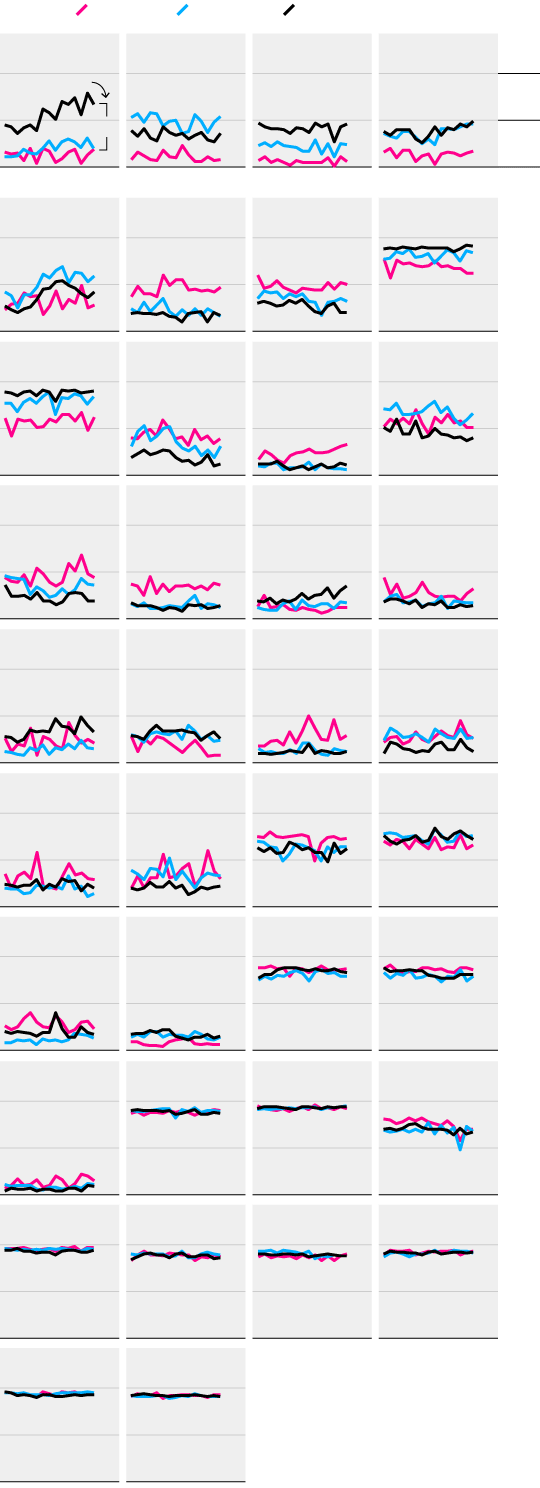
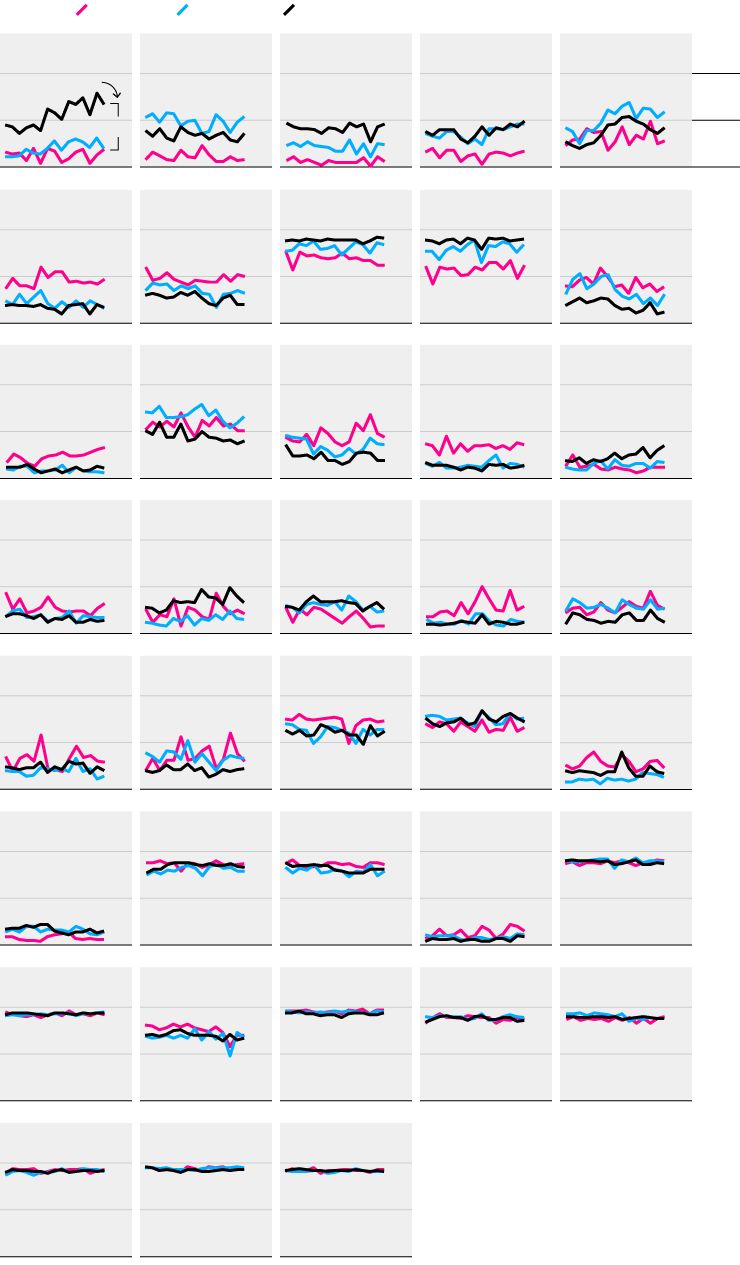
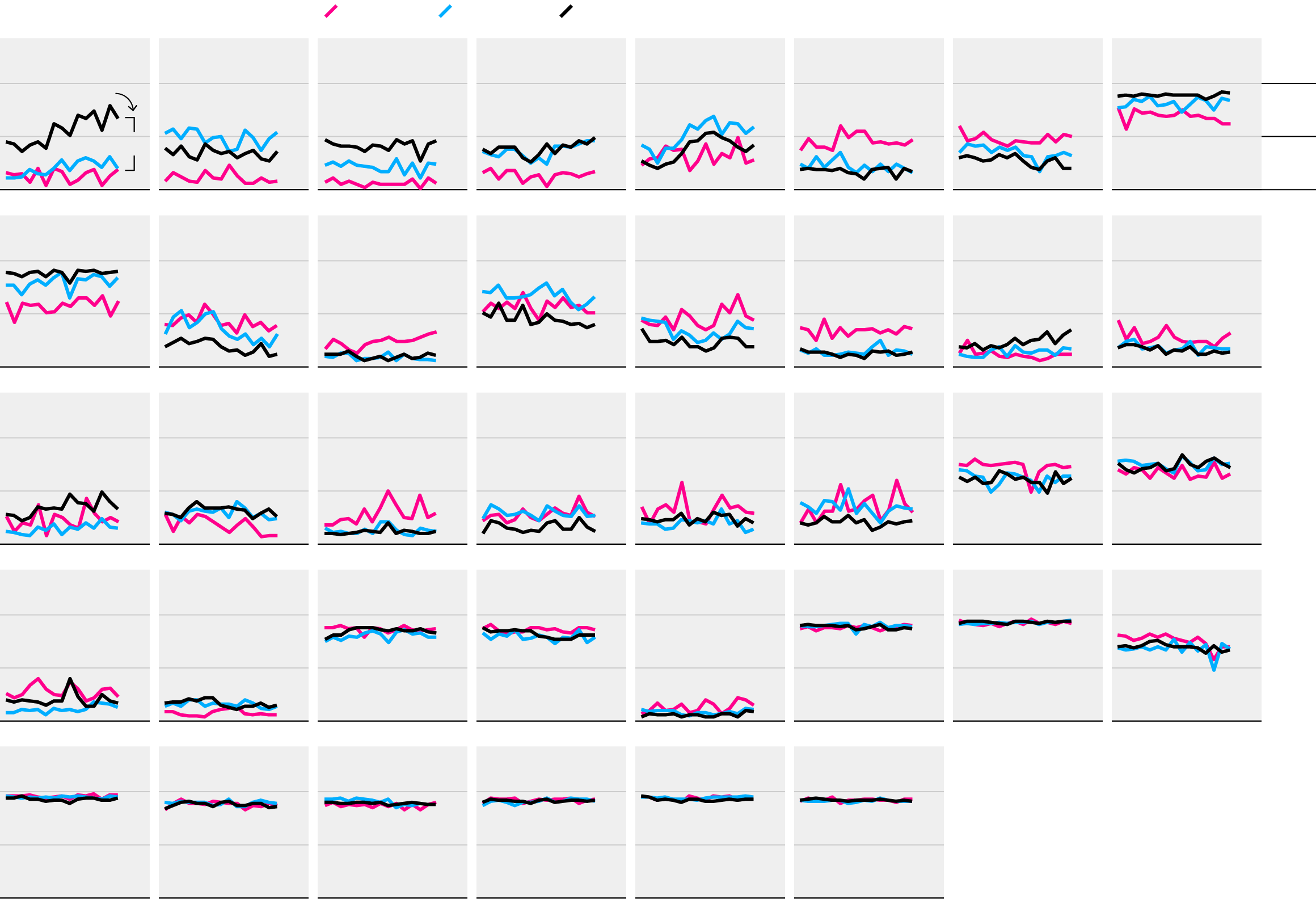
While there is a general correlation between a strong democracy and economic expansion and a better quality of life, research by the Los Angeles-based Berggruen Institute into 38 countries that make up 95% of global gross domestic product shows that’s not always the case. In several of the largest economies in the world—including mature democracies and developing countries—actual government performance is often the decisive factor.
Measuring Up

*Quality of:
Democracy
Government
Life
China
Jordan
Score
100
Score gap
50
48
46
0
2004
2018
Vietnam
Saudi Arabia
32
40
India
Georgia
31
31
Japan
Argentina
29
30
Brazil
South Korea
28
27
Chile
Pakistan
26
27
Indonesia
South Africa
25
24
Mexico
Kazakhstan
23
18
Turkey
Russia
18
18
Colombia
Kenya
17
15
Ghana
Philippines
11
15
Israel
Italy
10
11
Egypt
Ukraine
10
9
United States
France
8
7
Canada
Nigeria
3
6
Spain
Netherlands
3
3
United Kingdom
Sweden
3
3
Germany
Australia
2
2
Switzerland
Norway
2
2
*Quality of:
Democracy
Government
Life
China
Jordan
Vietnam
Saudi Arabia
Score
100
Score gap
50
48
46
32
40
0
2004
2018
Georgia
India
Argentina
Japan
29
31
30
31
South Korea
Brazil
Pakistan
Chile
28
26
27
27
South Africa
Indonesia
Kazakhstan
Mexico
25
24
23
18
Russia
Turkey
Kenya
Colombia
18
17
15
18
Philippines
Ghana
Italy
Israel
10
11
11
15
Ukraine
Egypt
France
United States
8
7
10
9
Nigeria
Canada
Netherlands
Spain
3
3
3
6
Sweden
United Kingdom
Australia
Germany
3
2
2
3
Norway
Switzerland
2
2
*Quality of:
Democracy
Government
Life
China
Jordan
Vietnam
Saudi Arabia
Georgia
Score
100
Score gap
50
48
31
46
32
40
0
2004
2018
India
Argentina
Japan
South Korea
Brazil
29
28
30
31
27
Pakistan
Chile
South Africa
Indonesia
Kazakhstan
26
25
24
23
27
Mexico
Russia
Turkey
Kenya
Colombia
18
17
18
15
18
Philippines
Ghana
Italy
Israel
Ukraine
10
11
11
10
15
Egypt
France
United States
Nigeria
Canada
3
8
7
6
9
Sweden
United Kingdom
Australia
Netherlands
Spain
3
3
2
3
3
Germany
Norway
Switzerland
2
2
2
*Quality of:
Democracy
Government
Life
China
Jordan
Vietnam
Saudi Arabia
Georgia
India
Argentina
Japan
Score
100
Score gap
29
50
48
31
30
46
32
31
40
0
2004
2018
South Korea
Brazil
Pakistan
Chile
South Africa
Indonesia
Kazakhstan
Mexico
28
26
25
27
24
23
18
27
Russia
Turkey
Kenya
Colombia
Philippines
Ghana
Italy
Israel
10
11
18
11
17
15
15
18
Ukraine
Egypt
France
United States
Nigeria
Canada
Netherlands
Spain
3
3
8
7
3
10
6
9
Sweden
United Kingdom
Australia
Germany
Norway
Switzerland
3
2
2
2
2
3
China, which scores low on democracy, has undoubtedly been an economic success story, lifting hundreds of millions of people out of poverty and helping spur the global economy. But it faces a massive debt problem, and is perhaps approaching a ceiling and may need to allow more public participation in running government if it wants to guarantee a better quality of life for its people in the future.
U.S. Health Costs vs. Effectiveness
+61.8%
Health expenditure per capita
60%
50
40
30
20
+17.5%
Health expenditure as a share of GDP
10
0
−10
–10.4%
Mortality rate
2004
2016
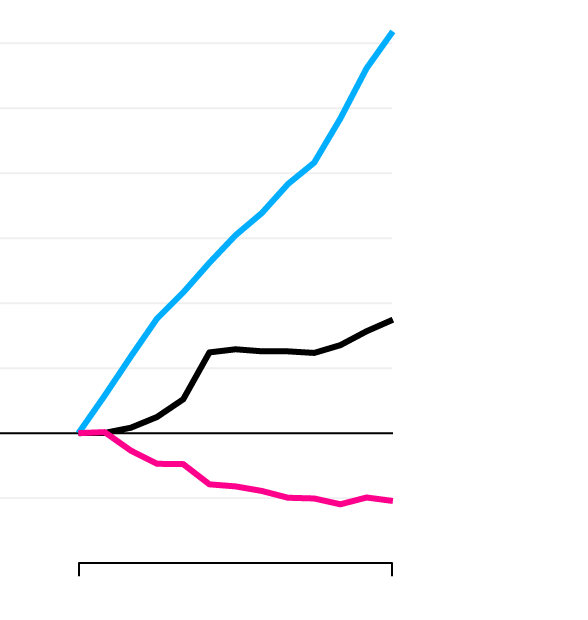
In contrast, the U.S. hasn’t excelled at translating its high gross domestic product growth rate into increases in the quality of life, which has, in fact, decreased slightly over the past 14 years, the Institute said. This is particularly notable in health and education, where the problem isn’t quality, but affordability.
“Growing economic inequality and wealth disparity could be key factors, particularly after the 2007–2008 financial crisis,” according to the report. “Although the economy rebounded after the crisis, the gains were disproportionately concentrated in the top tier of the U.S. population, with 95% of growth going to the top 1% of the households.”
Even in established democracies, actual government performance can trump other factors in determining quality of life. Italy, for example, has a lively democracy, but the responsiveness of successive governments has been poor, and as a result living standards are stagnant at best.
“Italy ranks surprisingly high with respect to quality of democracy scores,” according to the report. “Yet the availability of feedback mechanisms and other democratic processes seems to have no additional impact on the quality of government.”
Social movements that target reform in local and national bureaucracies could help the country escape stagnation, the report found.
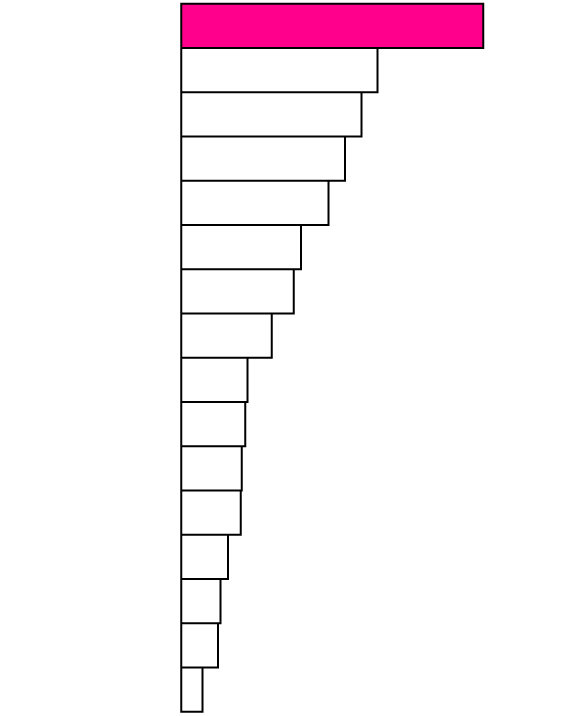
A failure of good governance also undermines progress in two middle-income BRICs countries—South Africa and Brazil.
Youth Unemployment
South Africa
52.9%
Spain
34.3
Italy
31.5
Brazil
28.6
Saudi Arabia
25.8
France
20.9
Nigeria
19.7
Indonesia
15.8
Canada
11.6
U.K.
11.2
China
10.6
India
10.4
U.S.
8.2
Mexico
6.8
Germany
6.4
Japan
3.7
South Africa suffers from world-beating unemployment, high crime and a poor education system that remains skewed along racial lines, some of which can be attributed to the legacy of apartheid. And while it scores relatively well on democracy, its poor performance in addressing inequality—which is higher than at the end of white-minority rule—and corruption may be more a result of the lack of political will than the state’s capacity, according to the report.
Of all the countries that the Berggruen Institute reviewed, perhaps none has backtracked as much as Brazil in the past decade. Once considered the poster-child of a fast-rising BRICs nation, Brazil’s inequality is rising and GDP per capita was lower last year than in 2010. And the deforestation of the Amazon has reached record levels this year, threatening not just that region but the world’s climate.
“Despite innovations in democratic governance, Brazil has done a poor job of translating its novel systems into effective feedback mechanisms, high democratic engagement or low corruption,” the institute said.