Where Billie Holiday Used to Sing, Money Talks
The afterlife of Harlem’s storied Lenox Lounge
The Lenox Lounge was already in decline when I started going there in the 1990s. The patrons — friendly neighborhood regulars and European tourists — were unremarkable. I enjoyed picturing its former grandeur and the stylish people who frequented it in its heyday, when the floors were shiny and the upholstery pristine and when Billie Holiday’s voice, the sad notes of Miles Davis’s trumpet, and the cool, deep sounds of John Coltrane’s saxophone filled the room. I pictured the black prince, Malcolm X, in the dark interior, taking in the music. Langston Hughes and James Baldwin were also patrons of this beloved Harlem institution.
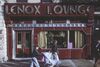
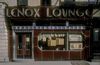
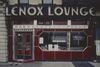
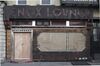
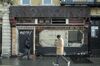
On Dec. 31, 2012, owner Alvin Reed, facing “an unsurmountable rent increase,” closed the Lenox Lounge. He removed the burgundy-metal exterior panels and neon sign in hopes of recreating it at 333 Lenox Avenue, where a beauty salon had once stood. His plans went nowhere.
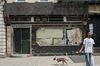
After the Lenox Lounge closed, I often went back to photograph its afterlife — to document the erasure of a place that had been a landmark to everyone except New York City’s Landmarks Preservation Commission.
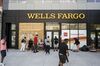
By 2013, it was already just another neighborhood eyesore. Nobu, a Japanese restaurant chain, was going to open a branch at the location, but that didn’t happen either. In 2017, the building was demolished, and I was told that a Sephora store would rise on the spot. Now, almost seven years after the Lenox Lounge’s closing, a branch of the Wells Fargo Bank has opened there. Where music, politics and literature once flourished, finance has taken over.