It’s Man Vs Wild in India’s Economy, and Wild Has the Upper Hand
With a makeshift spear in hand to defend himself should a tiger attack, Prime Minister Narendra Modi recently trekked through the Himalayan foothills of northern India with Bear Grylls to create awareness about environmental conservation and climate change.
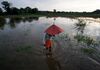
The Man Vs Wild appearance comes as Asia’s third-largest economy grapples with deluge and drought, adding to growth headwinds. It’s a battle that’s having real economic consequences: A recent Stanford study estimated the economy is 31% smaller than it would have been in the absence of global warming.
Growth in farm sector output, which accounts for about 16% of India’s gross domestic product, has been cooling for the past few years as unseasonable rains and frequent droughts add to farmers’ distress. In 2019, sugar output may drop to the lowest in three years as delayed showers shriveled cane in parts of Maharashtra.
Deficient rainfall in other areas also threatened oilseed crops. The need to offset the shortfall will add to India’s import costs – another challenge for a nation already running trade and current account deficits.
How India Scores on The New Economy Forum Drivers and Disrupters Index

High-income averages
Low- and middle-income averages
DisruptErs
Drivers

High-income average
Low- & middle-income average
DisruptErs
Drivers

High-income economies average
Low- and middle-income economies average
DisruptErs
Drivers

The hunt for rising incomes is driving India’s rural residents from the village to the city. Climate-induced uncertainty in agriculture accelerates the process. The share of agriculture in overall employment dropped to 42% in 2016 from 70% in 1981.
That urbanization is increasing stress on water availability. A recent water crisis in the southern city of Chennai forced doctors to buy water for surgery. Desertification, land degradation and drought cost India about 2.5% of gross domestic product in 2014-15, according to India’s environment ministry.
Modi’s re-election pitch this year included pledges to improve the environment. He’s created a separate ministry for water, pledged to reduce pollution in cities and help the country embrace electric vehicles - part of a shift to cleaner energy in everything from power plants to cooking gas.
Those changes can’t come soon enough. India racks up health-care costs and productivity losses from pollution of as much as 8.5% of GDP, according to the World Bank. Drawing on data from the University of Notre Dame, the Drivers and Disrupters Report ranks India as one of the most exposed countries in the world to climate change.
“If we live in harmony with nature, nothing can go wrong,” Modi said when Grylls asked if he was ready to travel through the tiger habitat. As the temperature rises, that harmony will get even harder for his government to achieve.