The Potential Payouts of
Owning a Kentucky Derby
Racehorse

When the horses line up at the starting gate of the Kentucky Derby on Saturday, they won’t just be gunning for $1.86 million in prize money.
At stake is a win that can add millions to a horse’s value and set it on the path to chasing the most lucrative title in equine sports: the Triple Crown. Already in their short careers, the 20 contenders have won a combined $12.5 million for their owners, jockeys and trainers.
For some top trainers, career winnings tally in the tens of millions of dollars. But owners have their eyes on bigger riches, as many steeds will prove more valuable in retirement than on the track.
Sources: Equibase, Kentucky Derby
Racehorses are often lumped in with flight-of-fancy, money-burning expenditures like superyachts and castles—and for good reason. Out of all the horses that raced in North America last year, fewer than 4 percent earned more than $100,000, according to bloodstock analyst Bill Oppenheim.
Owning a champion, however, is a different story. In addition to their earnings on the track, a proven winner’s value can skyrocket on the premise that it will pass on its speedy genes to future foals.
Males are often retired to stud, with the best ones commanding fees of more than $100,000 for every mating that results in a live foal that stands and nurses at birth. That’s where the real money is: Stallions regularly “cover,” or mate with, more than 100 mares a year.
A retired racehorse’s stud fee dictates how much money he brings in and also serves as a rough proxy of his overall value. Generally speaking, a stallion is worth about 300 times his stud fee—or more. For 2018 Triple Crown-winner Justify, breeding rights, which entitle owners to free breedings and a share of the stud fees, ended up selling for a reported $75 million.
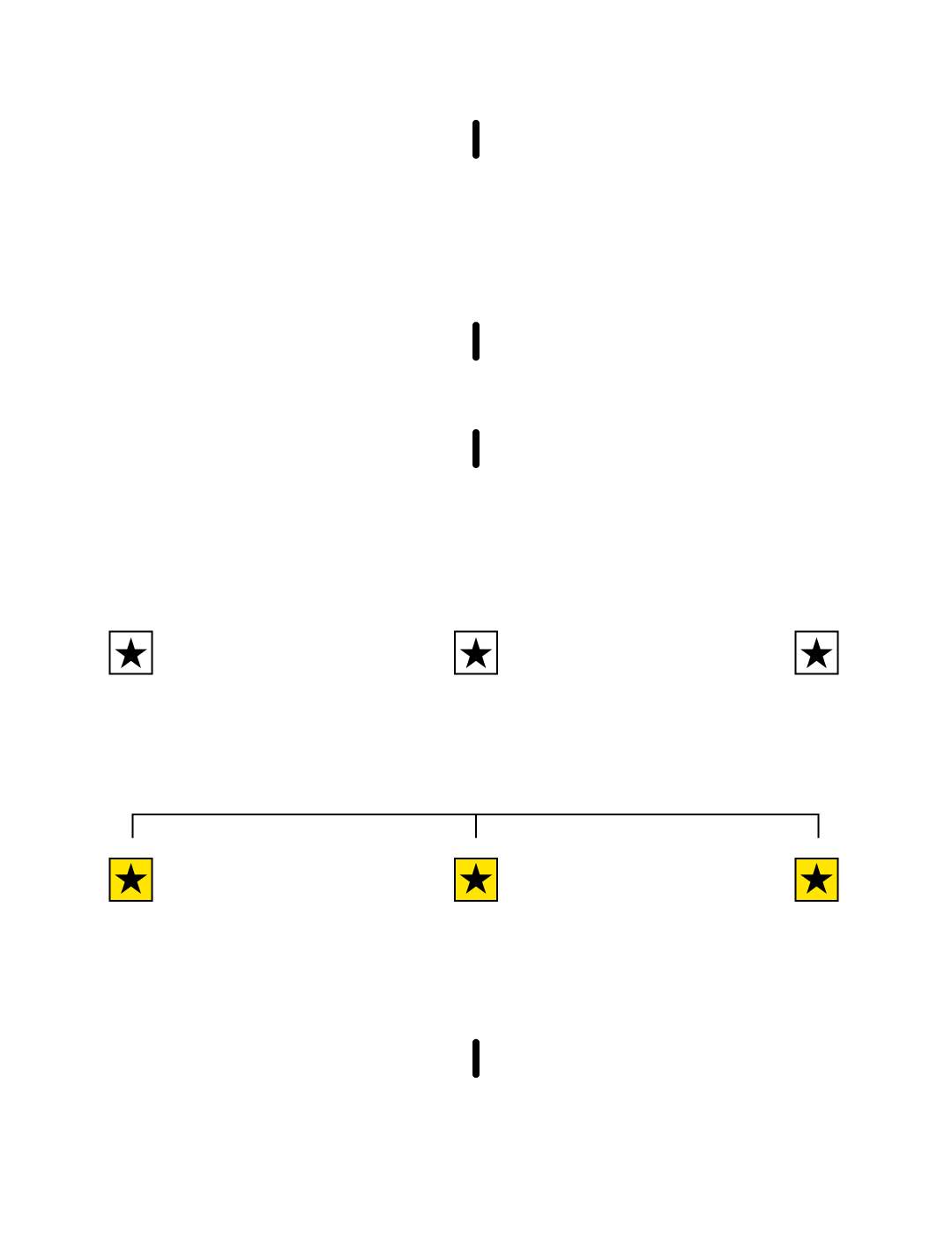
How to Make $75 Million in Under Four Years

Foaled to Stage Magic by Scat Daddy
at Glennwood Farm in March 2015
Bought at auction as a yearling by China Horse Club and Maverick Racing for
$500,000
Trained by Bob Baffert
Six races, winner of all.
Total earnings of
$3,798,000
Santa anita
2/18/2018
Santa anita
3/11/2018
Kentucky Derby
Churchill Downs
5/5/2018
Santa Anita
Derby
4/7/2018
Preakness
Stakes PIMLICO
5/19/2018
Belmont STAKES
BELMONT PARK
6/9/2018
Estimated value based on sale of his breeding rights in 2018
$75,000,000
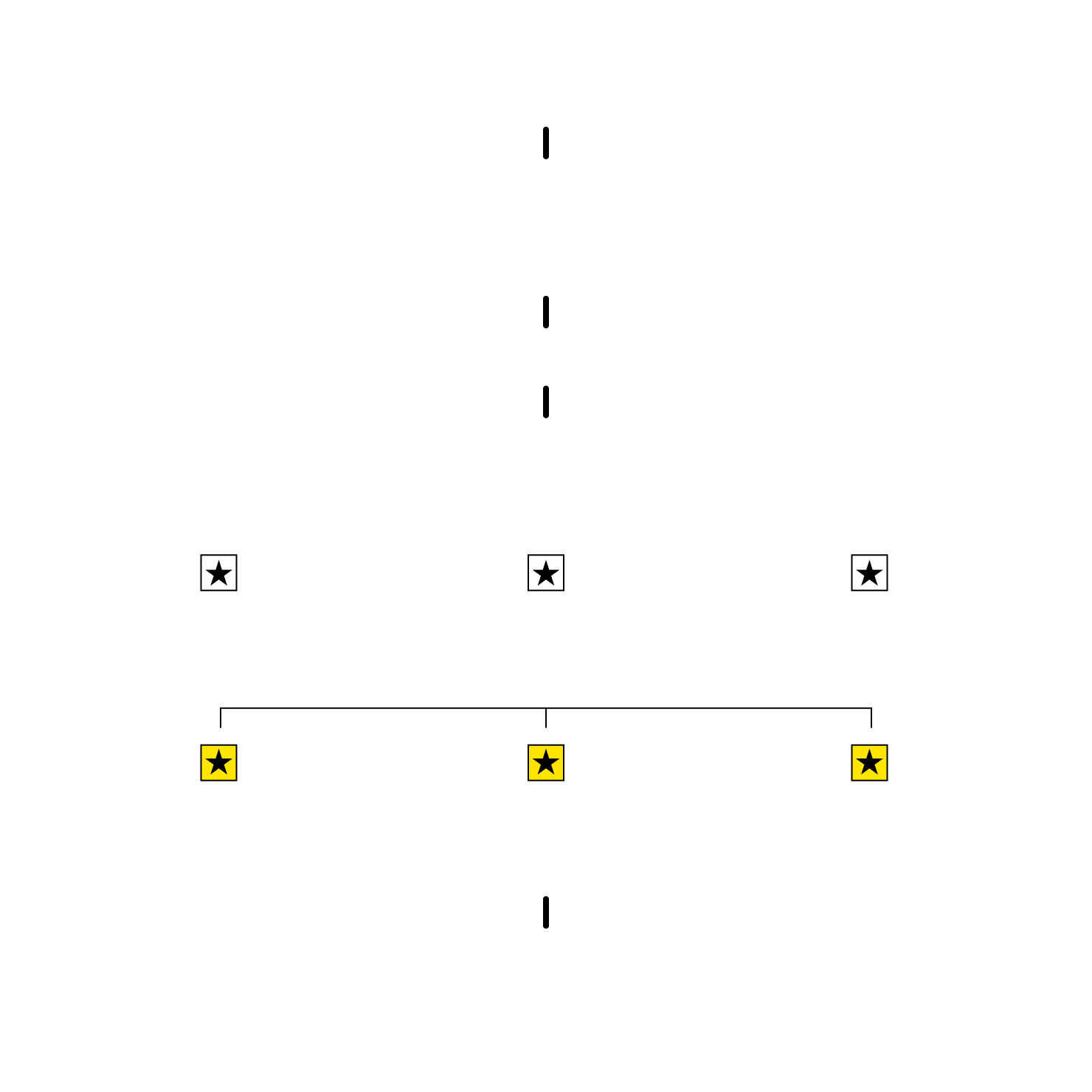
Foaled to Stage Magic by Scat Daddy at Glennwood Farm in March 2015
Bought at auction as a yearling by China Horse Club and Maverick Racing for
$500,000
Trained by Bob Baffert
Six races, winner of all.
Total earnings of
$3,798,000
Santa anita
3/11/2018
Santa Anita Derby
4/7/2018
Santa anita
2/18/2018
Triple Crown
Kentucky Derby
Churchill Downs
5/5/2018
Preakness Stakes
PIMLICO
5/19/2018
Belmont STAKES
BELMONT PARK
6/9/2018
Estimated value based on sale of his breeding rights in 2018
$75,000,000
Foaled to Stage Magic by Scat Daddy at Glennwood Farm in March 2015
Bought at auction as a yearling by China Horse Club and Maverick Racing for
$500,000
Trained by Bob Baffert
Six races, winner of all.
Total earnings of
$3,798,000
Santa anita
2/18/2018
Santa anita
3/11/2018
Santa Anita Derby
4/7/2018
Triple Crown
Preakness Stakes
PIMLICO
5/19/2018
Belmont STAKES
BELMONT PARK
6/9/2018
Kentucky Derby
Churchill Downs
5/5/2018
Estimated value based on sale of his breeding rights in 2018
$75,000,000

Justify’s rich stud fee is based on his stellar racing record and excellent bloodlines. If his offspring prove to be equally talented, his fee will likely soar even higher. But the jury’s out until 2022 when his first crop of foals will start racing.
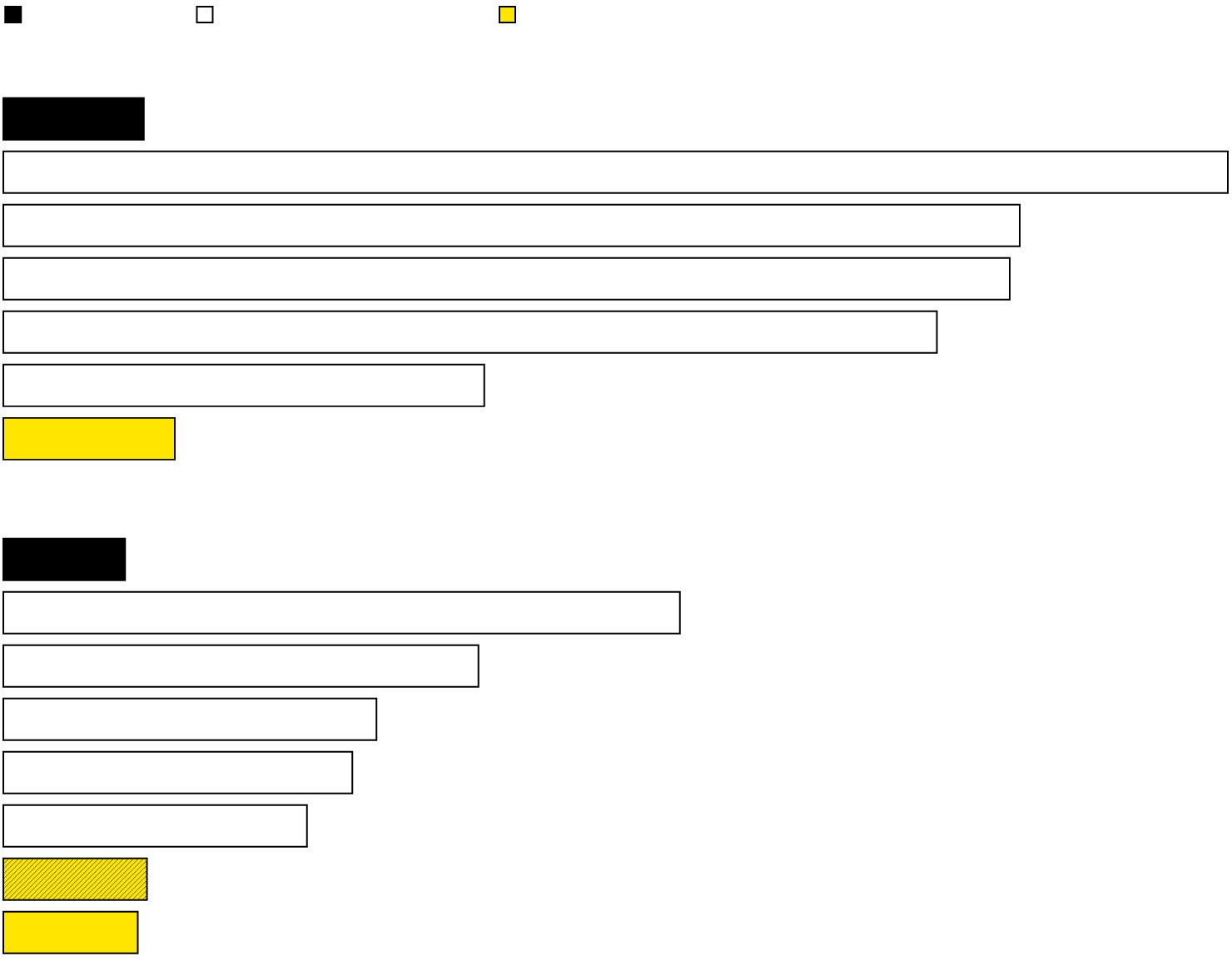
A horse’s career winnings aren’t the best indicator of its potential value as a stud. Only two of the 50 highest-earning racehorses of all time currently feature among North America’s 50 leading sires. The real determinant of a top-dollar stallion is how his children fare on the track and at auction.
Take Tapit, father of Derby runner Tacitus. The striking grey had a relatively middling racing career but has excelled at bestowing talent on his offspring. Twenty-five of his foals have gone on to win Grade 1 races and 26 have fetched at least $1 million at auction as yearlings. Such a return for breeders helps justify his hefty stud fee, which peaked at $300,000 in 2015, a 1,900 percent increase from where it was initially set.
Tapit’s reign is now being challenged by up-and-comers like War Front, whose $250,000 stud fee is among the highest (Tapit’s was cut to $225,000 last year). War Front sired two of this year’s Derby entrants, War of Will and Omaha Beach, although the latter has now been scratched from the race due to a respiratory issue. War Front’s yearlings have sold for as much as $2.4 million.
Leading Sires
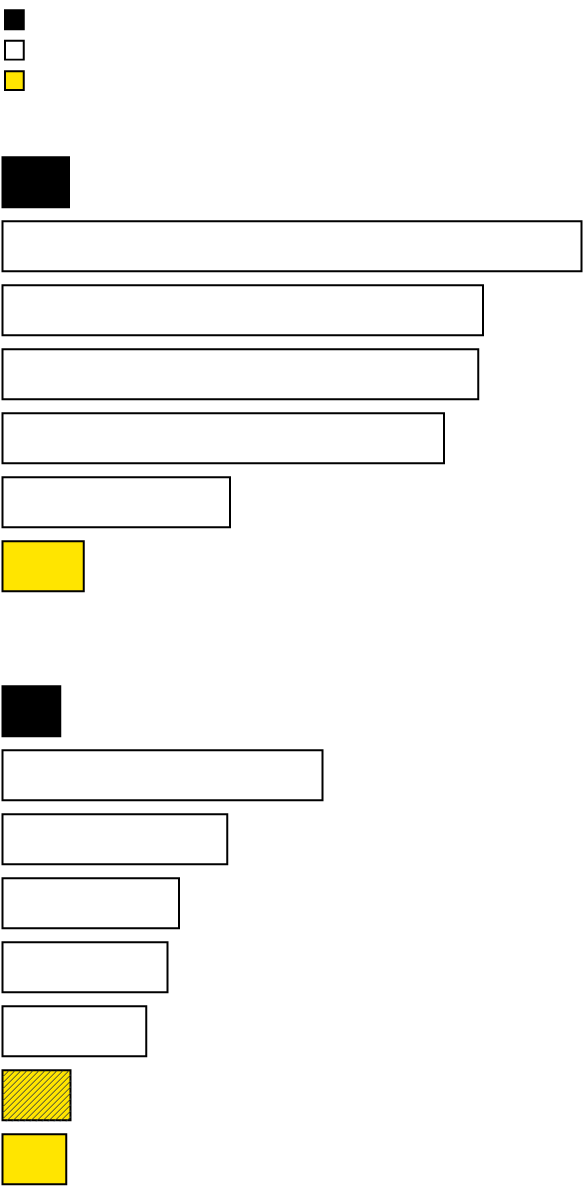
Leading sire
Top 5 performing foals
Foal running in 2019 Kentucky Derby
TAPIT $0.6M
Testa Matta 4.8
Frosted 4.0
Untapable 3.9
Tonalist 3.7
1.9
Stardom Bound
0.7
TACITUS
WAR FRONT $0.4M
Lines of Battle 2.7
1.9
Declaration of War
1.4
Lancaster Bomber
1.3
U S Navy Flag
Homesman
1.1
0.5
OMAHA BEACH*
0.5
WAR OF WILL
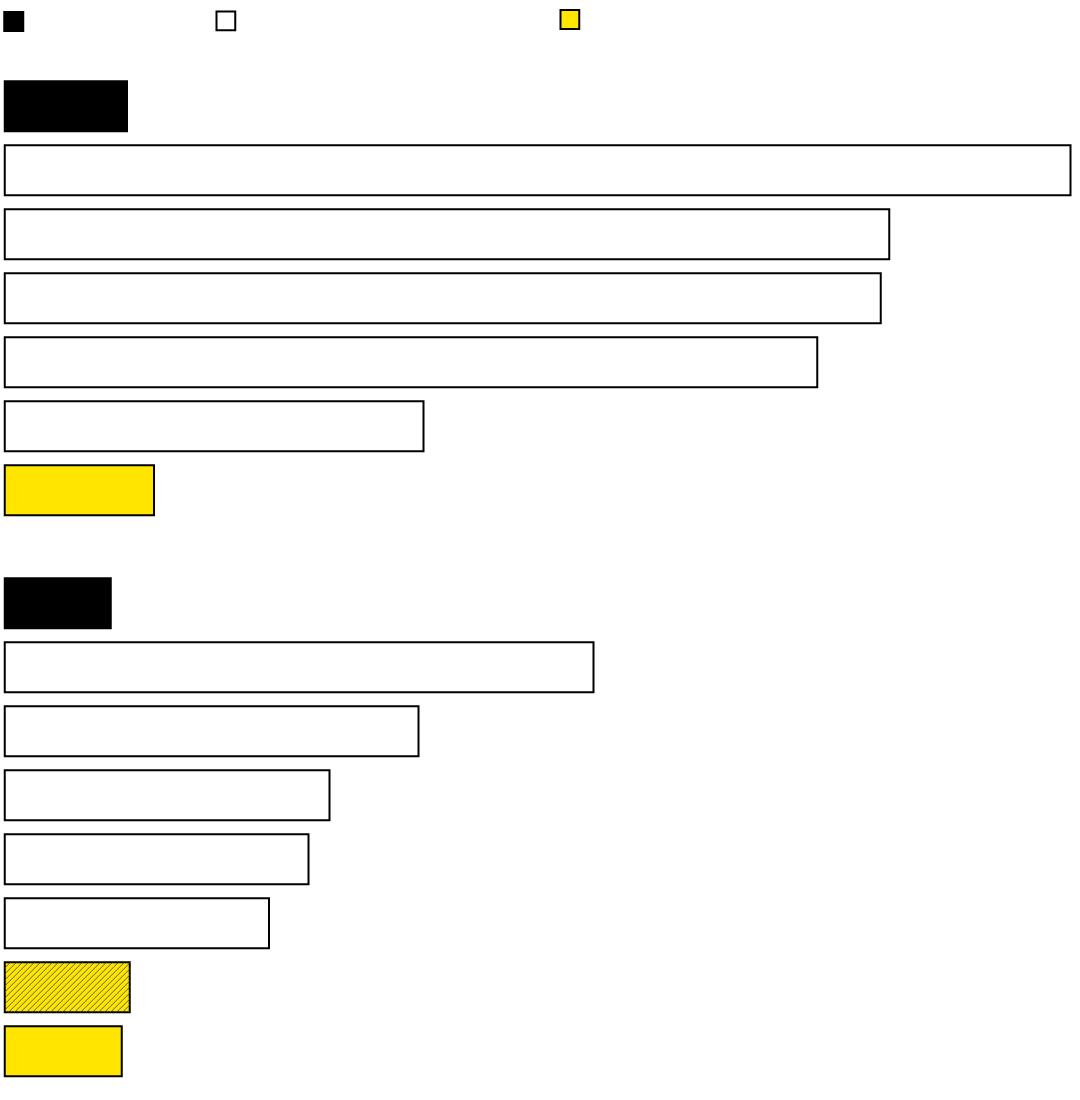
Foal running in 2019 Kentucky Derby
Top 5 performing foals
Leading sire
TAPIT $0.6M
Testa Matta 4.8
Frosted 4.0
Untapable 3.9
Tonalist 3.7
Stardom Bound 1.9
0.7
TACITUS
WAR FRONT $0.4M
Lines of Battle 2.7
Declaration of War 1.9
Lancaster Bomber
1.4
U S Navy Flag 1.3
Homesman 1.1
OMAHA BEACH*
0.5
0.5
WAR OF WILL
Leading sire
Top 5 performing foals
Foal running in 2019 Kentucky Derby
TAPIT $0.6M
Testa Matta 4.8
Frosted 4.0
Untapable 3.9
Tonalist 3.7
Stardom Bound 1.9
0.7
TACITUS
WAR FRONT $0.4M
Lines of Battle 2.7
Declaration of War 1.9
Lancaster Bomber 1.4
U S Navy Flag 1.3
Homesman 1.1
0.5
OMAHA BEACH*
0.5
WAR OF WILL

Sources: Blood-Horse Stallion Register, Equibase
Despite the potential for profit, breeding and racing horses generally takes more money than it makes. It’s no surprise then that the list of owners in this year’s Derby includes at least eight billionaires, such as Juddmonte Farms’ Prince Khalid bin Abdullah of Saudi Arabia and French brothers Gerard and Alain Wertheimer, owners of Chanel.
Deep-pocketed boosters are important to an industry that’s facing a crisis over welfare concerns for horses. Canada’s billionaire Stronach family, who own an extensive breeding and racing operation as well as racetracks, have been forced to reckon with the risks after a spike in horse deaths forced the temporary closure of their Santa Anita track in California earlier this year. The Stronach Group has teamed with industry organizations in lobbying to ban certain medications and made an undisclosed investment in diagnostic equipment to detect pre-existing conditions.
“First and foremost, we must do right by the horse,” Belinda Stronach, daughter of Stronach Group founder Frank Stronach, wrote in an open letter earlier this year. “When we do right by the horse, everything—everything—will follow.”