Traders, Smugglers, Billionaires: British Dynasty Eyes China Again
It rises near the edge of Hong Kong’s Victoria Harbor, not far from the iconic Star Ferry: “the house of 1,000 assholes.”
The time-worn sobriquet is said to refer to the skyscraper’s distinctive round windows—and, less charitably, to what’s inside.
This, after all, is Jardine House, headquarters of the storied British “hong” that China has eyed with suspicion since the days when the founders of the trading company were trafficking opium in the Pearl River Delta.
But today—more than 175 years after William Jardine and James Matheson helped deliver Hong Kong into the hands of British imperialists and 22 years into the territory’s handover to an ascendant China—a new era has begun for the group and its billionaire dynasty, the Keswick family, who married into the Jardine clan in the 19th century.
Jardines has been refining its strategy under its newest taipan, or big boss, Ben Keswick, who became executive chairman this year. His uncle, Henry, expanded the family’s reach across Southeast Asia, a campaign that continued last year with Astra International’s investment in Indonesian startup Go-Jek. Now, under Ben, even as trade tensions between Beijing and the West grow, the company is gaining steam faster than ever in Communist China, where Jardines’ fraught history has at times thwarted its ambitions.
“Ben’s succession has been progressing for a number of years and I have great confidence that he will continue to drive the business to further success,” Henry Keswick said in a September statement announcing his retirement.
At 46, Ben represents the fifth generation atop Jardines, the inspiration for James Clavell’s novel “Noble House.” His ascendance coincides with another milestone for the family: On paper, the Keswicks became richer than ever this year, and have a combined net worth of at least $5 billion, according to the Bloomberg Billionaires Index.
Ben Keswick and other members of the family declined to comment for this story.
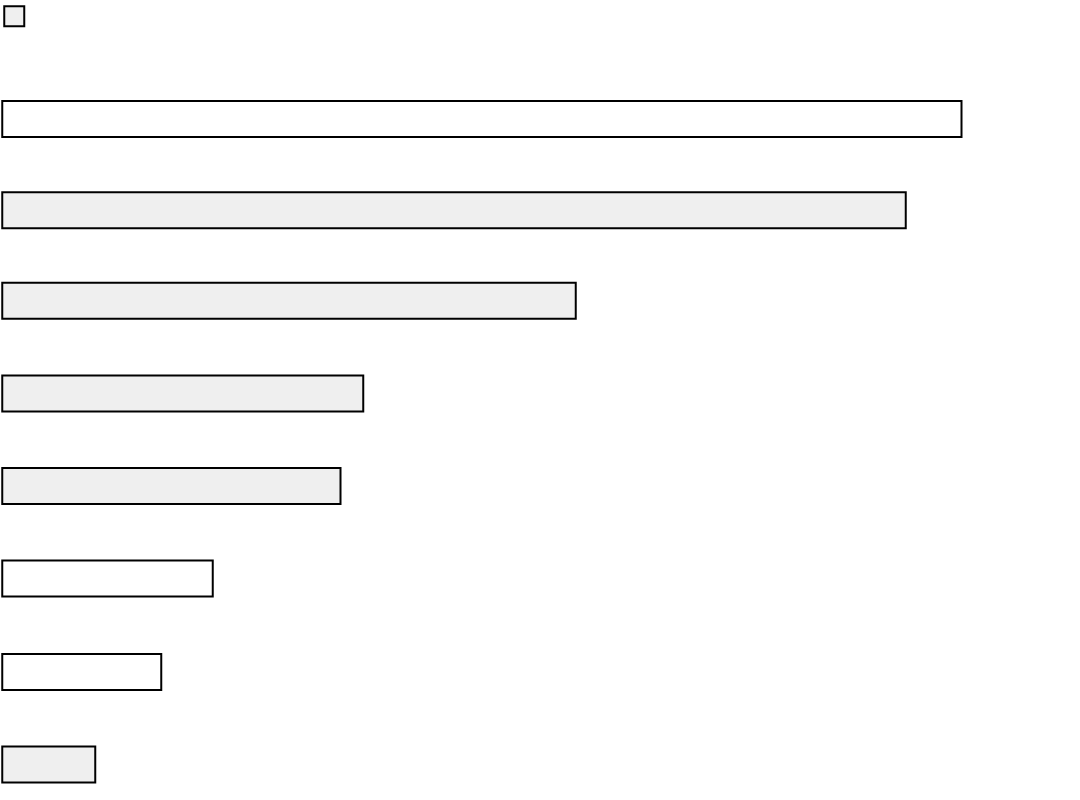
Jardines’ Jewels

Companies with mainland China presence
Astra
$465M
Hongkong Land
438
Dairy Farm
278
Jardine Motors
175
Jardine Pacific
164
Jardine Cycle & Carriage
102
Jardine Lloyd Thompson*
77
Mandarin Oriental
45
Companies with mainland China presence
Astra
$465M
Hongkong Land
438
Dairy Farm
278
Jardine Motors
175
Jardine Pacific
164
Jardine Cycle & Carriage
102
Jardine Lloyd Thompson*
77
Mandarin Oriental
45
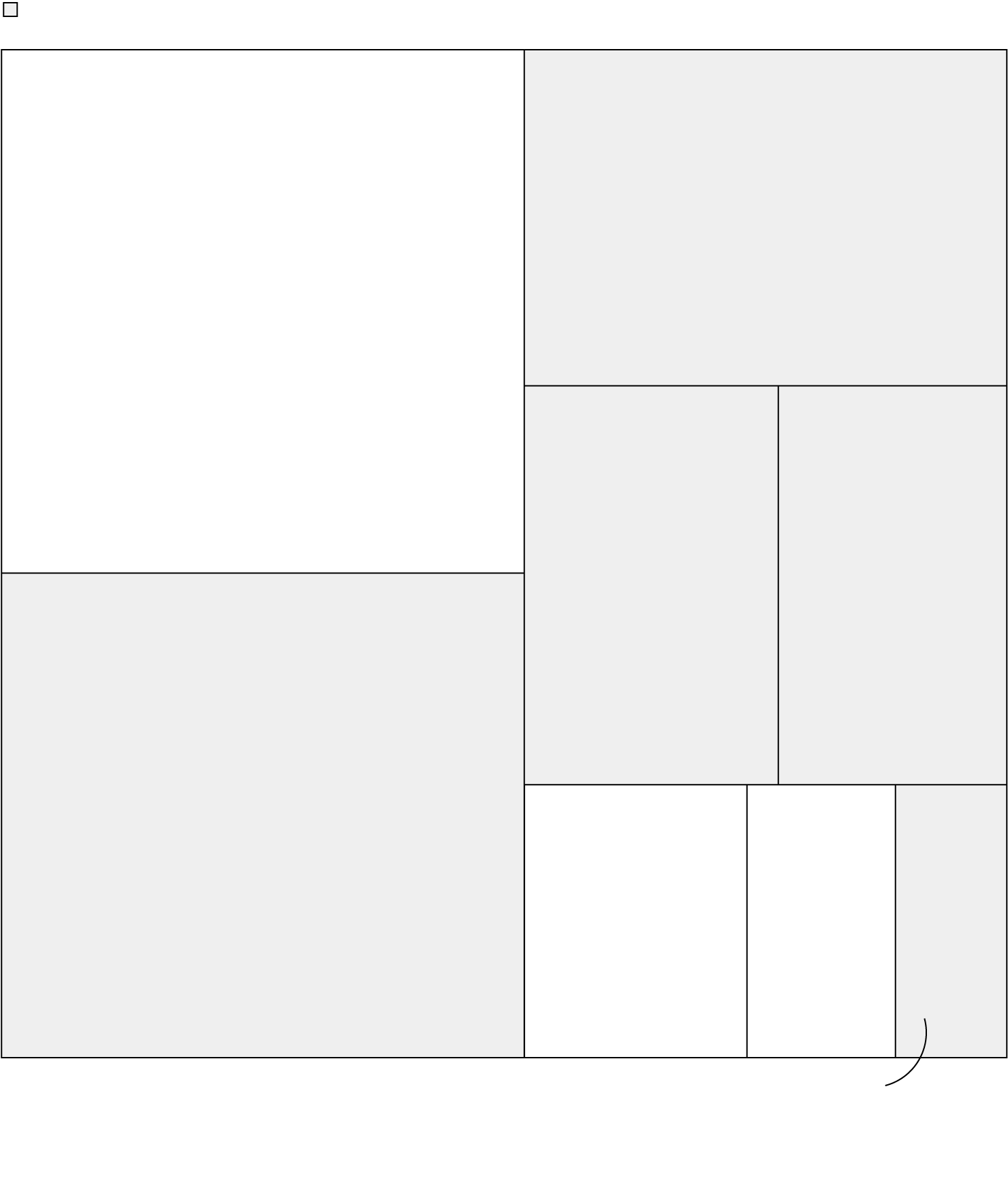
Companies with mainland China presence
$465M
Astra
$278M
Dairy Farm
2,809 out of total of 9,747 retail outets are in mainland China
$175M
Jardine Motors
$164M
Jardine Pacific
Zung Fu car dealers now has 32 Mercedes-Benz outlets in mainland China
Units with a mainland presence include packaging company Greatview and Gammon Construction
$438M
Hongkong Land
Mainland China accounted for 26% of underlying operating profit before corporate expenses. Hong Kong accounted for 54%
$102M
Jardine Cycle &
Carriage
$77M
Jardine Lloyd
Thompson*
$45M
Mandarin
Oriental
Hotels in Beijing, Guangzhou, Sanya and Shanghai out of 32 hotels worldwide

Source: Hongkong Land annual report 2018, mandarinoriental.com, Dairy Farm annual report 2018 and jardines.com
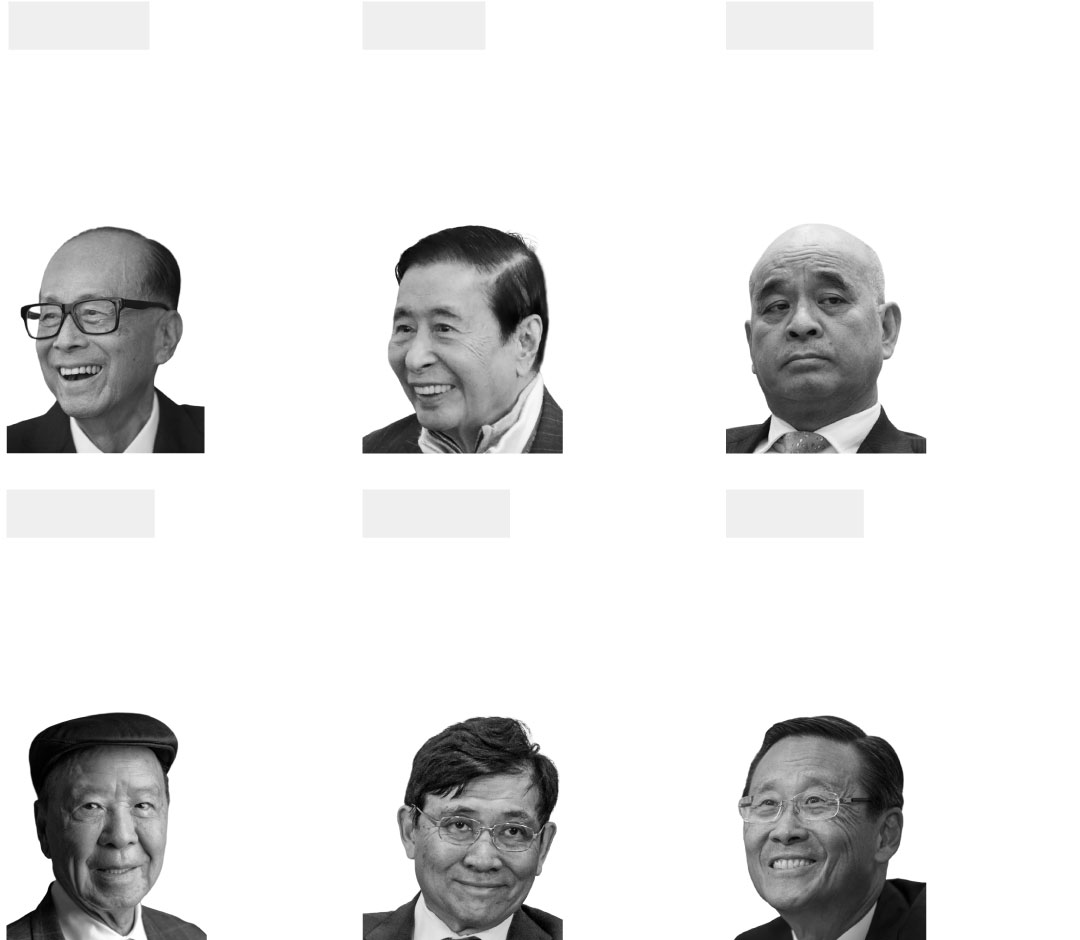
Impressive as that sounds, the 10-digit figure in fact underscores a sober reality: The Scottish Keswick clan has long since been eclipsed by Hong Kong’s Chinese elite in terms of wealth and influence.
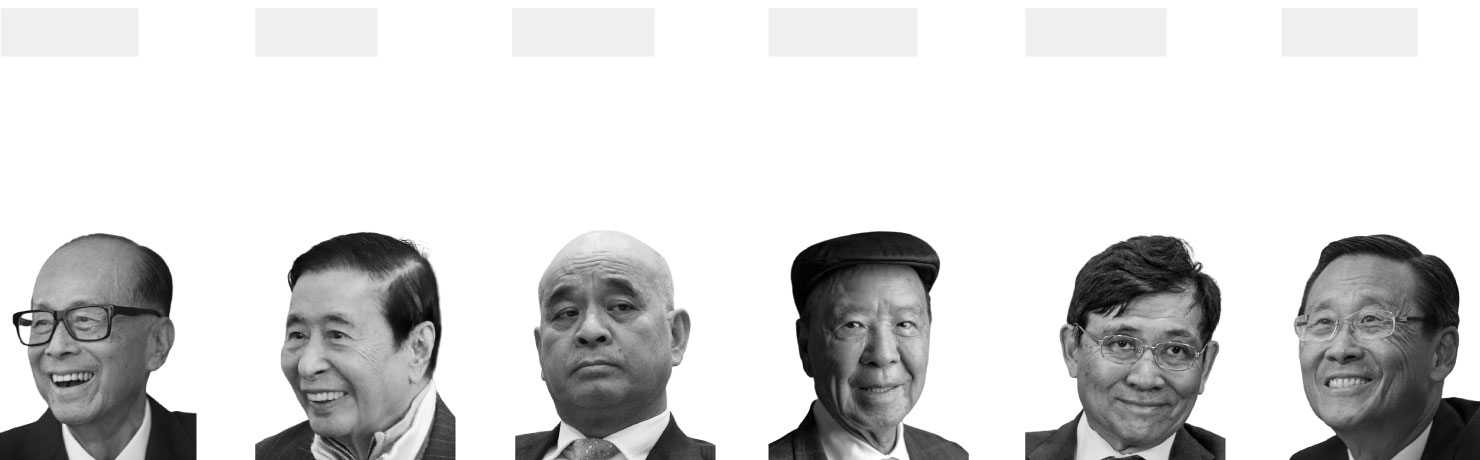
Li Ka-shing, for instance, found factory work when he arrived from southern China in the 1940s, as colonial powers like Jardines lorded over Hong Kong. Today, Li’s fortune is more than five times greater than the Keswicks.
Rich Rivals

$29.1B
$25B
Li Ka-shing
CK Hutchison
Holdings
Real estate
Lee Shau Kee
Henderson Land
Development
Real estate
$15.8B
$14.9B
Henry Cheng
Chow Tai Fook
Jewellery
Retail
Lui Che-Woo
Galaxy
Entertainment
Gaming
$12.2B
$12.1B
Raymond Kwok
Sun Hung Kai
Properties
Real estate
Peter Woo
Wheelock
& Co.
Real estate
$29.1B
$25B
$15.8B
Li Ka-shing
CK Hutchison
Holdings
Real estate
Lee Shau Kee
Henderson Land
Development
Real estate
Henry Cheng
Chow Tai Fook
Jewellery
Retail
$14.9B
$12.2B
$12.1B
Lui Che-Woo
Galaxy
Entertainment
Gaming
Raymond Kwok
Sun Hung Kai
Properties
Real estate
Peter Woo
Wheelock
& Co.
Real estate
$29.1B
$25B
$15.8B
$14.9B
$12.2B
$12.1B
Li Ka-shing
CK Hutchison
Holdings
Real estate
Lee Shau Kee
Henderson Land
Development
Real estate
Henry Cheng
Chow Tai Fook
Jewellery
Retail
Lui Che-Woo
Galaxy
Entertainment
Gaming
Raymond Kwok
Sun Hung Kai
Properties
Real estate
Peter Woo
Wheelock
& Co.
Real estate

Source: Bloomberg Billionaires Index
Still, change is afoot. In March, Jardine Matheson’s Mandarin Oriental unit closed its iconic Excelsior hotel, built on what is known as Plot 1—the very first parcel of land sold around the time Hong Kong became a British colony in 1843. Nearby stands the Noonday Gun, the famous three-pounder that harks back to the days when Jardines’ private militia would fire off a salute when the company’s taipan arrived. In a city where real estate now dominates just about everything, Jardines plans to replace the Excelsior with a more lucrative office tower.
At the same time, other plans are unfolding to the north, in Beijing. Jardines unveiled a five-star Mandarin Oriental blocks from Tiananmen Square—a move that once would’ve been unthinkable.
Mao’s Communist Party kicked foreign companies, including Jardine, out of China after the 1949 revolution. The 1989 Tiananmen Square massacre convulsed Hong Kong and is still memorialized every June 4. Despite its deep Hong Kong roots, Jardines’ quit the city’s stock exchange for Singapore five years later, as Britain prepared to return its colony to China. The move didn’t go unnoticed in London or Beijing.
“It wasn’t popular with the British government and it wasn’t popular with the Chinese government but it was the right thing to do for the firm,” said Charles Powell, a director of Jardine Strategic Holdings Ltd., in a November interview in New York. “Henry was capable of taking the long-term view and knew that he could rebuild relationships that would have been disturbed by that event.”
Now, like just about everyone else, Jardines wants to make a bigger mark on the mainland.
“For many years the Mandarin tried to open in Beijing and Shanghai, but they were knocking on a brick wall,” says Simon Yip, who worked as a sales manager at Excelsior and at Mandarin properties in Singapore and Indonesia (he’s now a vice-president at cross-town rival Peninsula Hotels). Today the chain has four hotels in mainland China, although the expansion hasn’t always gone smoothly. A skyscraper set to house a Mandarin Oriental in Beijing was engulfed in a huge fire in 2009 and never opened.
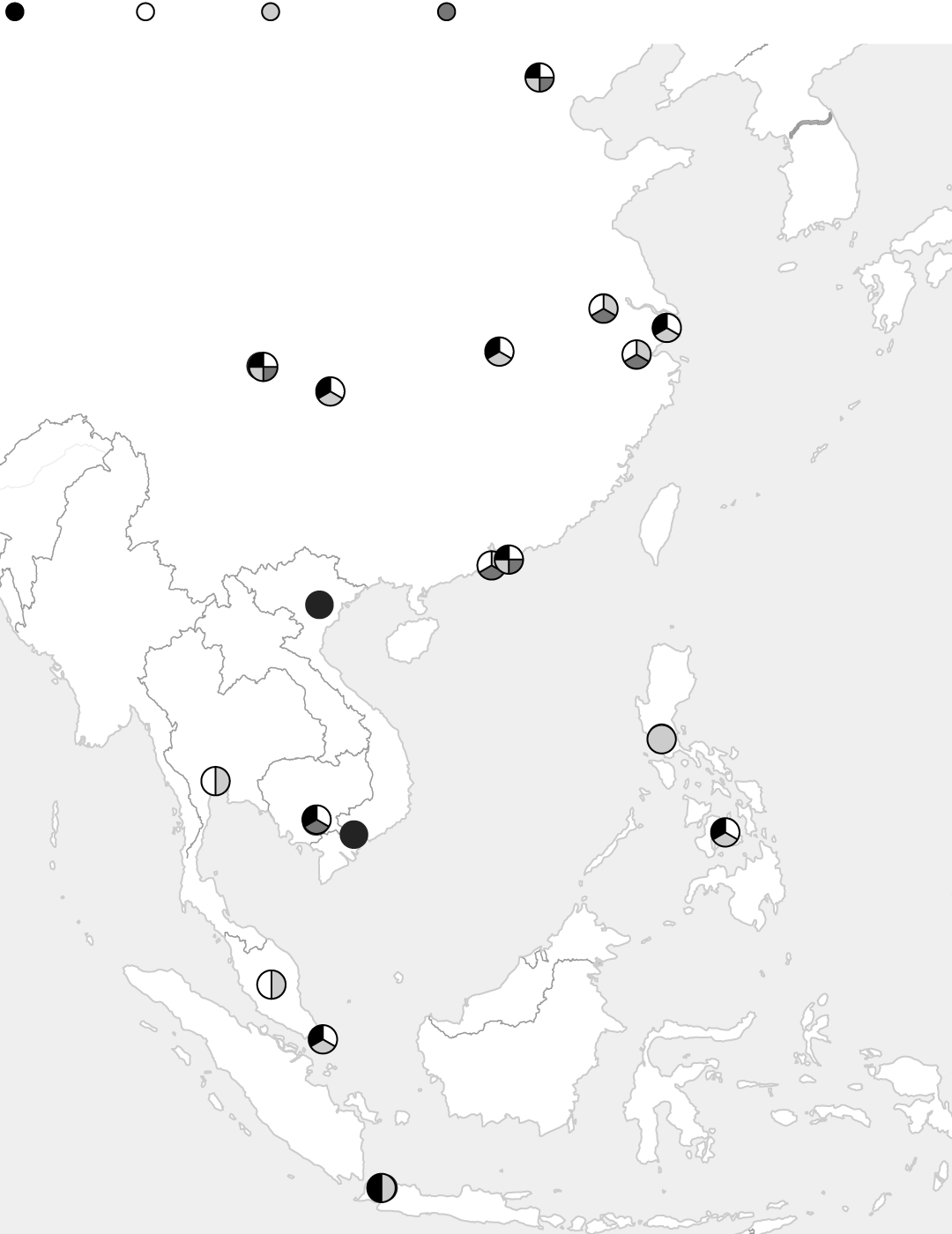
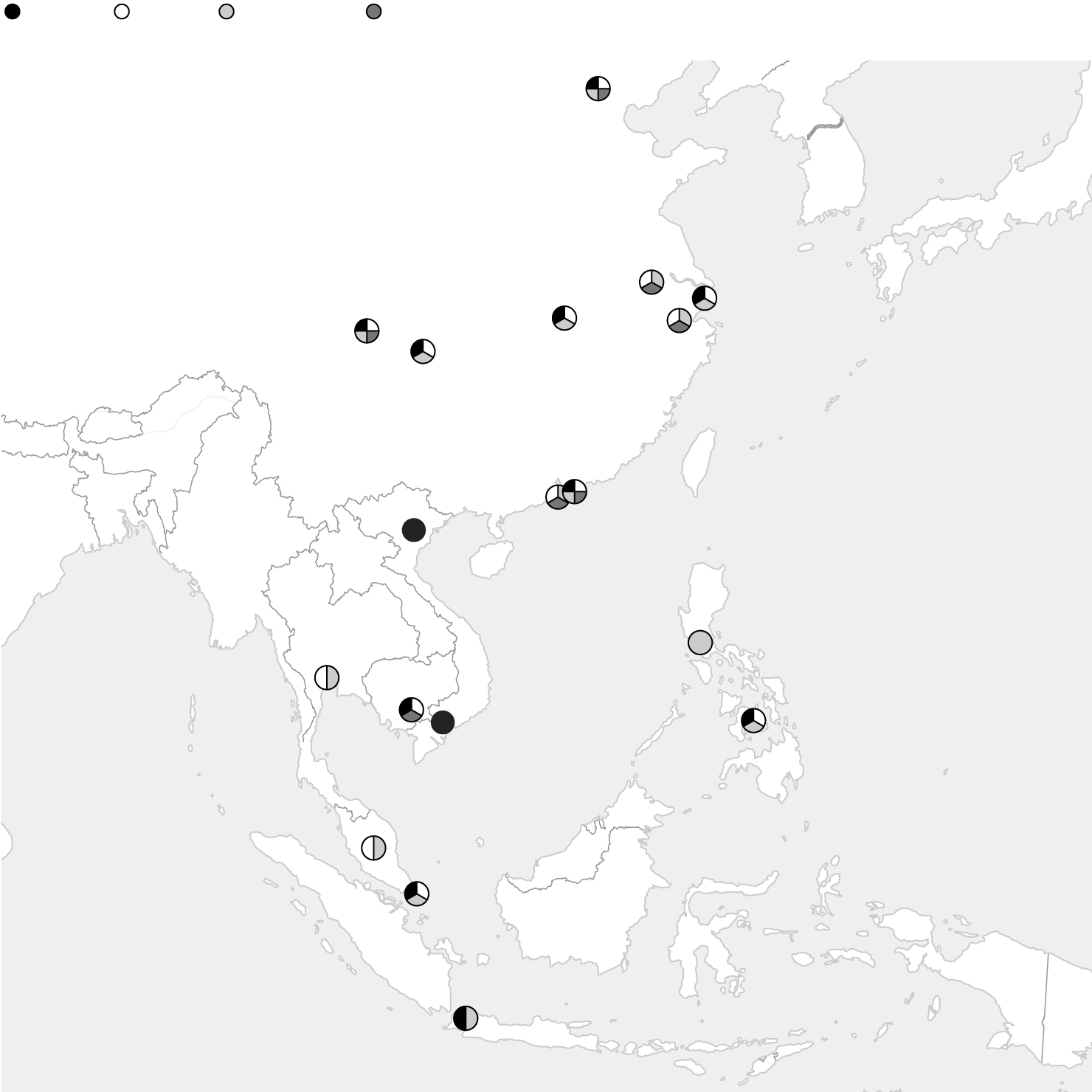
The group’s Hongkong Land unit, meanwhile, acquired six sites for new projects on the mainland in 2018. Other China operations range from malls to stakes in Mercedes-Benz dealerships. Jardines only recently began breaking out earnings from the mainland in its annual reports. In 2018, 15 percent of the group’s $1.7 billion in combined profit came from the mainland. Southeast Asia is the other key area of focus for the group, with its half stake in Indonesian conglomerate Astra valued at $10 billion.
Hongkong Land’s Holdings Across Asia

Offices
Retail
Residential
Hotels and serviced apartments
Beijing
CHINA
Nanjing
Shanghai
Chengdu
Wuhan
Hangzhou
Chongqing
Hong Kong
Macau
Hanoi
Manila
Bangkok
Phnom Penh
Cebu
Ho Chi Minh City
Malaysia
SINGAPORE
Jakarta
Offices
Retail
Residential
Hotels and serviced apartments
Beijing
CHINA
Nanjing
Shanghai
Chengdu
Wuhan
Hangzhou
Chongqing
Hong Kong
Macau
Hanoi
Manila
Bangkok
Cebu
Ho Chi Minh City
Phnom Penh
Malaysia
SINGAPORE
Jakarta
Offices
Retail
Residential
Hotels and serviced apartments
Beijing
Nanjing
Shanghai
Chengdu
Wuhan
Hangzhou
Chongqing
Hong Kong
Macau
Hanoi
Manila
Bangkok
Cebu
Ho Chi Minh City
Phnom Penh
Malaysia
SINGAPORE
Jakarta

Whether Jardines’ run on the mainland can last is uncertain, given strains in China’s economy and the trade tensions that have been roiling world markets.
On a recent evening in Shenzhen, across the border from Hong Kong, a salesman at a Jardines-backed dealership was talking up Mercedes C-class sedans. Members of southern China’s rising middle class grew up watching Hong Kong films in the 1990s and now see the cars as status symbols—a totem of Hong Kong-style success, he said.
Such optimism aside, cracks are appearing in the broader Chinese car market, which shrank for the first time in decades last year. Real estate and retail are worries, too.
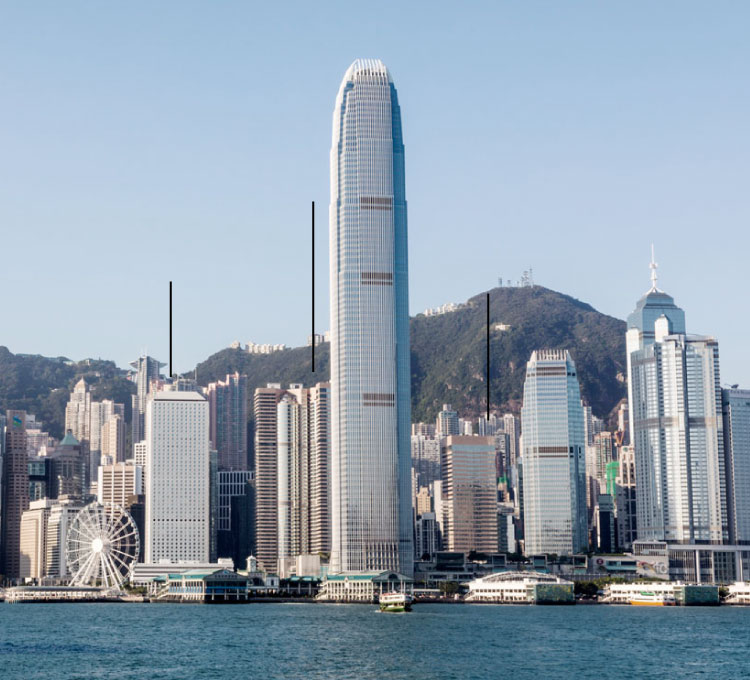
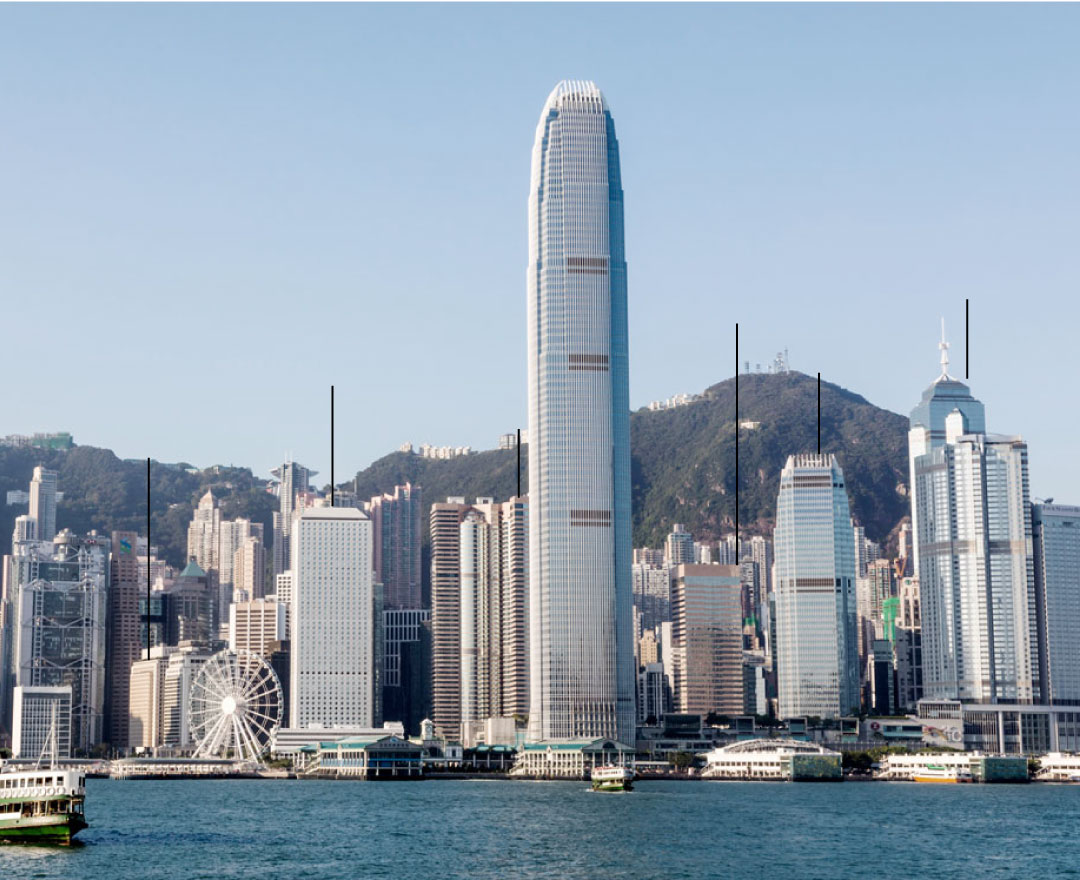
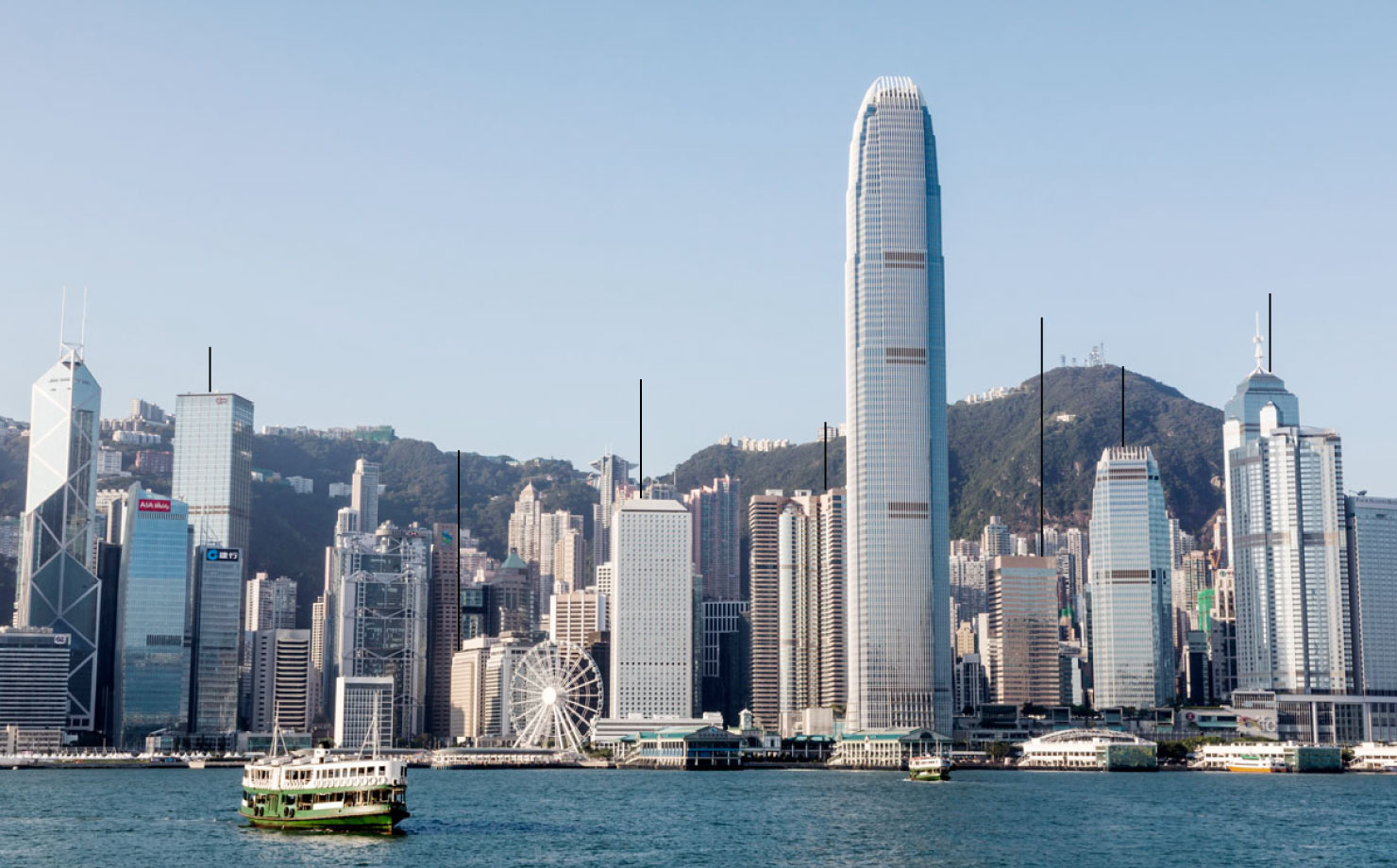
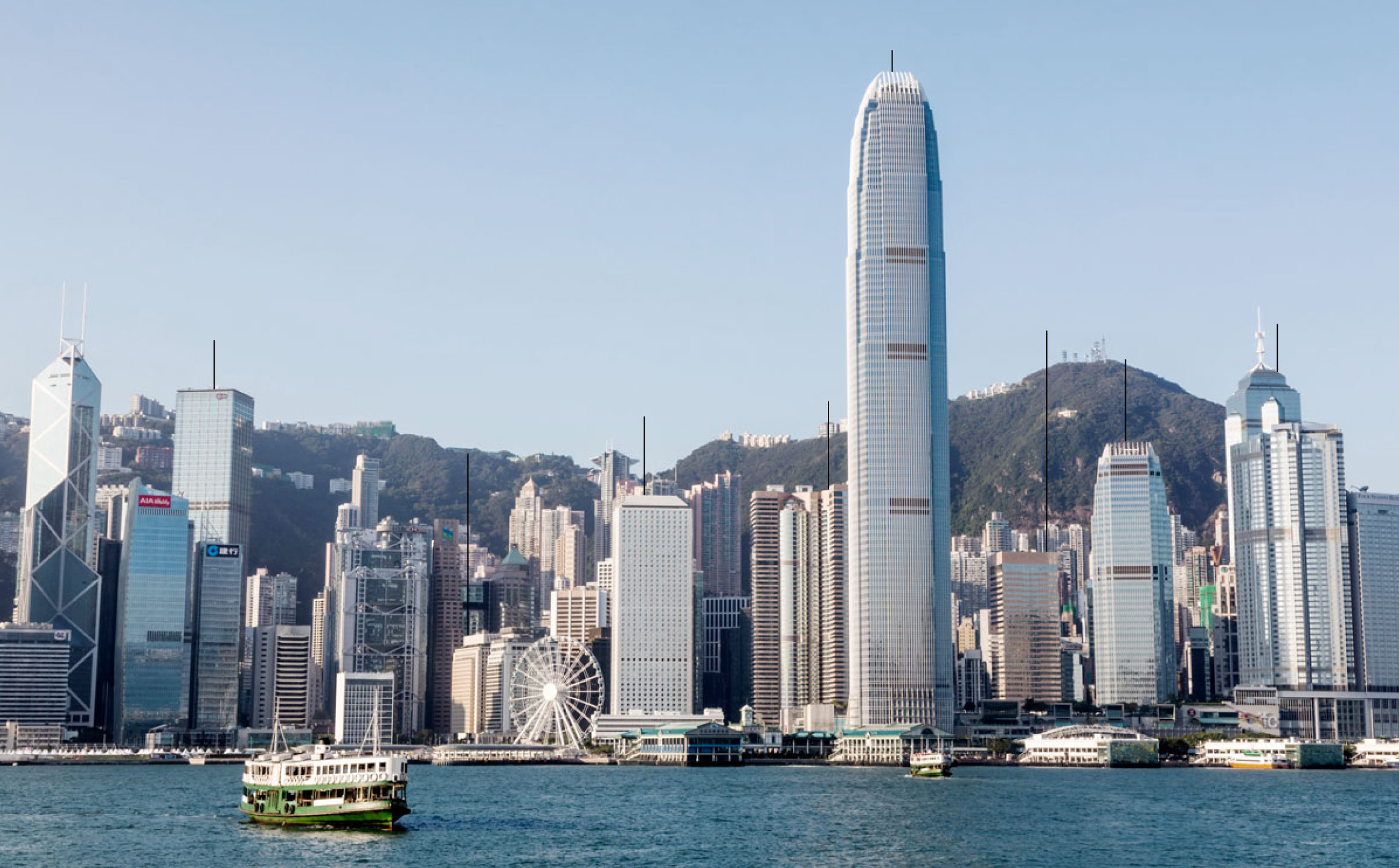
Whatever its future in mainland China, Jardines remains a symbol of the colonial past although one whose historic Hong Kong holdings are being overshadowed by more recent developments like Li Ka-shing’s Cheung Kong Center and the International Finance Center, which was developed by the Kwok family and Lee Shau Kee.
Changing Skyline
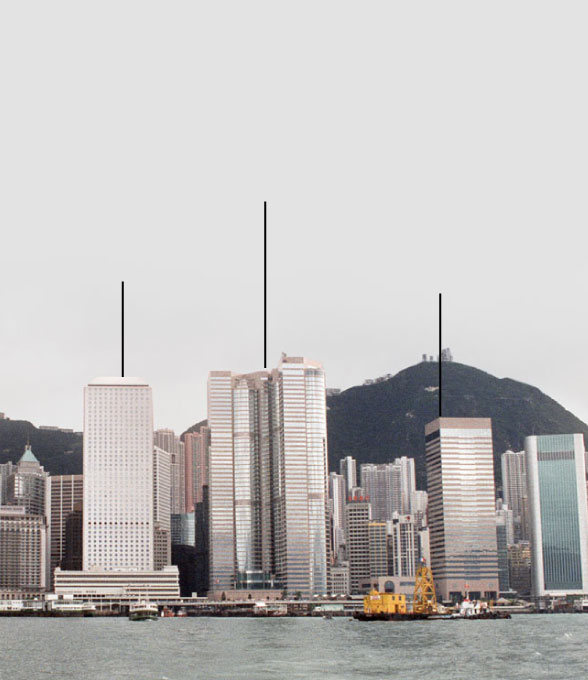
1992
1 & 2 Exchange
Square
3 Exchange
Square
Jardine House
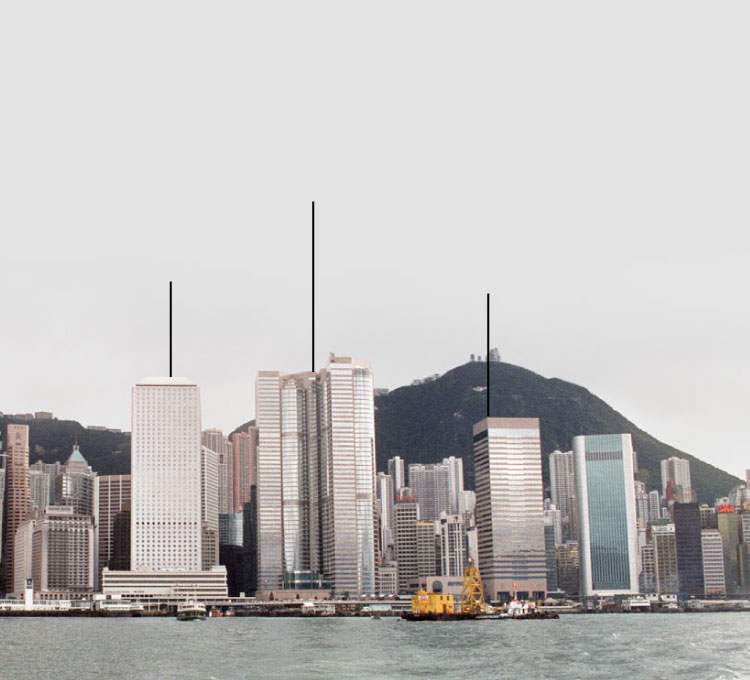
1992
1 & 2 Exchange
Square
3 Exchange
Square
Jardine House
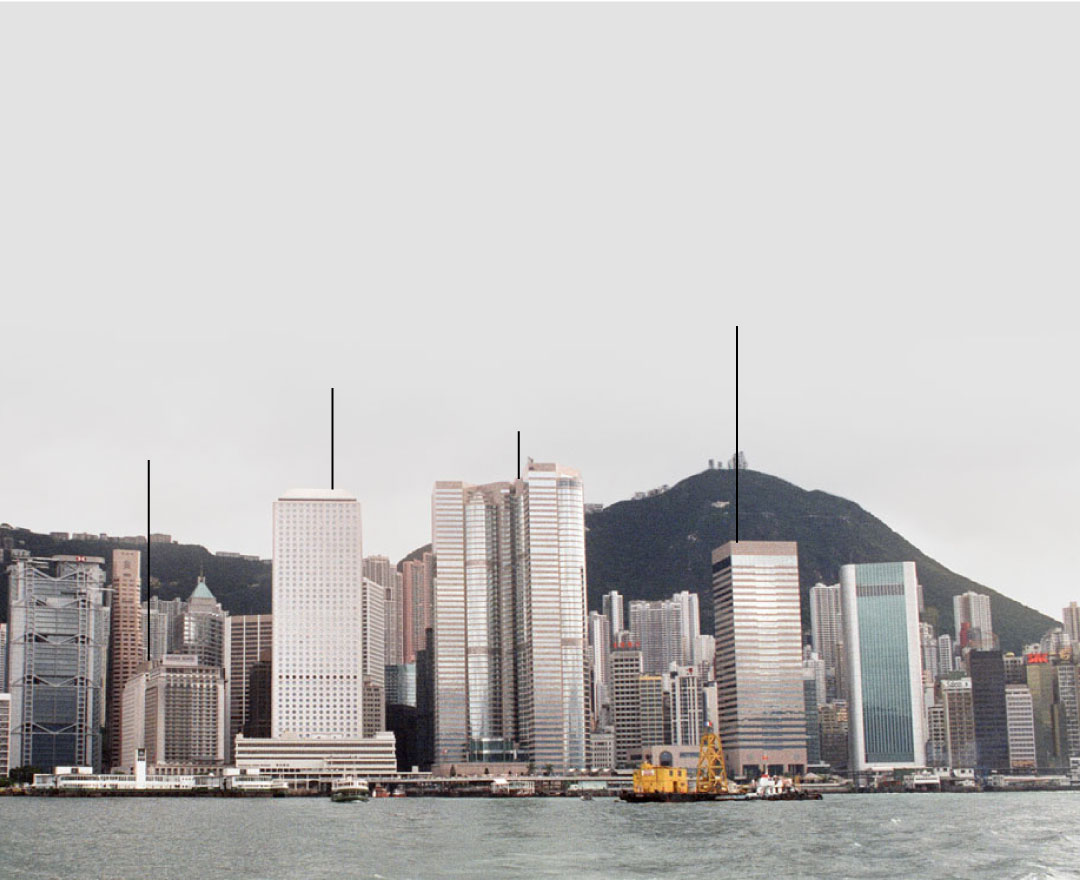
1992
3 Exchange Square
1988
Jardine House
1973
1 & 2
Exchange Square
1988
Prince’s Building
1965
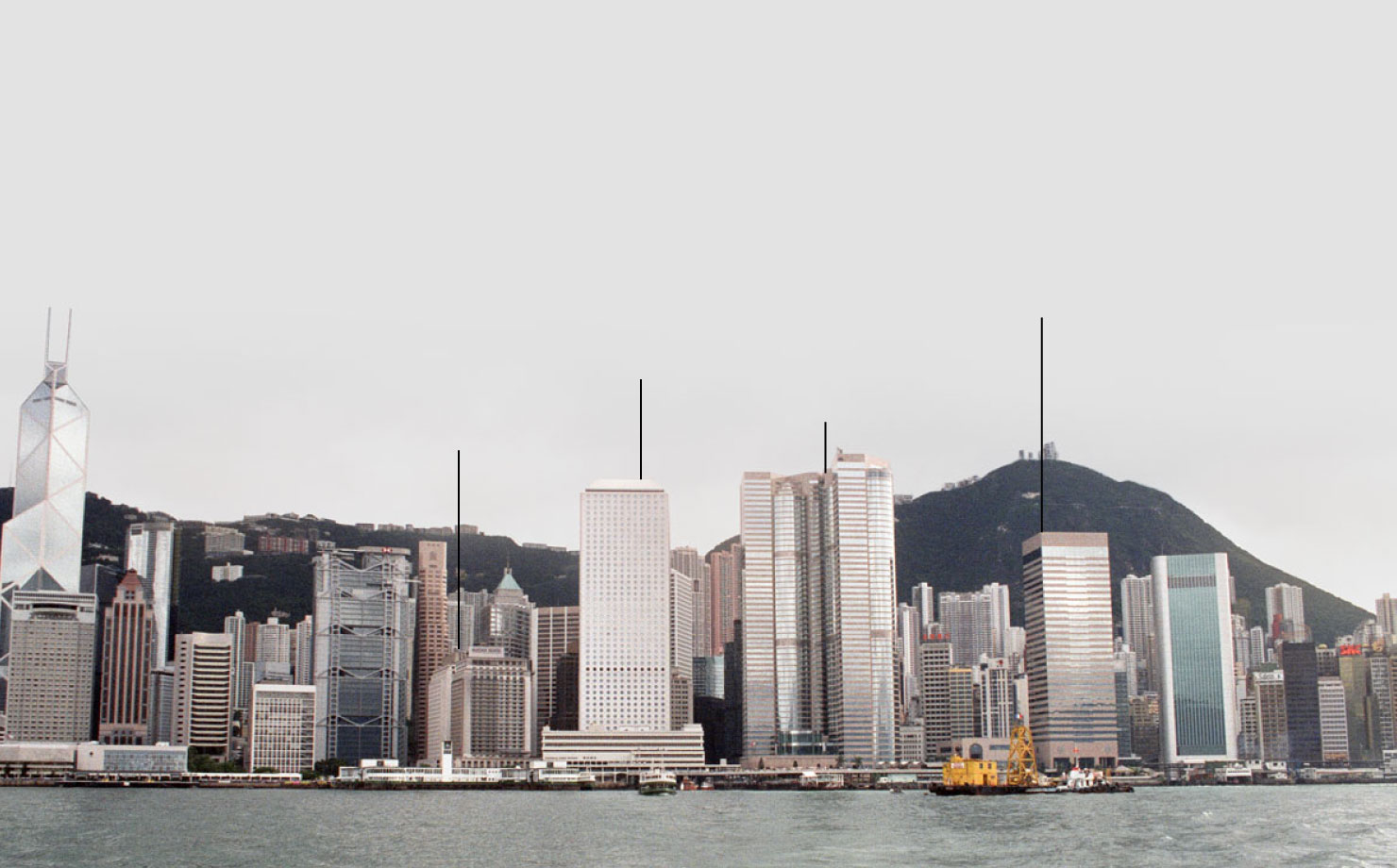
1992
3 Exchange Square
1988
Jardine House
1973
1 & 2
Exchange Square
1988
Prince’s Building
1965
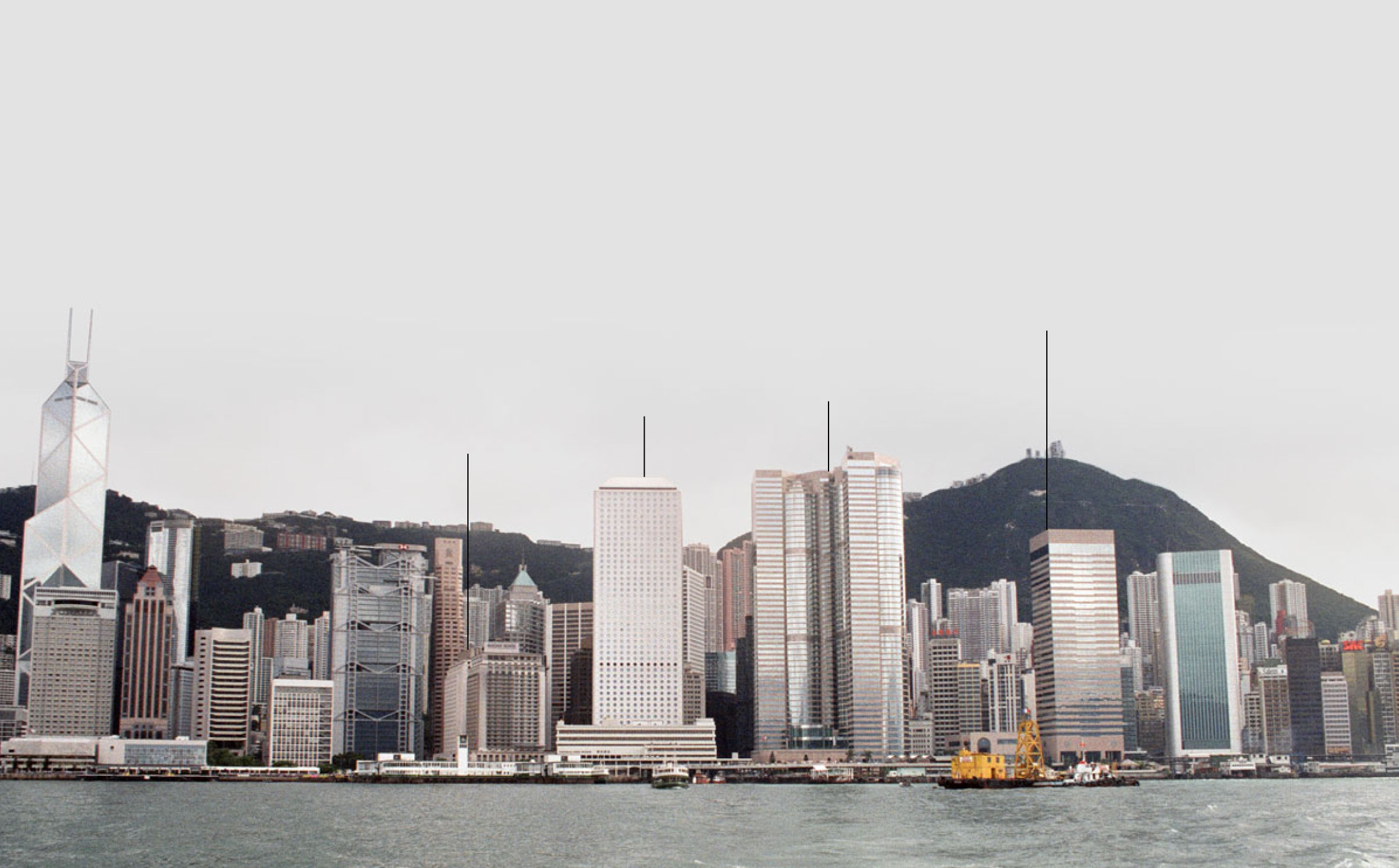
1992
3 Exchange Square
1988
1 & 2 Exchange Square
1988
Jardine House
1973
Prince’s Building
1965
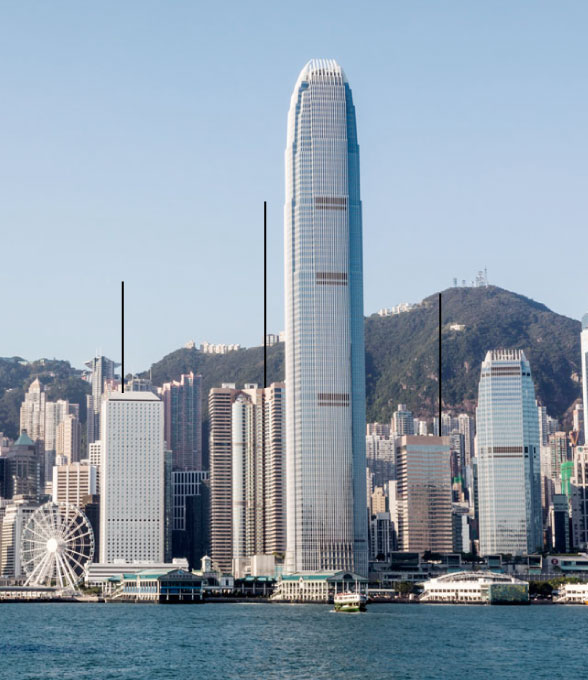
2017
1 & 2 Exchange
Square
3 Exchange
Square
Jardine House
2017
1 & 2 Exchange
Square
3 Exchange
Square
Jardine House
2 IFC
2003
2017
The Center
1998
3 Exchange Square
1988
1 IFC
1999
Jardine House
1973
1 & 2
Exchange Square
1988
Prince’s Building
1965
2 IFC
2003
2017
The Center
1998
3 Exchange Square
1988
Cheung Kong Center
1999
1 IFC
1999
Jardine House
1973
1 & 2
Exchange Square
1988
Prince’s Building
1965
2017
2 IFC
2003
The Center
1998
3 Exchange Square
1988
Cheung Kong Center
1999
1 IFC
1999
1 & 2 Exchange Square
1988
Jardine House
1973
Prince’s Building
1965
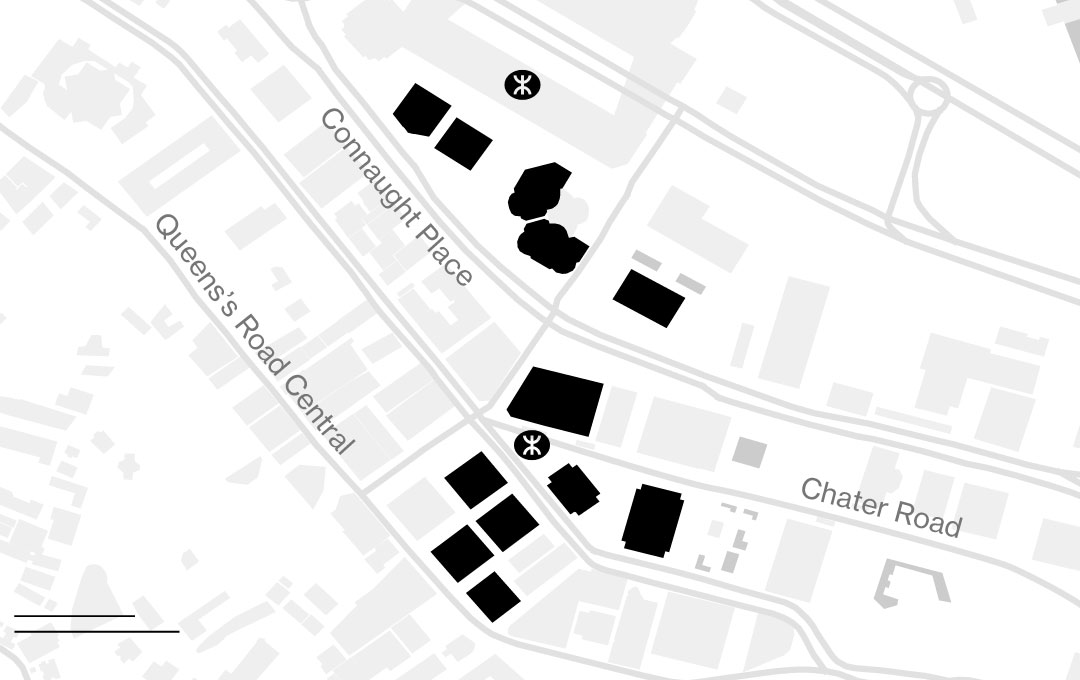
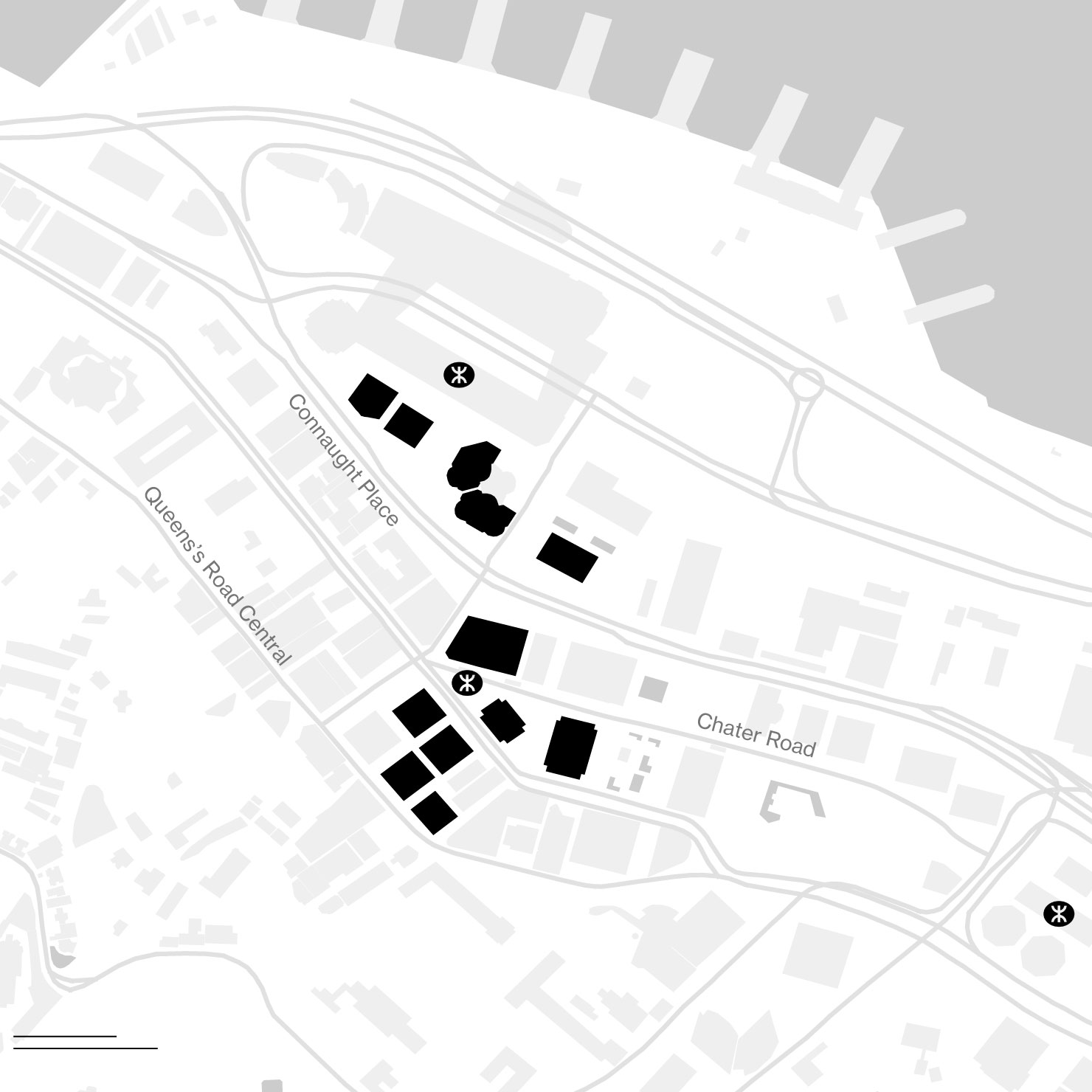
Jardines remains one of Hong Kong’s largest office landlords, thanks primarily to Hongkong Land’s holdings in Central, the high-priced business district. Its property there was valued at $32 billion at the end of 2018. Former employees speak wistfully of the company junk boat, getaways at its bungalows on Hong Kong’s Lantau Island and in the mountains near Jakarta, and the annual charity race up the stairs to the top of Jardine House, where portraits of taipans past and landscapes of Victoria Harbour adorn the walls.
Another explanation for the building’s unflattering nickname is, some say, the corporate lawyers who are also tenants in the building.
Hongkong Land’s Central Holdings

Victoria Harbour
3 Exchange Square
Hong Kong
The Forum
2 Exchange Square
1 Exchange Square
Jardine House
Chater House
Central
Alexandra House
Gloucester
Tower
Prince’s Building
Edinburgh Tower
Landmark Atrium
York House
100m
500ft
3 Exchange Square
Hong Kong
The Forum
2 Exchange Square
1 Exchange Square
Jardine House
Chater House
Central
Alexandra House
Gloucester Tower
Prince’s Building
Landmark Atrium
Edinburgh Tower
100m
York House
500ft
Victoria Harbour
3 Exchange Square
Hong Kong
The Forum
2 Exchange Square
1 Exchange Square
Jardine House
Chater House
Central
Alexandra House
Gloucester Tower
Prince’s Building
Edinburgh Tower
Landmark Atrium
York House
Admiralty
100m
500ft

Julia Lovell, author of “The Opium War: Drugs, Dreams and the Making of China,” said the trade tension between the Trump administration and Beijing reminds some mainland commentators of the mid-19th century conflicts so integral to the history of Jardines and colonial Hong Kong.
That came about after China seized opium from British traders in Canton, now Guangzhou, and began destroying it by the ton. Back in London, William Jardine lobbied for British action that would eventually lead to Hong Kong’s surrender. While these events are absent from Jardine Matheson’s history page on its website, they still resonate in Chinese society.
“It is never far from the front of public memory in China today,” Lovell said. Indeed, up the river from Hong Kong on the mainland, portraits of William Jardine and James Matheson stare down from walls inside the Opium War Museum in the industrial city of Dongguan. Beneath them, a label reads: “Opium Smuggler.”