How Hong Kong Protesters Switched Tactics to Keep Pressure on China
Hong Kong’s recent protests have been either violent and destructive, or perfectly peaceful, depending on where you stood. At the entryway of the city’s Legislative Council on July 1, people used a metal cart as a battering ram to crash through glass doors. Nearby, hundreds of thousands of others marched peacefully in a separate protest, part of an annual demonstration opposing the former British colony’s return to Chinese rule.
On July 14, demonstrators and police clashed in a suburban shopping mall about halfway between downtown and the mainland border.
People Power
The tactical dichotomy was a deliberate attempt by protesters to keep authorities off balance, a bid to pile further pressure on embattled leader Carrie Lam—and send her backers in Beijing a message. Here are the methods they’ve employed during a month of historic demonstrations:
By Numbers
June 9, June 16, July 1, July 7 and July 14
The mass marches that brought hundreds of thousands of people onto Hong Kong’s streets initially had one major goal: pressure Lam to scrap a controversial bill that would allow extraditions to China for the first time. Crowds came out in opposition, chanting and holding signs reading “No Extradition to China.” The protests were overseen by the Civil Human Rights Front, a group of mostly civilian volunteers. The calls to gather were well-publicized, and CHRF obtained police permits to march.
Walking a Police-Approved Route
Families came out for Sunday afternoon gatherings in centrally located Victoria Park and followed a route through Causeway Bay, Wan Chai and Admiralty. There were no reported arrests, and the police presence was calm. The atmosphere was festive, with opposition lawmakers at the mic rallying crowd support. Demonstrators helped register people to vote in coming district elections.
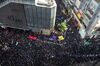
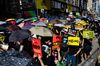
On July 7, protesters made plans online and marched through pedestrian-heavy Tsim Sha Tsui toward the Express Rail Link—aiming to get their message across to mainland travelers using the station. Five people were arrested on suspicion of assaulting and obstructing a police officer when the situation grew tense late in the night, but the march was largely peaceful. It was also one of the largest protests ever on the Kowloon side of Victoria Harbor—suggesting the movement could sustain momentum further into the summer.
Huge Turnout
These displays were meant to show China the sheer scope of opposition—not only to the extradition law but also to its growing influence over their city. The demonstrations were the primary outlet for resistance in Hong Kong, where there is freedom of speech and assembly, but only a limited democracy. Soon, protesters tacked on another major demand: the resignation of Lam, who was appointed by Beijing.
By Storm
June 12 and July 1
A far more aggressive form of protest came when demonstrators tried to storm the city’s Legislative Council complex on June 12, a bid to stop lawmakers from debating the bill. They blocked roads around the complex and brought traffic in the heart of the city to a standstill, clashing with police. Their message to authorities was clear: concede on the bill, or risk violence unprecedented since the 1997 handover.
Clashing With Police
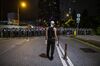
A mostly young crowd, they donned surgical masks to hide their identities and plastic goggles, hard hats and umbrellas to defend themselves from pepper spray fired by police. Like the marchers, they were well-coordinated and supportive of each other. Some people at the front line hurled umbrellas and other items at riot police. Others pulled up bricks from streets to use as weapons.
The police presence turned violent, using batons, rubber bullets and 150 rounds of tear gas to disperse the crowds. A black-shirted protester in a hard hat emerged as a symbol of the movement. And it achieved its aim: The government postponed debate over the bill, and Lam suspended work on it indefinitely on June 15. Police branded it a “riot situation,” infuriating protesters.
Hundreds of protesters took those tactics to a more destructive level on July 1, storming and vandalizing the legislature building.
Lam called a dramatic 4 a.m. press conference, where she condemned the “extreme use of violence and vandalism.” So did some of the movement’s supporters, who said the aggression played into Beijing’s narrative.
On July 14, tens of thousands of people gathered in Sha Tin area in the New Territories popular with mainland tourists, part of a push to spread the movement to far-flung districts and protest mainland influence over the city. Police arrested more than 40 people after attempts to clear stragglers resulted in dramatic clashes inside a mall.
By Siege
June 21 and June 26
Hong Kong’s student groups tend to publicly call on people to join a demonstration only after it’s gained traction in protester chat groups and online forums.
When prominent activist Joshua Wong found out that people were talking about encircling the police headquarters in Wan Chai, he called on protesters to congregate there.
Trapping Police in Their Own Headquarters
Wong and his pro-democracy Demosisto party were joined by a mostly student crowd demanding the release of 15 people arrested after June 12’s clashes—and that the authorities walk back their characterization of protesters as “rioters.”
Gathering at the city’s Central Government Offices, hundreds walked en masse to the police building. Once there, Wong took the lead, calling for Police Commissioner Stephen Lo—who described protests as a “riot”—to come out and negotiate.
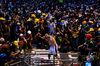
Though some threw eggs at the building, the protest was peaceful and people made a point of not engaging with officers. The officers standing sentry outside avoided confrontation and forewent riot gear.
Hundreds of people made their way to the headquarters again on June 26, a surprise move at the end of a pre-Group of 20 protest rally organized by CHRF. The tactics were similar: siege for six hours before dispersing.
By Surprise
June 21 and June 24
In what felt like an impromptu flash mob, hundreds of protesters on June 21 occupied the government’s Revenue and Immigration towers disrupting business, leading to the closure of nearby offices and stores. Protesters said they wanted the government to stop working until their demands were met.
Disrupting Government Buildings

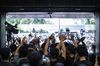
Authorities and the police allowed them to wander without incident. By now, CHRF had added to its demands an investigation into excessive use of force by police earlier in June.
The range of tactics has kept authorities guessing and challenged them to calibrate their response in a way that doesn’t invite more public anger. They never know whether they’ll face massive crowds, peaceful flash mobs or angry groups trying to storm government buildings.