
0 days
Thunderstorms

213
Rainy

372
Windy

377
Cloudy

112
Partly cloudy

19
Partly sunny

0
Sunny
Brexit’s Fearmongers May Be Right—Three Years Late
Three years after Britain voted to leave the European Union, warning signals for the U.K. economy are finally beginning to flash red.
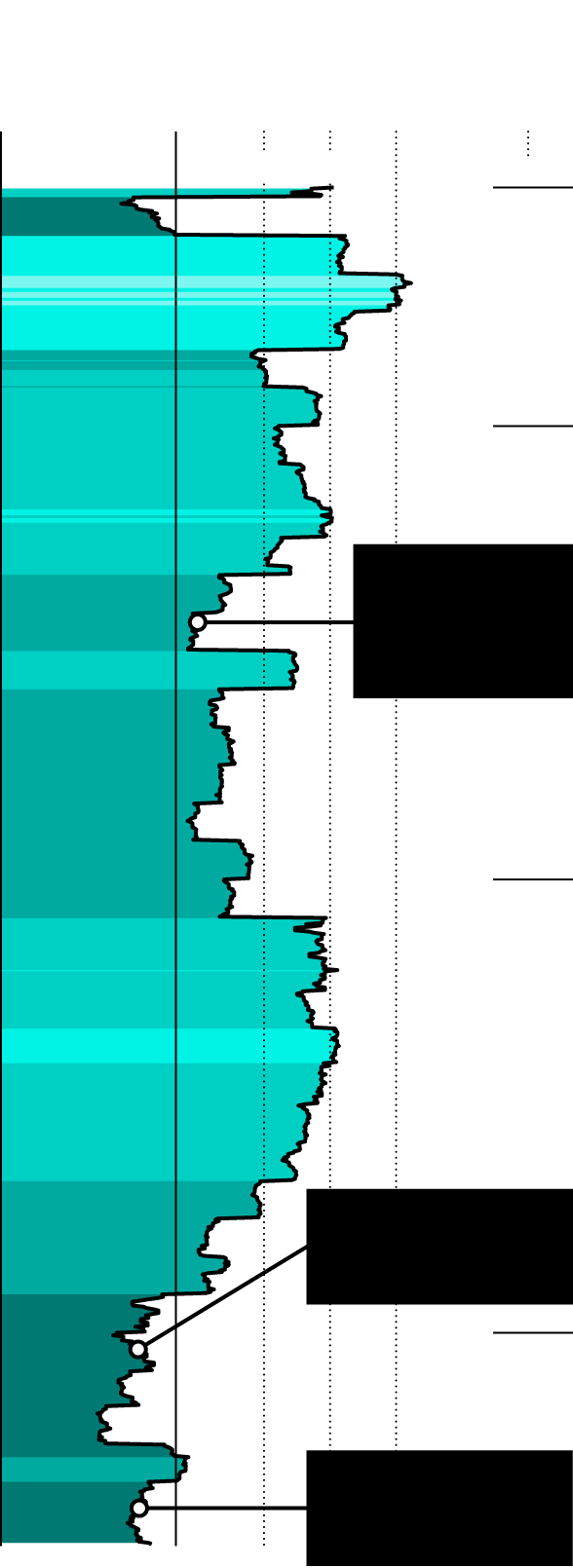
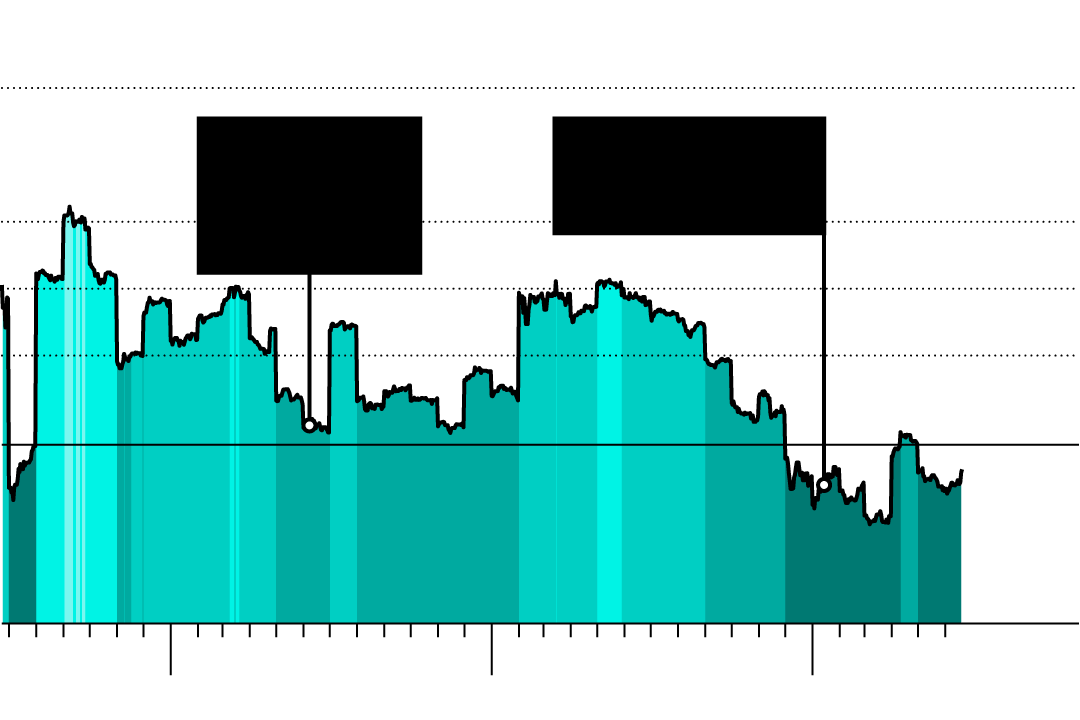
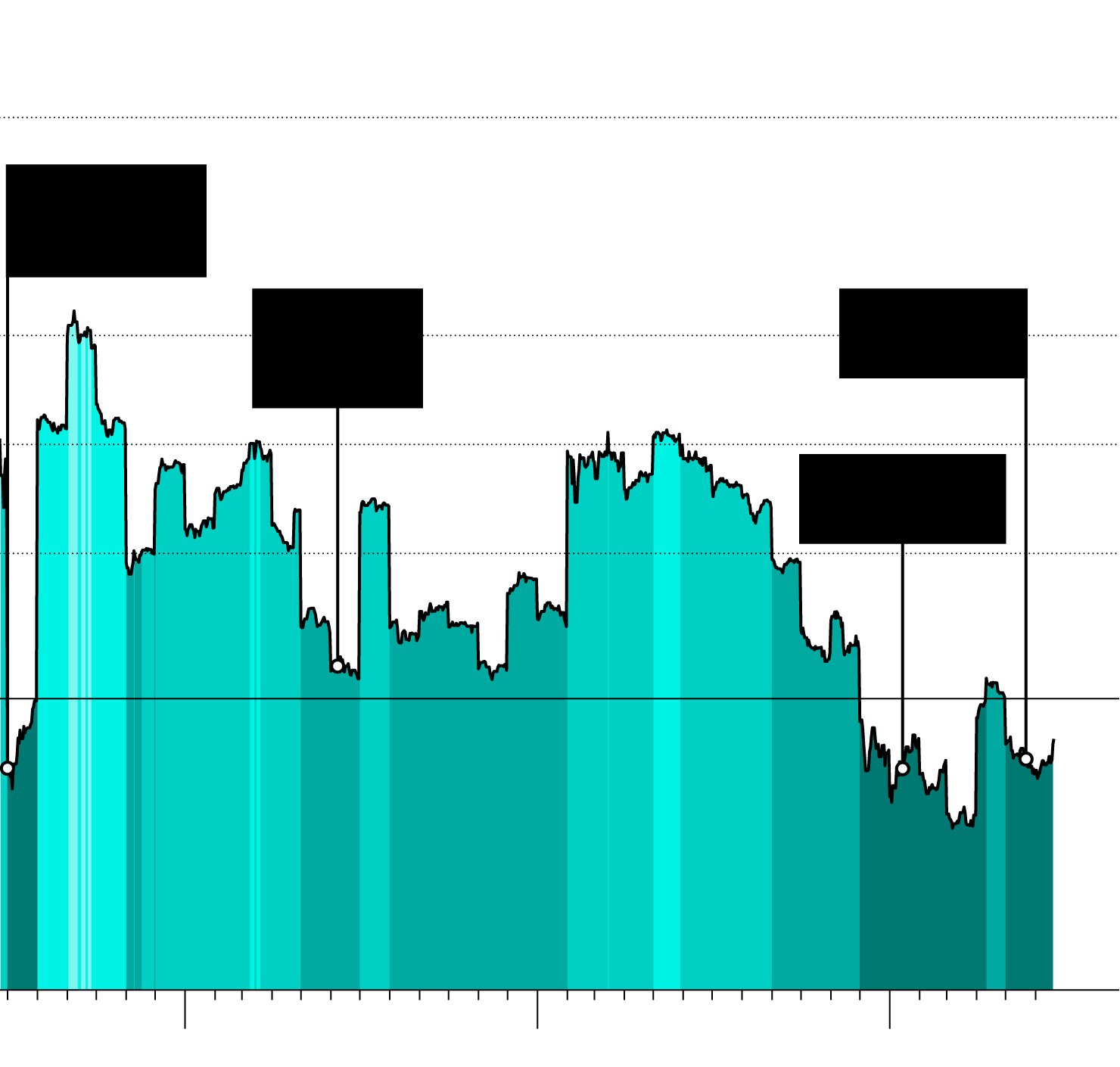
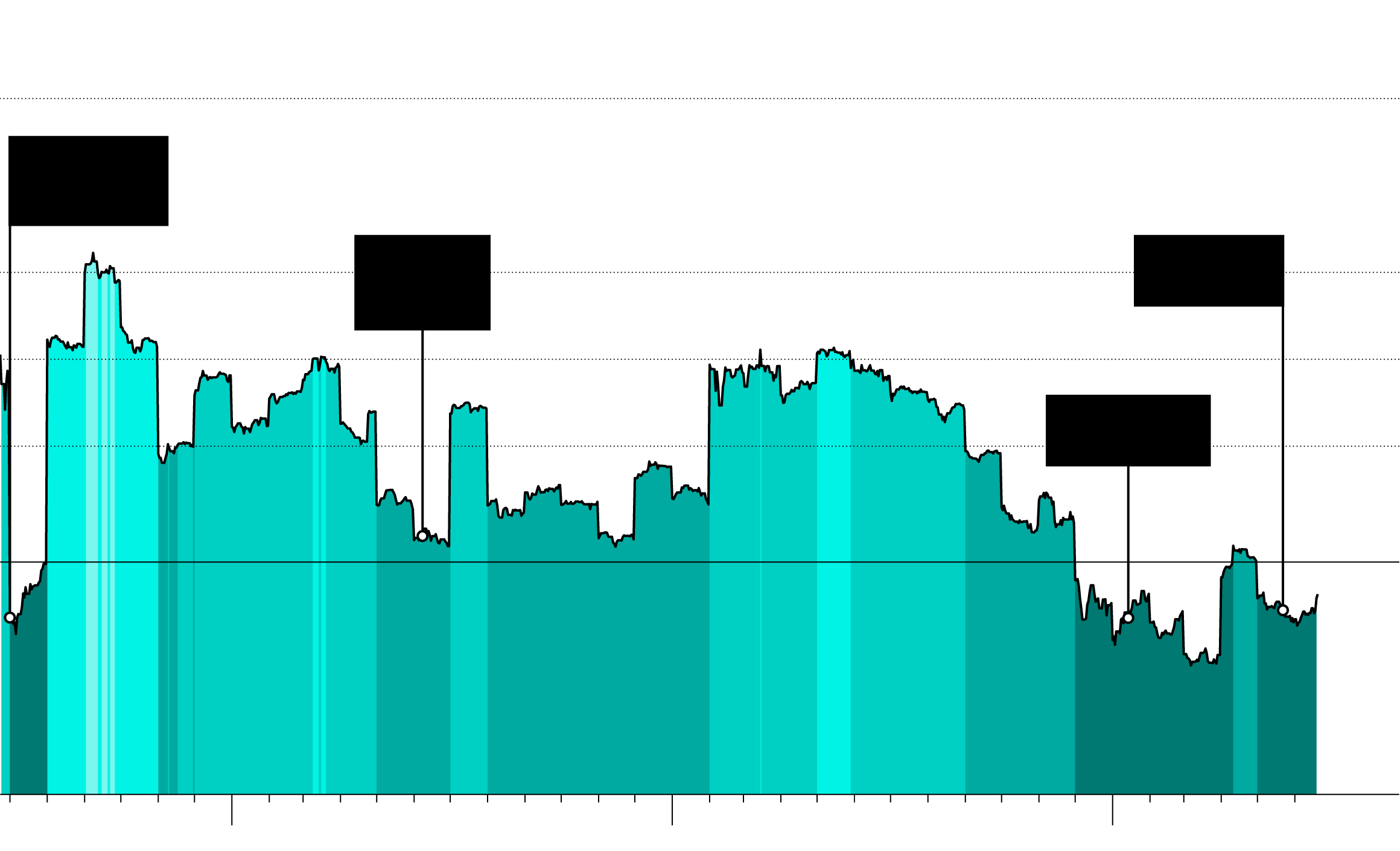
That’s a change. Until last December, forecasts of major disaster had largely been proven wrong. The Bloomberg Brexit Barometer, a custom index that encompasses all aspects of the U.K. economy, held up rather well in the first 28 months after the June 23, 2016, referendum. The worst-case scenario recession envisioned by the International Monetary Fund was avoided, and the unemployment rate recently fell to 3.8%, a 45-year-low.
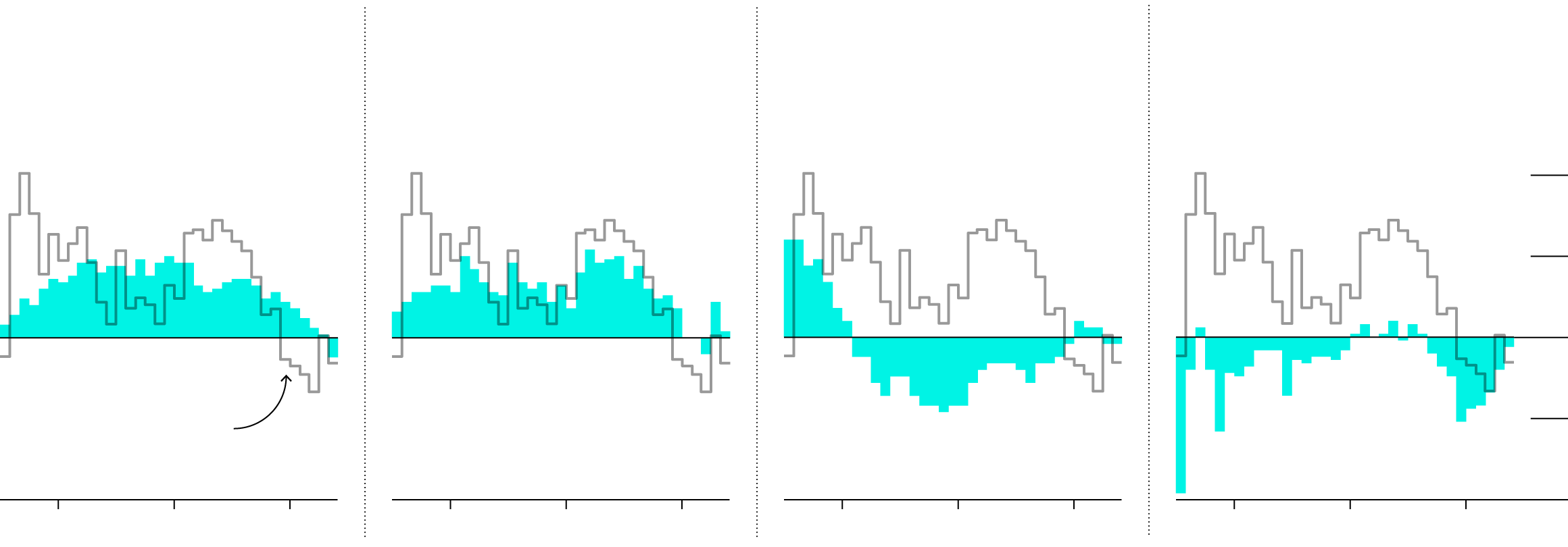
But then a year ago, the barometer started a steady downward trend from a “partly cloudy” 37 to a “rainy” negative 10 in recent weeks.
The low came right around the time that Britain’s gridlocked politics and inability to deliver on Brexit finally cost Theresa May her premiership.
Three Turbulent Years
◼ Cloudy
◼ Rainy
◼ Windy
◼ Partly sunny
◼ Partly cloudy
−40
50
0
20
35
80
◀ Worse off
Better off ▶
▲
6/23/16
Brexit referendum
2017
June 8, 2017
Conservatives lose majority in snap elections
2018
January 14, 2019
Brexit bill defeated by 230 votes
2019
May 22, 2019
Theresa May says she’ll resign
◼ Cloudy
◼ Partly sunny
◼ Rainy
◼ Windy
◼ Partly cloudy
Sunny 80
January 14, 2019
Brexit bill defeated by 230 votes
June 8, 2017
Conservatives lose majority in snap elections
Partly sunny 50
Partly cloudy 35
Cloudy 20
Windy 0
Better off ▲
Worse off ▼
Rainy
−40
◀ 6/23/16
◼ Brexit referendum
2017
2018
2019
Thunder
storms
◼ Cloudy
◼ Partly sunny
◼ Rainy
◼ Windy
◼ Partly cloudy
Sunny
80
July 1, 2016
Post-referendum jitters cause spike in uncertainty
Partly
sunny
May 22, 2019
Theresa May says she’ll resign
June 8, 2017
Conservatives lose majority in snap elections
50
Partly
cloudy
35
January 14, 2019
Brexit bill defeated by 230 votes
Cloudy
20
Windy
Better off ▲
0
Worse off ▼
Rainy
−40
Thunder
storms
◀ June 23, 2016
◼ Brexit referendum
2017
2018
2019
◼ Cloudy
◼ Partly sunny
◼ Rainy
◼ Windy
◼ Partly cloudy
Sunny
80
July 1, 2016
Post-referendum jitters cause spike in uncertainty
Partly
sunny
May 22, 2019
Theresa May says she’ll resign
June 8, 2017
Conservatives lose majority in snap elections
50
Partly
cloudy
35
Cloudy
January 14, 2019
Brexit bill defeated by 230 votes
20
Windy
Better off ▲
0
Worse off ▼
Rainy
−40
◀ June 23, 2016
◼ Brexit referendum
2017
2018
2019
Thunder
storms
Over the past three years, the barometer spent roughly half the time in “cloudy,” “partly cloudy” or “partly sunny” territory—better than the average barometer score in the week leading up to the referendum, when Britons were widely expected to choose to stay in. Yet, 151 of the 213 days that the gauge has been in negative territory were in 2019. A negative reading means the index is worse off than the average between January 2000 and June 2016.
The signs of trouble ahead show up in all of the index’s four components: economic activity, employment, inflation and uncertainty. While the broader activity and employment measures remained quite robust through 2018, when compared to the long-term average, they’ve trended lower in recent months. Bloomberg Economics expects gross domestic product to shrink in the second quarter, which would be the first contraction since 2012. Growth is expected to resume the following quarter. And while inflation has eased from its 3.1% peak in late 2017, it’s been an overall drag on the barometer, as has uncertainty.
What’s Driving the Brexit Barometer?

Activity
Until May 2019, it was consistently above its long-term average, pushing the barometer higher.
Index value
50
25
0
−25
Monthly barometer average
−50
2017
2018
2019
Employment
It’s been softening since mid-2018, as hiring signals from the manufacturing industry have weakened.
Index value
50
25
0
−25
−50
2017
2018
2019
Inflation
Too-high inflation over the past two years hurt the barometer; low rates in 2016 were a plus.
Index value
50
25
0
−25
−50
2017
2018
2019
Uncertainty
Market and currency volatility fed off the back-and-forth divorce process.
Index value
50
25
0
−25
−50
2017
2018
2019

Activity
Until May 2019, it was consistently above its long-term average, pushing the barometer higher.
Employment
It’s been softening since mid-2018, as hiring signals from the manufacturing industry have weakened.
Index value
50
25
0
−25
Monthly barometer average
−50
2017
2018
2019
2017
2018
2019
Inflation
Too-high inflation over the past two years hurt the barometer; low rates in 2016 were a plus.
Uncertainty
Market and currency volatility fed off the back-and-forth divorce process.
Index value
50
25
0
−25
−50
2017
2018
2019
2017
2018
2019

Activity
Until May 2019, it was consistently above its long-term average, pushing the barometer higher.
Employment
It’s been softening since mid-2018, as hiring signals from the manufacturing industry have weakened.
Index value
50
25
0
−25
Monthly barometer average
−50
2017
2018
2019
2017
2018
2019
Inflation
Too-high inflation over the past two years hurt the barometer; low rates in 2016 were a plus.
Uncertainty
Market and currency volatility fed off the back-and-forth divorce process.
Index value
50
25
0
−25
−50
2017
2018
2019
2017
2018
2019
Activity
Until May 2019, it was consistently above its long-term average, pushing the barometer higher.
Employment
It’s been softening since mid-2018, as hiring signals from the manufacturing industry have weakened.
Inflation
Too-high inflation over the past two years hurt the barometer; low rates in 2016 were a plus.
Uncertainty
Market and currency volatility fed off the back-and-forth divorce process.
Index value
50
25
0
−25
Monthly barometer average
−50
2017
2018
2019
2017
2018
2019
2017
2018
2019
2017
2018
2019
The barometer was developed by Bloomberg Economics to provide a broader and more real-time reading of the health of the U.K. economy than is possible from just tracking the main economic indicators in isolation. A reliance on shorter-lag sentiment surveys means the measure briefly overstated a post-referendum slump and has under-emphasized the country’s surprisingly steady GDP growth rate over the period. But it’s also proved to be a relatively accurate proxy for the only real change agent over the past few years: uncertainty, namely for businesses making long-term investment and hiring decisions.
Most recently, the ongoing political turmoil pushed volatility in the stock market and sterling-euro exchange rates up sharply enough to undo a 13-point upward surge in the barometer in April caused by a slate of strong labor market statistics. Elsewhere in the economy, mortgage approvals have slipped and the country’s trade deficit has widened.
What Bloomberg’s Economists Say
—European Economist Niraj Shah
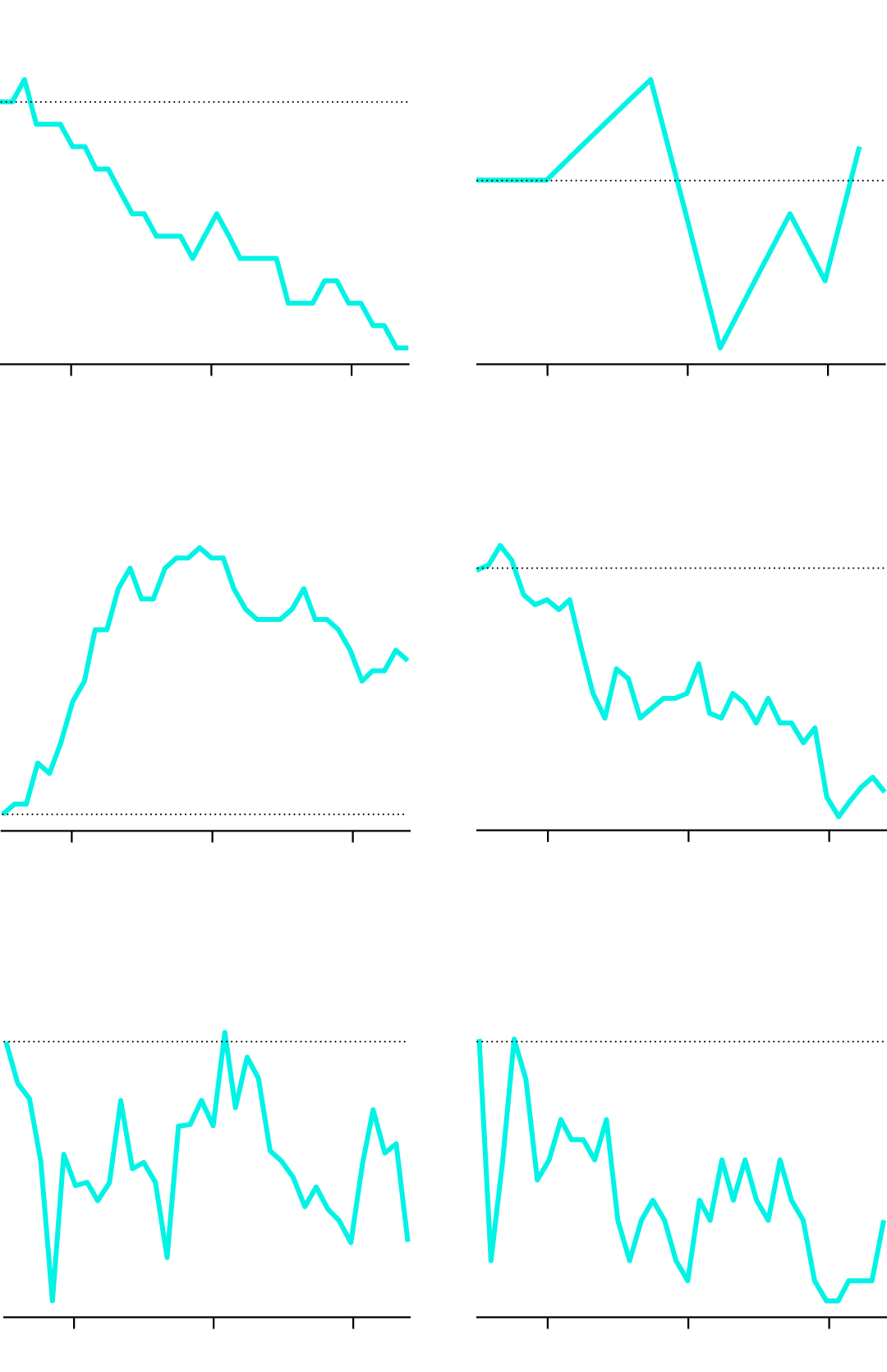
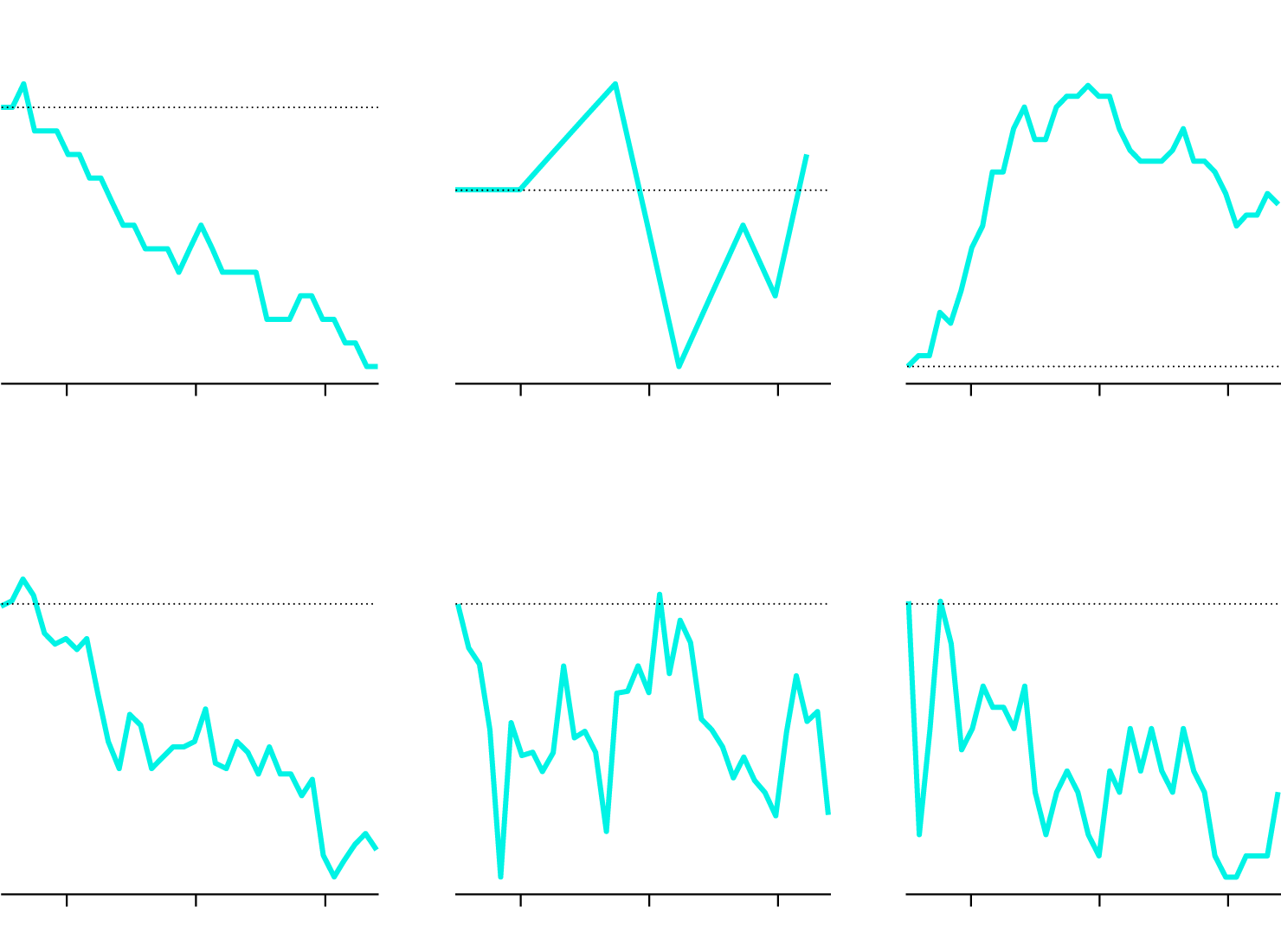
Even though the barometer provides a useful single-number snapshot of the U.K.’s economic well-being, some individual indicators can deliver key insights into how the country has weathered the past three years. It’s at most a mixed bag—the pound sliding to $1.20 in January 2017, growth firming to 1.8% in late 2018—but at least it’s not all bad news, as was often predicted.
For Better or Worse

Strong labor market
Unemployment rate
4.9%
3.8%
2017
2018
2019
Growth uptick
GDP %YoY
1.8%
1.7%
2017
2018
2019
Higher Inflation
CPI %YoY
2.0%
0.5%
2017
2018
2019
Real estate slowdown
Housing prices %YoY
5.1%
0.6%
2017
2018
2019
Weaker sterling
Bloomberg Pound Index
697.6
655.9
2017
2018
2019
Jittery consumers
Consumer confidence index
−1
−10
2017
2018
2019
Strong labor market
Unemployment rate
Growth uptick
GDP %YoY
4.9%
1.8%
1.7%
3.8%
2017
2018
2019
2017
2018
2019
Higher Inflation
CPI %YoY
Real estate slowdown
Housing prices %YoY
5.1%
2.0%
0.6%
0.5%
2017
2018
2019
2017
2018
2019
Weaker sterling
Bloomberg Pound Index
Jittery consumers
Consumer confidence index
697.6
−1
−10
655.9
2017
2018
2019
2017
2018
2019
Strong labor market
Unemployment rate
Growth uptick
GDP %YoY
Higher Inflation
CPI %YoY
4.9%
1.8%
1.7%
2.0%
0.5%
3.8%
2017
2018
2019
2017
2018
2019
2017
2018
2019
Real estate slowdown
Housing prices %YoY
Weaker sterling
Bloomberg Pound Index
Jittery consumers
Consumer confidence index
697.6
−1
5.1%
−10
0.6%
655.9
2017
2018
2019
2017
2018
2019
2017
2018
2019
Now the nation has to navigate the next few months of limbo as the Conservatives pick a new prime minister to lead the U.K. out of the EU by Oct. 31. It’s only after Brexit day, assuming the deadline is met, that Britons will know whether their country is headed for the thunderstorms of a no-deal Brexit or the partly cloudy—this is the U.K. after all—calm of an EU customs union.