Maine
Upper chamber
Lower chamber
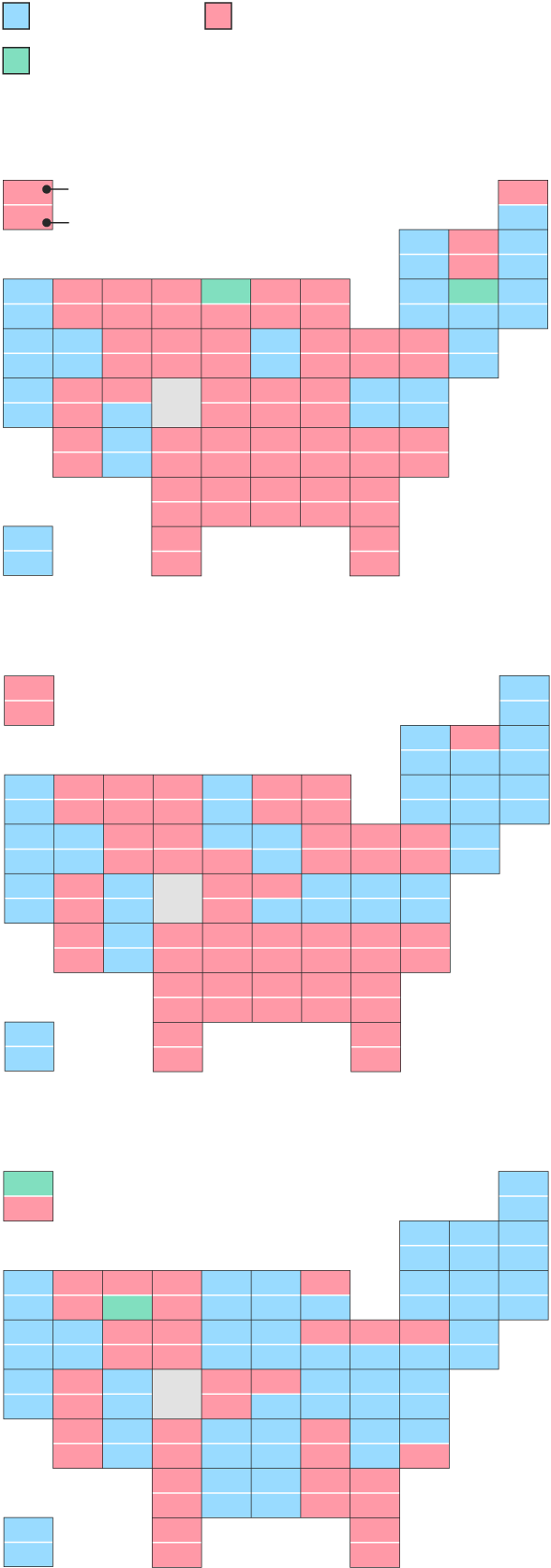
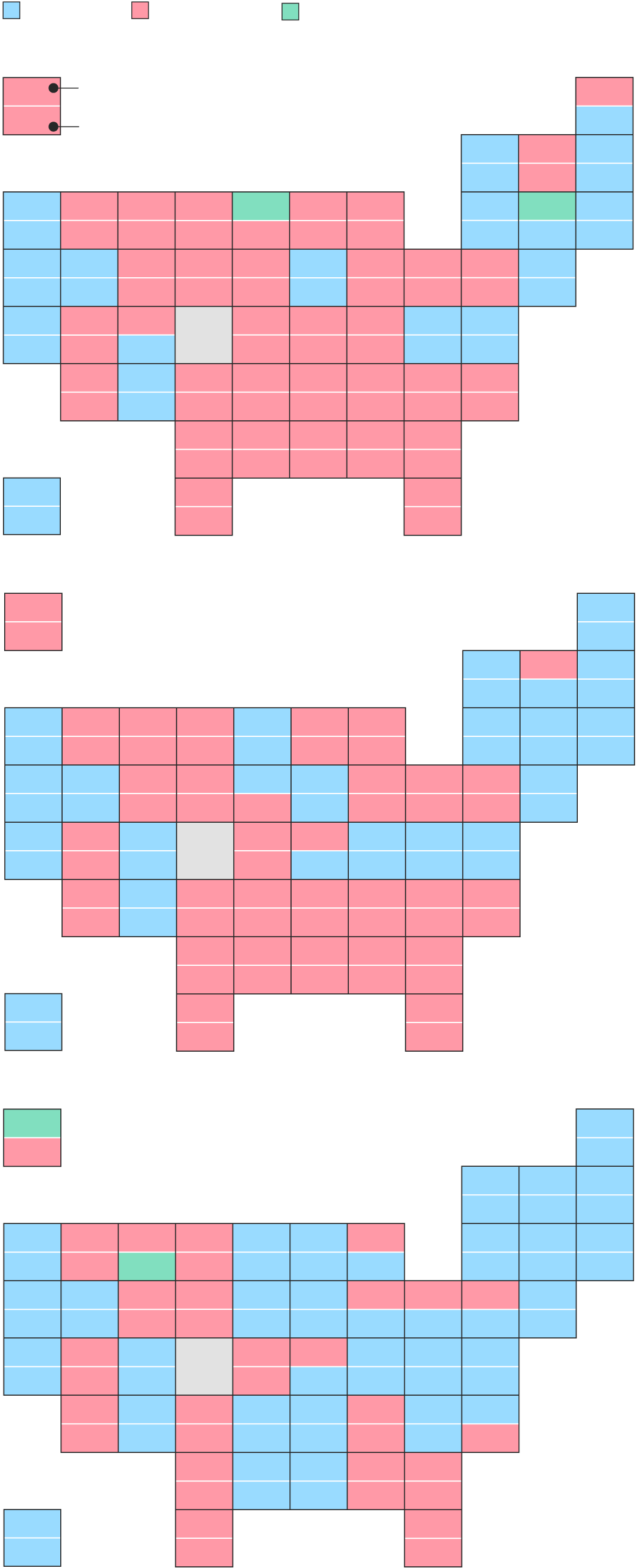
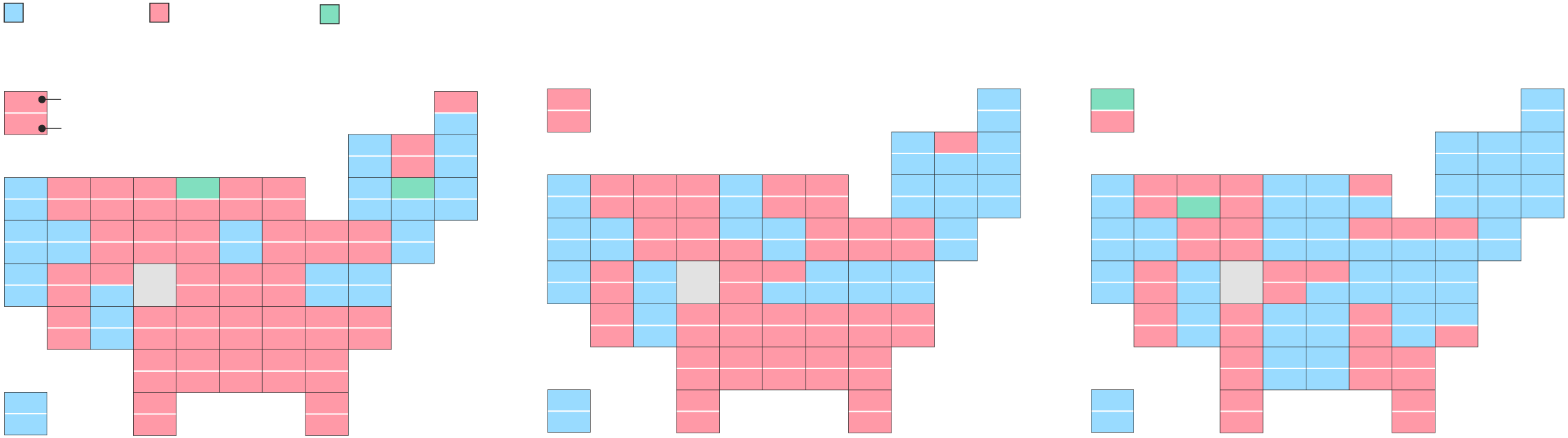
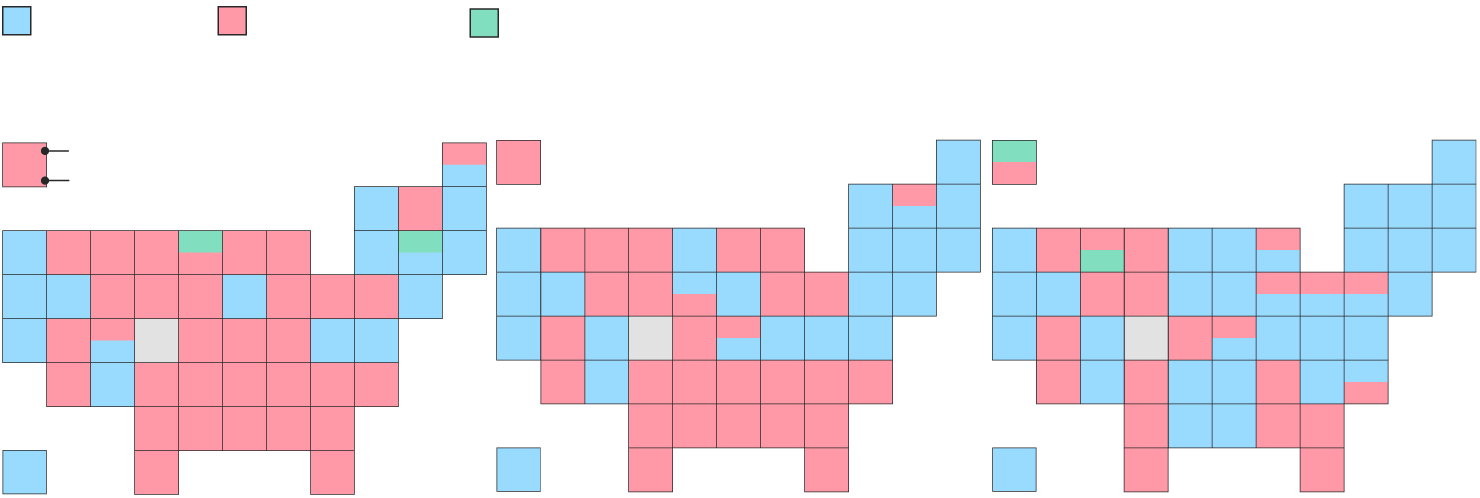
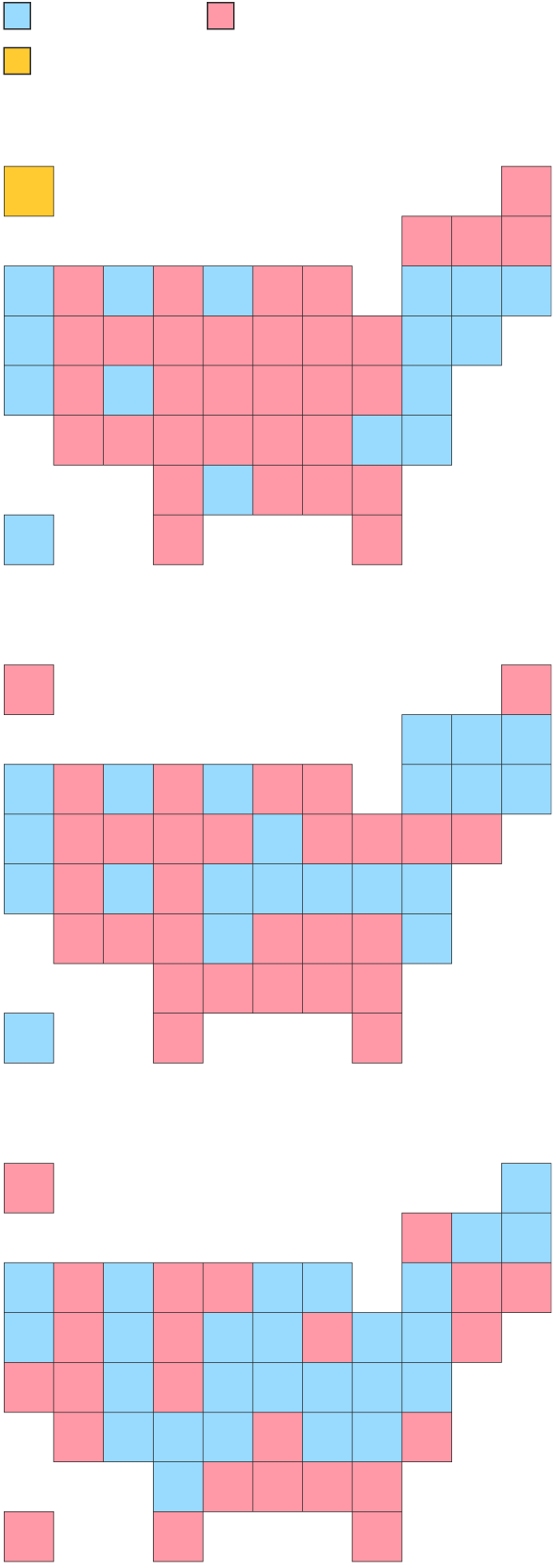
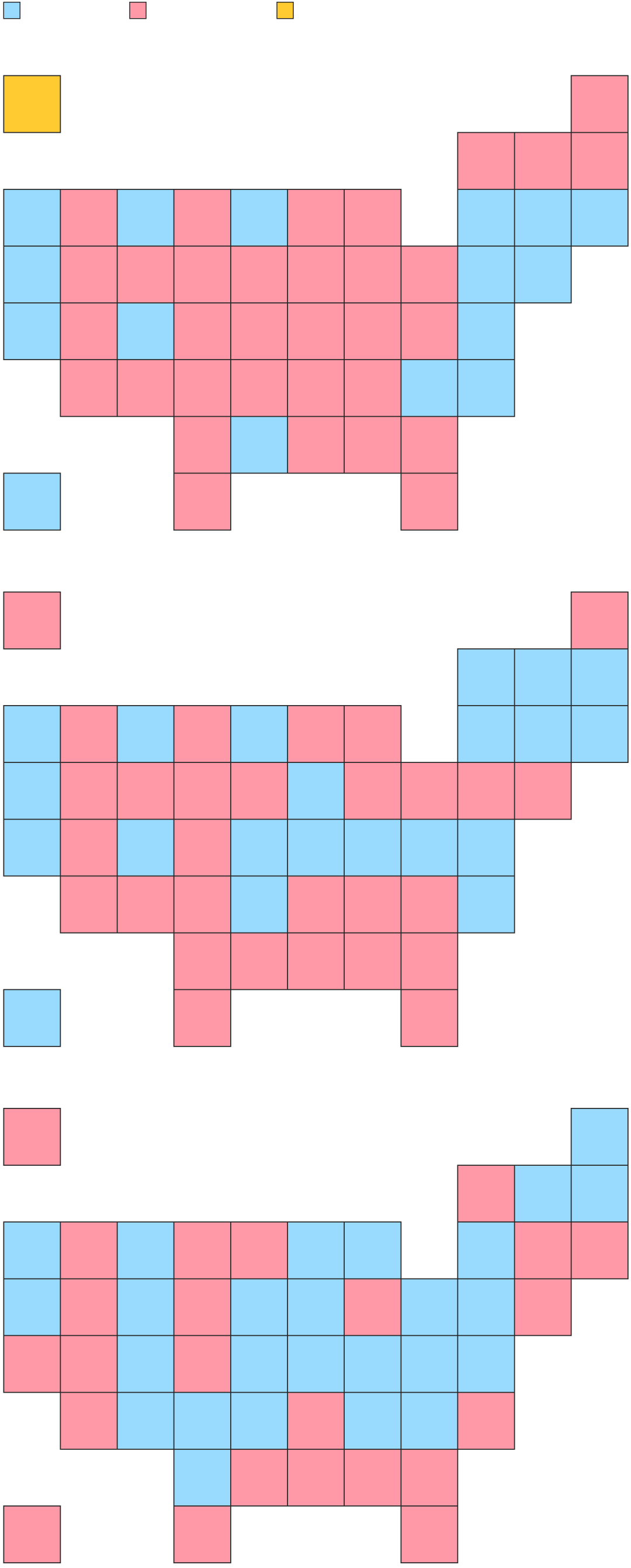
There are more than 6,000 state lawmakers and 36 governors up for election Nov. 6. The midterms will help determine which party holds an advantage when state legislatures start redrawing voting districts after the 2020 census. At least one-eighth of candidates elected next month will be in office when the process starts, according to the National Conference of State Legislatures. And 29 of the governors elected this year have the power to veto the maps that legislatures submit.
“The redistricting process starts now,” said Justin Levitt, a law professor at Loyola Marymount University who specializes in redistricting. The results of the Nov. 6 election will determine “control of the political process for the next decade.”
When Barack Obama was first elected president in 2008, Republicans started focusing on state-level races, recognizing that “the parties that control the state legislatures control the redistricting process,” said Gerald Gamm, a political science professor at the University of Rochester.
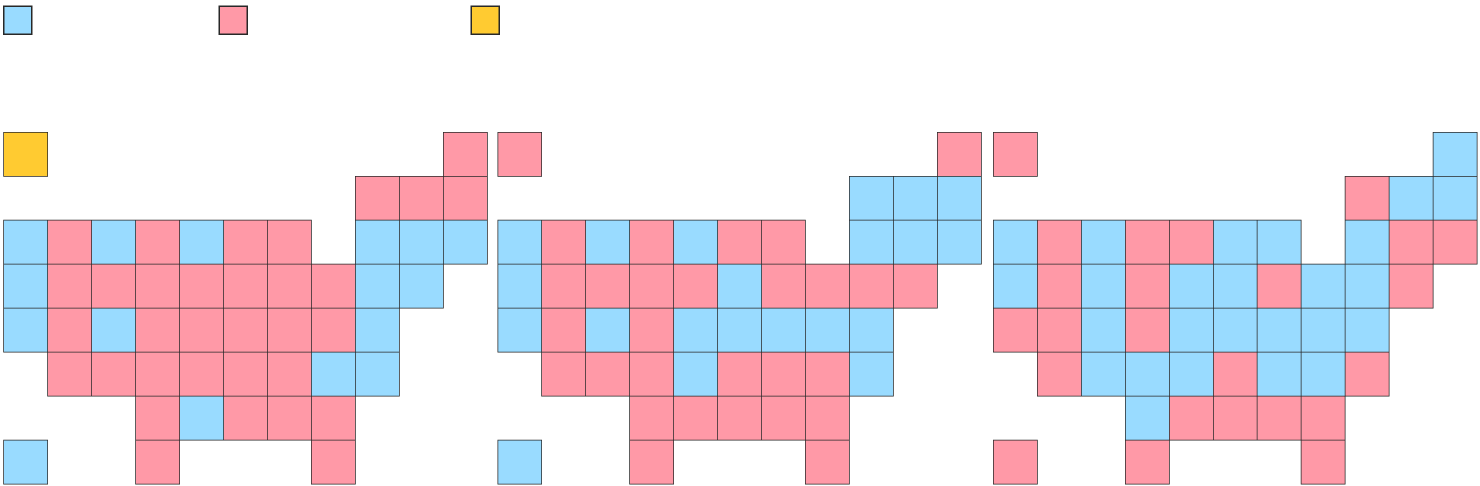
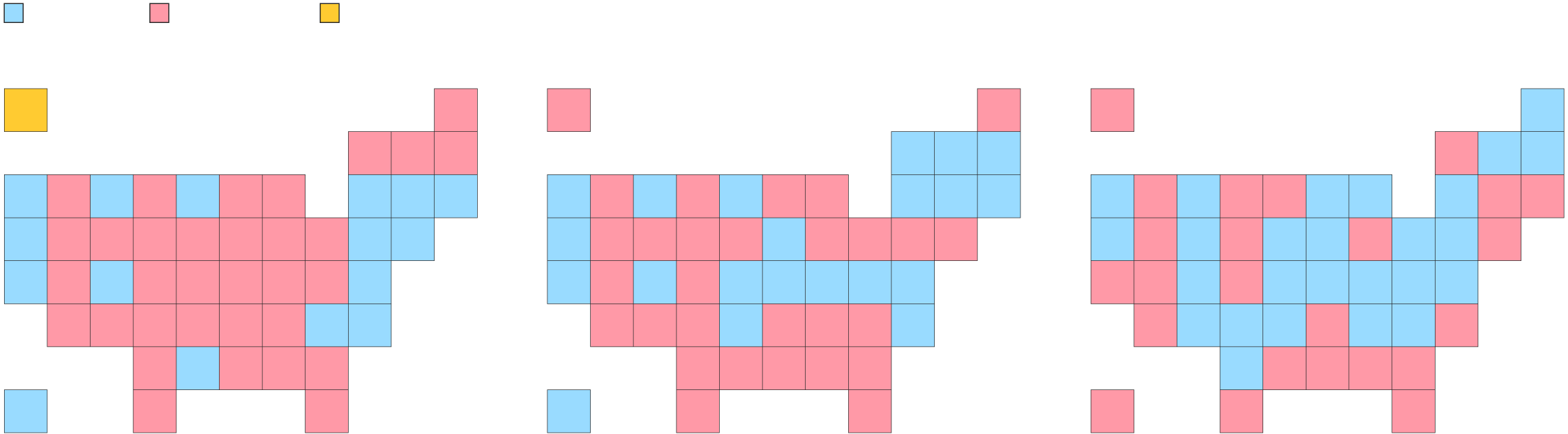
It worked: Republicans now control 31 state legislatures, compared to just 14 in 2010, according to the National Conference of State Legislatures. Democrats control 14 state legislatures, and four legislatures have split party control, the data show.
Democrats aim to change that shortfall. The Democratic Legislative Campaign Committee said it is targeting 17 seats that it says could flip eight state legislative chambers. They need just one seat in states such as Maine, Colorado and Minnesota. They’ve identified five races in Florida that Democrats must win to take control of the state senate.
Republican
Democrat
Tie
2018
Upper chamber
AK
ME
Lower chamber
VT
NH
MA
WA
ID
MT
ND
MN
WI
MI
NY
CT
RI
OR
NV
WY
SD
IA
IL
IN
OH
PA
NJ
UT
CO
NE
MO
KY
WV
MD
DE
CA
AZ
NM
KS
AR
MS
TN
NC
VA
OK
LA
AL
GA
SC
HI
TX
FL
2014
AK
ME
VT
NH
MA
WA
ID
MT
ND
MN
WI
MI
NY
CT
RI
OR
NV
WY
SD
IA
IL
IN
OH
PA
NJ
UT
CO
NE
MO
KY
WV
MD
DE
CA
AZ
NM
KS
AR
MS
TN
NC
VA
OK
LA
AL
GA
SC
HI
TX
FL
2010
AK
ME
VT
NH
MA
WA
ID
MT
ND
MN
WI
MI
NY
CT
RI
OR
NV
WY
SD
IA
IL
IN
OH
PA
NJ
CA
UT
CO
NE
MO
KY
WV
MD
DE
AZ
NM
KS
AR
MS
TN
NC
VA
OK
LA
AL
GA
SC
HI
TX
FL
Democrat
Republican
Tie
2018
Upper chamber
AK
ME
Lower chamber
VT
NH
MA
WA
ID
MT
ND
MN
WI
MI
NY
CT
RI
OR
NV
WY
SD
IA
IL
IN
OH
PA
NJ
UT
CO
NE*
MO
KY
WV
MD
DE
CA
AZ
NM
KS
AR
MS
TN
NC
VA
OK
LA
AL
GA
SC
HI
TX
FL
2014
AK
ME
VT
NH
MA
WA
ID
MT
ND
MN
WI
MI
NY
CT
RI
OR
NV
WY
SD
IA
IL
IN
OH
PA
NJ
UT
CO
NE*
MO
KY
WV
MD
DE
CA
AZ
NM
KS
AR
MS
TN
NC
VA
OK
LA
AL
GA
SC
HI
TX
FL
2010
AK
ME
VT
NH
MA
WA
ID
MT
ND
MN
WI
MI
NY
CT
RI
OR
NV
WY
SD
IA
IL
IN
OH
PA
NJ
UT
CO
NE*
MO
KY
WV
MD
DE
CA
AZ
NM
KS
AR
MS
TN
NC
VA
OK
LA
AL
GA
SC
HI
TX
FL
Democrat
Republican
Tie
2014
2010
2018
Upper chamber
AK
ME
AK
ME
AK
ME
Lower chamber
VT
NH
MA
VT
NH
MA
VT
NH
MA
WA
ID
MT
ND
MN
WI
MI
NY
CT
RI
WA
ID
MT
ND
MN
WI
MI
NY
CT
RI
WA
ID
MT
ND
MN
WI
MI
NY
CT
RI
OR
NV
WY
SD
IA
IL
IN
OH
PA
NJ
OR
NV
WY
SD
IA
IL
IN
OH
PA
NJ
OR
NV
WY
SD
IA
IL
IN
OH
PA
NJ
UT
CO
NE*
MO
KY
WV
MD
DE
UT
CO
NE*
MO
KY
WV
MD
DE
CA
CA
UT
CO
NE*
MO
KY
WV
MD
DE
CA
AZ
NM
KS
AR
MS
TN
NC
VA
AZ
NM
KS
AR
MS
TN
NC
VA
AZ
NM
KS
AR
MS
TN
NC
VA
OK
LA
AL
GA
SC
OK
LA
AL
GA
SC
OK
LA
AL
GA
SC
HI
TX
FL
HI
TX
FL
HI
TX
FL
Democrat
Republican
Tie
2018
2014
2010
Upper chamber
AK
ME
AK
ME
ME
AK
Lower chamber
VT
NH
MA
VT
NH
MA
VT
NH
MA
WA
ID
MT
ND
MN
WI
MI
NY
CT
RI
WA
ID
MT
ND
MN
WI
MI
NY
CT
RI
MT
ND
MN
WI
MI
NY
CT
RI
ID
WA
OR
NV
WY
SD
IA
IL
IN
OH
PA
NJ
OR
NV
WY
SD
IA
IL
IN
OH
PA
NJ
NV
WY
SD
IA
IL
IN
OH
PA
NJ
OR
UT
CO
NE
MO
KY
WV
MD
DE
UT
CO
NE
MO
KY
WV
MD
DE
CA
CA
UT
CO
NE
MO
KY
WV
MD
DE
CA
AZ
NM
KS
AR
MS
TN
NC
VA
AZ
NM
KS
AR
MS
TN
NC
VA
AZ
NM
KS
AR
MS
TN
NC
VA
OK
LA
AL
GA
SC
OK
LA
AL
GA
SC
OK
LA
AL
GA
SC
HI
TX
FL
HI
TX
FL
TX
FL
HI
Democrat
Republican
Independent
2018
AK
ME
VT
NH
MA
WA
ID
MT
ND
MN
WI
MI
NY
CT
RI
OR
NV
WY
SD
IA
IL
IN
OH
PA
NJ
UT
CO
NE
MO
KY
WV
MD
DE
CA
AZ
NM
KS
AR
MS
TN
NC
VA
OK
LA
AL
GA
SC
HI
TX
FL
2014
AK
ME
VT
NH
MA
WA
ID
MT
ND
MN
WI
MI
NY
CT
RI
OR
NV
WY
SD
IA
IL
IN
OH
PA
NJ
UT
CO
NE
MO
KY
WV
MD
DE
CA
AZ
NM
KS
AR
MS
TN
NC
VA
OK
LA
AL
GA
SC
HI
TX
FL
2010
AK
ME
VT
NH
MA
WA
ID
MT
ND
MN
WI
MI
NY
CT
RI
OR
NV
WY
SD
IA
IL
IN
OH
PA
NJ
UT
CO
NE
MO
KY
WV
MD
DE
CA
AZ
NM
KS
AR
MS
TN
NC
VA
OK
LA
AL
GA
SC
HI
TX
FL
Democrat
Republican
Independent
2018
AK
ME
VT
NH
MA
WA
ID
MT
ND
MN
WI
MI
NY
CT
RI
OR
NV
WY
SD
IA
IL
IN
OH
PA
NJ
UT
CO
NE
MO
KY
WV
MD
DE
CA
AZ
NM
KS
AR
MS
TN
NC
VA
OK
LA
AL
GA
SC
HI
TX
FL
2014
AK
ME
VT
NH
MA
WA
ID
MT
ND
MN
WI
MI
NY
CT
RI
OR
NV
WY
SD
IA
IL
IN
OH
PA
NJ
UT
CO
NE
MO
KY
WV
MD
DE
CA
AZ
NM
KS
AR
MS
TN
NC
VA
OK
LA
AL
GA
SC
HI
TX
FL
2010
AK
ME
VT
NH
MA
WA
ID
MT
ND
MN
WI
MI
NY
CT
RI
OR
NV
WY
SD
IA
IL
IN
OH
PA
NJ
UT
CO
NE
MO
KY
WV
MD
DE
CA
AZ
NM
KS
AR
MS
TN
NC
VA
OK
LA
AL
GA
SC
HI
TX
FL
Democrat
Republican
Independent
2018
2014
2010
AK
ME
AK
ME
AK
ME
VT
NH
MA
VT
NH
MA
VT
NH
MA
WA
ID
MT
ND
MN
WI
MI
NY
CT
RI
WA
ID
MT
ND
MN
WI
MI
NY
CT
RI
WA
ID
MT
ND
MN
WI
MI
NY
CT
RI
OR
NV
WY
SD
IA
IL
IN
OH
PA
NJ
OR
NV
WY
SD
IA
IL
IN
OH
PA
NJ
OR
NV
WY
SD
IA
IL
IN
OH
PA
NJ
CA
UT
CO
NE
MO
KY
WV
MD
DE
UT
CO
NE
MO
KY
WV
MD
DE
CA
CA
UT
CO
NE
MO
KY
WV
MD
DE
AZ
NM
KS
AR
MS
TN
NC
VA
MS
AZ
NM
KS
AR
MS
TN
NC
VA
AZ
NM
KS
AR
TN
NC
VA
OK
LA
AL
GA
SC
OK
OK
LA
GA
SC
LA
AL
GA
SC
AL
HI
TX
FL
HI
TX
FL
HI
TX
FL
Democrat
Republican
Independent
2018
2014
2010
AK
ME
AK
ME
AK
ME
VT
NH
MA
VT
NH
MA
VT
NH
MA
WA
ID
MT
ND
MN
WI
MI
NY
CT
RI
WA
ID
MT
ND
MN
WI
MI
NY
CT
RI
WA
ID
MT
ND
MN
WI
MI
NY
CT
RI
OR
NV
WY
SD
IA
IL
IN
OH
PA
NJ
OR
NV
WY
SD
IA
IL
IN
OH
PA
NJ
OR
NV
WY
SD
IA
IL
IN
OH
PA
NJ
UT
CO
NE
MO
KY
WV
MD
DE
UT
CO
NE
MO
KY
WV
MD
DE
UT
CO
NE
MO
KY
WV
MD
DE
CA
CA
CA
AZ
NM
KS
AR
MS
TN
NC
VA
AZ
NM
KS
AR
MS
TN
NC
VA
AZ
NM
KS
AR
MS
TN
NC
VA
OK
LA
AL
GA
SC
OK
LA
AL
GA
SC
OK
LA
AL
GA
SC
HI
TX
FL
HI
TX
FL
HI
TX
FL
The DLCC plans to spend $35 million on the 2018 election cycle, compared with about $17 million in 2016, said Jessica Post, the committee’s executive director. Since Trump took office, 44 individual legislative seats around the country have flipped to Democrats, she said. “We think we can win back a number of these legislatures,” she added.
Matthew Walter, president of the Republican State Leadership Committee, said the Republican Party will benefit from voters seeing the impact of a strong economy under GOP leadership. The party might even be able to add to the 67 state legislative chambers it holds majorities in, he said.
Walter pointed to Connecticut, where Republican gubernatorial candidate Bob Stefanowski is trailing Democrat Ned Lamont by just 3 percentage points as a state where the GOP could gain control of both chambers and potentially the governor’s mansion. “What we’re seeing from the polling numbers—even in blue states—is an election that’s extremely competitive and a coin toss in some of these races,” he said.
The RSLC planned to raise and spend between $45 million and $50 million this election, which is more than a 20 percent increase from the previous election cycle, according to David James, a spokesman for the committee.
The upcoming redistricting process, which kicks off in 2021, is part of the reason both parties are pouring money into state-level races. In most states, lawmakers draw up both legislative and congressional districts, while just six states use an independent commission.
Levitt, the Loyola Law School professor, estimates that at least 15 governor’s races, 350 state senate and 1,900 state representative races in November put political control of congressional redistricting up for grabs. “Both parties face an opportunity,” he said.
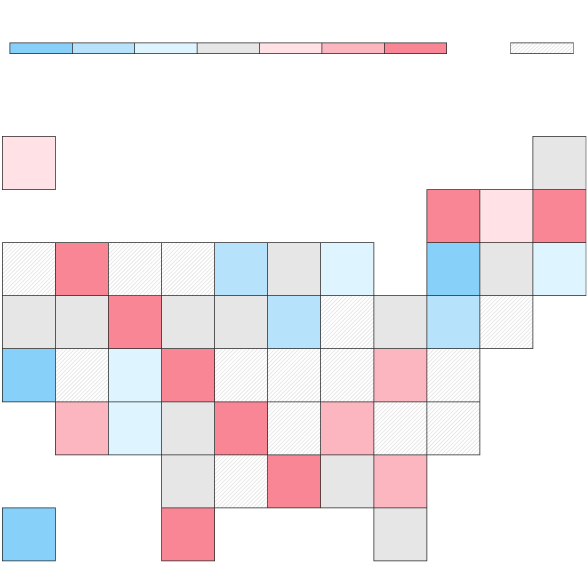
Likely D
Toss up
Likely R
No race
Solid D
Lean D
Lean R
Solid R
AK
ME
VT
NH
MA
WA
ID
MT
ND
MN
WI
MI
NY
CT
RI
OR
NV
WY
SD
IA
IL
IN
OH
PA
NJ
CA
UT
CO
NE
MO
KY
WV
MD
DE
AZ
NM
KS
AR
MS
TN
NC
VA
OK
LA
AL
GA
SC
HI
TX
FL

Solid D
Likely D
Lean D
Toss up
Lean R
Likely R
Solid R
No race
AK
ME
VT
NH
MA
WA
ID
MT
ND
MN
WI
MI
NY
CT
RI
OR
NV
WY
SD
IA
IL
IN
OH
PA
NJ
UT
CO
NE
MO
KY
WV
MD
DE
CA
AZ
NM
KS
AR
MS
TN
NC
VA
OK
LA
AL
GA
SC
HI
TX
FL
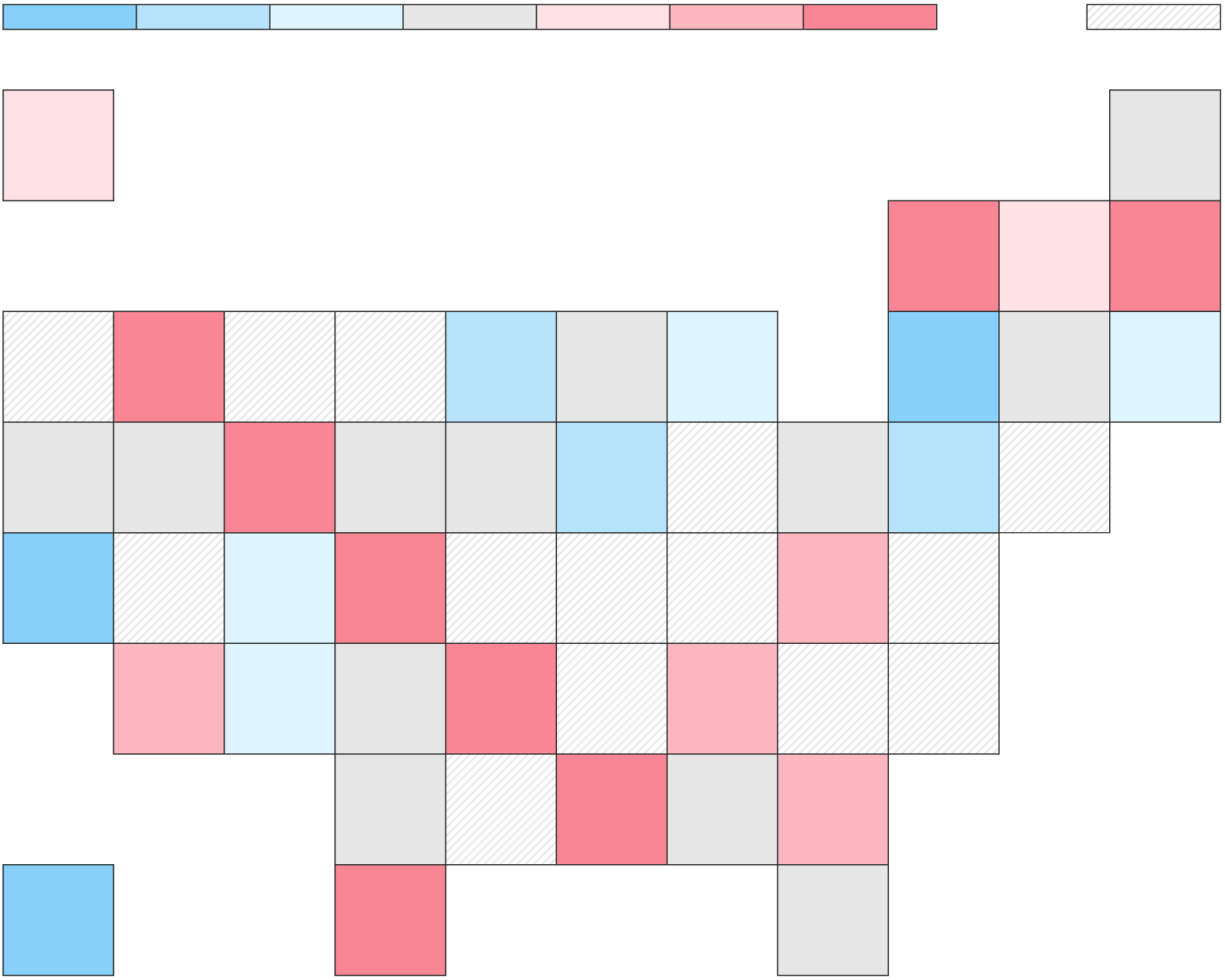
Solid D
Likely D
Lean D
Toss up
Lean R
Likely R
Solid R
No race
AK
ME
VT
NH
MA
WA
ID
MT
ND
MN
WI
MI
NY
CT
RI
OR
NV
WY
SD
IA
IL
IN
OH
PA
NJ
UT
CO
NE
MO
KY
WV
MD
DE
CA
AZ
NM
KS
AR
MS
TN
NC
VA
OK
LA
AL
GA
SC
HI
TX
FL
In 2016, Democrats started Flippable.org to reduce the advantage that Republicans have in the redistricting process. It’s targeting 14 legislative chambers in 10 states, including Florida, Michigan and Wisconsin.
“This is our shot,” said Catherine Vaughan, co-founder of Flippable, adding that the group is hoping a minimum of five legislative chambers change to Democratic control in November. The group has raised $2 million since it began. “If we want a good chance of winning the presidency, we need to think about this year’s state elections,” she said.
Beyond the influence on redistricting, shifting control of state legislatures would have a major impact on policy issues as well.
In Colorado, the DLCC is targeting one senate seat to take control of the legislature. Its gubernatorial election is leaning Democratic this year, according to the nonpartisan Cook Political Report. If Democrats win the state, lawmakers could have an easier time raising taxes to pay for infrastructure or education spending, said Robert Duffy, a political science professor at Colorado State University. There could also be more movement on gun control and renewable energy usage, he said.
In Arizona, where Trump narrowly won in 2016, the DLCC is targeting three state senate seats to gain control of the chamber. If Democrats are successful, it would split party control of the legislature for the first time since 2000.
Jonathan Lines, chairman of the Arizona Republican Party, said the GOP has focused its message on the improving economy. Lines said the party has made contact with two million potential voters via phone or in person and has worked with Latino, Syrian, Pakistani, Chinese and Vietnamese groups in the state. “We’ve been going into communities and building coalitions,” said Lines.
The number of registered Democrats in Arizona has grown from 1.09 million in November 2016 to 1.15 million, a 5 percent increase, according to figures from the Arizona secretary of state. The number of registered Republicans has gone up 3.9 percent in that time to 1.28 million.
“It gives people the sense that this is inevitable,” he said. “You really, really, absolutely have to put in the work in Arizona.”