Sign Here to Lose Everything
Part 4
Sign Here to Lose Everything
Part 4
Business-Loan Kingpin
A drug smuggler built a predatory lending company while free on bail. Now the complaints are piling up.
Most people lie low when they’re out on bail. Not former marijuana trafficker Jonathan Braun.
In the seven years that he’s been awaiting sentencing, Braun has become a major player in the lucrative field of small-business lending. From an office in Manhattan, he advances money to truckers and contractors across the country at interest rates that would exceed 400 percent on an annual basis. Rivals say he brags that he makes millions of dollars a month.
Two Bentleys and a Range Rover were parked outside the yellow-brick house with Greek columns on Staten Island where he was living in July. An undated video shows his daughter playing with piles of $100 bills strewn on a table and the floor.

In interviews, a dozen borrowers said Braun has cheated them, sometimes threatening to leave them penniless, or worse. Most asked not to be named because they’re afraid of him. The cash advances he makes are perfectly legal, and he uses New York State law rather than violence to collect debts. But borrowers say even compared with competitors, Braun’s tactics stand out.
“He is the scum of the earth,” says Michael Gianni, whose California real estate business almost imploded after Braun got a court judgment and seized money from his bank account last year. “He treated me as a non-human.”
Braun, now in his mid-30s, was a drug-smuggling prodigy. The New York Post called him a “mama’s boy drug dealer” because he was living with his ultra-Orthodox Jewish parents in their modest Staten Island home when he was arrested in 2010. Federal prosecutors said Braun worked with the three most powerful organized crime groups in Canada and coordinated shipments of more than 200,000 pounds of marijuana.

He was released on $8 million bail in 2011 after pleading guilty to importing marijuana and laundering the proceeds. He wore an electronic monitoring bracelet until last year, when the authorities let him stop. He faces a 10-year mandatory minimum sentence.
In an interview outside the lower Manhattan office of Richmond Capital Group LLC, where he works, Braun said the government exaggerated its marijuana case. Balding and skinny, wearing a blue hoodie and Gucci sneakers, he smoked Newport cigarettes as he denied claims that he has abused borrowers, laying out what he said was a conspiracy against him, with rival lenders pushing customers to lie. He said he was too smart to do anything wrong while waiting to be sentenced and asked why anyone would be interested in writing about him.
“What are you, Inspector f---ing Gadget?” he said.
Richmond Capital's Big Footprint

The industry Braun is in calls itself merchant cash advance. Almost completely unregulated, it has grown to an estimated $15 billion a year. New York State caps annual interest rates on business loans at 25 percent. Cash-advance companies get around that by saying they’re not making loans but buying the money businesses will make at a discount. Judges have ruled in their favor, allowing them to charge whatever they want.
The profits have attracted big money from Wall Street, as well as from shadier operators—drug dealers, boiler-room stockbrokers and payday lenders. At least three cash-advance companies were founded by convicted stock scammers and another by a lawyer disbarred for defrauding the government of Bangladesh. Two traders who worked at the same Manhattan brokerage and were later banned from the securities industry now run competing firms.
Matthew DeSio, a veteran cash-advance broker, says he had job offers waiting for him when he was released from prison last December after serving two and a half years for assault. He says he went to work for Braun at Richmond Capital this summer, where he saw brokers lie, charge hidden fees and talk people into loans they couldn’t afford.
“I had a problem doing business there,” says DeSio, who quit after a few weeks. “I don’t like to put people in a situation where they’re going to default.”
Jason Rebhun, a lawyer for Braun and Richmond Capital, said in an email that DeSio was an independent broker renting space in the office, not an employee, and isn’t credible. He said Braun hasn’t threatened to harm anyone and that some businesses are saved from financial ruin by Richmond’s quick cash advances.
Collecting a debt from a deadbeat borrower used to be time-consuming. But some cash-advance companies found a way to speed up the process. The key is a legal document called a confession of judgment.
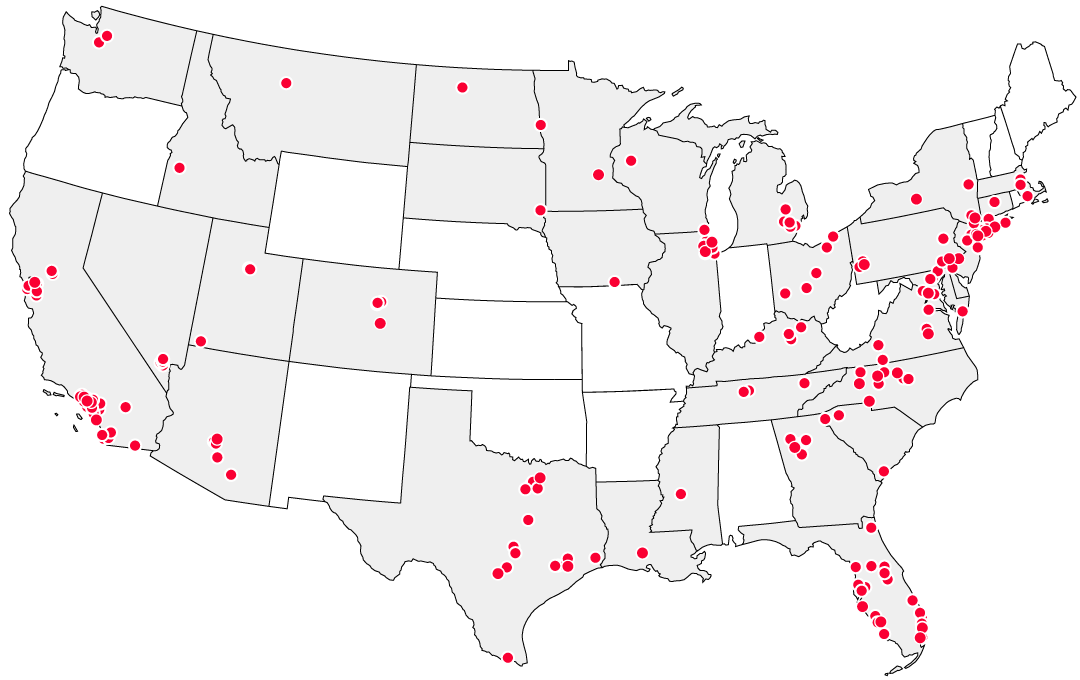
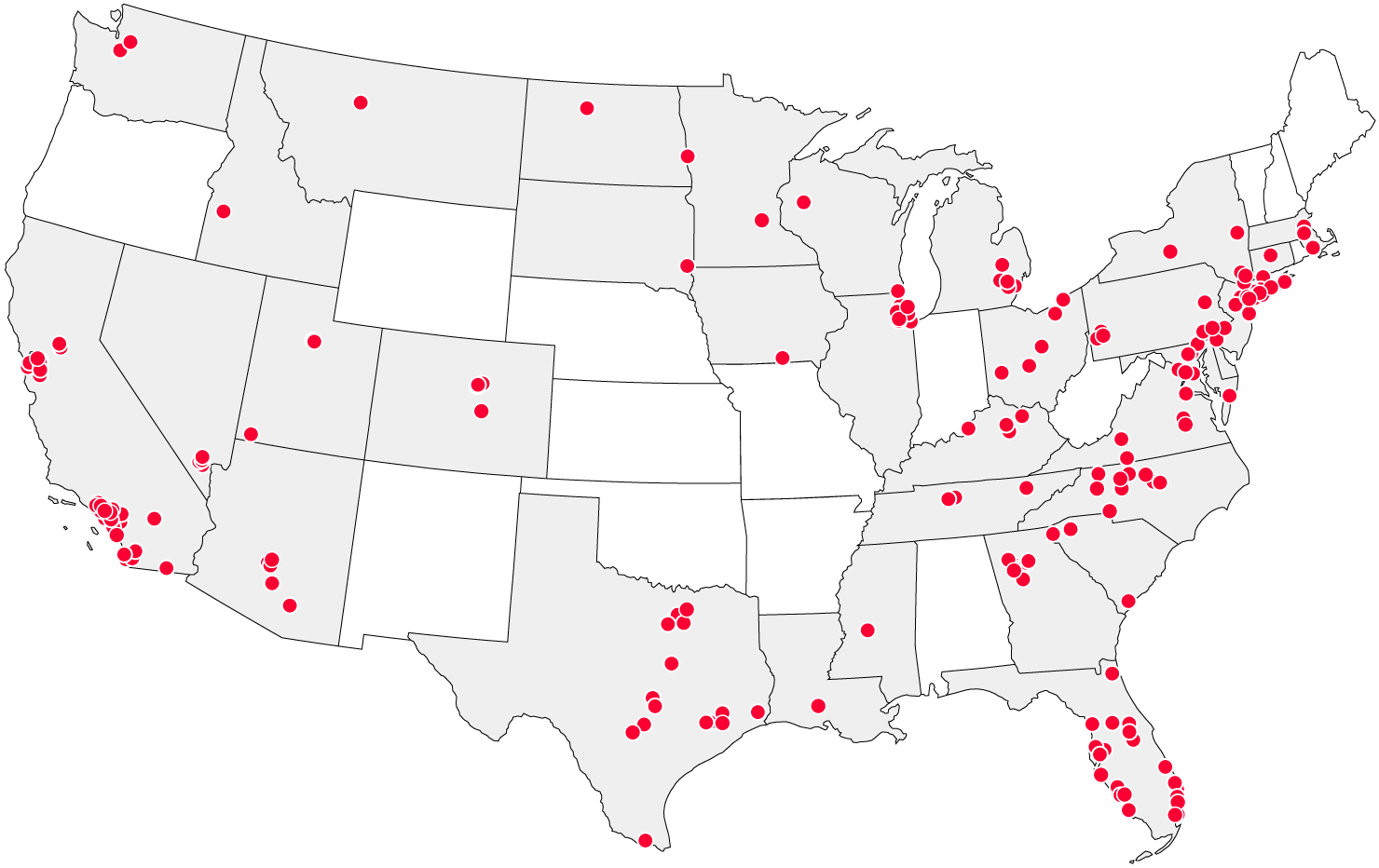
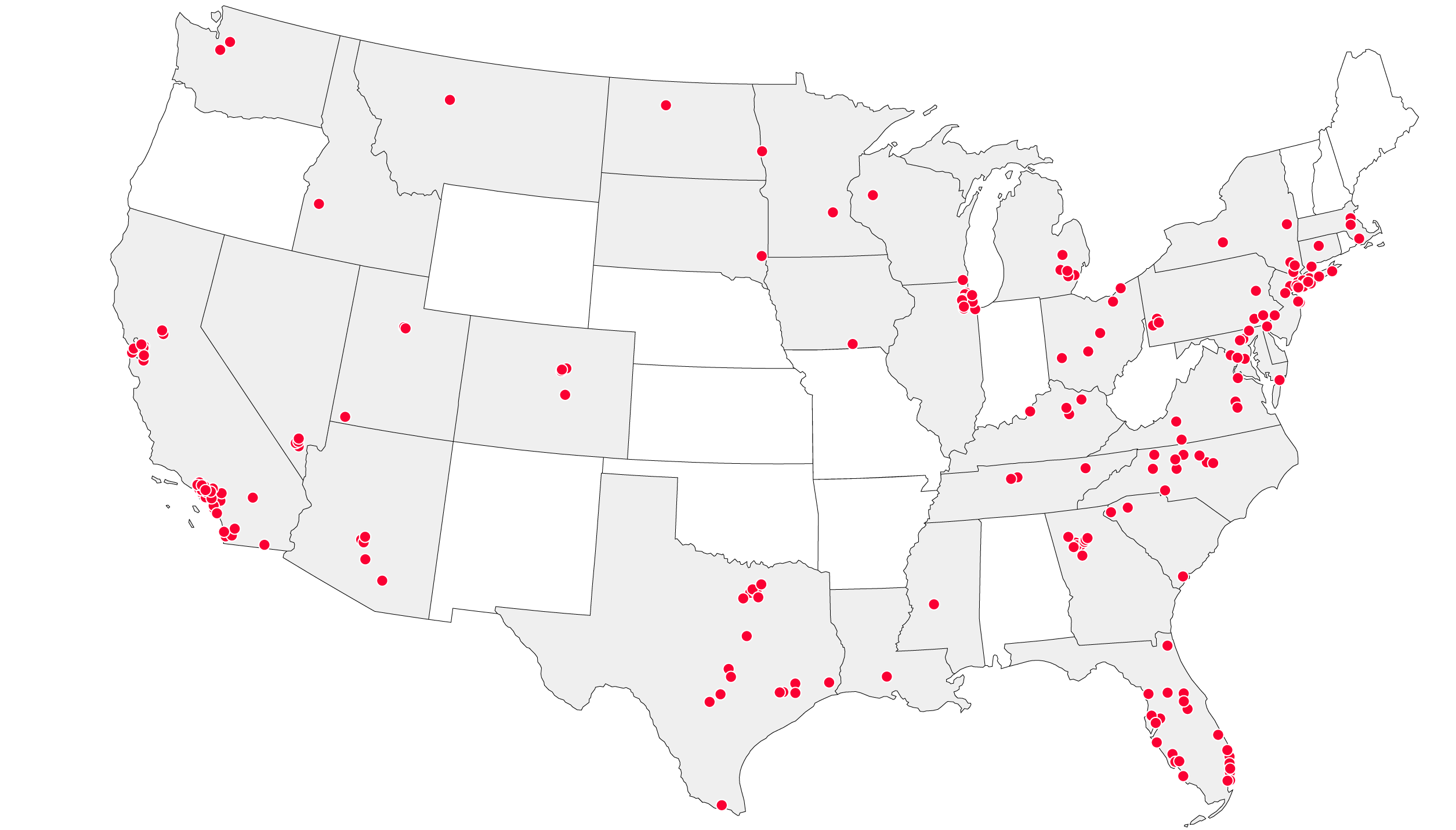
Borrowers are often required to sign one before getting a cash advance. And by signing, they agree to lose if there’s a dispute with the lender. Armed with this paper, lenders can go to court, secure judgments against borrowers without telling them and then seize their assets. Cash-advance firms have obtained more than 25,000 judgments in New York courts since 2012, most of those in the past two years, according to data compiled by Bloomberg News. Richmond Capital has filed at least 250 confessions of judgment in that period.
Braun said he’s just an employee, but borrowers and rivals who’ve done business with him say he’s the boss and he tells them so. In interviews and court filings, borrowers accuse the firm of inflating what they owe, falsifying documents and seizing accounts without justification.
A judge in Staten Island ruled last week that Richmond Capital repeatedly lied in court to get a fraudulent judgment against a plumber in upstate New York whose bank account was frozen after he missed only one payment. He ordered the firm to pay the money back. Another customer, Avi Lesches, borrowed $15,000 to expand the Brooklyn synagogue he managed. He said in a court filing that when he fell behind, Braun took it personally. “Do you know who I am? I will make you suffer for every penny,” Lesches said Braun told him, according to the filing. “Are you on your knees? Can you suck?” Lesches paid off the loan after the lender had his accounts frozen.
Rebhun, the Richmond lawyer, denies Braun did anything improper in either case. He said using confessions and seizing assets is legal and neither inappropriate nor unfair. Some customers try to take the money and run using elaborate tricks, Rebhun said.
“Richmond, like all businesses, seeks to enforce the terms of its commercial contracts and would be out of business if it abandoned its contractual rights to recovery,” Rebhun said. “There is nothing unique or vindictive about Richmond’s use of confessions.”
Gianni, 49, who fixes and sells luxury houses in California’s Napa Valley, borrowed from Richmond Capital and three other cash-advance companies a year ago to cover bills while waiting for construction loans.
Three days before Christmas, Braun called, asking why Gianni had blocked debits from his account. Braun grew angry upon learning that the bank was blocking all such payments while it investigated a fraudulent debit attempt, Gianni says.
“I will make sure you lose literally everything you’ve had in your entire life,” Gianni recalls Braun saying, before referring to Gianni’s mother in vulgar terms. “I am going to take your children and your house and everything you f---ing have, and I will destroy it.”
Before hanging up, Braun said he could empty Gianni’s bank account that day, Gianni recalls. Sure enough, a few hours later, after Richmond Capital filed a confession of judgment, Gianni lost access to his account. Altogether, almost $40,000 was seized by Richmond and another lender, he says, and a cascade of defaults ensued. He’s still trying to undo the damage.
Rebhun disputed Gianni’s version of what happened but declined to discuss details of his case. In a court filing, a Richmond Capital employee said Gianni had “continuously failed” to make required payments.
Braun dropped out of college and opened a mobile-phone store in 2002. A few years later, he started dealing marijuana. His youth, middle-class background and flashiness made him stand out among Staten Island’s dealers, according to John Venizelos, who managed a Brooklyn restaurant with bikini-clad dancers called Jaguars 3 that prosecutors said was owned by the mob.
“He was a regular kid who came into the drug game even though he didn’t need to,” Venizelos wrote in a letter from federal prison, where he’s serving an 11-year sentence for trafficking marijuana. “He obviously thought it was ‘cool’ and it made him cool.” Venizelos said Braun was a customer, not a smuggler, who would buy hundreds of pounds of pot at a time. Braun said he didn’t know Venizelos.
According to prosecutors, Braun’s marijuana operation raked in more than $6 million a week at its peak. The pot was smuggled on boats through a Mohawk reservation straddling the Canadian border. It was loaded into vehicles with secret compartments and driven to stash houses in Queens and Staten Island.
When one of the stash houses was robbed of $100,000 worth of marijuana, Braun flew to California with an enforcer to belt whip the employee he blamed, prosecutors said. Then he went to the home of the employee’s parents to collect what he was owed.
In the two years after Braun’s arrest, the FBI busted more traffickers, eventually leading to Jimmy Cournoyer, a French-Canadian described by prosecutors as the kingpin. Venizelos, the Jaguars 3 manager, was charged with working for Cournoyer.
Braun spent about a year and a half in jail before he was released on bail. His sentencing in the marijuana case is now scheduled for early next year. Court records don’t explain the seven-year delay. He has told competitors in the cash-advance business that he won’t have to serve more time, three of them say. John Marzulli, a spokesman for the U.S. Department of Justice, declined to comment.
In June, Braun’s rabbi wrote to the court to say, “Jonathan will be a useful and a law-abiding citizen given the chance.”
DeSio, the broker who worked briefly at Richmond Capital, says he’s baffled that U.S. authorities haven’t punished Braun for his drug crimes or investigated his business practices.
“The government is allowing this guy to not only destroy the clients but destroy our industry,” DeSio says.
This is the fourth in a series of articles about the merchant cash-advance industry. Read more about how local, state and federal officials are trying to crack down on it as a result of the Bloomberg News investigation.