These Are the Dealmakers Behind Donald Trump and Xi Jinping
One president pledging to “make America great again.” Another pushing his “Chinese dream.” Together, Presidents Donald Trump and Xi Jinping oversee about one-third of the world’s economy, a quarter of its trade and two of its most powerful militaries. So whether their negotiating teams move toward cooperation or confrontation has huge consequences.
While it’s impossible to precisely pair up the key players in these vastly different political systems, here’s a look at some of the men (and they are all men) shaping decisions:
The Big Picture


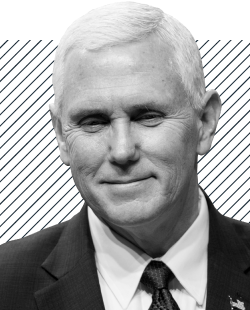
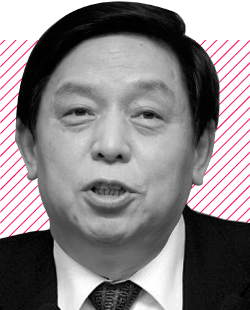
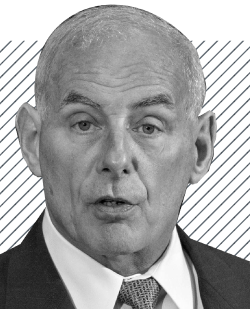
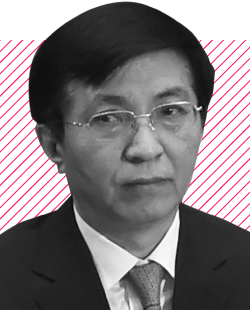
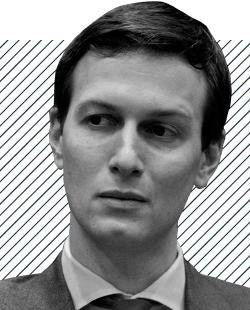
Trump’s surprise election victory propelled into the White House a cast of officials skeptical of free trade and advisers who have endorsed a more robust challenge to China’s growing military might. Across the table sits Xi’s team of career Communist Party officials increasingly willing to push back against U.S. dominance, especially in Asia.
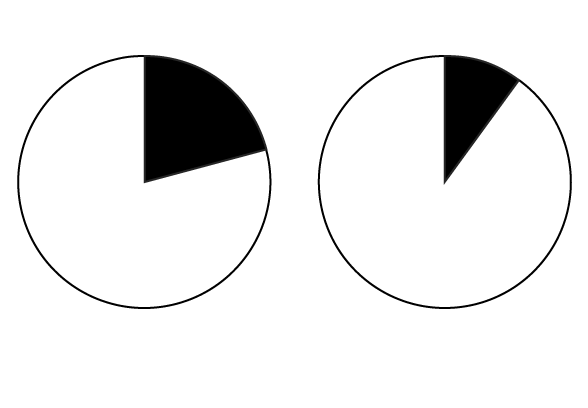
China Exports
U.S. Exports
21%
10%
go to U.S.
go to China
While Trump has heaped praise on Xi since their first Florida meeting in April, calling him a “very good man,” the two sides face a host of thorny trade disputes and security issues such as North Korea. Trump has filled his inner circle with political newcomers including veteran military commanders like John Kelly, who initially spearheaded the administration’s immigration crackdown, and businessmen-turned-officials such as Wilbur Ross, who has assailed China’s “protectionist” trade practices.
Chinese officials have chosen to engage Trump, launching talks on trade without giving up ground on regional security concerns. Xi has relied on veteran diplomats such as Yang Jiechi to build relationships with perceived moderates such as Senior Adviser Jared Kushner, while his premier, Li Keqiang, carries abroad the president’s warnings against harmful trade wars.
Several members of Xi’s negotiating team secured promotions in a big party reshuffle last month and are expected to change formal roles over the next few months. At the same time, Trump’s coterie of advisers has been in flux, with his former chief strategist Steve Bannon, a vocal advocate of challenging China, leaving the White House in August.
Economics
The two economies are so intertwined, historian Niall Ferguson and economist Moritz Schularick dubbed them “Chimerica” more than a decade ago. In this loop, American shoppers snap up cheap, Chinese-made widgets while the massive trade surpluses that result are funneled back into Treasuries. That keeps the yuan weak, U.S. borrowing costs low and ensures that cash registers keep ringing on both sides of the Pacific.


Trump wants to reshape the U.S.-Chinese economic relationship and has suggested American companies find alternatives to a system he blames for job losses and a trade deficit with China of almost $350 billion last year.

China’s Yuan Has Recovered
1/2/2014
1USD = 6.050CNY
11/6/2017
1USD = 6.634CNY
Since Xi visited his Mar-a-Lago resort in April, Trump has set aside campaign threats to hit China with steep tariffs and brand the country a currency manipulator. But teams from both sides including U.S. Treasury Secretary Steven Mnuchin and Chinese Vice Premier Wang Yang have so far failed to secure any breakthroughs on structural trade disagreements.
How long the trade detente can last is unclear. The current set up works pretty well for Xi, who told global elites gathered in Davos, Switzerland, in January that, “waging a trade war will only cause injury and loss to both sides.” His options: Open up closed services industries like insurance and telecommunications, or shrug off U.S. demands and expand trade elsewhere.
Xi also needs access to the world’s biggest economy to keep his country producing higher-value goods. Programs such as the Made-in-China initiative overseen by Industry and Information Technology Minister Miao Wei aim to expand manufacturing in new fields like robots, machine tools and medical devices by 2025.
Security
Even before Trump’s win, experts have been predicting more confrontation over security in the Asia-Pacific region, where China’s military build-up is challenging more than 70 years of U.S. dominance.

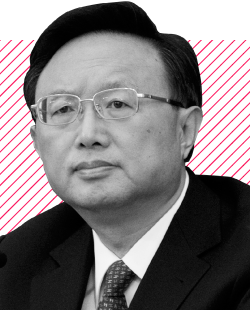
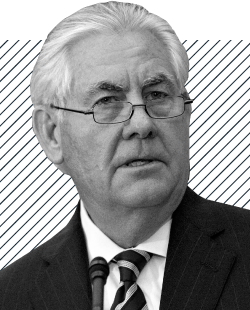
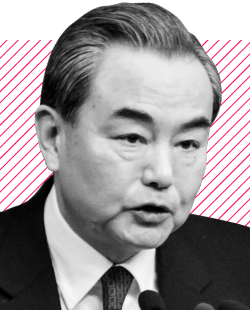
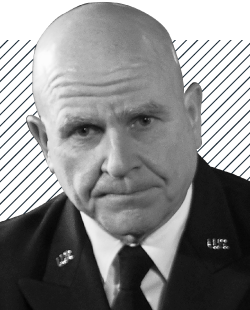
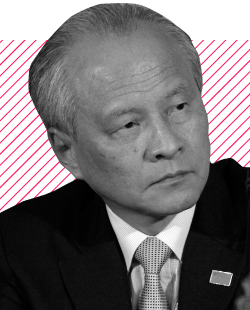
While disputes over China’s expansive claims in the South China Sea continue to simmer, Trump’s early tenure has been preoccupied with North Korea and getting Xi to pressure the country back to the negotiating table. Support for greater UN sanctions by Chinese officials such as Foreign Minister Wang Yi have fallen short of U.S. demands, and Secretary of State Rex Tillerson recently expressed impatience with Beijing in an interview with Bloomberg.
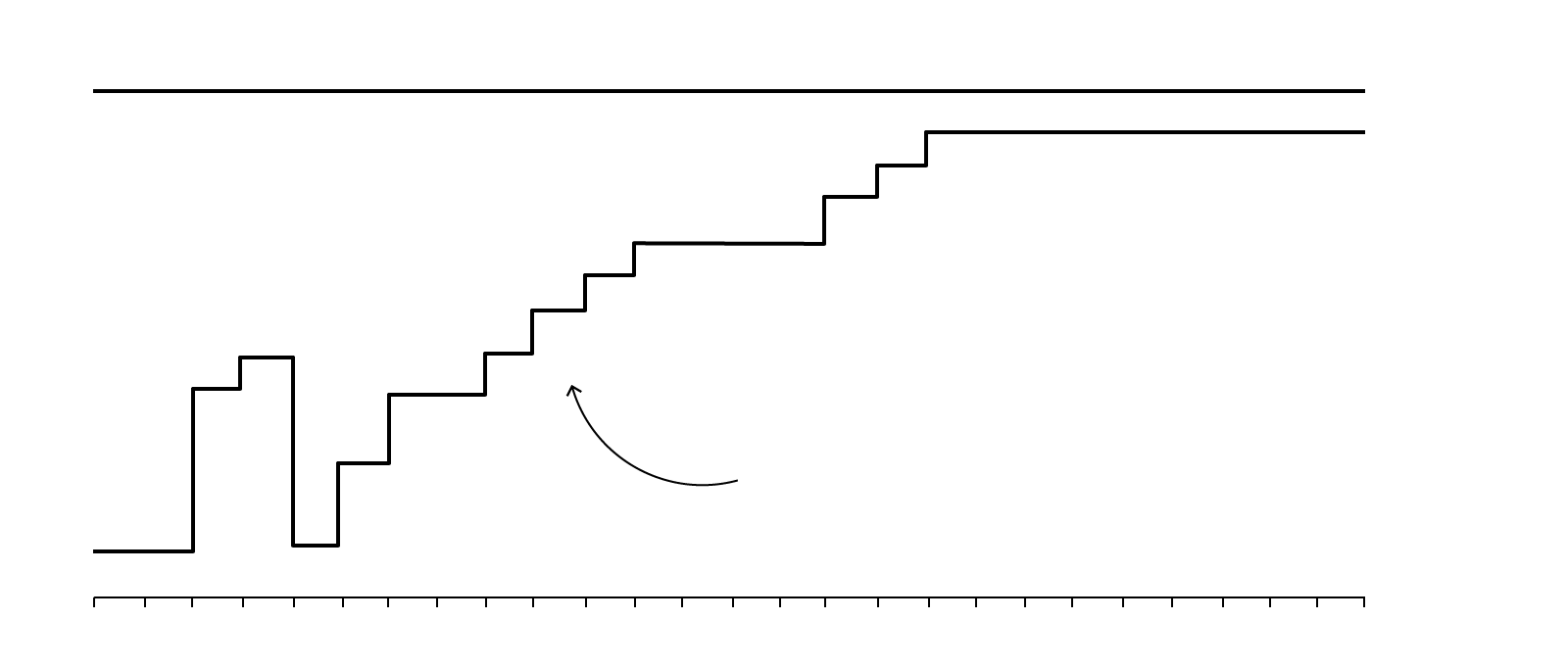
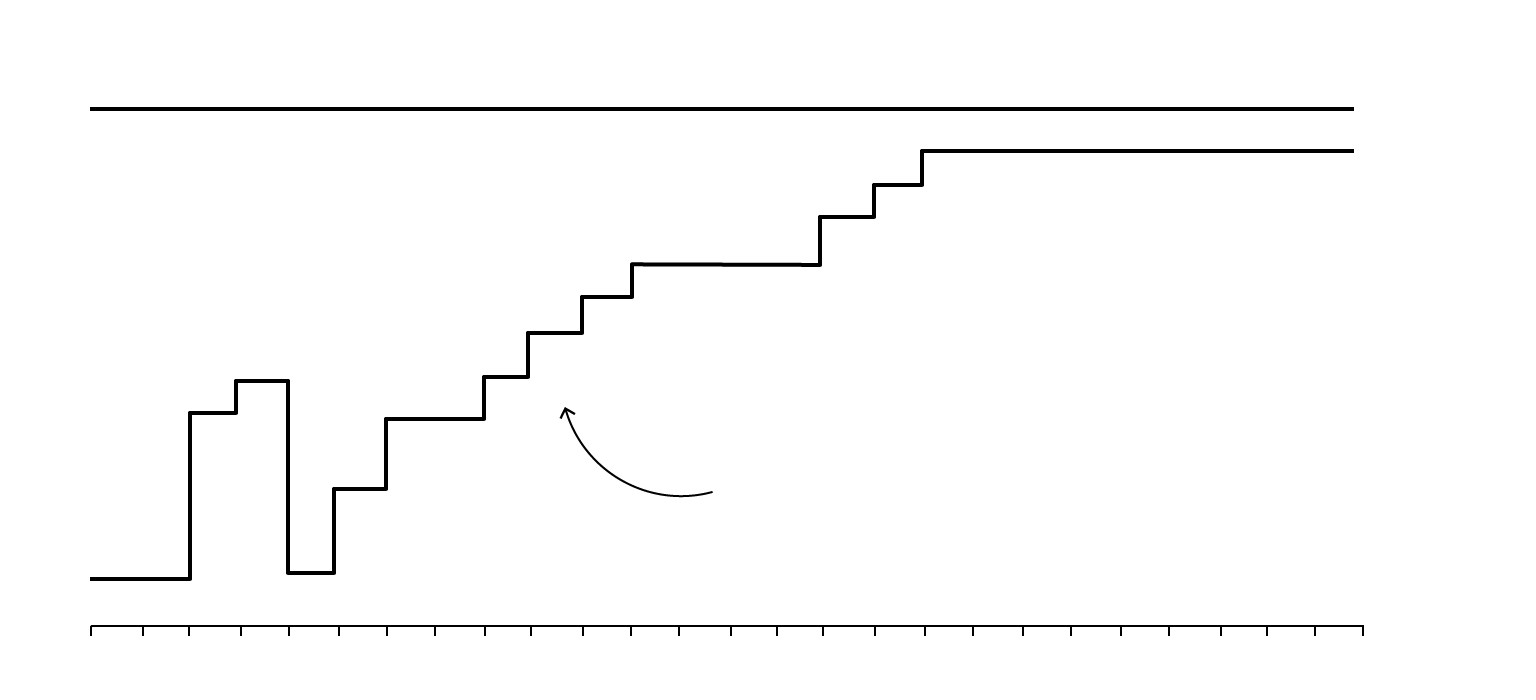
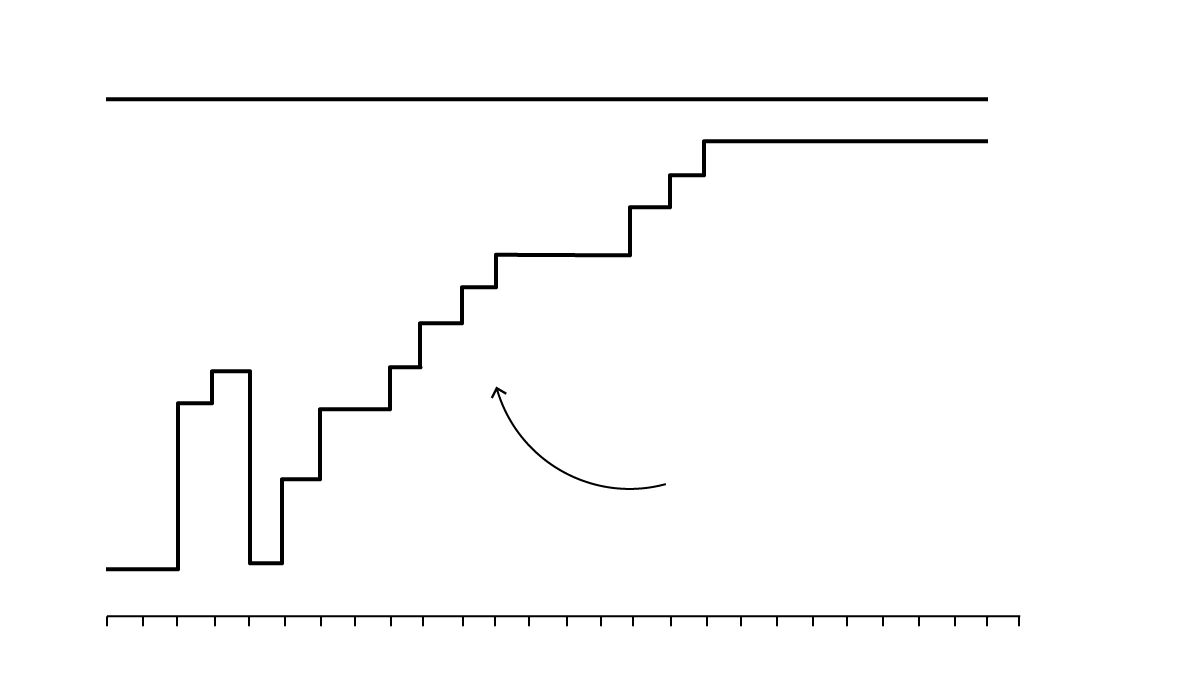
China's Military Budget Is Now Second Only to the U.S.'s
No. 1
$606B
U.S.
No. 2
$226B
3
4
5
6
7
Spending speeds up after tensions over Taiwan show U.S. air and naval superiority
8
8
9
9
11
13
No. 13
China
1991
1993
1995
1997
1999
2001
2003
2005
2007
2009
2011
2013
2015
China's Military Budget Is Now Second Only to the U.S.'s
No. 1
$606B
U.S.
No. 2
$226B
3
4
5
6
7
Spending speeds up after tensions over Taiwan show U.S. air and naval superiority
8
8
9
9
11
13
No. 13
China
1991
1993
1995
1997
1999
2001
2003
2005
2007
2009
2011
2013
2015
China's Military Budget Is Now Second Only to the U.S.'s
No. 1
$606B
U.S.
No. 2
$226B
3
4
5
6
7
Spending speeds up after tensions over Taiwan show U.S. air and naval superiority
8
8
9
9
11
13
No. 13
China
2016
1991
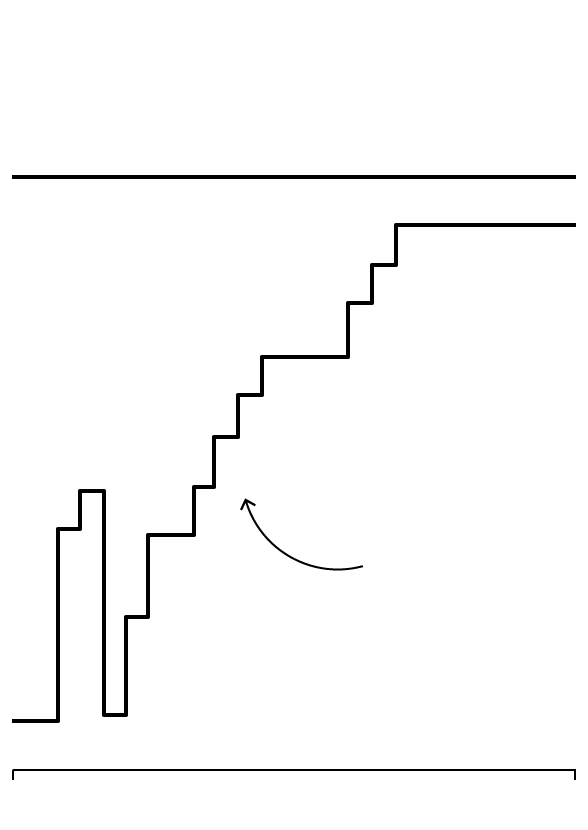
China's Military Budget Is Now
Second Only to the U.S.'s
U.S.
No. 1
$606B
No. 2
$226B
3
4
5
6
7
Spending speeds up after tensions over Taiwan show U.S. air and naval superiority
8
8
9
9
11
13
China
1991
2016
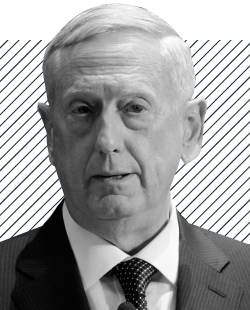
Looming in the background is Chinese concern that Trump might consider expanded ties with Taiwan, which China considers a province.Defense Secretary James Mattis’s unusually direct pledge during a June speech in Singapore to protect Taiwan was an early sign that the rapport between Trump and Xi wouldn’t deter greater U.S. support for the democratically ruled—and strategically located—island.
(A previous version of this article was corrected to clarify Foreign Minister Wang Yi's past role regarding Taiwan.)