How China Holds Sway Over Who Leads Hong Kong
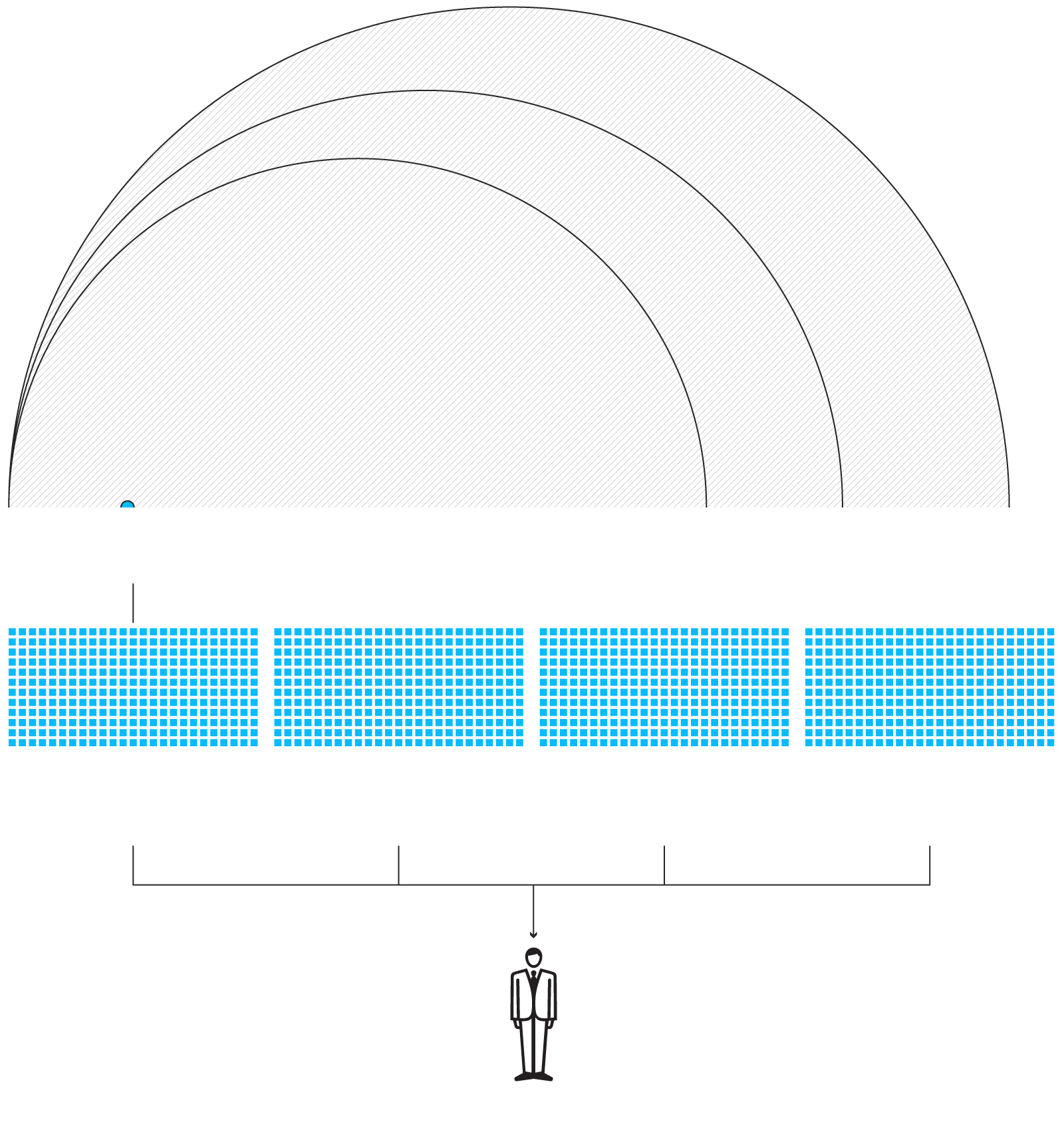
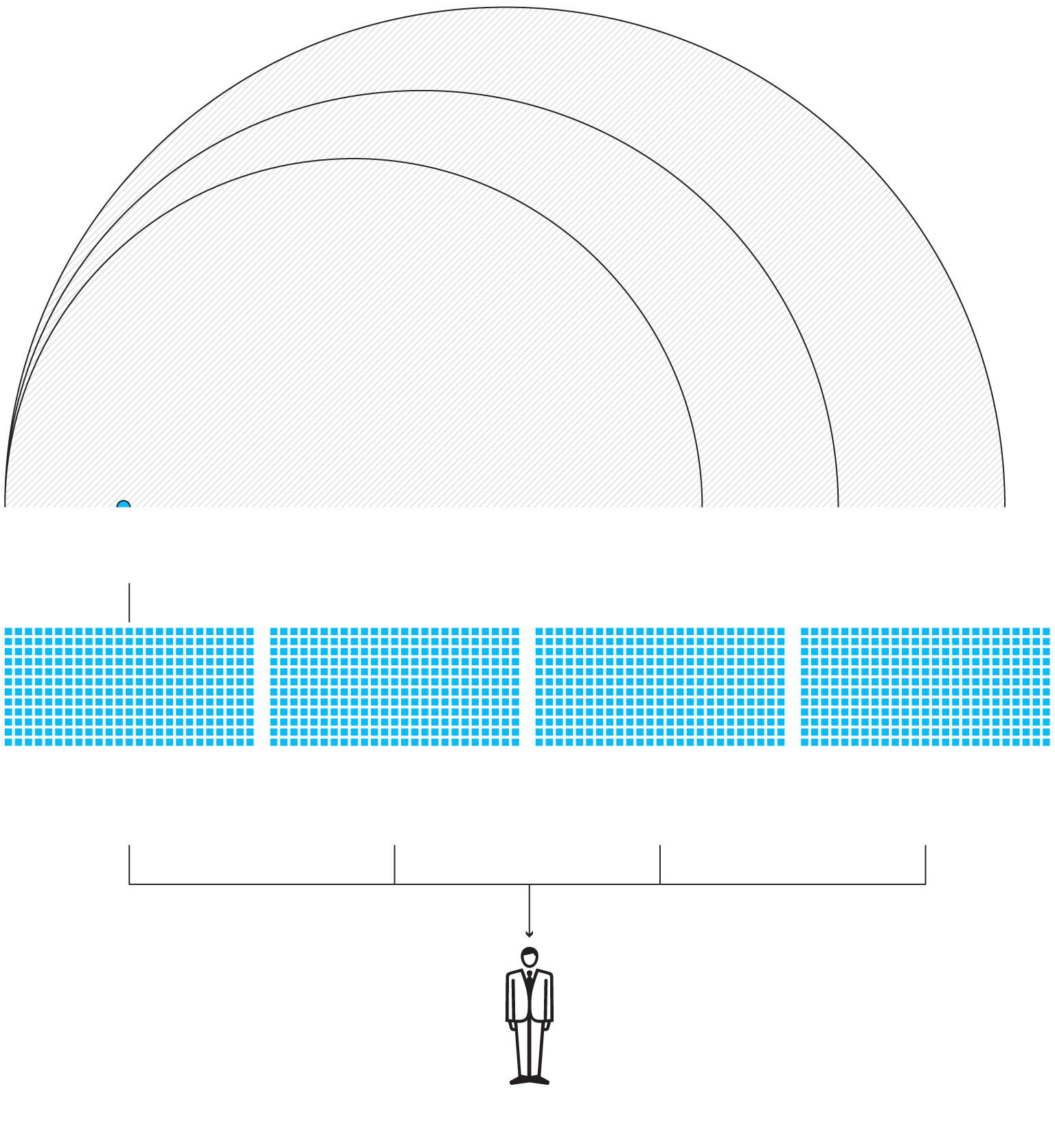
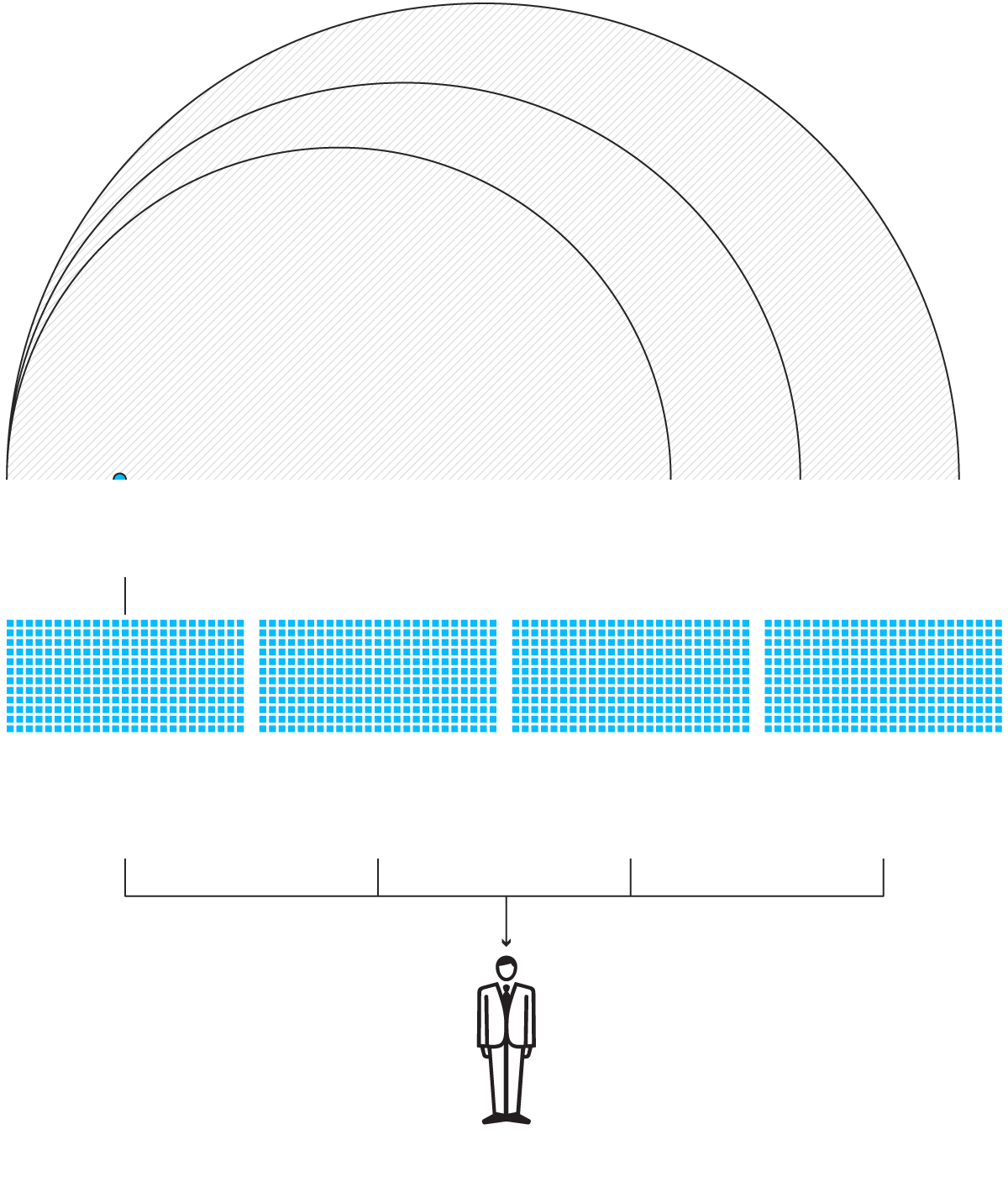
While the race for Hong Kong’s chief executive looks a lot like any major mayoral election, the choice doesn’t rest with the city’s 3.8 million voters. It’s decided by an electoral college of 1,200 business and political elites, including nine billionaires worth more than $100 billion. China can veto any winner it doesn’t like.
The system so heavily favors China that protesters occupied large swaths of the former British colony in 2014 in a successful bid to block a proposal for direct elections using the committee to screen potential candidates. This year’s vote on March 26 may test the limits of that system. China’s apparent favorite, former Chief Secretary Carrie Lam, is facing a more popular challenger, former Financial Secretary John Tsang.
Here’s a Closer Look at How the Committee Works
1,200
3.8M
5M
7.3M
Election Committee
members
registered
voters
eligible
voters
population
300
300
300
300
Professions:
Accountants, lawyers,
teachers and others
Industries: Banking,
commercial, insurance
and financial sectors
Labor, social
services, religious
and others
Members of Hong Kong
and Chinese
political bodies
Chief executive
is elected

7.3M
population
5M
eligible voters
3.8M
registered voters
1,200
Election Committee members
300
300
Industries: Banking,
commercial,insurance
and financial sectors
Professions:
Accountants, lawyers,
teachers and others
300
300
Labor, social
services, religious
and others
Members of Hong
Kong and Chinese political bodies
Chief executive
is elected
3.8M
5M
7.3M
1,200
registered
voters
eligible
voters
population
Election Committee
members
300
300
300
300
Professions:
Accountants, lawyers,
teachers and others
Industries: Banking,
commercial, insurance
and financial sectors
Labor, social
services, religious
and others
Members of Hong Kong
and Chinese
political bodies
Chief executive
is elected
3.8M
5M
7.3M
1,200
registered
voters
eligible
voters
population
Election Committee
members
300
300
300
300
Industries: Banking,
commercial, insurance
and financial sectors
Professions:
Accountants, lawyers,
teachers and others
Labor, social
services, religious
and others
Members of Hong
Kong and Chinese
political bodies
Chief executive
is elected
The electors represent key industries, professions and social sectors selected by the British in their scramble to set up democratic institutions in advance of Hong Kong’s return to China in 1997. The privileged few—comprising 0.03 percent of registered voters—include about 300 representatives of government bodies.
This group provides China a strong base of support, since loyalists dominate the systems that put the politicians in office. Among them are 87 local representatives to China’s national legislature and top political advisory body, whose members are vetted by the ruling Communist Party.
Still, the election remains the closest thing to a public vote for an executive post in China. The government’s supporters justify the system as a bridge toward more direct elections in Hong Kong.
Electoral Influence vs. Economic Impact

Over-represented
Agriculture
and fisheries
Textiles
and manufacturing
Professional
services
Arts, culture
and education
12.5%
10%
5.9%
4.9%
5%
3%
1.2%
0.1%
Share
of GDP
Share
of vote
Under-represented
Trading
and logistics
Property
and construction
Finance
and insurance
22.2%
20.3%
17.6%
3%
3%
1.5%
Average
Government, health
and social welfare
Tourism, hotels
and catering
20.8%
19.2%
5%
4.3%
Note: GDP data does not equal 100 percent due to overlap and economic activity unrepresented on the committee

Over-represented
Agriculture
and fisheries
Textiles
and manufacturing
5%
3%
1.2%
0.1%
Share
of GDP
Share
of vote
Professional
services
Arts, culture
and education
12.5%
10%
5.9%
4.9%
Under-represented
Trading
and logistics
Property
and construction
22.2%
20.3%
3%
1.5%
Finance
and insurance
17.6%
3%
Average
Government, health
and social welfare
Tourism, hotels
and catering
20.8%
19.2%
5%
4.3%
Note: GDP data does not equal 100 percent due to overlap and economic activity unrepresented on the committee

Over-represented
Agriculture
and fisheries
Textiles
and manufacturing
Professional
services
Arts, culture
and education
12.5%
10%
5.9%
4.9%
5%
3%
1.2%
0.1%
Share
of GDP
Share
of vote
Under-represented
Trading
and logistics
Property
and construction
Finance
and insurance
22.2%
20.3%
17.6%
3%
3%
1.5%
Average
Government, health
and social welfare
Tourism, hotels
and catering
20.8%
19.2%
5%
4.3%
Note: GDP data does not equal 100 percent due to overlap and economic activity unrepresented on the committee

Over-represented
Agriculture
and fisheries
Textiles
and manufacturing
Professional
services
Arts, culture
and education
12.5%
10%
5.9%
4.9%
5%
3%
1.2%
0.1%
Share
of GDP
Share
of vote
Under-represented
Trading
and logistics
Property
and construction
Finance
and insurance
22.2%
20.3%
17.6%
3%
3%
1.5%
Average
Government, health
and social welfare
Tourism, hotels
and catering
20.8%
19.2%
5%
4.3%
Note: GDP data does not equal 100 percent due to overlap and economic activity unrepresented on the committee
The remaining 900 electors are chosen from three broad sectors: industrial, commercial and financial services; professions; and labor, social, and religious groups. While most of the seats are elected, turnout in those votes has never broken 50 percent. One-quarter of open seats were either uncontested or settled through negotiations within the subsectors.
The committee is far from “broadly representative” as required by Hong Kong law, with women comprising less than 17 percent of the 1,194 certified members. Some groups’ influence far exceeds their contributions to the Asian financial hub’s economy, while others go unrepresented.
The 154 registered voters from the fisheries and agriculture subsector, for example, have 60 seats on the committee. That’s twice as many as accounting, which has 26,000 voters. One fisheries elector told Bloomberg in 2014 that messages about China’s preferred choice were circulated in the election committee ahead of the 2012 vote, although he said he was never explicitly told who to vote for.
Homegrown Fortunes
Hong Kong
Mainland China
Macau
Other
84%
The richest Hong Kong residents on the election committee derive
of their sales from the greater China area*
1%
25%
22%
53%
54%
46%
48%
51%
Li Ka-shing
Lee Shau Kee
Henry Cheng
Net worth: $30.4Billion
$19.9B
$12.6B
9%
7%
1%
1%
21%
72%
90%
55%
44%
Lui Che-Woo
Adam Kwok
Peter Woo
$11B
$10.8B
$10.6B
3%
13%
84%
78%
22%
100%
Hui Wing Mau
Richard Li
Pollyanna Chu
$4.6B
$4.5B
$4.3B
Note: Net worth as of Feb. 24, 2017, according to the Bloomberg Billionaires Index
*Reflects most recent annual revenue of flagship companies

Hong Kong
Mainland China
Macau
Other
The richest Hong Kong residents on the
election committee derive
of their sales from the greater China area*
84%
25%
22%
53%
Li Ka-shing
Net worth: $30.4Billion
54%
46%
Lee Shau Kee
$19.9B
1%
48%
51%
Henry Cheng
$12.6B
21%
7%
72%
Lui Che-Woo
$11B
1%
90%
9%
Adam Kwok
$10.8B
1%
55%
44%
Peter Woo
$10.6B
3%
84%
13%
Richard Li
$4.6B
78%
22%
Pollyanna Chu
$4.5B
100%
Hui Wing Mau
$4.3B
Note: Net worth as of Feb. 24, 2017, according to the Bloomberg Billionaires Index
*Reflects most recent annual revenue of flagship companies
Hong Kong
Mainland China
Macau
Other
84%
The richest Hong Kong residents on the election committee derive
of their sales from the greater China area*
1%
25%
22%
53%
54%
46%
48%
51%
Li Ka-shing
Lee Shau Kee
Henry Cheng
Net worth: $30.4Billion
$19.9B
$12.6B
9%
7%
1%
1%
21%
72%
90%
55%
44%
Lui Che-Woo
Adam Kwok
Peter Woo
$11B
$10.8B
$10.6B
3%
13%
84%
78%
22%
100%
Hui Wing Mau
Richard Li
Pollyanna Chu
$4.6B
$4.5B
$4.3B
Note: Net worth as of Feb. 24, 2017, according to the Bloomberg Billionaires Index
*Reflects most recent annual revenue of flagship companies
Hong Kong
Mainland China
Macau
Other
84%
The richest Hong Kong residents on the election committee derive
of their sales from the greater China area*
1%
25%
22%
53%
54%
46%
48%
51%
Li Ka-shing
Lee Shau Kee
Henry Cheng
Net worth: $30.4Billion
$19.9B
$12.6B
9%
7%
1%
1%
21%
72%
90%
55%
44%
Lui Che-Woo
Adam Kwok
Peter Woo
$11B
$10.8B
$10.6B
3%
13%
84%
78%
22%
100%
Hui Wing Mau
Richard Li
Pollyanna Chu
$4.6B
$4.5B
$4.3B
Note: Net worth as of Feb. 24, 2017, according to the Bloomberg Billionaires Index
*Reflects most recent annual revenue of flagship companies
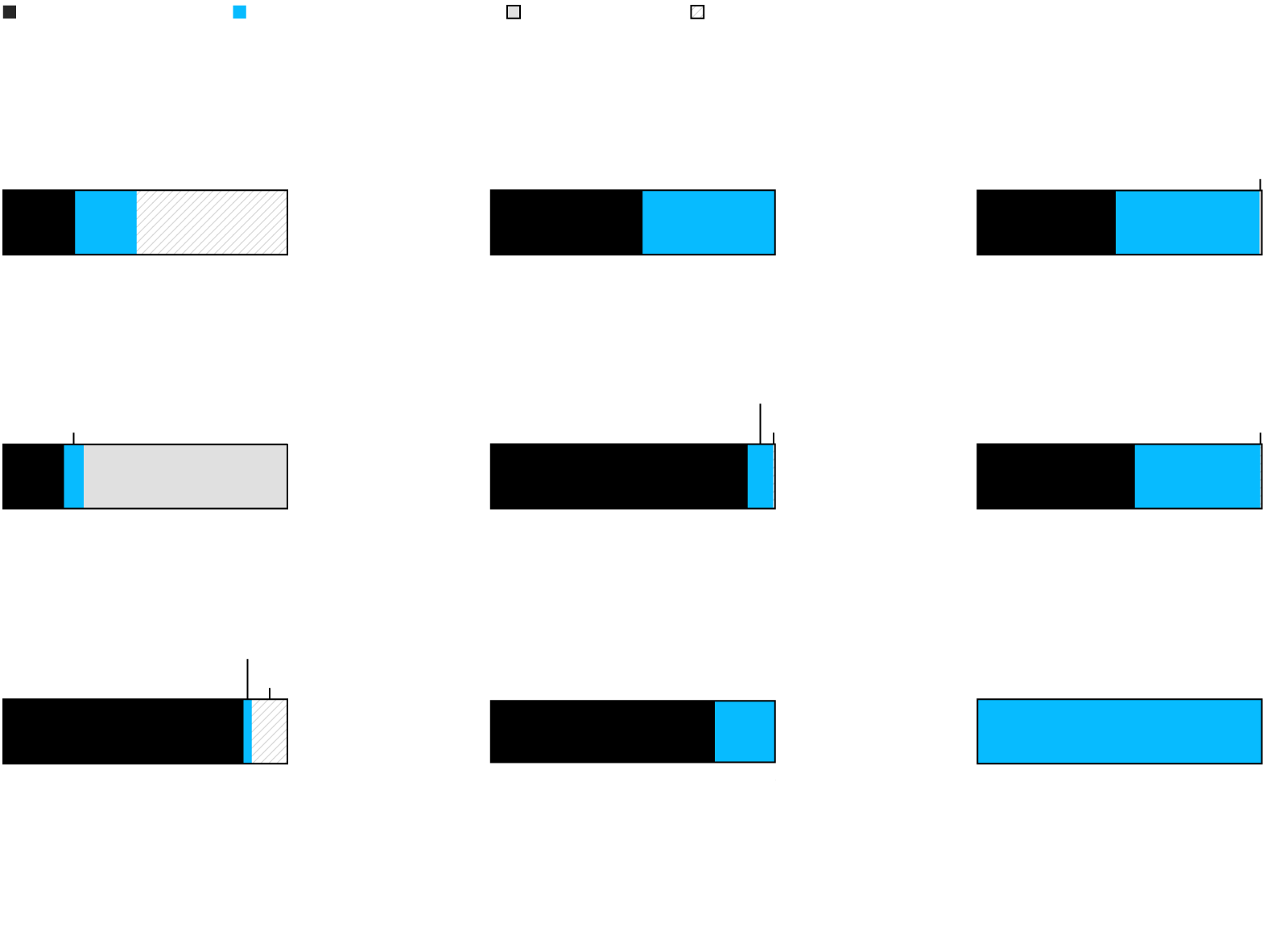
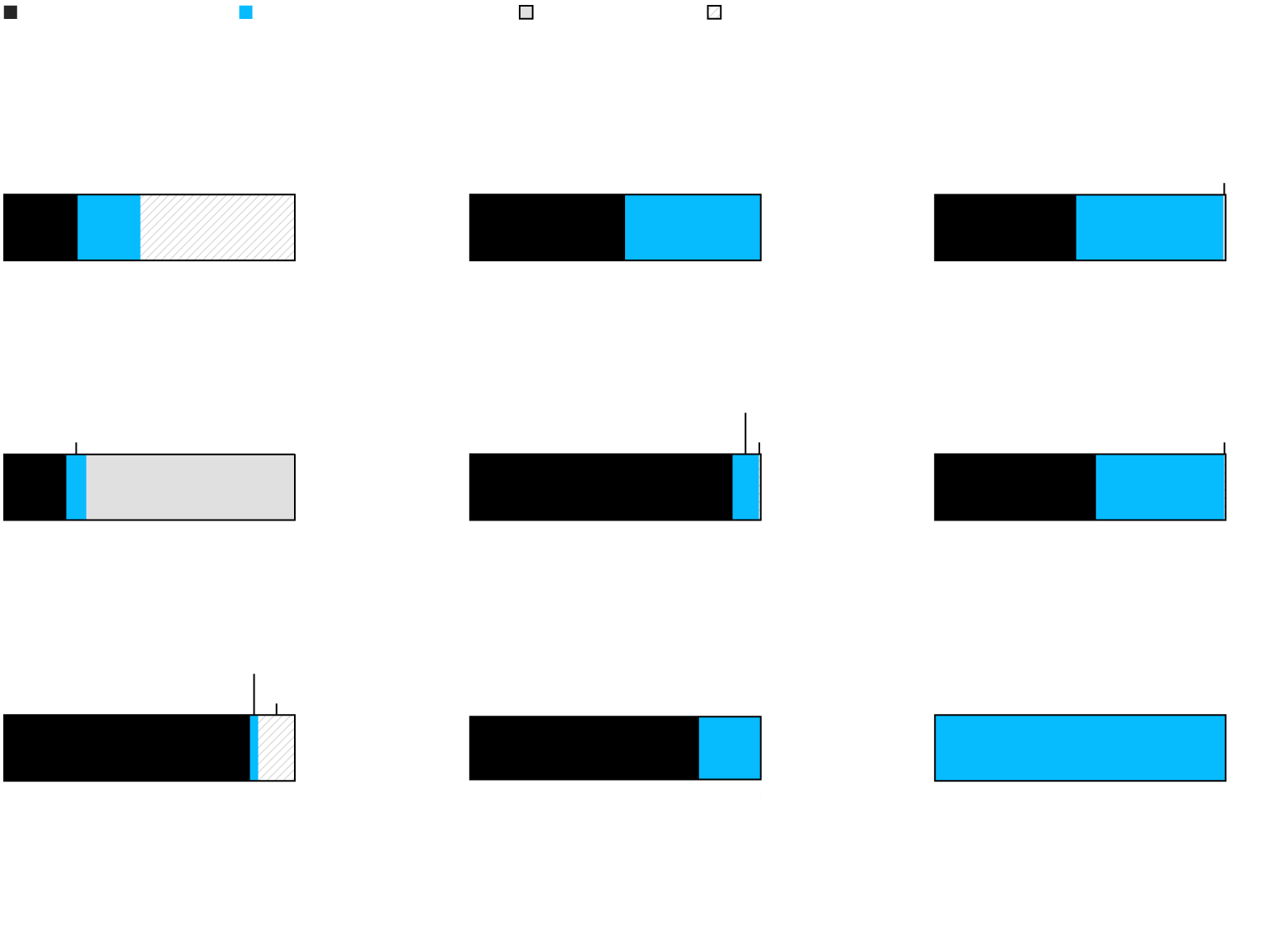
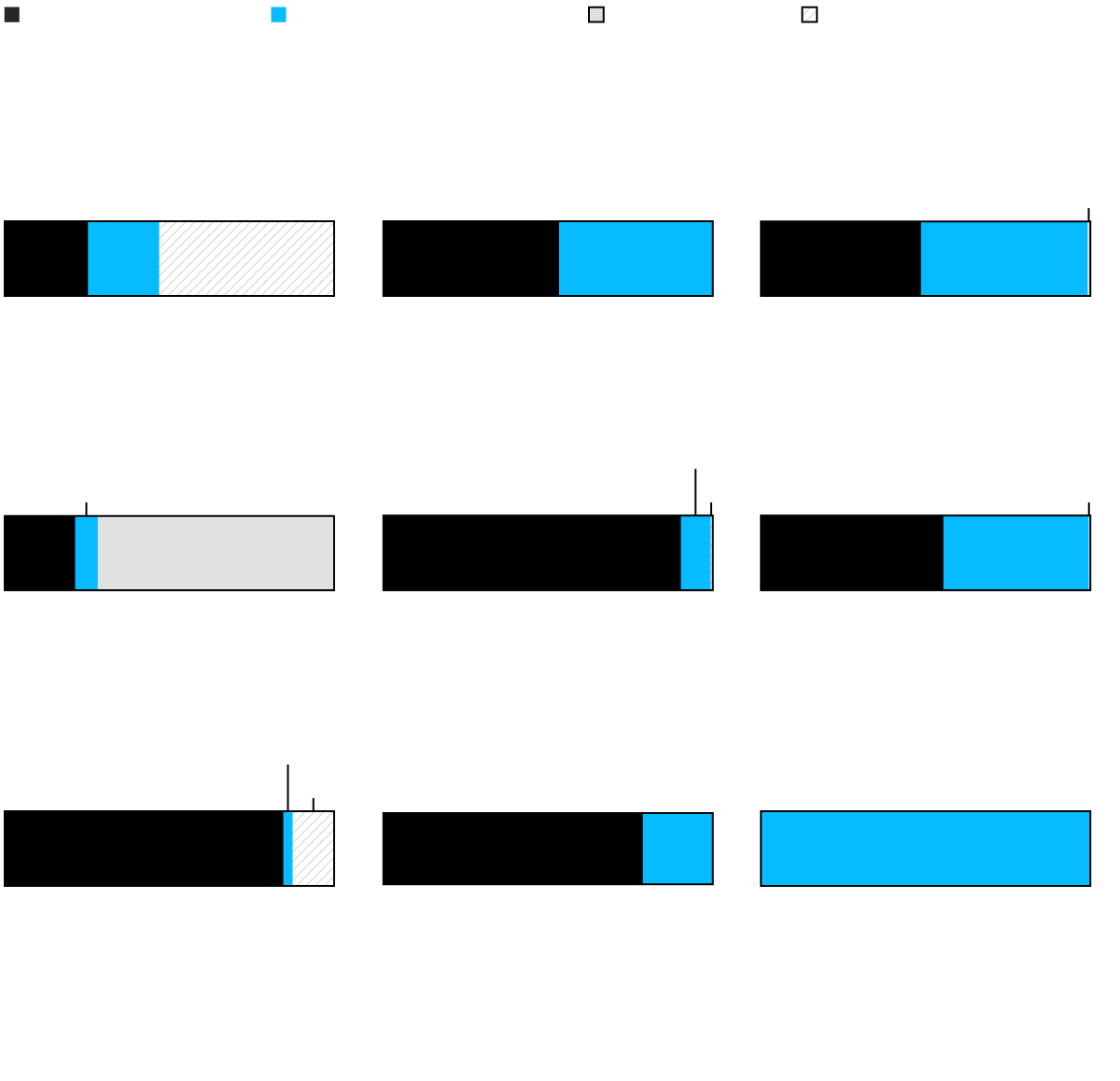
The system of giving votes to business interests has been blamed for perpetuating inequality and the world’s most expensive property market, with a median-income household needing almost two decades of wages to buy a home, according to consulting firm Demographia. The committee’s nine wealthiest members have about $109 billion in holdings, according to the Bloomberg Billionaires Index, or more than one-third of the city’s economic output.
Developers dominate the list of Hong Kong’s richest, with the flagship companies of five of the committee’s billionaires deriving most of their wealth from real estate in China and Hong Kong. An exception is Li Ka-shing, Hong Kong’s richest man, whose global empire-building efforts mean he gets a majority of his sales from overseas.
Tilting in China’s Favor
Other
Pro-Democracy
Pro-Establishment
What happens when everyone votes:
What happens when the committee votes:
1.1%
Albert Ho
7.2%
Henry Tang
27.1%
56.2%
42.7%
65.6%
Leung
Chun-ying
Legislative Council 2012
Chief Executive 2012
Pro-Democracy
Pro-Establishment
Other
What happens when everyone votes:
1.1%
56.2%
42.7%
Legislative Council 2012
What happens when the committee votes:
Albert Ho
7.2%
Henry
Tang
27.1%
65.6%
Leung
Chun-ying
Chief Executive 2012
Other
Pro-Democracy
Pro-Establishment
What happens when everyone votes:
What happens when the committee votes:
1.1%
Albert Ho
7.2%
Henry Tang
27.1%
56.2%
42.7%
65.6%
Leung
Chun-ying
Legislative Council 2012
Chief Executive 2012
Other
Pro-Democracy
Pro-Establishment
What happens when everyone votes:
What happens when the committee votes:
1.1%
Albert Ho
7.2%
Henry
Tang
27.1%
56.2%
42.7%
65.6%
Leung
Chun-ying
Legislative Council 2012
Chief Executive 2012
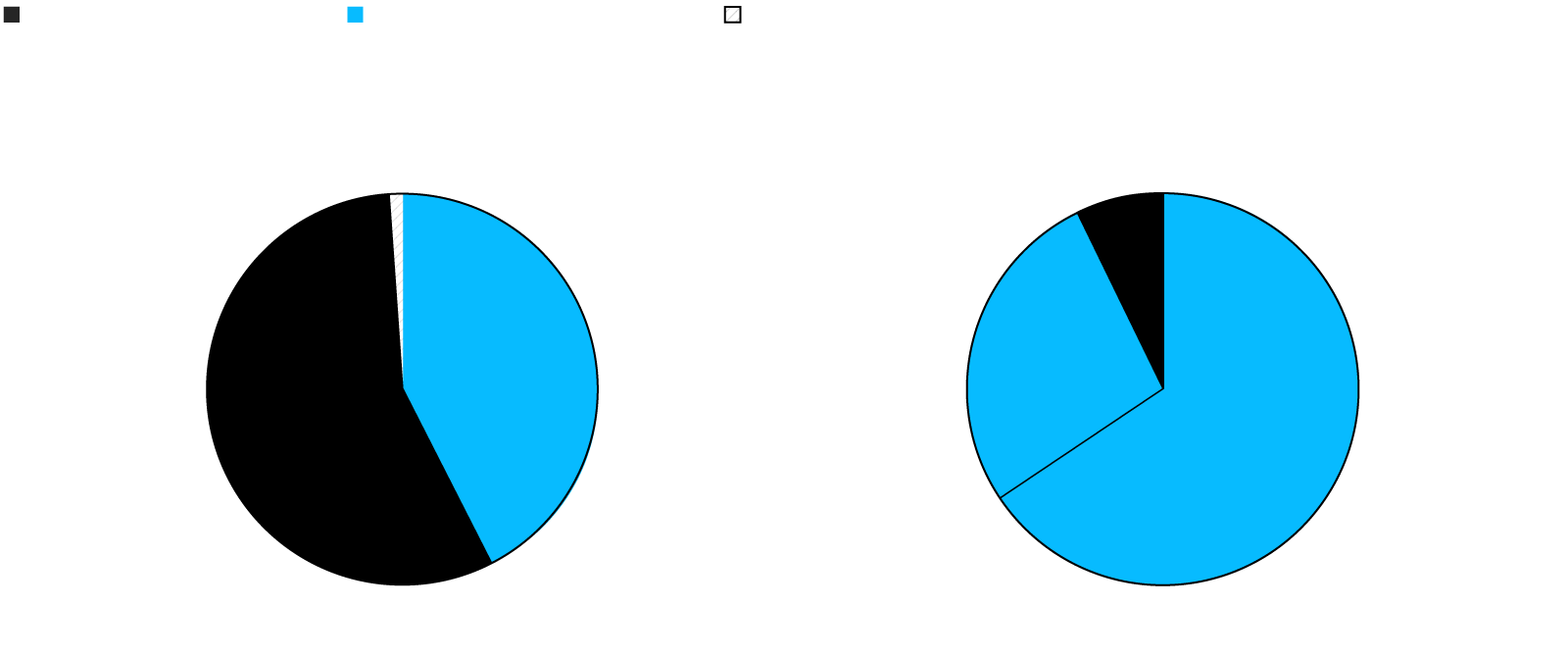
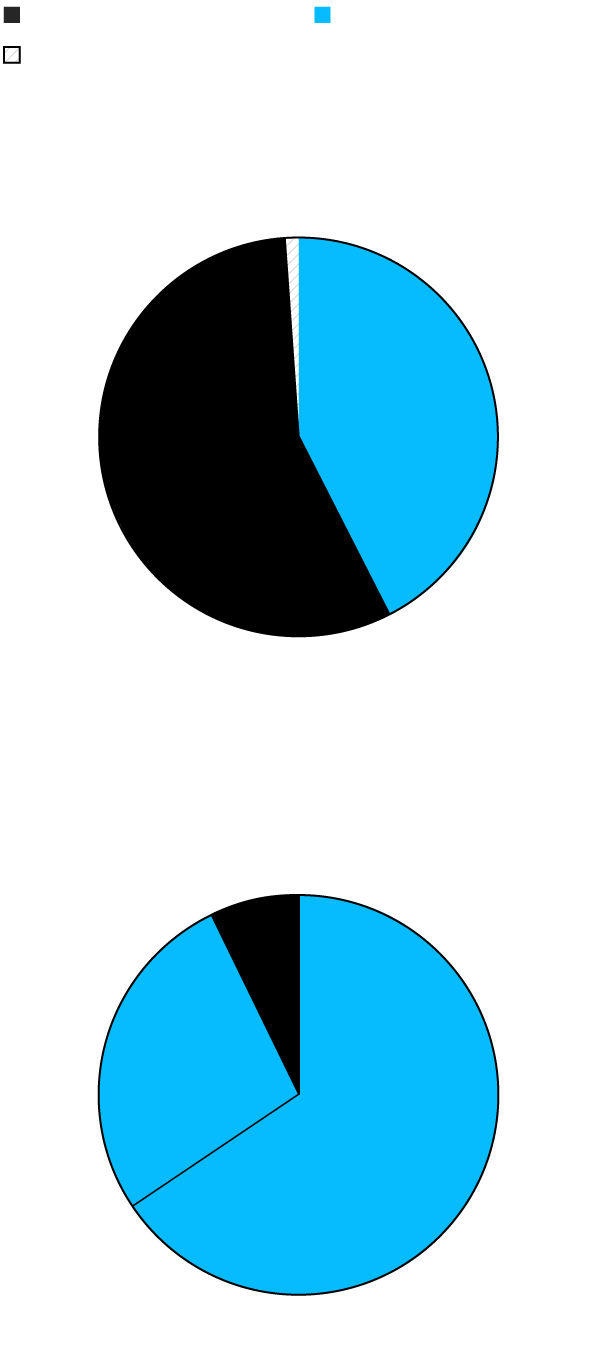
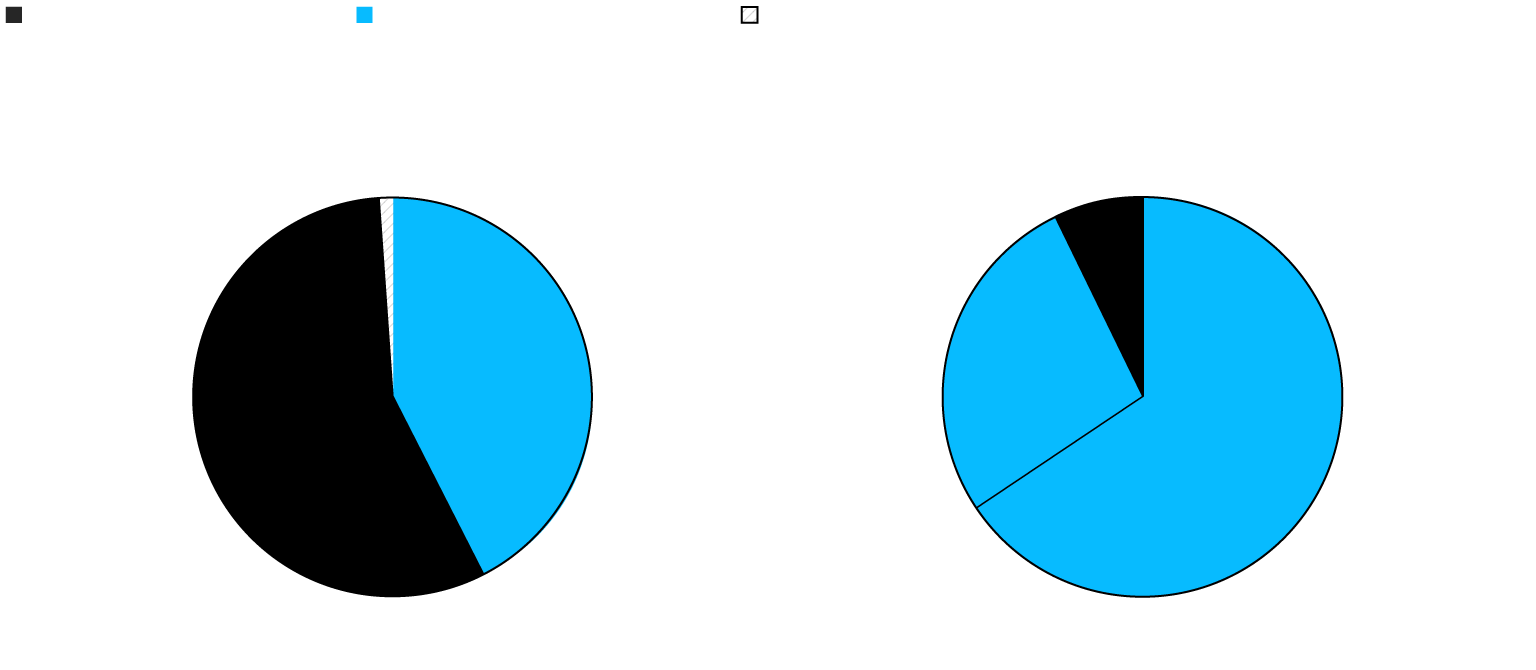
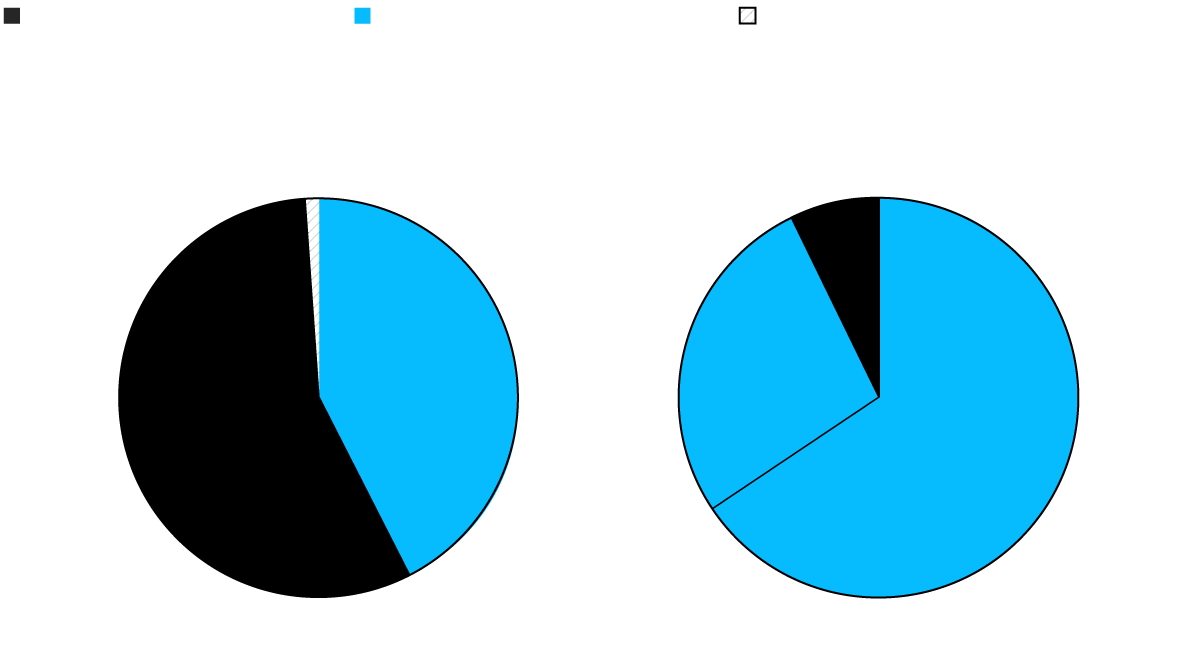
To reach the final vote, contenders must secure public nominations from 150 committee members by a March 1 deadline. While that bar is low enough to let pro-democracy groups contest the election, their candidates were both crushed in the past two campaigns.
The lopsided victories for establishment-backed candidates contrast with elections for the city’s legislature, where opposition candidates have drawn most of the overall vote. After the 2014 Occupy protests vented popular anger over the election process, the pro-democracy camp chose not to endorse a candidate this time.
Pro-Democracy Groups Gain Ground
Pro-Democracy
2012
Total 1,193
18%
210
2017
1,194
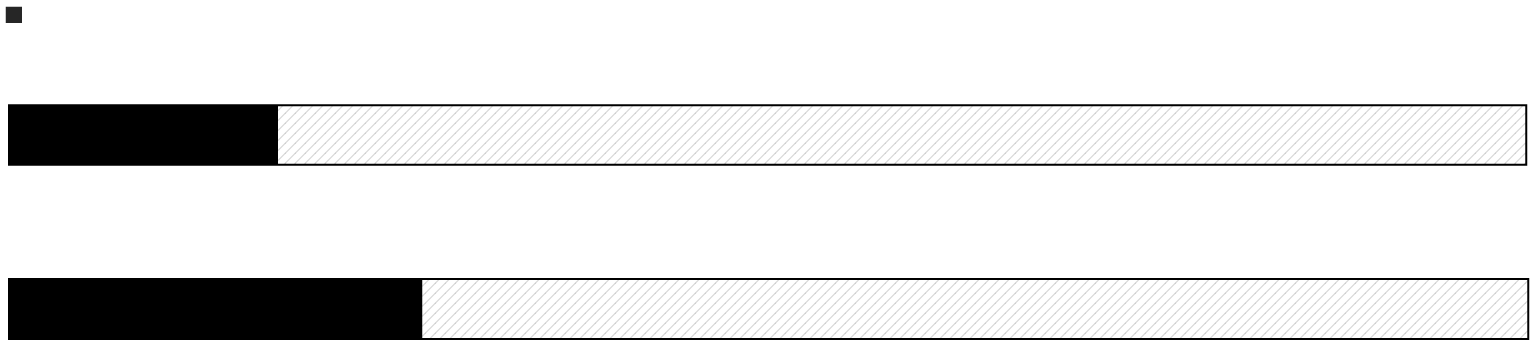
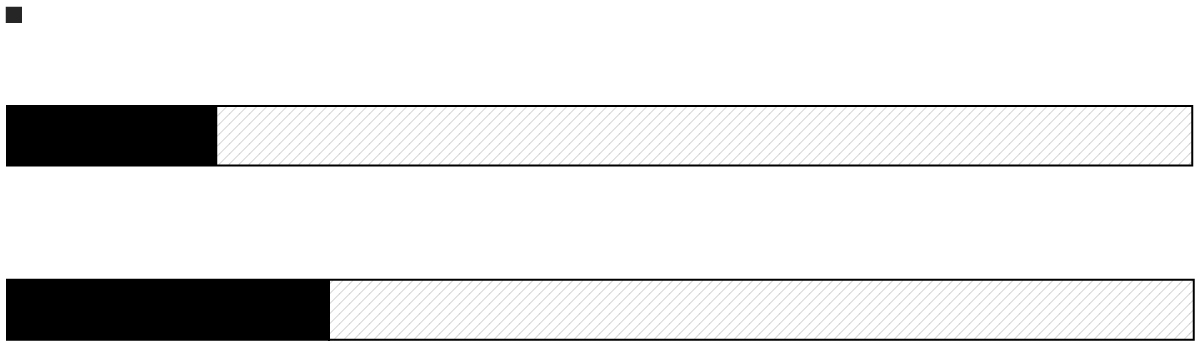
27%
325
Pro-Democracy
2012
Total 1,193
18%
210
2017
1,194
27%
325
Pro-Democracy
2012
Total 1,193
18%
210
2017
1,194
27%
325
Pro-Democracy
2012
Total 1,193
18%
210
2017
1,194
27%
325
Still, divisions in the political establishment can lead to surprises. The apparent favorite in 2012, former Chief Secretary Henry Tang, saw support collapse after a scandal over renovations to his home. He lost to Leung Chun-ying, another China-backed contender. Leung was elected with 689 votes, a number that became a derisive nickname for his lack of popular support.
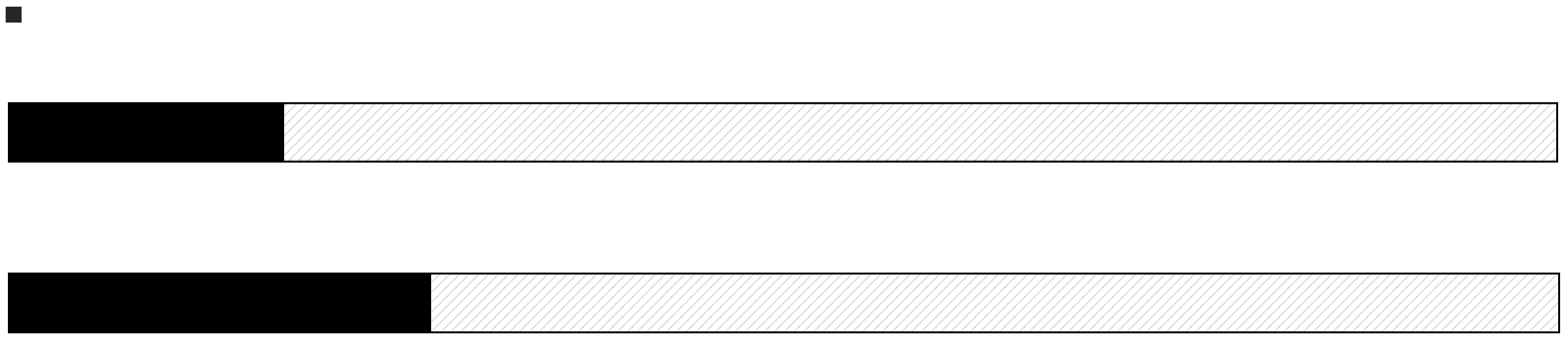
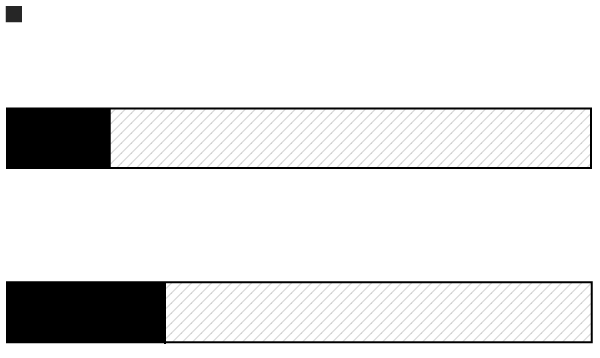
Democrats could exploit a similar split this year, after securing a record 325 seats on the committee. Rather than field a candidate of their own, they helped get two others on the ballot: Tsang, the former financial secretary; and an ex-judge, Woo Kwok-hing. Tsang’s popularity makes him a wildcard in the final vote, which is anonymous.