Politics | Explainer Understanding the Forever Conflict Between North and South Korea
The uneasy truce between the nuclear-armed North and the US-allied South remains one of the most vexing security concerns for the world.
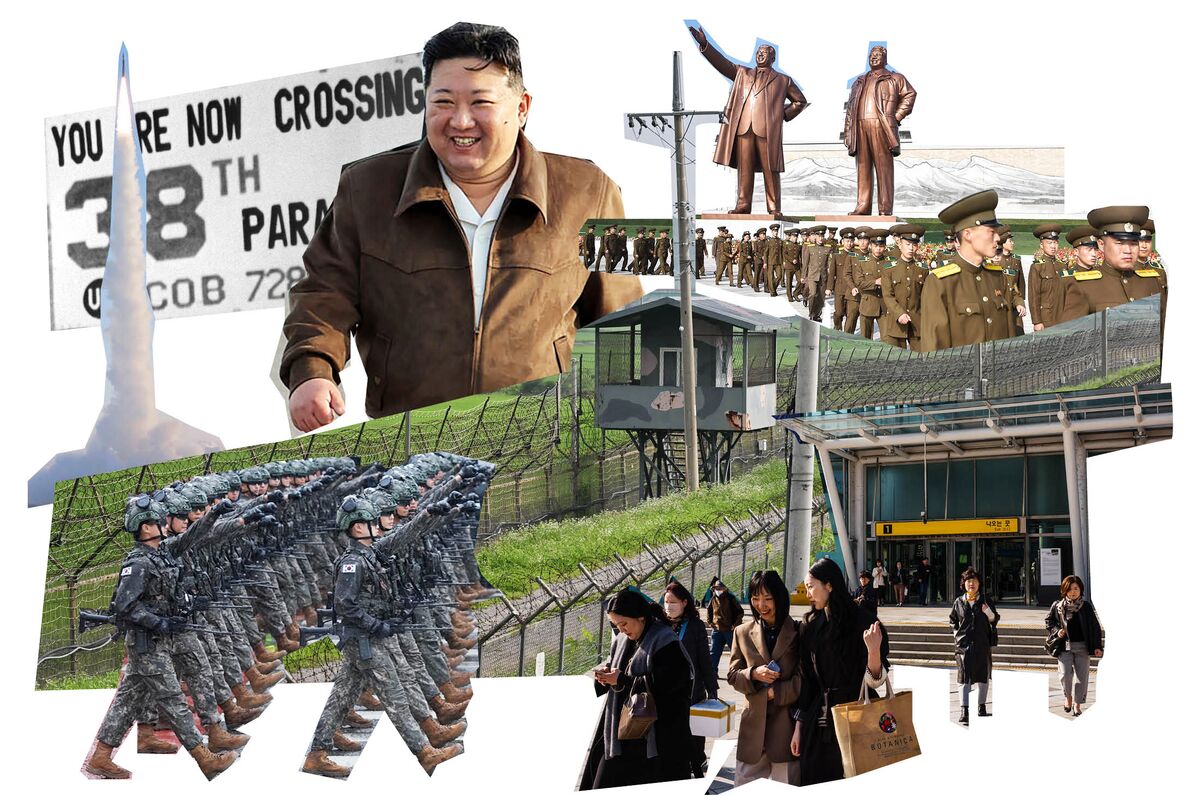
The guns fell silent in the Korean War seven decades ago, but the hostilities never truly ended. Today, North Korea’s secretive dictator oversees an isolated society and command economy, portraying himself as the benevolent protector of a nation under siege from hostile foreign powers. Its wealthy, democratic southern neighbor is an industrial and technological powerhouse that’s exporting its culture to the world, shielded from the nuclear-armed North by a defense treaty with the US.
More than 1 million troops, and one of the heaviest concentrations of weapons anywhere, face off along a strip of no-man’s land that’s divided the two Koreas since 1953. North Korean leader Kim Jong Un has been raising the stakes by expanding his nuclear arsenal and threatening to unleash it on the US and its allies. North Korean soldiers destroyed main roads and rail links to the South in October 2024, the latest symbolic blow to prospects for reunification. Meanwhile, a postwar generation is dying without ever having fulfilled the dream of meeting their relatives living across the border.
Why are North Korea and South Korea separate countries?
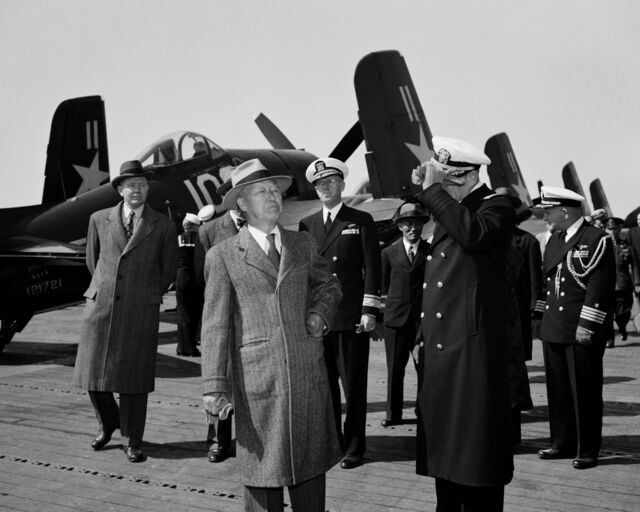
Korea was a single nation for centuries under the Goryeo and the Joseon dynasties, and through a period of Japanese colonial rule from 1910 to 1945. The Soviet Union joined with the US to expel the Japanese from the peninsula in the latter days of World War II. The victors divided the country, with Russia exerting its influence north of the 38th parallel — the line of latitude 38 degrees north of the equator — and the US doing the same in the south. What was supposed to be a temporary arrangement became permanent as the Cold War set in and the two Koreas became proxies for the superpowers. The Republic of Korea was formed in the South in August 1948. Its first president was Syngman Rhee, a convert to Christianity who was educated at an American Methodist school. The Democratic People’s Republic of Korea was established in the North the following month, led by the Soviet-trained Kim Il Sung, the grandfather of the country’s current leader.
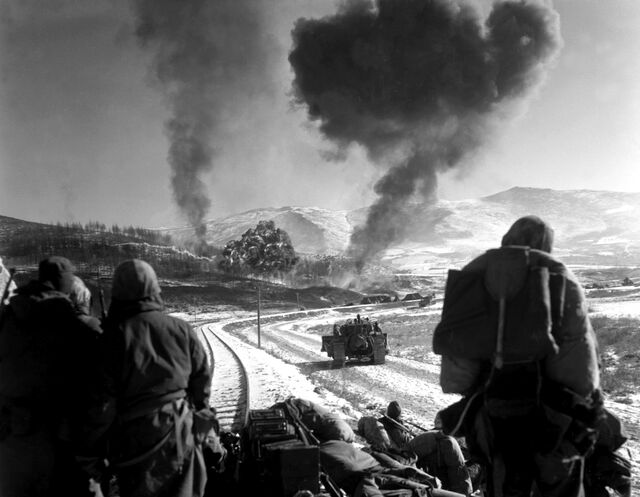
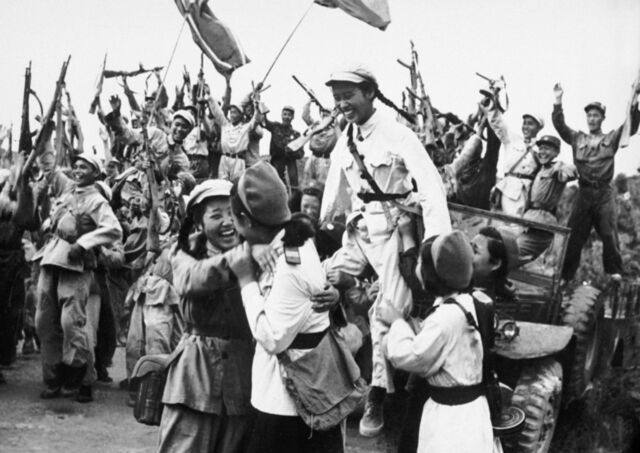
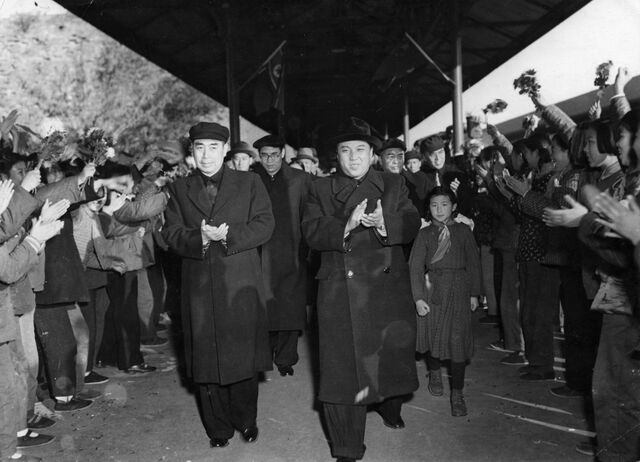
In June 1950, North Korea invaded the South in an attempt to unite the peninsula under Soviet-style rule. US-led United Nations forces fought back on behalf of the South, and communist China sent in troops to support North Korea. An estimated 3 million people died as a result of the fighting, a large majority of them civilians. In 1953, an armistice was signed and a 4-kilometer (2.5-mile) wide demilitarized zone established along the lines where the opposing forces had reached a stalemate, severing cross-border movement and separating families and friends living on either side of it. With no permanent peace treaty, the conflict never formally came to an end.
How different are North and South Korea?
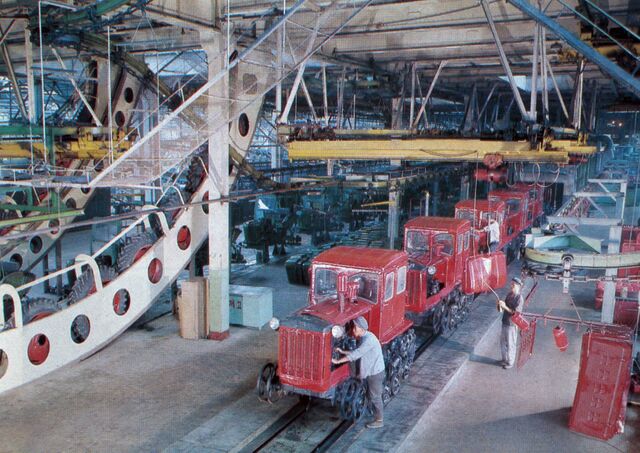
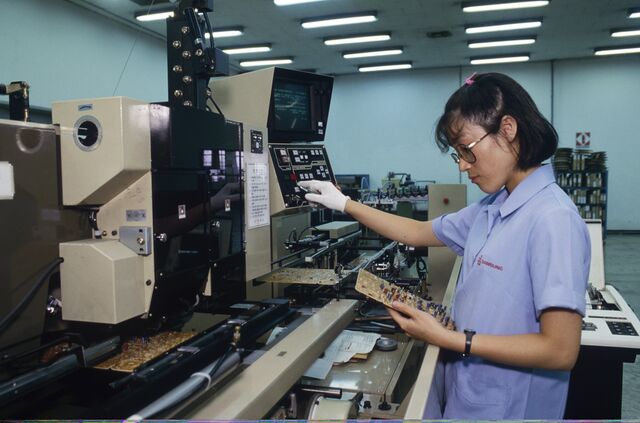
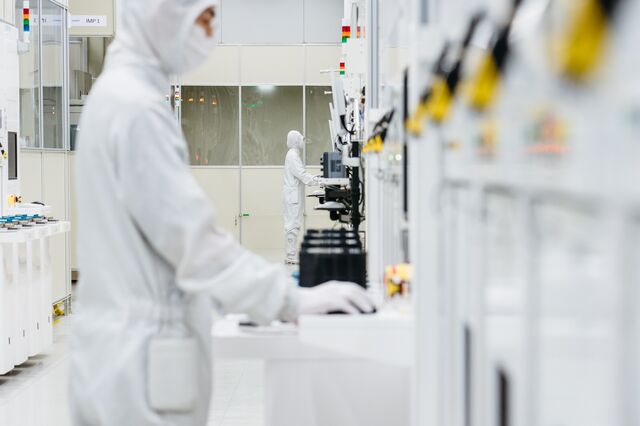
For a time after the war, North Korea’s economy was stronger than that of the South. Today, South Korea produces more goods and services in six days than North Korea does in a year, even though the South, with almost 52 million people, is only twice as populous. Its industrial conglomerates make much of the world’s consumer electronics and household appliances and are major players in semiconductors, smartphones and electric cars. Samsung Electronics produces 41% of the world’s DRAM chips and 33% of NAND memory chips — crucial inputs for companies from Apple Inc. to Chinese smartphone maker Xiaomi Corp.
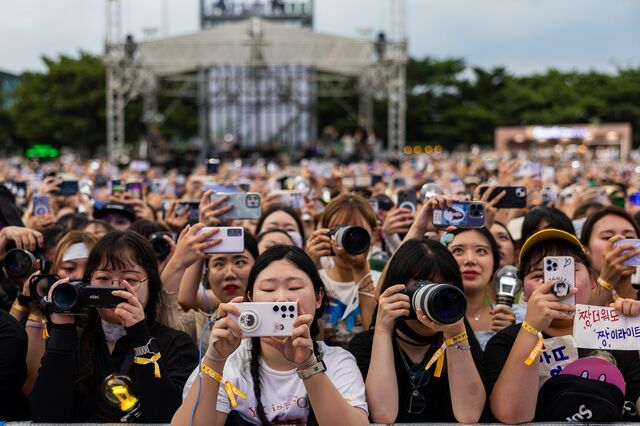
South Korea’s decades-long economic boom has lifted living standards to a point where the country outperforms many other wealthy nations in terms of education and health. High disposable incomes have underpinned its creative industries, and Korean culture, including hit Netflix shows such as Squid Game and K-Pop bands like BTS, has become a major export.
Dividing Lines
Disputed waters west of Korea are a potential conflict zone

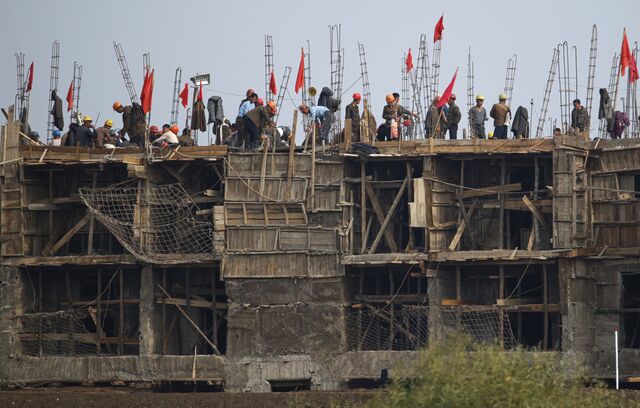
North Korea is one of the world’s poorest countries. South Korea’s central bank estimates that the North’s annual gross domestic product per capita is about $1,000, positioning it among the ranks of instability-wracked countries such as Sudan and Yemen. South Korea’s per capita GDP was $33,121 in 2023, according to the World Bank.
Because of frequent droughts, severe flooding and economic mismanagement, food scarcity is often a problem. A famine in the 1990s caused untold misery, with death estimates ranging from 240,000 to 3.5 million people. It only ended thanks in large part to Chinese aid.
The two countries are almost entirely cut off from one another, with no telephone, internet or postal links, no direct air or sea connections, and now no roads or railways either.
Are North Koreans able to move to South Korea?
North Koreans are rarely allowed to travel abroad. An unauthorized effort to leave the country can result in imprisonment or death. Dodging soldiers, razor-wire fencing and landmines in the DMZ is especially dangerous. Those who successfully defect usually cross the border with China instead, with some then making their way to a third country before seeking asylum in South Korea. China and North Korea have stepped up surveillance of their frontier in recent years and defections have declined sharply. From a record of almost 3,000 in 2009, the number fell to 196 in 2023, according to South Korean government data.
How different are the people of North and South Korea?
Because of poor diet and harsh living conditions, North Koreans on average are between 3 and 8 centimeters (1.1-3.1 inches) shorter than South Koreans. Refugees from the North often struggle to assimilate in South Korea and their children find it hard to adjust to its highly competitive school system. Some complain of a stigma associated with their origin and try to lose their northern accents. Navigating online bureaucracy and cashless payments add further challenges as North Koreans are often unfamiliar with digital technology and the South is one of the world’s most digitalized societies.
The Korean language has evolved differently in the two countries. The regime in the North has sought to purge foreign words, including some associated with western consumerism. South Koreans have embraced English vocabulary, incorporating a slew of borrowed and mashed-up “Konglish” phrases into the vernacular. These include words such as “wonpiesu” (from “one piece”) for the word “dress” and “apatu” for “apartment.”
Language in the North has been influenced by the harsh tone of much of the propaganda that pervades media there. The rough style of many North Korean greetings is sometimes misconstrued as rudeness by Southerners.
South Korea has mandatory military service for young men, meaning that almost all serve for a time in the armed forces to defend against a possible attack from the North. Military life is even more deeply embedded in northern society. The country has 1.28 million active military personnel — about 5% of the population.
How likely are the Koreas to reunify?
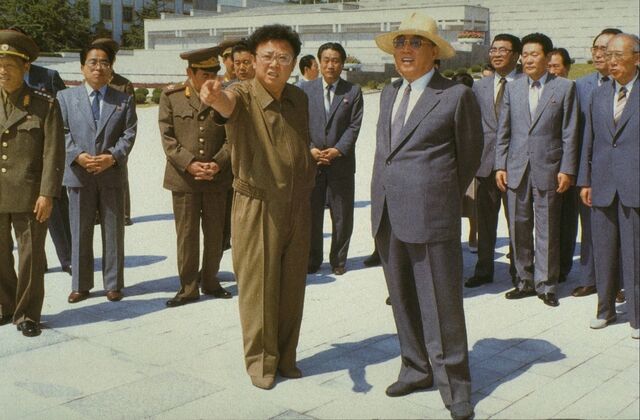
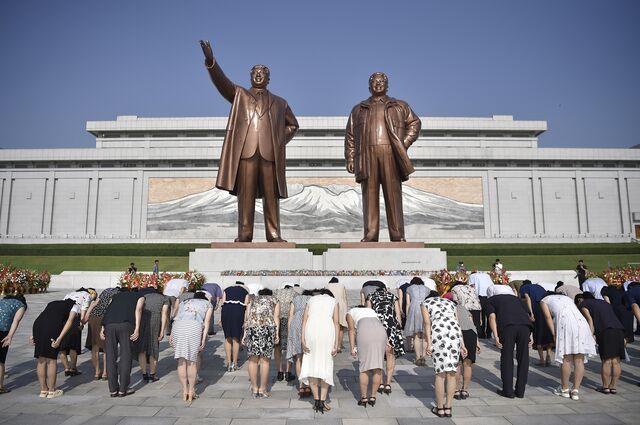
It’s hard to see that happening while the Kim dynasty remains in power. As leadership has passed from the founder Kim Il Sung to his son Kim Jong Il and now his grandson, Kim Jong Un, the family has built a vigorous personality cult. State propaganda asserts that their bloodline hails from Mount Paektu, which straddles the border between North Korea and China and is considered a sacred site by many Koreans.
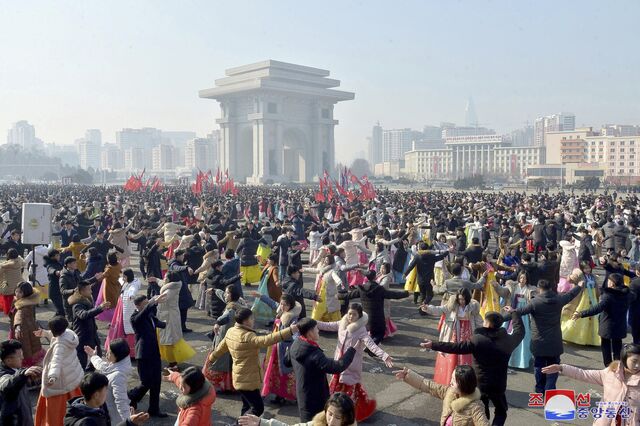
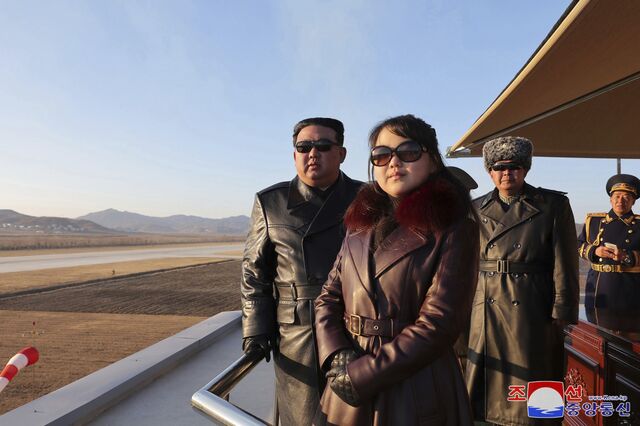
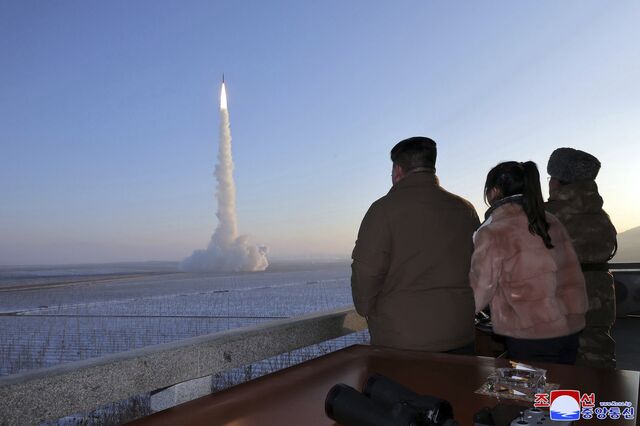
Kim’s rule is stable, and the fixtures of his regime are pervasive. State security stamps out dissent and the country’s propaganda machine relentlessly portrays Kim as the protector of the Korean people. Much of the country’s limited resources have gone to building its military, bolstering the narrative of a nation united against the constant threat of annihilation by the US and its allies. The current Kim has brought his preteen daughter, identified by South Korean intelligence as Kim Ju Ae, to missile tests and military parades, demonstrating that there’s another generation waiting in the wings that will be equipped for survival.
Reunification of the two Koreas would carry big opportunities but enormous risks.
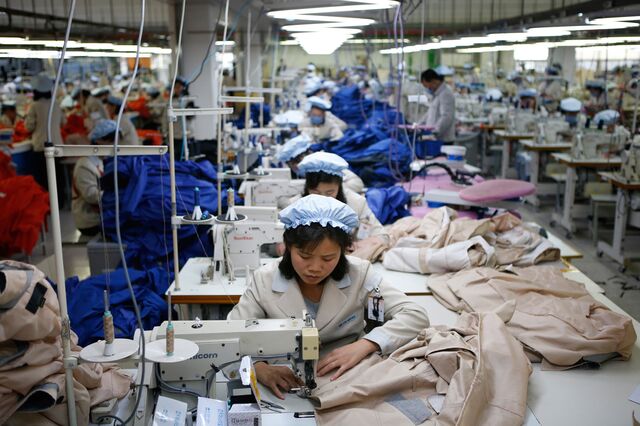
South Korean companies could benefit from low-cost workers and new commercial opportunities. But merging two countries with such divergent cultural outlooks and contrasting levels of economic development and education would be a vast enterprise. South Korea’s National Assembly Budget Office said in a 2015 report that spending of 4.8 quadrillion won ($3.45 trillion) would be required over half a century to raise the North’s per capita income level to 66% of the average in the South.
Who is Kim Jong Un?
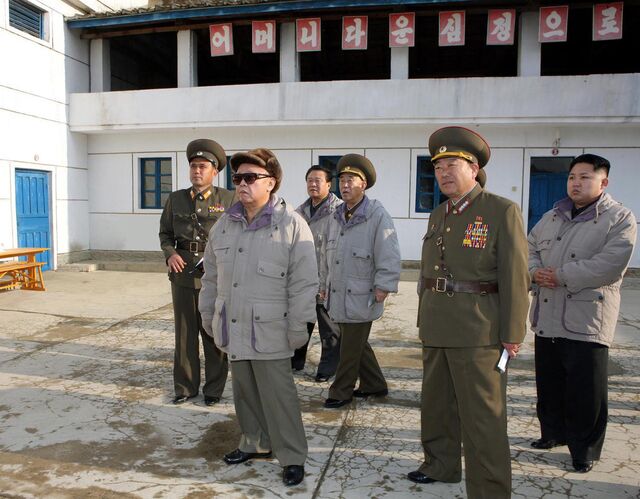
When he took power after his father’s death in 2011, foreign observers questioned whether a leader in his late 20s could rule a country where seniority was revered. He soon exerted authority over geriatric generals and eliminated potential rivals. He executed his uncle and one-time deputy, Jang Song Thaek, on charges of treason, corruption and factionalism. (Analysts said Jang was viewed as a threat to Kim’s power.) Kim was also suspected of having ordered the killing of his older half-brother, Kim Jong Nam. The exiled sibling, whose existence may have undermined the legitimacy of Kim’s rule, died after being exposed to the nerve agent VX at Kuala Lumpur International Airport.
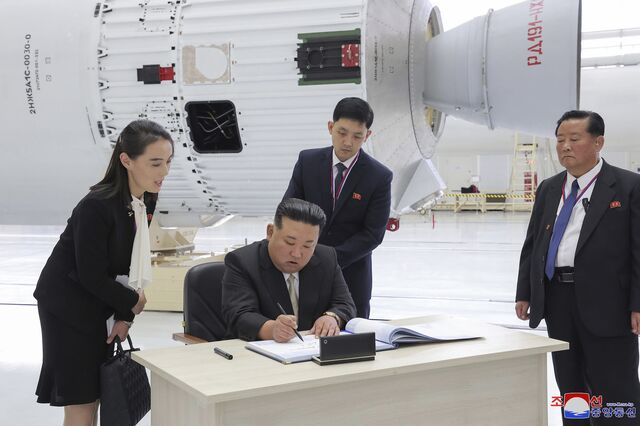
Kim’s remaining siblings include older brother Kim Jong Chol, who has no official title and seems to be more interested in playing guitar than politics, according to a book by a senior North Korean diplomat who defected. Kim’s younger sister Kim Yo Jong has been the point person for pressure campaigns on South Korea and the US. Her tasks include shaping propaganda, appearing at her brother’s side for high-level meetings, and picking up the cigarette butts he flings in the corridors of power.
Now in his 40s, Kim is overweight and a heavy smoker, and questions surround his health. South Korea’s spy agency assesses that he has three children, including perhaps a school-age son and the daughter, Ju Ae, who has been dubbed the “respected daughter” and “beloved child” by state media and is a potential future leadership candidate.
Do North Koreans approve of Kim’s leadership?
It’s difficult to know because citizens are compelled to show unwavering support for the regime, and unwelcome expressions of personal opinion can result in imprisonment. South Korea’s government has conducted extensive surveys of North Korean emigres. In a 2024 poll of more than 6,350 defectors, 44% said that when they lived in the North they did not want the Kims to remain in power, while 38% said they did. Younger North Korean defectors were more likely to have been exposed to outside influences and were more skeptical of the North Korean state’s messages, the survey showed. Among respondents age 50 and older, 47% had a favorable view of North Korea’s leadership.
How does Kim keep the North Korean people in line?
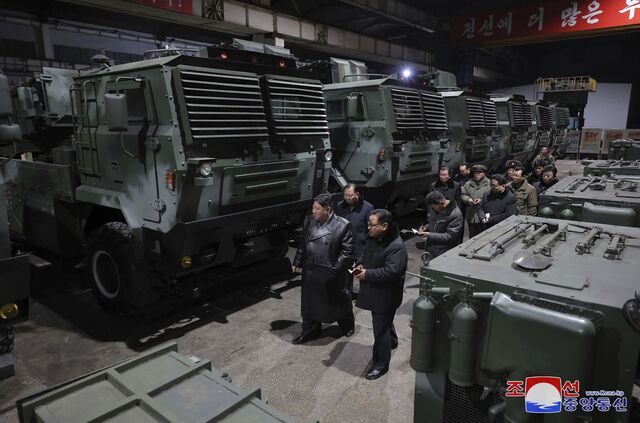
State media drills it into the people that they should fear the US and its “puppet traitors” in South Korea. The leader is presented as a father figure who deserves the love and respect due to a good parent. The message is inescapable, because all media are controlled by the state. TV and radio devotedly recount Kim’s visits to factories, farms and military bases, conveying the idea that he’s deeply concerned about the lives of workers, farmers and soldiers. Another theme: If citizens encounter problems, it’s always the fault of government officials who failed to faithfully follow Kim’s advice.
What is the likelihood of a coup?
A coup is a possibility given the concentration of power in a single leader with health issues, and the potential for North Korea's grinding poverty to produce political instability. North Korea watchers suggest that if it were to happen, it would be orchestrated by the military. Kim Jong Un cycled through top military officials and defense ministers in the first several years of his rule, “which points to fears of a coup or at least insubordination at crucial moments,” Peter Ward, a research fellow at the Sejong Institute think tank, wrote in NK News, a Seoul-based news site focused on North Korean affairs.
However, an overthrow is not seen as likely. The government has cut the population off from the outside world, listens in on people’s communications, has citizens keep tabs on each other, and punishes anyone who gets out of line by sending them to prison. North Korea employs a system known as “three generations of punishment,” in which the parents and children of political prisoners can also be jailed for their transgressions, according to the US State Department. Milder punishments include banishment from the capital, Pyongyang, which can end a person’s career and deny their children any chance of advancement.
Recently, Kim’s regime has received a boost from aid, including food and fuel, sent by Moscow in exchange for military supplies useful in Russia's war in Ukraine. The deliveries have helped to stabilize prices in North Korea and expand the economy, according to South Korean officials.
What is the North Korean nuclear threat?
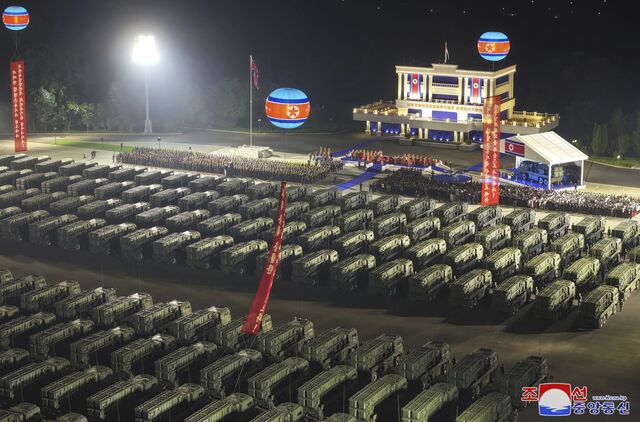
Kim has focused much of his energies on turning North Korea into a country that can credibly deliver a nuclear attack on the US mainland. He has expanded its arsenal of atomic warheads and modernized the missiles that would carry them, relying on domestic technology that can be manufactured despite sanctions. The buildup has led to speculation as to his intentions. Some experts see it as a form of insurance policy, showing the US it would pay a high price if it tried to oust Kim. Success in nuclear weapons may also help to divert attention at home from Kim’s failures in other areas.
Have North Korea and South Korea attacked each other since the war?
There have been no cases where exchanges of live fire went on for days and resulted in mass casualties. But there have been deadly and isolated altercations, almost always initiated by North Korea. One flashpoint is the Yellow Sea border islands that are part of South Korea but located in waters claimed by the North. In 2010, some two years before Kim Jong Un took power, Yeonpyeong Island was the scene of a deadly artillery bombardment that killed two South Korean soldiers and two civilians. About six months earlier, South Korea accused North Korea of torpedoing its warship Cheonan near the island, killing 46 sailors — an allegation the North denied.
Do South Koreans want reunification?
It depends on whom you ask. Younger South Koreans are generally more comfortable with the idea of North Korea as a foreign country. Fewer than half of millennials in the South think unification is necessary, compared with nearly three-quarters of people born before 1950, according to a 2024 survey from the Korea Institute for National Unification.