These Are the World’s Richest Families
A pandemic hasn’t stopped many of the planet’s wealthiest dynasties from adding to their fortunes
For once the seats were empty in the Bud Walton Arena, home to basketball’s Arkansas Razorbacks and, each summer, host to fathomless wealth.
Covid-19 had come to Walmart Inc. country, canceling the retailer’s “Associate Celebration.” Gone were the thousands of employees, the cameos by Katy Perry or Tom Cruise and the traditional appearance by the heirs of Sam Walton, the world’s richest family.
But even a pandemic hasn’t stopped the relentless growth of their fortune. The Waltons are richer than ever, adding $25 billion in the past year to take their combined fortune to an estimated $215 billion. Years of investment in Walmart’s supply chain and e-commerce capabilities saw a surge in first-quarter sales despite widespread carnage in the U.S. retail sector.

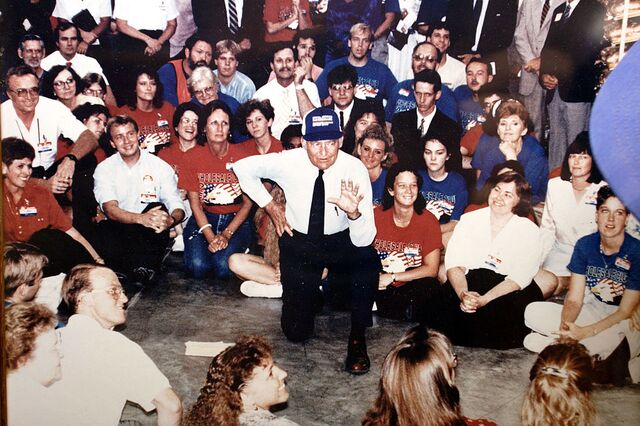
With that much money, you could pile $1 million onto each of the 19,368 seats in the Walton arena and still have enough left to give Walmart’s 2.2 million associates about $90,000 each. The family’s unprecedented fortune is almost $100 billion more than the Mars candy clan in second place.
Kiki McLean, a spokeswoman for the Waltons, declined to comment.
The Ozark clan aren't the only ones to have prospered this year even as the overall net worth of the planet's richest 25 dynasties held steady at $1.4 trillion.
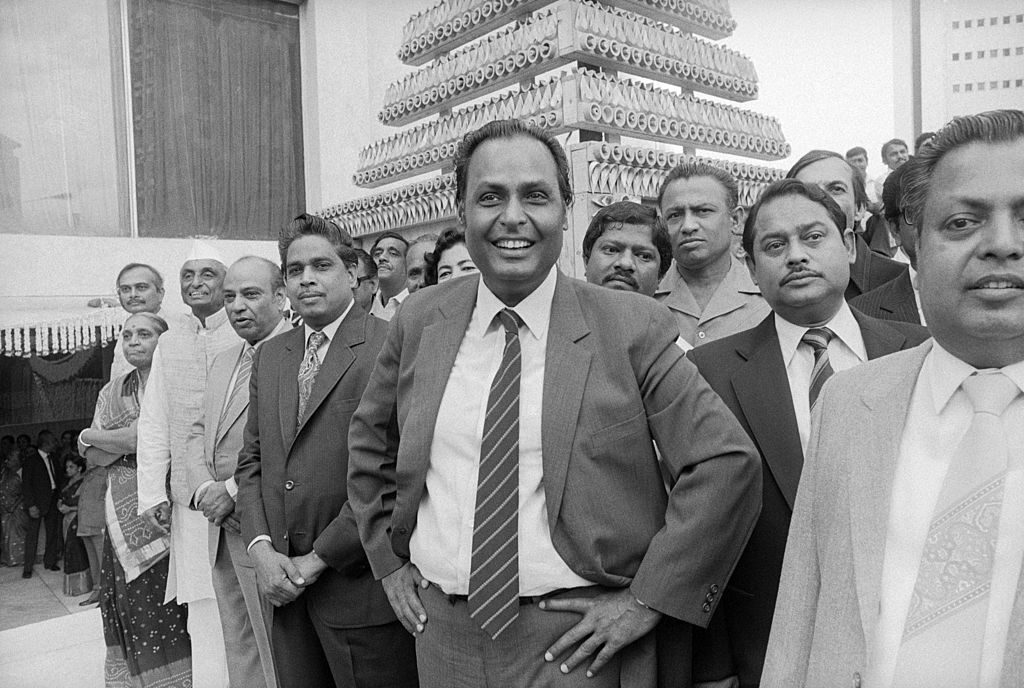
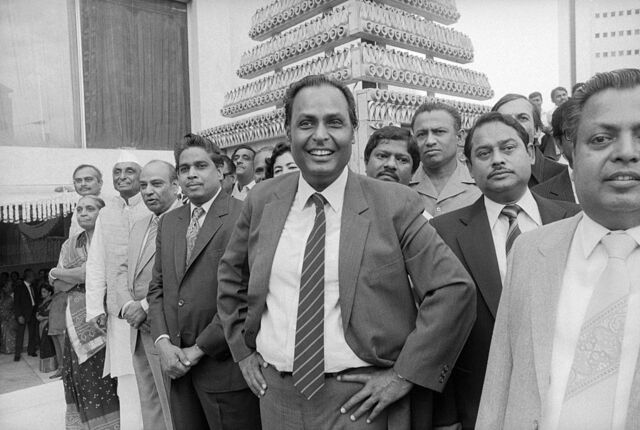
India’s Mukesh Ambani has pulled in more than $20 billion of investment for his digital platforms since April, boosting Asia’s biggest fortune by 61% in the past year even as brother Anil struggled. Switzerland’s Oeri-Hoffmann dynasty added 24% to its net worth with Roche Holding AG shares boosted by sales of Covid-19 tests. Fidelity’s Johnson family rose $9 billion this year to $46 billion.
The concentration of gains mirrors Bloomberg’s ranking of individual billionaires, where Jeff Bezos is similarly pulling away from the rest. Bezos, who would rank second if featured, doesn’t qualify for the family list as his wealth is first generation (see methodology).
These outsized fortunes have sharpened calls for wealth taxes at a time when a pandemic and the Black Lives Matter protests have highlighted runaway inequality. Politicians on the left including Alexandria Ocasio-Cortez and Bernie Sanders have delivered blistering attacks on widening inequality and the growing wealth of billionaires. Former Vice President Joe Biden, the presumptive Democratic nominee, hasn’t embraced a wealth tax, but he’s campaigning on higher rates on the rich and corporations, as well as the closing of estate-tax loopholes.
Even this year’s fallers, including the Kochs who were hit by the oil price crash, and the Kwoks, whose property empire is reeling from the Hong Kong protests, will endure.
“One of the powerful things about intergenerational wealth is they have very long-term time horizons,” said Karen Harding, who heads up the private-wealth group at Boston-based NEPC, which advises ultra-high-net-worth families. “Most family offices are in a position to accept markets go up and markets go down.”
That’s partly testament to long-standing advantages vast wealth affords. Bolstered by years of strategic diversification and family offices that can rival investment banks in their scope and sophistication, the 0.001% can weather economic and social turmoil.
“Of course there was concern when the market sold off,” Harding said. “But quite frankly a lot of families viewed it as an opportunity.”
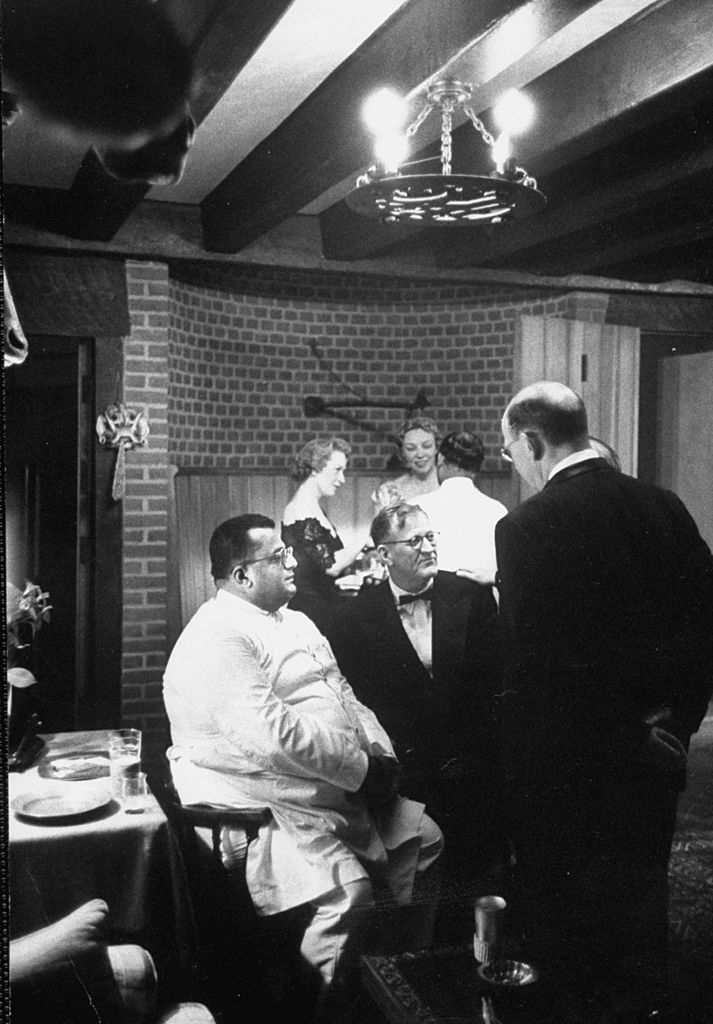
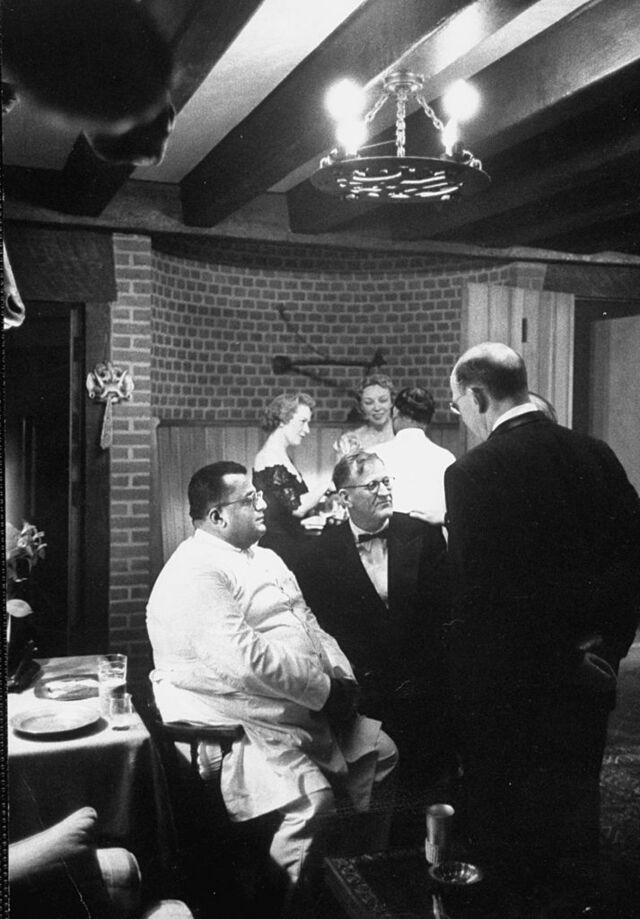
For one, it made some investments far cheaper. Valuations had become so high that putting capital to work was often prohibitively expensive. Some families were able to act before the markets rebounded. The Kochs may have shed $15 billion this year, but still made a $200 million bet on rental homes in May.
The selloff also created opportunities for succession planning by enabling assets to be transferred to the next generation at depressed valuations.
These considerations are impossibly distant for most in a year when U.S. unemployment is spiking and the federal government resorted to mailing its citizens checks. But the Waltons’ record pile is a telling illustration of the long-lasting impact of that kind of forward planning.
In 1953, almost a decade before he opened the first Walmart, Sam Walton put his assets into a partnership and gave a 20% stake to each of his four children, leaving the remainder for himself and his wife.
“The best way to reduce paying estate taxes is to give your assets away before they appreciate,” he explained in his autobiography.
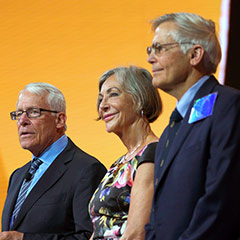 Walmart is the world's largest retailer by revenue, with sales of $524 billion from more than 11,000 stores worldwide. The Walton family owns about half the retailer, a stake that’s the foundation of the world's biggest fortune.
Walton fortune grew by $3 million per hour over the past year on average.
 Frank Mars learned to hand-dip chocolates as a schoolboy. The business he went on to establish is best known for M&Ms and Milky Way and Mars bars, though pet-care products make up about half of the company's more than $38 billion in revenue. The closely held business is owned by members of the Mars family.
The company's Uncle Ben's products are to be rebranded in the wake of Black Lives Matter protests.
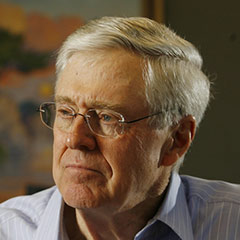 Brothers Frederick, Charles, David and William inherited father Fred’s oil firm. A fraternal feud over control of the company in the early 1980s led Frederick and William to leave the family business while Charles and David stayed. It has since grown into Koch Industries, a conglomerate with annual revenue of about $115 billion. The family manage a portion of their wealth through family office 1888 Management.
Family's political network is planning to engage in nearly 200 federal and state races in 2020.
 The 88-year-old monarchy after which Saudi Arabia is named can credit the nation's unrivaled oil reserves for seeding its collective fortune. This net worth estimate is based on cumulative payouts royal family members are calculated to have received over the past 50 years from the Royal Diwan, the executive office of the king. The total wealth controlled by its estimated 15,000 extended members is likely much higher. Many royals have made money through brokering government contracts and land deals and by founding businesses that service state companies, such as Saudi Aramco. Crown Prince Mohammed bin Salman, son of Saudi's seventh monarch, King Salman, personally controls assets worth more than $1 billion.
Crown Prince Mohammed bin Salman reportedly keeps the world’s most expensive artwork, Leonardo da Vinci’s Salvator Mundi, aboard his superyacht.
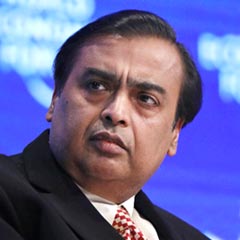 Dhirubhai Ambani, the father of Mukesh and Anil, started building the precursor to Reliance Industries in 1957. When Dhirubhai died in 2002 without leaving a will, his widow brokered a settlement between her sons over control of the family fortune. Mukesh is now at the helm of the Mumbai-based conglomerate, which owns the world's largest oil refining complex. He lives in a 27-story mansion that’s been called the world’s most expensive private residence.
Beyonce and Coldplay's Chris Martin were among the performers at Ambani weddings.
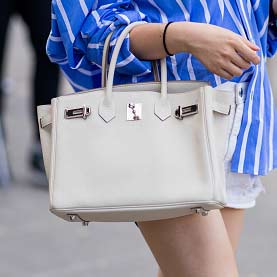 Jean-Louis Dumas, who died in 2010, is credited with turning Hermes into a global giant in luxury fashion. Among the family members who maintain senior positions at the company are Pierre-Alexis Dumas, the artistic director, and Axel Dumas, the company chairman.
A Hermes store in China recorded more than $2.5 million in sales on the day it reopened after being shuttered during a coronavirus outbreak.
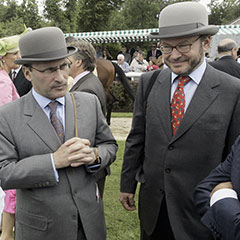 Brothers Alain and Gerard Wertheimer are reaping the benefits of their grandfather's funding of designer Coco Chanel in 1920s Paris. Their family own the closely held fashion house, which introduced the "little black dress" to the world and had revenue of $12 billion in 2019. The Wertheimers also own racehorses and vineyards.
The Wertheimers' family office invested in a company that seeks to produce edible protein using a microbe discovered in Yellowstone's geothermal springs.
 The Boston mutual-fund empire was founded by Edward C. Johnson II in Boston in 1946. It is now run by his granddaughter, Abigail. While the closely held firm has thrived, it’s also been under pressure to slash fees and commissions as investors increasingly abandon actively managed strategies for low-cost index funds and ETFs.
Family-owned Seaport Hotel in Boston furloughed 400 workers in March and offered free rooms to medical workers.
 The German drugmaker Boehringer Ingelheim was founded in 1885 by Albert Boehringer; more than 130 years later, the Boehringer family, encompassing the von Baumbachs, is still in charge. Chairman Hubertus von Baumbach and his extended family are owners of the closely held company.
Boehringer is screening more than a million compounds to identify potential molecules that could fight the virus.
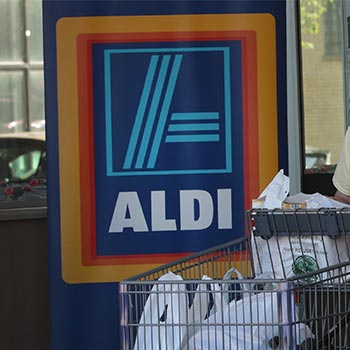 Brothers Theo and Karl Albrecht took over their parents’ grocery store after returning home from World War II and turned it into Aldi, a national chain of discount supermarkets. The brothers divided the business in the 1960s. The two branches – Aldi Nord and Aldi Sued – now have more than 10,000 stores combined. Theo’s side of the family also owns Trader Joe’s, which it bought in 1979.
Co-founder Theo Albrecht Sr. was once kidnapped and hidden in a wardrobe for 17 days.
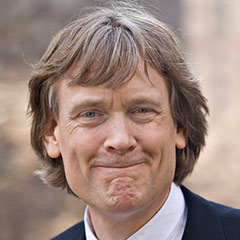 The wealth of Canada’s richest family originated in the early 1930s when Roy Thomson opened an Ontario radio station. He branched out into newspapers and became the country’s leading owner. The family holds a 66% stake in financial data and services provider Thomson Reuters through investment firm Woodbridge.
Thomson Reuters expects the sale of its Refinitiv data arm to close by the end of 2020.
 Drug maker Roche Holding was founded by entrepreneur Fritz Hoffmann-La Roche in 1896. His descendants now control a 9% stake in the company, whose blockbuster oncology drugs helped the group generate $62 billion in 2019 revenue. Family members have been prominent supporters of nature conservation.
Heiress Beatrice Oeri manages a jazz club in Basel.
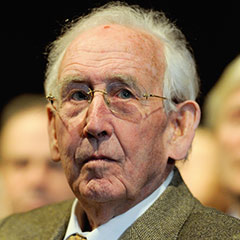 The Mulliez family had already built a retail empire by the time Gerard Mulliez started Auchan, known as France’s Walmart, in 1961. Auchan has grown into one of Europe’s biggest supermarket chains. The family holding company, Association Familiale Mulliez, controls a diverse group of retail businesses, including home-improvement chain Leroy Merlin.
Mulliez heirs now number in the hundreds.
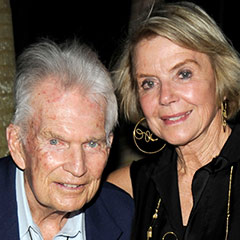 Members of this family are majority owners of Cargill Inc. that had revenue of $115 billion in the year to May 2020. It was founded by William W. Cargill, who started the commodities business with one grain storage warehouse in Conover, Iowa, in 1865. His descendants maintain control of the food, agriculture and industrial giant.
Cargill paid $1.1 billion of dividends to stockholders in the year to May 2020.
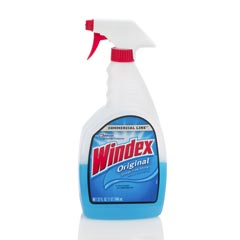 Five generations of the Johnson family have built SC Johnson into a household-goods maker. Samuel C. Johnson began selling parquet flooring in 1882, the business that became the foundation for SC Johnson. H. Fisk Johnson is the company’s chairman and chief executive. Its brands include Mr. Muscle, Raid and Windex.
SC Johnson converted a product testing line at a Wisconsin factory to produce hand sanitizer for health workers and employees.
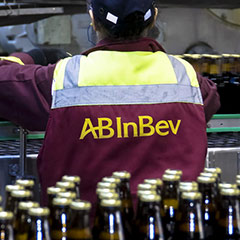 The collective enterprise of these three Belgian beermaking families has roots in the 14th century. The Van Damme family joined the others when the 1987 merger between Piedboeuf and Artois led to the creation of Interbrew, which merged with Brazil’s AmBev in 2004.
Net worth has dropped by $16 billion in the past year, the most of any clan on the ranking.
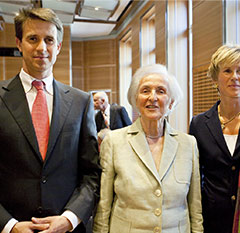 Herbert Quandt helped turn Bayerische Motoren Werke from a struggling carmaker into one of the world's largest manufacturers of luxury vehicles. Family matriarch Johanna Quandt died in 2015 and her children, Stefan Quandt and Susanne Klatten, own nearly half the company.
Sales of both BMW-brand cars and other group marques like the Mini and Rolls Royce fell by about a fifth in the first quarter.
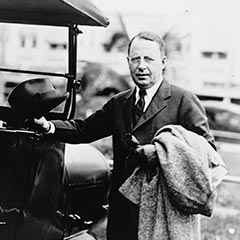 The Cox family controls Cox Enterprises, a conglomerate with about $21 billion in revenue. Its Cox Communications division is the third-largest cable company in the U.S. James M. Cox founded the company in 1898. His descendants, including James C. Kennedy and Blair Parry-Okeden, remain shareholders.
Brands of Cox Enterprises include Autotrader and Kelley Blue Book.
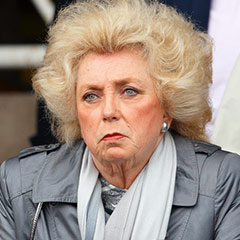 The family’s wealth originated with the drink cartons pioneered by Ruben Rausing in Sweden in the 1950s. Descendants of Ruben’s son, Gad, control closely held Tetra Laval, one of the world’s biggest packaging companies. Another son of Ruben's, Hans, sold his stake in the business to Gad in 1995 and later invested in eco-friendly packaging and equities through London-based Alta Advisers.
Hans Rausing raised one of Europe's largest herds of deer at his English estate.
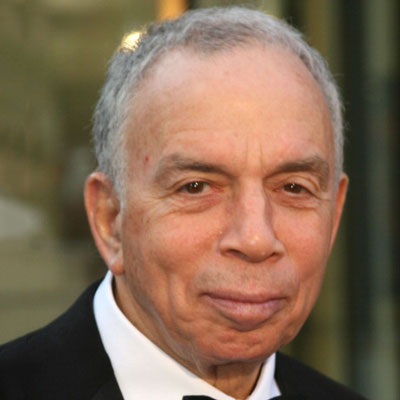 S.I. Newhouse founded Advance in 1922. He built up a portfolio of newspapers, magazines, cable television and radio stations that sons Samuel and Donald eventually ran. In recent years the group has sought to diversify, and purchases have included the Ironman race series.
Advance Publications is the majority shareholder of website Reddit, which styles itself as the front page of the internet.
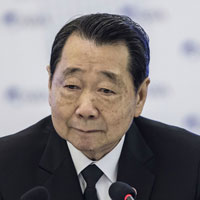 Chia Ek Chor fled his typhoon-ravaged village in southern China and started a new life in Thailand, selling vegetable seeds with his brother in 1921. Almost a century later, Chia’s son Dhanin Chearavanont is senior chairman of Charoen Pokphand Group, a conglomerate with food, retail and telecom units.
An arm of the family’s conglomerate is considering setting up a shrimp farm in the U.S.
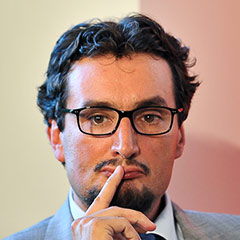 Michele Ferrero built a global chocolate confectionery company from a single store in the small Italian town of Alba. His son Giovanni took sole helm of the family business after his brother Pietro died in a cycling accident in 2011. Ferrero acquired Nestle's U.S. candy business for $2.8 billion in 2018.
Giovanni Ferrero is also a novelist, writing “Il Cacciatore di Luce” (The Light Hunter), which was published in 2016.
 Kwok Tak-seng listed Sun Hung Kai Properties in 1972. The company has since become one of Hong Kong’s largest property developers and the basis of the Kwok family fortune. His sons, Walter, Thomas and Raymond, assumed control when he died in 1990.
Sun Hung Kai Properties paid a record $5 billion for land that sits atop a new cross-border railway station in Hong Kong.
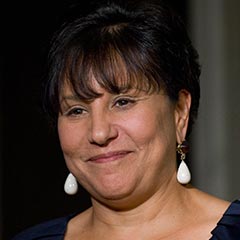 The son of a Ukrainian immigrant, A.N. Pritzker began investing in real estate and troubled companies while working for his father’s law firm. The investments seeded the fortune of one of America’s oldest dynasties, whose assets include Hyatt Hotels. The family are prominent Democrats, with Penny Pritzker serving as U.S. commerce secretary under President Barack Obama.
Occupancy rates were about 15% at Hyatt hotels that remained open through the first quarter.
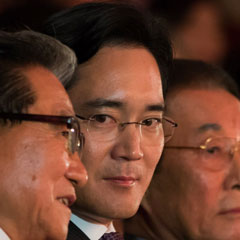 Lee Byung-chull started Samsung as a trading company exporting fruit, vegetables and fish in 1938. He got into the electronics business by setting up Samsung Electronics in 1969, which has become the world's largest maker of memory chips and smartphones. After his death in 1987, his third son, Lee Kun-hee, took over the business. He had a heart attack in 2014 and his son, Jay Y. Lee, has since been leading Samsung.
Jay Y. Lee promised not to hand down leadership to his children after a succession scandal.
Methodology
Net worth figures are as of July 24, 2020. The ranking excludes first-generation fortunes and those fortunes controlled by a single heir. Clans whose source of wealth is too diffuse or opaque to be valued are also excluded.