What Comes After a Food Revolution?
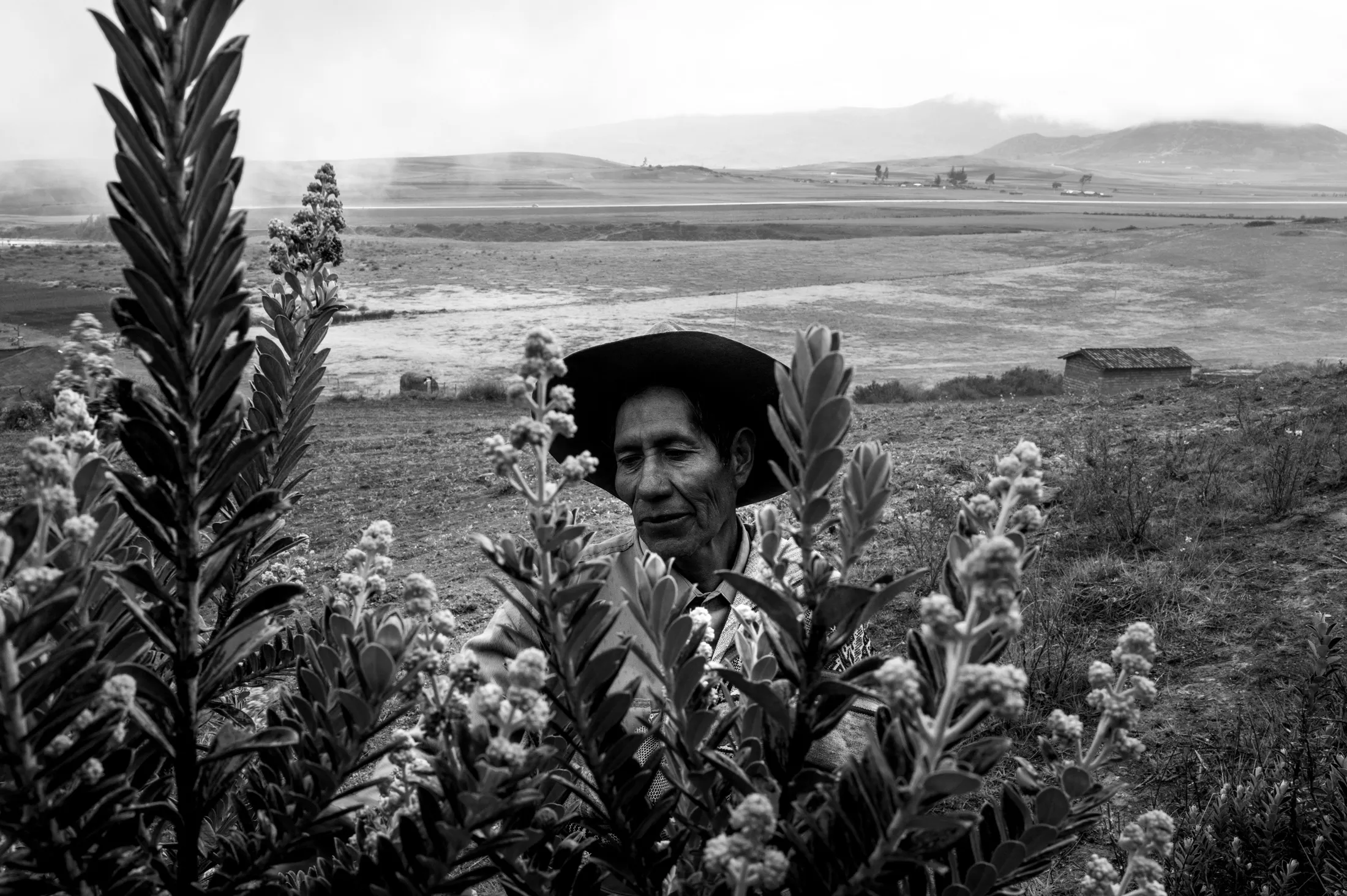
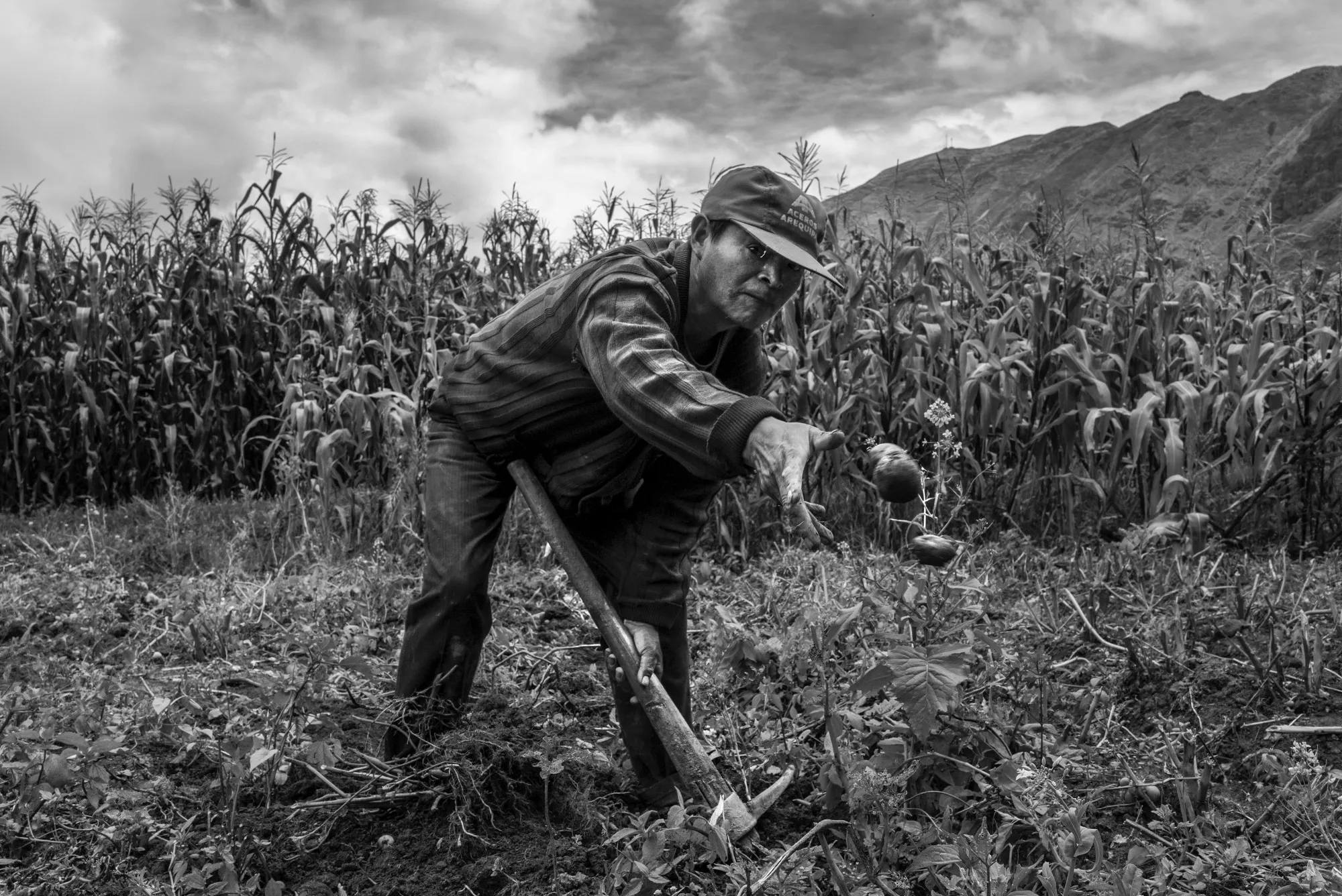
Manuel Choqque glides through rows of potato blossoms, plucking and tossing purple petals into the air like confetti — just as four generations of his family did before him.
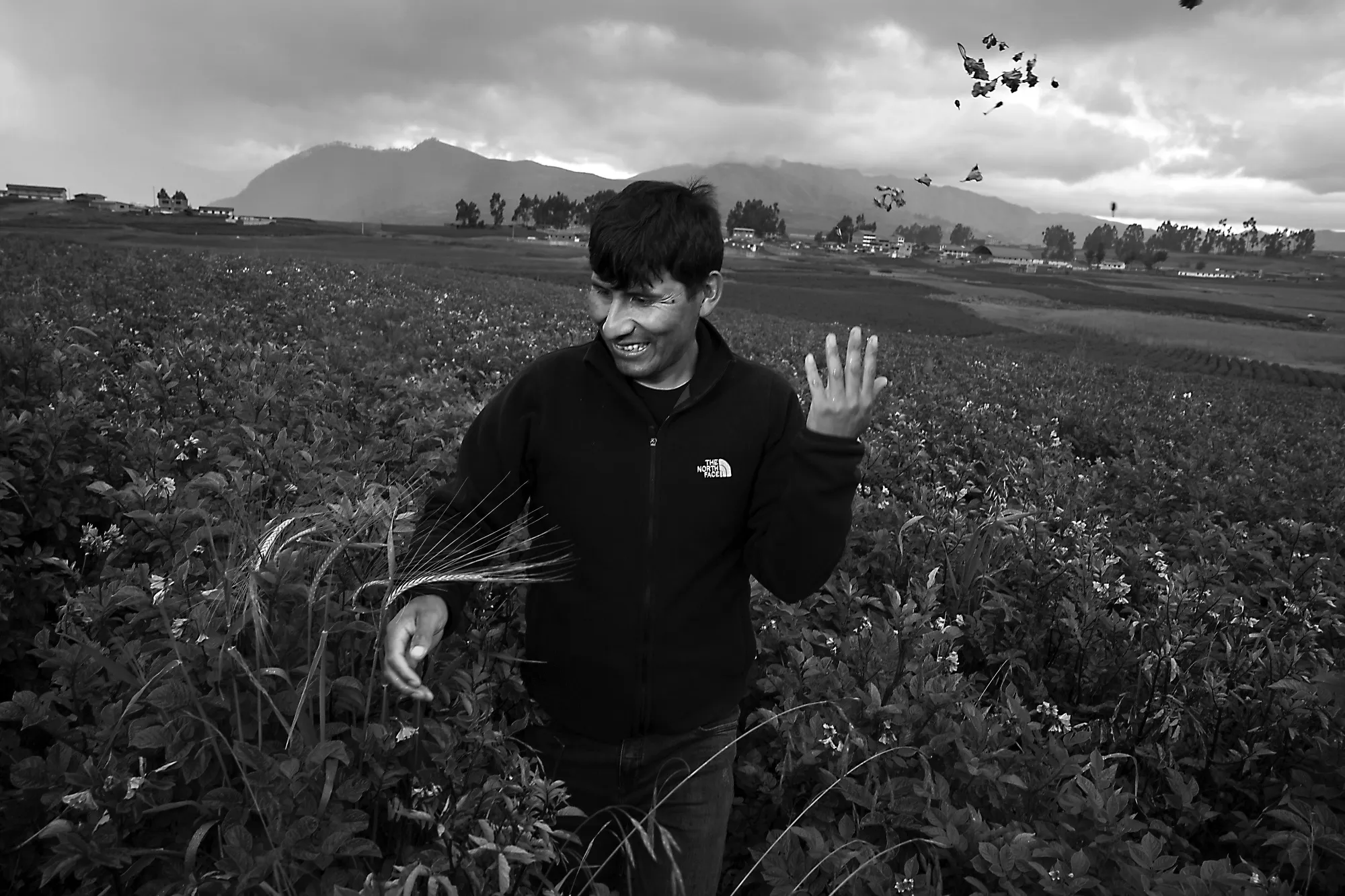
“We didn’t understand why,” he said, his hands dusted with pollen. “We just did it.”
As a child in Peru’s idyllic Sacred Valley, he and his eight siblings followed the ritual without question. It wasn’t until years later while studying agricultural engineering that Choqque learned removing the flowers encourages the plant to focus on tuber growth. He went on to cross-pollinate by hand, developing vivid, antioxidant-rich “super” potatoes that would reach some of Peru’s most celebrated restaurants, including Central, named the world’s best in 2023.
Choqque represents a new generation that came of age in tandem with the country’s culinary rise, determined to honor traditions and the communities that sustain them, while reshaping what comes next.
For Peruvians, food transcends national identity. It’s an economic engine. Rooted in ingredients endemic to the Pacific coast, the Andes and the Amazon, and influenced by Asian and European migration, the cuisine has earned global acclaim. Mitsuharu Tsumura’s Maido topped The World’s 50 Best Restaurants ranking last year and three others in the capital Lima made the list.
Gastronomy represented more than a fifth of Peru’s tourism gross domestic product in 2024, according to the Ministry of Foreign Trade and Tourism’s latest annual data.

To keep the food scene buzzing, more needs to be done. Farming, fishing and foraging that provide chefs with distinctive ingredients are growing less reliable as the climate changes and young Peruvians turn to more lucrative pursuits. Traditional knowledge risks fading. Precarious roads and red tape complicate supply chains, all within a society scarred by deadly civil strife.
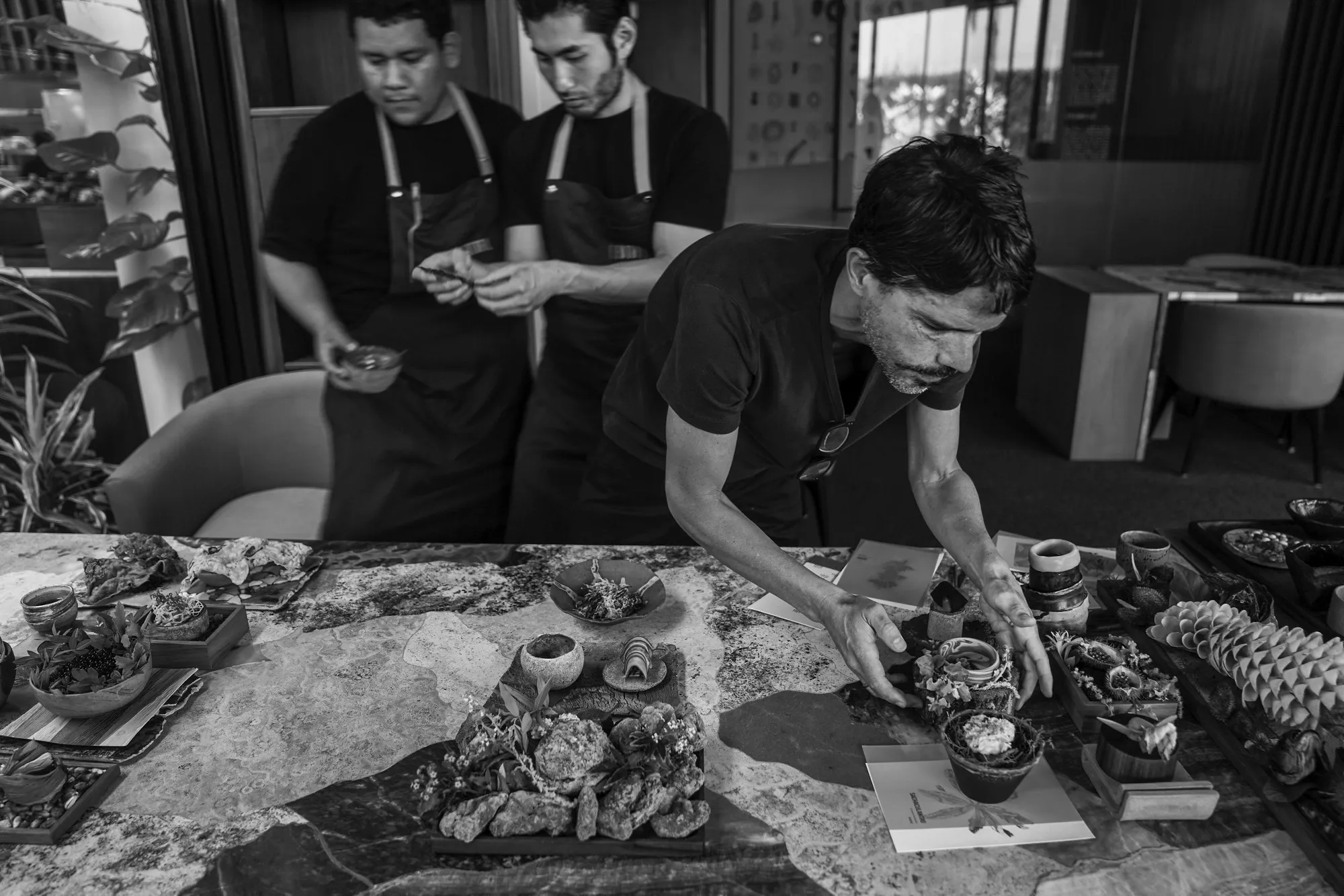
“We’re living a great gastronomic moment. And it’s precisely now that we have to look more closely at the past and heal wounds,” says Central’s chef and owner Virgilio Martínez.
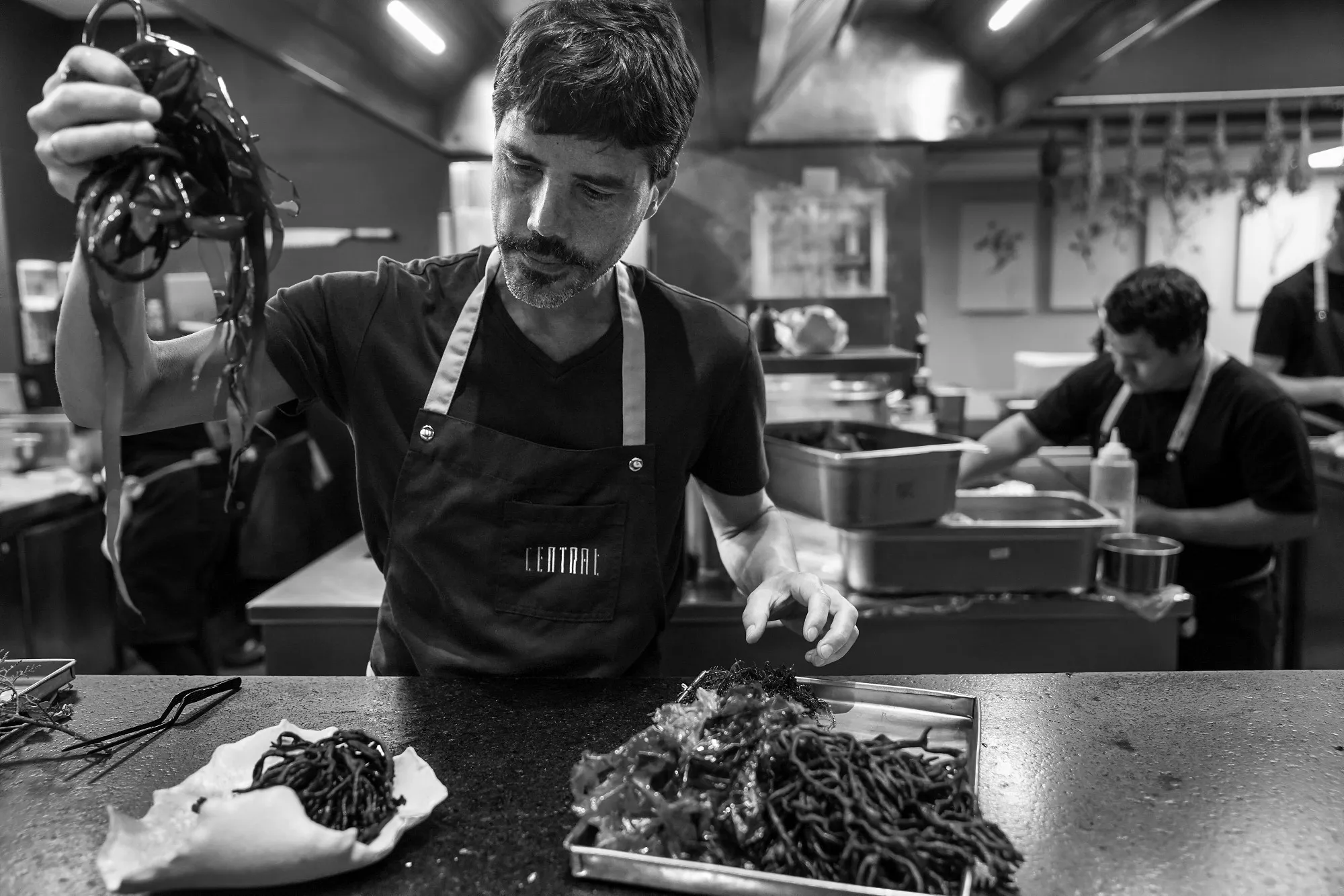
Peru’s structural problems, he says, remain enormous: weak institutions, limited regional government support and infrastructure lags. “We also live with a contradiction, representing fine dining in a country that suffers from hunger,” he says.
In contrast to other places, the Peruvian chef is expected to have a social impact beyond the restaurant, says Belinda Zakrzewska, an assistant professor at Birmingham Business School.
She invokes renowned chef Gastón Acurio, widely credited with putting Peru’s cuisine on the map. His culinary Ten Commandments calls on Peruvian chefs to recognize and improve the lives of producers, and to defend tradition with the same passion devoted to innovation.
“We’re not just rockstars in the kitchen. There’s also a value chain behind it that has to be respected, because you start to understand and realize that without them, your cuisine wouldn’t exist,” says Mayra Flores, co-owner of Shizen Restaurante Nikkei in Lima.
Cultivating Trust
Once or twice a week, Hilda Tejada climbs an Apu, or sacred mountain, 15,420 feet above sea level in Cusco’s Sacred Valley to forage for medicinal herbs she later sells at a farmers’ market.
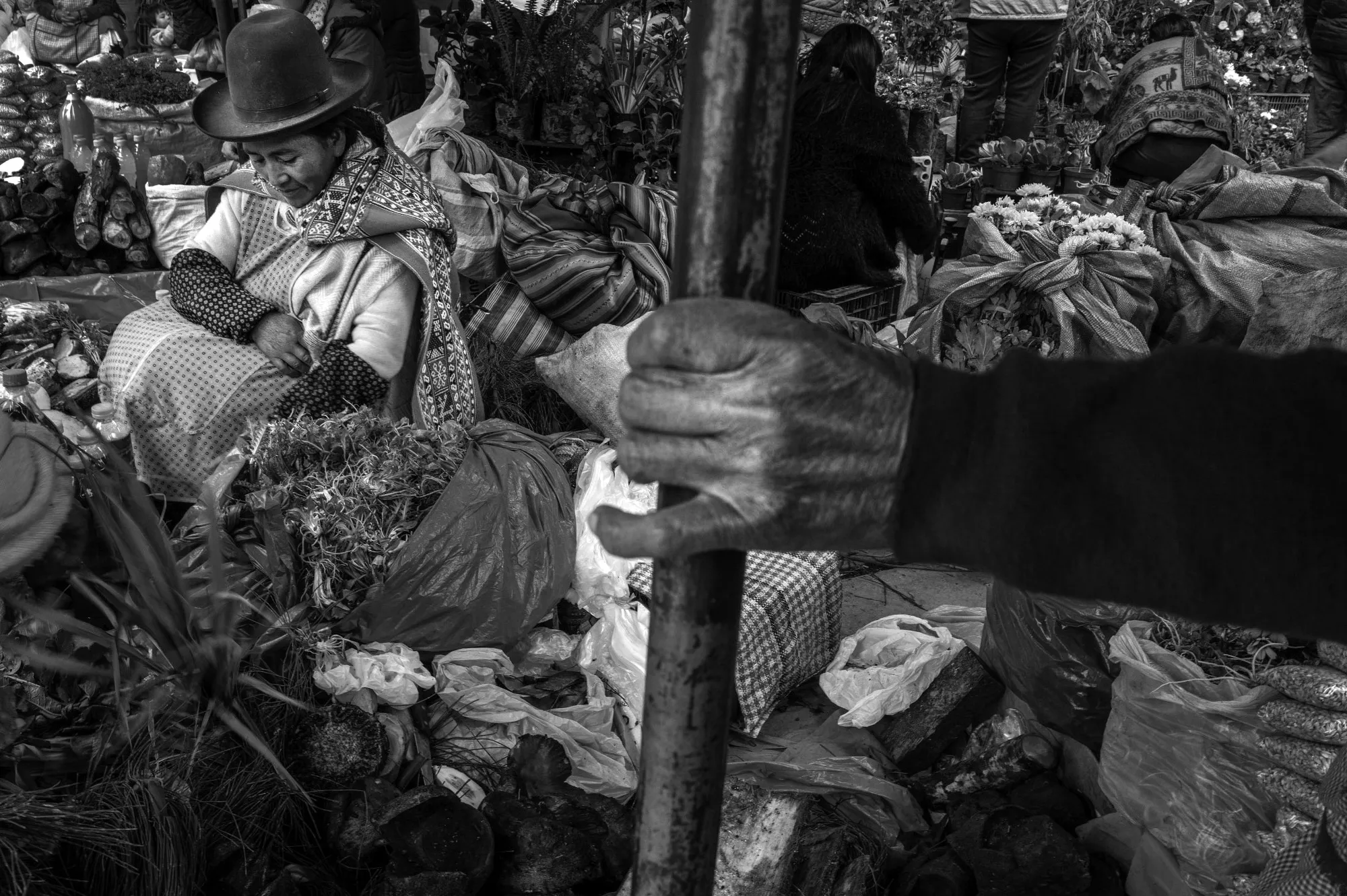
Part of the Huama community in Lamay, Tejada moves across windy, fog-shrouded slopes, driving an ax deep into the rich soil. She’s guided by knowledge inherited through generations: valerian for the anxious heart, kunuca for headaches.
Tejada sells each small bag of herbs for two soles, roughly 60 cents. After paying for transportation and lunch, little is left over.
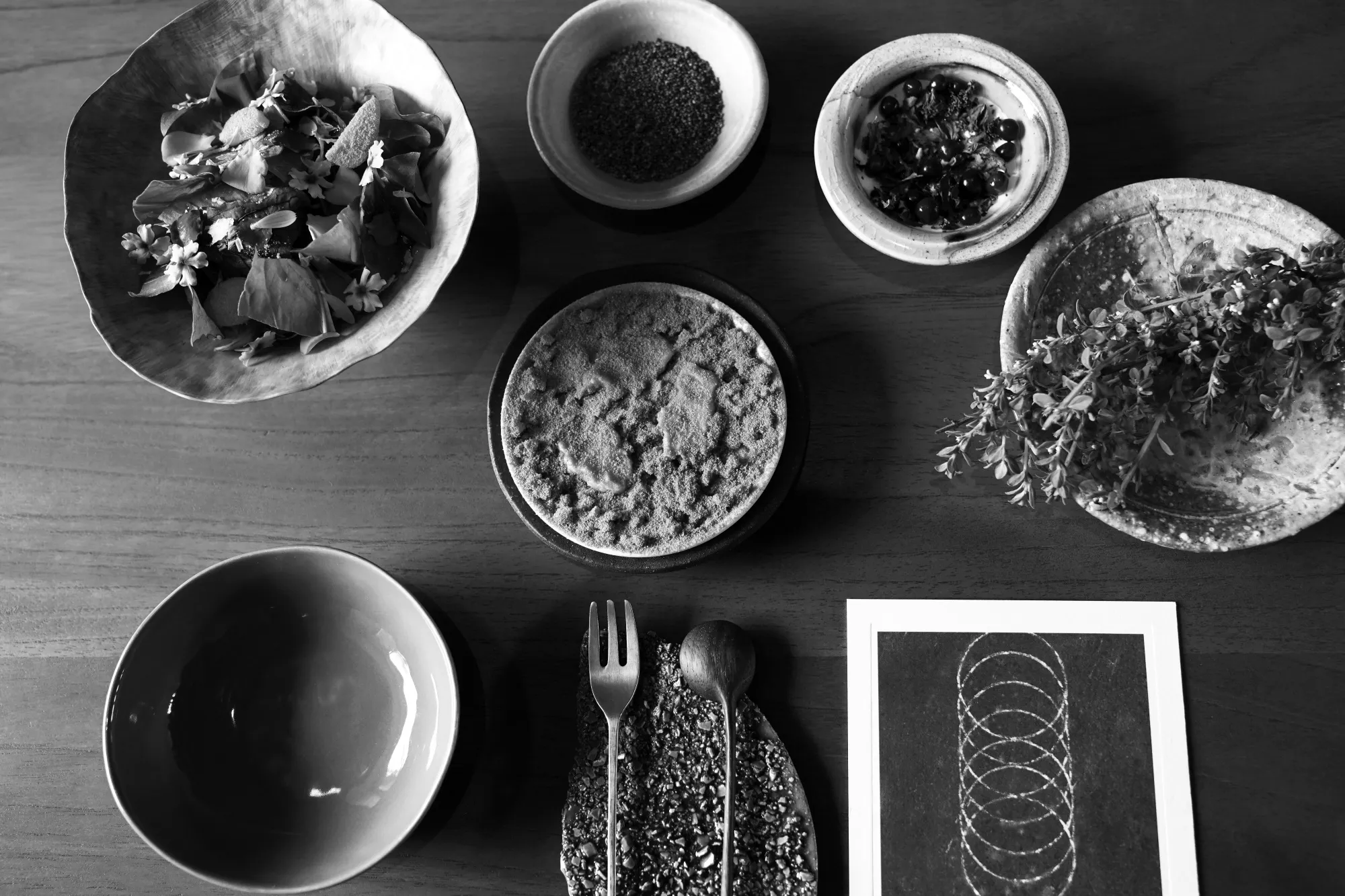
Miles away, perched beside Inca-era terraces, kunuca appears in an eight-course tasting menu at MIL, a remote restaurant run by Martínez. The herb is infused into oil, spooned over coca cream and topped with cushuro, an Andean algae. The starting price for the tasting menu is $360 per person.
Tejada says she rarely thinks about where her herbs end up. What matters, she explains, is that the healing tradition endures.
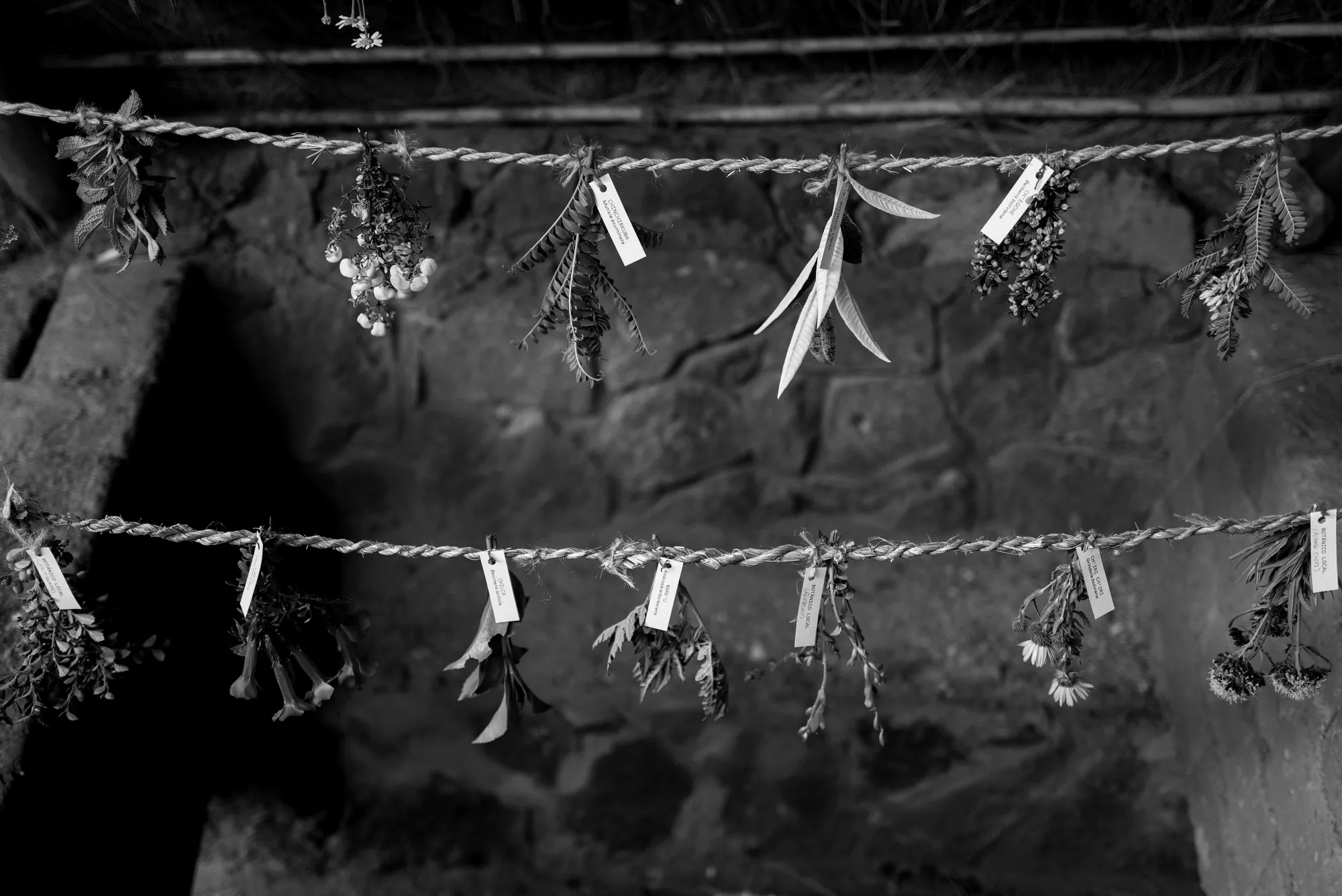
Manuel Contreras, who once worked at MIL’s bar and now makes spirits from botanicals — including some gathered by Tejada — says it took time to earn her trust. During the pandemic, he spent months with her family, foraging at her side. Reserved at first, she warmed as he continued to show up.
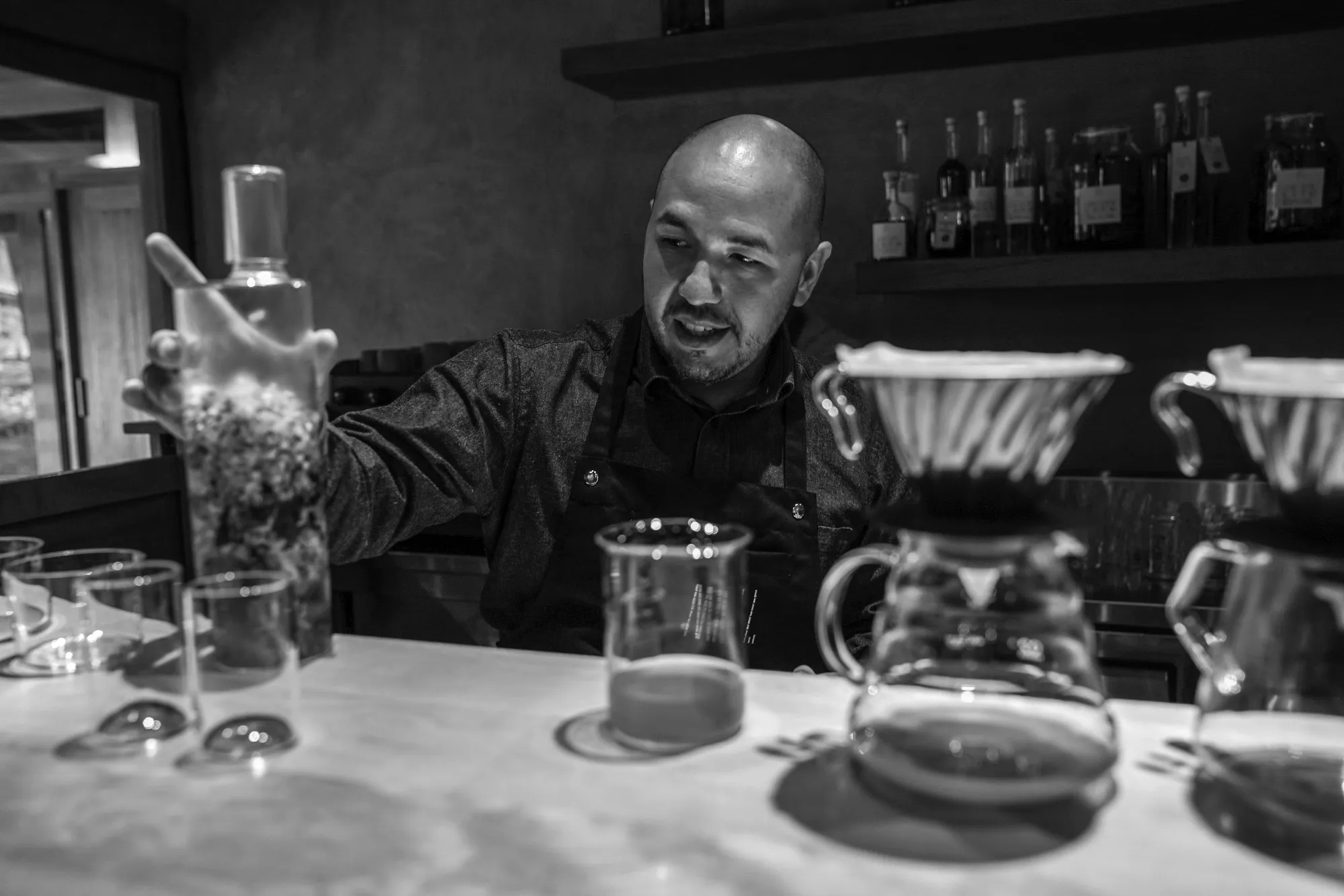
Gaining this kind of access is complex in communities prone to suspicion after waves of violence and displacement. The country’s culinary ascent unfolded against the backdrop of centuries-old ruptures dating to the Spanish conquest that dismantled Inca systems. In the 1980s and 1990s, Maoist insurgents planted car bombs and massacred tens of thousands of civilians.
The “gastronomic revolution” became central to Peru’s symbolic reconstruction, says cultural anthropologist María Elena García.
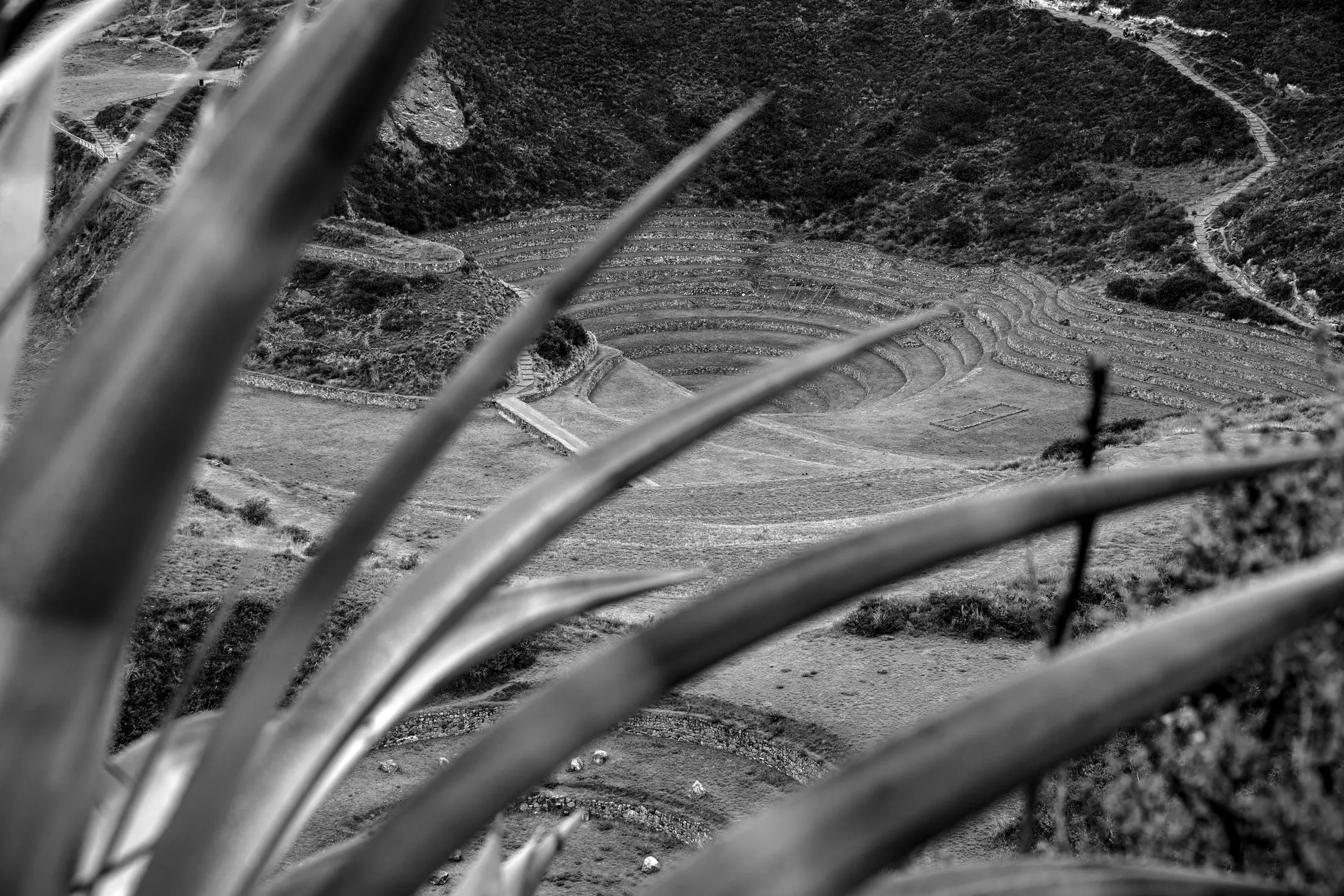
“Cuisine emerged as an accessible and emotionally powerful language through which to imagine a different nation, one capable of articulating pride and hope,” she says.
In some rural communities, distrust of outsiders, including urbanites, persists even as global demand for local ingredients grows.
“I love Peruvian food. But food is never just food,” García says, adding that gastronomic success should be measured by the capacity to generate lasting, sustainable change.
There have been meaningful strides. MIL, for example, collaborates with nearby Mullak’as Misminay and K’acllaraccay Indigenous communities, but ties took time to develop.
“It was very challenging,” says Malena Martínez, Virgilio’s sister and head of Mater, Central’s research arm focused on diversity and community. People were guarded. “A certain level of distrust always exists when there’s cultural distance,” she adds.
Today, local community members guide visitors through the surrounding landscape for an immersive experience.
Paperwork Hurdles
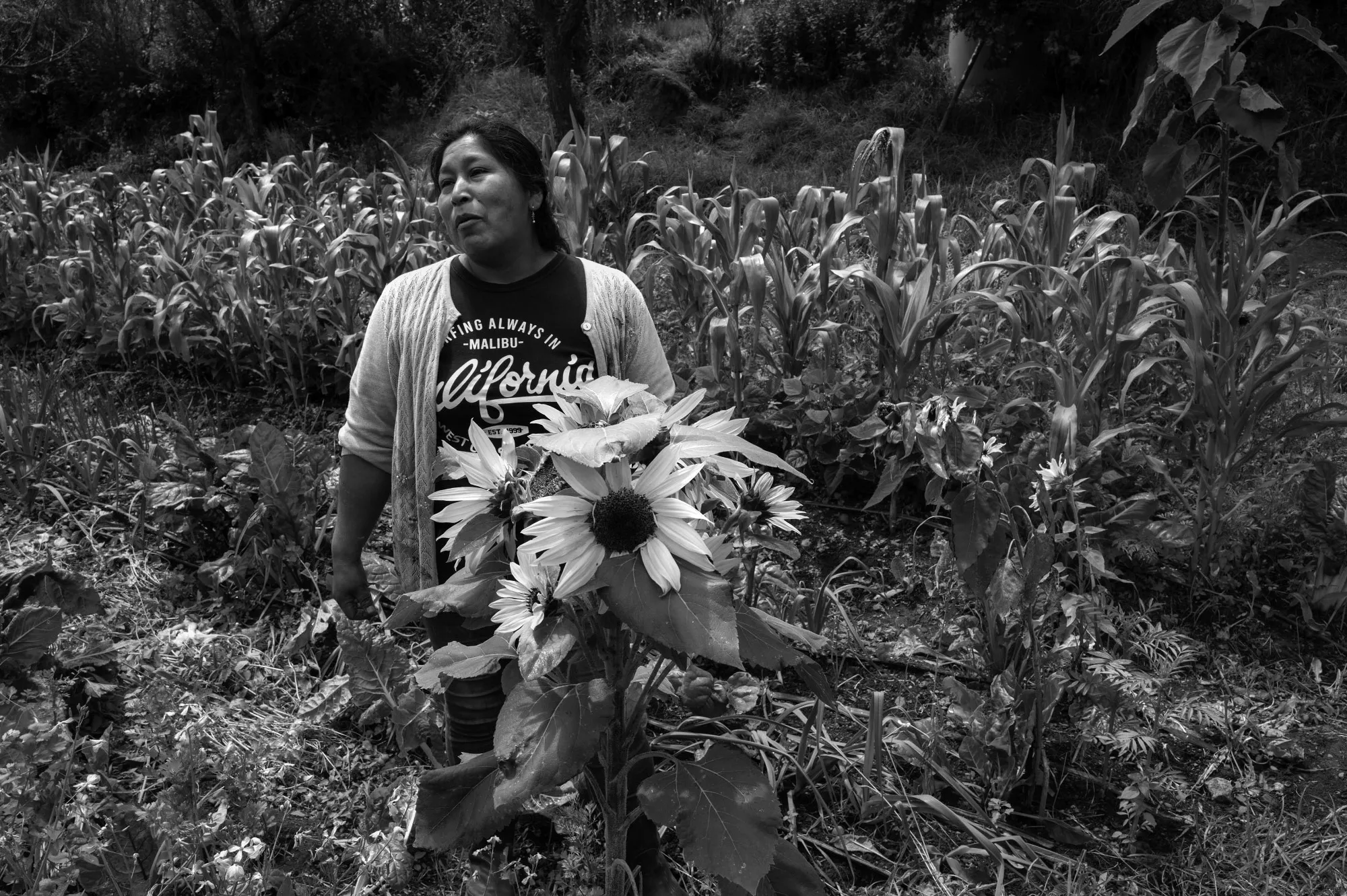
At Ecohuella farm and school in the Sacred Valley, co-founder and farm manager Yésica Nina Cusiyupanqui ensures that crops are pesticide-free, grown using ecological methods and priced to ensure broad access. But getting the farm formally certified as organic is too costly for her.
Choqque, the potato farmer, remains uncertified for the same reason.
In Peru, certification can blow past $2,500 once inspection, travel and administrative fees are factored in.

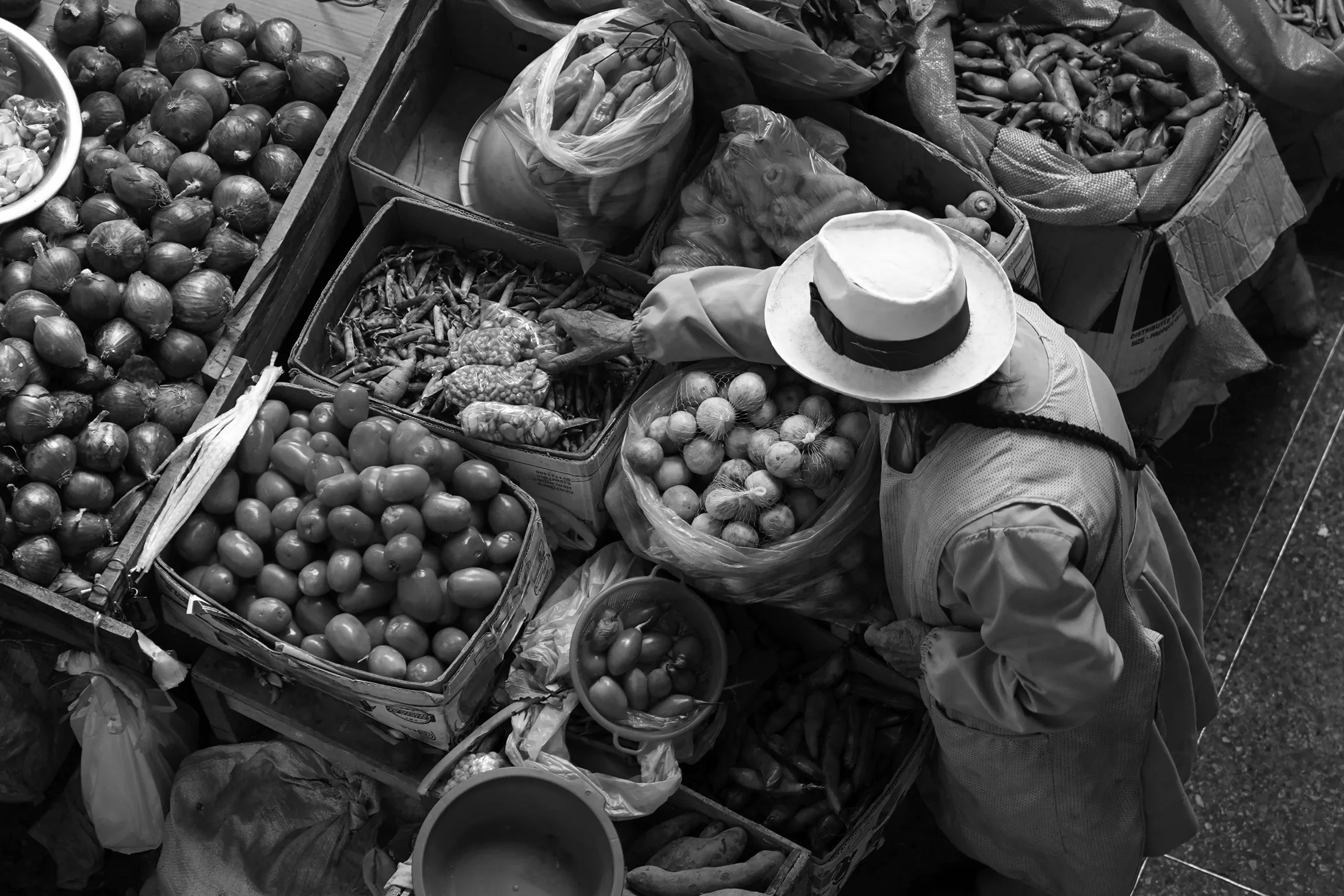
Many farmers face steeper structural barriers too. Much of Peru’s economy operates informally, with transactions often conducted in cash. Reaching more restaurants — especially in Lima — means entering a system that requires invoices and tax filings, which many small producers find intimidating.
Yussef Sumar, farmer and owner of Hacienda Sarapampa, known for cultivating Peru’s distinctive giant corn, says small-scale farmers “just can’t keep up with the paperwork.” Expecting older producers to navigate the system, he adds, is unrealistic.
Peru’s tax authority, Sunat, says it is working to streamline its filing process to help more Peruvians formalize their work.
Beyond the paperwork, restaurants set quality standards that small producers can’t always meet. And intermediaries often come in to sell products on their behalf, taking a cut of the earnings, Sumar said.
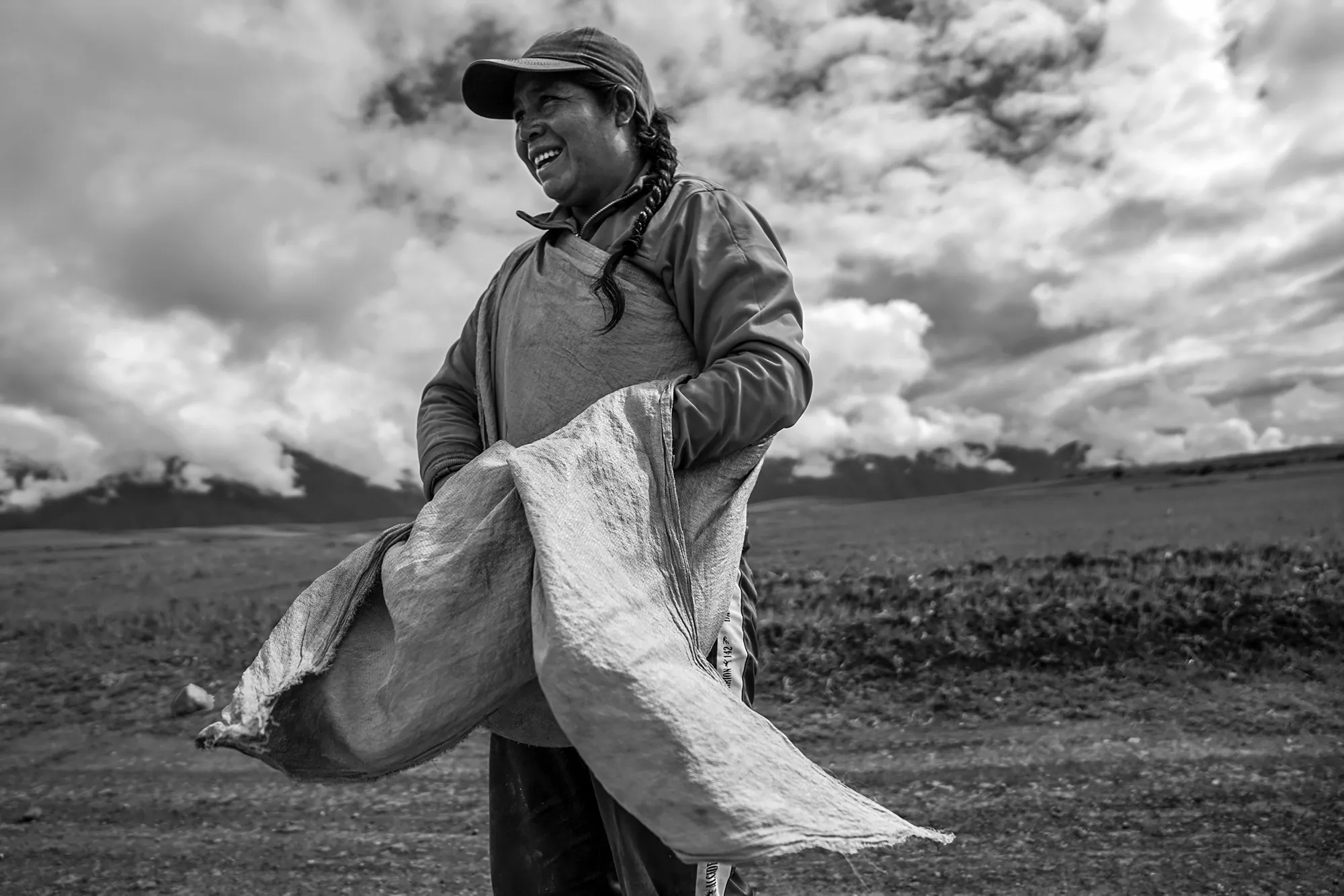
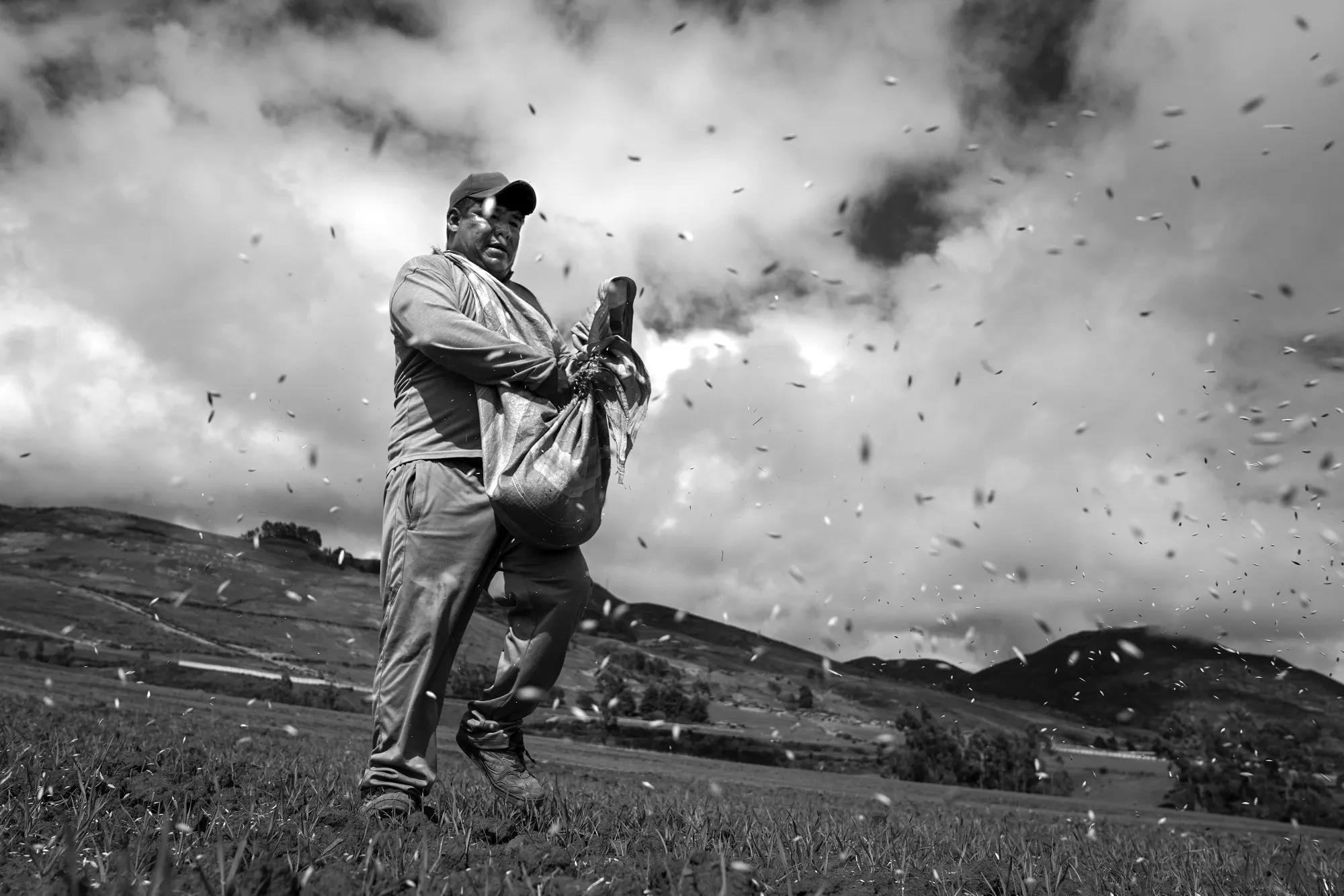
On the outskirts of Cusco city, Francisca Ramos and her husband, Ember Mesa, cross a long valley scattering barley by hand.
Like many local farmers, they sow mainly to sustain their families, not to expand or chase distant markets. The promise of scale often holds less appeal than the peaceful life they have, says Contreras, the spirits maker.
Rough Roads
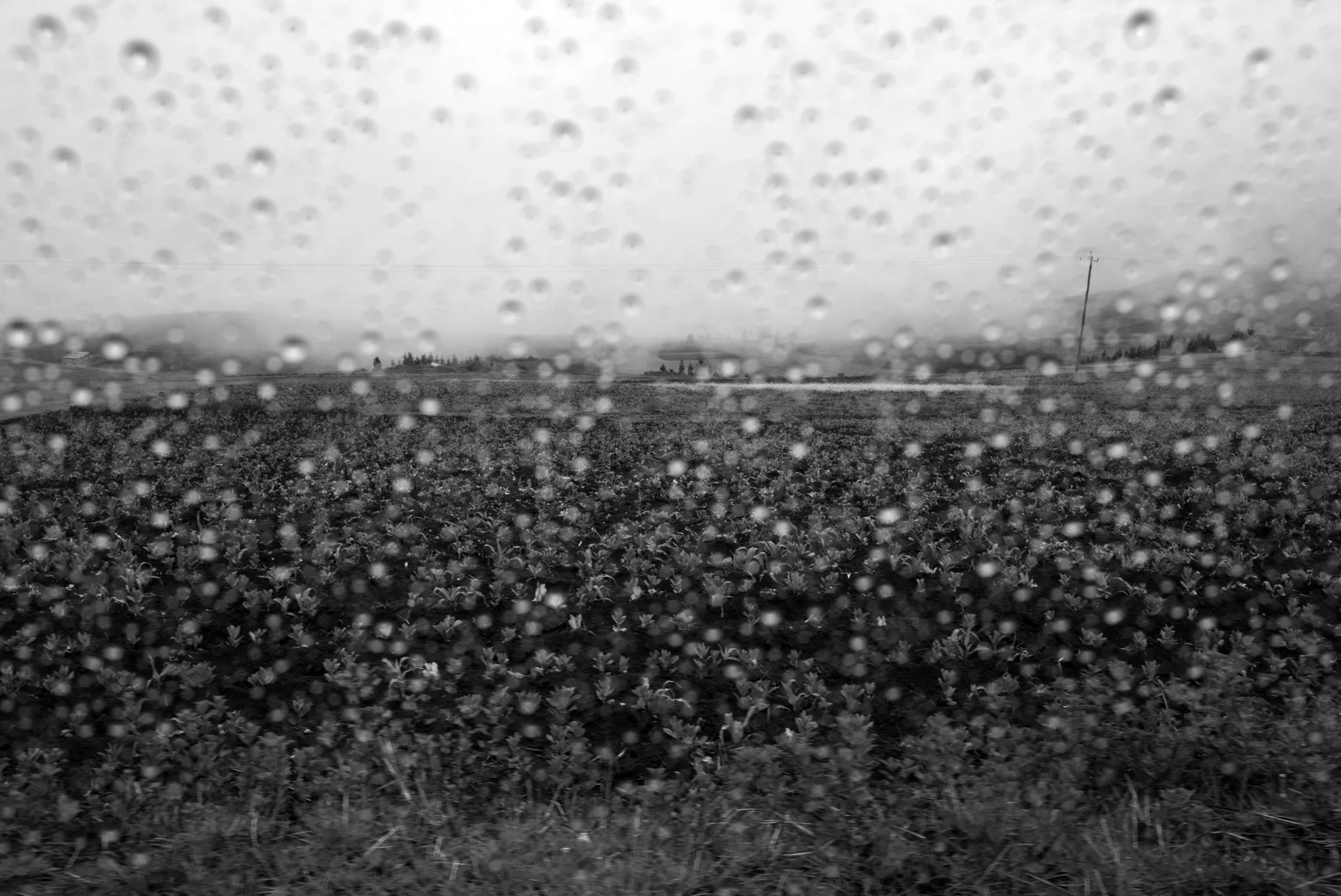
Among logistical challenges, Peru’s often precarious roads and unreliable cold-chain systems hamper delivery of perishable ingredients from remote areas to cities like Lima. The country also faces climate-related shocks and labor strikes that can suddenly paralyze vital routes.
Many ingredients never reach the market in usable condition, says chef Juan Luis Martínez of Mérito, which also ranked as one of the world’s best restaurants last year. Delicate fruits and wild botanicals bruise easily in transit. “If they arrive in Lima damaged, no one wants to pay for them,” he said. “Producers lose money — so they stop taking the risk.”
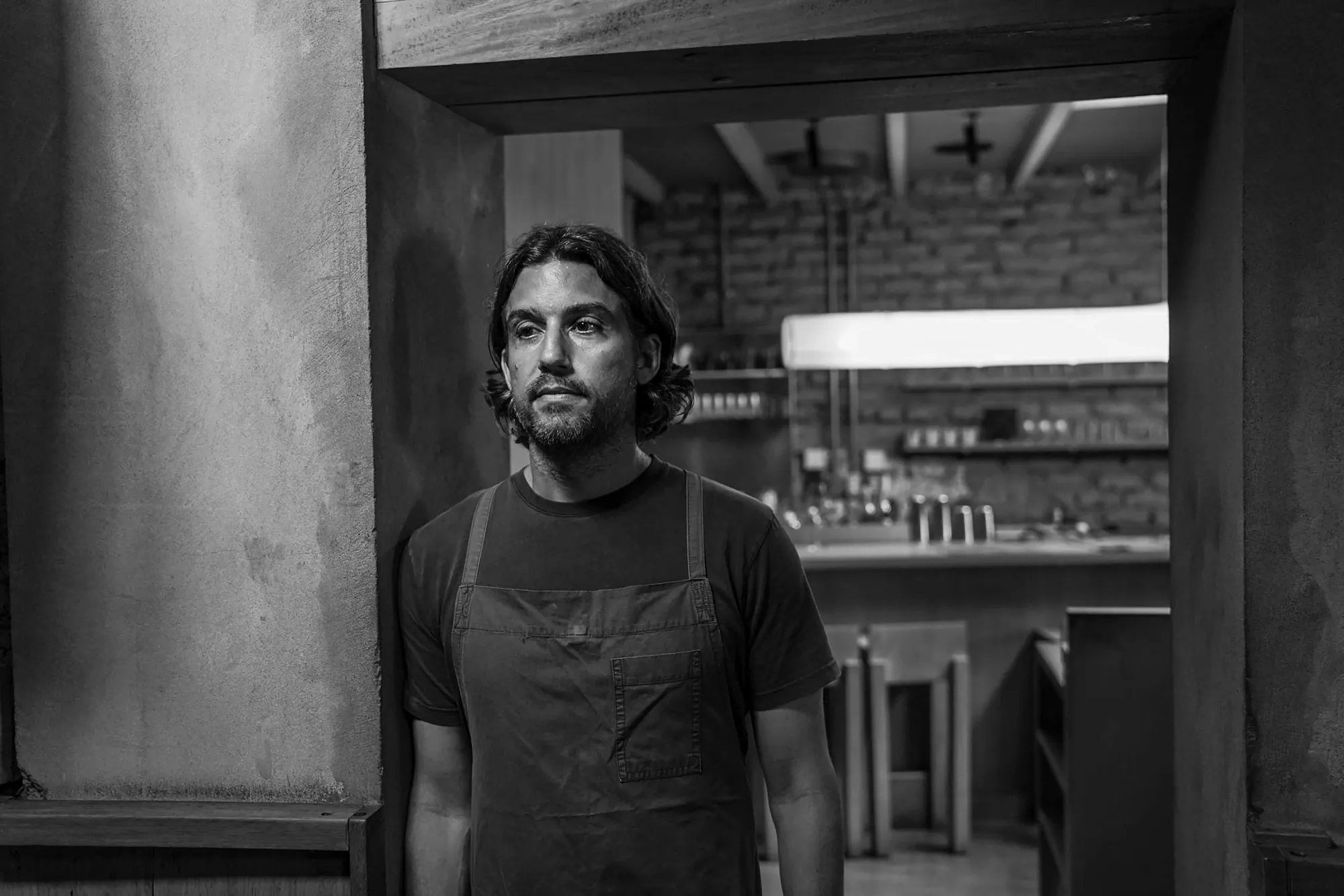
Luis Angel Gonzalez-Callirgos, whose family founded Pucayagro, a sustainable farm in the Peruvian Amazon, raises paiche — a massive prehistoric fish — for clients including top restaurant Maido.
Rising temperatures have degraded water quality, forcing the farm to install oxygenation systems to protect fish from disease and create natural shade, he says. “Summers are getting hotter, leading to oxygen depletion, poor water quality and higher mortality rates.”
In the mountains, Contreras says he is seeing more small, diseased potatoes as temperature swings promote fungal growth. Farmers are relying more on chemicals, and wild herbs are growing scarce.
Losing some traditions doesn’t necessarily translate into decline, Malena says. What matters is whether they still anchor identity and sustain social, economic and environmental systems. They endure not by standing still, but by adapting to support culture and livelihoods.
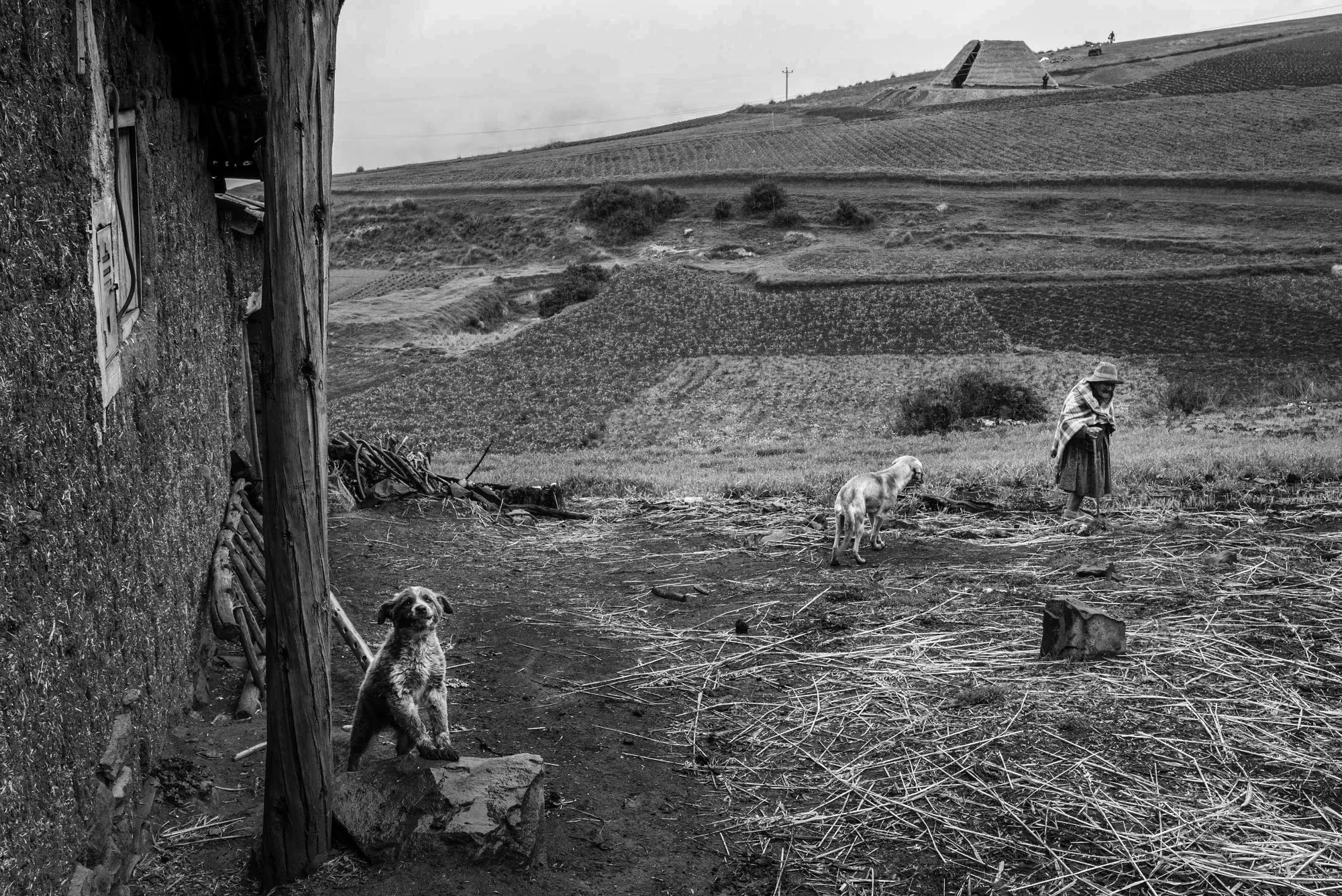
“We all have a role to play,” García says, noting that if gastronomy is promoted as a national development strategy, it must also address labor protections, traditional knowledge and wealth distribution. Otherwise, culture risks becoming a superficial brand.
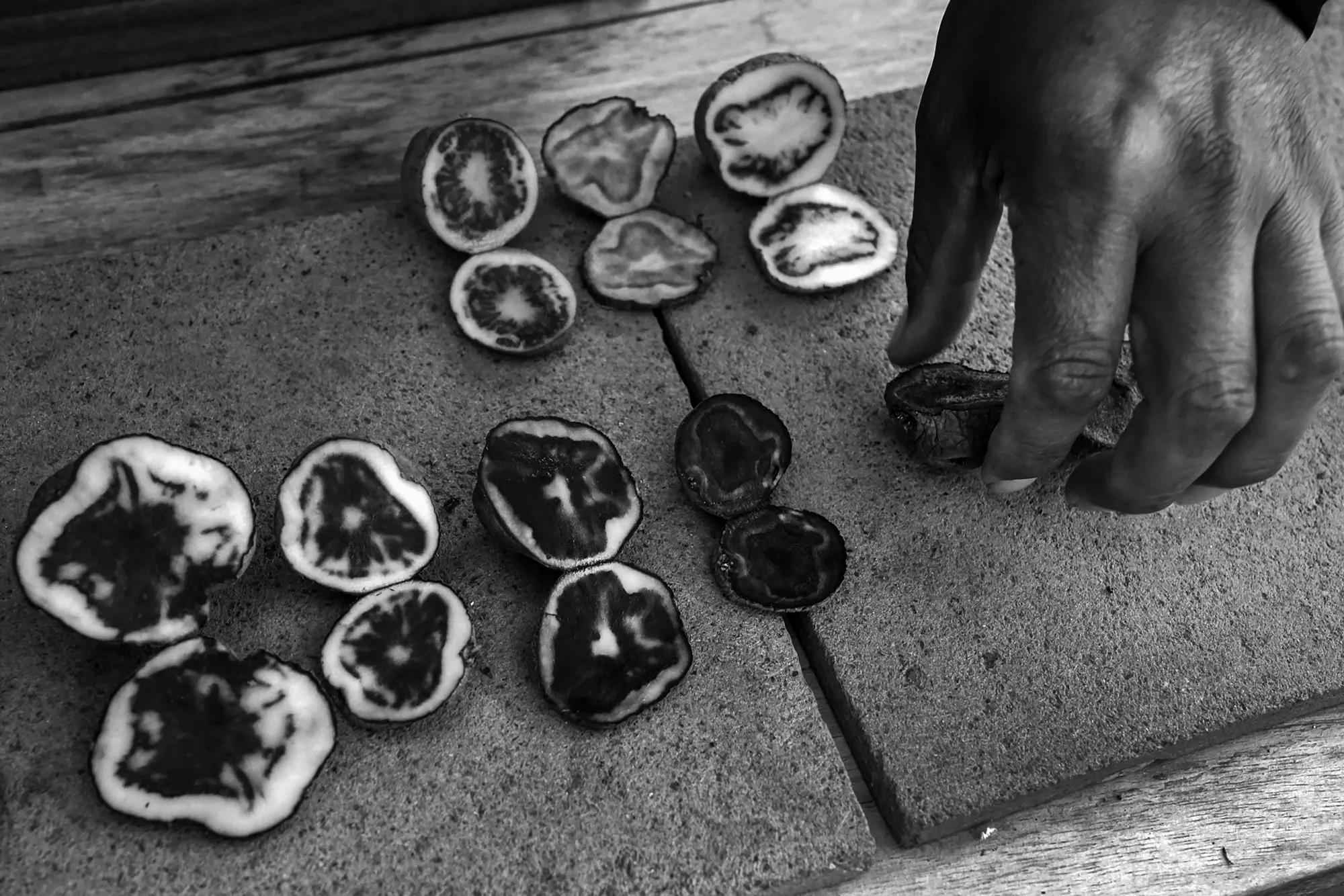
On a small wooden table near his fields, Choqque slices open potatoes to reveal vibrant red and purple hues. A future restaurant is rising behind him — glass and wood, softly lit, with a tasting room for his oca tuber “wine,” a quiet contrast between what has long existed and what is being built.