Businessweek | The Big Take
Meta Goes Big on the Bayou
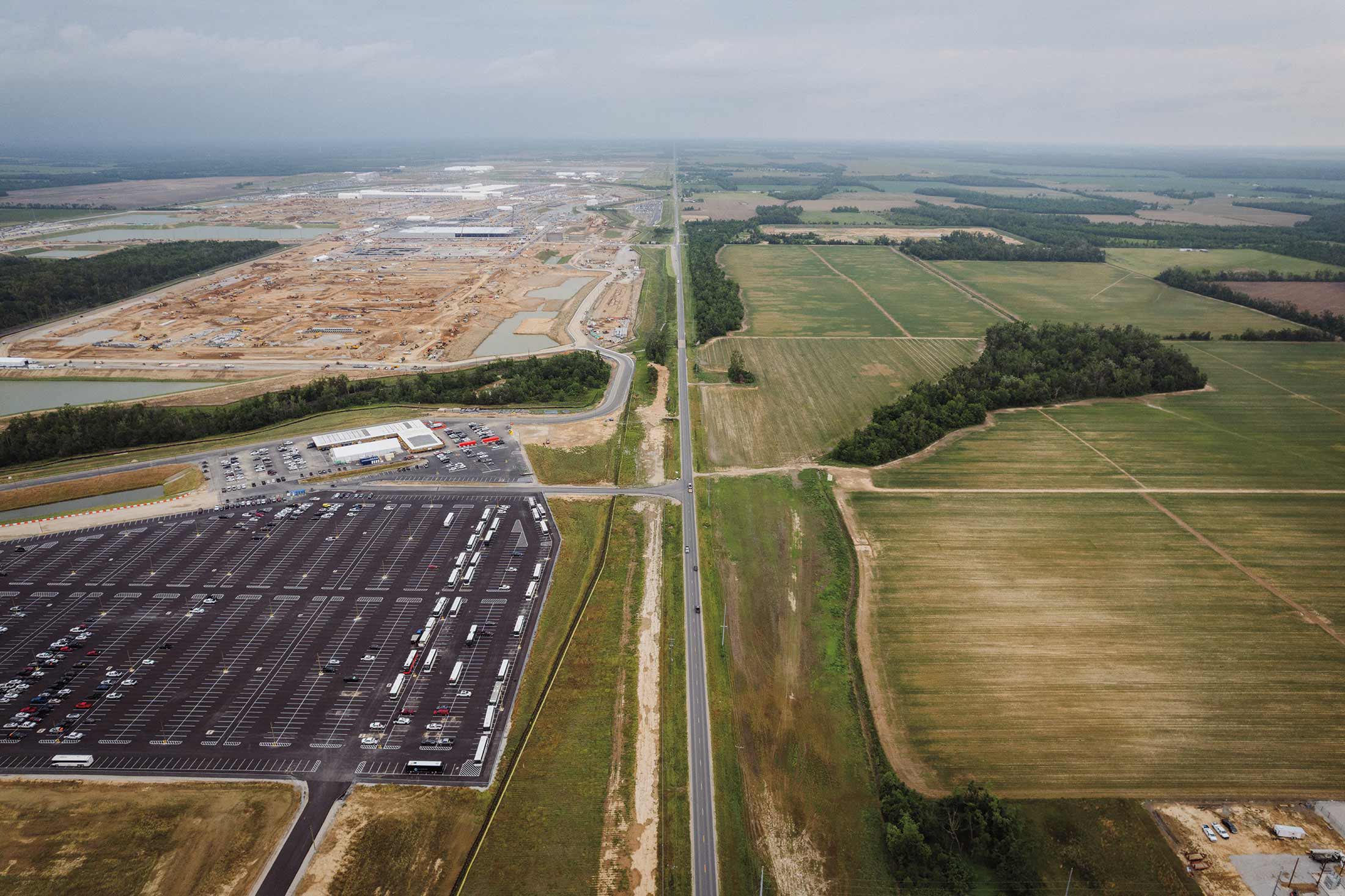
Dustin Morris steers his propeller plane over farmland shrouded in a ghostly morning mist. From 900 feet up, Richland Parish, Louisiana, looks much like it always has at harvest: The roads are scattered with cotton that’s spilled off trucks hauling the crop to the parish’s last-standing gin. These days it’s hardly worth picking. Even the best farmer can expect to lose $300 per acre.
It’s a similar story for the fields of corn and soybean Morris tends. Aided by new technologies, local farmers say they’ve never produced a better crop. But commodity prices haven’t kept pace with the cost of equipment, seed, fertilizer and, most recently, fuel. Subsidies don’t cover the widening gap, and small farms have all but disappeared. A global trade war has left the large operations without reliable buyers. Bankruptcies are mounting. Younger residents, witnessing the fallout, are leaving in search of other work.
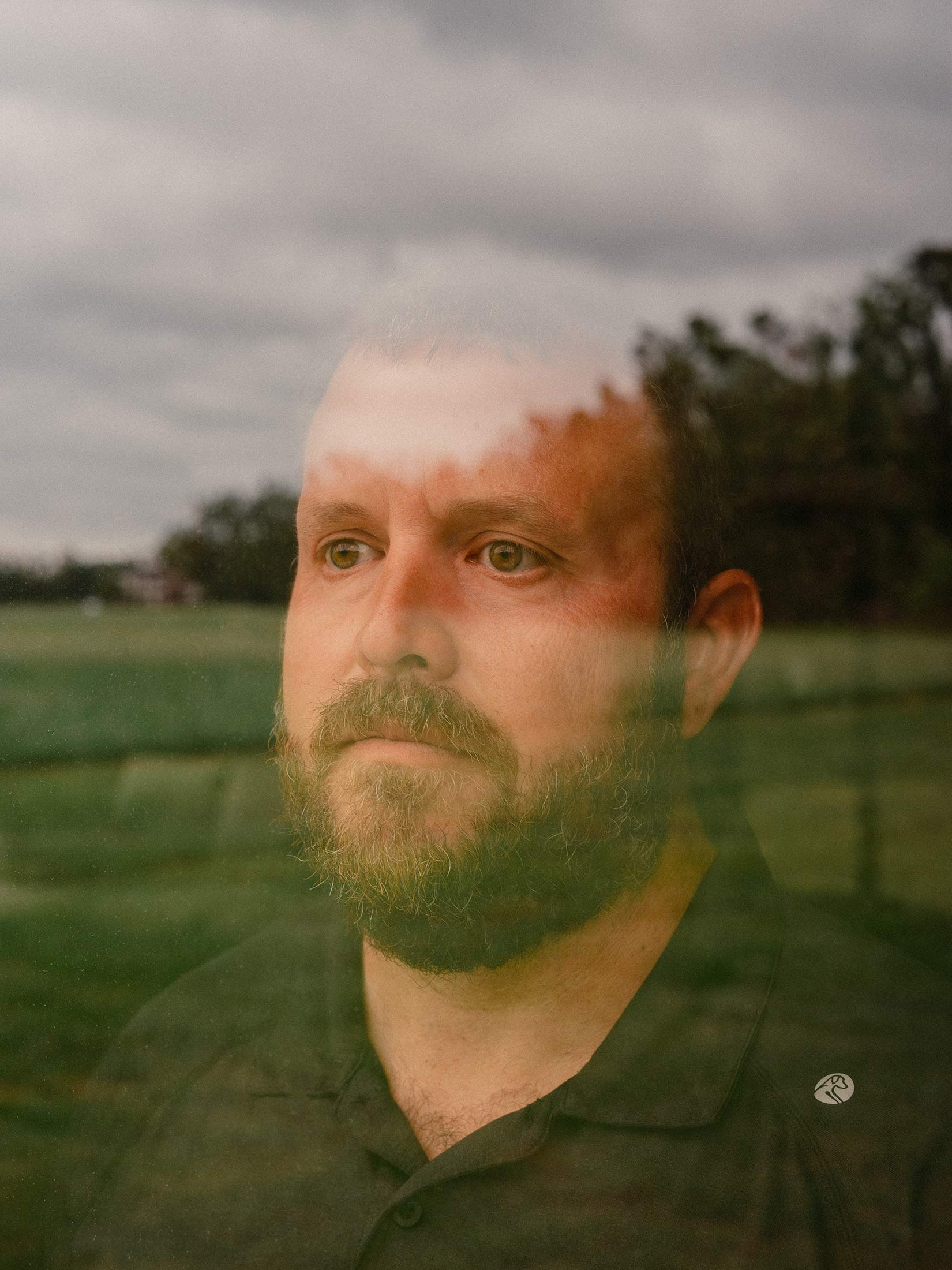
Despite all this, Morris maintains his optimism. “Things are always going to get better,” the 42-year-old tells himself. A farmer must hold on to that belief, he says, otherwise “why would you stay?” As the sun rises he directs the attention of his passenger, a reporter from Bloomberg Businessweek, down below to the acreage his family has owned for generations, land whose value has always come from soil enriched by the silt of the Mississippi River.
Then, abruptly, the view changes to an expansive dirt pit 5 miles long and a mile wide. Its scale is hard to grasp, even from the sky. Trucks barrel through. Cranes swing. Workers pour cement. Dust swirls. Contractors arrive from newly erected man camps and RV parks. As many as 7,500 are expected to descend upon the parish, which has about 20,000 permanent residents.
Here, in one of the poorest corners of America, Meta Platforms Inc. is building one of the world’s largest data centers. Dubbed Hyperion, it’s a project so expensive that it’s being financed by one of the biggest private capital deals ever assembled. So power-hungry that 10 new gas-fired turbines have been planned to keep it running. So secretive that the details were hashed out in an unusually sprawling set of private deals, leaving nearby residents like Morris to learn about it only after it was a fait accompli.
Meta’s plans are massive even by the standards of AI data centers, with a multibillion-dollar price tag and a footprint that could cover much of Manhattan. At a cabinet meeting last summer, President Donald Trump marveled at its audacity. “When they said $50 billion for a plant, I said, ‘What the hell kind of plant is that?’ But when you look at this,” he said, waving a piece of paper showing the data center superimposed on an aerial image of New York, “you understand why.”
The project has gotten substantially larger since. Meta alone plans to spend more than $200 billion on it, according to a person familiar with the matter, who asked not to be named discussing private business dealings. The company expects Hyperion to reach 5 gigawatts of compute capacity, with additional power to support the broader campus. Altogether that’s about as much energy as New York City uses on a winter day.
The construction in Richland Parish is a physical manifestation of how the artificial intelligence boom is reshaping the global economy. It’s an attempt by Meta, which had fallen behind its key rivals, to muscle back into the race: spending hundreds of billions of dollars to secure energy, chips and infrastructure, while leaning on Wall Street and Washington to insulate the company from risk.
As its biggest rivals pour their own astonishing sums of money into AI infrastructure, the industry is well aware of a mounting backlash over environmental damage and tax breaks, often with few jobs to show for it. Now, Meta and its competitors are shifting their largest data center projects to rural regions, particularly in the South, where land and energy are abundant, regulation is limited, and communities are looking for a lifeline.
Months before the first steel beams on the site went vertical, the Morris family got a call from someone seeking the right to buy some of their land near the site. Locals had been expecting a land rush, and to Morris the inquiry seemed to be the first sign of it. The family had never sold a piece of land, and Morris’ grandmother Ann, who’d grown up on the plot in question, was unwilling to entertain the conversation. “Hell no,” she remembers telling her family. “Not for any price.”
Morris empathized. “For my whole life,” he says, “I bought into the idea that the land was somewhat sacred.” But, as he flies over the parish at sunrise, Morris feels the promise of the land has been broken. “History doesn’t pay the bills,” he says. “The farm is break-even at best.”
He doesn’t want his home to face the fate of other dying Delta towns up and down the Mississippi. “Maybe it’s OK for us to grow a data center,” Morris says, speaking slowly, as if testing a new thought aloud. “Maybe this is how we secure our family’s future.”
The boom years in Richland Parish happened so far in the past that no one who experienced them firsthand is still around to remember. More than a century ago, the land where Meta is building its data center sat at the heart of a timber rush, a local economy built on turning virgin hardwood into barrels for whiskey and syrups for Coca-Cola. As the forests disappeared, cotton-growing plantations moved in, seeding the newly cleared fields with the “white gold” that defined the broader Delta economy. Kids missed school to help with the picking and hitched rides on horse-drawn cotton wagons to buy provisions at the company store, cool off at the local icehouse or flirt with soda jerks slinging soft drinks at E.W. Thomson Drug Co.
Then came a catastrophic flood and the Great Depression, which sent many local sharecroppers looking for work elsewhere. The remaining timber industry hollowed out, and businesses moved away, including a crop-dusting operation turned commercial airliner, Delta Air Lines, which left the region it was named for and settled in Atlanta. Technological shifts in American agriculture further disrupted the local economy by making it harder for small farmers to compete against more-mechanized, better-capitalized operations. Farmland was concentrated into fewer hands.
In Richland Parish, much of the land ended up with the Franklins. The family first became entwined with the parish around the turn of the 20th century, when a young orphan named George Franklin stumbled off a train there. He found work at a hotel in exchange for room and board, then quickly climbed the ranks in the lumber industry, taking payment in land as the forests were cleared. George became one of the parish’s largest landowners and its local patriarch, running the mill, distributing exotic fruits at Christmas, and donating land for schools and churches, even during tough times.
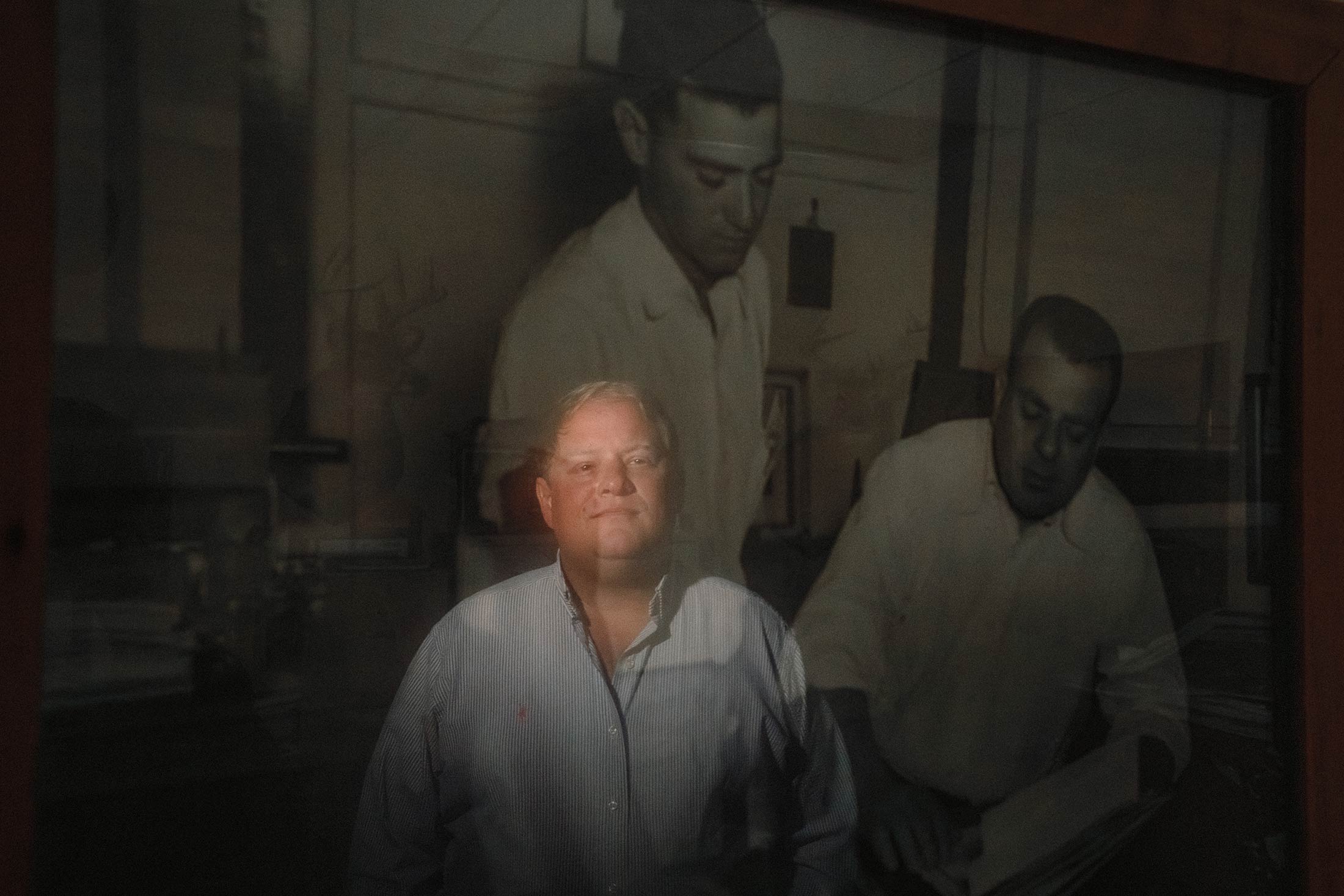
The Franklins would loom large in the parish for decades, long after George died, and even as the local agricultural economy languished. By the early 2000s almost 30% of the population lived below the poverty line. Tana Trichel, then head of a nonprofit called the Northeast Louisiana Economic Alliance (Nelea), approached George’s son, George Jr., with a proposal. Her organization wanted to secure an option to buy 6,000 acres of his land, which it would use to lure a large employer to the region and revive the economy. She was offering $10.
The younger Franklin, a World War II veteran who carried a business card listing skills including the ability to defang panthers, quell uprisings and “tell tall tales,” agreed. If he didn’t help pull the parish out of poverty when given the chance, Trichel remembers him telling her, “my daddy would roll over in his grave.” Four years later, Nelea transferred the option to the state, which paid the Franklins more than $4 million for about 1,400 acres of land to build what it described as an industrial “mega-site.”
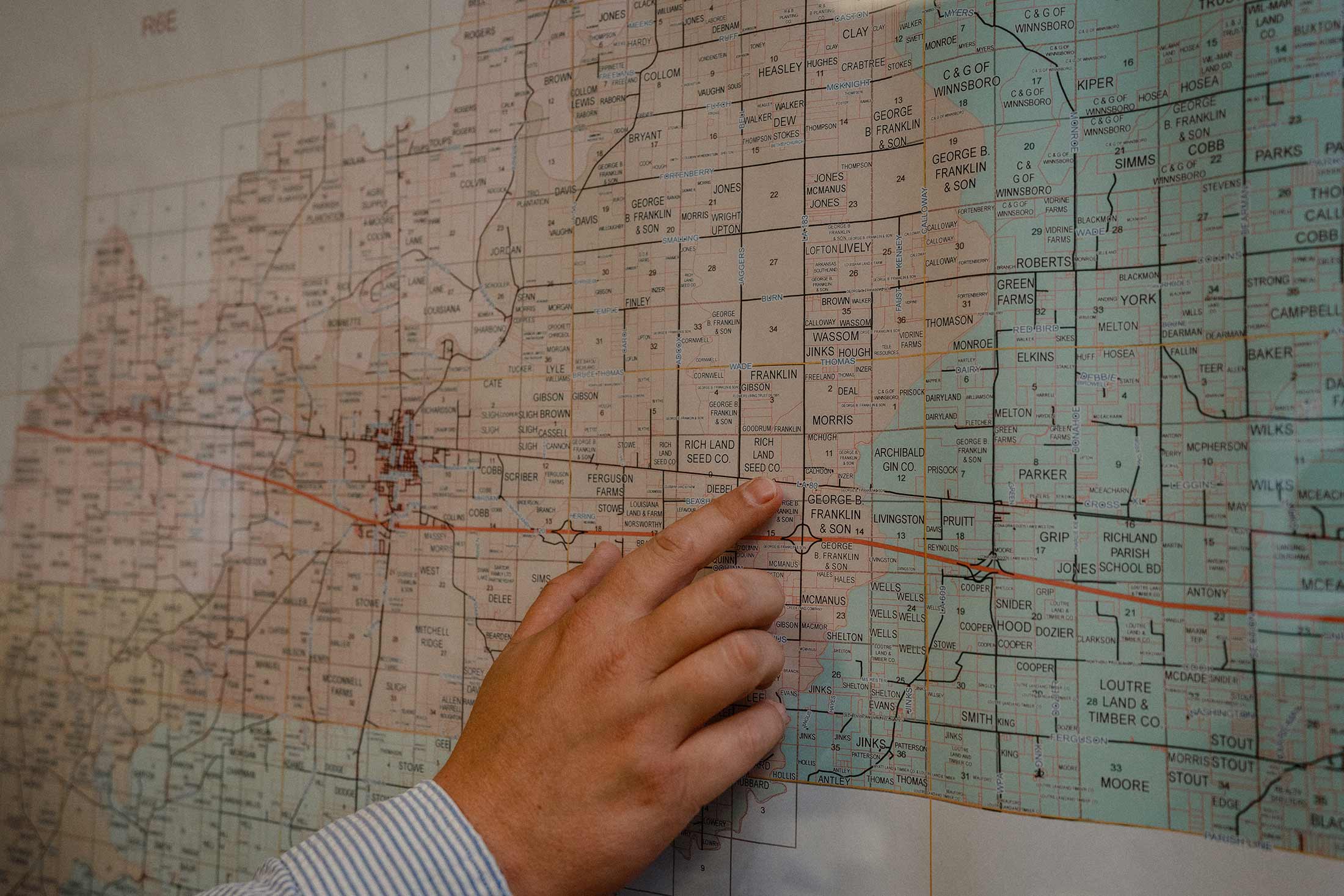
George Jr. didn’t survive to see the results; he died in a four-wheeler accident soon after the deal closed. But the family continued to work with Trichel, approaching companies they hoped would be willing to build an auto manufacturing site on the land. On behalf of the state, they offered tax breaks, workforce training programs and other incentives. Trichel also made personal pleas, naming her dogs Mercedes and Porsche. Still, for two decades, Richland Parish received one rejection after another. Toyota. Volkswagen. Caterpillar. Kia. John Deere. Mitsubishi. Daimler. In each case, Trichel heard the same deflating argument: The region wasn’t suited to attract and maintain the 5,000 jobs it sought.
This was a period when US manufacturing writ large was contracting. The country lost more than 4.5 million manufacturing jobs in the first two decades of this century. But OpenAI’s 2022 release of ChatGPT set off an industrial wave centered on enormous data centers necessary to run the technology. Some people refer to such facilities as AI factories, but the labor involved is carried out not by humans, but by semiconductors. For the parish, which had been spurned by other companies for its perceived inability to support a large workforce, maybe there would be an advantage to a partner that didn’t need one.
“If this is ever going to become real, we all have to start moving heaven and earth”
At first blush the Louisiana Delta didn’t seem like the kind of place that would interest Meta. Like the automakers, it had found the challenges of supporting workforces in remote rural areas outweighed the benefits, and it had avoided building data centers in such places.
Meta Chief Executive Officer Mark Zuckerberg’s desire to build the world’s biggest AI data center scrambled those calculations. In 2023 he told staff he wanted to build a cluster of 1 million Nvidia graphics processing units, the chips that power large language models, according to Rachel Peterson, Meta’s head of data center strategy. At the time, each GPU cost about $30,000, and Nvidia Corp. shipped only about 5 million of them each year.
Finding enough electricity to keep the power-hungry chips running was Peterson’s top priority, and locating a site that could provide it would be a challenge. “This amount of energy is not typically just sitting there,” she says.
When Phillip May, CEO of the utility company Entergy Louisiana LLC, heard Meta was interested in planting a data center in the South, he invited the company’s executives to its headquarters in New Orleans. In a January 2024 meeting, May touted the state’s business-friendly government and its native oil and gas industry. “Use all you want, we’ll make more,” he remembers telling the company. He also promised to connect executives with state officials, lawmakers and local landowners.
Days later, May traveled to Washington, DC, for the city’s Mardi Gras festivities, a multiday bonanza attended by many of Louisiana’s most powerful businesspeople and politicians. He was at a breakfast at the Washington Hilton when Jeff Landry, the state’s newly elected Republican governor, announced that Susan Bonnett Bourgeois, an influential figure in the state’s political and philanthropic circles, would be his economic development secretary.
Within minutes of the announcement, May pulled Bourgeois, whom he’d known for years, aside in the lobby. He told her he was in “very aggressive conversations with a large data center company” considering a major investment in the state. He wouldn’t reveal a name, Bourgeois says, but signaled the potential partner would be very demanding.
“If this is ever going to become real, we all have to start moving heaven and earth,” Bourgeois recalls May telling her. He added that he already had a “clear line of sight on a very large chunk of land.” One major advantage to the site, which he’d visited multiple times, was that the property surrounding it was owned largely by a single family—the Franklins—which would get Meta out of messy negotiations with multiple landowners. It also had access to an abundant water supply, a vital component for keeping data center equipment cool.
By early February, Bourgeois and much of Landry’s cabinet had signed nondisclosure agreements and were introduced to Meta. The company, working on an unusually tight timeline, was expected to select its site by summer. It promised to be a major investment, starting at $10 billion, and, Bourgeois says, Meta’s representatives wanted to know how much community pushback they’d face. “From a Richland Parish perspective, we said, ‘None,’ ” she recalls telling them. “The people in the parish were just so hungry for opportunity.”
Meta said it would move forward only if granted a data center sales tax exemption covering the chips, the most expensive part of the project. It wasn’t willing to wait for the standard legislative calendar. At that point in the session, crucial deadlines had already passed, making a new proposal almost impossible. So Bourgeois came up with a strategy to use existing legislation intended to provide tax rebates for rural broadband equipment to deliver the benefits. “In politics, that’s called hijacking a bill,” she says.
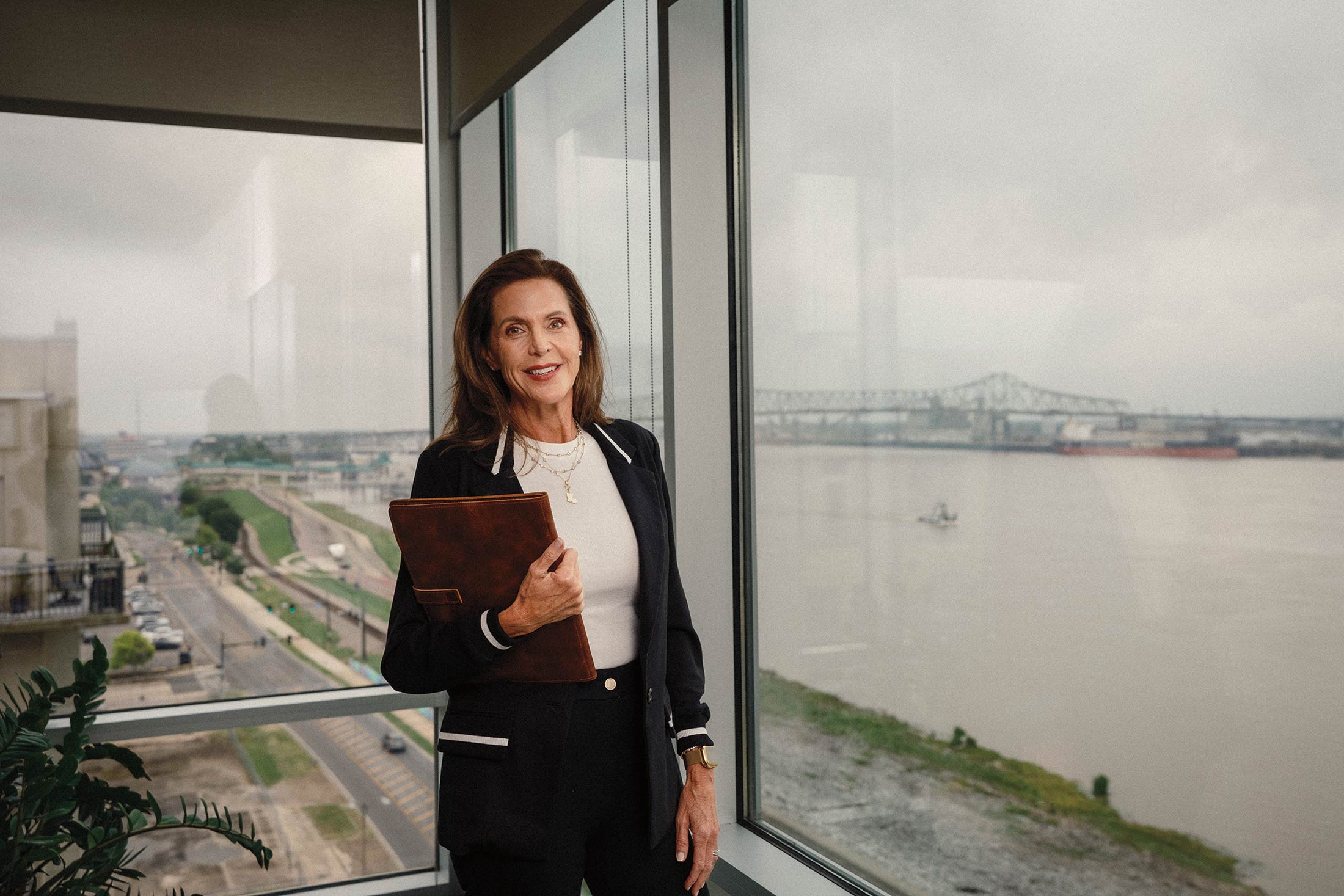
The secrecy around the project meant not everyone in Louisiana’s state government had gotten the message. Landry’s then-secretary of revenue, Richard Nelson, had been preparing to testify against the broadband bill at a committee meeting in late April. Just before he took his seat, Bourgeois called him. “Richard,” she remembers saying, “do not kill the bill.”
She offered little explanation, but Nelson took his marching orders. Instead of testifying, he pulled state representatives to the side and told them to push it forward. He’d learn the full details only after he signed his own NDA, and within weeks he returned to make the case for the bill. It passed despite protests from some lawmakers and a warning from the state’s nonpartisan fiscal analysis that it “could serve to restrict the state and local sales tax base for many years.”
From there, both of Louisiana’s US senators and at least three members of Congress, including House Speaker Mike Johnson, were privately briefed. Meta secured rights to the land through a shell company. Because state law barred its sale without a public bid, Meta at first leased the land. The state then changed the law and sold the parcel outright for $12.5 million.
Meta said it planned to begin operating parts of the data center in late 2028. It promised 300 full-time jobs by 2031, and 500 by 2035, with the average wage of its employees reaching at least 150% of the state average at the time. (In 2024 that benchmark was about $60,000.) If Meta hit those job and investment targets, it would qualify for a reduction in property taxes of as much as 80% through a Payment in Lieu of Tax agreement, also known as a Pilot agreement, according to documents obtained by Businessweek. Missing those targets wouldn’t void the agreement but would simply reduce the size of the tax breaks. There was no requirement to hire locally. Meta had given the project a code name befitting such a sweetheart deal: Project Sucre, after the French word for “sugar.”
Zuckerberg wanted to maintain financial flexibility, so Meta enticed Wall Street giants into a monthslong bidding war to finance the construction. The result was a joint venture named after a beignet, the famous Louisiana pastry, which left Meta with just a 20% stake in the campus. The rest would be owned by the private capital firm Blue Owl Capital Inc., backed by $27 billion in debt from asset managers including Pacific Investment Management Co. This structure kept the debt off Meta’s balance sheet while leaving it in charge of day-to-day operations.
Meta, notably, would still buy and own the chips, whose cost would run into the tens of billions of dollars. But if the current pace of semiconductor development holds, that equipment will need to be replaced every few years after the data center opens. Meta’s lease is structured in four-year increments. If it decides updating the facilities is no longer in its interests, it could walk away.
Peterson, speaking from Meta’s Menlo Park, California, headquarters in a conference room called “Trail of Goodwill,” says the company is committed to the region. “This is at least a 20-year investment for us,” she says. “We’re going to be there for years to come.” She says criticism of data centers is misplaced and the project is sure to benefit the community. “We’ve always made sure that we’re giving more than we’re taking,” Peterson says. “ ‘Taking’ is maybe not the right word,” she says, correcting herself. “Using.”
Scott Franklin, George Jr.’s grandson, found out about Meta’s arrival only in the fall of 2024, when the company approached him about buying more land surrounding the original site. The family agreed, selling Meta an additional 636 acres. While it was a windfall for the Franklins, Scott was also convinced that the data center would turn the parish back into the kind of boomtown where his great-grandfather had gotten his start. “You’re going to find this hard to believe,” he remembers telling his son, “but there’s going to be a city here.”
On Dec. 4, 2024, Meta announced its arrival with a groundbreaking ceremony. Among the attendees was Trichel, who received an invitation from the governor’s office. Even though Meta was committing to bring only a fraction of the 5,000 jobs she’d been hoping for, she was in the mood to declare victory. “We’re not going to be poor anymore,” she remembers thinking. “We’re going to be rich.” After the ceremony, she placed a rose on George Jr.’s grave.
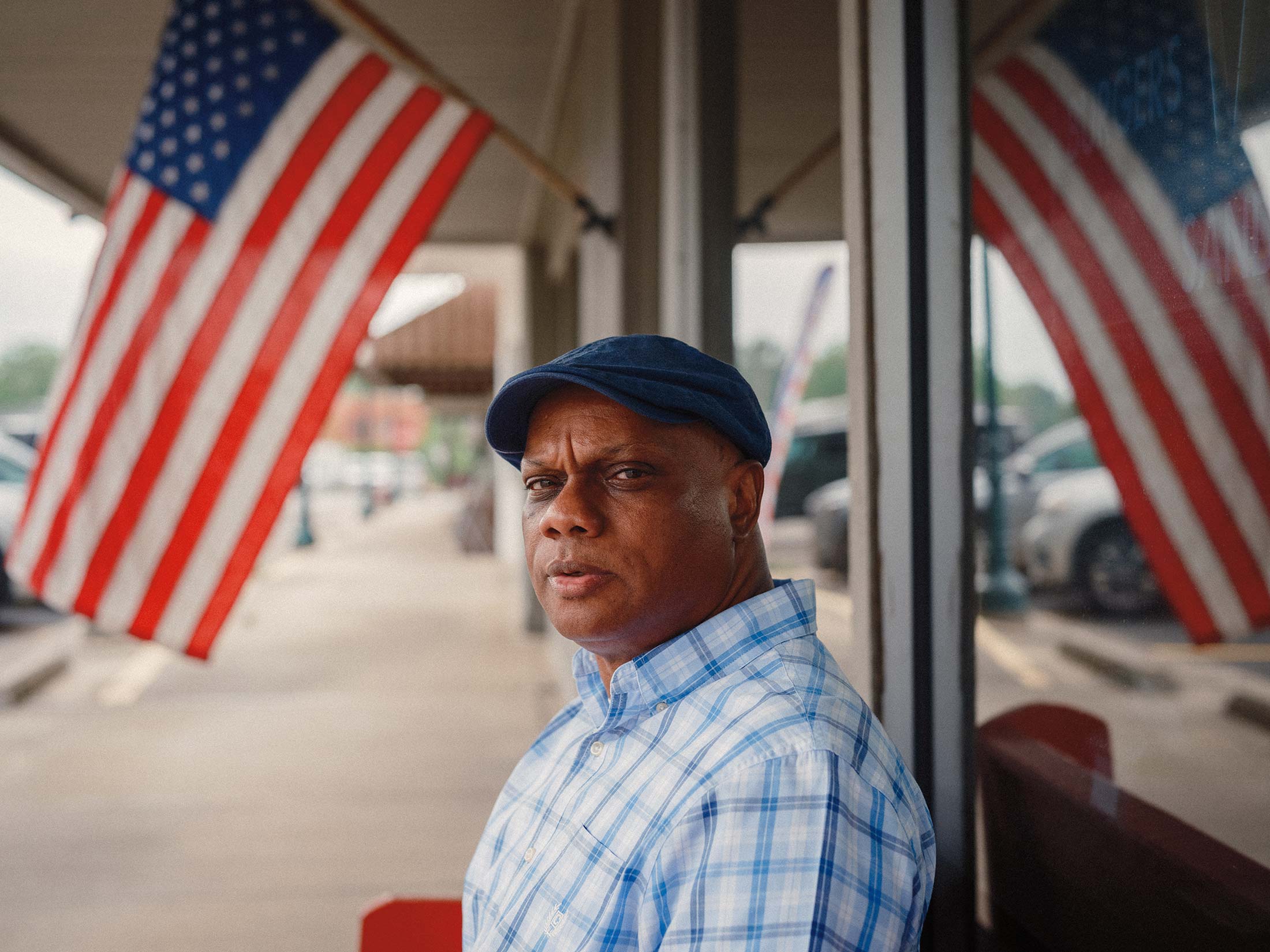
Floyd McDade, the former principal of a middle school in the parish, saw opportunity in the data center, but he also thought it could aggravate inequities in a place that had a long history of them. And he was troubled that the project had never come up at the city council and school board meetings he regularly attended. He had questions about how it would affect the local environment and economy, and wondered what incentives Meta received. “There was no community input,” McDade says. “It was a done deal.”
Tennessee Republican Senator Marsha Blackburn, who’d been working on a bill to require social media companies to mitigate harms to children, saw the announcement as evidence of a quid pro quo. Her bill, the Kids Online Safety Act (KOSA), had sailed through the Senate by a vote of 91 to 3, over vigorous opposition from Meta. But momentum stalled in the House, where Johnson and Majority Leader Steve Scalise, also from Louisiana, had been key opponents.
Both Louisiana lawmakers had framed their opposition in terms of free speech. Blackburn’s office was engaging Johnson’s staffers to incorporate their feedback, but as the end of the year neared and the senator’s personal appeals grew more urgent, she was unable to get a meeting on his calendar, say people familiar with the matter, who asked not to be named describing private events.
In a statement with her Democratic co-sponsor, Connecticut Senator Richard Blumenthal, she called out the House Republican leadership. “The blockade against safeguards and accountability was about padding Big Tech’s financial bottom line, not principle,” they said.
The unusual intraparty sniping drew the attention of Fox & Friends. On Dec. 18 host Steve Doocy brought up allegations that Johnson hadn’t advanced the legislation because of the project in Richland Parish. “That’s a creative argument,” Johnson replied, shaking his head with an awkward grin. “That has nothing whatsoever to do with this. Look, my background for 25 years has been in this space of free speech, the protection of those safeguards for conservative speech.” Then, again, he made a promise: “We’re gonna pass this in the first part of next year.”
Meta declined to comment on the matter. In a statement, a spokesperson for Johnson stressed his long-standing support for AI and said the House has been working on legislation to protect children online while supporting free speech. More than 16 months later, Blackburn’s bill hasn’t advanced.
It’s been more than a year since Meta broke ground. In some ways, Richland Parish is as it was. Residents still attend crawfish boils, church and Friday night football. Music from Tim McGraw and Lainey Wilson, both from the area, continues to play on the radio. People shoot alligators crawling through backyards, which is technically illegal but widely tolerated. City council meetings begin with a prayer and the Pledge of Allegiance.
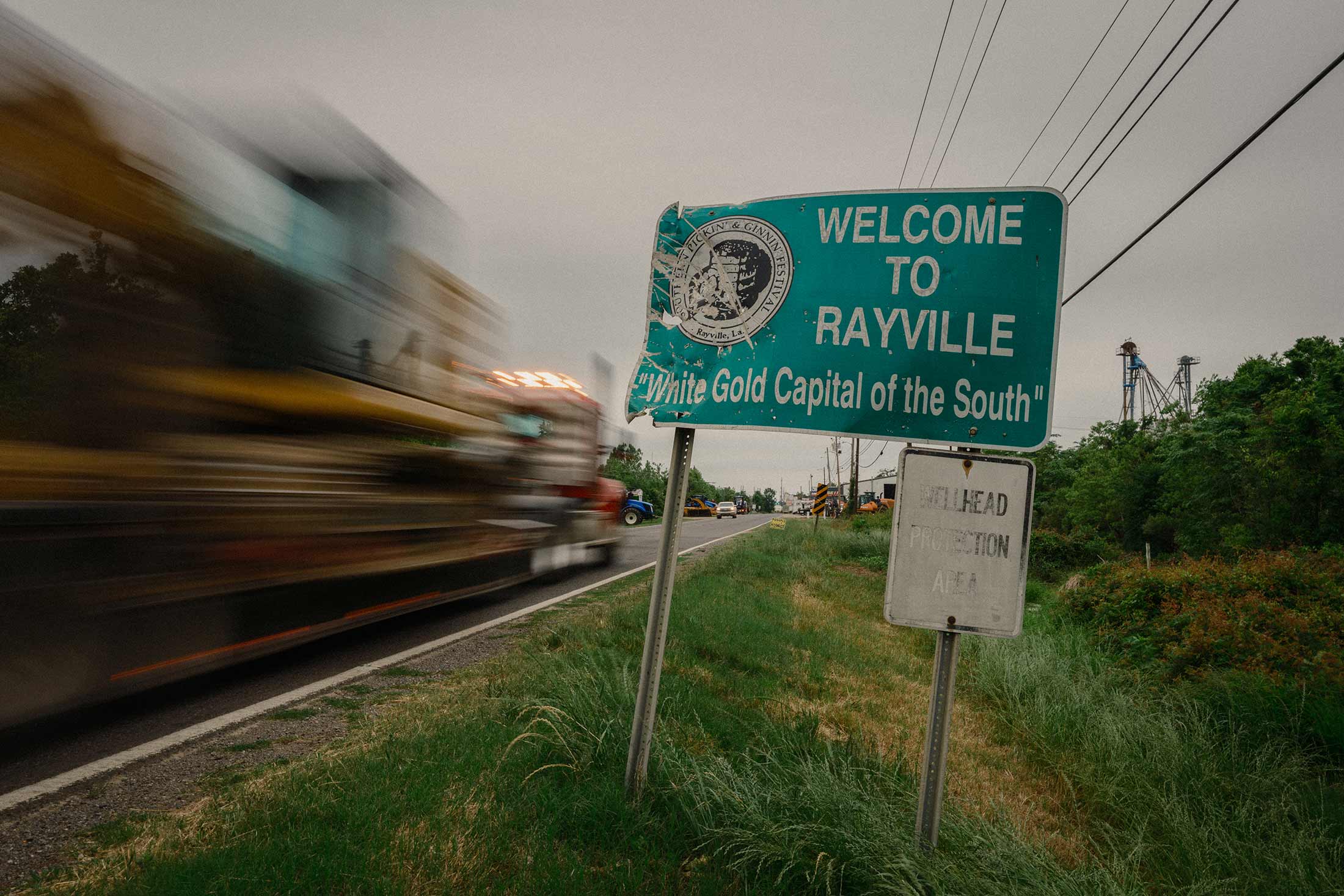
But change is already evident. Police officers and nurses are leaving their jobs to take higher-paying work on the construction site, running security or responding to medical emergencies. Entrepreneurs abound, opening restaurants, food trucks and temporary housing. Pastors are seeking translators to preach to the Spanish-speaking construction workforce. Others, uneasy with the influx of people who don’t look, sound or pray like them, applauded when the local sheriff worked with US Immigration and Customs Enforcement to arrest more than a dozen undocumented workers who were driving dirt to the site.
That same dirt has led to plumes of dust that sometimes turn the sky a brownish hue. A local news outlet has begun monitoring the air and water quality, though early results aren’t yet available. Meta estimates the data center will use as much as 1 billion gallons of water per year, drawing it from an aquifer currently used for agriculture, not from the community’s drinking water. The company says the site will consume less water than it did as farmland.
“There was no community input. It was a done deal”
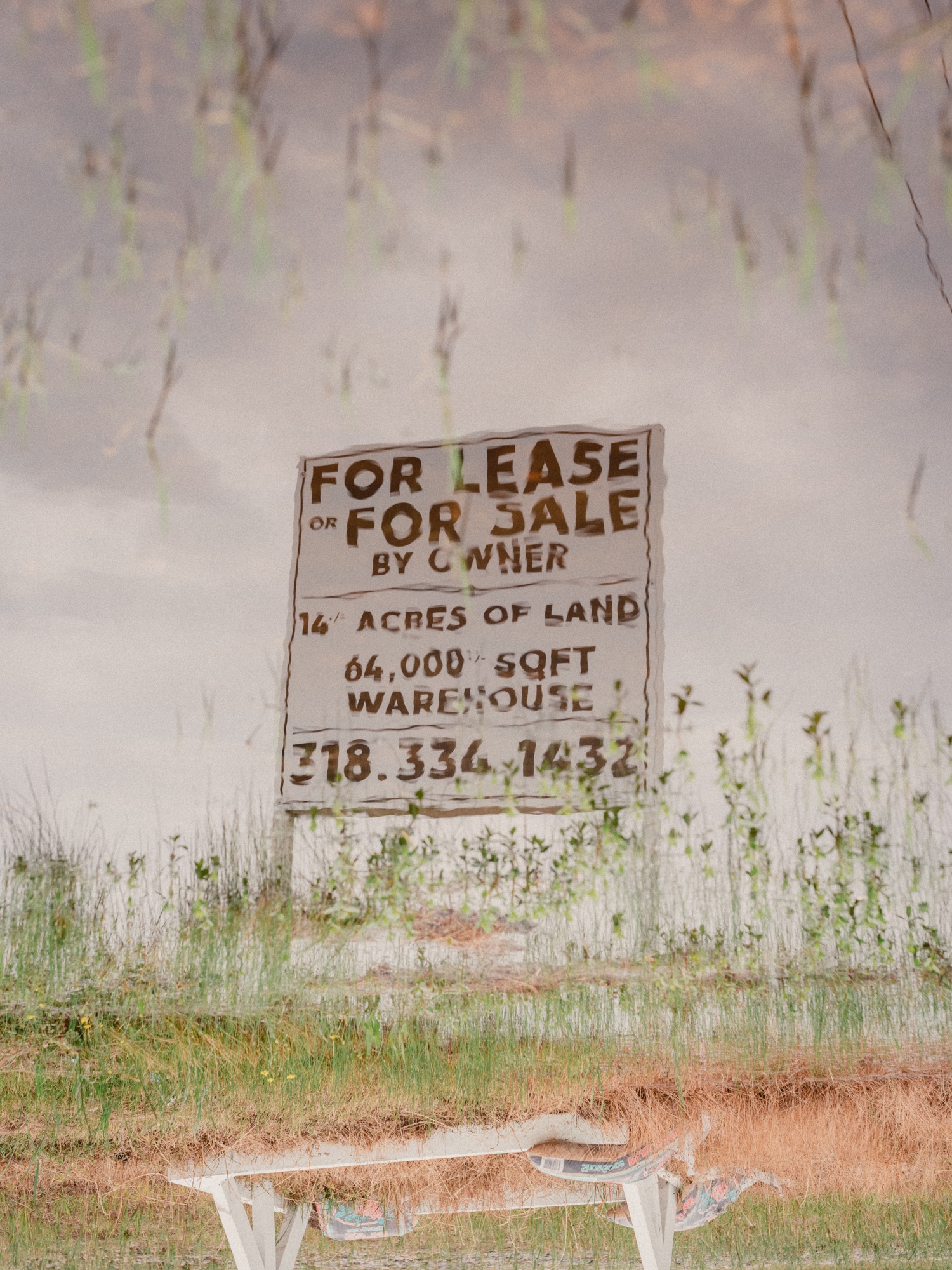
Around Hyperion, signs pitch land for sale, with property owners seeking $50,000 for plots once worth $2,000. (Real estate agents say few deals close at those prices.) The influx of workers is also having a large impact on residential real estate. Lee Brown, the parish’s tax assessor, says the area is experiencing a surge of housing construction. His office had to install signs for 2,600 new addresses in February alone. Still, he says, renters are facing increasing prices.
Meta says it’s plowing $400 million into local infrastructure and an additional $300,000 on parks and landmarks. It has also donated hundreds of thousands of dollars to the parish’s schools, some of which education officials have used to buy Meta’s virtual-reality headsets, in an attempt to prepare children for an AI-powered future. More immediately, local officials and parents have suggested that Holly Ridge Elementary School, which sits directly beside the construction site, be moved or the students relocated. The school principal and the parish superintendent both say they’d support relocation should Meta build a replacement. Scott Franklin has offered to donate land for such a project, and the company has explored the possibility, according to people familiar with the matter. Meta declined to comment.
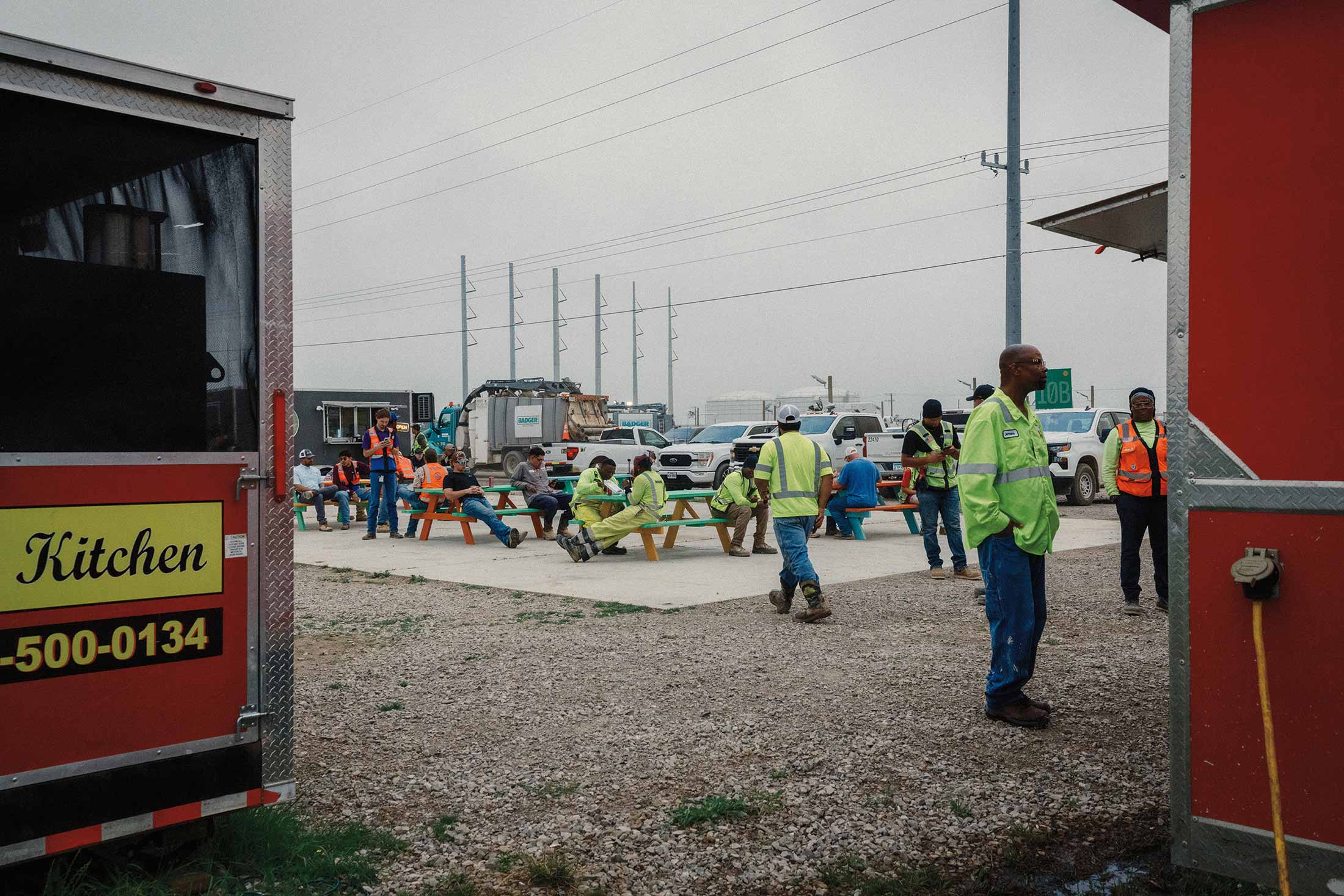
The Franklins have sold more than 1,700 acres since the groundbreaking, bringing the land dedicated to the project to almost 4,000 acres. Hyperion isn’t quite the size of Manhattan, as Trump suggested it would be, but it continues to grow. To support it, Entergy is planning to build 10 gas-fired power plants, whose infrastructure and electricity Meta will pay for. Six will be built in the parish itself, and regulators are expected to expedite the remaining approvals. In a statement, Landry touted that the agreement with Meta will deliver $2 billion in savings for Entergy Louisiana customers over 20 years. “That’s what responsible growth looks like,” the governor added.
Construction executives and even members of Landry’s cabinet admit they don’t know how big the project will ultimately get, which makes it hard for local officials to manage the impact. Like Richland Parish’s residents, they often learn about Meta’s plans through national headlines and Zuckerberg’s own social media. “We’re putting a puzzle together based on X posts, tweets or whatever you call them,” Bourgeois says. “It’s not ideal, but it’s the reality.”
Since the groundbreaking, Zuckerberg has met repeatedly with Johnson, promising expanded investment in Louisiana and eliciting assurances about the speaker’s commitment to the company’s AI agenda, according to people familiar with the matter. Although Hyperion isn’t in Johnson’s district, he does represent parts of Monroe, a city about 30 minutes away that’s the only local urban area of any size. Building owners there advertise their properties as future corporate offices, and local officials are jockeying for federal dollars to add a high-speed train line connecting Dallas and Atlanta. Visiting investors and executives book out Monroe’s high-end hotel, where they can avoid the dust of the site. Monroe Regional Airport, which has but a few direct commercial flights, is adding routes. For now, many fly private.
Monroe Mayor Friday Ellis, who was raised in Richland Parish and whose father and grandfather were sharecroppers for the Franklins, says Hyperion is precisely “the thing we’ve been asking for.” But, when talking to locals, he acknowledges “it may just not look like what you wanted it to look like.” He empathizes with complaints about housing costs, windshields cracked by construction debris and a surge in accidents, several of which have been fatal. “Their concerns are real, and they’re personal,” Ellis says. “And I can’t say they’re wrong for having those feelings.”
Is AI a Good Neighbor?
Share of US adults who say data centers are mostly good or bad for the following:

Source: Pew Research Center survey of US adults who say they’ve heard a lot or a little about data centers, conducted Jan. 20-26, 2026
Note: Respondents who answered “Not sure” or who didn’t answer are not shown.
Driving around the city while wearing a pair of Meta’s AI glasses he purchased himself, he points out abandoned warehouses left behind by Coca-Cola Co. and retells the story of Delta Air Lines Inc.’s departure. Those companies haunt the city like ghosts, and there’s no guarantee Meta will stick around, either. The company is borrowing billions, betting that AI will one day deliver enormous returns. Its investors have begun to show signs of uneasiness, sending shares down more than 10% after Meta detailed plans in its most recent earnings report to spend as much as $145 billion on capital projects this year alone.
If Meta does decide to leave, another hyperscaler could take its place. That’s the hope, anyway. Other large tech companies have begun exploring options in the state. Questions about a broader AI bubble aren’t at the top of Ellis’ list of concerns, though. All the area can do, he says with a sigh, is make the most of the industry that presents an opportunity today. “This deal is done, and my job as an elected official is to get the most we can out of this,” he says. “We have to seize the moment while it’s here.”
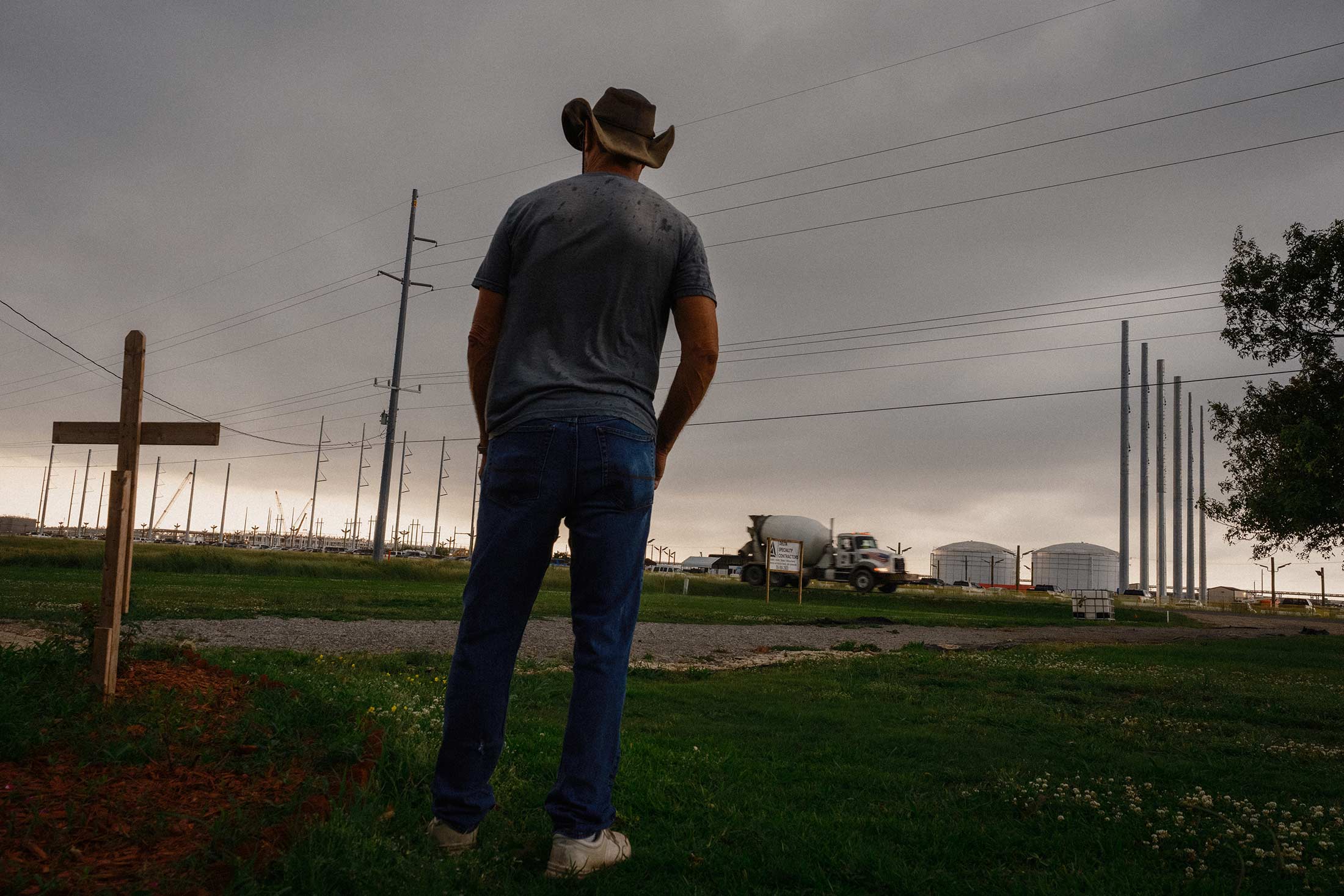
Morris, the plane-flying soybean farmer, says it’s hard to imagine what Richland Parish will be like in just 5 or 10 years, let alone 20. “We don’t fully grasp what’s coming,” he says. But, given the opportunity again, he’s prepared to sell some of the family’s land. He wonders if his grandmother’s view has changed.
On a recent Wednesday, much of the extended Morris family gathers at Ann’s house. All of her 15 grandchildren and 26 great-grandchildren have a standing invitation. While most still live within a few miles of one another, Morris is the only grandkid still farming. He hops into his truck to meet them, driving the short distance to Ann’s house, passing his sister’s and his uncle’s; the family is closely clustered on what they call an island surrounded by swamps. The sun is dropping behind the cypress. The first stars are emerging. A dog greets him at his grandmother’s door.
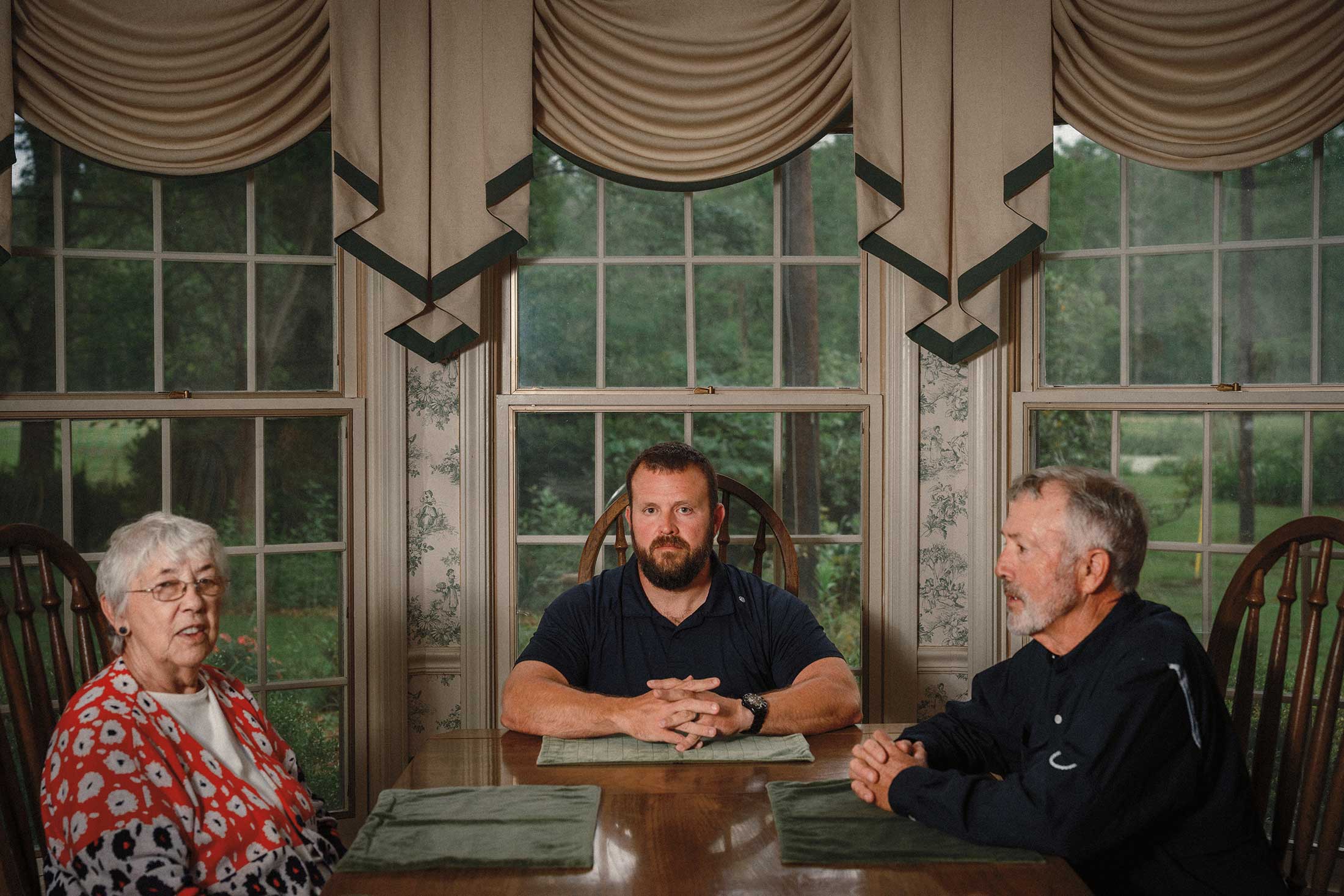
Inside, Ann, who’s 83 and has a short crop of silver hair, sits at the head of a table. She talks about the parish’s sharecropping days, when a dozen families lived and worked one farm and picked the cotton by hand. She remembers her father buying and selling mules to carry that cotton until technology made the business obsolete and he had to adapt.
Ann would like to think Meta will provide a chance for the parish to adapt and get past its current problems. But she isn’t particularly sold on the idea of AI or impressed with the 500 jobs the company says it will create. She feels the loss of her way of life. “It’s hard to explain the rural lifestyle to people,” she says. “How do you explain something that everyone takes for granted?”
Still, the next time a potential buyer calls, she says, she’ll hear them out. “There’s no way that everybody wins,” her grandson tells her. Maybe it’s time, they agree, to try to be among the ones who benefit from change, instead of getting run over by it.