The World’s Richest Families 2025
The wealthiest dynasties in the world have never been richer — and the Waltons lead the pack with a net worth of $513.4 billion.
The story of the world’s wealthiest dynasties over the past year underscores one financial truism: size matters.
The 25 richest families are collectively $358.7 billion richer than a year ago, with a combined fortune totaling $2.9 trillion. Their wealth surged due to rising stock prices and demand for goods like metals and pet food, but also thanks to the clout and experience they’ve accrued over decades.
The founding family of Walmart Inc., the Waltons, tops the list again this year with a net worth that exceeds half a trillion dollars for the first time. The minimum needed to make the list is higher than ever: $46.4 billion, $9.7 billion more than last year.
Four families, from four different continents, join the list for the first time. The Larrea Mota Velasco clan from Mexico and the Luksics of Chile both preside over empires that originated from copper mining. The Del Vecchios of Italy got rich from EssilorLuxottica SA, whose foray into AI-powered glasses powered a stock rally. And the Saudi Olayans’ globe-spanning empire and Wall Street ties have amplified their importance both at home and abroad.
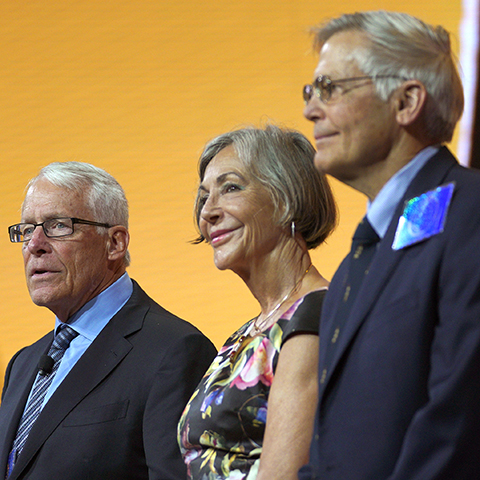
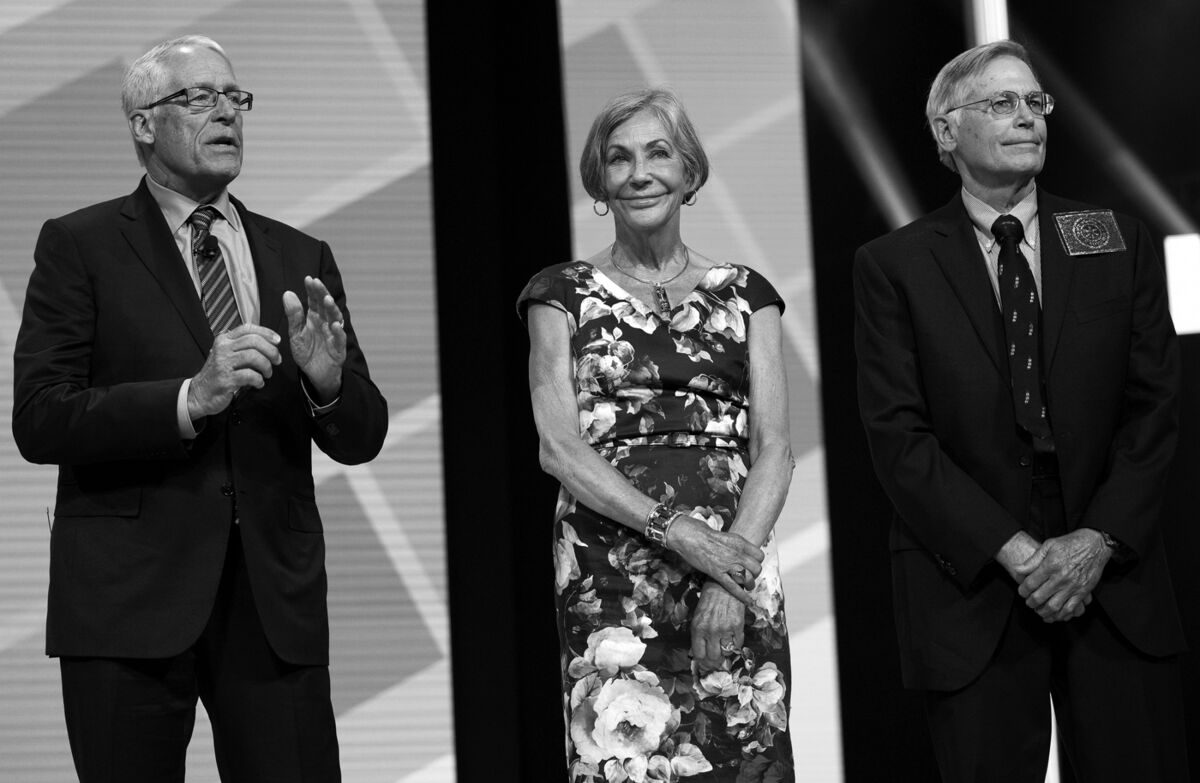
Walmart is the world’s largest retailer by revenue — $681 billion in the most recent fiscal year from more than 10,750 stores worldwide. The Waltons own about 44% of the Bentonville, Arkansas-based retailer, a stake that’s the foundation of the world’s biggest family fortune.
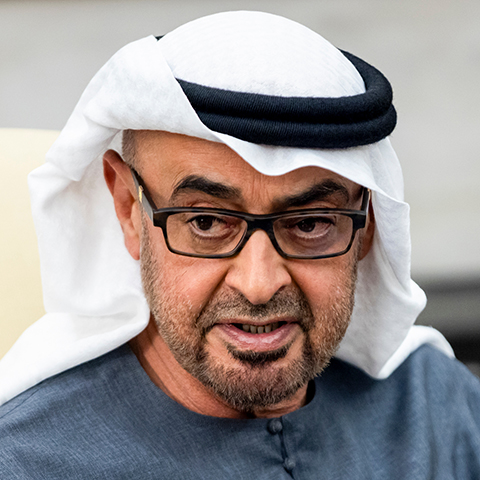
One of seven emirates that make up the United Arab Emirates, Abu Dhabi is the nation’s capital and where the vast majority of its oil reserves are found. The ruling Al Nahyan family has presided over the area that now constitutes the UAE for decades, even before oil transformed the economy and the royals’ finances. Abu Dhabi ruler Sheikh Mohamed bin Zayed Al Nahyan is also the country’s president. Other family members hold roles in both government and the private sector, a common blurring of lines between state and personal interests. National security adviser Sheikh Tahnoon oversees personal and sovereign assets worth a combined $1.5 trillion and has invested heavily in artificial intelligence.
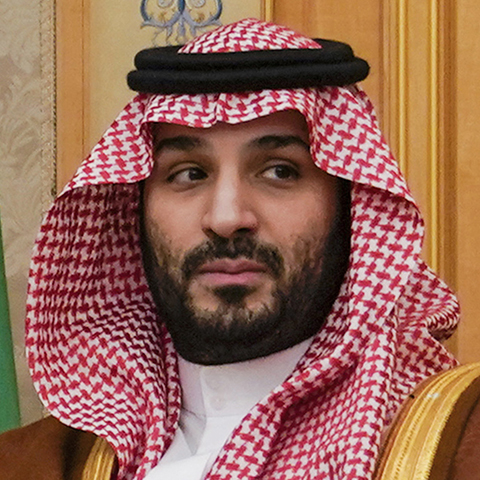
The 93-year-old monarchy for which Saudi Arabia is named can credit the nation’s massive oil reserves for seeding its collective fortune. The net worth estimate is higher this year due to revised estimates of past inflows and to account for reduced spending by family members. The total wealth controlled by its estimated 15,000 extended members is likely even higher. Many royals have made money through brokering government contracts and land deals and by founding businesses that service state companies, such as Saudi Aramco. The kingdom’s sovereign wealth fund PIF has $1 trillion in assets. Crown Prince Mohammed bin Salman personally controls assets worth well more than $1 billion.
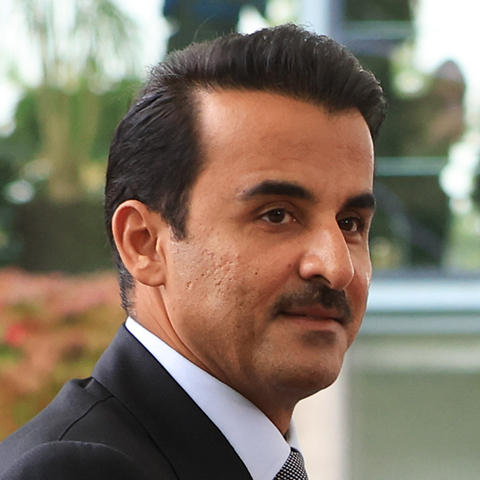
The Al Thani family’s rule over Qatar began in the mid-19th century and has endured through Ottoman and British imperialism, the founding of the modern state, wars and two coups. Oil was discovered around 1940 but it was the decision to mine its massive offshore gas fields that truly transformed the country and took its rulers to the highest echelons of global wealth. Family members occupy numerous political posts and dominate the local economy, owning businesses from hotels to insurers to contractors. They also hold prized foreign assets like homes in London’s Mayfair, stud farms, private banks and fashion label Valentino. The number of Al Thanis is in the thousands, though power is concentrated within a few key branches. At points in time they’ve comprised almost half of tiny Qatar’s citizenry, according to Harvard research.
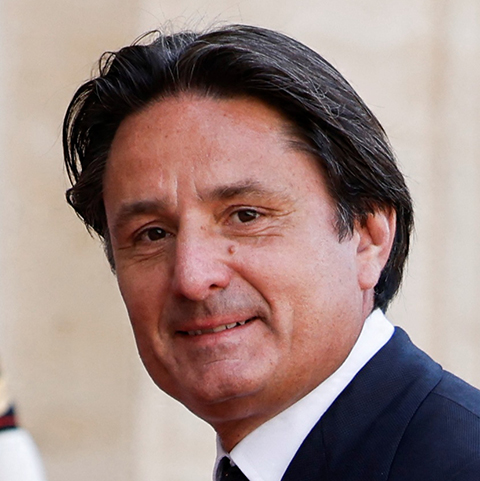
The sixth-generation family comprising more than 100 members owns the French luxury fashion company famous for its Birkin bags, which can sell for hundreds of thousands of dollars at auction. Among the family members who maintain senior positions at the company are Pierre-Alexis Dumas, the artistic director, and Executive Chairman Axel Dumas. The family’s investment entities include Krefeld and Breithorn Holding.
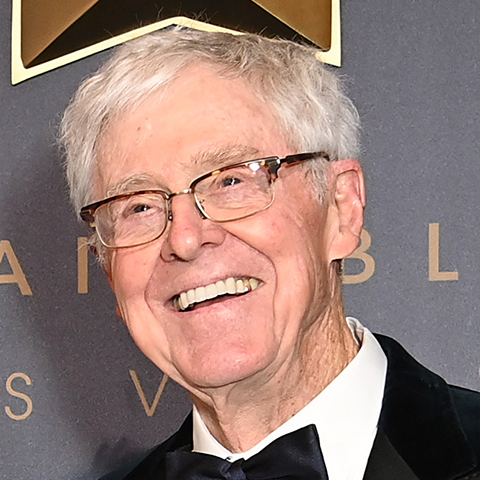
Brothers Frederick, Charles, David and William inherited father Fred’s oil firm. A fraternal feud over control of the company in the early 1980s led Frederick and William to leave the family business while Charles and David stayed. It grew into Koch, a Wichita, Kansas-based diversified business with annual revenue of roughly $125 billion. The family manages a portion of its wealth through family office 1888 Management.
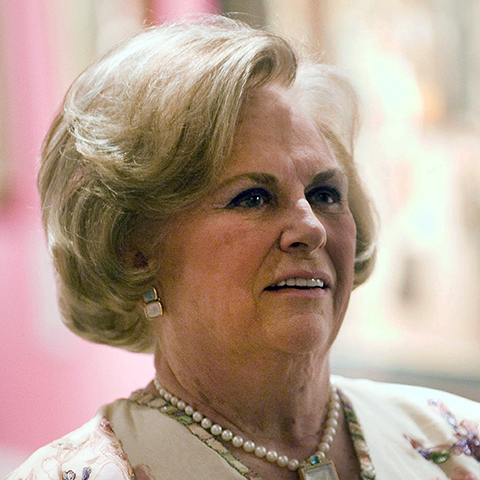
Frank Mars began selling molasses candies in 1902 at the age of 19. The business he went on to create was majorly expanded by his son Forrest Sr. and is best known for M&M’s, Milky Way and Snickers bars, though pet-care products now make up more than half of the company’s revenue. Mars’s acquisition of snack-food maker Kellanova closed this month.
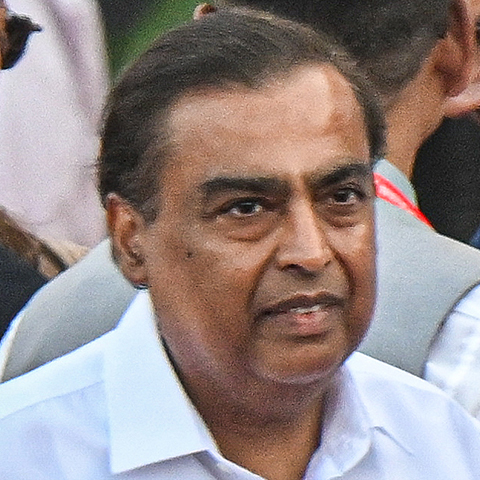
Dhirubhai Ambani, the father of Mukesh and Anil, started building the precursor to Reliance Industries in the 1950s. When Dhirubhai died in 2002 without leaving a will, his widow brokered a settlement between her sons over control of the family fortune. Mukesh is now at the helm of the Mumbai-based conglomerate, which owns the world’s largest oil refining complex. He lives in a 27-story mansion that’s been called the world’s most expensive private residence.
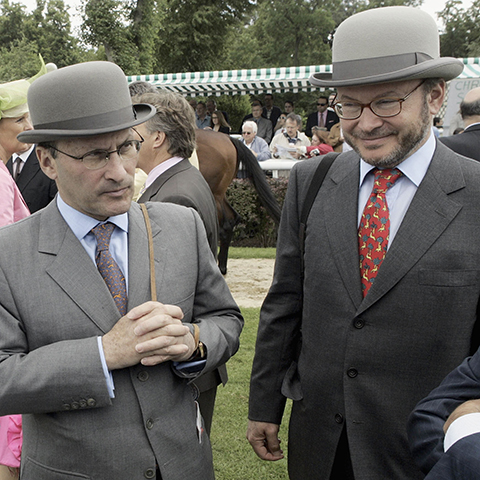
Brothers Alain and Gerard Wertheimer are reaping the benefits of their grandfather’s funding of designer Coco Chanel in 1920s Paris. Their family owns the closely held fashion house which introduced the “little black dress” to the world and had revenue of $18.7 billion in 2024. The Wertheimers also own racehorses and vineyards. Their half-brother, Charles Heilbronn, heads their family office Mousse Partners.
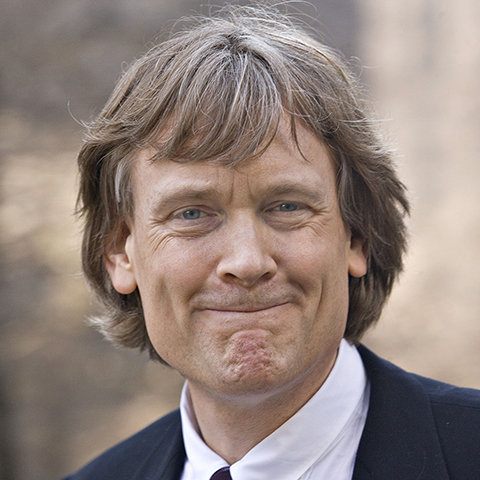
The wealth of Canada’s richest family originated in the early 1930s when Roy Thomson opened an Ontario radio station. He branched out into newspapers and became the country’s leading media owner and eventually the 1st Baron Thomson of Fleet. The family holds about a 70% stake in financial data and services provider Thomson Reuters through investment firm Woodbridge. The Toronto-based company had almost $7.3 billion of revenue last year.
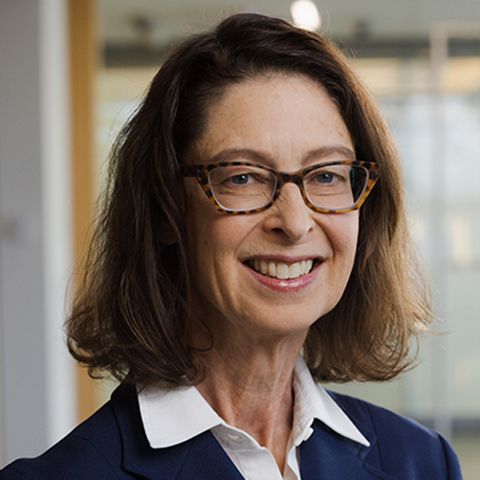
The Boston financial services empire was founded by Edward C. Johnson II in Boston in 1946. It is now run by his granddaughter, Abigail. The closely held firm has responded to the shift away from actively managed mutual funds by embracing low-cost index funds, expanding its wealth and retirement offerings and more recently, building out a digital assets arm. It had $17.5 trillion in assets under administration as of September. The Johnsons’ family office, Crosby, is based in New Hampshire.
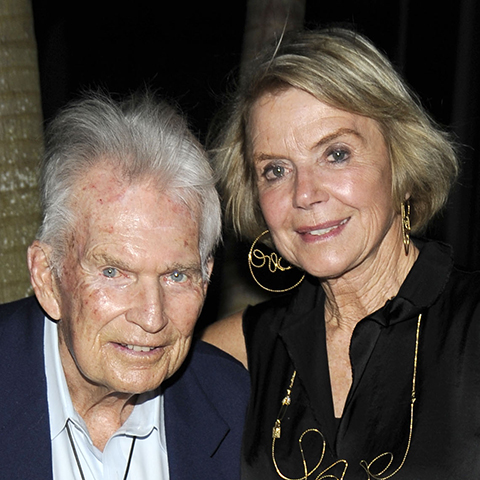
Members of this family are majority owners of Cargill, a food and agriculture company that had revenue of $154 billion in the 12 months ending in May. It was founded by William W. Cargill, who started the commodities business with one grain storage warehouse in Conover, Iowa, in 1865. His descendants maintain control of the Minneapolis-based industrial giant. Both branches share a family office, Waycrosse.
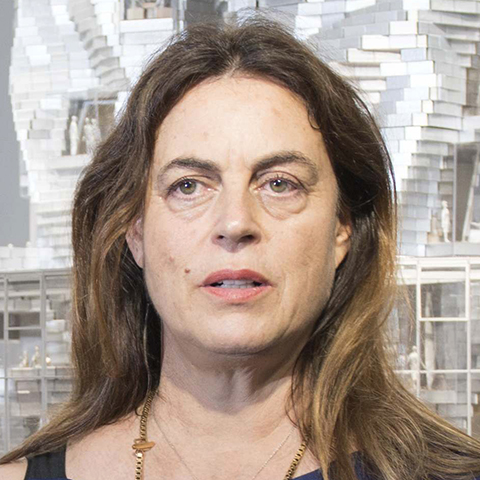
Drug maker Roche Holding was founded by entrepreneur Fritz Hoffmann-La Roche in 1896. His descendants own a controlling stake in the Basel-based company, whose blockbuster oncology drugs helped the group generate $68.7 billion in 2024 revenue. Family members have been prominent supporters of nature conservation.
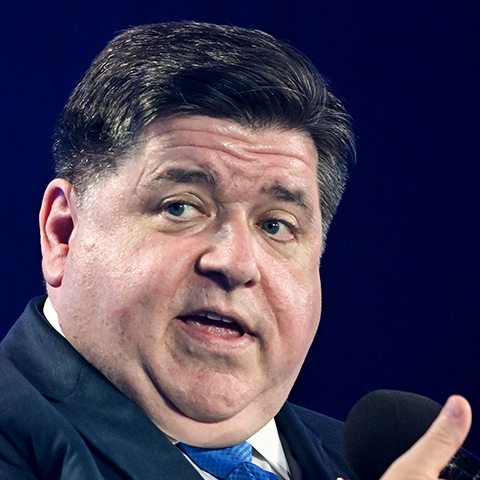
The son of a Ukrainian immigrant, A.N. Pritzker began investing in real estate and troubled companies while working for his father’s law firm. The investments seeded the fortune of one of America’s oldest dynasties, whose assets include Chicago-based Hyatt Hotels. Family members include prominent Democrats. Penny Pritzker served as US commerce secretary under President Obama and J.B. Pritzker is the current governor of Illinois. Family-owned investment groups include The Pritzker Organization, PSP Partners and Pritzker Private Capital.
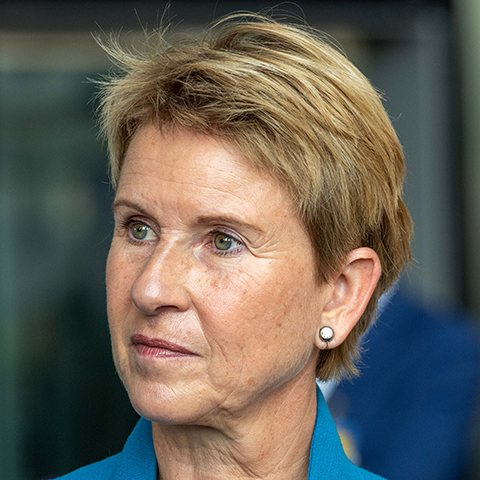
Herbert Quandt helped turn Bayerische Motoren Werke from a struggling carmaker into one of the world’s largest manufacturers of luxury vehicles. Family matriarch Johanna Quandt died in 2015 and her children, Stefan Quandt and Susanne Klatten, own nearly half of the Munich-based company.
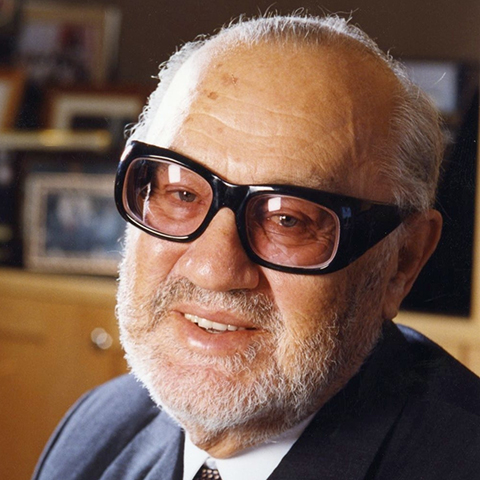
Sammy Ofer bought a small cargo ship in the 1950s after a tour with the British Royal Navy. That ship spawned an international maritime operation encompassing one of the largest privately held shipping fleets in the world. Sammy died in 2011 and his assets were divided between his sons, Monaco-based Eyal and UK-based Idan, who helm separate commercial groups involved in shipping, real estate, energy and other industries.
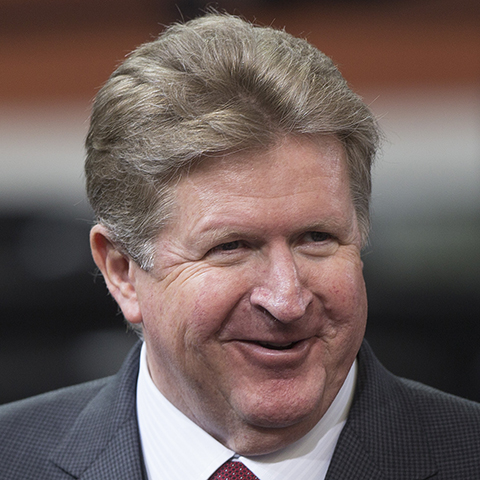
Jorge Larrea Ortega started his career in the construction industry before expanding into mining. Nicknamed the “king of copper,” he grew the business into the largest mining company in Mexico. German Larrea Mota Velasco, who took over from his father in 1994, expanded the family company, Grupo Mexico, which also operates an extensive freight railway network. It’s had a number of challenges, both with labor groups and environmental disasters. His nephews and son-in-law work in different divisions of the group.
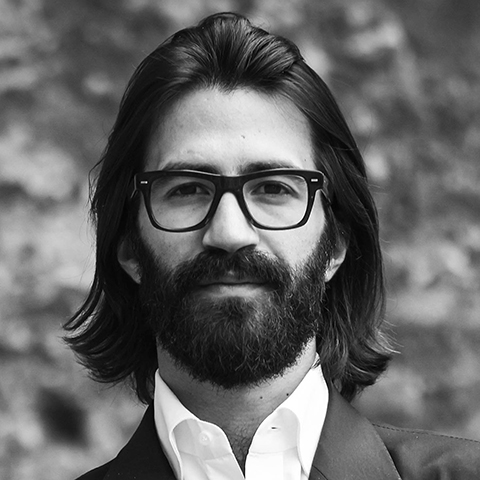
Leonardo Del Vecchio began making handcrafted eyeglasses in northern Italy in the 1960s, after spending part of his childhood in a Milan orphanage during World War II. Over the next half century, his Luxottica Group became the world’s biggest eyewear company, perhaps best known for Ray-Ban, which it bought for $640 million in 1999. When Del Vecchio died in 2022, he divided his fortune equally between eight heirs. The family has since ramped up its dealmaking through holding company Delfin, which bought a major stake in Italian bank Banca Monte dei Paschi di Siena last year.
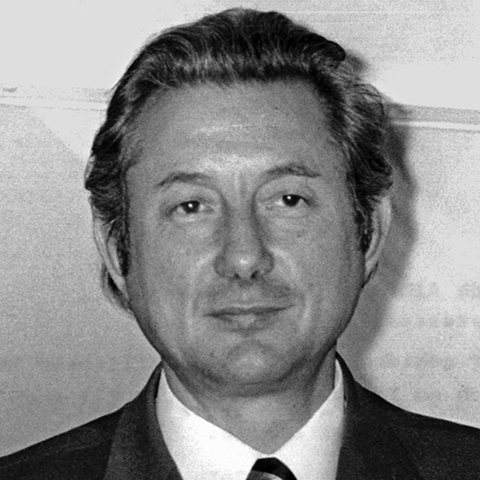
Theo and Karl took over their parents’ grocery store after returning home from World War II and turned it into Aldi, a national chain of discount supermarkets. The brothers divided the business in the 1960s. The two branches – Aldi Nord and Aldi Sued – now have more than 10,000 stores combined. Theo’s side of the family also owns Trader Joe’s, which it bought in 1979.
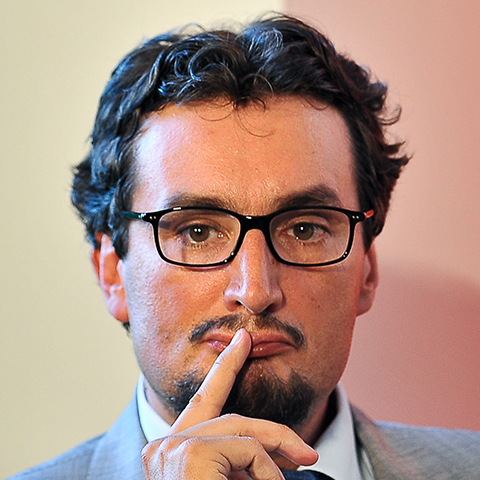
Michele Ferrero built a global chocolate confectionery company from a single pastry shop in the Piedmont town of Alba. His son Giovanni took sole charge of the family business after his other son Pietro died in a cycling accident in 2011. Under Giovanni, the company’s expanded into new geographies and categories, acquiring Nestle’s US candy business in 2018 and snack-and-cereal maker WK Kellogg in 2025. It employs 65,000 people and operates in more than 170 countries. The family manages money through Monaco-based Fedesa and Luxembourg-based Teseo Capital.
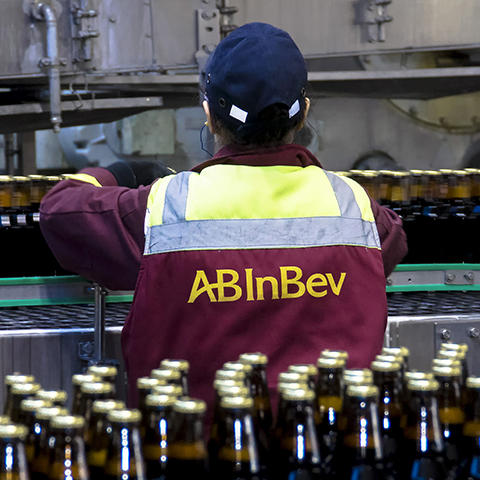
The collective enterprise of these three Belgian beermaking families has roots in the 14th century. The Van Damme family joined the others when the 1987 merger between Piedboeuf and Artois led to the creation of Interbrew, which merged with Brazil’s AmBev in 2004. Their family offices include Patrinvest and Verlinvest.
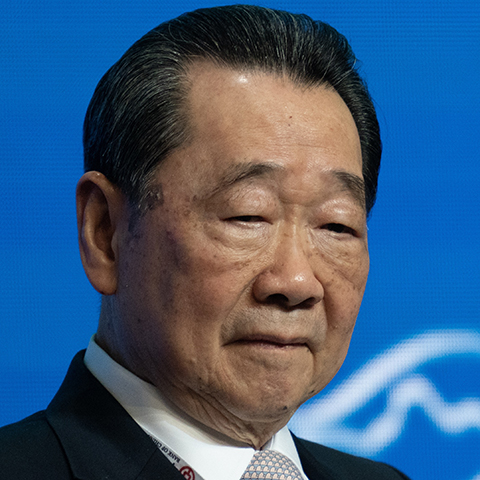
Chia Ek Chor fled his typhoon-ravaged village in southern China and started a new life in Thailand, selling vegetable seeds with his brother in 1921. A century later, Chia’s son, Dhanin Chearavanont, is senior chairman of Charoen Pokphand Group, a conglomerate with food, retail and telecom units.
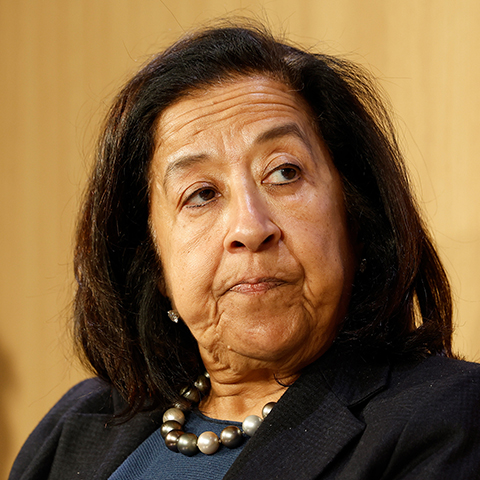
Suliman Olayan started working as a dispatcher for the predecessor company of Saudi Aramco in 1937. He mortgaged his house to win a bid to build an oil pipeline, which led to the founding of Olayan Group. The diversified conglomerate operates businesses spanning six sectors in Saudi Arabia and the wider Middle East, including food and beverage, health care and energy. The group owns more than 40 million square feet of real estate globally. Suliman died in 2002 and his daughters Lubna and Hutham have played major roles in running the company.
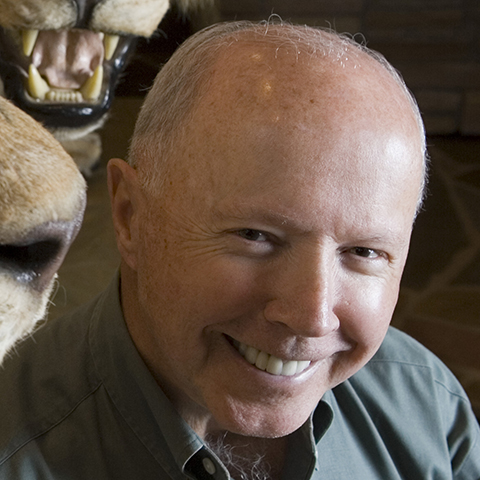
Dan Duncan started working for oilfield companies after leaving the US Army. He co-founded natural gas liquids wholesaler Enterprise Products in 1968 with about $10,000. The company went public in 1998 and is now one of the biggest midstream energy companies in the US. Duncan died in 2010 and his four children inherited the trusts that together own the biggest stake in Houston-based Enterprise. His daughter Randa is chair of the company’s board. They invest through the Duncan Family Office.
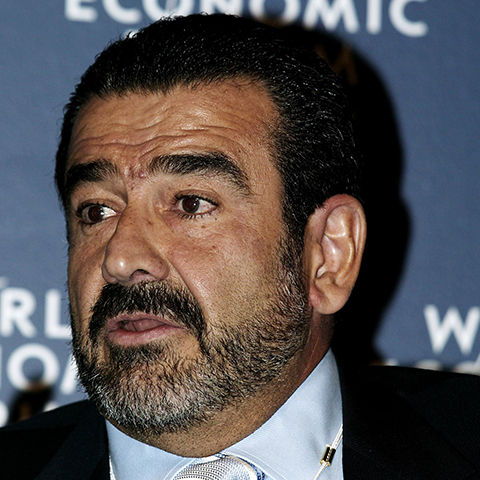
The fortune of South America’s richest family originated with Andronico Luksic, the son of a general-store owner who started buying exploration concessions in Chile’s Atacama desert in the 1950s. He acquired the money-losing Antofagasta & Bolivia Railway Co. in 1980, eventually turning it into a copper giant. The family has diversified into banking, brewing and shipping through their holding group, Quinenco.
—With Biz Carson, Amanda Gordon, Daniele Lepido, Tom Maloney, Anuchit Nguyen, Michael O’Boyle, Tara Patel, P R Sanjai, Dylan Sloan, Ben Stupples, Pui Gwen Yeung
Methodology
Net worth figures are as of December 9, 2025. The ranking excludes first-generation fortunes and those fortunes controlled by a single heir. Clans whose source of wealth is too diffuse or opaque to be valued are also excluded.