Two-Night Minimum Bogotá
The Colombian capital is emerging not just as an economic powerhouse but as a purveyor of cultural and culinary riches. Its checkered past means many of its brightest gems are hidden behind closed doors—luckily, we’ve found them all for you.
Welcome back to Two-Night Minimum, a series of city guides for those who want to get to the heart of a place in a short time—be it on a business trip or a weekend vacation. For this Bogotá edition, we independently scoped out more than 150 venues and distilled the list down to the very best of the best: Every recommendation below has earned our most discerning stamp of approval.
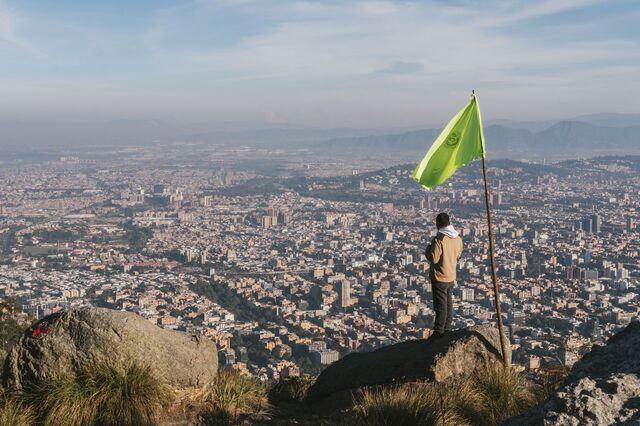
Ten thousand feet above sea level, the dusty Huisyzuca hiking trail curls high into the large Andean hills that form Bogotá’s jagged eastern boundary. It’s the perfect place to get a bird’s-eye view of the city, its sprawling carreras (avenues) segmenting the concrete valley in a neat grid below.
The fact that I’ve gotten here at all is a testament to how much Bogotá has changed recently. Just a few years ago it would have been deemed unsafe to hike up through La Mariposa, one of Bogotá’s most disadvantaged neighborhoods, to get to this lookout; now the area is part of a burgeoning outdoor enthusiast movement taking hold citywide.
Your Next Destination
Making that possible is a new ecotourism-and-social justice startup called LiveHappy. Its eponymous app hires residents to ensure the safe passage of hikers traversing their neighborhoods, creating revenue streams for locals and new excursions for outdoorsy types. I found it the perfect way to survey a city I was eager to fully uncover; a place that despite being so close to the equator is dubbed La Nevera—“the refrigerator”—for its steadily cool, year-round temperatures that hover around 68F.
That distinctly un-tropical climate—coupled with a history of crime that Colombia has now largely shaken—has kept many of Bogotá’s best shops and restaurants hidden from plain sight, inside multilevel complexes with sheltered courtyards. Sidewalk patio seating at restaurants, for example, is a rarity. But track down the right addresses, and you’ll find yourself enveloped by an effusively warm and hospitable culture.
Even if you speak fluent Spanish, be prepared to learn a handful of comical and nonsensical Colombianisms. For instance, you’ll often hear the words no dar papaya, literally “don’t give a papaya.” The gist: Avoid showing off your jewelry and phones, or they may get snatched. (How valuables are like papayas, don’t ask me.) “Not giving papayas,” though, is good advice here—just as it is in any major metropolis.
Also good advice: Use Uber Comfort—rather than just Uber or hailing taxis—to get around if you can’t walk. It helps you avoid perilously small vehicles without back seats.
In Bogotá—South America’s second-largest city behind São Paulo—the energy is palpable. It’s at once traditionally Colombian but also vividly forward-thinking—with spectacular homegrown fashion labels, a fast-growing international food scene and, of course, excellent coffee.
Here’s a cheat sheet to help you make the most of your visit, whether you have two nights or two weeks.
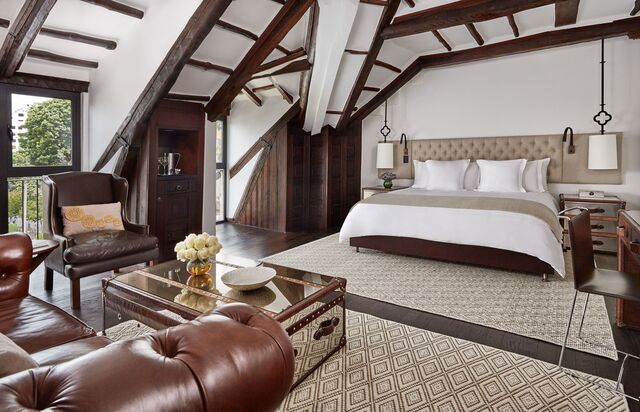
Top Rooms in Town
The details you really need to know to stay in comfort
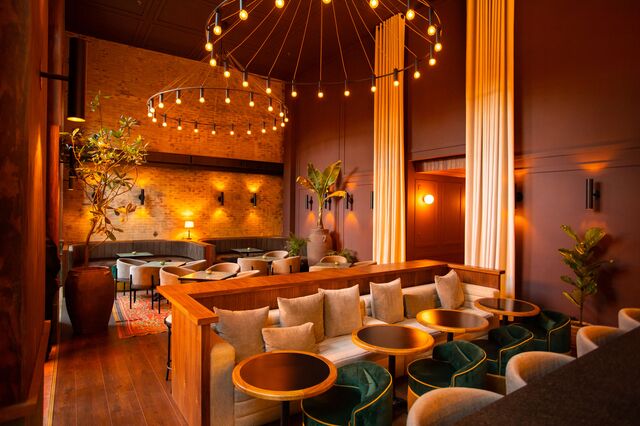
All-Day Dining
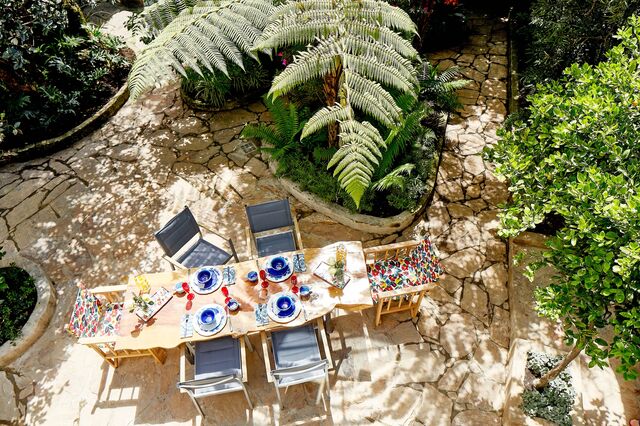
Our favorite restaurants for every meal
Even at bakeries, breakfast before 7 a.m. is always savory—eggs, corn arepa pancakes, buns made from yucca flour and cheese, and plenty of coffee. Lunch around 1 p.m. is the most important meal of the day; a hearty soup and grilled meat, plus rice, plantains or potatoes. At corrientazos—beloved family-run worker canteens scattered by the hundreds across the city—they’re served on heaping platters called bandejas. Dinner out usually happens around 8 p.m., following late-afternoon cocktails. Bogotano foodies are relishing the nascent boom of international eats in town—tacos, pizza and sushi are most prevalent and delicious. Our picks, however, mostly highlight Colombian flavors; i.e., the things you can’t order on DoorDash at home.
● Cafes and Couture
Join the phalanx of ladies who brunch as they grab their cappuccino to go—often with schnauzers in strollers and rolled-up yoga mats. Their two cafes of choice: Azahar, known for its light “Fruta” brews with strong berry notes (no milk or sugar needed!), or the millennial pink Tropicalia. Both have locations off Calle de los Anticuarios in the affluent El Nogal district; at the latter, be sure to order a killer avena caliente, a warm porridge studded with coconut shavings and passionfruit curd.
● Colorado Panaderia
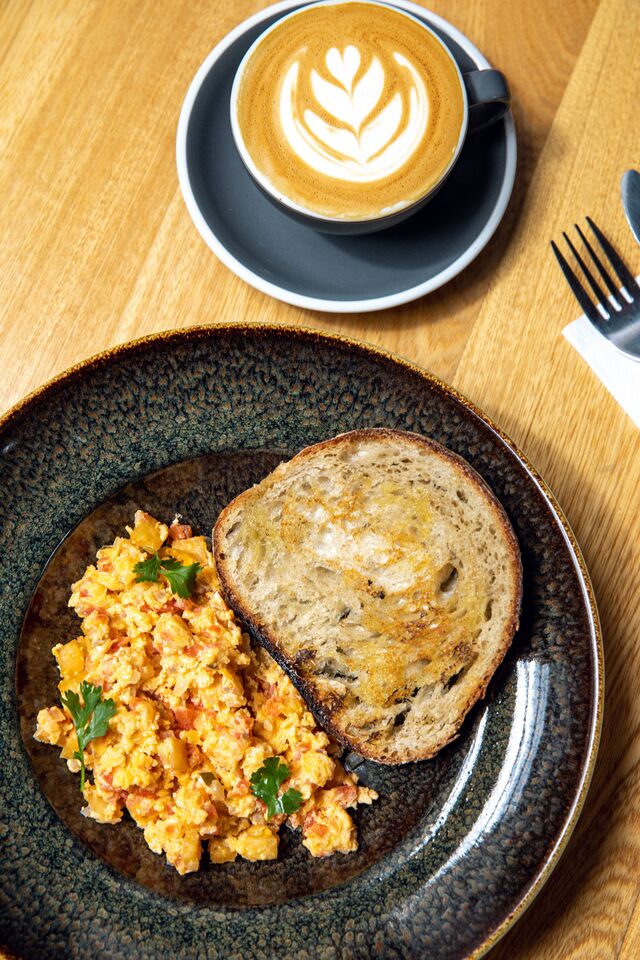
If I lived in Bogotá, I’d be at this Zona G it spot—from the owners of bistro powerhouse Mesa Franca—every weekend. Its creamy perico (scrambled eggs) and griddled bacon come with black corn arepas that are pressed and prepared with the exactitude of an Andean abuela; the pastrami sandwich, which adds house-cured beef tongue smothered in melted queso blanco, will ruin all other Reubens forever. Consider it mandatory to finish each meal with a sweet mambe cookie— the main ingredient, made from toasted coca leaves, tastes like South American matcha.
● Prudencia
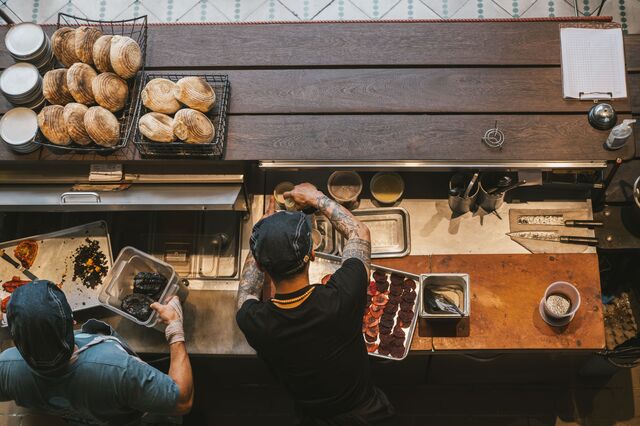
Hidden behind a graffitied door in the heart of La Candelaria, Prudencia adeptly uses fire to create honest, subtle flavors. For part of the meal, guests are invited to sit in a back garden where proteins are delicately spit-grilled over an open flame before returning to their table in the light-filled dining room. At 262,000 pesos ($67) for a prix fixe menu, it’s very expensive by local standards. Still, this restaurant fits in the rarefied center of the hospitality Venn diagram: great food, great atmosphere, great service.
● Drinks and Dancing in Chapinero
Hidden in a residential block, Jardin Tragos y Pasteles pairs wickedly delicious desserts with imaginative drinks, mostly featuring Colombian spirits such as viche and aguardiente. Go around sunset, and ruin your dinner with torta de pan, a rich cake made from smashed croissants and arequipe (dulce de leche). Then hop a quick Uber up the street to Attic+Keller, where a glamorous crowd sips cocktails under a funky oversize tepee. As the night goes on, they move downstairs to Keller (that’s German for “basement”). Join them if you want an authentic dance-filled rumba (that’s Colombian for “party”).
● Nueve
TVs in restaurants are a total vibe killer, but we’ll forgive it at Nueve—only because its pega arroz, a crispy rice waffle with crab, peanut sauce and grilled avocado, was the single best bite we had in Bogotá. That’s just one of the small dishes at this tapas and wine bar that ingeniously riff on the diverse canon of Colombian cuisine. Example B is the lechona dumplings—a playful take on a spit-cooked pig stuffed with rice and veg.
● Debora
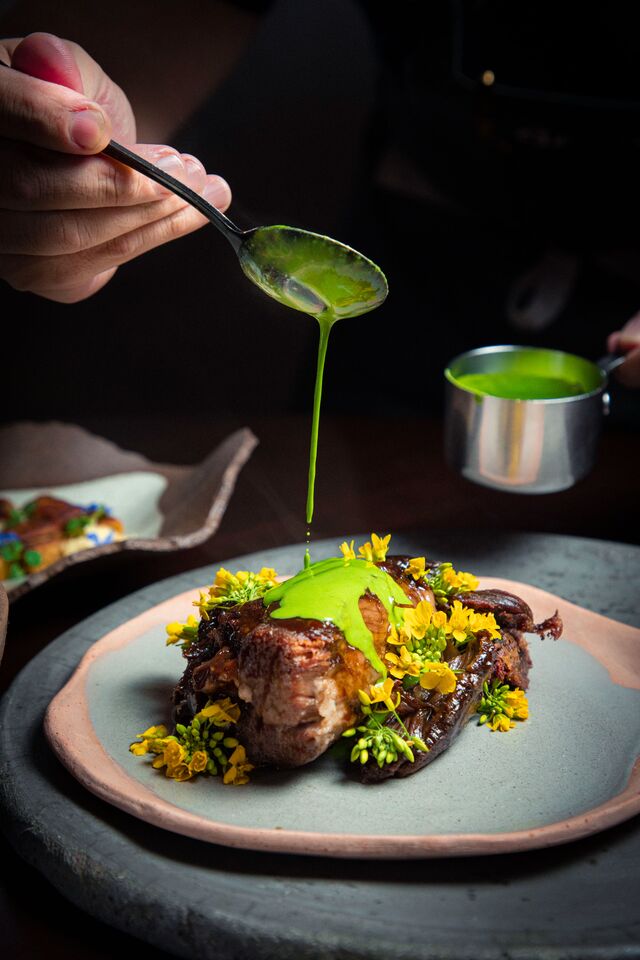
Helmed by an alumnus of World’s 50 Best darling Central, in Lima, Debora offers prix fixe and a la carte menus made up of modernist Colombian classics, like polka-dotted arepas and purple-hued tuna tacos, that taste like pure comfort despite their technicolor presentations. (We especially loved the cerdo crocante—slow-cooked pork with perfectly crispy skin, blanketed in edible flowers.)
● La Sala de Laura
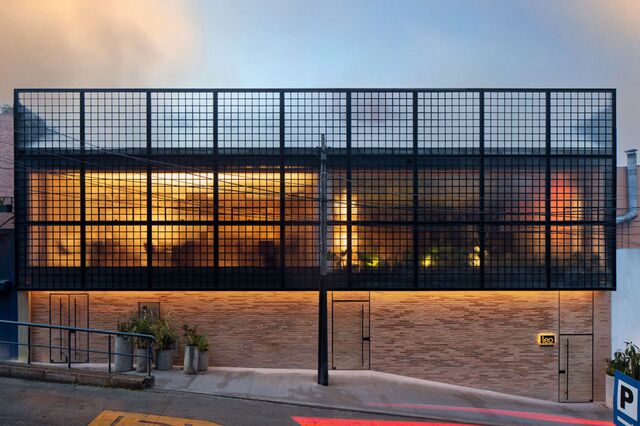
Leo is Colombia’s closest thing to Noma, with a focus on challenging ingredients such as Amazonian ferns, ants and stingray. Post-pandemic, its namesake chef Leonor Espinosa upgraded to a new location in Zona G—with a spinoff just upstairs that we found even better. Named for her daughter (and Leo’s genius beverage manager), La Sala de Laura puts a shine on more approachable Colombian flavors—like crispy fried pork rinds or richly stewed mushrooms—along with Laura’s home-distilled spirits. Her amazake, a low-alcohol rice wine, is not to be missed. It uncannily tastes like the ocean, in the best way possible.
● A Night Out in San Felipe
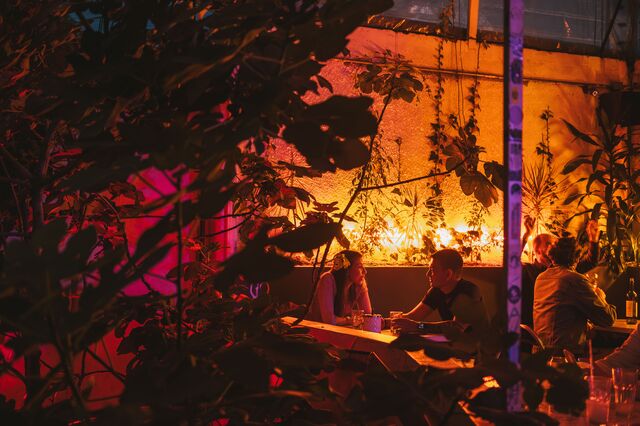
This emerging district on the far side of Avenida Caracas is home to more than 20 galleries, but it can be a tricky area to explore—it’s on the wrong side of the tracks of Carrera 14, in an area that’s now considered a prime investment. For now, one way to safely get a taste of its charms is via Espacio KB, an exhibition space by day and DJ’d dive bar at night. It’s a favorite among the city’s artists, jet-setters and counterculturalists, who pack it to the gills on Thursday, Friday and Saturday nights. Within safe walking distance is Tejo la Embajada, a trendy bar and gaming hall where you can try your hand at tejo—it’s a riotously fun mashup of cornhole and pétanque, but with a dash of gunpowder that explodes when you nail the target!
On the Town
Activities to squeeze into any schedule
● Tropical Fruit 101
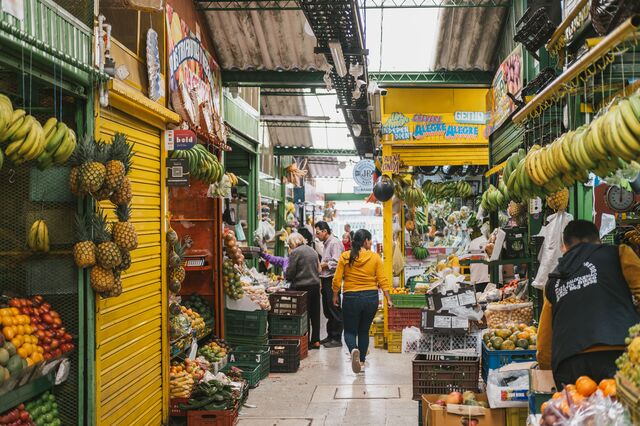
Bogotá’s colorful, year-round harvest varies not by season but by altitude—and the best place to get a crash course on this edible biodiversity is Paloquemao, the city’s largest food market. Arrive in the morning with wet wipes and a wad of small bills: There’s nary a credit card reader, and you’ll be taste-testing with your fingers.
First, look for Pandebonitos de la Virgen near the main entrance. It offers pan de bono buns made from cassava starch and filled with guava paste, served with a small cup of frothy rice-based masato. Then to its right and past the avocado shops, you’ll find stall 81-081, Distrifrutas Cruz, where for 10,000 pesos ($2.50) the owner, Jose, will make you a sampler of endemic fruits. Pick your favorite, and enjoy it as the star of a made-to-order smoothie at nearby Vero, a large blue stall with bar seating. For lunch, wrap up at Lechoneria Doña Rosalba, the city’s best spot for whole-roasted pig.
● Bogotá by Bike
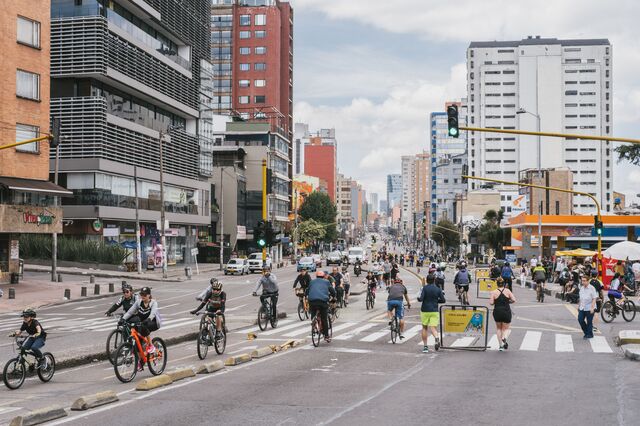
Cycling is to Colombians as soccer is to Brazilians—a lifestyle, serious sport and national pastime. On Sundays, from the early morning until the mid-afternoon, the city shuts down a significant portion of La Septima (Carrera 7)—a major north-south avenue—for thousands of cyclists and pedestrians. Rent a bike from Bogotá Bike Tours in La Candelaria, and enjoy the scenic ride northward all the way to the suburban neighborhood of Usaquén. There, you can explore the weekend flea market and have lunch at Abasto (get the oven-baked fish—filete de pescado—wrapped in a plantain leaf). For a caffeine jolt before you head back, pop by Catación Pública Bogotá; the cafe staff can guide you through various brews in 15-minute tasting sessions, no need to book ahead.
● Mountain Views
In Europe, you climb church towers to get a bird’s-eye view of a city; in Bogota, that’s Monserrate, a mountaintop Catholic sanctuary accessible by cable car. The experience is so iconic, queues for the tram can feel interminable; we spent more time waiting for a ride than we did at the top.
For perfect panoramas without the crowds and souvenir stalls, call on the social tech startup LiveHappy, founded in 2018. Think of it as Uber for hiking. The app lets you purchase a route pass and scan a QR code at the trailhead, so trained LiveHappy staffers can show up to safeguard you along the rutty mountain routes. The Las Moyas trail at the edge of the Rosales neighborhood is best for first-timers—it takes around two-and-a-half hours to complete the loop—and the views are just as good as Monserrate’s all along the way.
● Go for the Gold
The Spanish believed Bogotá to be a fabled lost city of unimaginable riches, a legend whose origin comes from the Indigenous, jewelry-clad Muisca people. To this day, the city is synonymous with gold. (That also explains the airport’s name, El Dorado.)
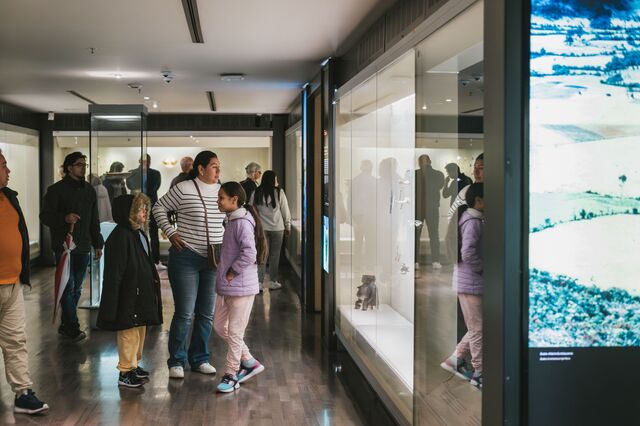
The Gold Museum, in downtown Bogotá, documents this history with more than 30,000 artifacts of pre-Columbian metallurgy. Its compelling collection ranges from intricately detailed nose ornaments that dangle across the face to monumental, 2,000-year-old stone relics similar in style to Easter Island’s Mo’ai. Figure around 45 minutes to breeze through all three stories.
Neighborhoods to Know
Half-day guides to two areas you should hit: One central and one worth the (short) detour
● La Candelaria
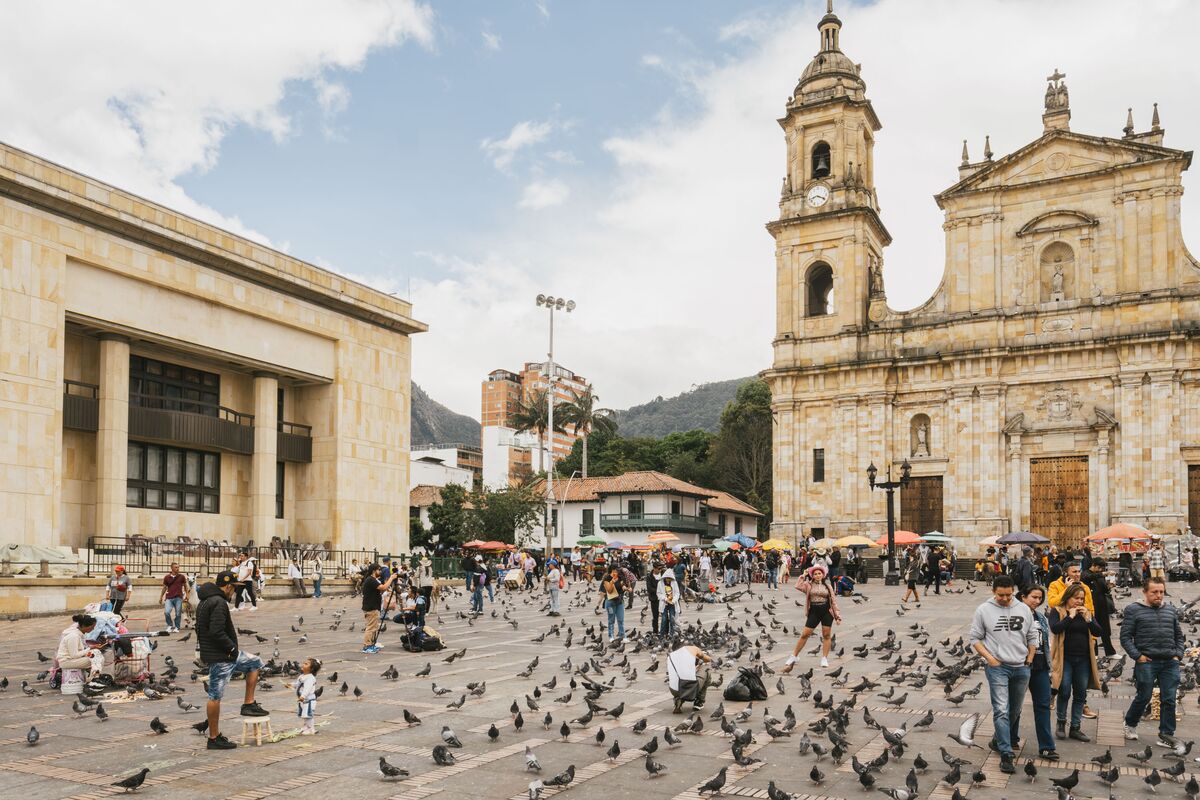
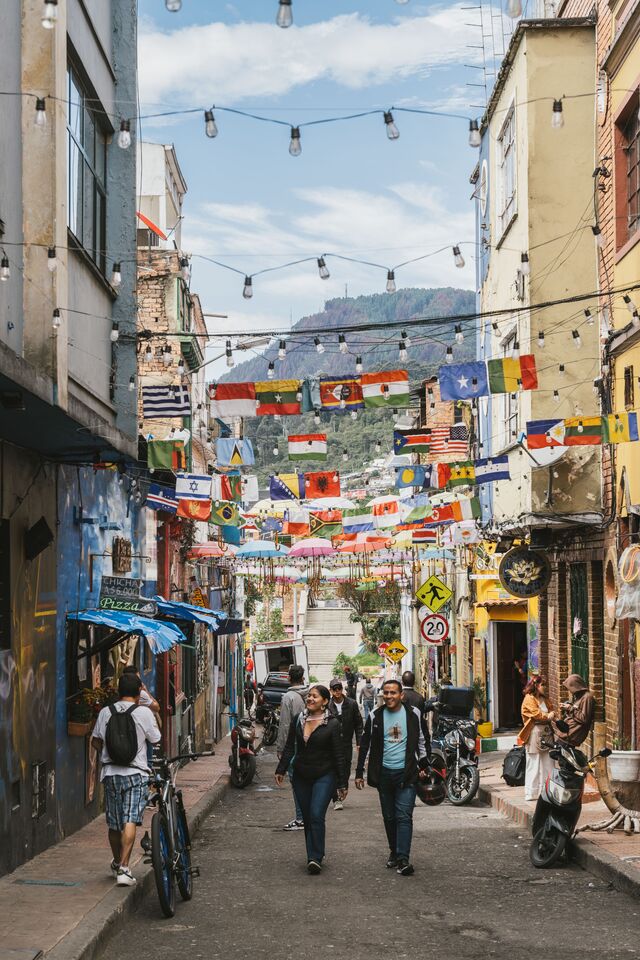
If you’ve put any of Bogotá’s main sights on your to-do list, then you’re going to wind up in La Candelaria, the city’s colonial core. Start on the tourist track in Bolívar Square—which holds the main cathedral and the National Capitol, designed to look like a British palace. Then get off it by overshooting the long line at the city’s oldest restaurant, La Puerta Falsa, and heading a few doors farther down Calle 11 to El Mejor Ajiaco del Mundo instead. Both venues focus on the hearty national dish, ajiaco, a beloved soup made with chicken, a trio of heirloom potatoes and a leafy herb called guascas.
Nearby are a handful of notable cultural institutions. The most impressive aspect of the Gabriel García Márquez Cultural Center is the complex’s radial concrete-and-brick architecture, which you can see from outside. So save your time instead for the free-to-visit Botero Museum, with several galleries of the Colombian artist’s distinctively plump portraiture. (His private art collection is also on display, including coveted works by Dalí, Degas, Klimt and Picasso.)
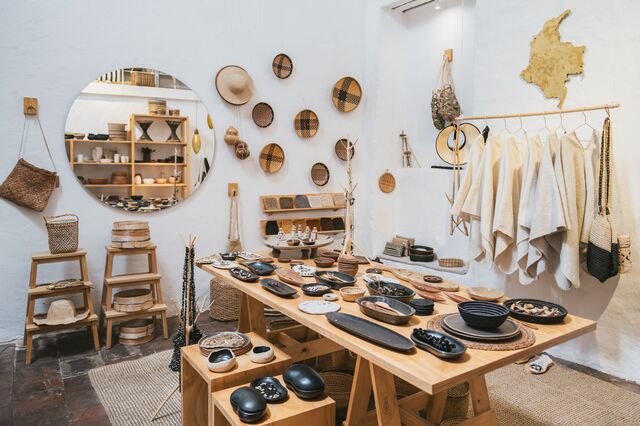
If the neighborhood’s throngs of group tours become too much, seek refuge with an espresso and a slice of torta de almojábana (cornmeal cake) at Cecile, an oft-overlooked hipstery bolthole. As for the one stop most tourists are sure to miss? The discreetly marked Casa Cicuta, which peddles beautiful, locally made housewares. Push the middle buzzer at the door; the clay cups and bowls by Melekeni Ceramics were a particular standout.
● Chapinero & Its Surroundings
The Brooklyn of Bogotá is a lot like its New York counterpart: a sprawling borough that’s both fully discovered yet still up-and-coming. Start at OG hangout Mini Mal, where colorful dishes range from coastal seafood to High Andean vegetables (the beef empanadas are a must). Even if you’re not hungry, its takeaway ice cream counter is worth a peek. It offers homemade flavors like arequipe and gulupa (purple passionfruit).
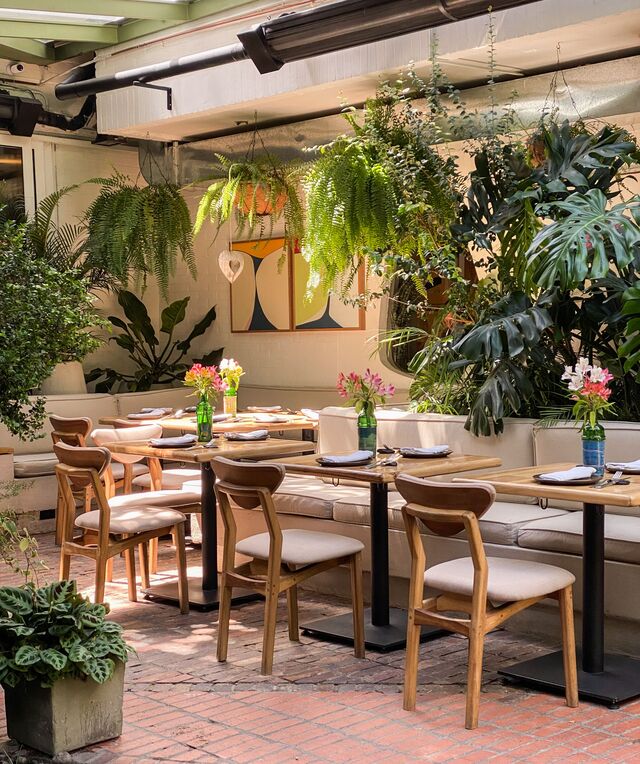
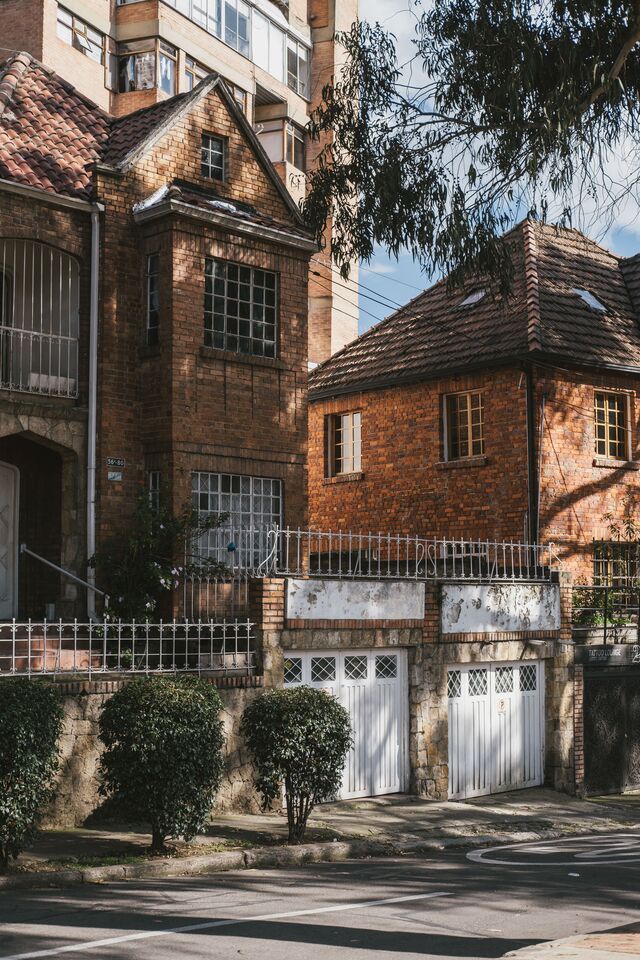
As you head north, earmark Río as a dinner spot worth returning to later—sitting in its jungle-like dining room is an experience unto itself. You’ll work up the appetite shopping around La Septima and Calle 70. On these walkable blocks, the best boutiques and coffee shops hide within quaint, Tudor-style houses: Browse the books and paper goods at Nada before ogling androgynous high fashion at A New Cross and pausing for a latte at Casa Café Cultor’s convivial courtyard.
End your Chapinero circuit with a glass of rioja at local favorite Atlas, a no-frills wine bar, or try a slice of creamy milhojas—a Latin American mille-feuille—at Salvo Patria. Brooklyn would kill to have a cafe-slash-restaurant that looks this cool, with white painted brick, potted ferns and a metal light installation that zigzags around the room.
Extend Your Trip
Adventures beyond the city limits
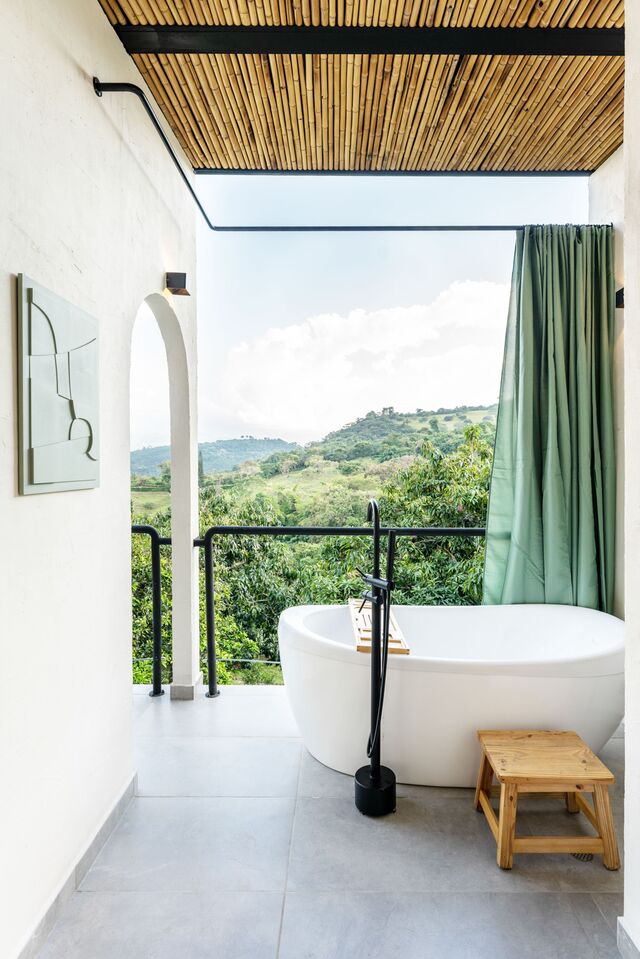
Most affluent Bogotanos escape to their second homes and farms on weekends, or decamp to sprawling country clubs in satellite townships. You can join in: At Mesa de Yegues Country Club, southwest of Bogotá, visitors can book into one of the on-property villas like this one to gain access to golf, wakeboarding and tennis on-site. For a countryside getaway without the club frills, look no further than Mangohaus' four mod cabins set on the rolling hills of a rural farm.
Daytrips out of the city are easy. Get an afternoon away from the gridlock with lunch at Chamán in the town of Tabio, or Orienté on the Guatavita Reservoir. Coffee buffs needn’t look further than La Calera, a 35-minute drive east, where Lohas Beans—one of Bogotá’s leading specialty coffee exporters—offers private afternoon coffee tastings that include ombligon, a yeast-fermented coffee with a nose, taste and mouthfeel as complex as red wine.
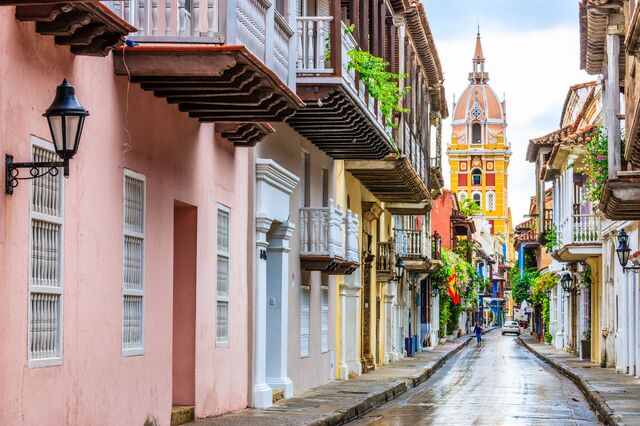
Of the destinations farther afield, Cartagena is the undeniable favorite, not only for its great hotels and fresh-catch restaurants, but its convenient flight access to US cities. The whistle-stop tour includes Cocina de Pepina, the mothership of fresh Caribbean cuisine, and legendary mixology spot Alquimico. We asked Cristina Consuegra, co-founder of Galavanta, Colombia’s top trip planner by a mile, for her Cartagena faves as well. She recommends staying at Casa Pestagua, a 16-room boutique hotel in the Old City, and a day of sand and sun at the Sabai Beach Club on the beachy outlying island of Barú.
One More Thing
A final tip before you’re on your way
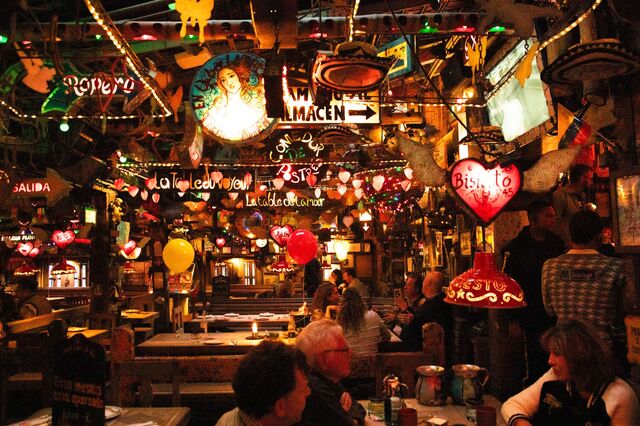
There’s no such thing as a trip to Bogotá without at least debating a visit to Andrés Carne de Res. It’s easily the city’s most famous restaurant-club, largely thanks to its eclectic rustic-kitsch decor and rowdy, round-the-clock entertainment.
The original location is in the nearby suburb of Chía; it’s where big groups go to celebrate, well, anything. But getting there from central Bogota can be an adventure: 45 minutes if you’re lucky, or two hours in rough traffic.
Luckily there’s a shortcut—an offshoot location adjacent to the Andino Mall in Bogotá’s Zona T neighborhood. The five-story venue offers a solid taste of what this institution is all about: incredible live music, delicious grilled meats and fried appetizers, oversize frozen drinks and a legion of actors who coax guests out of their chairs. During our visit we ended roleplaying “mean teacher and naughty student” with a member of the cast, and the only way to get out of detention was to dance!
Read next: Two-Night Minimum: Madrid