
Green
Mozambique Pioneers Cyclone Warning Network to Protect Millions
The coastal city of Beira is using faster weather data and community mobilization to better prepare for deadly, climate-fueled cyclones.
This is the first story in Climate-Proofing Cities, a series that explores how cities around the world are adapting to the impacts of global warming. Read about how São Paulo is installing hundreds of rain gardens in preparation for a wetter future.
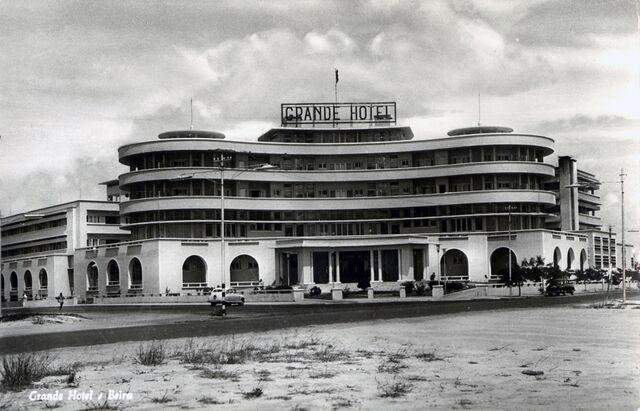
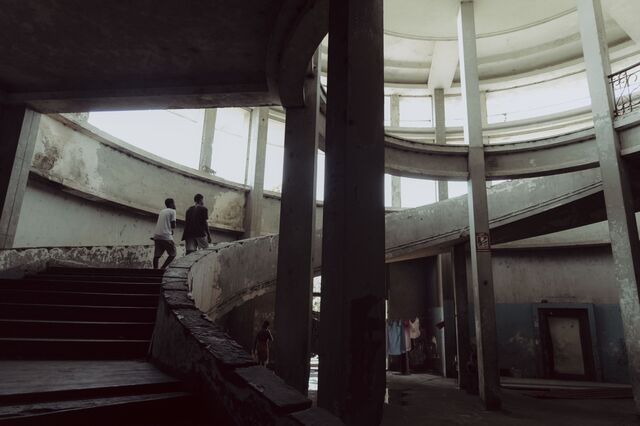
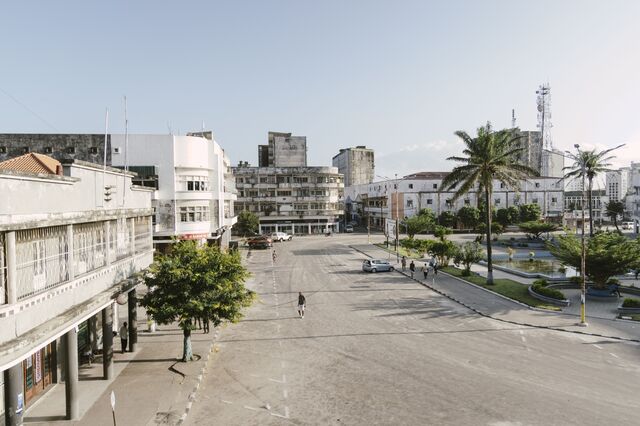
In the coastal city of Beira, Mozambique, the Grande Hotel, a once-luxurious complex built in the 1950s, has slowly fallen into decay. It is now home to dozens of poor families, some crammed into rooms and nooks, others living in dwellings fashioned out of corrugated iron in the hallways.
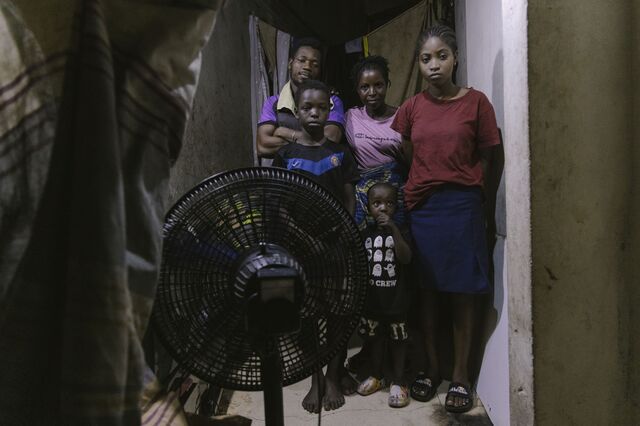
In 2019, Cyclone Idai brought more destruction to the already precarious building, blowing out the zinc sheets that residents had installed as windows. Zaida Lucas Paunde, her partner and their three children have lived in the hotel since 2015. When Idai struck, Paunde took refuge in a room on the ground floor and listened to the wind roar “like a beast,” she said.
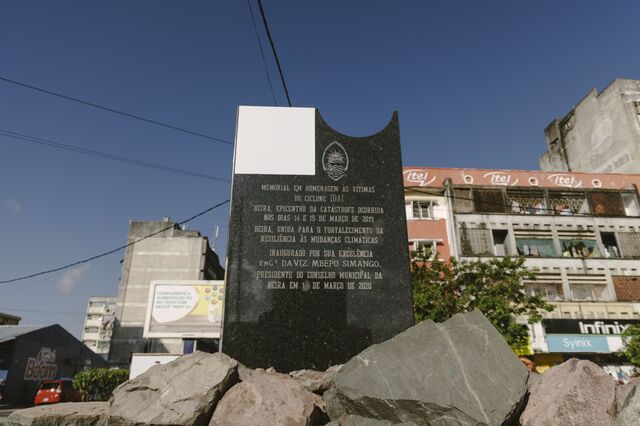
Idai was one of the deadliest storms ever recorded, killing more than 1,000 people in southeastern Africa, most of them in Mozambique. It damaged or obliterated most of the buildings in Beira.
Four years later, Cyclone Freddy pummeled the region — and Beira fared better. An early warning system and other proactive measures by Beirans have in recent years helped limit storms’ threat. Mozambique’s fourth-largest city has become an example of how cities can better prepare for looming disasters.
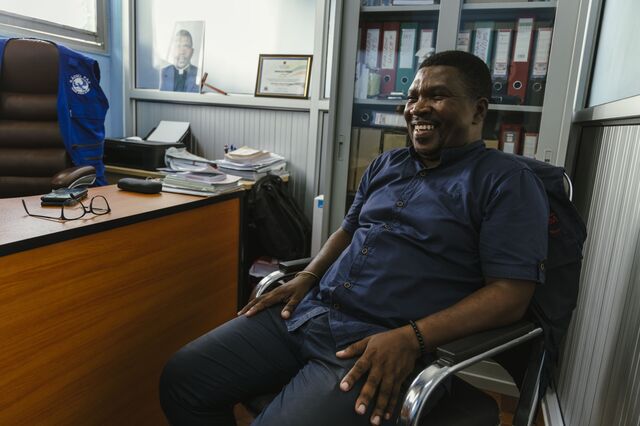
When Idai was approaching Beira, although people had been warned, “they had no idea how bad it would be, so they didn’t take too many precautions,” said Suade J. Suade, director of Radio Pax, a small radio station in the city.
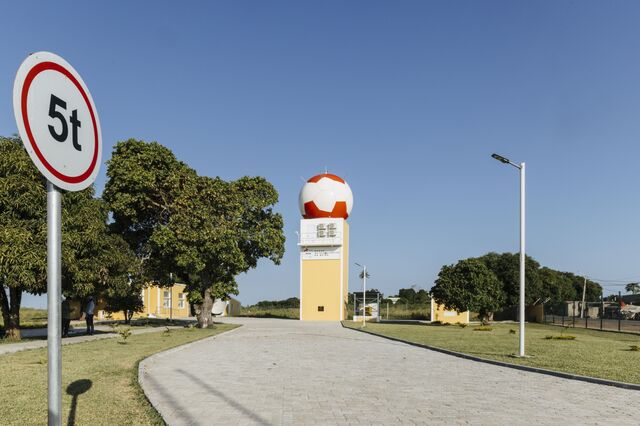
Now, when a storm is approaching, Beira’s new weather radar — a tower topped with a red-and-white sphere that looks like a giant football — detects it, and transmits the data to Mozambique’s meteorological agency, INAM. INAM notifies the country’s National Institute for Disaster Management. The institute in turn sends alerts to an intricate network of local stakeholders.
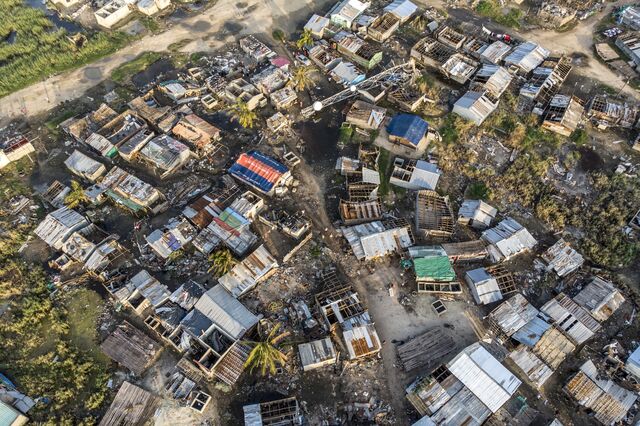
Radio Pax then sends frequent alerts on its air waves and social media channels, encouraging people to board up their windows, put sandbags on their roofs and stock up on food, lamps and candles. The station takes its own precautions too, after Idai soaked its equipment and made broadcasting impossible. It buys extra fuel that will power a generator if the storm takes down the grid — an essential measure to keep transmitting, especially to Beira’s poorest who lack access to the internet.
Since Idai, the city has encouraged residents to move away from the most vulnerable areas. Sea barriers have gone up, trees have been planted to help absorb water and drains are cleared out more often.
“People have learned about resilience,” said Albano Carige, Beira’s mayor. “They even start asking the municipality when they’re going to start providing the sandbags long before a storm even arrives.”
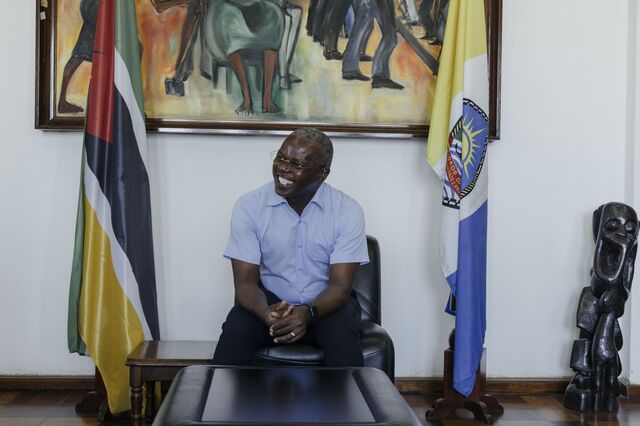
Each of the city’s 26 neighborhoods now has a volunteer committee elected by local residents. Committee members are in regular touch with city authorities, and set off on bikes with megaphones to warn neighbors of coming storms. They can tell people how much time is left before the storm makes landfall, down to the minute.
Beira can’t access big sums of money for rebuilding, noted Carige, which makes resiliency measures all the more important. “We need to reinvent ourselves, and find a way to make miracles,” he said.
While climate change is making weather more extreme and unpredictable across the globe, developing countries are disproportionately affected, in part because they lack robust systems to see a big storm or heat wave coming and then warn vulnerable people well ahead of time.
The world’s least developed countries have in recent years witnessed more than double the disaster-related deaths and people going missing, per capita, as countries in Europe and more than three times as many as nations in the Americas and the Caribbean, according to the United Nations’ World Meteorological Organization. Only 19% of poor nations have a plan to act on early weather warnings, compared to 36% in Europe and Central Asia and 46% in the Asia Pacific region.
Mozambique — where frequent storms batter the long coastline with growing intensity — is working fast to try to close that gap. In addition to Beira’s new weather radar, which can detect storms as far as 400 kilometers (about 250 miles) away, there are plans for two more, one in the north and one in the south of the country. These will also help neighboring countries prepare for storms.

The government aims to install a weather station in each of the country’s districts. That network will complement information from the radars, detecting and broadcasting temperature, humidity and rain conditions in real time.
Mozambique is among 30 countries that the UN is supporting under the WMO’s Early Warnings for All initiative. WMO Secretary General Celeste Saulo, in her first address to the media after taking office in January, pledged the agency will “make science and timely, life-saving information accessible to all” through the five-year initiative. All 25 UN agencies active in Mozambique are engaged in the plan.
The World Bank, the African Development Bank, other development agencies and NGOs are also helping fund these efforts. The African Development Bank partly funded Beira’s new weather radar and 11 weather stations in the city.
“Climate change is an existential threat to Mozambique, and Mozambique has to do whatever it takes with the support of the partners to prepare for adaptation,” said Cesar Augusto Mba Abogo, country manager in Mozambique for the African Development Bank. “This is not only an issue of mitigating anymore. It’s a recurring shock.”
But raising enough money is a challenge for a nation that emerged from a 16-year civil war only a generation ago, and whose gross domestic product per capita is among the lowest in the world.
“Finance is always one of the biggest challenges. We are always short of cash,” said Mateus Magala, Mozambique’s transport and communications minister. “Roughly $100 million — that’s what would be needed to have a proper, high-standard early warning system.”
The national government is also hoping that exploiting natural gas fields off its northern coast will bring in the revenue needed to start changing that, with an estimate that gas exports could amount to $91.7 billion in coming decades. Climate experts warn that, when burned, the fossil fuels extracted from Mozambique’s giant gas reserves will contribute to accelerating the global warming that’s in turn hurting the country’s economy and its people.
Since Idai, many better-off Beirans have taken proactive measures to protect themselves. A year after the cyclone hit, Rosalina Fernandes, her husband and two children left their seaside apartment in the city’s Macuti neighborhood and moved to a new house farther inland. Now, they have solar-powered lights if the grid fails, a water tank and a large storage room to keep plenty of emergency food and supplies.
“We haven’t had a cyclone as strong as Idai” since the family moved to the new house, Fernandes said. “But we believe the impact will be reduced here because this house was in place when Idai hit, and it didn’t suffer as much damage as the one where we used to live.”
Higher awareness means Fernandes’ employer sends everyone home the day before a storm is set to arrive to allow them to prepare. Even a storm warning with some rain and wind leads to neighbors boarding up their windows.
“Here in this house, we feel safer,” Fernandes said. “This area is not prone to floods. We are far away from the sea and the building is more resilient and adapted to withstand extreme climate events, like strong winds and long-lasting rains.”
Mozambique’s early warning system has proven effective in predicting how much rain will fall and where, but there are still gaps, said Genito Maure, a climate researcher at the Eduardo Mondlane University in Maputo, the country’s capital. These include a lack of information on how cyclones impact sea levels, which is a problem in a country with a 3,000-kilometer (almost 1,900-mile) coastline.
“In places where extreme events don’t happen often, people die,” Maure said. “We are being hit several times a year, and we’re becoming more knowledgeable on what we have to do because it’s a survival matter.”
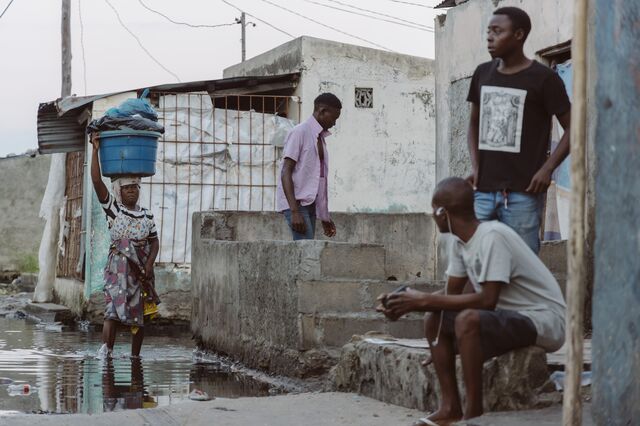
But communications still need to improve in a country with over 20 languages spoken and a literacy rate around 60%. For a large share of the population, announcing how many millimeters of rain will fall in a certain period of time has the same effect as “showing hieroglyphics,” said Maure, who is currently researching the effectiveness of early warning systems in different communities across Mozambique.
The bigger problem, he says, is building resilience when most people won’t or can’t move to safer areas long-term.
“It doesn’t rain every day, but people have to go to work every day,” he said. “If you move people somewhere safe from cyclones, but far from the hospital, schools or places of work, you’re adding living costs, so they’ll always go back.”
The city’s poor don’t have many options for getting out of harm’s way. Paunde, who rode out Idai in the Grande Hotel, said the disaster showed her she needed to leave. But she and her family stayed for lack of an alternative.
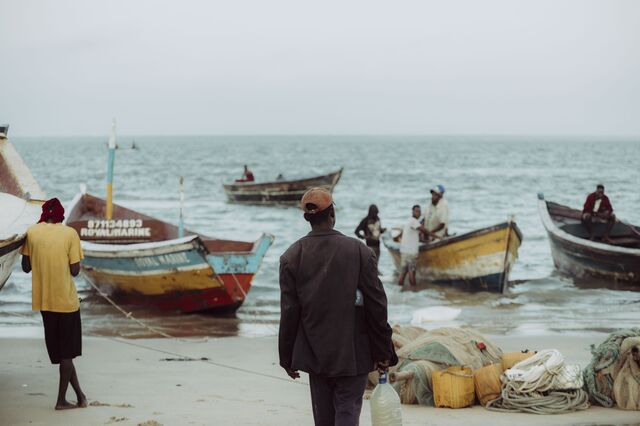
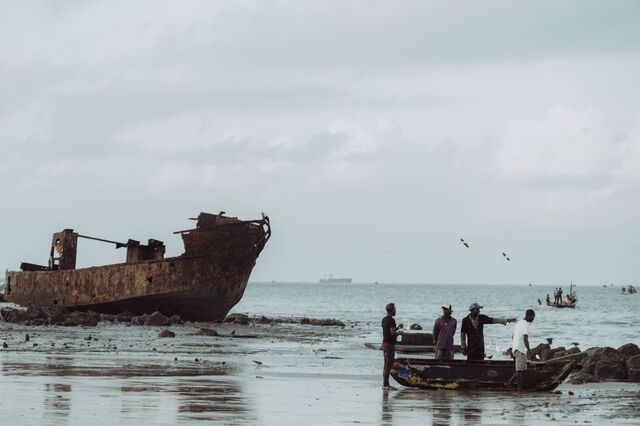
Praia Nova, one of Beira’s poorest districts, was among the worst-hit by Idai, with waves 9 meters (30 feet) high and winds of up to 177 kilometers per hour buffeting the neighborhood. Despite the damages — and despite the government urging people to evacuate to a safer area — it remains a vibrant informal trading hub where some money can be made. Every morning, dozens of wooden dhows, traditional sailing vessels of Arab origin, carry dried fish from villages and people trade it for goods including cornmeal.
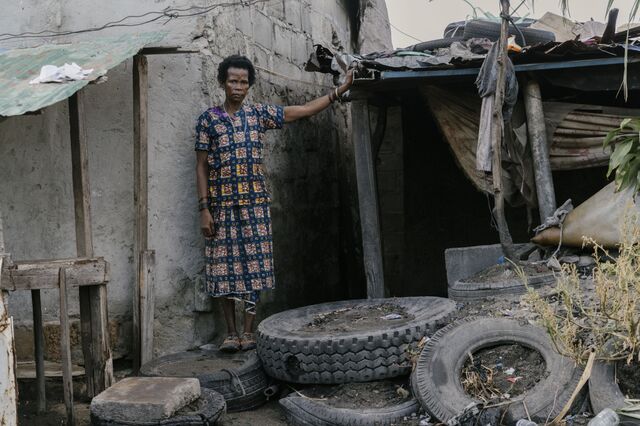
Cecilia Miguel, a 56-year-old mother of three, remains in a home that was badly damaged during Idai. She lives off the 500 meticais (less than $10) a month she makes from renting out a small room in what’s left of her house.
Miguel has filled old car and truck tires with sand and stones, and placed these on her precarious roof alongside large rocks to prevent the strong winds from blowing it off. She’s also built a wall made of old tires to shield the house.
When a storm looms, “They warn us — that, they do,” she said. “Cars with speakers come by warning that a cyclone is coming. But I do nothing, because I have nowhere to go. So I just sit and worry that the cyclone will come and destroy my home again.”