
Milei’s Austerity Ravages a Factory Hub at the End of the World
The island province of Tierra del Fuego is Argentina’s electronics base thanks to a quirk of history. Islanders’ natural resilience is being severely tested by the president’s economic policies.
Back when the good times rolled, men descending onto the wind-ravaged Patagonian plains would be met by representatives of Argentina’s biggest companies waving job offers tripling and quadrupling what they could dream of earning elsewhere in the country.
Four decades on, the sole daily flight that lands in the city of Rio Grande just before dawn is greeted by unemployed factory workers driving Uber competing with taxi drivers to ferry groggy passengers home for $5 at most.
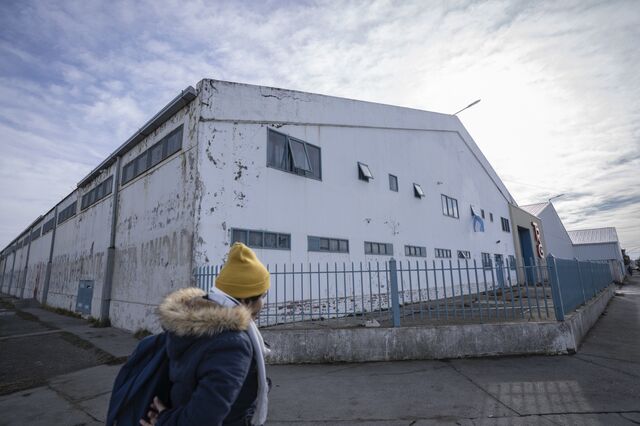
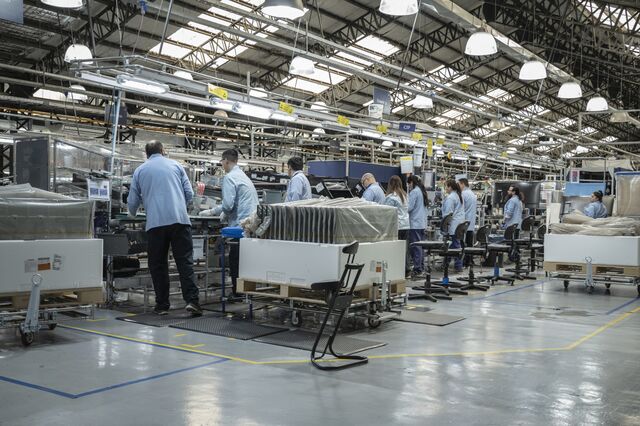
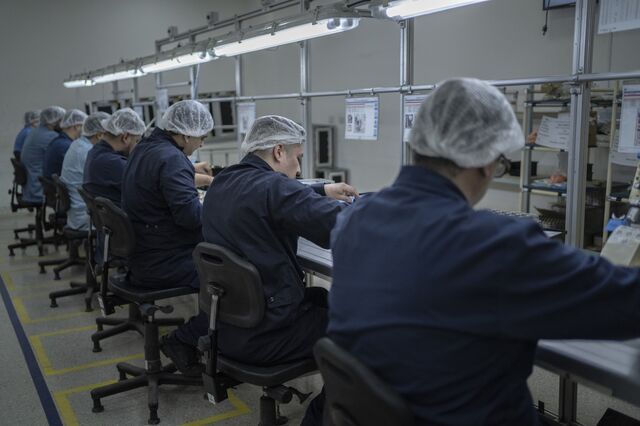
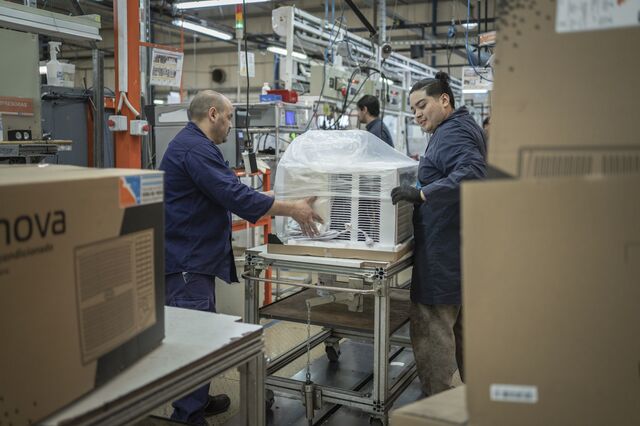
Those lucky enough to still have jobs trudge through the muddy streets into factories to piece together Samsung phones and AC systems. But where even just last year the city’s electronics, plastics and textiles plants hummed with activity around the clock, many now shutter in the early afternoon once those workers finish their shifts.
Tax breaks granted a half century ago encouraged companies to set up shop in Tierra del Fuego, an island province of mountains, glaciers and penguins located at the southern tip of Patagonia, where Latin America gives way to the Antarctic.
Today, what’s developed into Argentina’s main center of electronics production, and the residents it attracted, are being pushed to the limit by President Javier Milei’s shock therapy aimed at putting the country’s moribund economy back on its feet. Rio Grande, the industrial hub created at the end of the world, offers a litmus test of whether he can make his painful experiment pay off.
In truth, Rio Grande has long been in decline. Back in the day, a teacher’s monthly salary was enough to rent a house, furnish it and take a family on vacation. Now the island’s going through the grinder: Poverty has leapt as Tierra del Fuego lost one of the greatest shares of private sector jobs of any province since the slash-and-burn libertarian president took office in December—10% of the roughly 37,900 posts it had the previous month.
“The situation is pretty sad compared to what it was a year ago,” said Pablo Blanco, a national senator from Tierra del Fuego province. “If you don’t have enough to eat or get by, you’re not going to buy a TV, an air conditioner or a cell phone.”
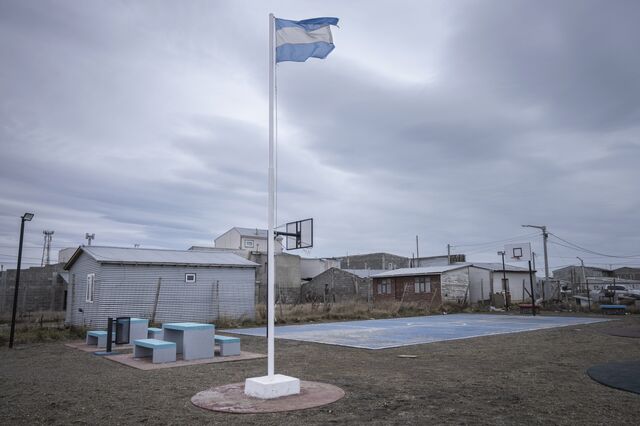
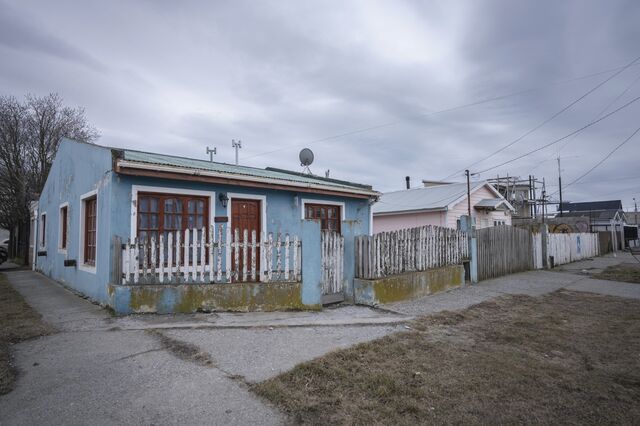
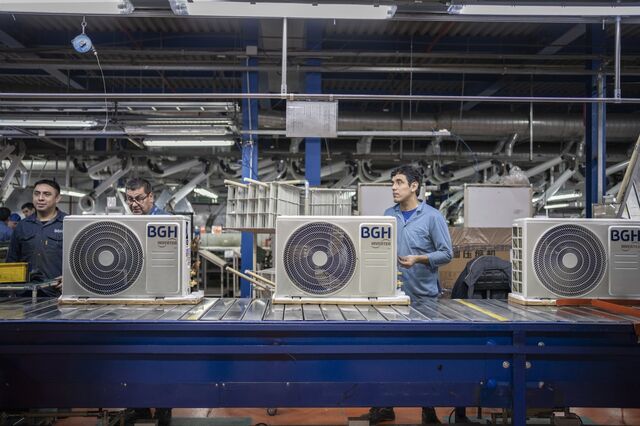
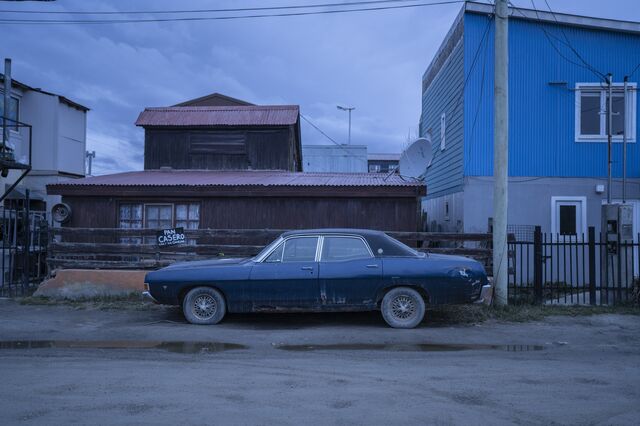
The factory town, the island’s largest by population and the hardest hit by Milei’s austerity, boasts none of the natural attractions that draw well-heeled tourists to the snow-capped mountains and placid lakes of Ushuaia to the south. It’s a city planner’s nightmare: a mishmash of mobile tin and wood panel single-story homes plopped on industrial land and gargantuan factories that spill onto residential areas.
During winter, people play indoor sports or stay home, huddled against their corner wood heaters. It requires a certain hardiness to sit out the worst, in life as in work.
Electronics Manufacturing Begins Recovery After Wipeout
Drivers of Tierra del Fuego's economy hardest hit by Argentina's slump

The island’s mainstay electronics production fell about 50% in the first half of the year compared with the same period a year ago, according to Ana Vainman, executive director of AFARTE, the association of companies that produce the most cell phones, TV sets and ACs in Argentina. Yet it seems to be picking up in the second half as the harsh winter days stretch into spring, she said. Supermarkets and home goods stores now offer up to 12 months of interest-free financing.
“Obviously if salaries don’t recover, that will be difficult, but the increase in financing is a tool that’s helping and we’re already seeing results,” she said from her office in Buenos Aires, where all of the companies’ executives reside.
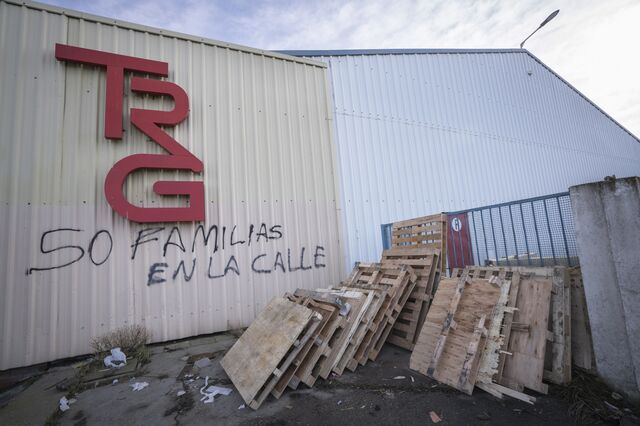
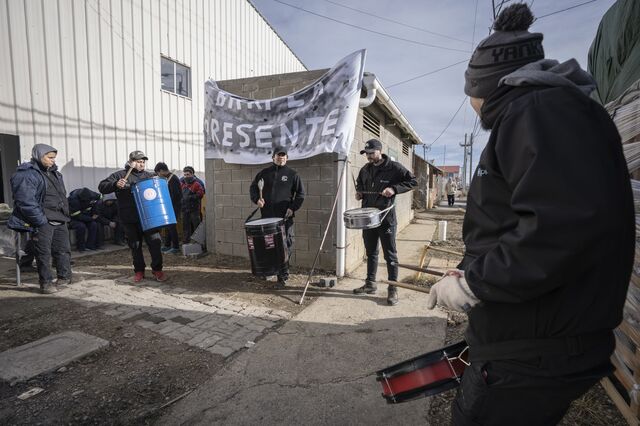
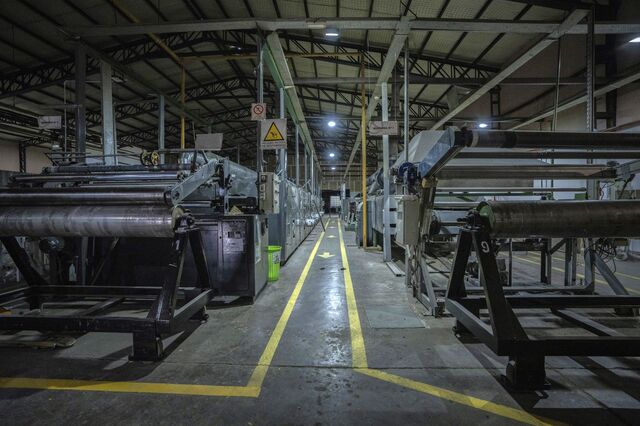
Since assuming the presidency, Milei has managed to put a lid on runaway inflation, the promise that got him elected to fix an Argentina teetering on the edge of collapse. But the bitter fix—brutal cost-trimming on all aspects of everyday life—has sunk the economy into a deep recession that has shot poverty and unemployment to levels rivaling the pandemic. Milei will now have to convince people he can both thwart price spirals and reboot a broken economy.
Increasingly, the second part of that riddle holds the real key to his success. Argentina’s informal sector -- about half the total employment market -- lost over 500,000 jobs in the first quarter alone, while in the formal workforce payroll employees have lost jobs for 10 straight months. Government surveys show that more than 20% of manufacturers nationwide expect to fire employees over the next three months. Understandably, polls show worries over unemployment have overtaken inflation as voters’ top concern.
Argentina's Jobs Crisis Deepens on Milei's Austerity Push

“If this medicine cures the illness, well it was disgusting to take but it’ll be worth the pain,” said Juan Pablo Guaita, CEO of Aires del Sur, which sells about 10% of ACs in Argentina.
Meanwhile, at his cavernous factory in the heart of Rio Grande, 160 workers weld copper pipe intestines, assemble miniature pieces on control panels and fit them into plastic armor shipped from China. That’s up from 140 workers earlier this year—but nowhere near the 420 they employ during the peak summer season.
“We won’t know whether we agree or disagree with everything we’re living through until the end,” Guaita added.
Tierra del Fuego, named after the fires burned by its Indigenous tribes, the Selk’nam and the Yahgan people, as glimpsed by European explorers, is split neatly in two by a line in the map delineating a sparsely populated Chilean western flank from Argentina’s factory hub. Further to the east lie the Falkland Islands, known locally as the Malvinas, over which Argentina went to war with the UK in 1982, and lost. In the south of the archipelago is the Beagle Channel, which was signed over to Chile in a 1984 treaty.
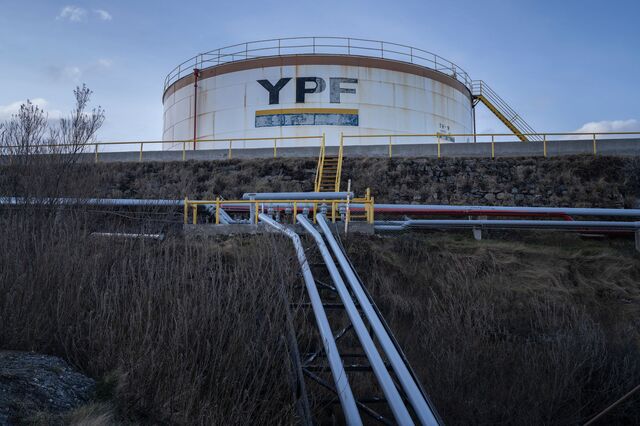
In 1972 as those tensions were still bubbling, the Argentine government staked its claim by granting unimaginable tax exemptions for companies that still remain in place. It succeeded. Everyone from the local makers of Royal Philips NV and Hitachi Ltd. electronics to state-run oil giant YPF SA flooded the island and the population exploded from about 13,000 in 1970 to 200,000 today. During the 1980s boom, the city’s wide, boxy main streets were lined by casinos, a movie theater and stores boasting imported goods inconceivable in the poor, arid northern provinces from where most workers hailed.
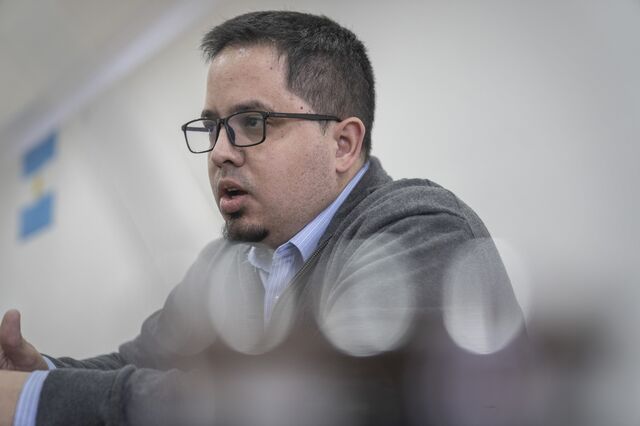
“It was a fantasy island,” Santiago Pauli, an assemblyman from Milei’s libertarian party, said as he sipped sweetened mate in his Rio Grande office, furnished by two empty wood tables, a paper map of the city and a small Argentine flag.
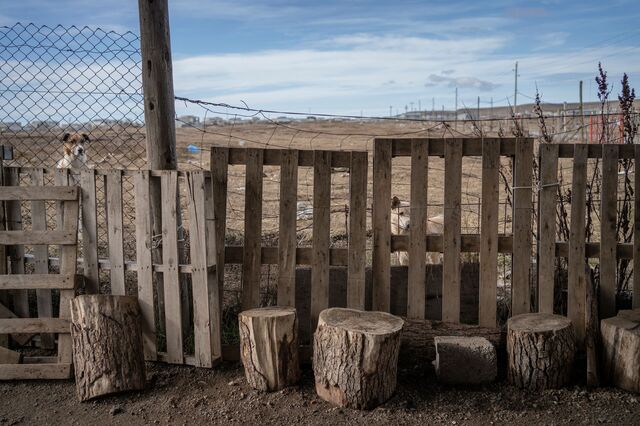
Outside, plastic bags caught on barbed wire fences and discarded wood pallets, often burned by protesters during strikes, dotted the gray landscape. The defunct movie theatre is now an apartment building, and the casino sits empty behind double-doors to keep out the wind. Across the province, poverty jumped from 32% during the last three months of 2023 to nearly 50% in the first three months of this year, one of the steepest increases in the country, according to estimates using government data.
The pain set in in the 1990s, when Argentina’s then-President Carlos Menem—one of Milei’s idols, who pegged the peso to the US dollar—privatized the national oil company and laid off thousands. He also opened up imports, flooding the country with cheaper goods made abroad. The local economy reignited under Cristina Fernandez de Kirchner, who took protectionism to new highs, then fell again when pro-business Mauricio Macri opened up some imports, wiping out the island’s production of laptop computers.
While taking a chainsaw to the state budget, Milei hasn’t touched the tax-free law keeping the island afloat—despite it costing roughly 0.3% of GDP in lost revenue each year, according to government data. He has said he’d lower tariffs and ease regulations, but with a scarcity of greenbacks at the central bank, is still far from being able to offer Argentines the cheap, imported goods they crave.
Aires del Sur’s Guaita conceded that a potential flood of imports “would make us go under,” but noted that officials from the Milei administration had visited the industrial hub more often than any other government in recent history.
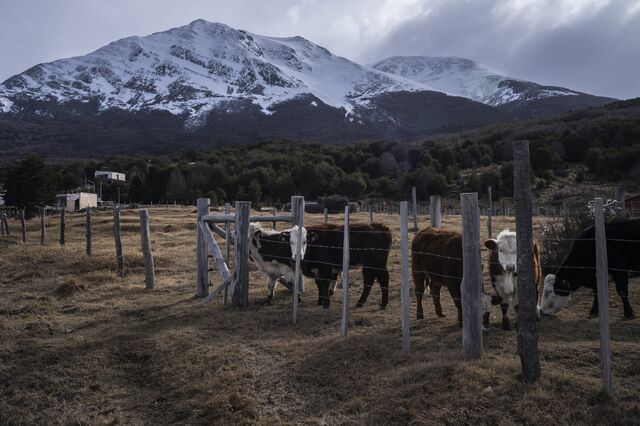
Tierra del Fuego’s business case is an anomaly in many senses. The raw material pieced together there arrives by ship to Buenos Aires before beginning a 3,000 kilometer (1,860 mile) road trip south past the sheep and cow pastures that first powered Argentina’s economy. The goods are then shipped back north to the capital. Little wonder that electronics in Argentina cost two-to-three times as much as in neighboring Chile.
One of the last attempts to connect the island with the world by sea was abandoned halfway through; the port’s abandoned breakwater is home to a colony of sea lions. Argentine electronics giant Mirgor—which operates sprawling high-tech plants on the island producing climate-control systems for the likes of Ford Motor Co. and Volkswagen AG, plus phones for Samsung Electronics Co.—is taking up the challenge.
As part of an effort to reinvent Tierra del Fuego’s economy—a requirement of the tax-free law’s renewal in 2021—Mirgor plans to begin construction on a $500 million port 15 miles north of the city within the next six months. The aim is to not only sweeten the logistics nightmare but to serve as a supply port to Antarctica and help ship out the abundant oil and gas.
“In the 40 years of Mirgor’s history, we’ve survived every crisis and every moment,” Juan Donal, Mirgor’s vice president of corporate affairs, said from Buenos Aires. “This is just one more and we see we’re getting through it.”
At the end of a congested single-lane bridge that connects the factories and town center to the poorest portion of the city, the main road turns into a dirt path. Here, a petite woman standing atop a discarded wood pallet that doubles as a door mat welcomes people to her garage-turned-soup kitchen for three meals each week.
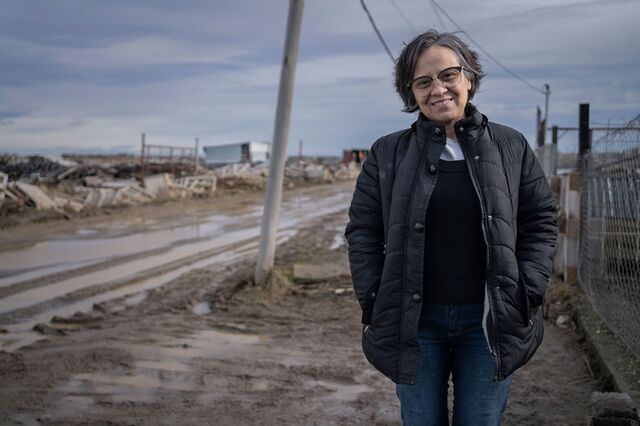
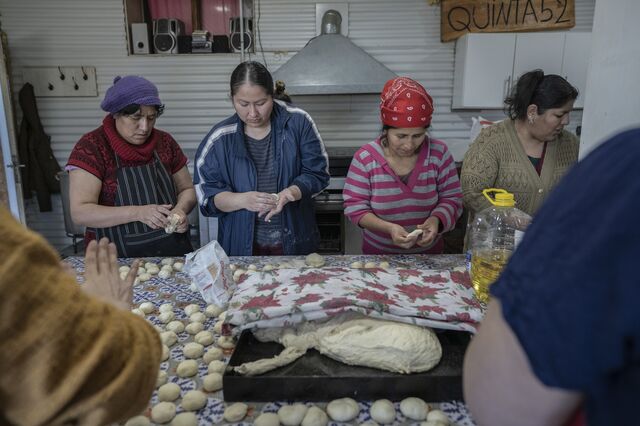
Maria Elizabeth Leyes, 51, started cooking alongside a group of women in 2022 to help alleviate her own depression and anxiety, she explained from her dimly lit kitchen, resting her hand on a freezer full of small chickens she bakes or cooks into stews.
“Things were already bad here. So I suppose people got tired,” she said of Milei’s unexpected rise to victory. “People who were used to a different kind of lifestyle saw a solution in this man who came to root out the political class. They just didn’t know he would start with them.”
Her’s is one of 72 soup kitchens in the city of some 98,000 people. What middle class families once donated, they now take to weekend markets to turn a profit, and the contributions from food wholesalers have slowed from weekly batches to a monthly trickle, she says. As Milei cut off discretionary transfers to the provinces, budgets for social aid programs faded away, too.
“There will come a time when people can’t take it anymore,” said Leyes. “But for now they’re still pushing along.”
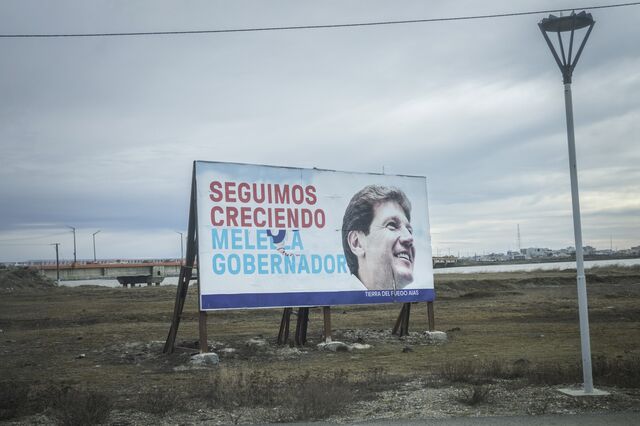
Gustavo Melella, the Peronist governor of Tierra del Fuego, attributes his party’s loss to Milei to its inability to calm inflation. The free-spending Peronists were in office for 16 of the past 20 years, and many voters still regard them as responsible for much of the poverty that envelopes the country.
With the government not long in office, people are still hopeful, according to Melella, a former mayor of Rio Grande. “When they start to see there’s no growth, no advancement, life doesn’t get easier, that’s when their patience will slip,” he said.

For all the suffering, it’s hard to find someone in Rio Grande who lays the blame fully on Milei. Like the threadbare trees that grow parallel to the ground to survive the howling winds, resilience is baked into the island’s residents.
Ezequiel Ruiz, 26, has been driving Uber for about a month since he was laid off from his job at a logistics company. His partner, who lost her job a few months before Milei came in, is struggling to get her catering company off the ground. Ruiz says he didn’t vote for Milei and they’re only just managing to get themselves and their two daughters to the end of the month. But he’s not buckling.
“I’ve always had hope that Argentina would sort itself out,” he said, driving along the deserted boardwalk overlooking the glistening South Atlantic ocean. “Rapid change wasn’t going to come with any president.”