
Europe’s Green Revolution Threatens Indigenous Culture
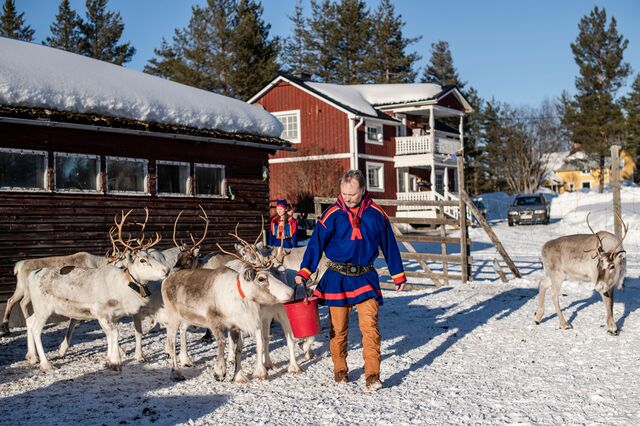
The Sámi indigenous people have inhabited northern Sweden for thousands of years. Now their way of life is threatened by giant wind farms, mines rich in rare battery minerals and logging.
The European green revolution designed to slow down climate change globally is threatening the way of life of the Sámi people, one of the continent’s last-remaining indigenous groups. The breakneck pace to decarbonize is having damaging consequences for the forests and land they have inhabited for thousands of years.

It’s not the first time progress and industrial development in Sweden come at the expense of the Sámi. The group comprises roughly 80,000 people spread out across northern Scandinavia and is commonly associated with a semi-nomadic lifestyle of reindeer herding, even though only a minority of Sámis live like this today. In the past, they have been persecuted and oppressed by some Swedish and Norwegian institutions.
Sweden never had any colonies, but instead it colonized its north, a Swedish saying goes. The abundant minerals, wood and water that helped the country become one of the world’s wealthiest during the 20th century are found mostly in the wild and sparsely populated region that’s also the Sámi’s traditional territory.
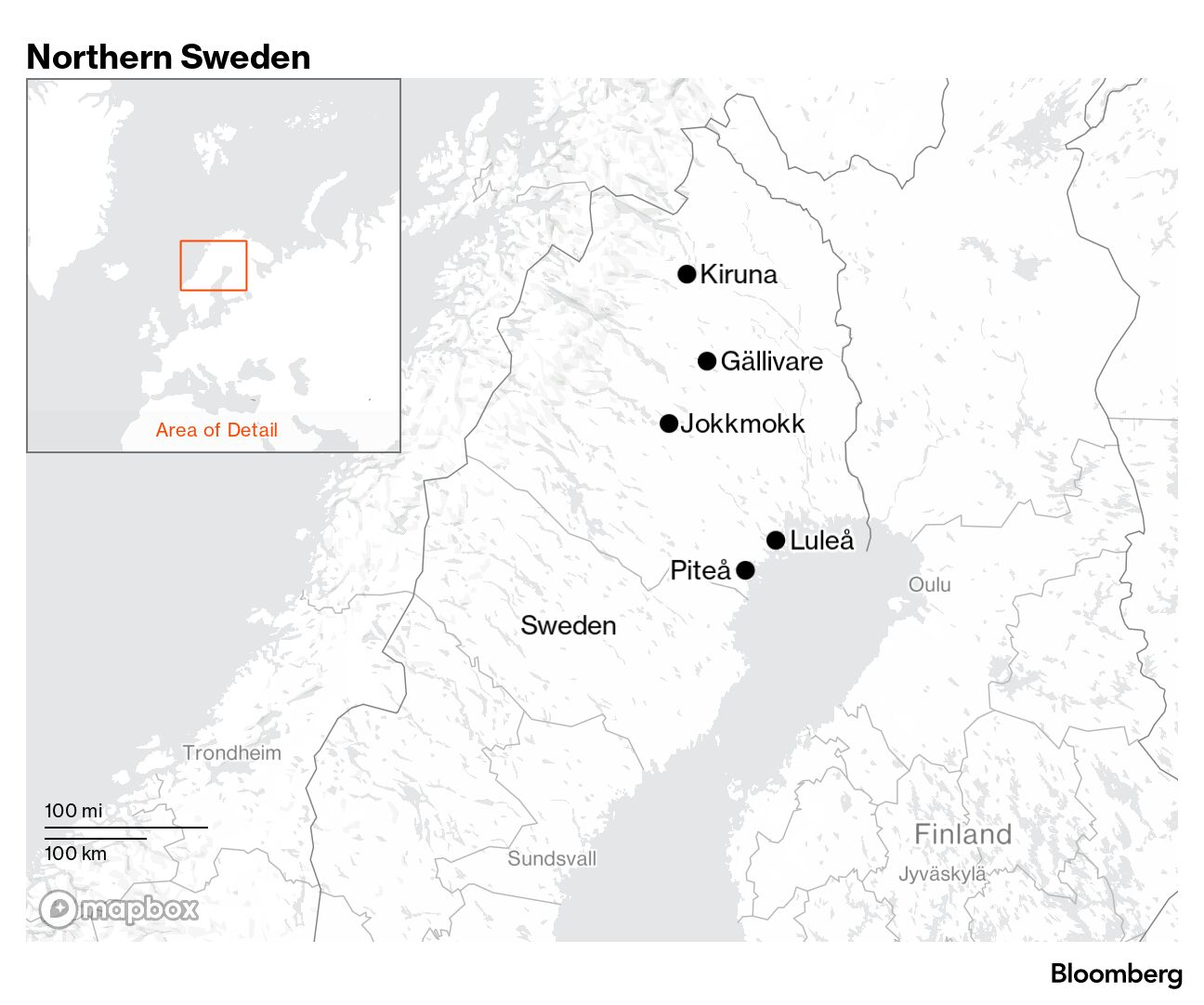
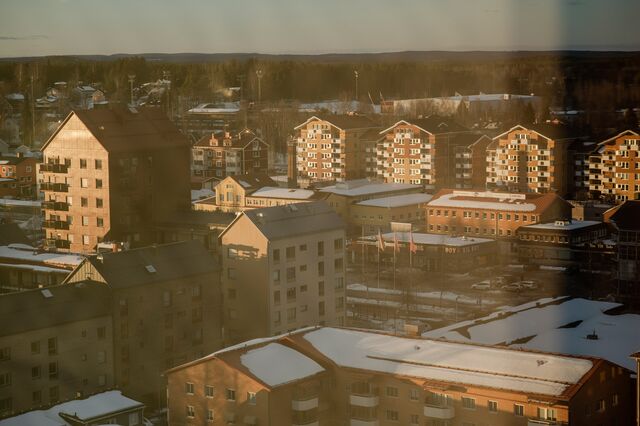
Northern Sweden
These same riches are now essential to the European Union’s effort to wean off its dependency on fossil fuels, lead a global green transition and become the world’s first net-zero emissions continent by 2050. It’s a plan based on building massive wind and solar farms, mining rare metals to make electric vehicle batteries and using wood for almost everything — from buildings to heating.
The EU’s trillion-euro transition is opening unhealed wounds in Sweden’s north, while also bringing bittersweet feelings to the Sámi and other inhabitants in the area. They’re proud to play an intrinsic role in the continent’s transition, but they've felt their people and natural assets have been exploited before and fear old patterns may be repeating themselves.
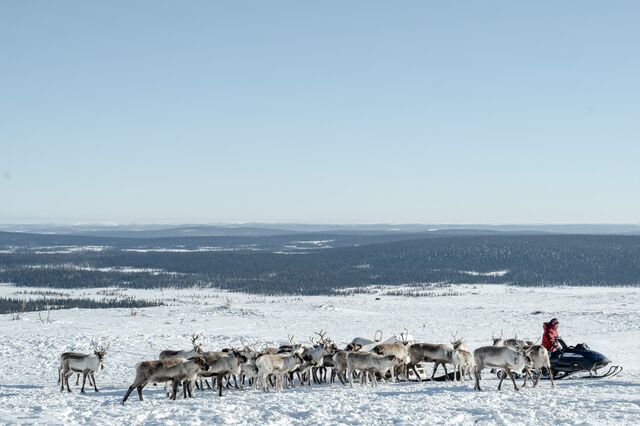
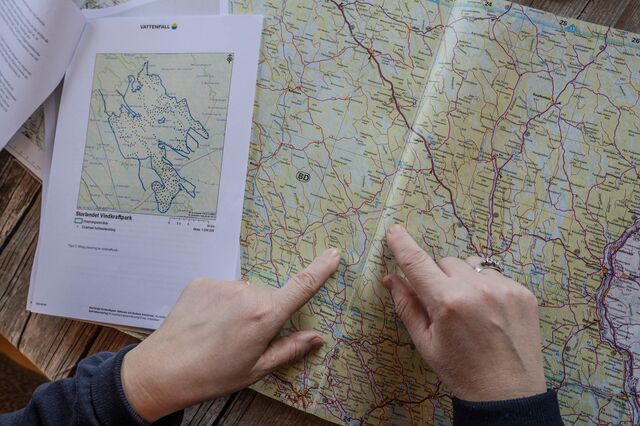
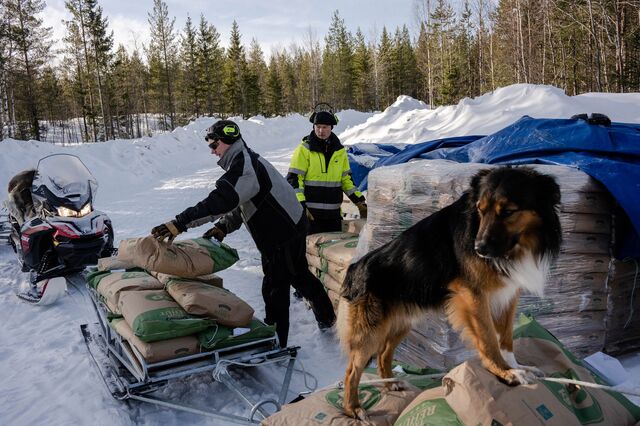
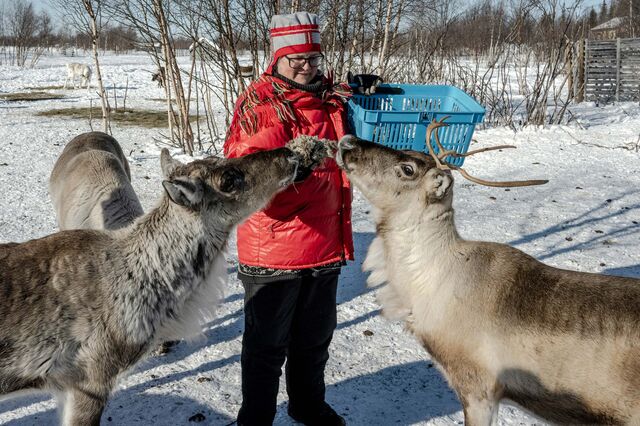
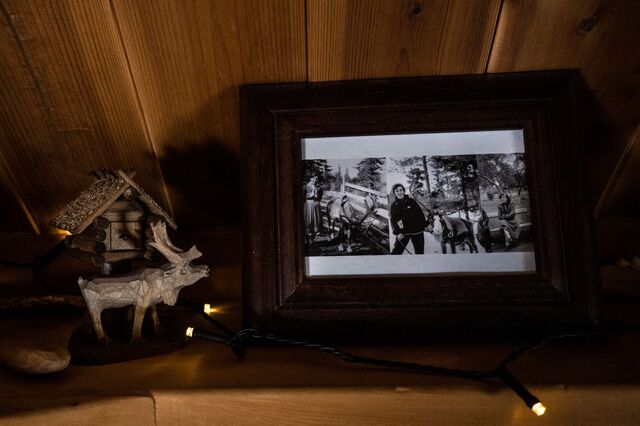
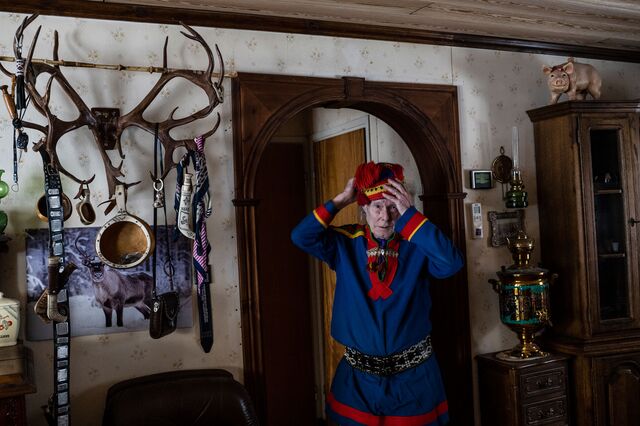
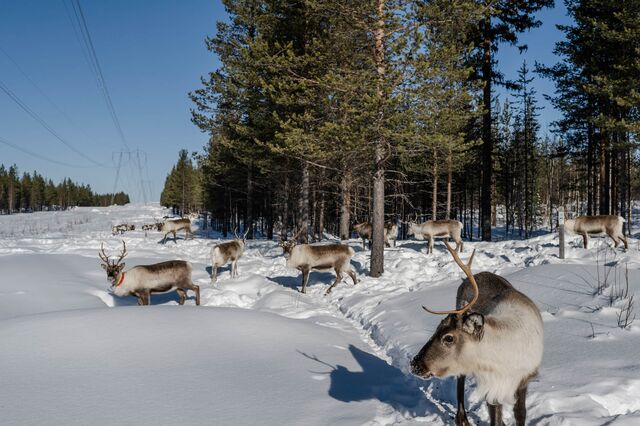

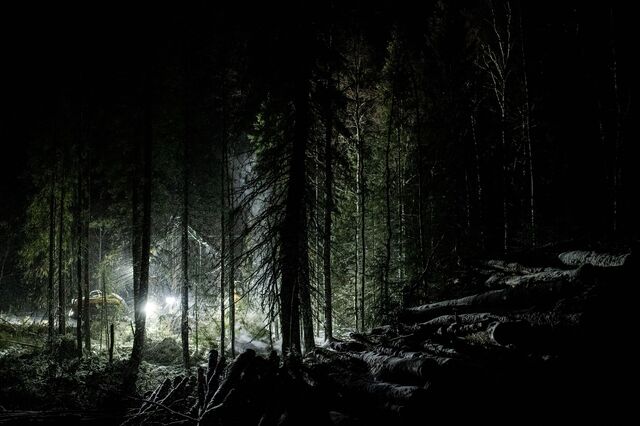
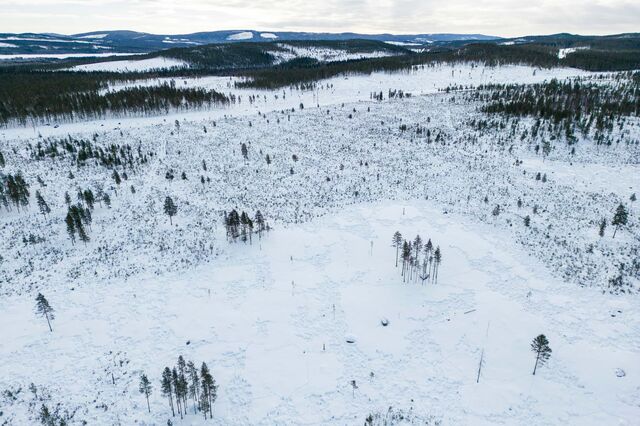
Tree planting — and cutting — has become a profitable albeit contested business in the northern half of the Nordic nation. In the past, the Sámi were not so much asked, as forced to step aside when forests were cut down to build houses and make paper.
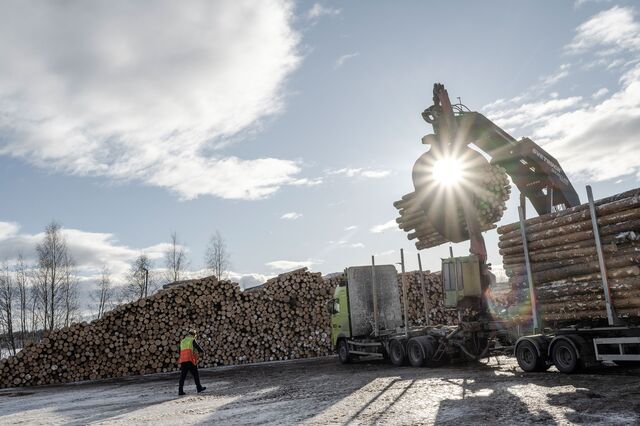
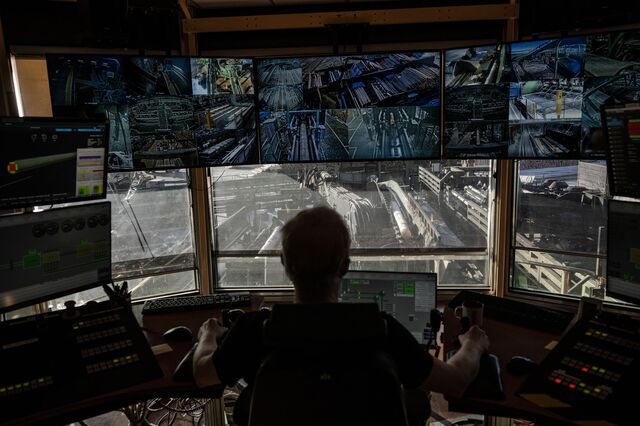
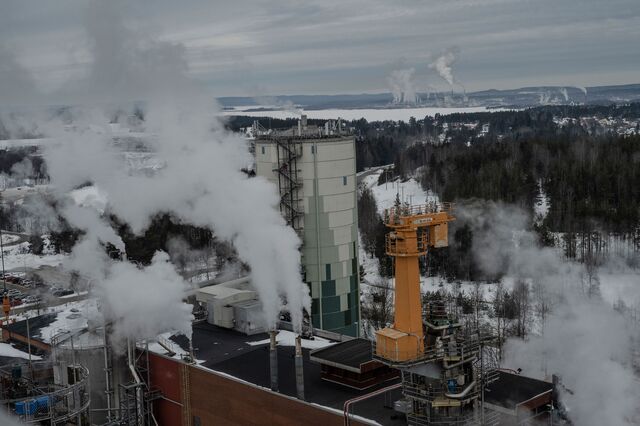
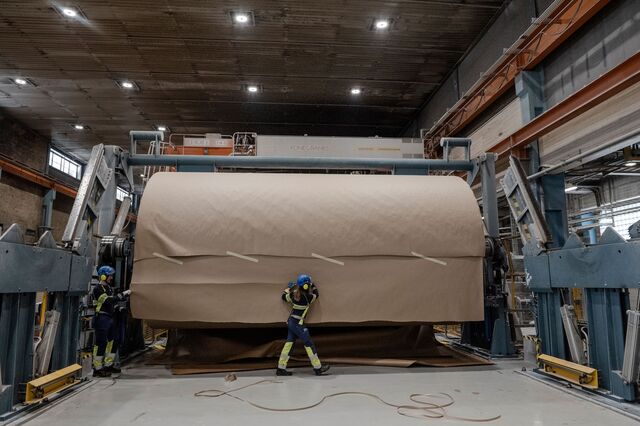
Dotted all along Sweden’s Baltic coast are paper mills and sawmills refining timber sourced from the great forests covering most of northern Sweden. Swedish timber today makes its way into everything from iPhone packaging to Ikea furniture, as well as toilet paper and tampons.
The timber — usually sourced by cutting down huge swathes of forest, resulting in clear cuts — is also tapped to play a central role in green technology, from sustainable construction to biofuels. Most forests in northern Sweden belong to state-owned Sveaskog, which has been repeatedly criticized for not respecting indigenous rights.
In its latest annual and sustainability report, Sveaskog said a good and functioning relationship with the Sámi is of “utmost importance.” The company admits it had “considerable challenges” in working with some Sámi communities in 2022, and that it has taken initiatives for a deeper dialogue between it and Sámi representatives.
Sveaskog's efforts are part of a broader movement to investigate and acknowledge Sámi discrimination. In 2021, the Church of Sweden apologized for having “contributed to and legitimized oppression,” as well as for its “complicity in the abuse of the Sámi.” Earlier this month, a state-sponsored Truth and Reconciliation Commission in Norway presented a 5-year investigation documenting over a century of abuse, discrimination and forced resettlement through an official state policy known as Norwegianization. A Truth Commission is now conducting a similar investigation in Sweden.
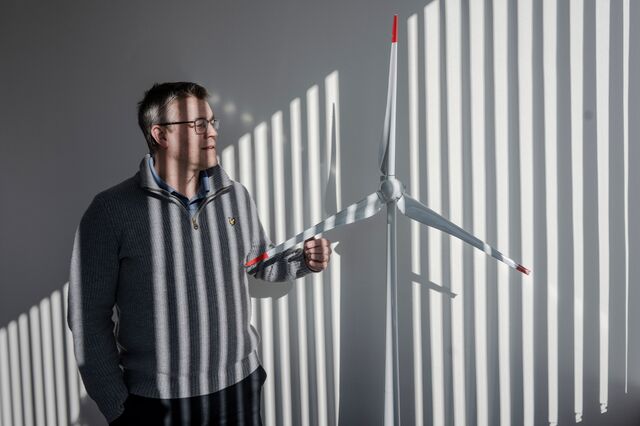
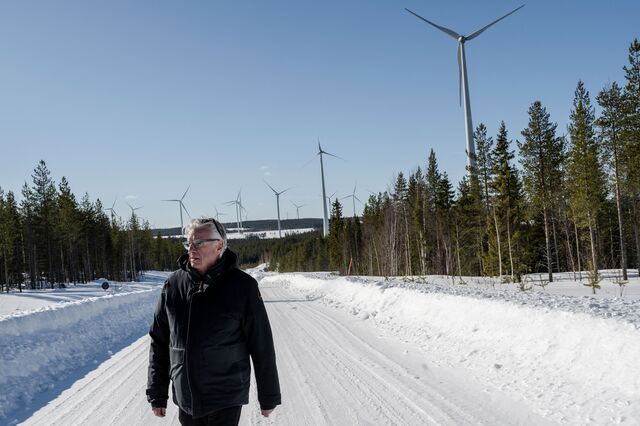
Wind power has boomed in Sweden in recent years, with capacity up 38% in 2022 compared to the previous year, according to BloombergNEF. Giant wind farms, most built in the north, make the country one of Europe’s three-largest wind markets.
In some of Europe’s most densely populated areas, new wind farms are often delayed as residents fight back against the impacts the giant turbines have on the landscape and the environment. The “not-in-my-back-yard” phenomenon, or nimby-ism, is rare in northern Sweden, where towns are small and far apart.
Europe’s largest onshore wind farm is north of Piteå and, when completed, will include over 1,000 turbines. That’s enough to supply almost a tenth of Sweden’s entire energy consumption and will be a much-needed injection of clean power for factories and the growing electric auto and truck fleet.
But even these mega-farms won’t be enough. The EU should be building 44 gigawatts of new onshore and offshore wind capacity every year to meet its clean power goal for the end of this decade. Last year developers commissioned 12.8 gigawatts — a record, but still only a third of the annual volume needed, according to BNEF.

Europe’s green revolution has a geopolitical component. Most raw materials are outside of its territory, and so are the factories refining and transforming them. So the EU’s net zero fight is also a race to mine, process and manufacture the metals needed to power its decarbonization.
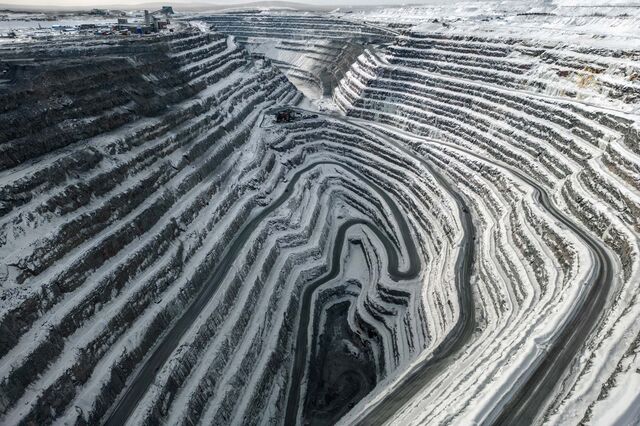
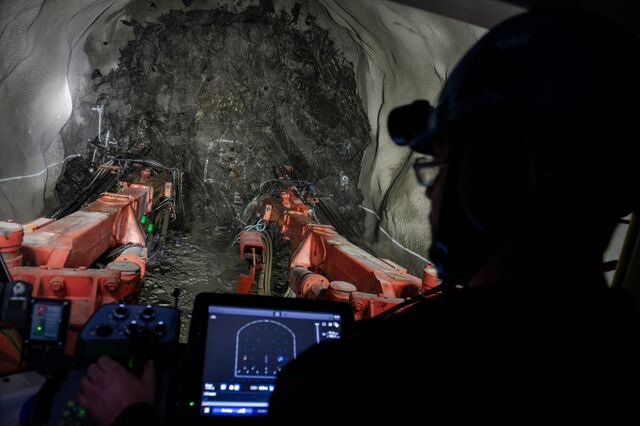
Part of the answer is, again, north of the Arctic Circle in the town of Kiruna, home to the world’s largest underground iron ore mine. In January, Sweden's mining giant LKAB announced it had located Europe’s largest deposit of rare earth minerals, which are essential to make electric cars and wind turbine generators.
The mine’s ever-increasing footprint has already forced the entire town to be moved east. The new discovery is concerning to some of the Sámis, as the rare-earth deposit sits right below one of the last reindeer migration routes of the Gabna Sámi community. All reindeer migration routes in Sweden run west to east, with the herds covering huge swathes of land each year.
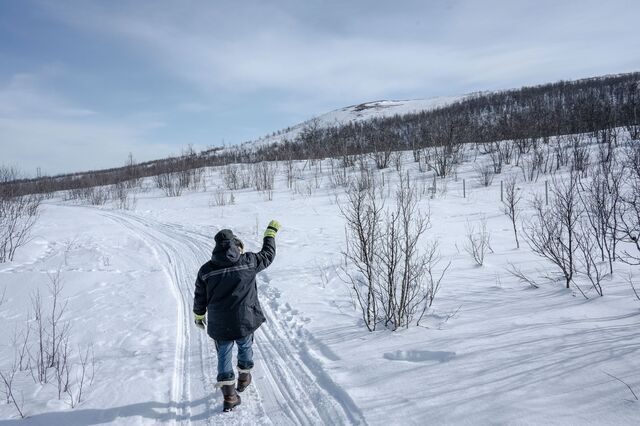
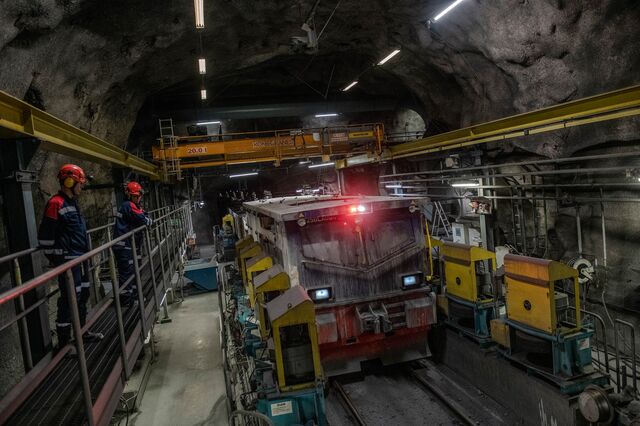
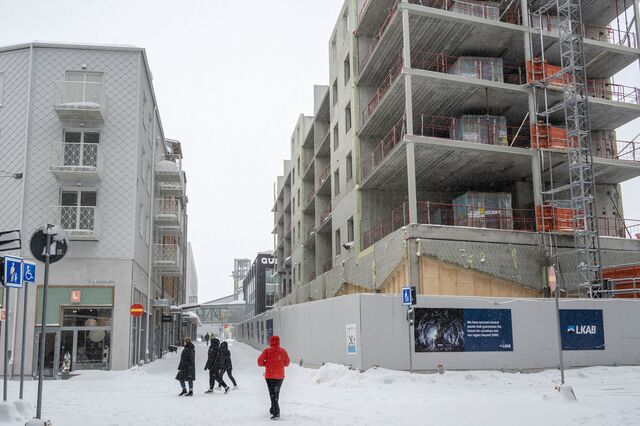
Europe’s green transition is reviving the historic conflicts between industrialization and the environment, between the modern and traditional ways of life. As the debate heats up across the continent, the Sámi people in Sweden try to find a way to deal with this new reality.
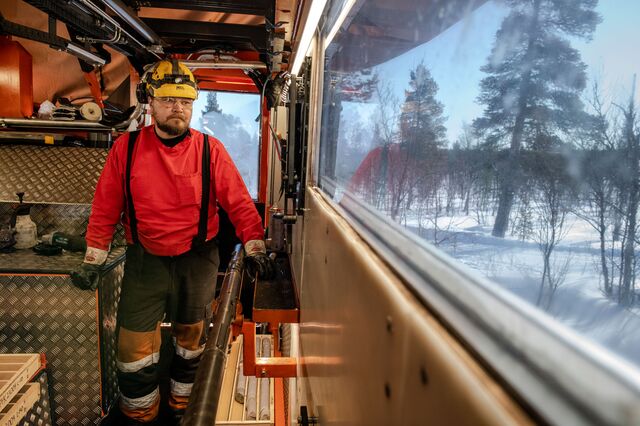
“The best for the environment would be if [the mine] did not exist,” says Moa Martinsson, who has Sámi heritage and works at the iron ore mine in Kiruna. “At the same time, everyone wants to have a cell phone, a car to drive, snowmobiles, roads, houses, refrigerators — all of these things need materials coming from the mines.”
Visual media produced in partnership with Outrider Foundation.