
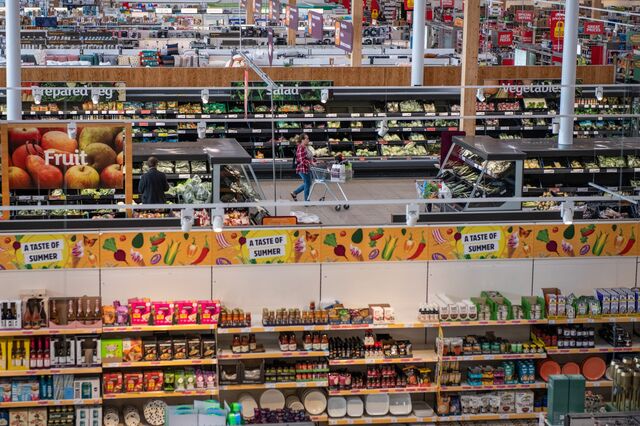
Can You Identify the Everyday Products That Contain Plastic?
More than half of the world’s plastic has been created since the early 2000s, and the material now shows up in more places than you think.
The world is awash in plastic. But how good are you at spotting it?
Some of it is obvious. Your soda bottle. Your Tupperware container. But plastic waste goes far beyond bottles and bags. Each year we create roughly 440 million tons of it — equivalent to about 15,000 Statues of Liberty.
This plastic clogs landfills and waterways, but it also moves further afield. It’s in Antarctic sea ice. It’s in our rainwater, tap water, and even our bodies. Researchers have found plastic in human lungs, breast milk and blood. Studies on mice suggest that plastic might even be able to enter the brain. All of that exposure to plastic harms our health: It can reduce fertility, decrease nerve function and scramble hormonal systems.
It’s also bad for the climate. Plastics, after all, come from fossil fuels. One estimate by the Organisation for Economic Co-operation and Development found that plastics were responsible for 3.4% of global emissions — roughly on par with aviation.
More than half of the world’s plastic has been created since the early 2000s, and to understand why, it helps to go back to 1956. That’s when Modern Packaging magazine editor Lloyd Stouffer declared, “The future of plastic is in the trash can.” He wasn’t pushing for the end of plastic, but rather its transformation into a disposable good.
In the decades before Stouffer made his speech, chemists had unveiled a dizzying array of new plastics, including nylon, plexiglass and polyethylene. For the most part, manufacturers took these new materials and incorporated them into durable products. Bakelite, the world’s first fully synthetic plastic, replaced wood in radios. Nylon replaced silk in stockings and parachutes. Tupperware, made from polyethylene, supplanted glass and ceramic containers. But for the industry to exponentially grow, Stouffer believed it needed to think about plastic in terms of disposability.
Eventually, everyone got the memo. “You are filling the trash cans, the rubbish dumps and the incinerators with literally billions of plastics bottles, plastics jugs, plastics tubes, blisters and skin packs, plastics bags and films and sheet packages — and now, even plastics cans,” Stouffer wrote in 1963. “The happy day has arrived when nobody any longer considers the plastics package too good to throw away.”
The shift has been so profound that in 2022, the United Nations agreed to create a worldwide plastic treaty to rein in plastic waste, in part, by reducing production. The challenge will be in undoing decades of momentum: Plastic's ubiquity, paradoxically, has rendered it almost invisible.
How good are you at spotting plastic? Take our quiz to find out.
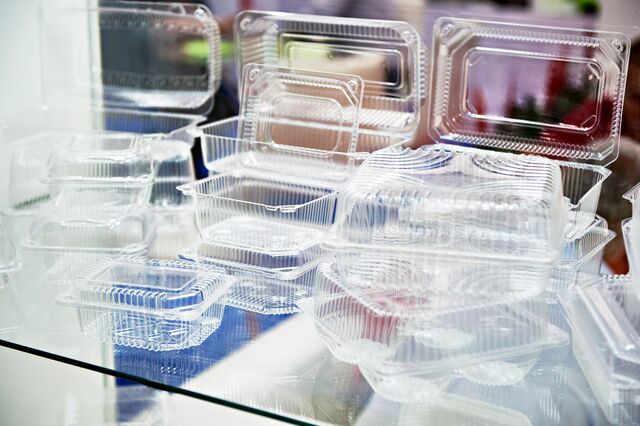
Is this plastic?
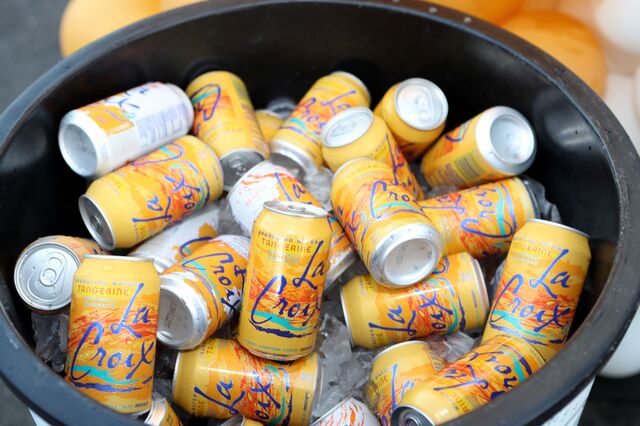
Is this plastic?
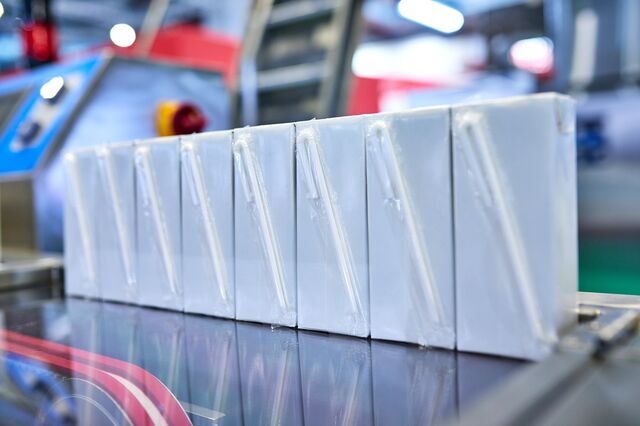
Is this plastic?
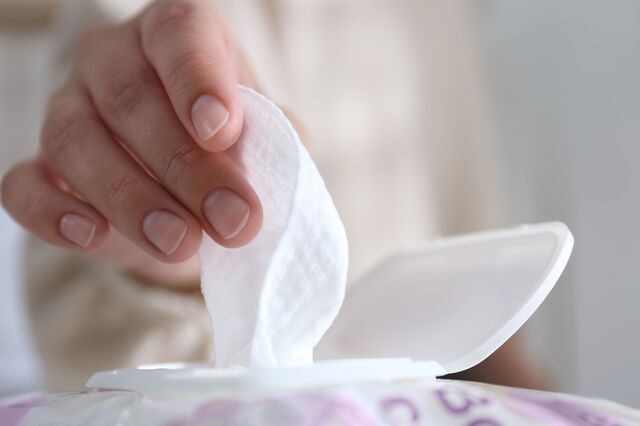
Is this plastic?

Is this plastic?
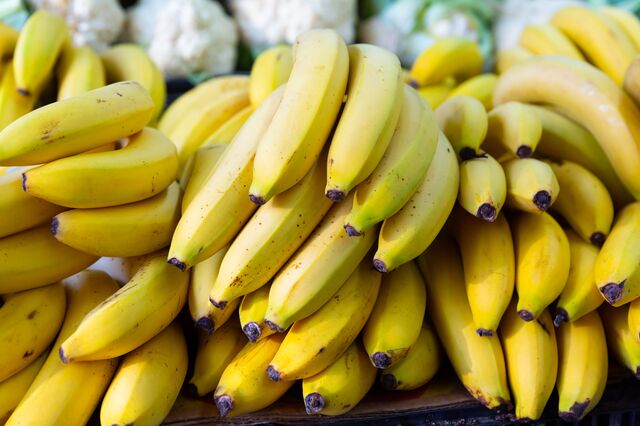
Is this plastic?
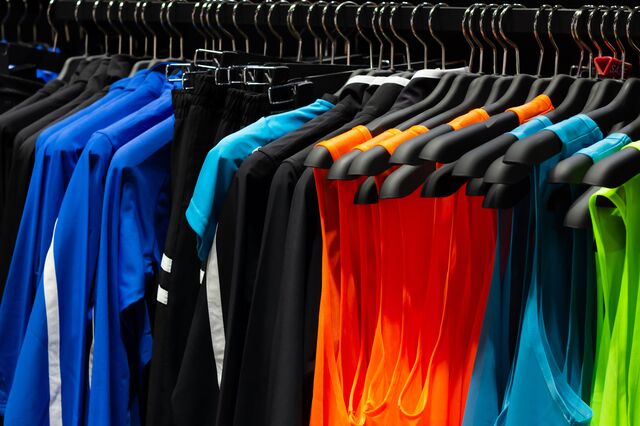
Is this plastic?
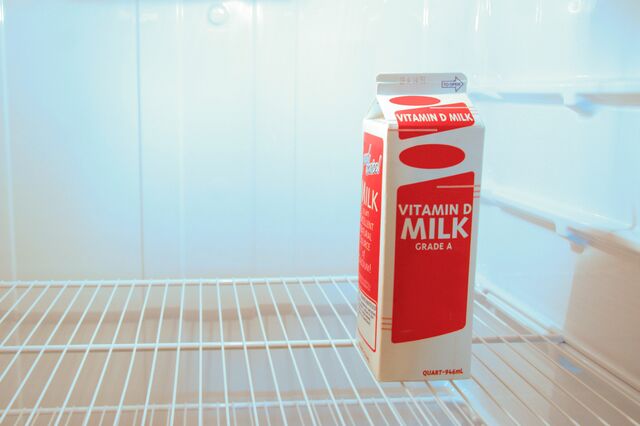
Is this plastic?
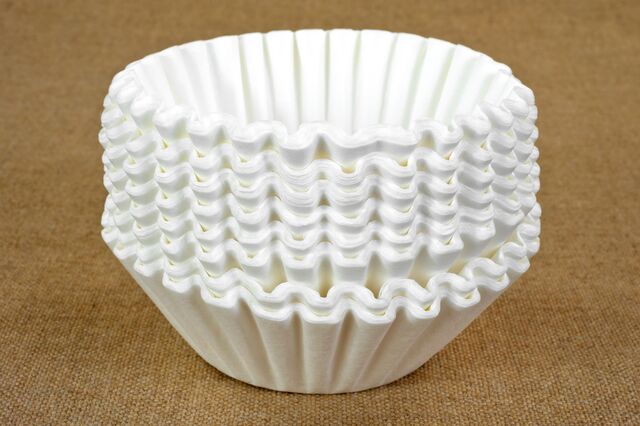
Is this plastic?
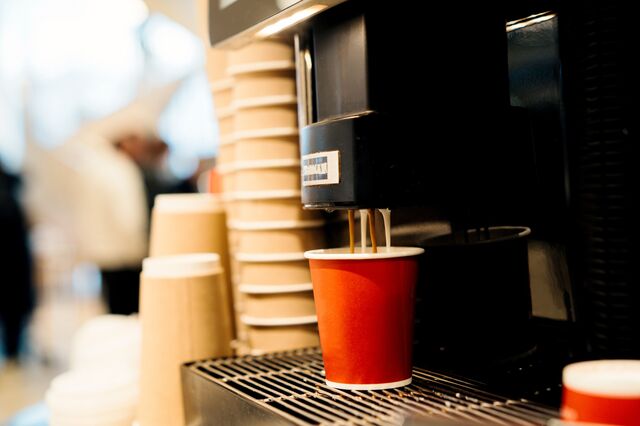
Is this plastic?