Urban Outfitters Sees a $1 Billion Business in Taking On Rent the Runway
Nuuly, started in 2019, already has 150,000 subscribers and $130 million in sales.
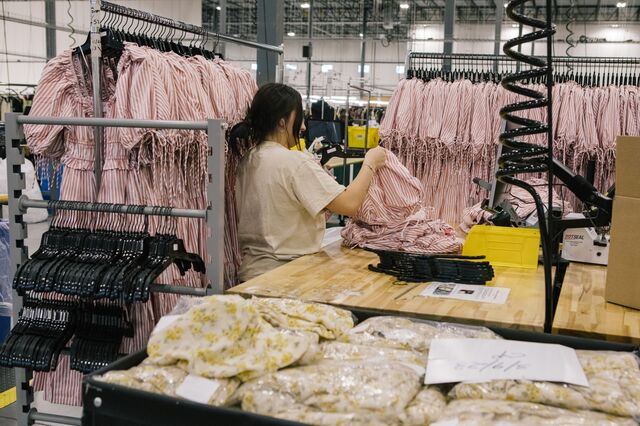
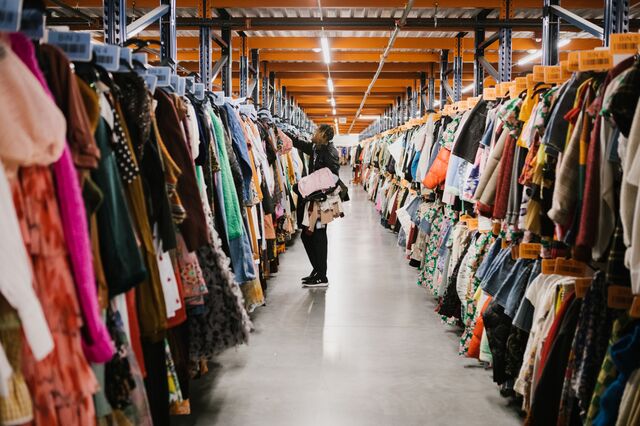
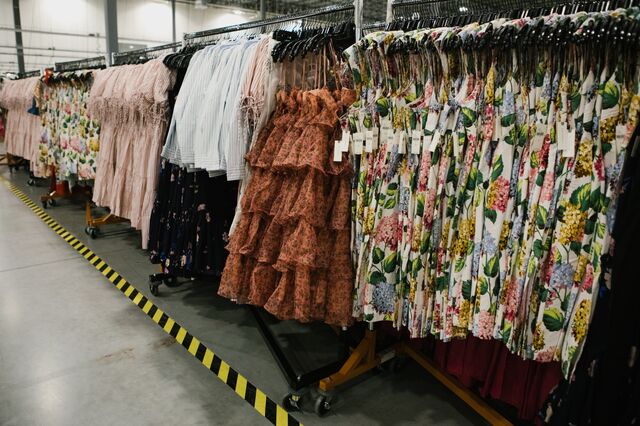
At a 310,000-square-foot warehouse near Philadelphia, 900 workers process 6,000 orders a day for Urban Outfitters Inc.
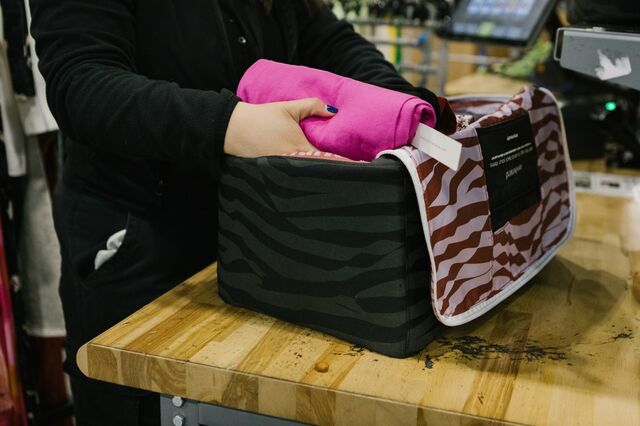
Employees categorize and package clothing for shipping to customers, who will send the items back in a few weeks. That, however, is all part of the plan because the 50-year-old retailer isn't selling these dresses, blouses and coats.
It's renting them.
The company debuted Nuuly in 2019 to jump into clothing rental, which took off as a category last decade thanks to startups such as Rent the Runway. The pitch to women was easy—spend about $90 a month on a subscription to keep your wardrobe fresh, slash your dry cleaning bill and feel better about your carbon footprint. (The apparel industry is one of the biggest producers of carbon emissions.)
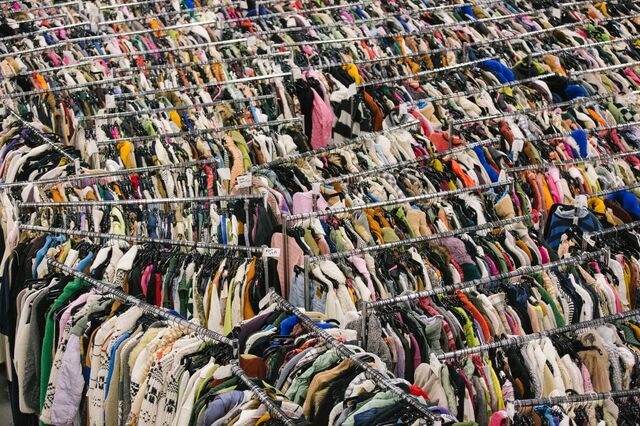
Now the retailer, which owns the Urban Outfitters, Anthropologie and Free People chains, is quickly scaling what was already one of the apparel industry’s biggest bets on renting.
Nuuly has 150,000 subscribers—more than Rent the Runway had at the end of October. Its revenue surged 170% last year to $130 million. That was less than 5% of the retailer’s $4.8 billion in 2022 sales, but management thinks it's “sitting on a billion dollar-plus brand,” said Frank Conforti, the parent company’s chief operating officer, after a recent tour of the Nuuly facility near the banks of the Delaware River.
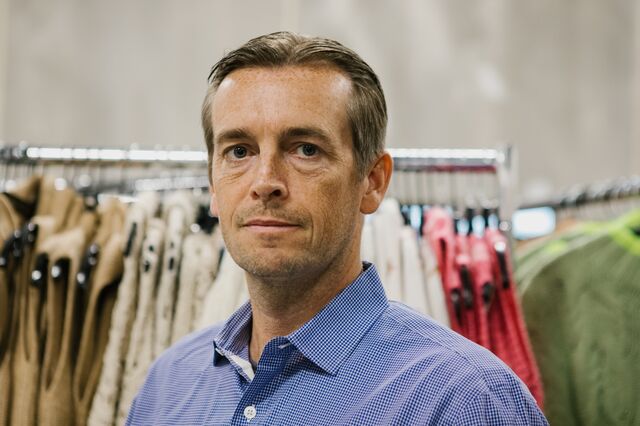
If Nuuly tops $1 billion in sales, it would join the firm’s three major brands in passing that threshold. One reason management is so bullish is that Nuuly has reached this size without much advertising. The company has instead invested in infrastructure that will be able to handle 600,000 subscribers in the coming years. At a cost of $60 million, a second warehouse is expected to open this year in Kansas City. It will be double the size of the facility in Levittown, Pennsylvania, which is about 20 miles northeast of Philadelphia—home to the parent company’s headquarters and origin story.
“There's just so much untapped opportunity,” said Conforti, a 15-year company veteran who sees the potential to expand Nuuly into men’s clothing and other countries.
The parent company began as a second-hand store in 1970 near the University of Pennsylvania. It shifted to new goods and stood out for experimenting and its eclectic mix of clothing, jewelry and furniture under the guidance of Dick Hayne, one of the co-founders, who, at 75-years-old, still presides over the company as chief executive officer and chairman.
The company went public in the early 1990s and hit $1 billion in sales about a decade later with 175 stores. From there, the retailer ramped up expansion—even through the Great Recession—beyond its northeast home base. Along the way, it acquired a home-and-garden brand and restaurants. By 2018, the firm reached nearly $4 billion in revenue and more than 600 locations.
But investors have soured on the company since, with its market value falling by about 50% to $2.4 billion from its high in 2018. Like most retailers, its stock has been volatile during the pandemic with big gains and drops and is now trading below where it was before Covid-19 hit the US.

The retailer has recently performed better than competitors, including Gap and Abercrombie & Fitch, but that hasn’t changed Wall Street’s view. The big question for all these legacy apparel brands is simple: What’s next?
Malls in the US have bounced back from the depths of the pandemic, but aren’t the growth engine they once were. Foreign markets have mostly disappointed. Meanwhile, competition is only increasing with the web’s abundance—just look at how quickly China’s Shein has taken root in the US.
The company sees rental as part of the answer to what will keep driving sales. (Annual revenue is up about 20% since the onset of the pandemic in 2020.) Consumers, particularly 20- and 30-somethings, have warmed to renting clothes. The global rental market is valued at about $5 billion and is projected to almost double to $10 billion by 2026, according to market intelligence firm GlobalData.
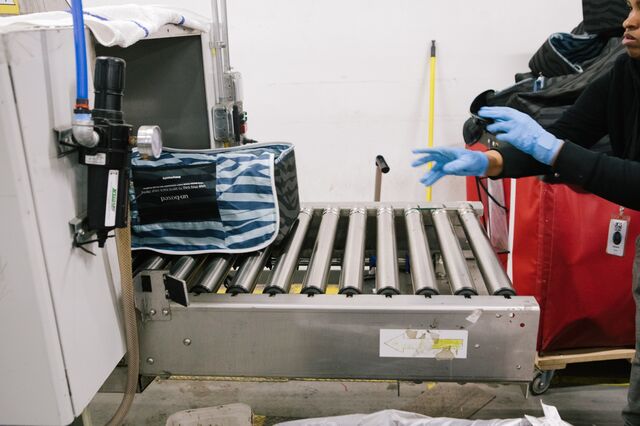
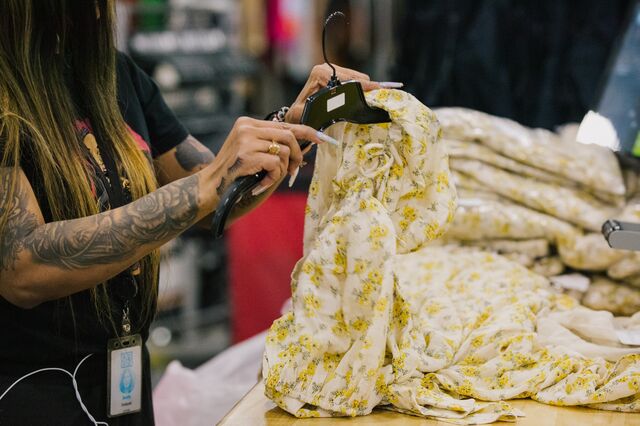
However, there are hurdles. Nuuly has yet to turn an annual profit. There are a lot of costs involved in running a giant rental service. The process at the Pennsylvania warehouse is labor and energy intensive. Every garment that's returned is sorted for specialized cleaning, washed in one of more than 60 machines, inspected for damage, repaired—if needed—by a team of about four dozen technicians and stored until it’s rented again.
Other big attempts at renting have failed or struggled. Gap’s Banana Republic discontinued its service last year. Rent the Runway’s sales hit $285 million in the 12 months through October, but it’s still losing money. There are also questions about Nuuly cannibalizing the retailer’s other brands. So far, it’s luring new customers, rather than pulling existing ones from one brand and into another, the company said.
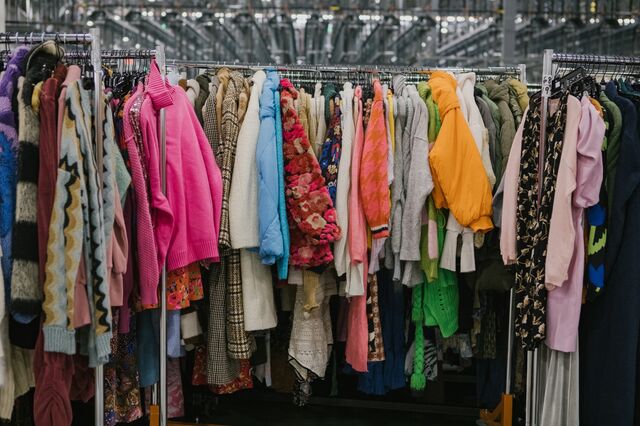
Nuuly, which costs $88 a month to rent six items, is also more than a bet on the company’s products. The subscription offers goods from 400 brands, including rivals such as Madewell, to widen the subscription’s appeal, the company said.
Renting does have the advantage of being seen by some consumers as better for the environment. Nuuly flicks at that idea with a tagline on its website that includes it being “gentler on the planet.”
But all the shipping and washing associated with renting generates emissions. These rental platforms can also reinforce that women’s wardrobes should constantly be swapped out—a wasteful mentality that has helped fuel a surge in apparel production.
The environmental impact isn't a clear-cut case. Researchers found that emissions associated with renting jeans may be higher than owning everyday clothing because pants can be worn over and over again and stay in the same household. But for special occasion attire that would otherwise be worn a few times and sit in the back of a closet, or in many cases end up in a landfill, renting can reduce emissions by about 40%, according to research from the Ellen Macarthur Foundation.
For its part, Nuuly said it partners with UPS to offset 100% of emissions associated with shipping rentals. It also washes clothes with biodegradable detergent and reuses the chemicals associated with the dry cleaning process. Items that can’t be rented anymore are sold on the thrift section of Nuuly’s website or listed as “gently worn” in the sale sections of the company’s other e-commerce sites.
Back at the warehouse outside Philly, Dave Hayne contemplates what Nuuly could mean for the company his dad co-founded more than half a century ago.
“We've hit on something subscribers really like; something that changes the way she lives her life,” said Hayne, who started working at the retailer as a store associate in the early 2000s and now serves as chief technology officer and Nuuly’s president.
“We think we're on to the next big thing in fashion.”