Rio de Janeiro’s Picturesque Bay Is a Toxic Ship Graveyard
Dozens of abandoned, rotting boats have worsened the conditions of Guanabara Bay, which environmentalists say is treated more like a landfill than a prized resource.
Framed by green mountains and a sweeping cityscape, Guanabara Bay offers one of Rio de Janeiro’s most breathtaking views. This triangle of water inland from the Atlantic Ocean, which separates Rio from the city of Niterói, has enchanted countless visitors to Brazil and inspired pop stars to song.
They might not want to sing about it today.

Rio’s storied waterfront is a health hazard. Its waters are so filthy that most residents wouldn’t think of swimming in them. And it’s not just the raw sewage: A shipping canal leading into the bay is as much a cemetery as it is a waterway.
Rotting wooden ships bob as they slowly sink off its docks. Tugboats sag under the weight of water, their hulls sitting on the shallow seabed. Other vessels have been forgotten there so long, only their rusted skeletons are left peeking over the waves.
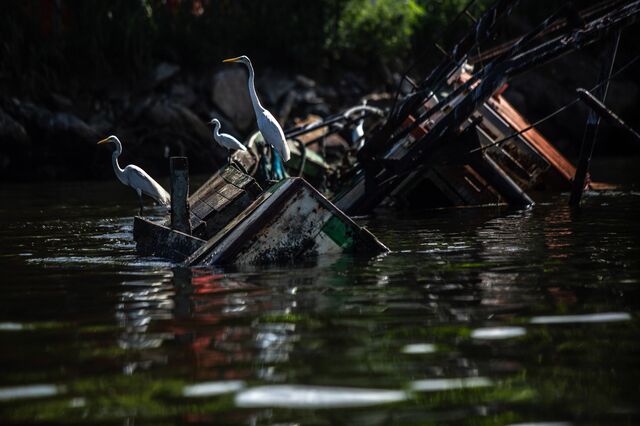
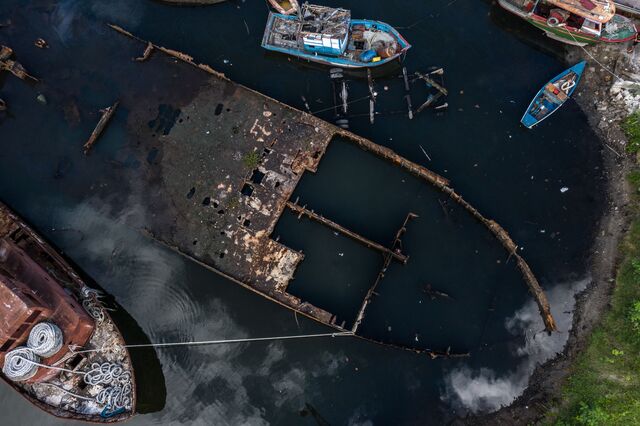
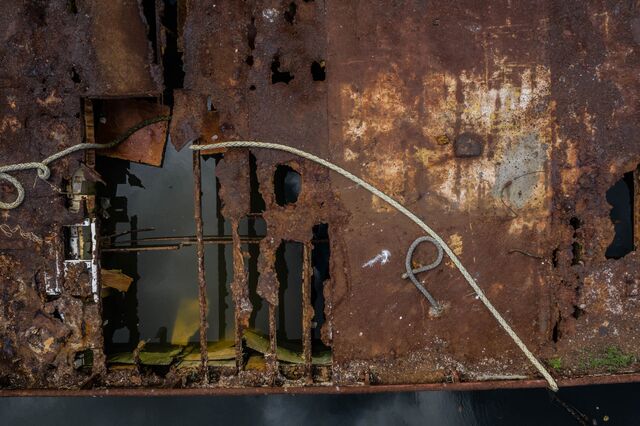
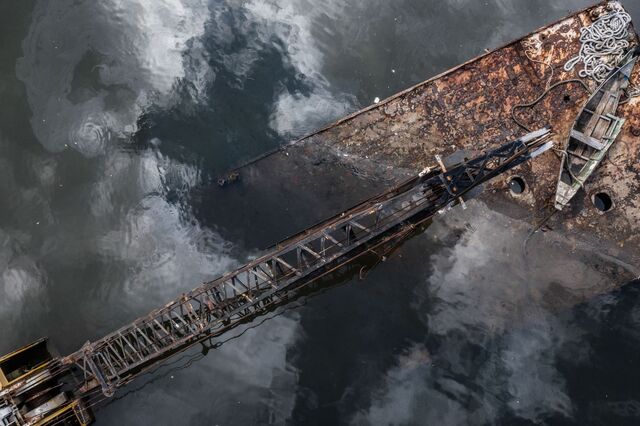
Dozens of ships have been abandoned off Rio de Janeiro’s coast over decades, by unknown owners and for reasons that aren’t clear. The wrecks have become obstacles that local fishermen must steer around, and as the many wooden boats rot, they leak fuel and other toxic chemicals that further pollute the ecosystem and sicken marine life. (The bay’s fish are still edible by humans, for now.)
Ana Rosa Linde, a public health scientist at the Federal University of Rio de Janeiro, says that if Guanabara Bay were more pristine, the wreckage would have sparked an outcry. “In another bay, in a relatively normal situation, these boats would be an outrage — a catastrophe,” she says. “But the poor Guanabara Bay is treated like a landfill.”
For many people here, the ships are the most visible evidence of the pollution of the bay and authorities’ broken promises to clean it up.
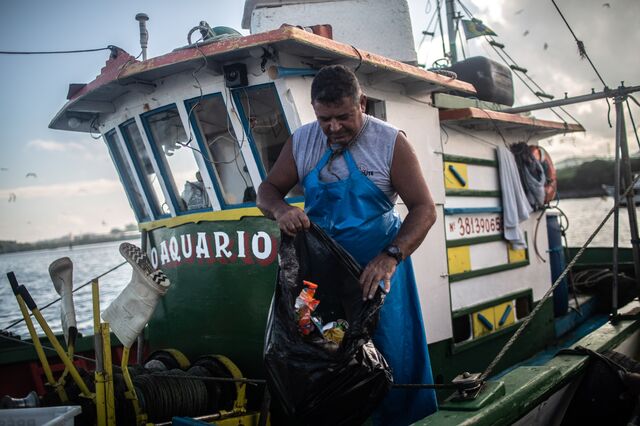
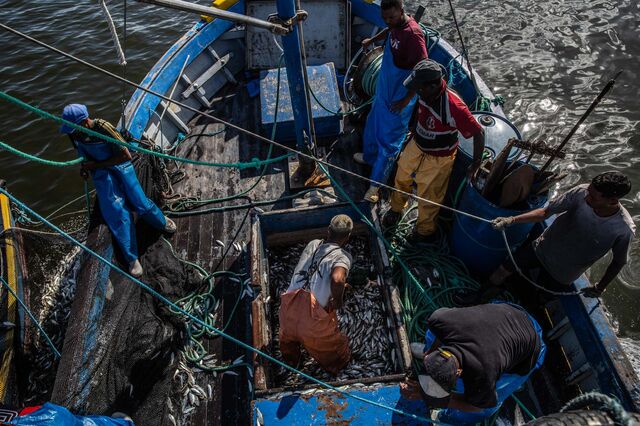
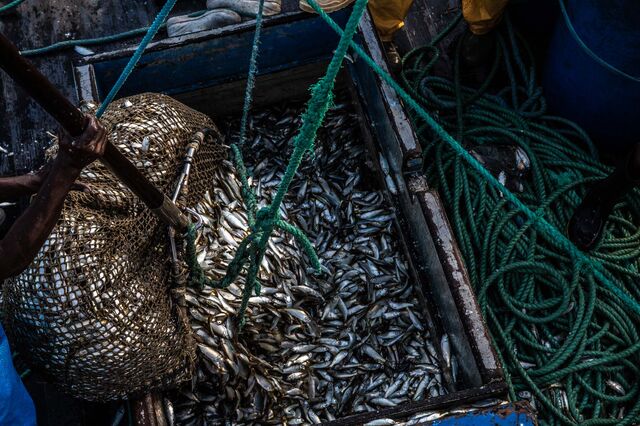
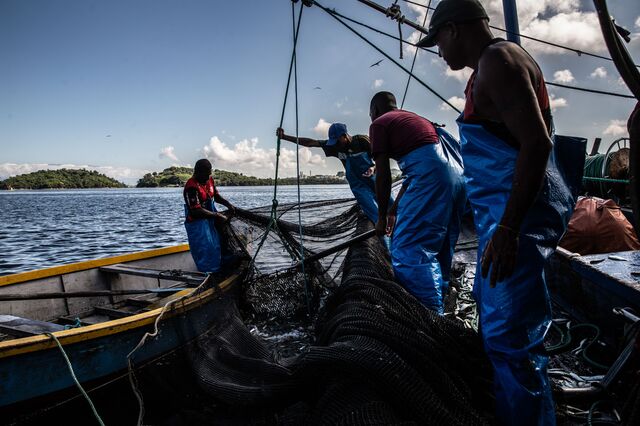
“They are humiliating,” said Carlos Alberto Porto, 59, a shrimp fisherman, of the sunken ships as he pulled in his nets, separating discarded cigarette packets and shampoo bottles from the catch on a recent morning. “And every day it feels like there are more.”
The wrecks are concentrated in the São Lourenço canal off Niterói, which is connected to Rio by a bridge. Around the bay there are 51 abandoned ships, according to Brazil’s Navy, which said it carried out a count in recent weeks.
Locals and activists are skeptical of that number as too low, and fault authorities for failing to clamp down on negligent owners and clear the junk from the waters. They say no one really knows the full scope of the problem, due in part to bureaucratic confusion over who’s responsible.
“It’s generalized negligence,” says Sérgio Potiguara, 54, an ecologist who has denounced pollution on the bay for decades.
Spokespeople for the mayors’ offices of Rio de Janeiro and Niterói deferred questions to Rio’s Port Authority, which is a division of Brazil’s Navy. Rio de Janeiro state’s environmental agency, known as Idea, and Brazil’s federal environmental regulatory agency, Ibama, did not respond to requests for comment.

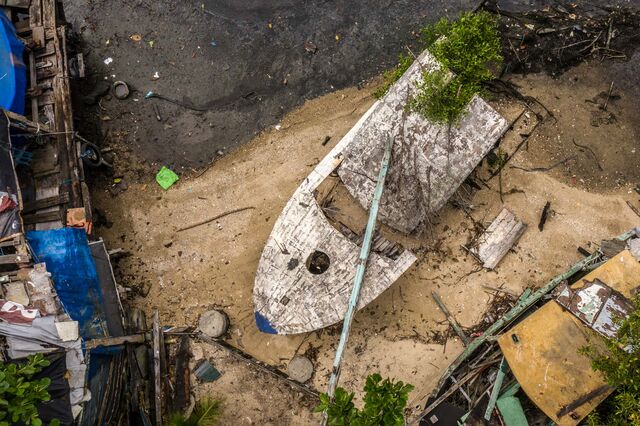
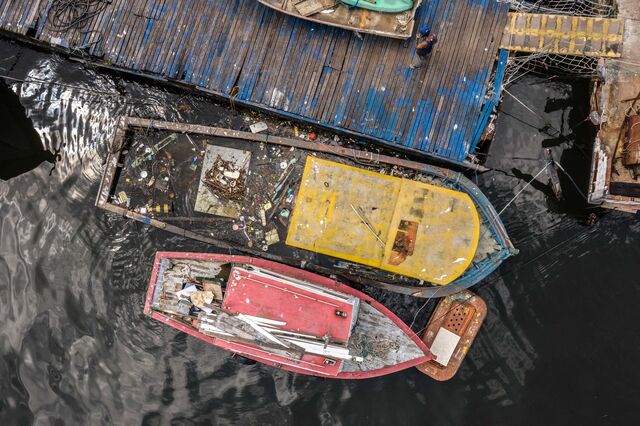
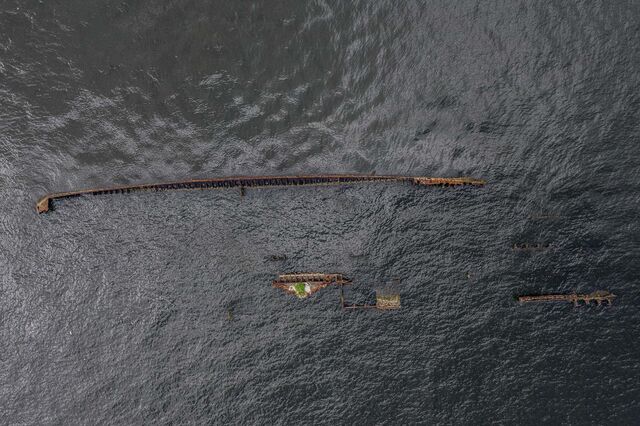
The wrecks aren’t hard to find: Sun-stained ships float with their motors and electronics stripped out. Others have idled long enough for trees and shrubs to sprout from their decks.
One of the last big clean-up efforts came with Rio’s bid to host the 2016 Olympics. Authorities pledged to reduce the bay’s pollution by 80% — but announced they wouldn’t meet that goal more than two years before the start of the games. Conditions have gotten worse since.
Garbage and sewage — about two-thirds of it untreated — flood into the bay from the surrounding cities, which are home to some 11 million people. Environmentalists regularly sound the alarm about unsanitary conditions.
Rio de Janeiro state sold off its water and sewage utility, Cedae, in 2021, in one of Brazil’s largest privatizations ever. The sale offered hope to some frustrated by years of government neglect that the new owners will take action.
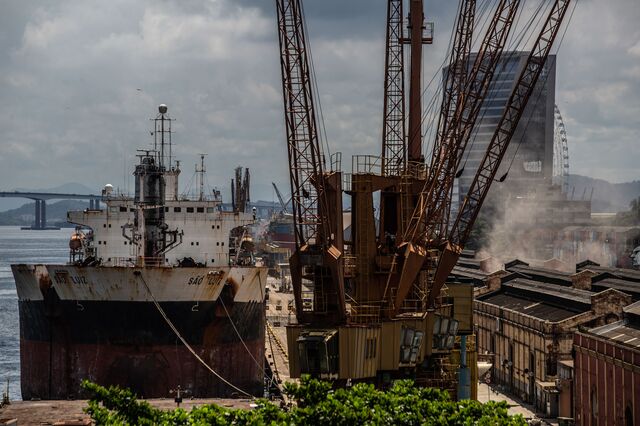
A high-profile incident late last year made the public more aware of, and angry about, the abandoned boats. On Nov. 14, the São Luiz — a dilapidated bulk carrier that had long been anchored off Rio — broke free in a storm. Gusts of wind pushed the 650-foot-long vessel like a paper ship until it slammed it into the Rio-Niterói bridge.
The collision with the bridge, one of Brazil’s busiest, temporarily halted rush-hour traffic before the São Luiz was pulled to Rio’s port, where it’s currently moored. But the real work of cleaning the wrecks from the bay, Potiguara says, still hasn’t begun.
“The São Luiz was just the tip of the iceberg,” he said. —With Beatriz Reis and Peter Millard
The visual media in this project was produced in partnership with Outrider Foundation.