A 163-Year Illustrated History of America’s Gorpcore Obsession
How camping gear got cool.
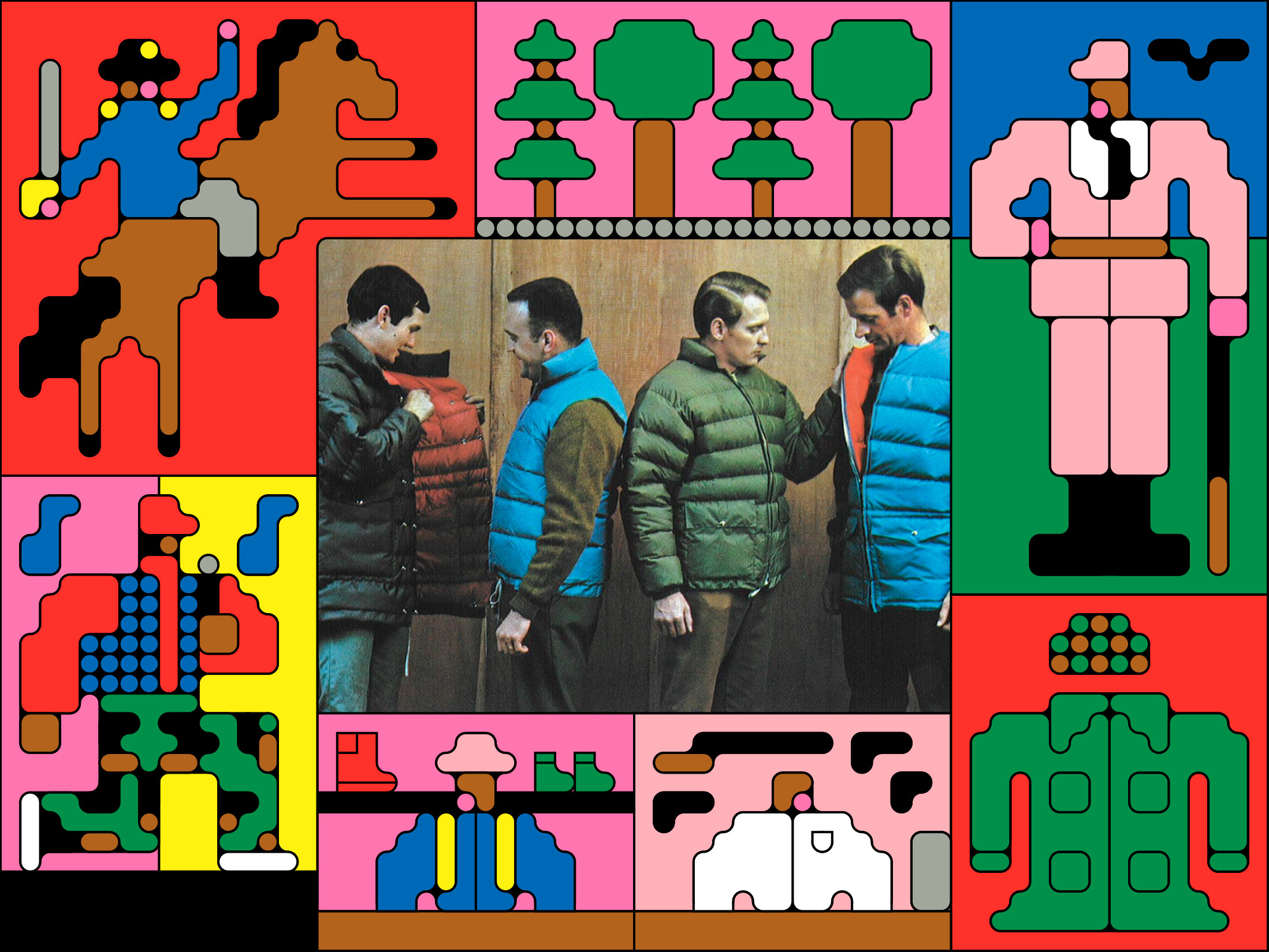
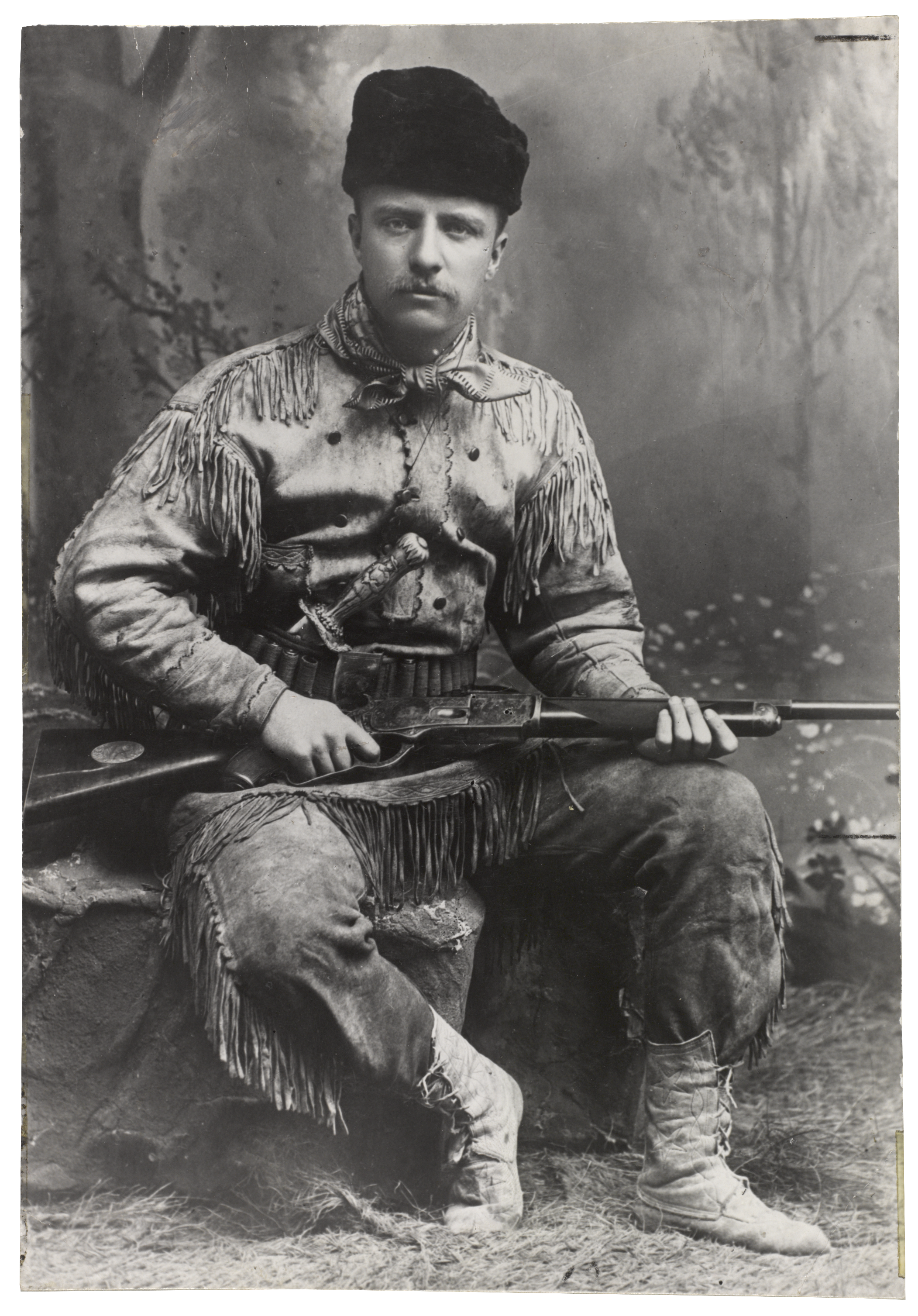
For as long as the American outdoorsman has existed in the popular imagination, he’s sported a very particular look. Think of Daniel Boone, or Teddy Roosevelt, or someone out of a Western movie surviving on nothing but his wits and a shotgun. He’s not wearing a tweed hunting suit, like a prim Englishman in the countryside. He’s rocking animal hides and boots.
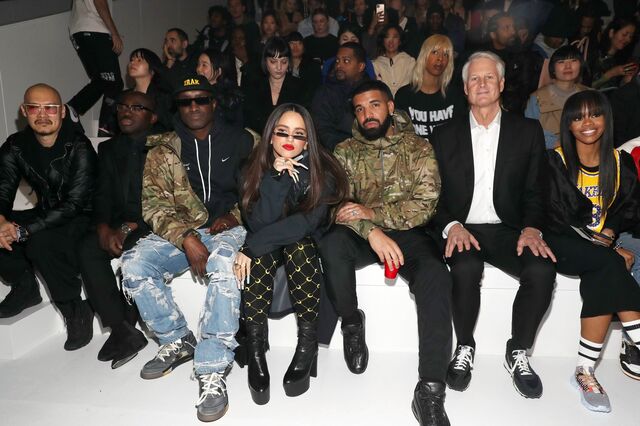
Today we’d call this look “gorpcore.” The term, coined in 2017 by former New York magazine writer Jason Chen, refers to wearing outdoorsy clothes for fashion as much as function. (GORP stands for “good old raisins and peanuts,” which is basically a kind of trail mix.) In the years since Chen named the style, it’s exploded among the fashion set—in 2020 rapper Drake and designer Virgil Abloh wore matching Arc’teryx parkas to New York Fashion Week—and rolled down to mainstream consumers.
The rise of gorpcore is part of the broader embrace of the $358 billion athleisure industry. But it’s no fad: Americans have always wanted to look more rugged than they are—even Roosevelt in his buckskin suit. In the 19th century that was the height of manliness. To wear one suggested you’d gone out and shot a deer, skinned it, tanned it and sewn it all together.
But in reality few people, including Roosevelt himself, did any of that. “They would just buy them,” says Rachel Gross, an environmental and cultural historian at the University of Colorado at Denver. “They often turned to Native American women, who were the recognized experts at sewing buckskin suits.”
The Rise of Mass-Produced Clothing
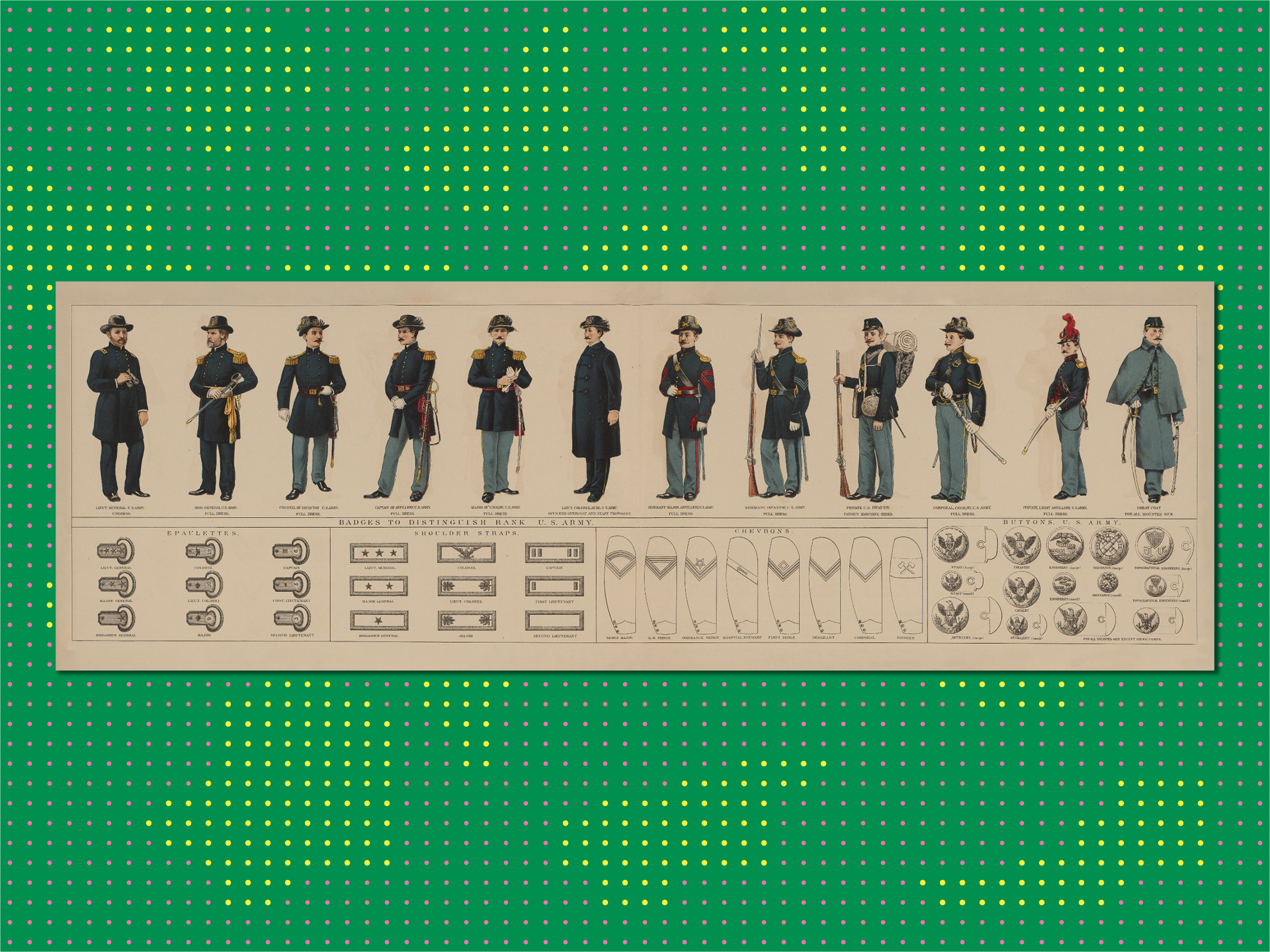
Before the 19th century, people didn’t buy clothing; they bought cloth and made it into garments themselves or went to a tailor. That changed in the early 1800s, when ready-made retailers such as Brooks Brothers pop up in New York City. At first these manufacturers make ready-to-wear suits, but during the Civil War they shift gears to mass-produce uniforms for the Union Army. These tactical outfits are the first clothes to come in standard sizes, which is practical, but also an ideological statement compared with the South’s homemade uniforms, says Michael Zakim, a material and cultural history professor at Tel Aviv University. When the North eventually wins on the battlefield, mass-produced clothes are here to stay. Plate 172 of the “Atlas to Accompany the Official Records of the Union and Confederate Armies,” containing illustrations of uniforms worn by soldiers during the American Civil War, 1895. Photo: US Department of War
Abercrombie & Fitch Invents a Shopping Experience
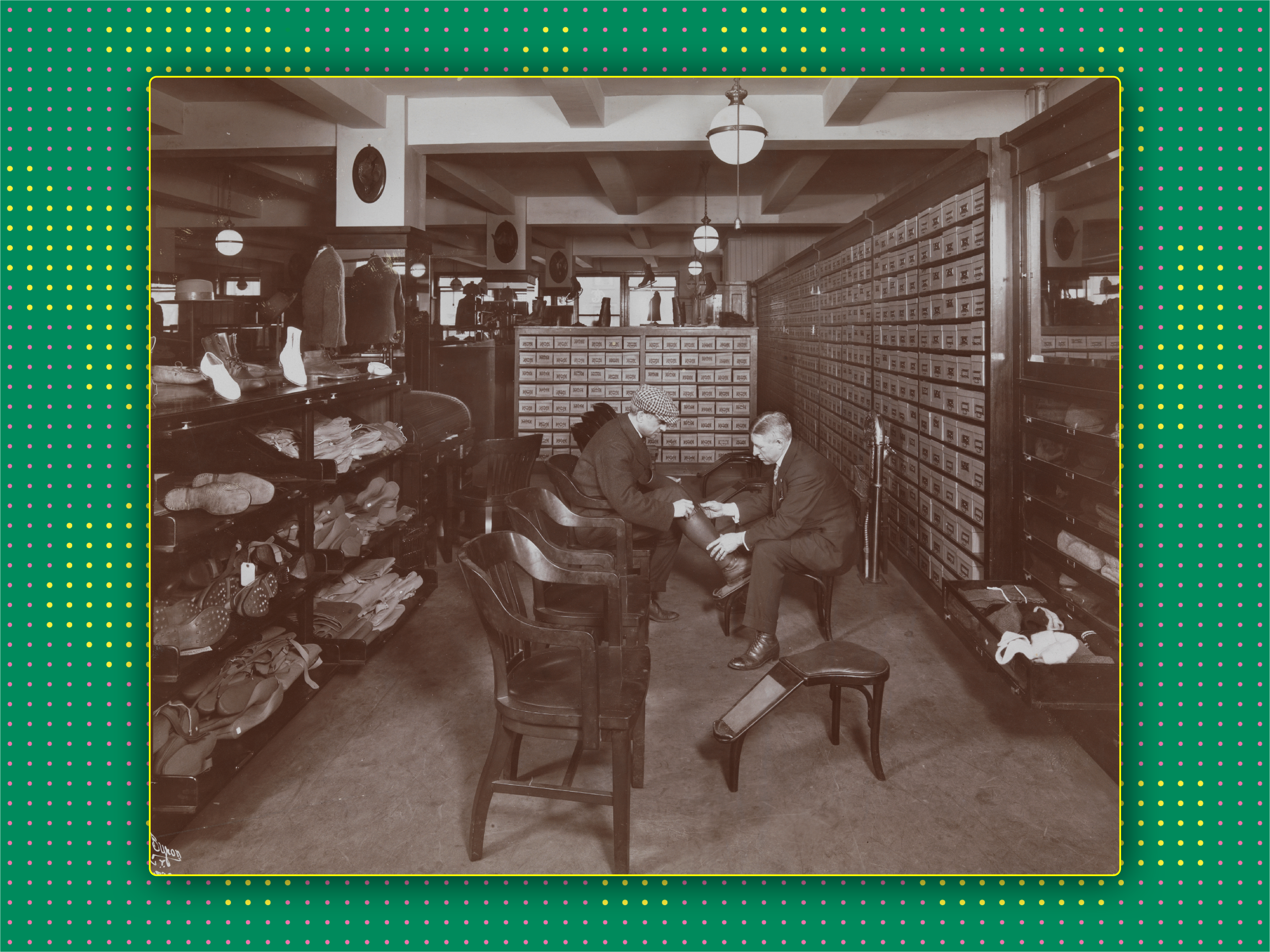
As the 20th century approaches, David Abercrombie starts a camping equipment business that eventually turns into a new kind of store in the heart of New York City. Abercrombie & Fitch, as it becomes known when Ezra Fitch joins the business, sells camping gear but also is sort of a clubhouse that advertises itself as a respite from city living. It is, in other words, a vibe: Taxidermy and antlers fill the walls; there’s also a “Log Cabin Lounge” on the roof. The other crucial element is the store’s salesmen. Advertisements for Abercrombie & Fitch brag that these clerks have tried out all the hunting and camping equipment and are experts on outdoor needs. “That’s the first time I see a shift from the notion of the 19th century, which is ‘Don’t trust shopkeepers,’ to the early 20th century notion of ‘The shop is the first place that you must go because that’s where you’re going to learn about the right gear,’” Gross says. Photo: Byron Company/Museum of the City of New York
The Birth of the L.L.Bean Boot
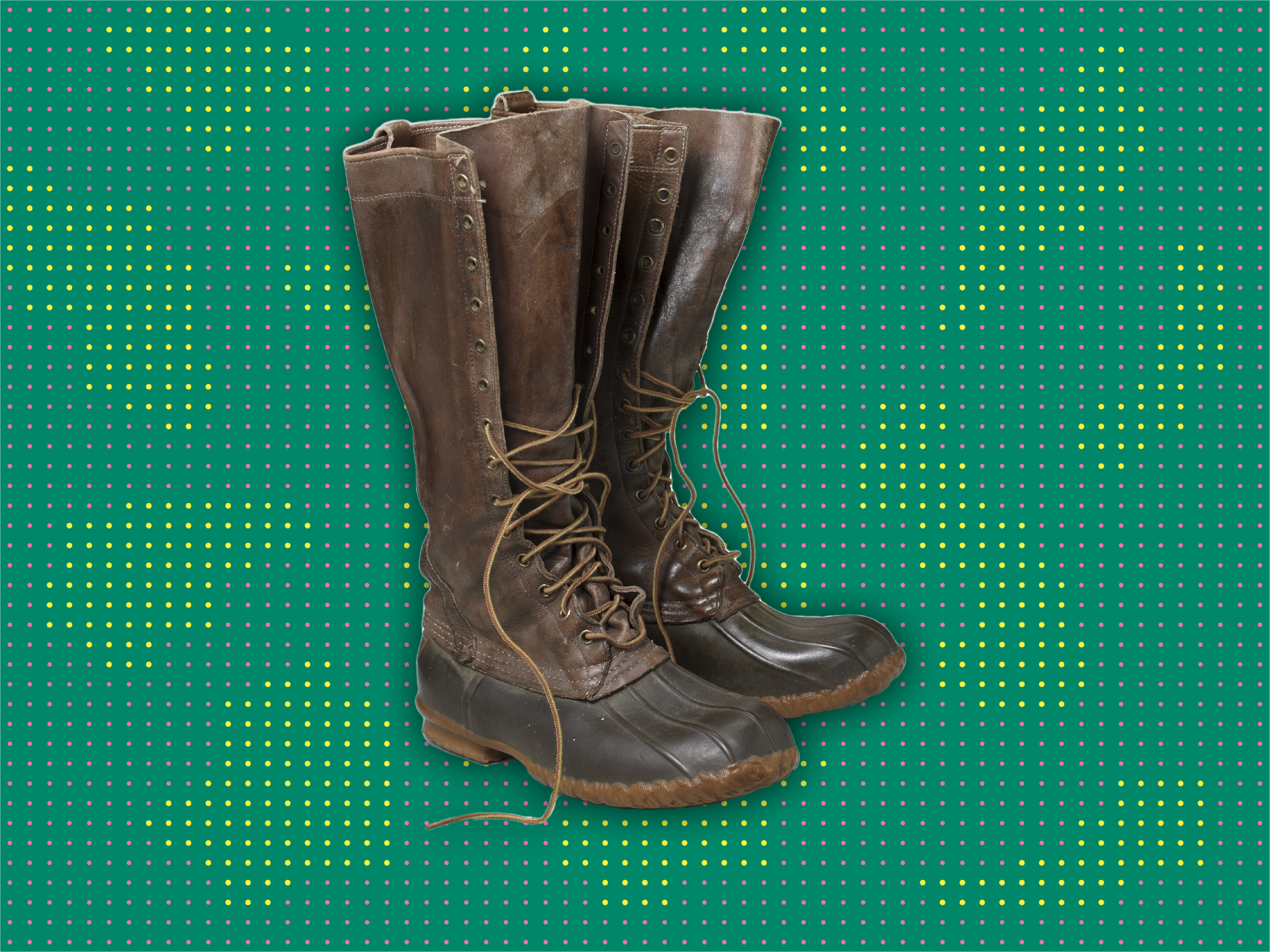
Before cars and highways, hunting was reserved for wealthy people with access to land and the time to get out there. One such hunter was Leon Leonwood Bean, who owned a specialty hunting shop in Maine and often went on duck hunting retreats. On returning from one of those trips in 1911, Bean notices his cold, wet feet. It inspires him to design something better than the hobnailed and leather-soled shoes his fellow outdoor enthusiasts sport. He fashions a leather lace-up boot with a thick rubber sole. It’s water-resistant, warm and efficient. He dubs it the Maine Hunting Shoe. The next year he promotes the boot in a mailer as the height of new technology. The rubber shoes are the first item the L.L.Bean company sells, and a precursor to other material advancements in hiking shoes. The first-edition Maine Hunting Shoe, created in 1912 by Leon Leonwood Bean. Photo: Courtesy L.L.Bean Inc.

Synthetics Come to Outerwear
The DuPont company, which had been a major supplier of gunpowder to the US military and hunters in the 1800s, ventures into textiles in the 1920s. The company’s chemists invent neoprene, a synthetic rubber, and nylon, a synthetic silk. Throughout the ’20s, ’30s and ’40s, DuPont synthetics get incorporated into consumer clothes, such as the Buck Skein jacket, made by Lustberg, Nast & Co. (The name is, yes, a nod to the buckskin suits that Roosevelt and his contemporaries wore.) Unlike other coats on the market, the Buck Skein has a waterproof coating, which advertisements proudly flaunt along with DuPont’s logo. It opens the door to more branded chemical and material collaborations in the field. A factory worker inspecting the yarn-beaming process at DuPont’s nylon-manufacturing plant in Seaford, Delaware, circa 1940. In this operation the yarn is transferred from individual areas to a big beam to enable the fabric maker to handle the yarn more efficiently. Nylon was discovered by DuPont in 1935. Full-scale production started in 1939, and nylon was used in a variety of products such as toothbrushes and stockings. Photo: Hagley Archive/Science Source
Eddie Bauer Consults the Military
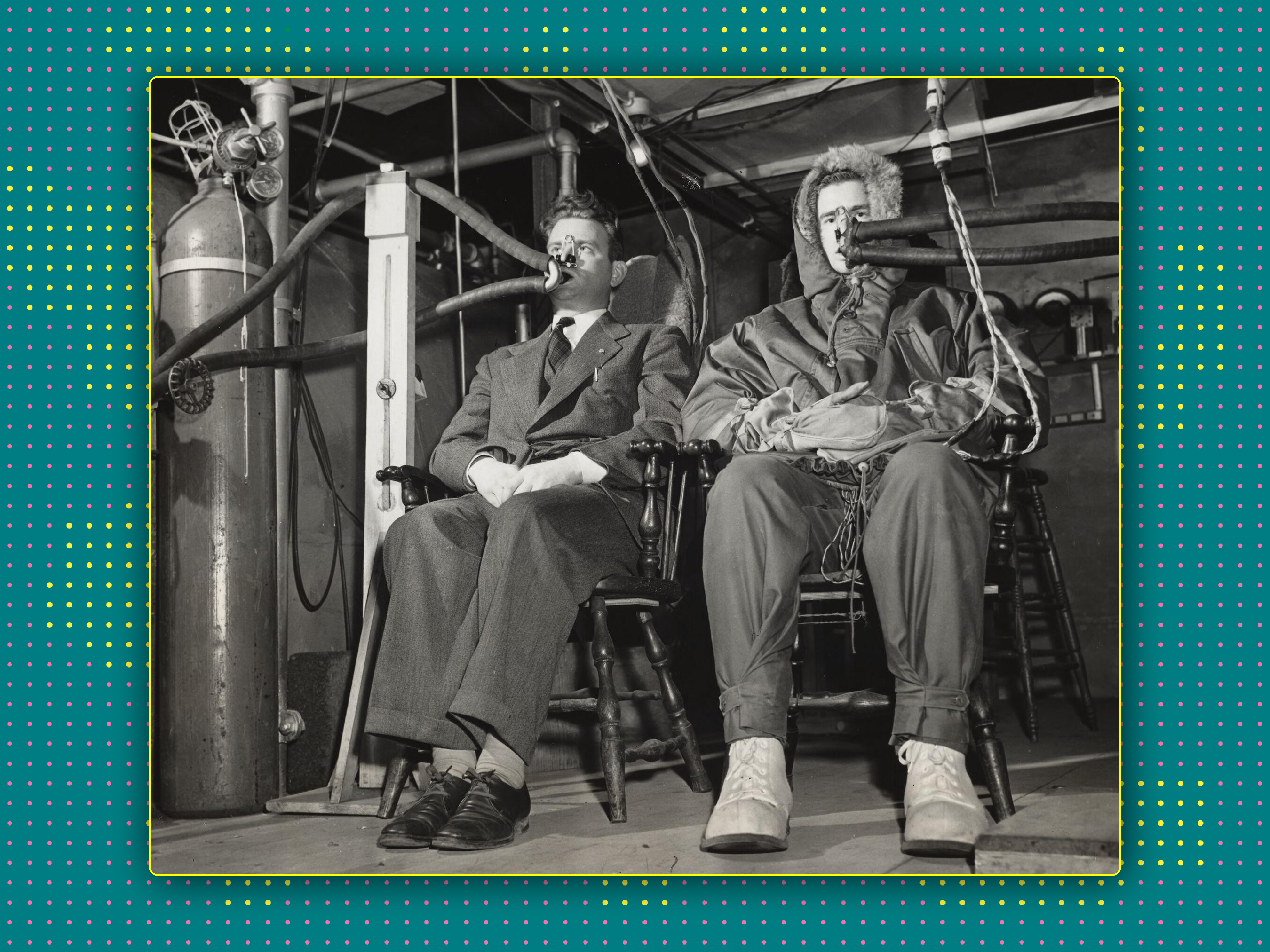
During World War II, the US military researches how to keep soldiers warm in new environments. Experiments conducted at the Harvard Fatigue Laboratory and the Climatic Research Laboratory test various types of jackets and gear at extreme temperatures. The Quartermaster Corps, the division of the Army tasked with clothing troops, recruits hunter Bean, sportsman Eddie Bauer and members of the Harvard Mountaineering Club as consultants. They advise on the designs for jackets, packs, tents and sleeping bags. Fatigue Lab testing clothing, circa 1943. Photo: HBS Archives Photograph Collection/Baker Library/Harvard Business School
The Layering Principle
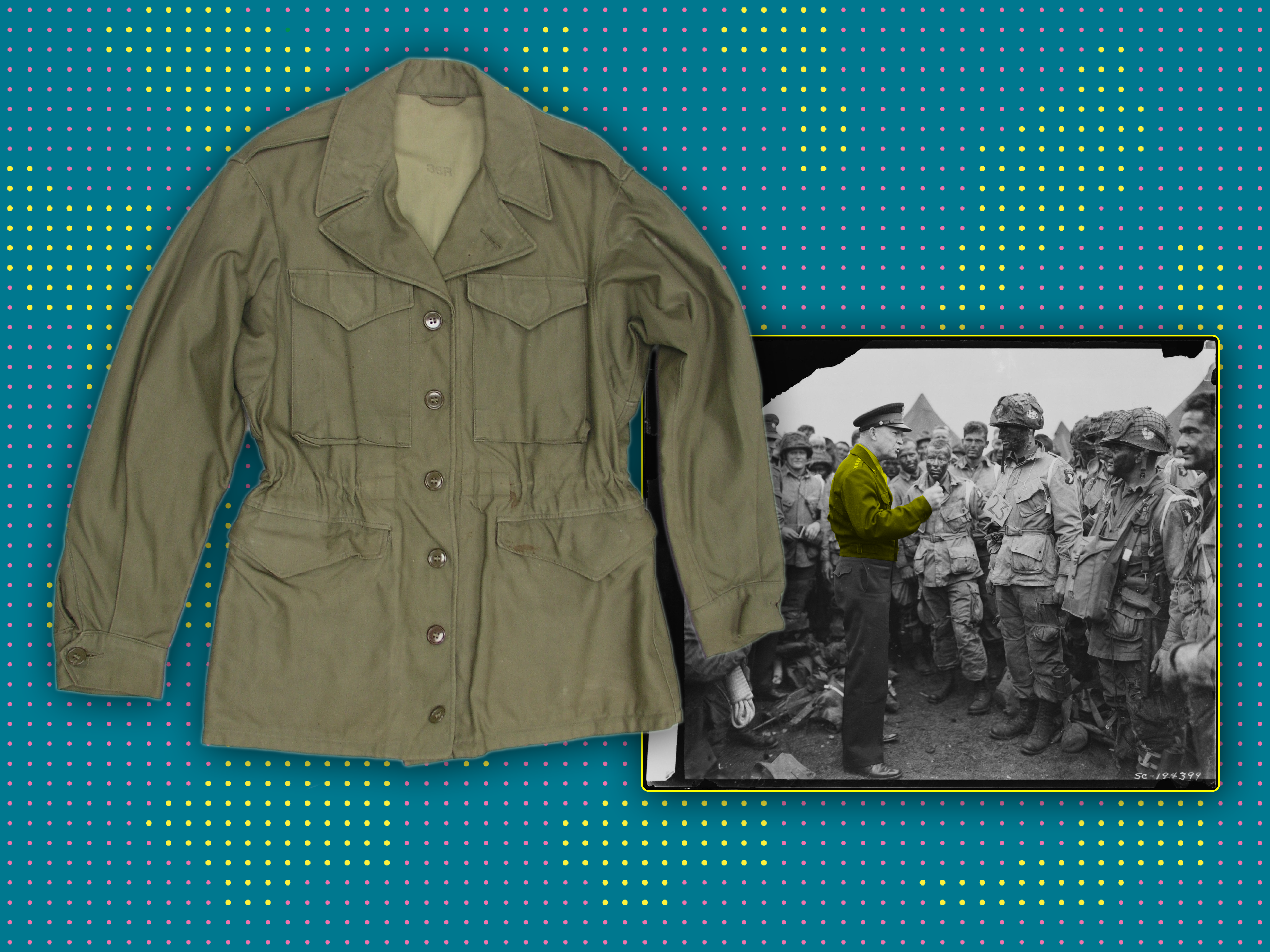
The result of years of military research is a pioneering new idea called the “layering principle.” It sounds simple, even intuitive: “The key to keeping warm is many layers of cotton with wool as a base layer,” says Charles McFarlane, who writes a newsletter called Combat Threads. This leads to the creation of an invention called the M-1943 field jacket. Unlike the heavy, long, wool overcoats soldiers wore during World War I, the M-43 is dynamic, with a woolen liner, removable cotton shell and “layering principle” instructions printed on the inside. At first some officers refuse to issue the M-43 because it looks sloppy, compared with the sharp, tailored Ike Jacket favored by General Dwight Eisenhower. But after a cold winter filled with frostbite and trench foot, the layering principle wins over the military. A 1943 field jacket. Photo: National Museum of American History/Smithsonian Institution. General Eisenhower gives orders to paratroopers in England, just before they board their airplanes to participate in the first assault in the invasion of Europe, on June 5, 1944. Photo: US National Archives
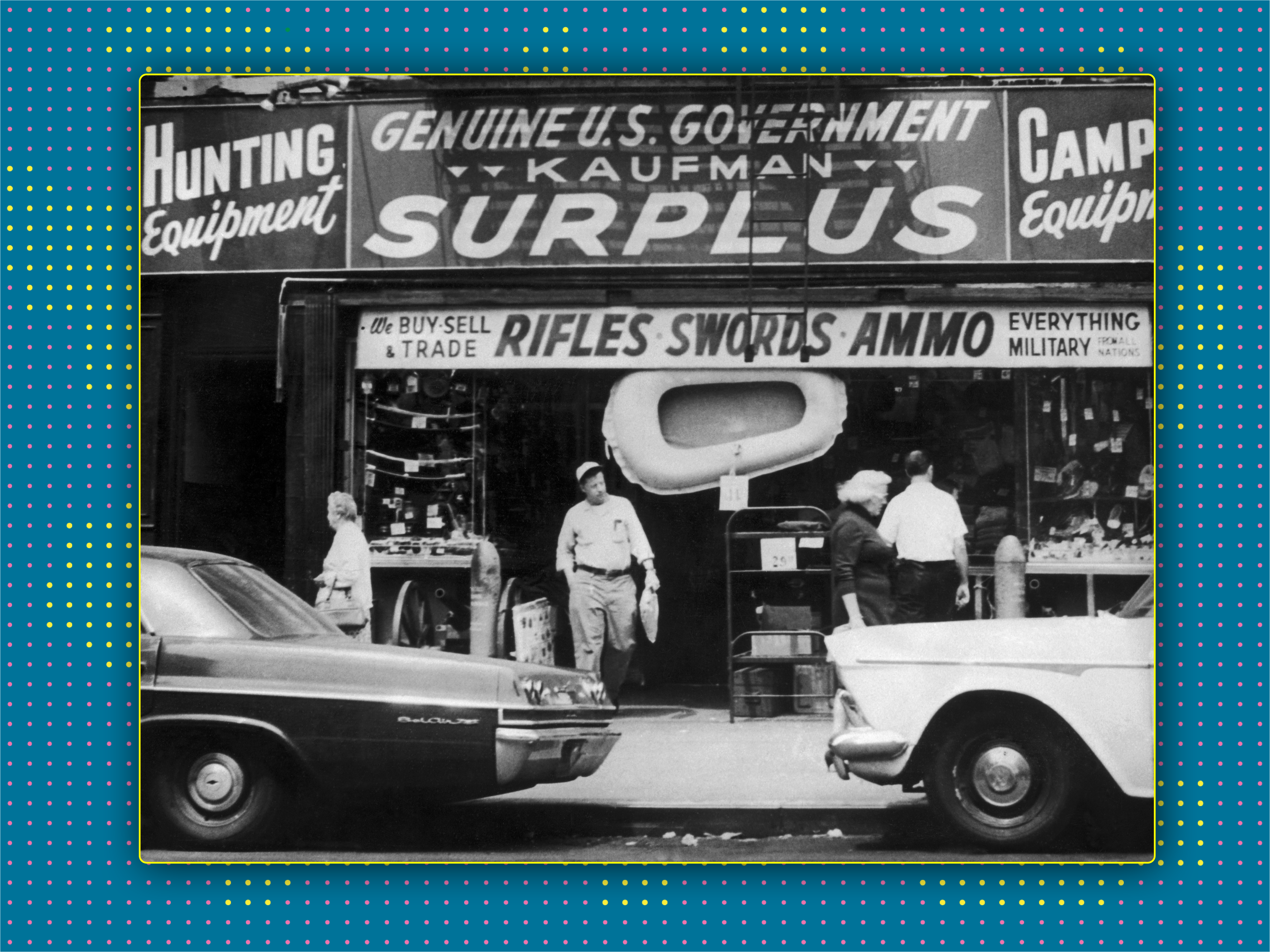
The Rise of Military Surplus Stores
After the war, a flood of military surplus clothing hits the US, bringing outdoor gear to the masses. Before World War II only a few cities had outdoor specialty stores, but returning veterans open up shop in small towns and big cities all over America. These stores draw hikers and hunters looking to buy affordable, high-quality tents, clothes and other gear. Kaufman Surplus in New York, June 5, 1968. Photo: Keystone-France/Getty Images
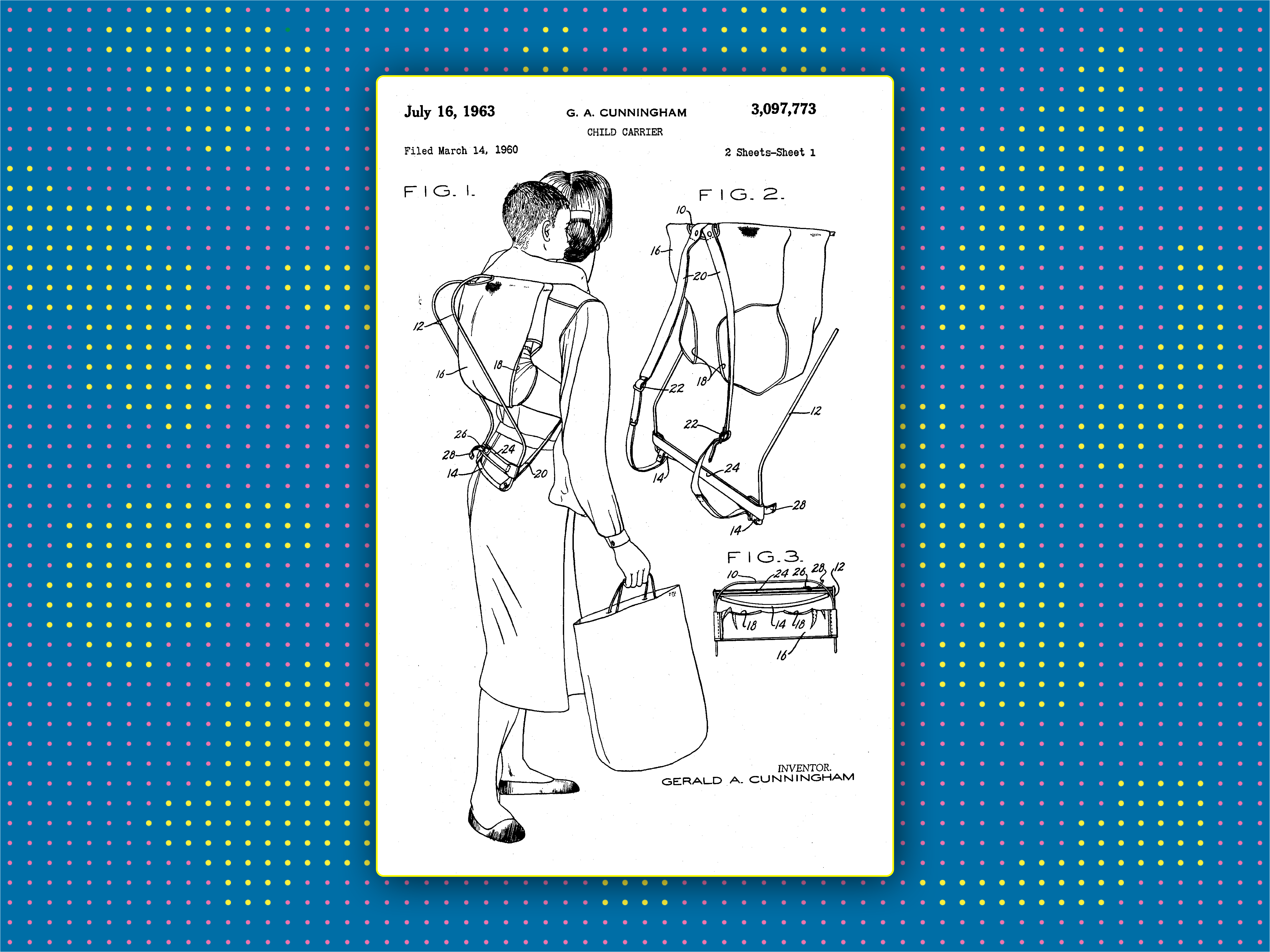
Camping Goes Mainstream
Private industry picks up the quest to create better outdoor gear. Among the innovators are Gerry Cunningham, who served in the 10th Mountain Division ski troop during World War II, and Roy Holubar. Both open shops in 1946 in Colorado—named Gerry and Holubar, respectively—and each starts designing more versatile and lightweight gear. They also find new customers. The end of the war ushers in a boom time for the American family vacation, and Cunningham and Holubar advertise their wares as accessible. Both companies publish guides on how to camp, cook and keep warm with ease; Cunningham would eventually invent the baby backpack, so even infants could come hiking. Outdoor sports are no longer sold as rugged, manly and exclusive, but as wholesome family fun. The 1960 patent for Cunningham’s child carrier. Photo: US Patent Office
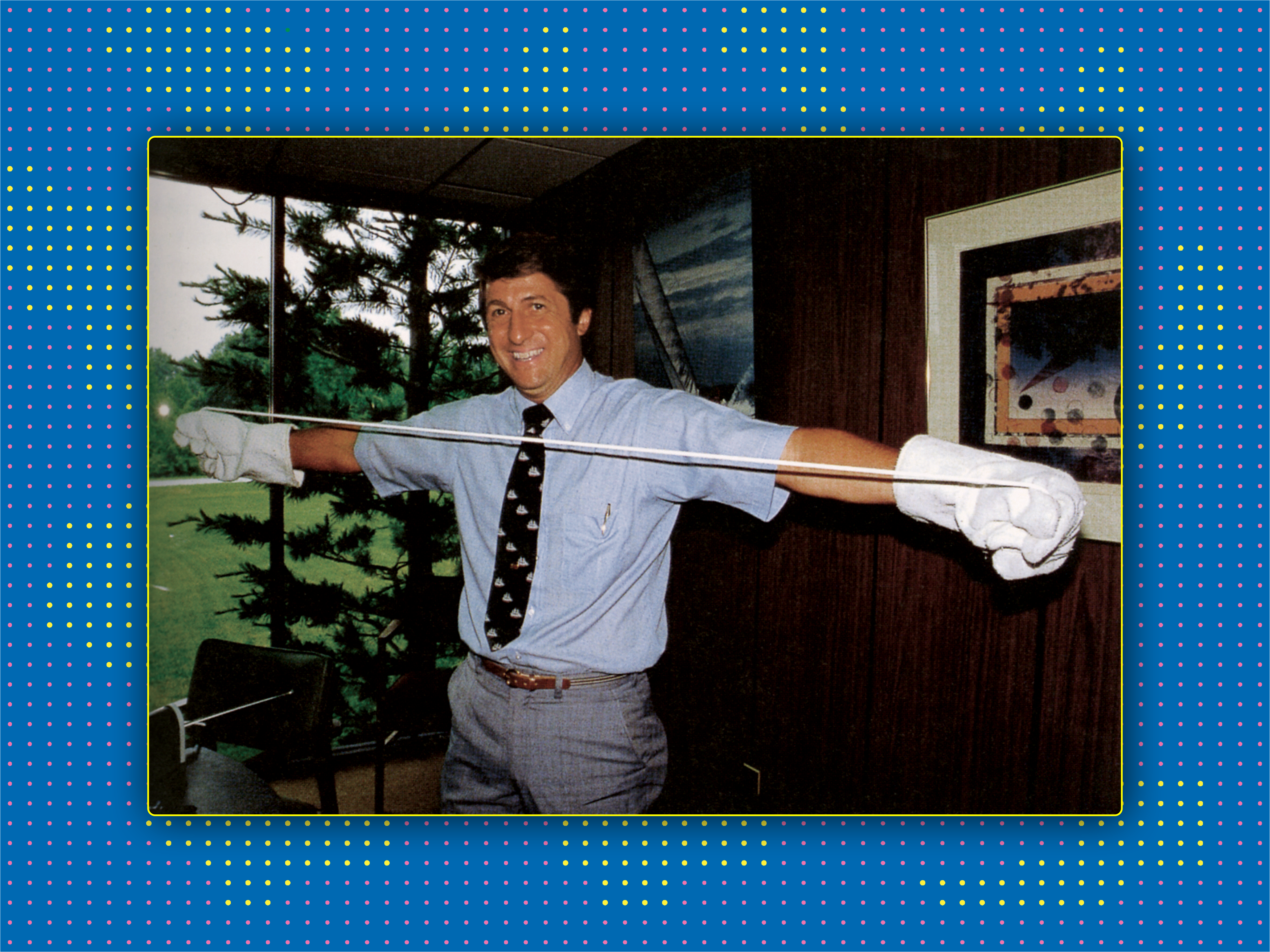
The Invention of Gore-Tex
Wilbert Gore worked for DuPont in the research division of the polychemicals department. He saw a lot of promise in Teflon and thought it could be used in other products that DuPont wasn’t pursuing. In 1958, Gore starts W.L. Gore & Associates with his wife, Vieve, where he pursues new kinds of applications for polytetrafluoroethylene (PTFE). Bill’s son, Bob, discovers that by stretching or expanding PTFE rapidly, it takes on properties that allow sweat to pass through it, while preventing water molecules from getting in. They call it Gore-Tex fabric. Bob Gore reenacts his 1969 discovery of expanded PTFE. Photo: Courtesy W.L. Gore & Associates
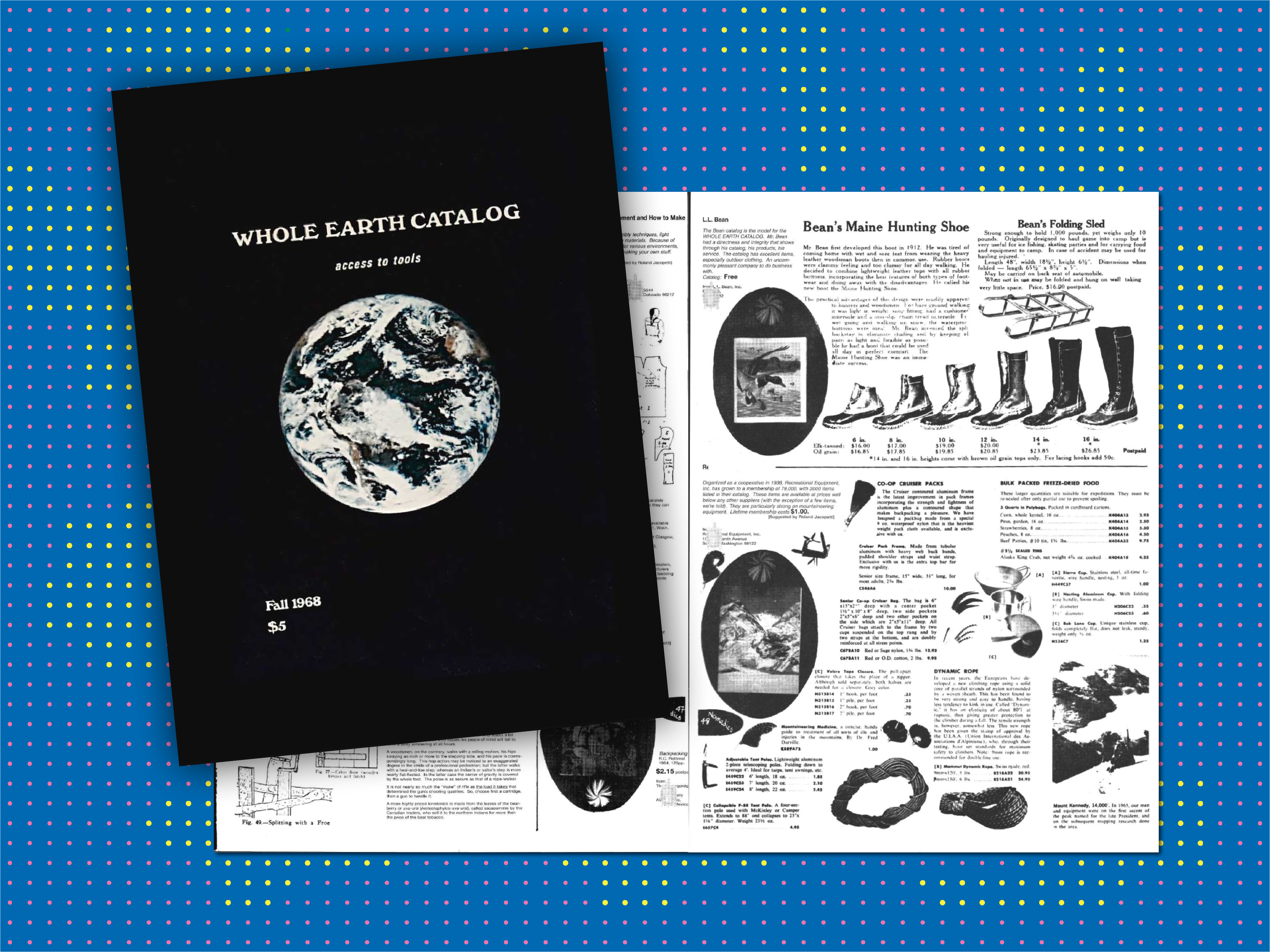
The Whole Earth Catalog
The Whole Earth Catalog comes out in 1968 as a guide to living a counterculture lifestyle. It provides insights on the best tools for digging wells, grinding flour and building homes off the grid. One of the items it highlights is the L.L.Bean boot. The back-to-the-land movement inspires a new era of outdoorsmen to get closer to nature. Hippies adopt military surplus styles as cheap, effective and anti-consumerist fashion. Camping pages from “Whole Earth Catalog,” 1968.
An Outdoor Retailer Boom
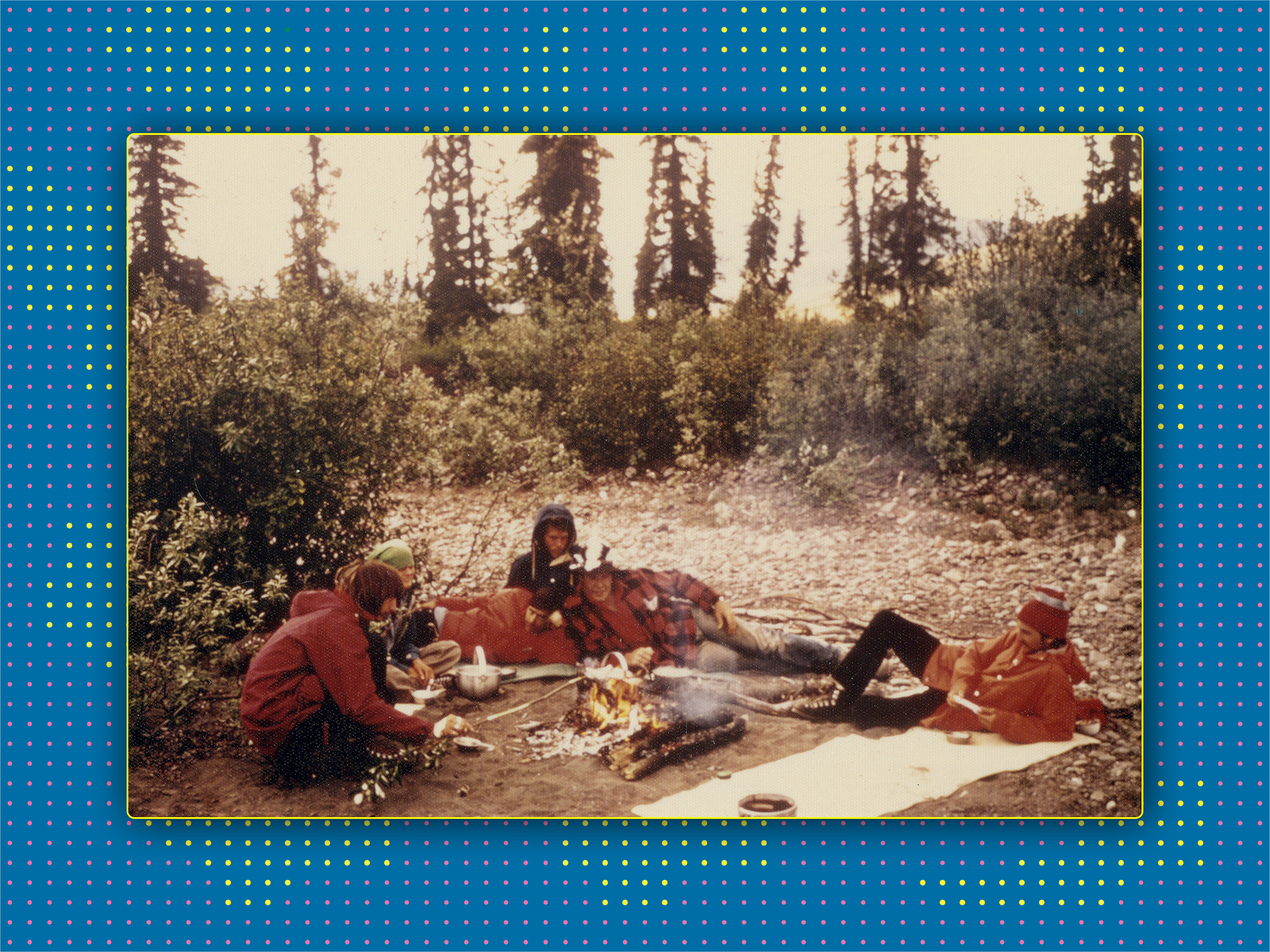
Bass Pro Shops is founded in 1972, followed the next year by Patagonia Inc. A few years in, Patagonia starts selling a fleece that, according to McFarlane of Combat Threads, is essentially a version of a US Army sweater. “The layering principle is entering popular fashion,” he says. Campers at Ernie Creek and Koyukuk confluence in Alaska, 1974. Photo: HUM Images/Universal Images Group/Getty Images
Japan Goes Gorp
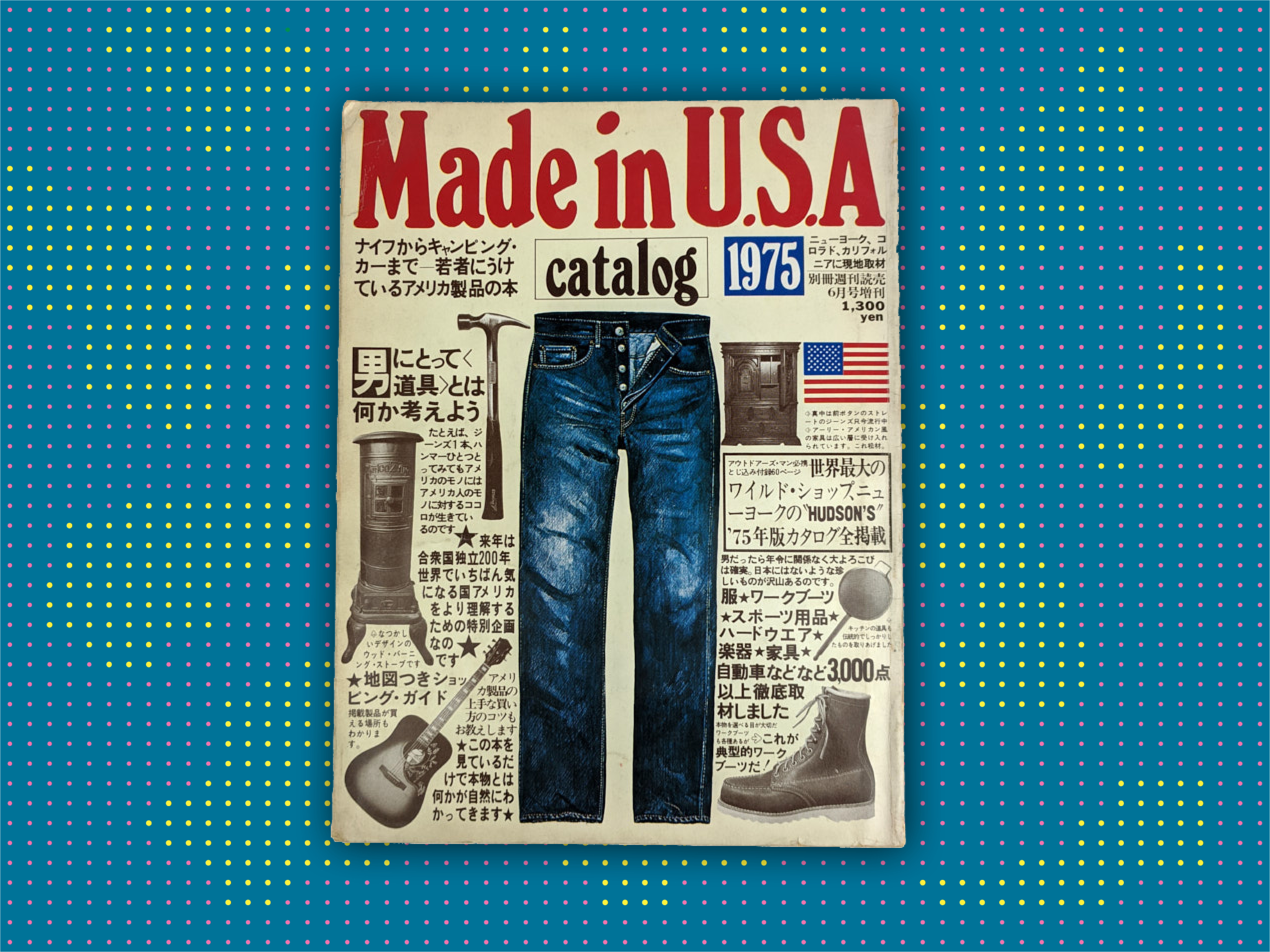
Inspired by the Whole Earth Catalog and American mail-order catalogs, illustrator Yasuhiko Kobayashi decides to make a mook (magazine-book) of how Americans dress. A team of Japanese photographers and writers sets off to Colorado, Los Angeles, New York and San Francisco to take photos of 3,000 different objects from American life, including items from Abercrombie & Fitch, the North Face, Eddie Bauer, Hunting World and Pendleton. The resulting mook, Made in U.S.A, becomes a runaway hit in Japan, selling more than 150,000 copies. Companies in Japan make outdoorsy-looking clothes in a style that, according to Ametora: How Japan Saved American Style author W. David Marx, is known as “heavy duty.” Cover of “Made in U.S.A” catalog.
A Surprise Hit Makes Preppy Trendy
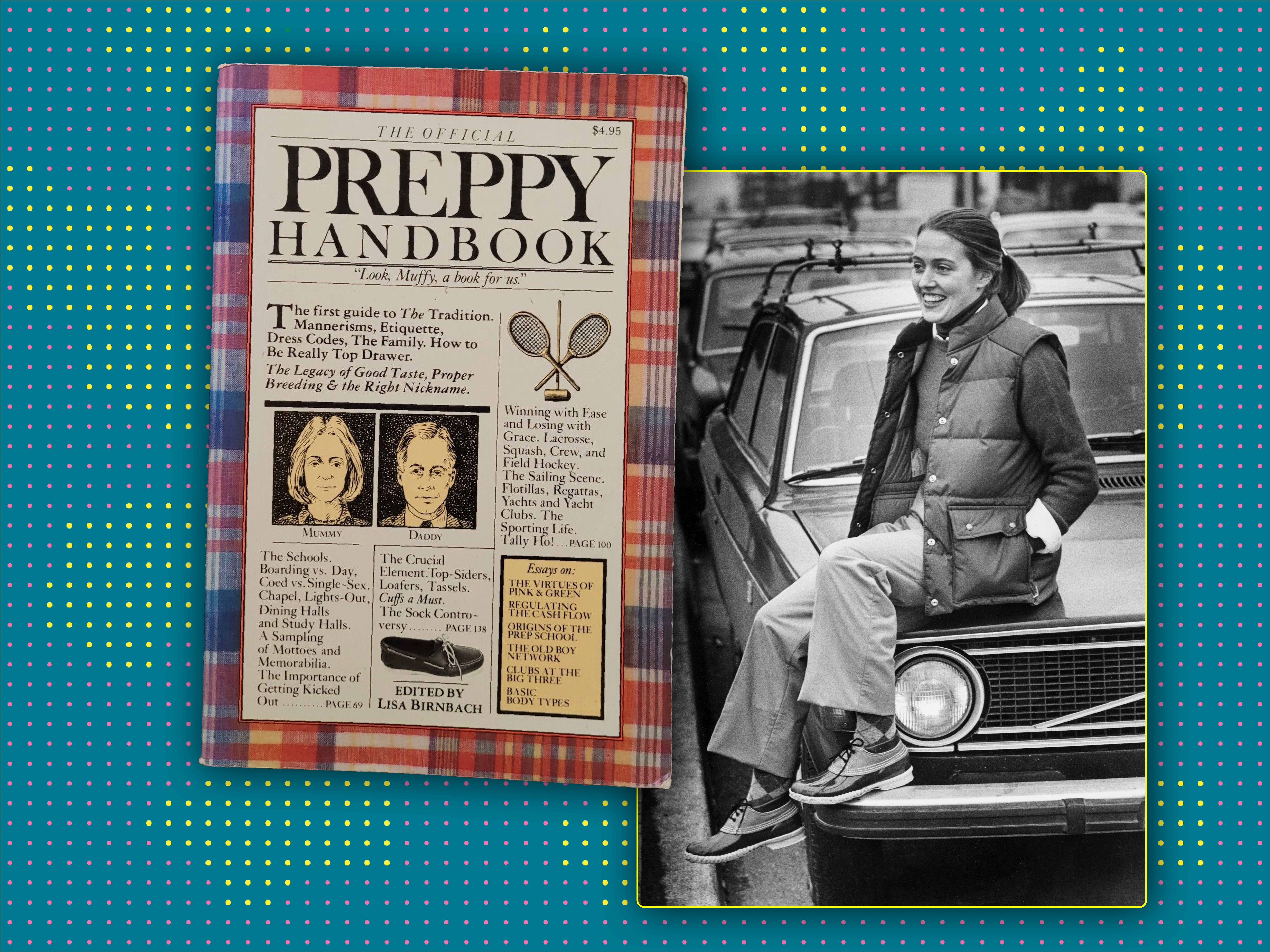
The Official Preppy Handbook, a cheeky how-to guide, becomes a massive hit, selling more than 2 million copies. L.L.Bean is cited as an essential part of preppy style: a casual way to look sporty. “We made it so popular that L.L.Bean opened a new factory just to accommodate the preppy garb that we recommended,” says Official Preppy Handbook co-writer and editor Lisa Birnbach. A spokesperson for the retailer says he’s not aware of a specific factory opening as a result of the book but confirmed annual sales were up in the early 1980s. The outdoorsy look becomes trendy, as fair isle sweaters, windbreakers and puffy vests make their way into popular fashion. In the same decade, Walmart Inc. also starts carrying outdoor equipment. Gear is now available at both ends of the retail spectrum. The preppy look for the college years as described in “The Official Preppy Handbook,” worn by a local student dressed in Eddie Bauer, from the “Seattle Times,” 1980. Photo: Seattle Post-Intelligencer Photograph Collection/MOHAI
Cable TV and the Megastore
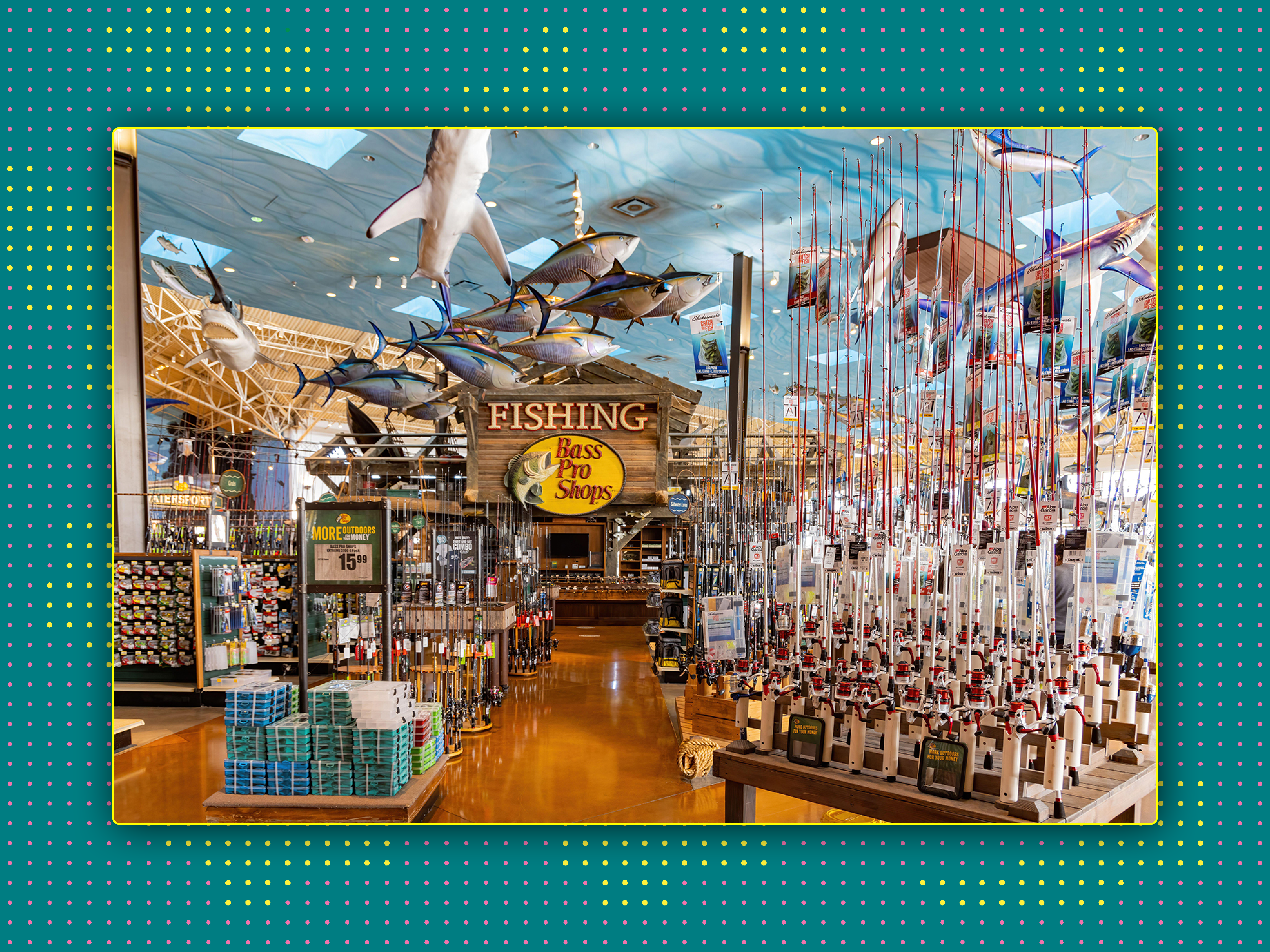
The Outdoor Channel is founded to bring hunting, fishing and climbing into people’s living rooms. The programming is “basically infomercials” for various gear brands, says Fisher Neal, a hunter and private guide. “If you watch one of those shows, they are constantly plugging products, and then the ads in between are often for the same products.” This symbiosis leads to a shift in retail, Gross says, from small-scale specialized shops to warehouse-size megastores filled with outdoor goods. Much like the original Abercrombie, the stores are an experience. They’re covered in taxidermy and have indoor shooting ranges; they look more like theme parks than retailers. Bass Pro Shops’ store in Las Vegas, 2021. Photo: Kit Leong/Alamy

Gear Hits the Streets
Raekwon, a member of the Wu-Tang Clan, wears a Ralph Lauren ski jacket in the music video for Can It Be All So Simple. Hip-hop artists had long been drawn to military prints like camouflage and workwear like Timberland boots, but the Snow Beach windbreaker marks a decisive turn for the outdoorsy. This is when gear first meets streetwear, and it’s legendary. “The people call it the Raekwon Snow Beach,” says Ralph Lauren collector and aficionado Dallas Penn. The Snow Beach pullover from Ralph Lauren Polo’s 1992 collection. Raekwon wears the windbreaker in Wu-Tang Clan’s video for “Can It Be All So Simple,” 1994. Photo: YouTube
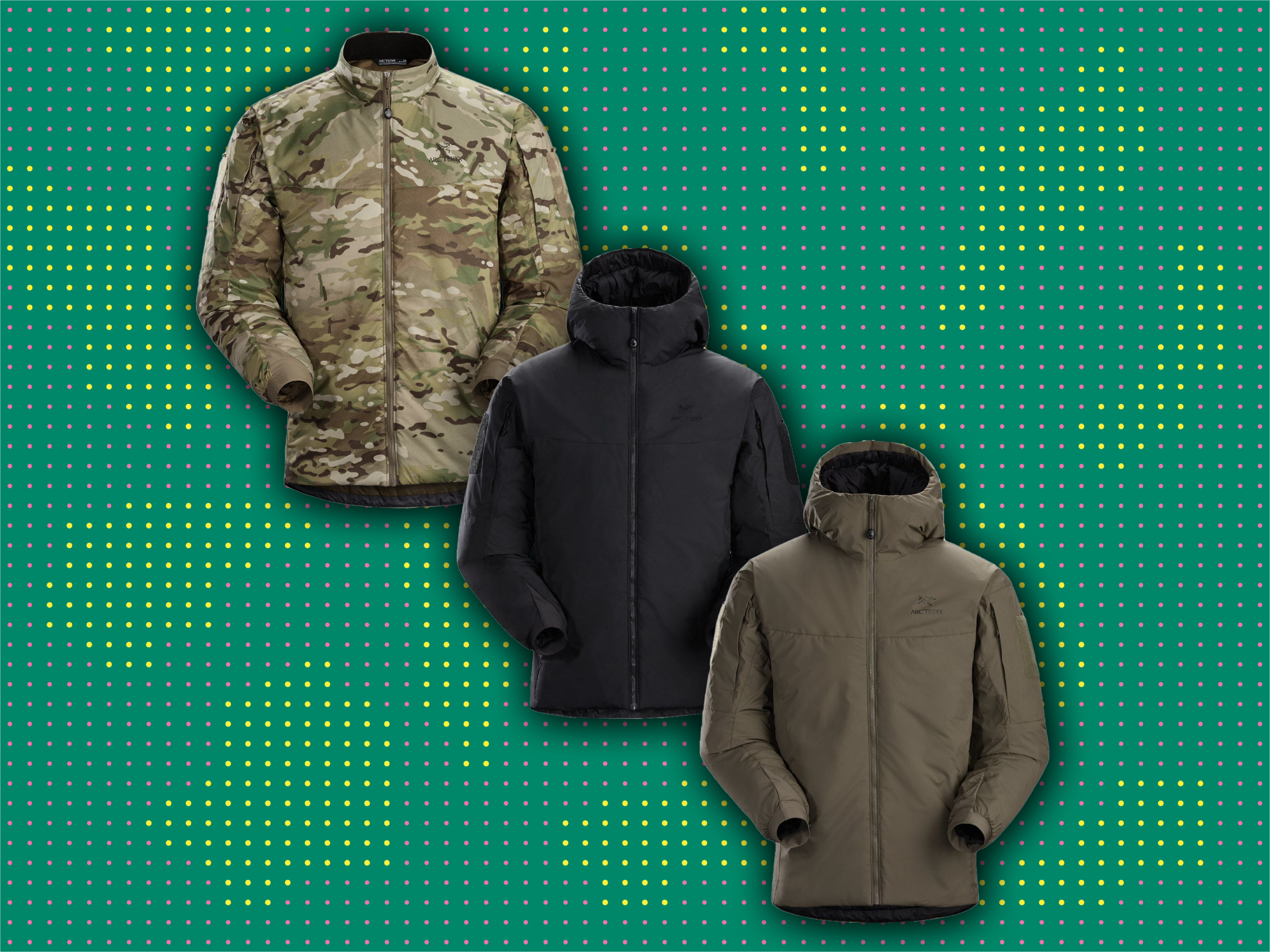
The Military Goes Gorp
In another full-circle moment, consumer outerwear brands start clothing the US military as troops head to Afghanistan and Iraq. Arc’teryx sells its Law Enforcement and Armed Forces (LEAF) high-performance gear to the US military. A subsidiary of Patagonia called the Lost Arrow Project also outfits troops in highly tactical gear. (Today, Lost Arrow is no longer affiliated with Patagonia.) Arc’teryx LEAF clothing.
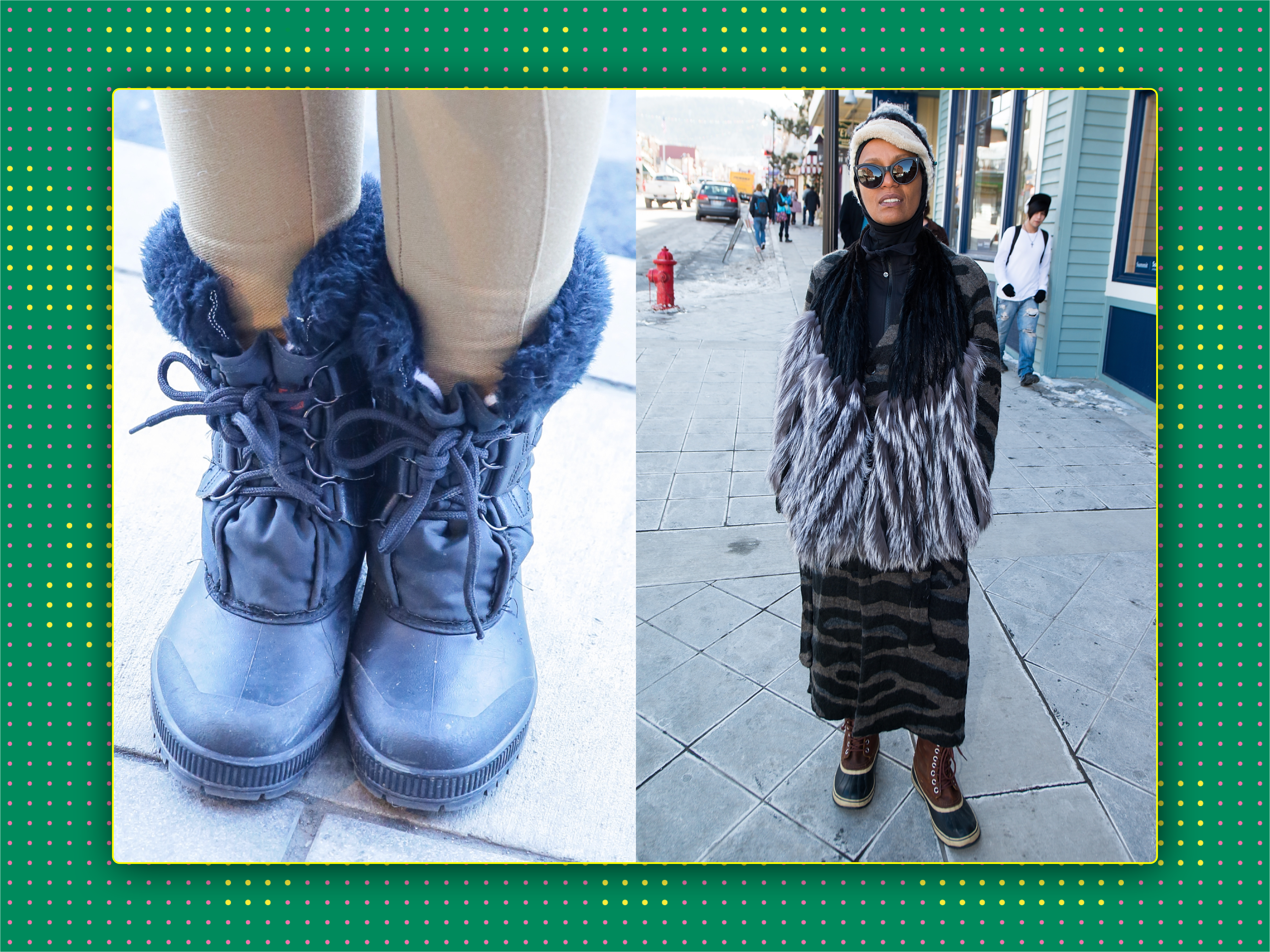
Vogue Anoints Sorel Boots
Vogue’s September issue features Sorel’s Major Carly military-style boots in a fashion spread, paired with dresses from Alexander McQueen, Chloé, Dries Van Noten and Valentino. Sorel, an outdoor boot brand owned by the Columbia Sportswear Co., had started adding more fashion-forward elements a few years prior. It’s paying off. “Vogue’s endorsement and promotion of Sorel boots as a fashionable accessory helped bridge the gap between fashion and functionality,” says Julie Lamarra, an assistant professor in the outdoor product design and development department at Utah State University. “It added a sense of credibility and legitimacy within the fashion industry and made gorpcore more accessible and appealing to a broader audience.” Sorel creates a template for other outdoor outfitters that want to cross over into high fashion. Actress Victoria Geil wearing Sorel shoes on Jan. 26, 2015, in Park City, Utah. Lysa Cooper wearing Sorel boots on Jan. 16, 2014, in Park City. Photos: Chelsea Lauren/Getty Images. Michael Stewart/Getty Images.
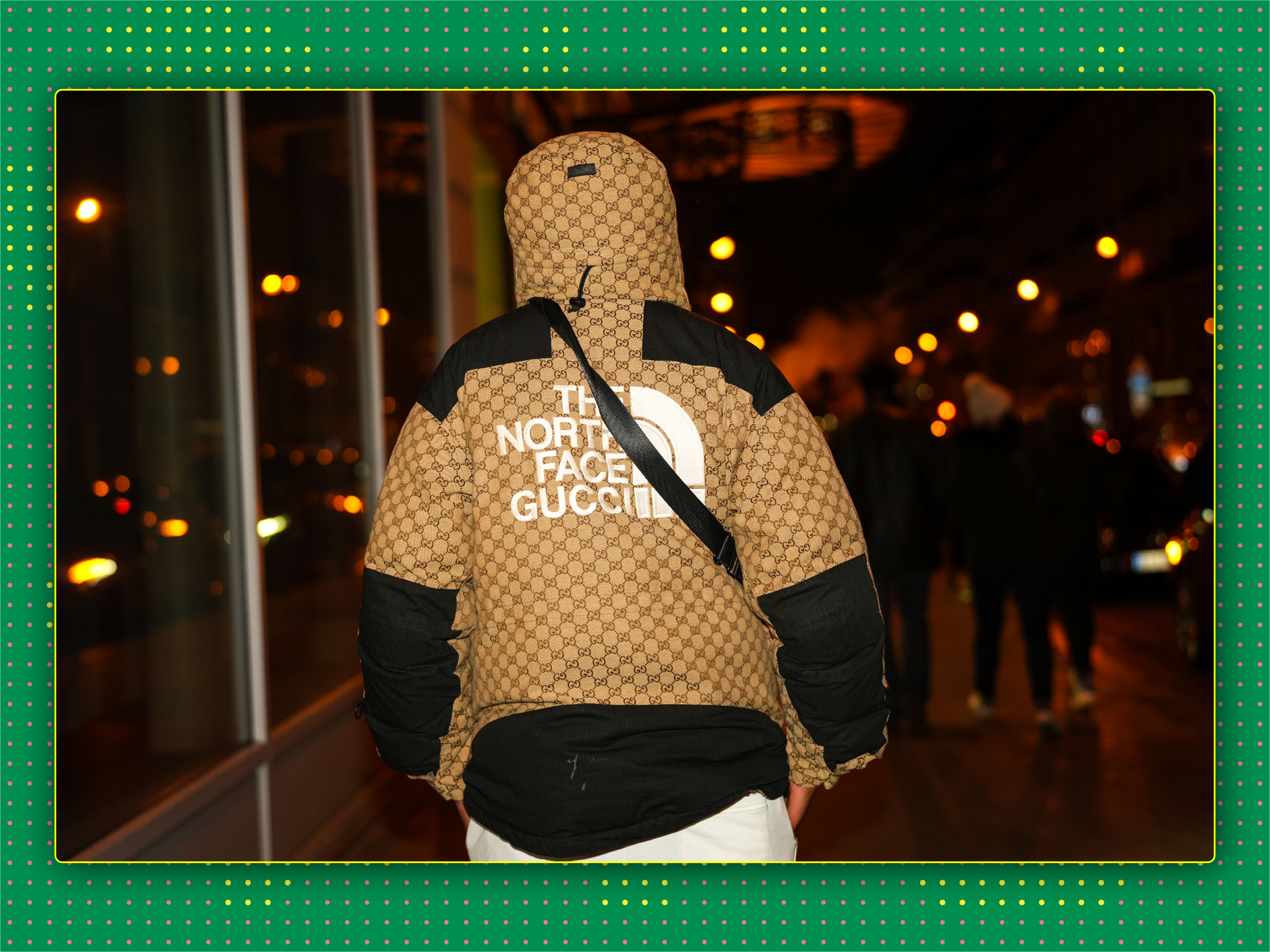
Gorpcore Emerges—and So Does Covid
Gorpcore is truly arriving. Gucci and the North Face release a collaboration in early 2020. “This exemplified the growing appeal of gorpcore and strengthened the bridge between luxury fashion and functional outdoor apparel,” Lamarra says. And then, shortly after Virgil Abloh and Drake wear their matching Arc’teryx LEAF jackets at New York Fashion Week, the world shuts down. The pandemic sends everyone outside, for walks and hikes, and gatherings and protests, and drinking and dining. More and more life is happening outdoors. And so, in a real and practical way, Gorpcore finds new legs. A passerby wears a beige and brown GG monogram print pattern with black shoulder / hoodie oversize puffer jacket, a collaboration between Gucci and the North Face, during Paris Fashion Week on Jan. 17, 2023. Photo: Edward Berthelot/Getty Images
In the years since the pandemic, Eddie Bauer has put out a collaboration with the Great. Reformation has one with Canada Goose. More partnerships between high fashion and outdoor gear seem to emerge every year. Because, ultimately, gorpcore works. Who doesn’t want to stay dry in the rain, cool in the summer and warm in the winter? And who doesn’t want to look cute while doing it? Its appeal is as simple, and eternal, as raisins and peanuts. Even if all you’re doing is sitting at a computer.
Businessweek Goes to Camp

• How camp became a $3.5 billion industry
• Goldman CEO’s summer camp portfolio
• Yet another reason modern parenting sucks
• Maximize your potential at ketamine camp
• Feel like a kid again: Seven adult-only sleepaways
Avery Trufelman is the creator and host of the fashion podcast and newsletter Articles of Interest, which was named one of the best podcasts of 2022 by the New York Times, the New Yorker, the Atlantic and many others.
Special thanks to Charles McFarlane and Outdoor Recreation Archive.