How an Ancient Island Culture Copes With Climate Change
For Palauans living on remote Pacific islands, climate change is personal as rising seas, surging storms, heat waves and dying coral reefs threaten their millennia-old civilization.
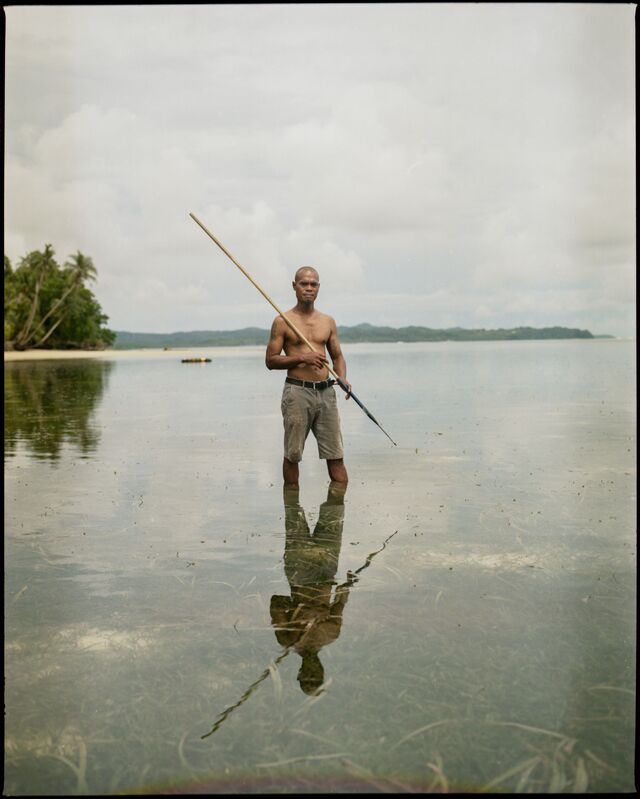
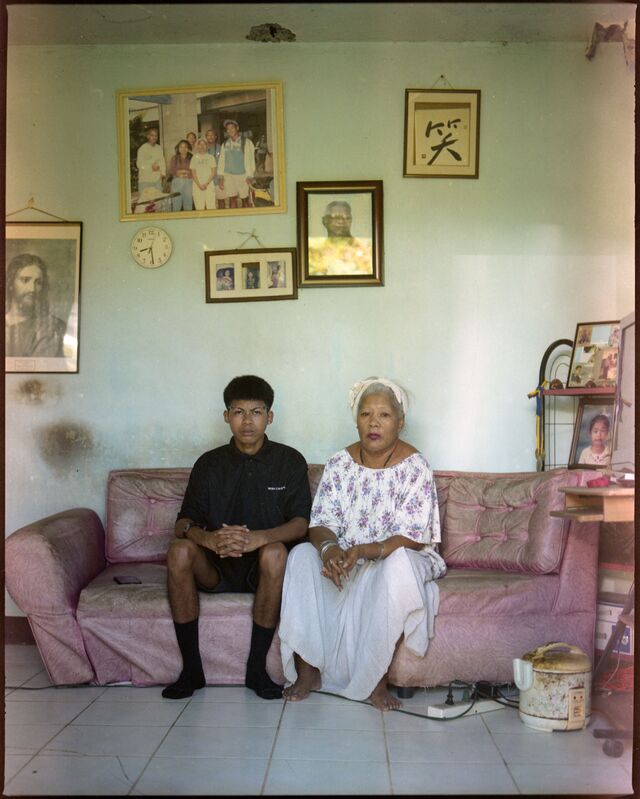
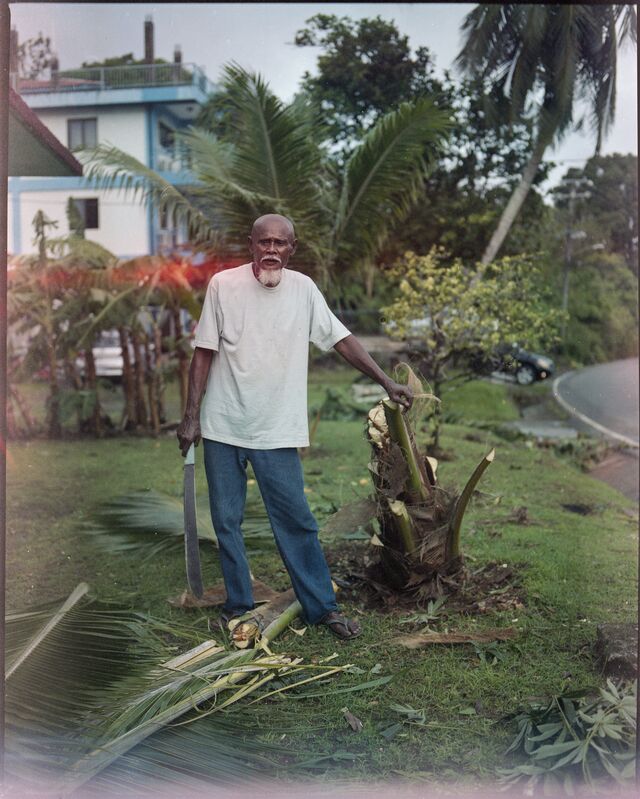
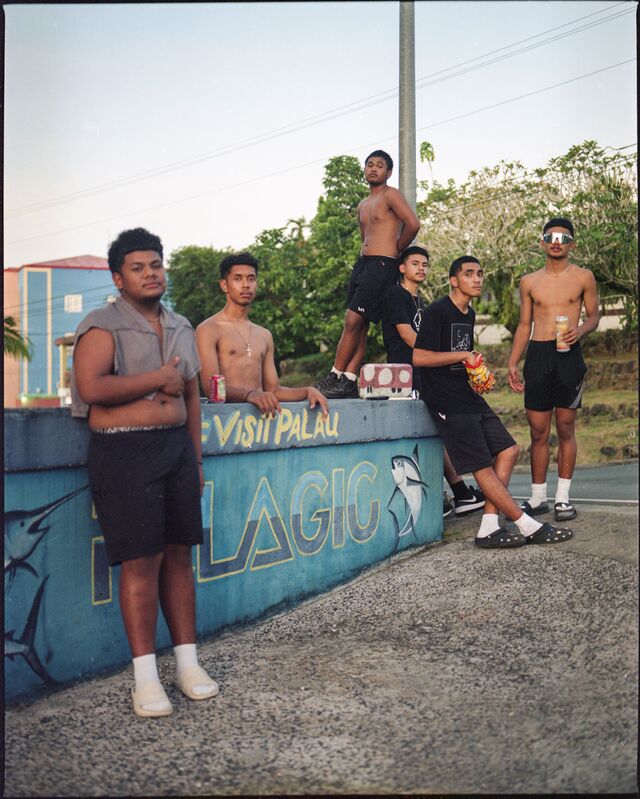
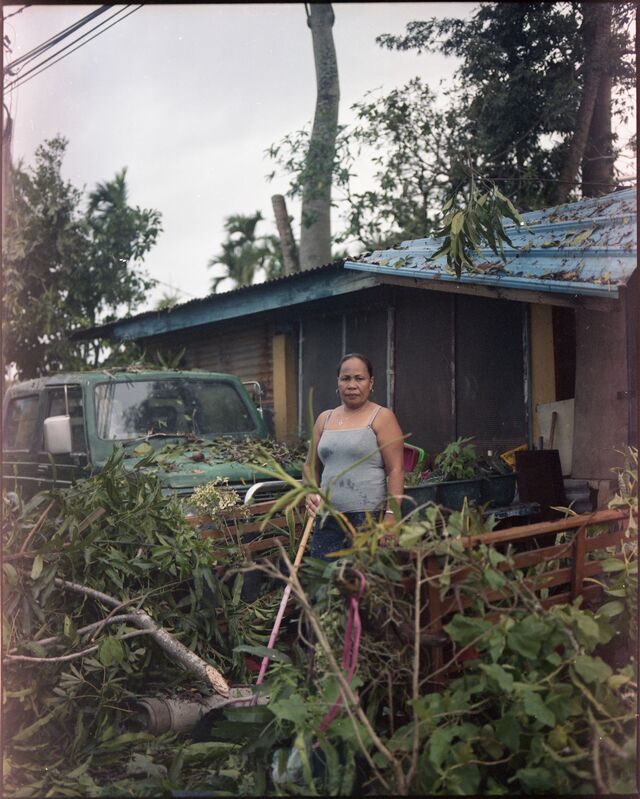
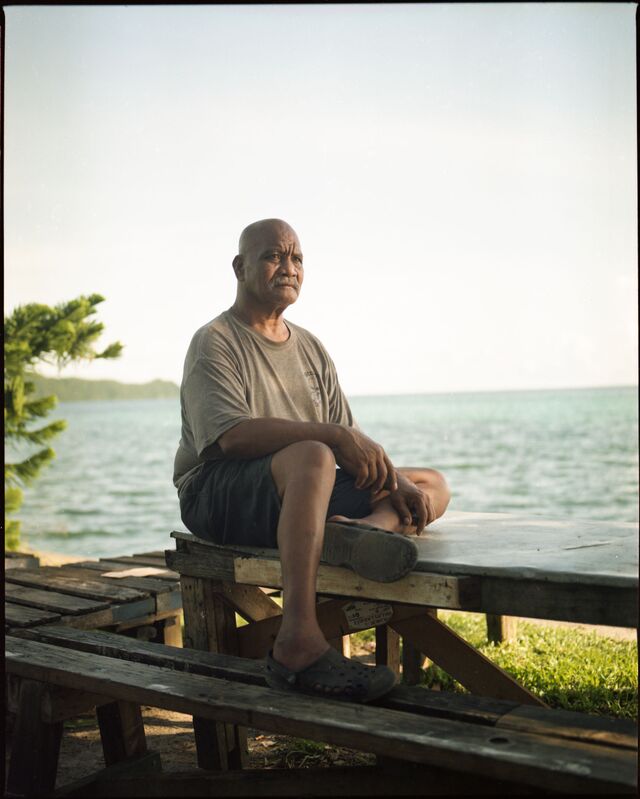
As world leaders convene in Egypt for COP27, the annual United Nations climate summit, small Pacific island nations facing erasure from rising seas are once again demanding that industrialized countries responsible for their plight take action.

Ocean issues are on the agenda at this year’s COP, as is loss and damage, UN jargon for compensating developing nations for climate disasters. But most wealthy countries have thus far offered little to help island peoples survive climate-driven typhoons, heat waves and biodiversity loss.
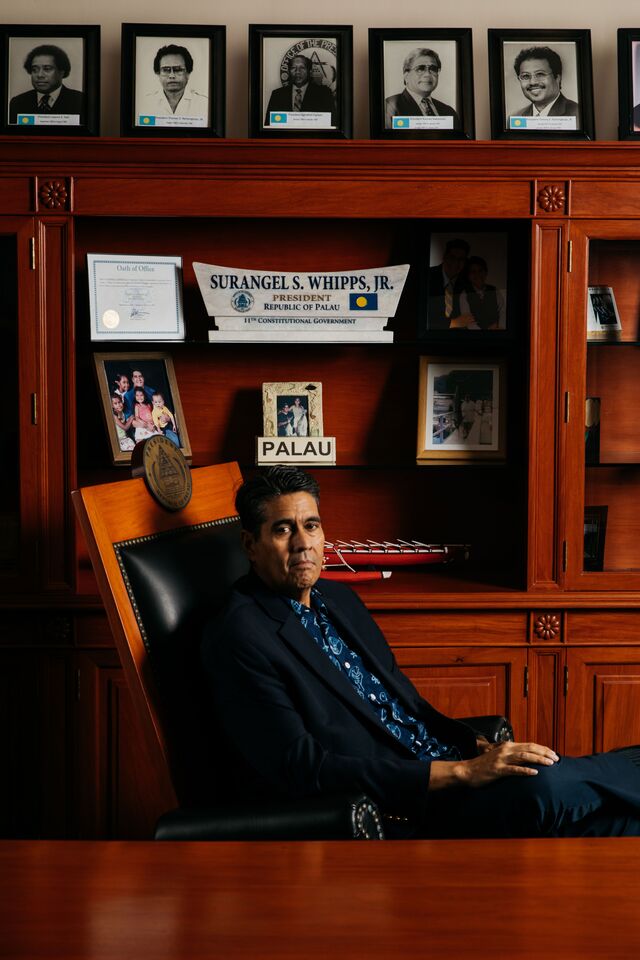
Pacific leaders’ frustration boiled over at last year’s climate summit in Scotland. “You might as well bomb our islands instead of making us suffer only to witness our slow and fateful demise,” Palau President Surangel Whipps Jr. told delegates.
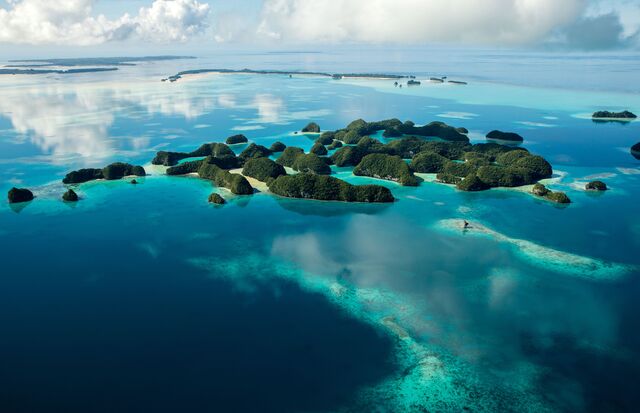
While climate catastrophes like the flooding of Pakistan rivet the world’s attention and are top of mind at COP27, often unseen are the daily climate calamities experienced on isolated islands like Palau, an archipelago encircled by a vast coral reef system that lies 4,700 miles southwest of Hawaii and is home to 18,000 people.
“We’ve had three typhoons in the past decade; before that there was like one in 40 years,” Whipps told Bloomberg Green as he prepared to travel to Egypt for COP27. “We have extreme monsoons that are washing away our roads. We have sea level rise that's getting into our taro swamps, so that’s affecting food security. And then we also have warming of the sea, so we’ve lost coral.”
A 2020 report on climate change in Palau found that on Koror, the island where nearly 70% of the population lives, the number of days in a year above 90F (32C) had increased from 46 to 100 since the 1950s. Average sea levels in Palau rose 0.095 inches (2.42mm) each year between 1969 and 2016, and incidences of high water annually on Malakal, home to Palau’s port and fisheries, spiked seven-fold from the 1970s to the 2010s. Ocean temperatures in Palau, meanwhile, have risen an average 0.36F (0.2C) a decade since 1999.
But for Palau citizens, even those numbers don’t adequately convey the magnitude of the disruption climate change inflicts on their lives. On a recent visit, I talked to Palauans about the consequences of a rapidly warming world on a 3,000-year-old culture.
Tommy Remengesau Jr., former president
Since leaving office in January 2021, former Palau President Tommy Remengesau Jr. spends much of his time fishing at his beach home on Babeldaob, the country’s largest island. It’s the picture of paradise: A handsome two-story house framed in mahogany milled on his property fronts a beach shaded by the canopy of sprawling calophyllum trees, giant clam shells piled on their exposed roots. A child’s swing hangs from a tree branch stretching over the water, which gently laps the sand as we sit in his open-air “summer house” sipping from freshly cut coconuts.
“I brought you here because I wanted to show you the effect of sea level rise,” says Remengesau, dressed in a polo shirt and shorts, pointing to sandbags piled a few feet away. “The high tide has increased several feet in my lifetime and if I didn’t have these sandbags, the summer house would be tilted because all this sand would wash away and you’d have the footings of the house in the air.”
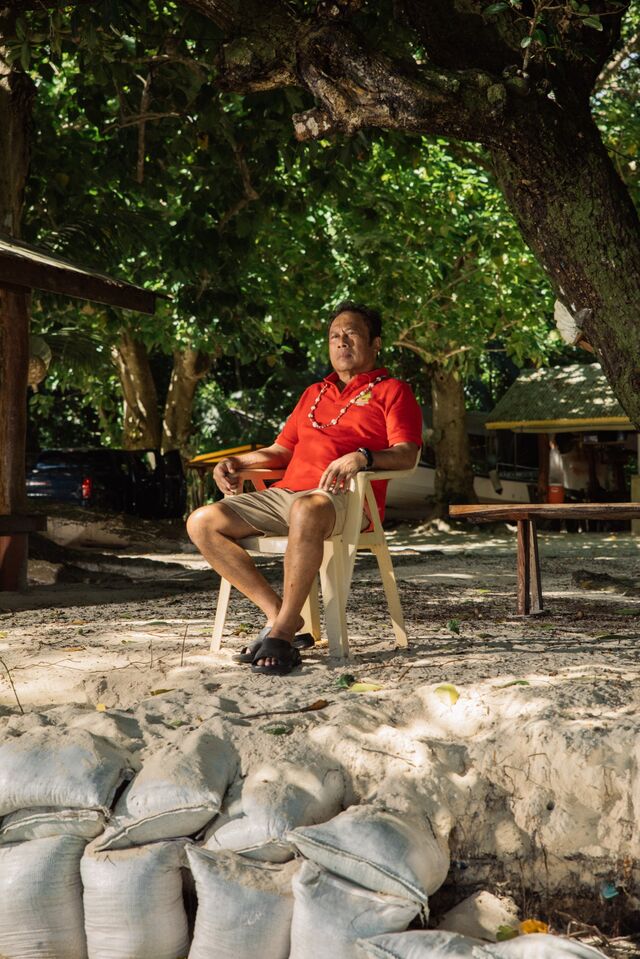
He reels off impacts from climate change that are altering life in Palau. “Sea level rise has been really the most visible and most impactful, along with storm surges and unpredictable weather phenomenon,” says Remengesau. “Low-lying atolls where there's plantations and farms are inundated with salt water, so they're of no use to the people.
“You can see the coral bleaching at work in many of our reefs, especially the northern reefs, and acidification is a big problem,” he adds. “These are life-and-death issues for us and a really dire situation for the next generation.”
In an archipelago of more than 300 islands and atolls and no traffic lights, a boat is as valuable as a car. Fishing for sustenance and sport is deeply embedded in the Palauan culture. At the former president’s home, watercraft outnumber vehicles.
“People used to just go over there,” says Remengesau, waving a hand toward the ocean, “and after one hour of fishing, they’d come home with a fish. You cannot go there right now because there's just not enough fish out there.”
During his presidency, Remengesau attended the annual United Nations climate meetings, urging developed nations to address climate impacts on the ocean and provide aid to Pacific island nations disproportionally suffering from warming seas. “You cannot talk about climate change without looking at the ocean and vice versa,” he says.
He hopes that at COP27 developed nations will finally begin to make good on their long-unfulfilled promises to provide $100 billion a year so his country and other developing nations can make the investments they need to adapt to accelerating climate change. “I have to have some expectation of progress because otherwise, I’d be giving up,” says Remengesau. “We need preventive measures so that people, not just us, but the next generation, our children and their children, are able to sustain their livelihood on an island setting like ours.”
Jennifer Koskelin-Gibbons, Palau Sports Fishing Association
As Jennifer Koskelin-Gibbons sees it, Palau desperately needs money so residents can fortify their homes against rising seas.
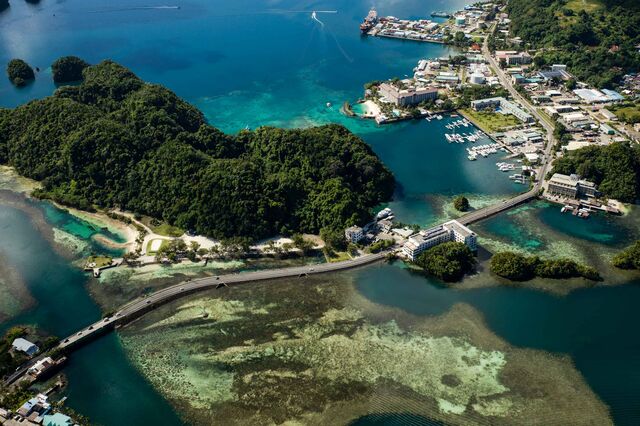
“A lot of where the current population lives is on landfill, so we’re really low to the ocean,” says Koskelin-Gibbons, who serves on the board of the Palau Sports Fishing Association and is active in efforts to preserve the Palau National Marine Sanctuary, which bans industrial fishing in 80% of the country’s territorial waters.
We’re talking in a café on the main street of Koror, the Pacific just a short walk away most anywhere you go on the island. Koskelin-Gibbons and her family live on the water on the island of Malakal, connected to Koror by a low-lying causeway. “Even during a full moon, you'll see that there's water that comes onto our lawn,” she says. “Storm surges are a serious issue and every time one comes through, we have to elevate all of the things in the house.
“We have to really start thinking about building up so the water can’t reach us,” she adds. “But where is the money going to come from for people in Palau to do that?”
Koskelin-Gibbons lived in Palau until she was 10 years old, when her family moved to California. In 2006, she left a career in finance in New York to return to Palau, where a lot had changed, climate-wise.
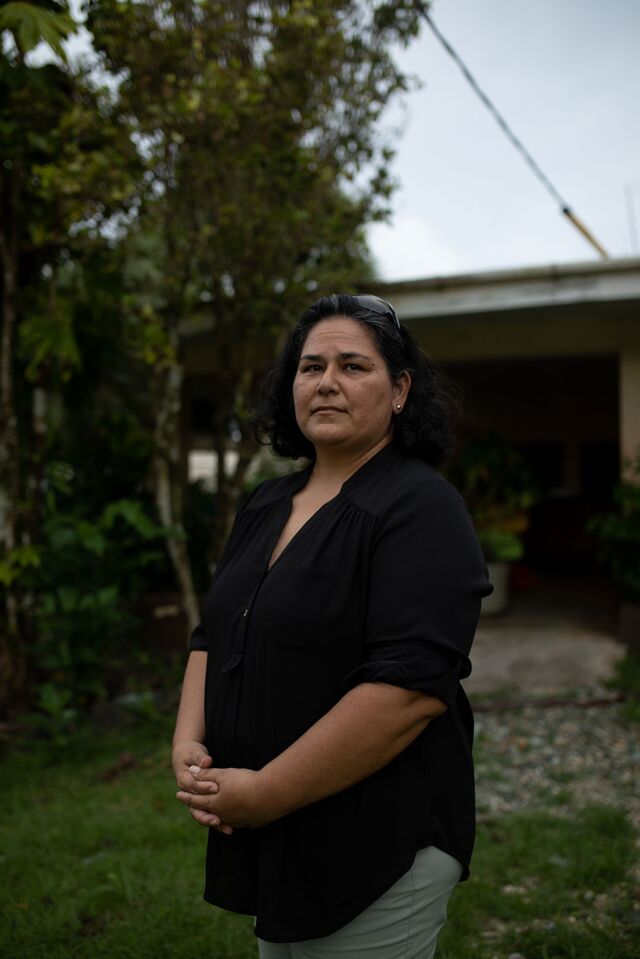
“Growing up in Palau, I never even heard of typhoons here,” she says. “But my kids are 11 and 13 years old and they've experienced two super-typhoons, which were exactly 12 months apart, and then three other typhoons.”
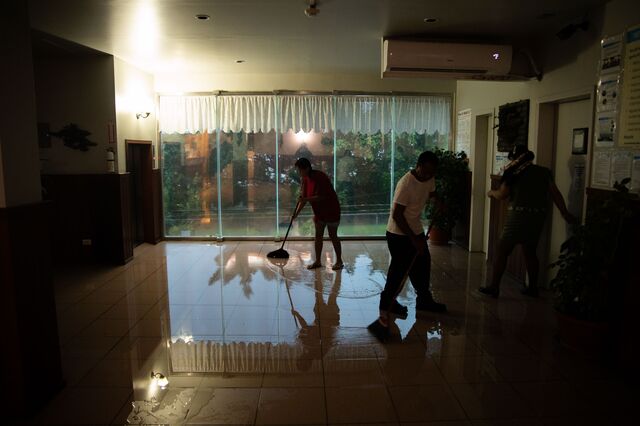
In April 2021, her family evacuated to a hotel after a typhoon knocked out power and water at their home. “It's very expensive, really disruptive, but also just kind of scary because it's going to be something that we have to continually plan for,” she says.
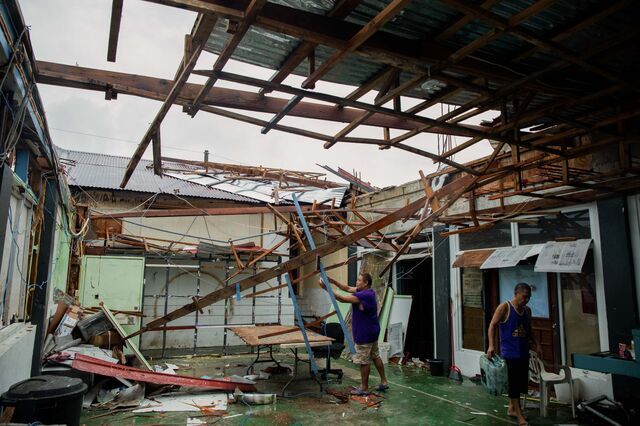
Koskelin-Gibbons believes loss and damage should be at the forefront of the COP27 negotiations. “We need investment to prepare for more and more heavy storms,” she says. “At this point, things are just starting to fall apart as they weren’t built for this kind of inundation.”
Ann Singeo, environmental advocate
Ann Singeo is the executive director of Ebiil Society, an organization that promotes indigenous environmental education and ecological restoration on Palau. She helped lead the campaign to establish the Palau National Marine Sanctuary and sits on the board of the Palau International Coral Reef Center, which manages the 183,428-square-mile (475,077-square-kilometer) reserve.
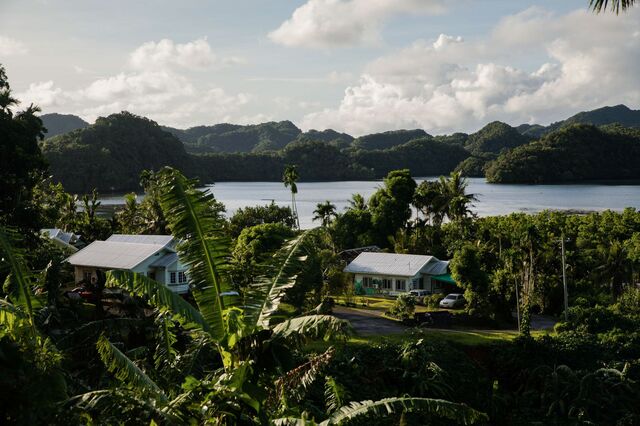
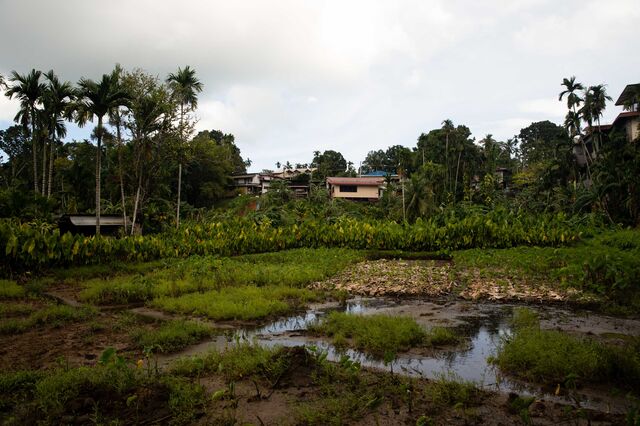
On a blue-sky October day, I wander down a narrow path through lush vegetation and cross an embankment that encircles Singeo’s taro patch on Babeldaob. She takes a break from the hard, muddy work of harvesting the root vegetable for a family ceremony. A wood bench is piled with taro, a staple of the Palauan diet and a cultural totem. Studies have shown that taro fields also protect coral reefs by trapping sediment that would otherwise flow into the ocean.
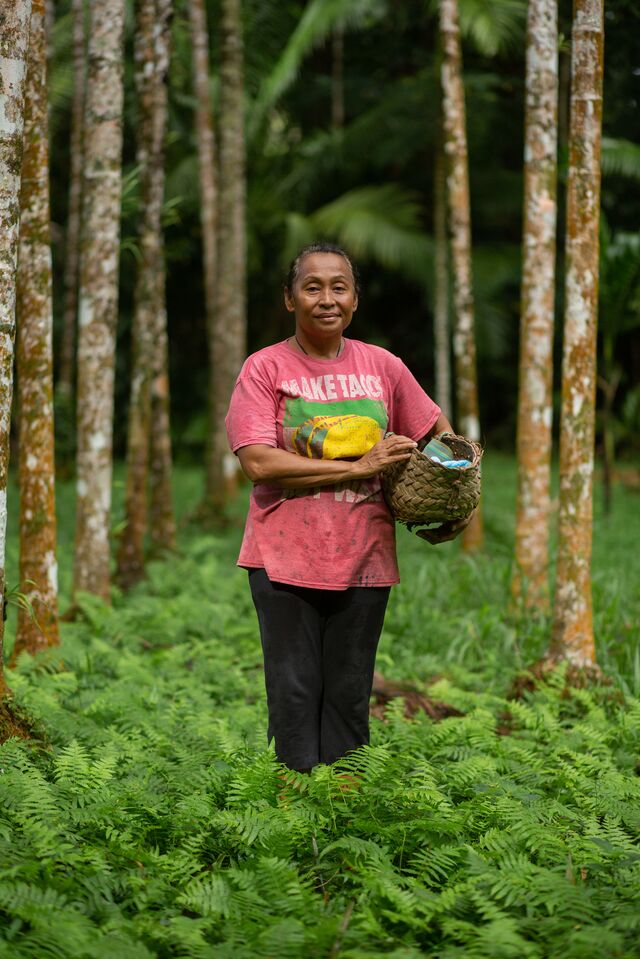
“We live closely with the environment and understanding the seasons is very important knowledge so you know when to plant, but the seasons are kind of crazy right now,” says Singeo. “We have intense storms that are happening at times when they're not supposed to be.”
In April 2021, Typhoon Surigae struck, months after cyclone season usually ends in Palau. “That was unheard of,” says Singeo. “It completely wiped out all the fruits that were getting ready to be harvested in June. So we had no harvest last year.” She has also noticed avocados trees that usually bear fruit for harvest in March and April were flowering in September.
On an island in Palau’s north, rising seas are threatening a sea turtle conservation project that Ebiil Society helps manage. “That beach is a really important turtle nesting ground and the turtles are drowning,” Singeo says.
A coral reef off the island was one of the few to survive a marine heat wave 25 years ago that killed corals across the Pacific. “We take kids there to teach them about coral ecosystems,” she says. “This summer we took students there and we were like, in mourning because the reef had been bleached and all the corals were dying.”
“That's a big loss for us,” she says quietly.
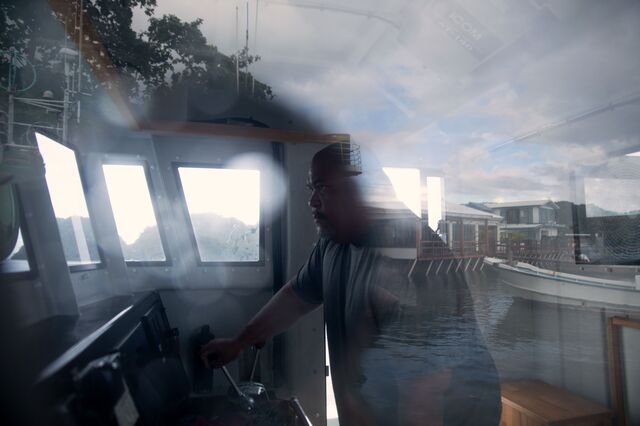
Okada Techitong, Jordan Malsol and Temmy Shmull Jr., Belau Offshore Fisheries Inc.
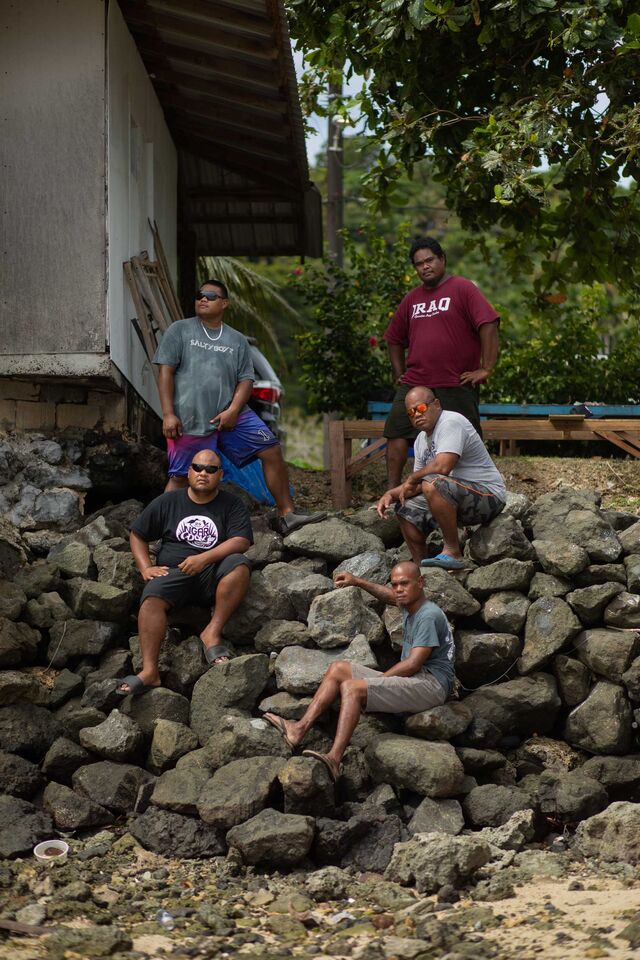
When Palau banned commercial fishing in most of its waters in 2020 and foreign fleets departed, Palauan fishers established Belau Offshore Fisheries Inc. (BOFI) to fish for tuna in a newly created domestic fishing zone.
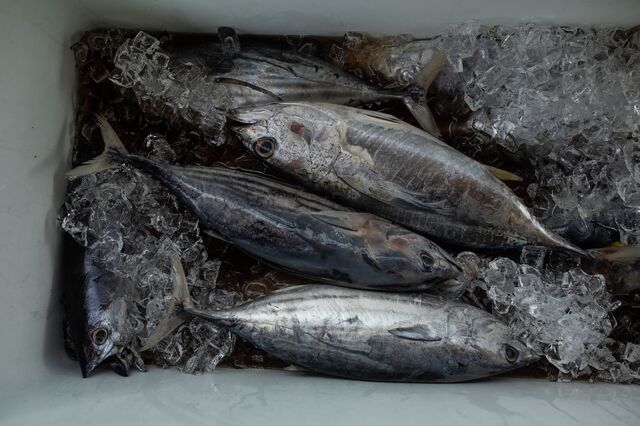
BOFI’s sole longline fishing vessel is berthed on the waterfront on Malakal island, next to the company’s office, where workers are cutting filets from freshly caught yellowfin and bigeye tuna that are piled in freezers. Others are cooking rainbow runner fish in outdoor smokers that will be sold in BOFI’s on-site fish market alongside the tuna catch.
The fishers are also helping the Palau International Coral Reef Center collect data on tuna spawning patterns to determine the impact of the marine sanctuary on fish populations. Closer to shore, fishers say they’ve seen the consequences of climate change on the reef fish that many Palauans rely on to fill dinner plates.
Okada Techitong, chairman of BOFI, says sea cucumbers, rabbitfish and other fish graze on algae that cover reefs and are also corals’ source of nutrition. The algae, which some Palauans call sea crusts, have disappeared from near-shore reefs off Techitong’s home state of Natpang on Babeldaob.
“There’s very little sea crusts like there used to be,” says Techitong, who carries the title of Ridep as one of the chiefs of Natpang. “It used to blacken the whole reef. Nowadays you go there and it’s all white.”
“There’s a lot less fish,” adds Temmy Shmull Jr., who serves as BOFI’s treasurer.
Jordan Malsol, secretary of BOFI, says that Palauan fishers used to spend the day fishing and when they caught a fish they would put it under the boat so it didn’t spoil in the sun. “Now the fish spoil much faster because the water is so warm,” he says.
Dermot Keane, Sam’s Tours
Further up the waterfront, Sam’s Tours has been offering diving excursions since 1995. Palau’s coral reefs, abundant marine life and reputation as a global leader in ocean conservation make it an international destination for diving, snorkeling and sport fishing. Before the pandemic, tourism accounted for up to half of the country’s revenues, according to the Asian Development Bank.
Dermot Keane arrived in Palau 25 years ago as a tourist from California and ended up staying and managing Sam’s Tours. Over the past decade the impacts of climate change have been accelerating, he says as we sit in a large open-air dive shop that looks out onto boats tethered to floating docks.
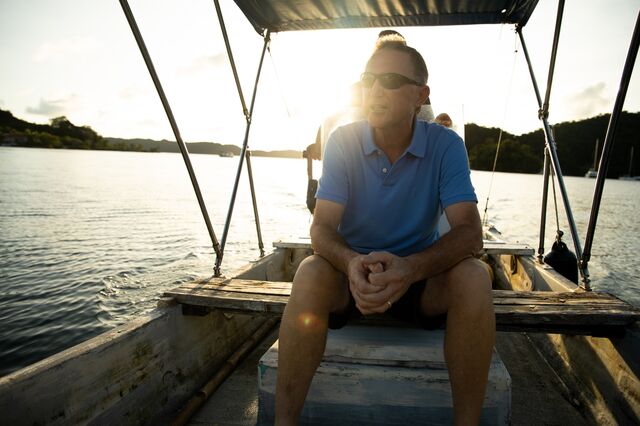
“We still have the same high tides that we always had, but the water intrusion and the height of those tides relative to the land has definitely changed,” says Keane, noting that during recent storms the dive shop flooded. “It makes a big challenge for us here because there's flooding and drainage and all kinds of problems and it impacts our ability to get the boats out for the day.”
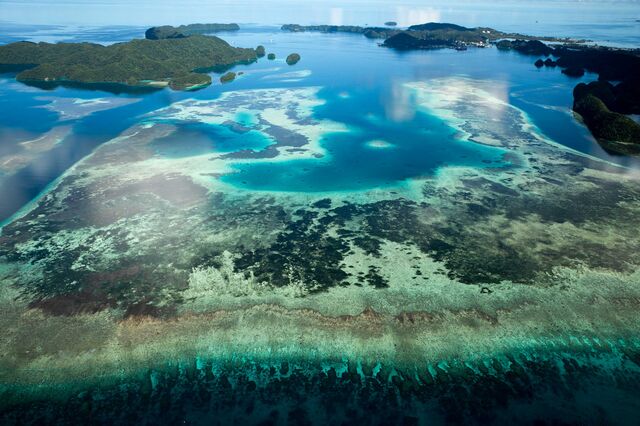
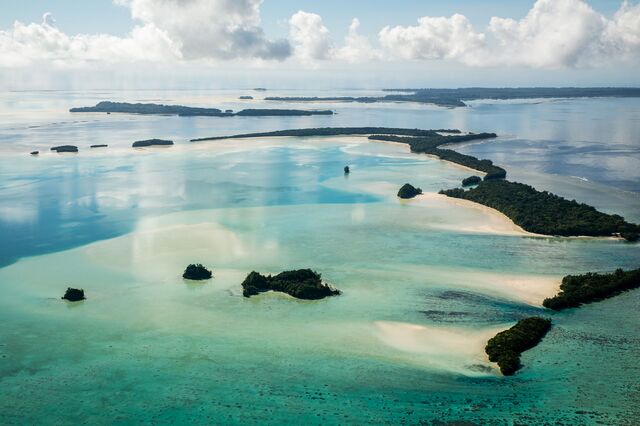
Sam’s Tours and the rest of Palau’s ecotourism industry depend on the archipelago’s stunning environment, including the Rock Islands, a UNESCO World Heritage Site. The 445 limestone islands sit in turquoise lagoons and are ringed by coral reefs home to 746 fish species as well as sharks, manta rays and giant clams. Keane says the effects of climate change on the Rock Islands has been “absolutely profound. You can definitely see the degradation.
“I do a lot of camping in the Rock Islands and there are some beaches that have all but disappeared,” he says. “Huge casuarina trees, Australian pines and coconut trees along the water's edge are now gone or are falling into the water and you can see the rising tide lines.”
Like everyone I talk to in Palau, Keane mentions the growing frequency and intensity of typhoons and tropical storms, as well as sudden rainstorms. “My first 20 years here, we didn't have any severe weather,” he says. “And then recently in a period of 18 months, we had three Category 5-type storms that came near Palau.”
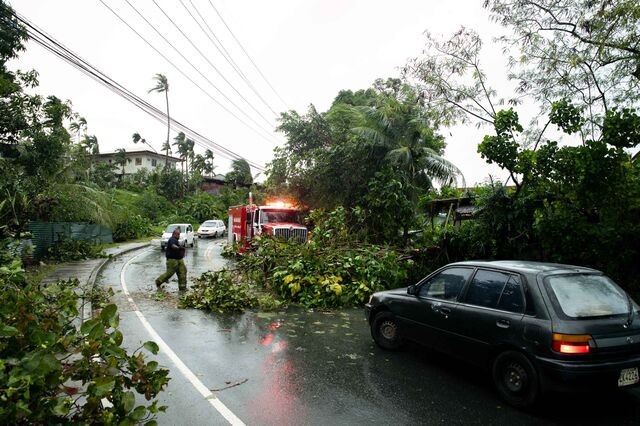
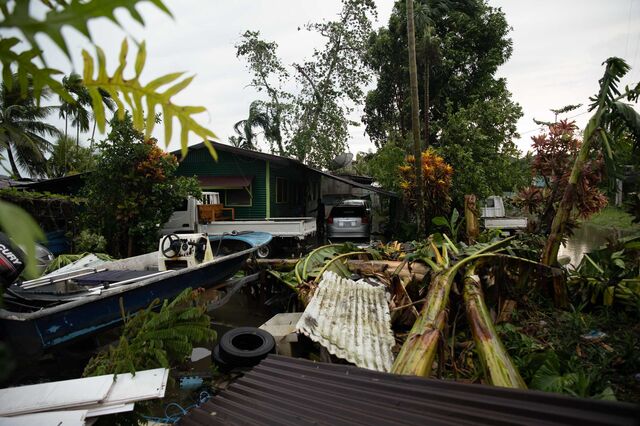
The world pays little attention, though. When Tropical Storm 27W hit the country with high winds and flooding on Oct. 30, a photographer on assignment for Bloomberg Green in Palau, Geric Cruz, sent me video and photos of the damage. No mention of the deluge battering Palau could be found online. Only when it received a name, Tropical Storm Nalgae, and barreled toward the Philippines and Hong Kong did it merit news coverage.
This project was produced in partnership with Outrider Foundation.