Fine Dining Has a Horrible Carbon Footprint. These Chefs Are Fighting Against It

Far-away ingredients have been pushed off these high-end menus in favor of produce grown with graywater and dishes composed from food scraps.

Fine dining can be a drag on the climate. Think of all the air miles logged to fly in far-flung ingredients; the land and water devoted to raising agriculture and meat; the enormous amounts of kitchen waste. Yet some chefs and restaurant owners are going to extraordinary lengths to make food that helps counteract the industry’s huge carbon footprint. They’re changing the way kitchens are run, turning to soil-enhancing grains like millet, making elegant sushi with local fish, and throwing out their garbage cans as they eliminate waste. From crafting hummus from beer keg runoff to sourcing rice from fields that double as home for migrating birds, these chefs are showcasing innovative ways to cook in a warming world. Here are the dishes that demonstrate how they’re doing it.


Selassie Atadika’s
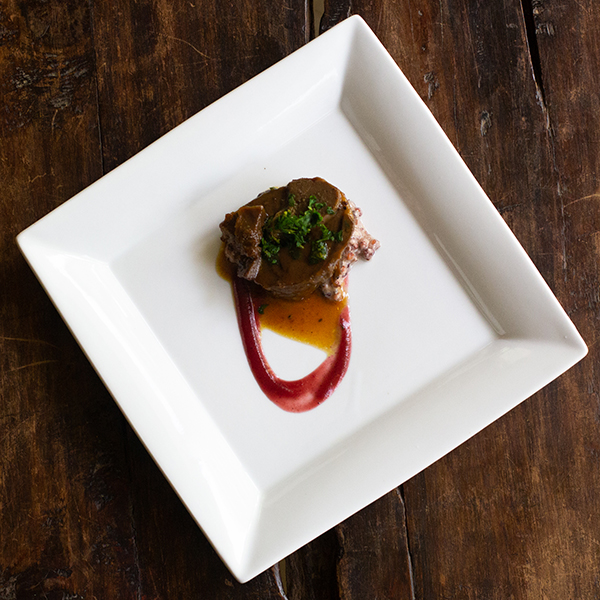
goat leg braised with aidan fruit and whole-grain millet porridge

  • 1
    The goat is local.
  • 2
    Millet grows well in low-quality soil and requires little fertilizer.
  • 3
    Aidan fruit grows in areas of Ghana that are at high risk of deforestation; Atadika hopes its adoption will discourage people from culling the forests.
1
2
3
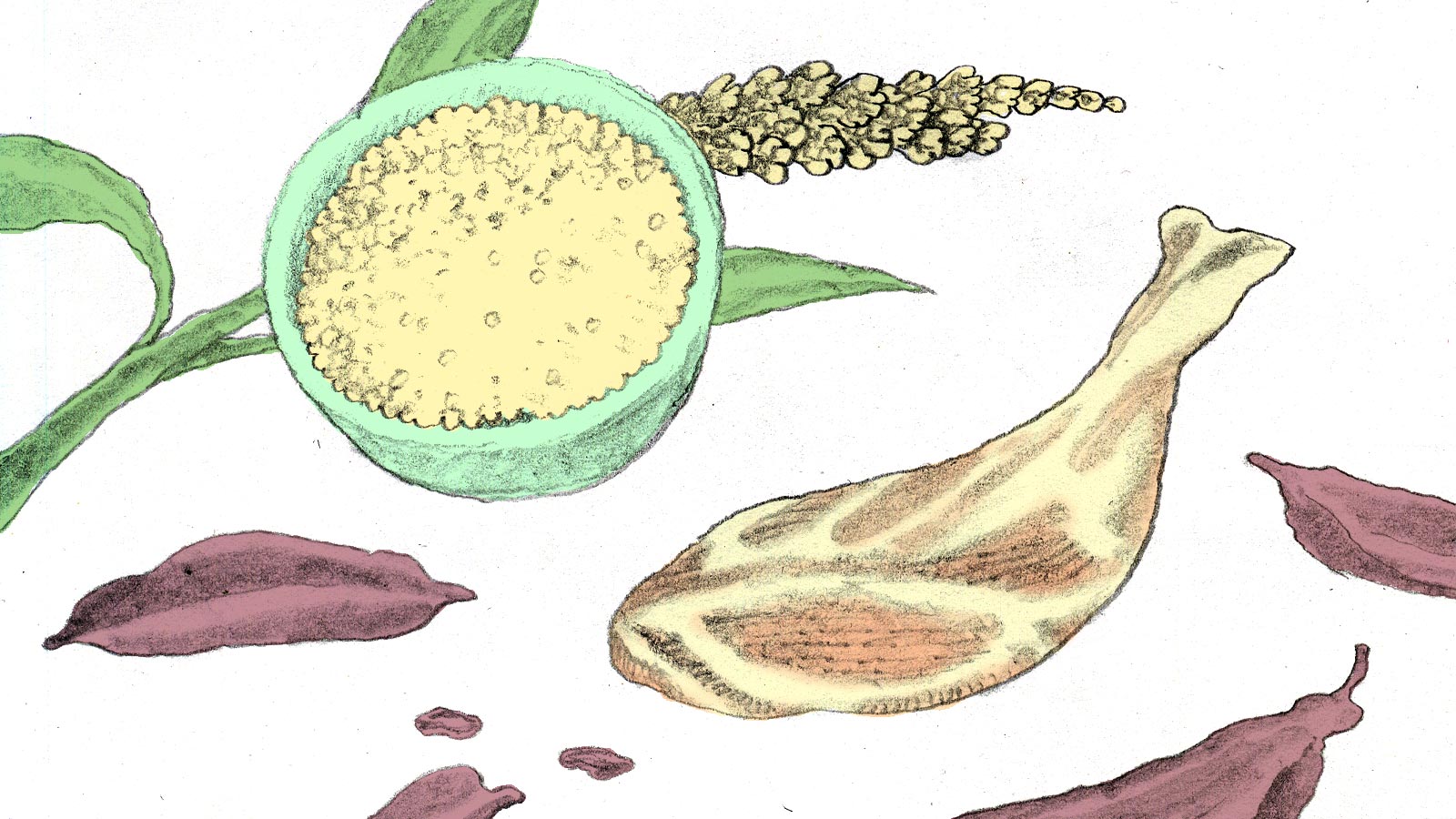
Midunu, in Accra, Ghana, is what Atadika calls a lifestyle company with a private dining component. Atadika is an eco-minded powerhouse who spent a decade doing humanitarian work for the United Nations before opening Midunu in 2014. She cooks with underused, native, and drought-tolerant ingredients such as sorghum and millet, as well as the quinoa-like fonio, whose strong root system helps fight soil erosion. 
Chef and owner

Selassie Atadika
Restaurant
Dish
FROM LEFT: FRANCIS KOKOROKO. MISPER APAWU. FRANCIS KOKOROKO

Dan Barber’s
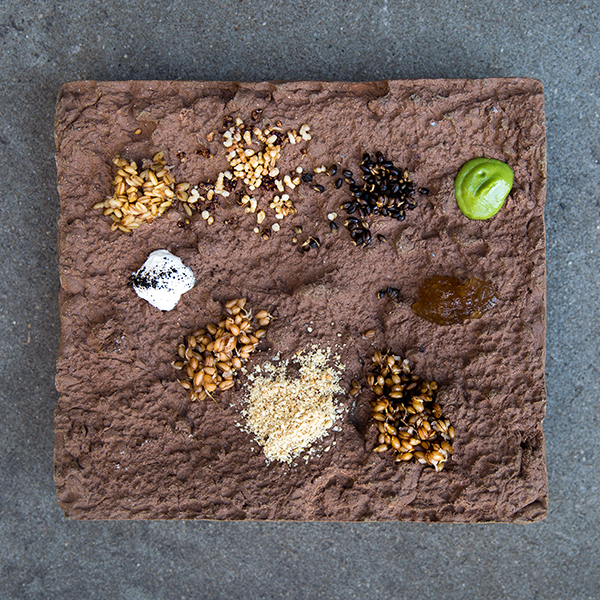
rotation risotto

  • 1
    Barber developed this dish to highlight underutilized ingredients like buckwheat and rye.
  • 2
    The risotto is a tribute to crop rotation, the traditional farming technique to seed a variety of different plants, such as sorghum, in succession in a field to improve soil health.
1
2
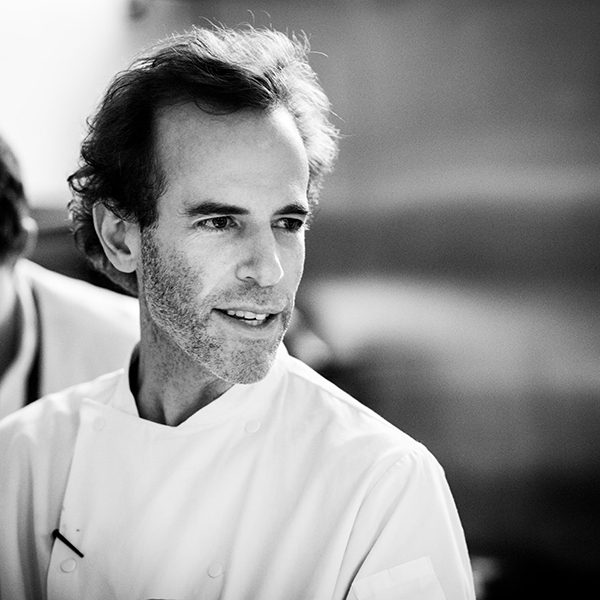
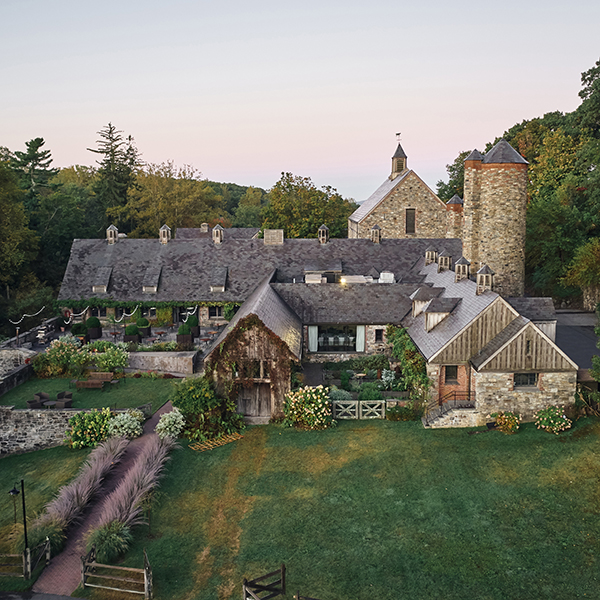
From highlighting food waste in his #Wasted dining series in New York and London to writing books (including The Third Plate, which describes the resources wasted in producing an heirloom tomato), Barber is the poster boy of American sustainable cooking and eating. Blue Hill at Stone Barns, his Michelin-starred restaurant on a former Rockefeller estate north of New York City, anchors a nonprofit farm and education center.
Chef
Dan Barber
Restaurant
Dish
FROM LEFT: COURTESY BLUE HILL (2). ALICE GAO

Ivan and Sergey Berezutskiy’s
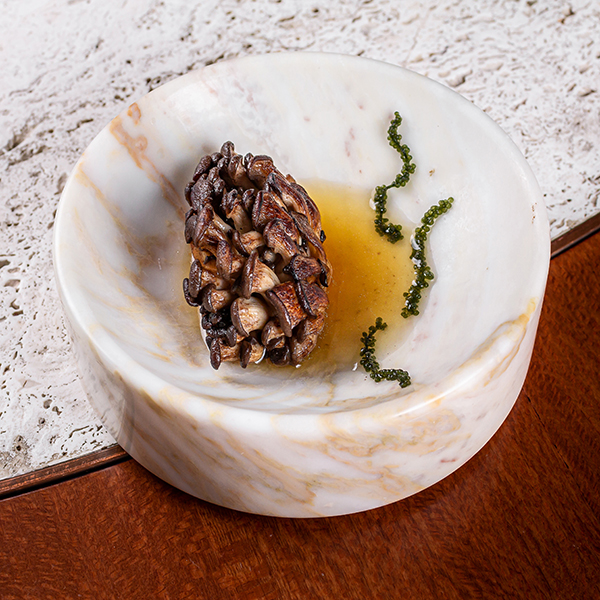
crab mushrooms

  • 1
    For the broth, the chefs use leftover crab shells from their crab restaurant, Wine & Crab.
  • 2
    They pour the broth into a humidifier that makes a fragrant mist for the small room where the mushrooms are grown.
1
2
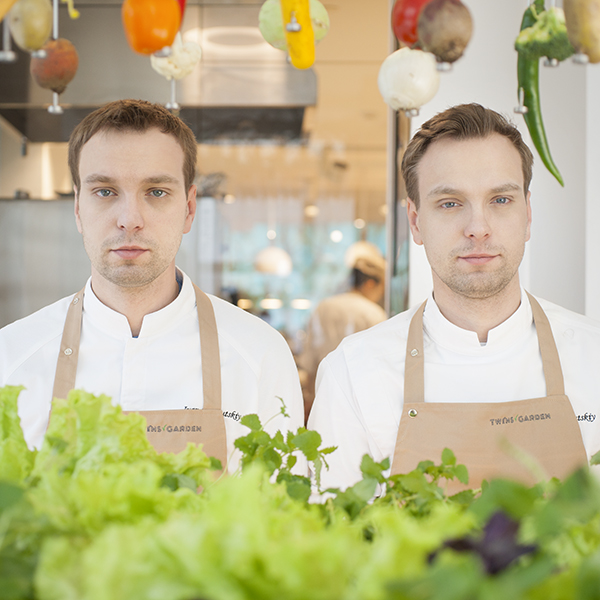
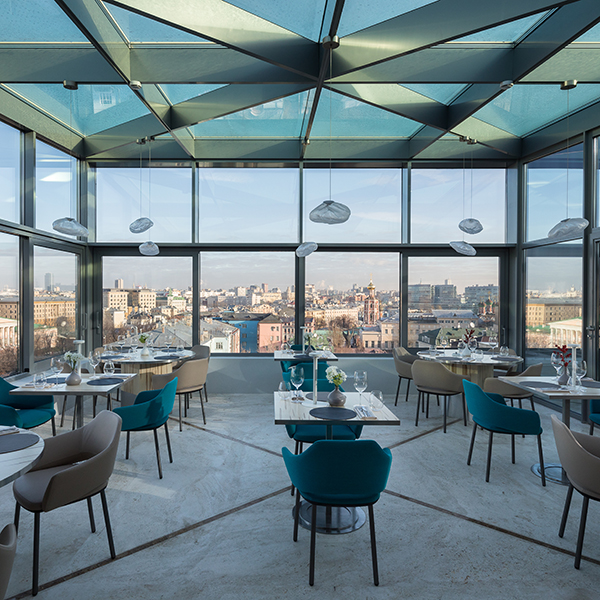
The brothers’ restaurant, Twins Garden, has fostered a sustainability movement in Moscow. Their farm supplies 70% of the ingredients to the restaurant, and the food waste goes back to feed the farm animals. The remaining 30% of the ingredients come from fishermen in the Russian northeast. The Berezutskiys dry-age their own vegetables for a vegetarian tasting menu served with vegetable wines they’ve developed.
Chefs and owners
Ivan and Sergey Berezutskiy
Restaurant
Dish
COURTESY TWINS CARDEN (3)

Massimo Bottura’s
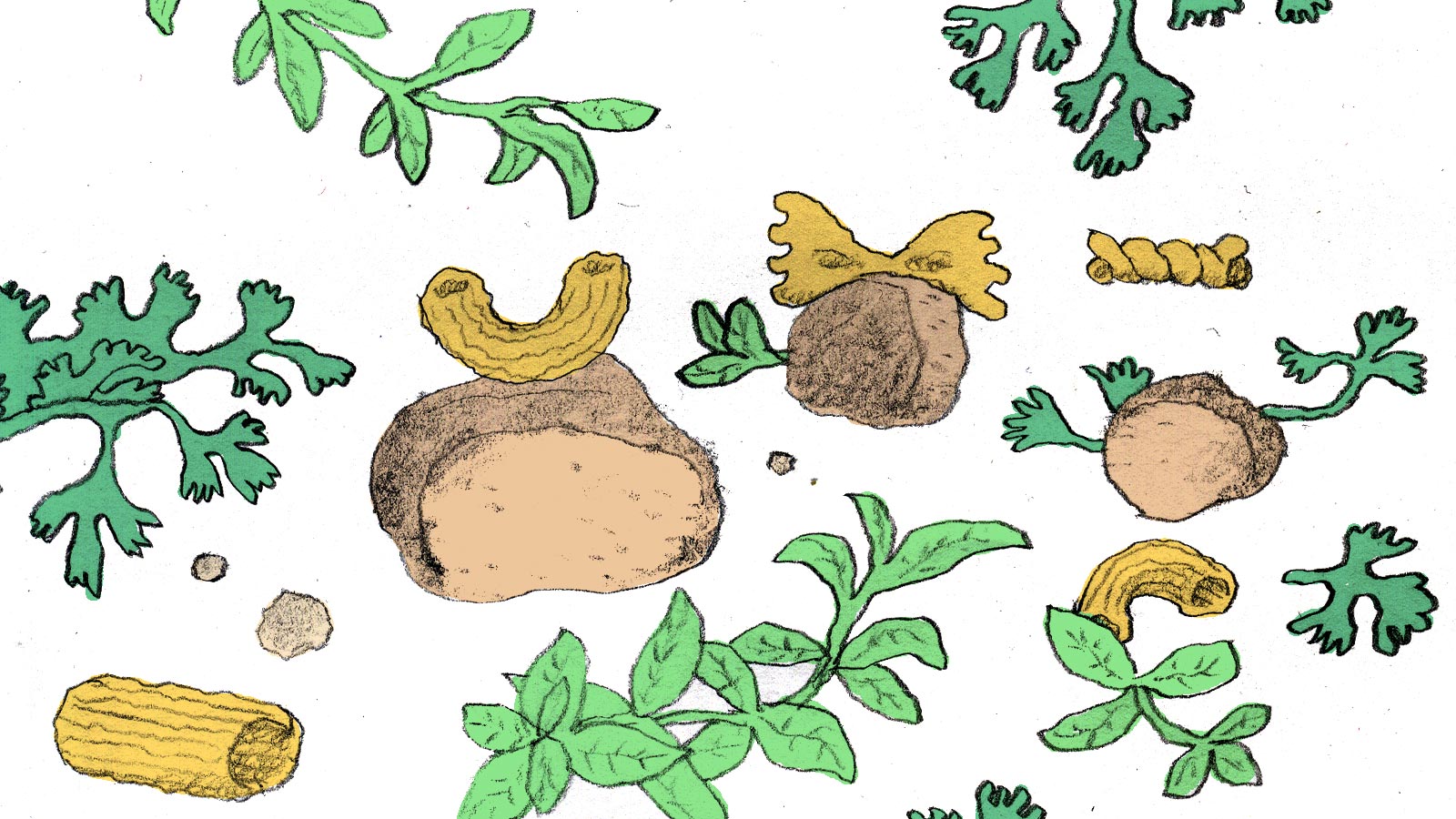
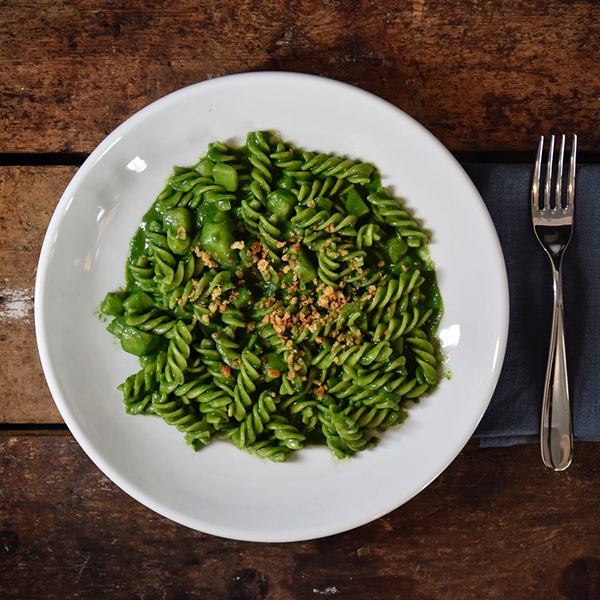
pasta al pesto

  • 1
    Bottura makes this pesto with crumbs from stale bread that might have been thrown away, instead of conventional pine nuts.
  • 2
    He uses a mix of leftover herbs, like mint and parsley, instead of buying only basil.
  • 3
    Bottura likes to use a mix of leftover pasta shapes he has on hand rather than purchasing new bags.
1
2
3
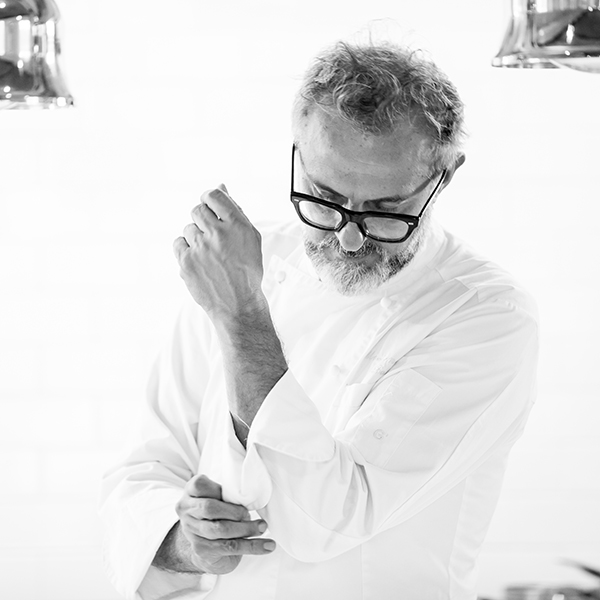
The Italian chef, whose Osteria Francescana in Modena was twice named the world’s best restaurant, is using his fame to highlight two aims: sustainability and feeding the poor. He and his wife, Lara Gilmore, founded the nonprofit Food for Soul, based on the idea that combatting food waste in domestic and professional kitchens helps make more resources available to feed the hungry. Bottura urges chefs to create dishes featuring damaged vegetables and cheaper cuts of meat and serve them to people in need.
Chef and owner
Massimo Bottura
Restaurant
Dish
FROM LEFT: MARCO PODERI. SIMON OWEN. ANGELO DAL BO

Peggy Chan’s
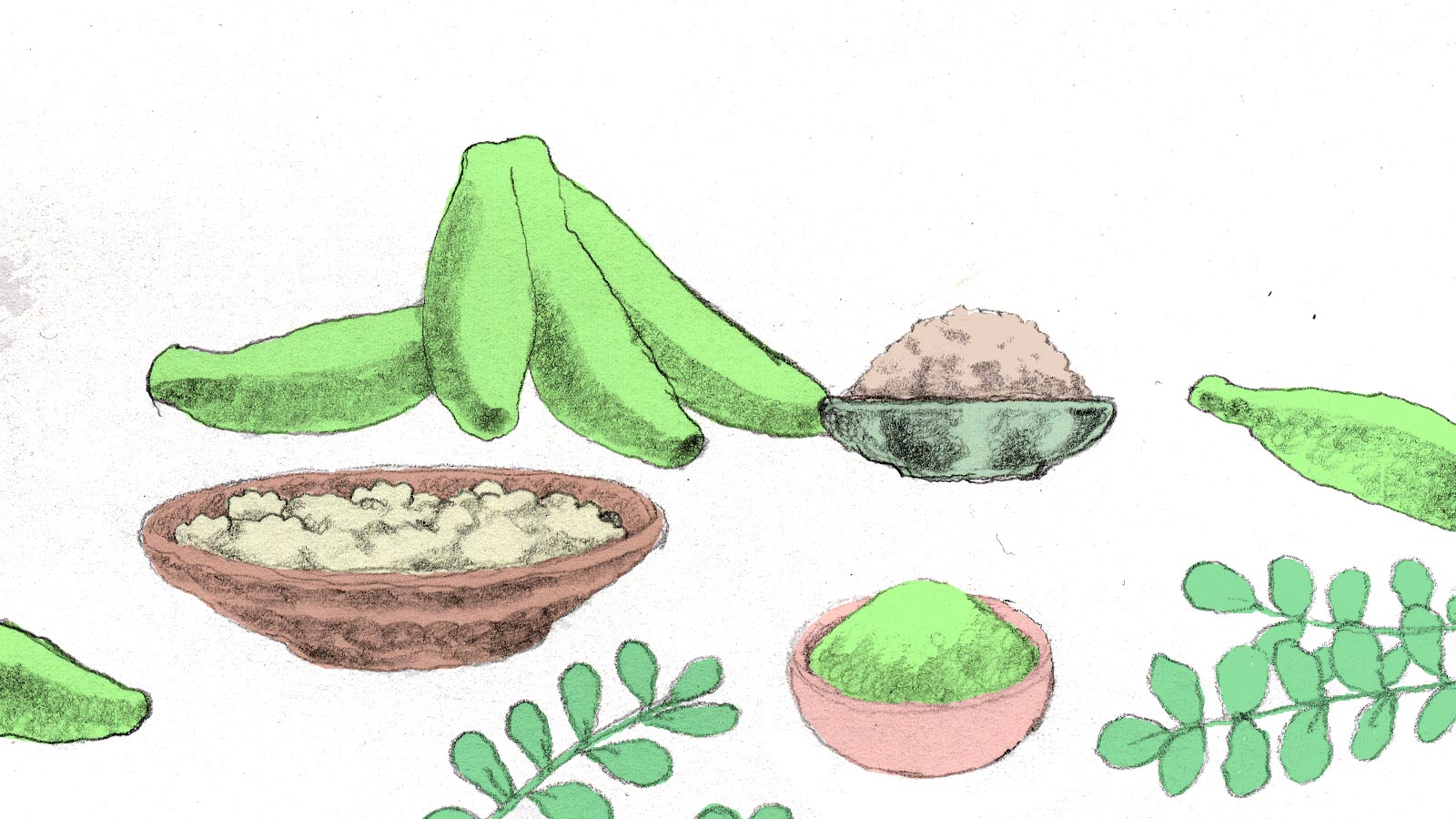
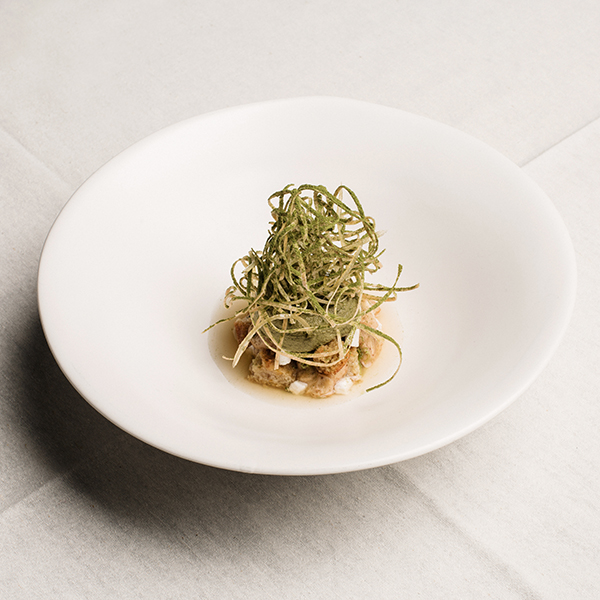
banana cake and kefir with moringa ice cream

  • 1
    The cake has banana flour that’s made by farmers; it reduces farm waste.
  • 2
    Chan makes kefir with coconut water and coconut sugar, cutting the dairy content in the dish.
  • 3
    Moringa, used in the ice cream, is a fast-growing, drought-resistant tree with a slightly bitter taste.
1
2
3
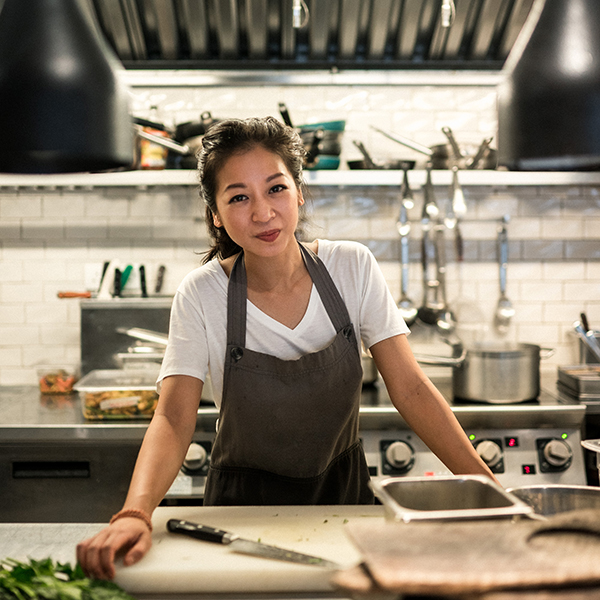
A leader in the meat-free movement in Hong Kong, Chan has adapted the motto “to make food do good.” She highlights the environmental waste and inhumanity of animal production, as well as issues with eco-unfriendly ingredients like palm oil. “The food industry is responsible for more than 25% of the world’s greenhouse gas emissions. We should be accountable and responsible for fixing it,” she says. The chef of the well-regarded, now-closed Grassroots Pantry has transitioned her business to a consulting kitchen, Grassroots Initiative, that helps food-service companies implement sustainable operations.a
Chef and owner
Peggy Chan
Restaurant
Dish
COURTESY PEGGY CHAN (3)

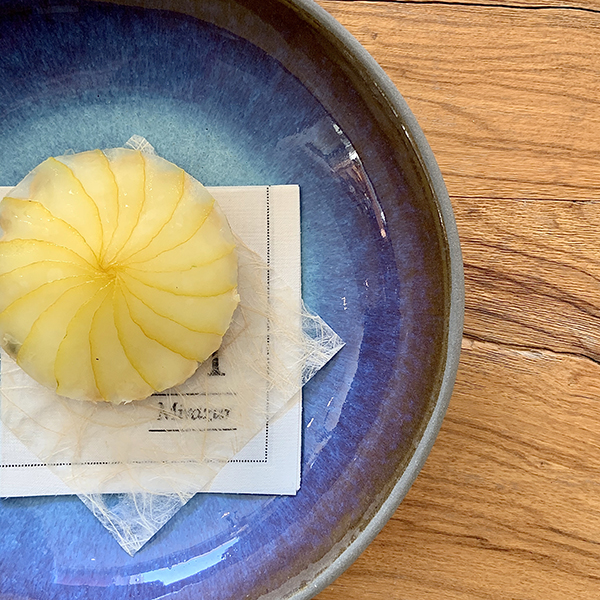
Mauro Colagreco’s
citron cedrat tart

  • 1
    The citrus is local, not flown in from far away.
  • 2
    Colagreco uses the whole fruit: peel, zest, and juice.
1
2
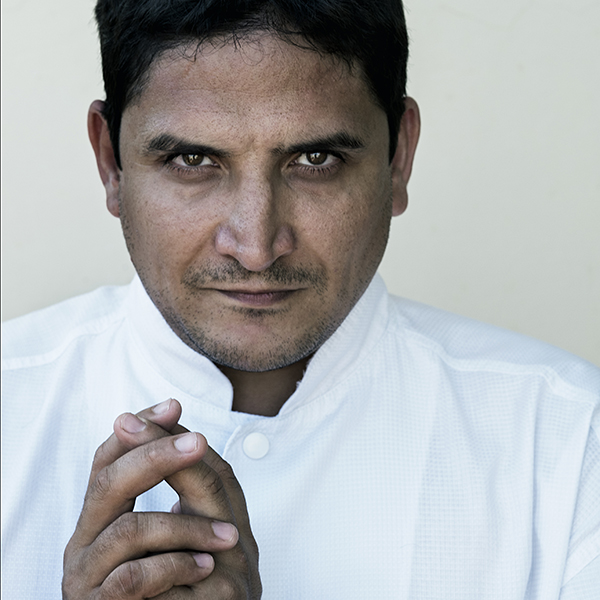
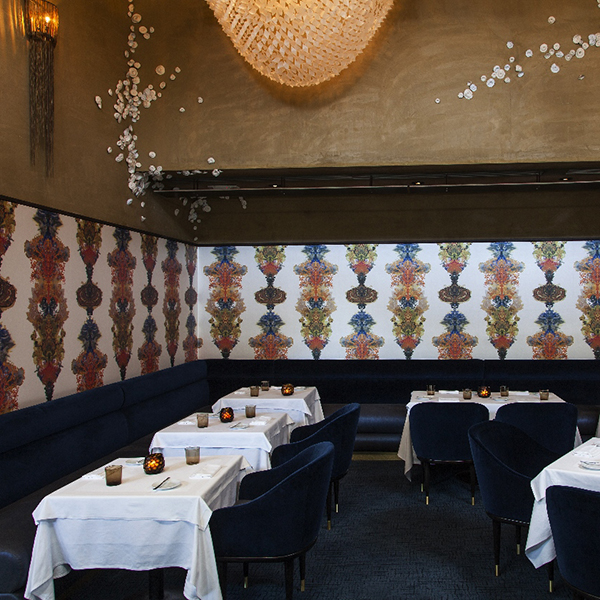
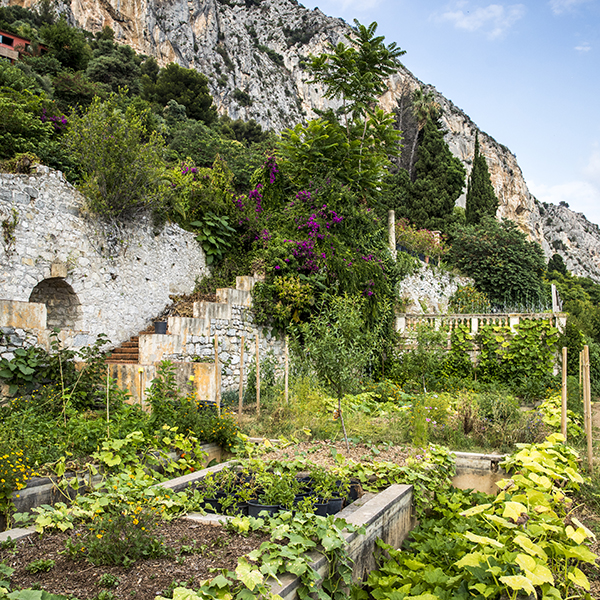
Colagreco’s Mirazur, in the South of France, is the current holder of the title of World’s Best Restaurant. Colagreco firmly believes chefs have a broad responsibility to promote sustainability and educate the public. He starts at Mirazur by growing vegetables in his own garden, where he follows the principles of permaculture, designed to promote natural ecosystems. Mirazur, which banned suppliers from using nonrecycled or compostable packaging in their deliveries, recently became the world’s first restaurant to receive plastic-free certification.
Chef and owner
Mauro Colagreco
Restaurant
Dish
FROM LEFT: PER-ANDERS JORGENSON. COURTESY MIRAZUR. MATTEO CARASSALE

Justin Cournoyer’s
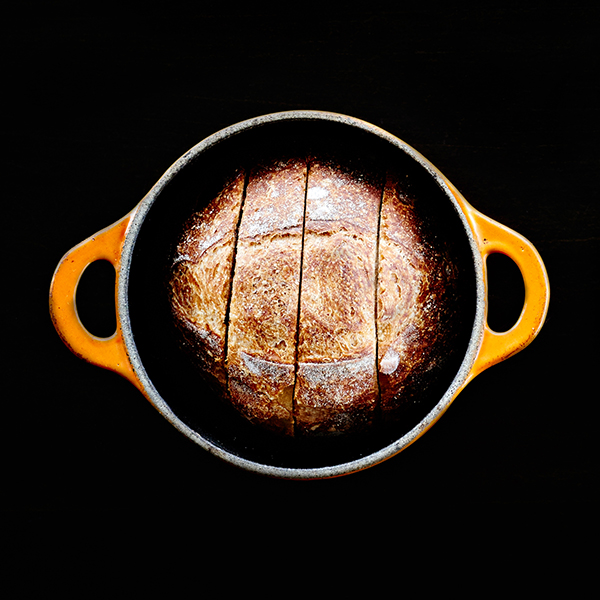
bread with whey butter

  • 1
    To make his bread, the chef sources beer grains from a local brewery that would have been discarded.
  • 2
    The butter is made with the whey from a local cheesemaker.
  • 3
    The butter is also infused with the pulpy leftovers from a yeast extract that Cournoyer uses to flavor sauces.
1
2
3
At his eight-year-old restaurant in Toronto, Actinolite, Cournoyer focuses on local Canadian ingredients with an emphasis on how they’re grown and produced. Cournoyer also works to eliminate food waste, using scraps to make seasoning, oils, and miso.
Chef and owner
Justin Cournoyer
Restaurant
Dish
COURTESY ACTINOLITE (3)

Michael Cimarusti’s
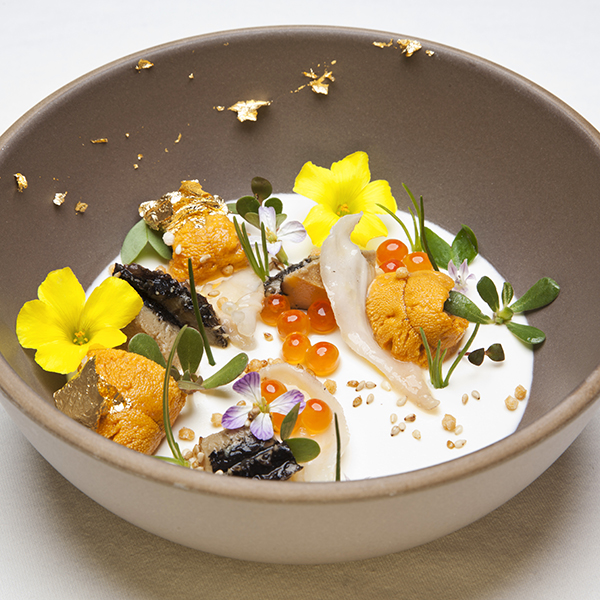
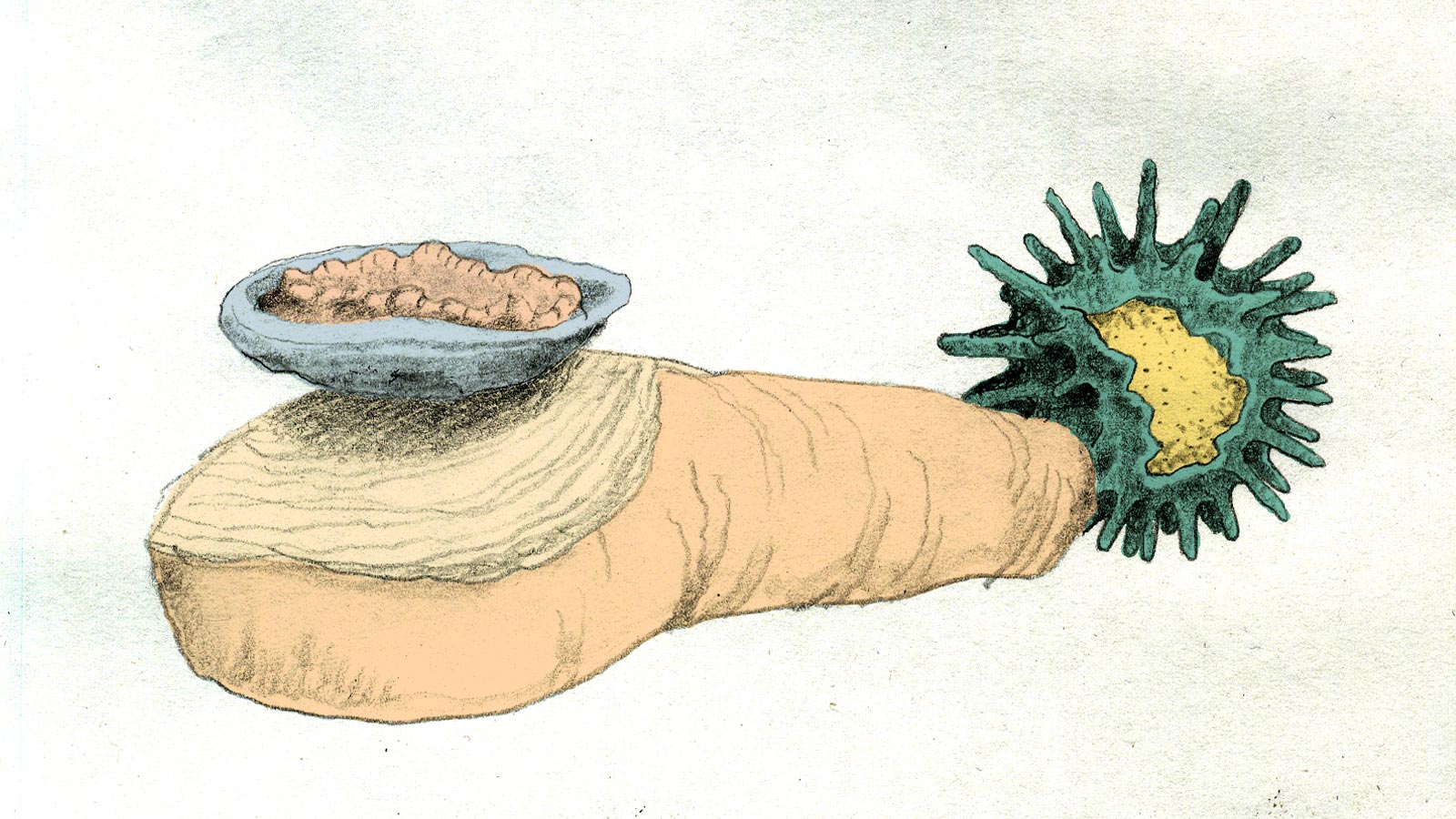
“the ugly bunch”: abalone, geoduck, and uni

  • 1
    Abalone and geoduck—both local in California—aren’t usually prioritized by top chefs because they’re funny looking.
  • 2
    The uni (sea urchin) is harvested by a local diver.
  • 3
    Fishing for urchins is good for the local ecosystem; they can overrun and destroy kelp forests.
1
2
3
As Southern California’s top seafood chef, Cimarusti has been vigilant about using responsibly caught fish and shellfish before it was a talking point. In 2015 he started Dock to Dish, which connects fishermen and -women to local restaurants. Besides focusing on marine conservation, the company also helps minimize the footprint of shipping because the fish don’t travel great distances to the restaurant kitchens. And at his L.A. restaurants, Providence and the more casual Connie & Ted’s, Cimarusti uses only wild-caught fish that’s sustainably sourced.
Chef and owner
Michael Cimarusti
Restaurant
Dish

NOE MONTES (3)

Diego Hernández-Baquedano’s
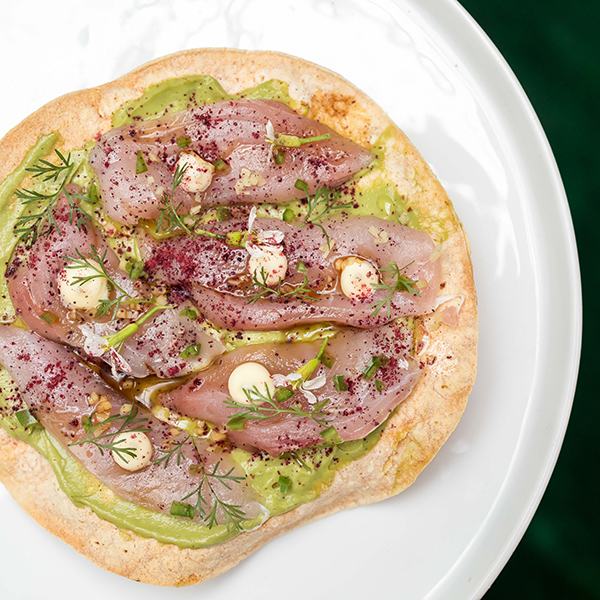
hamachi tostada with xcatic chile and hibiscus

  • 1
    Hamachi is locally sourced from a state-of-the-art aquaculture facility that uses recirculating to conserve water.
  • 2
    The chiles, native to the Yucatan, are grown in the restaurant’s garden.
1
2
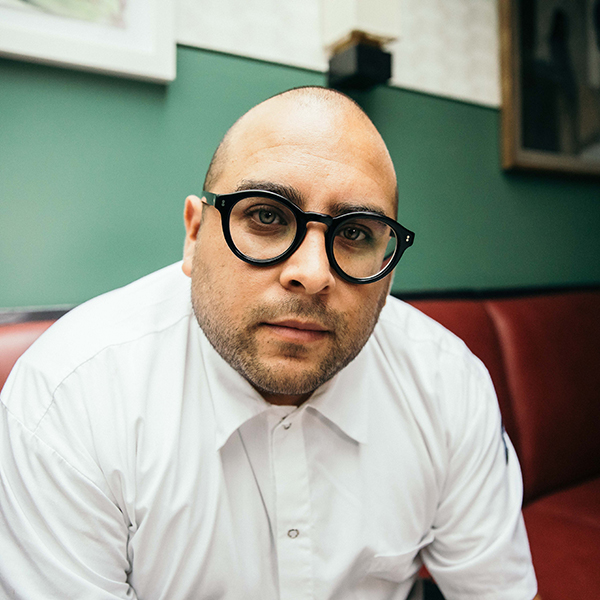
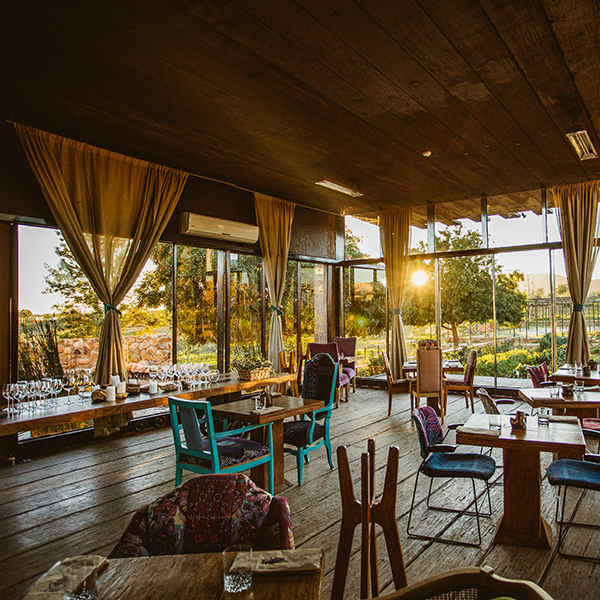
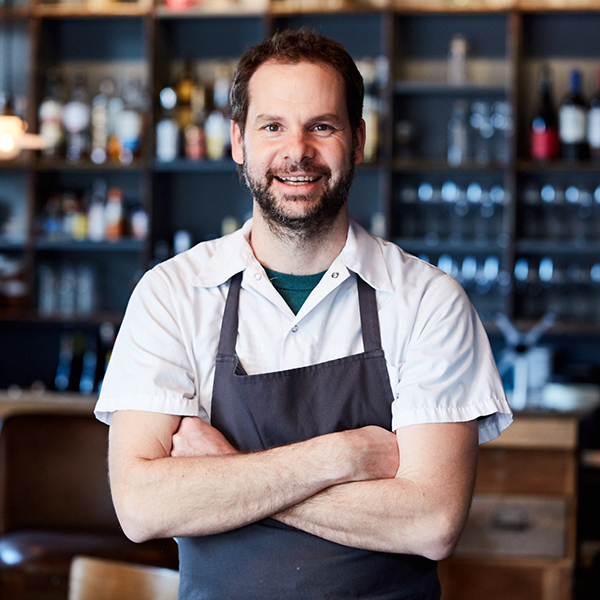
At his restaurant, Corazón de Tierra in Valle de Guadalupe, Mexico, Hernández-Baquedano grows all his vegetables organically and produces 15 tons of compost a year to maintain the garden. Beef is sourced from local, older cows, and the seafood doesn’t travel far—it comes from the Pacific or the Sea of Cortez. The restaurant also minimizes waste by preserving its graywater—or uncontaminated wastewater—for olive and citrus trees and using animal fat in its cooking.
Chef and owner
Diego Hernández-Baquedano
Restaurant
Dish
COURTESY CORAZON DE TIERRA (3)

Sal Howell’s
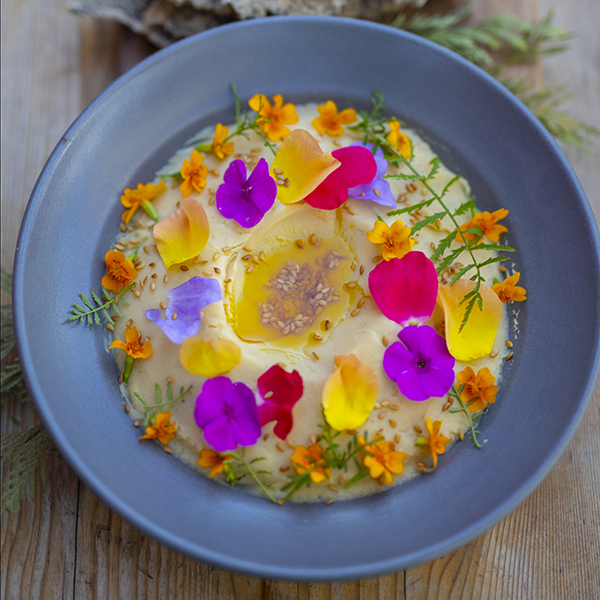
red-lentil hummus with canola-seed flatbread

  • 1
    The restaurant won’t import citrus: Instead, sumac harvested from the nearby Olkanagan Valley and preserved in-house gives the hummus a tangy component.
  • 2
    The dish uses local cold-pressed canola oil instead of imported olive oil.
  • 3
    It also includes vinegar made from beer keg runoff.
1
2
3
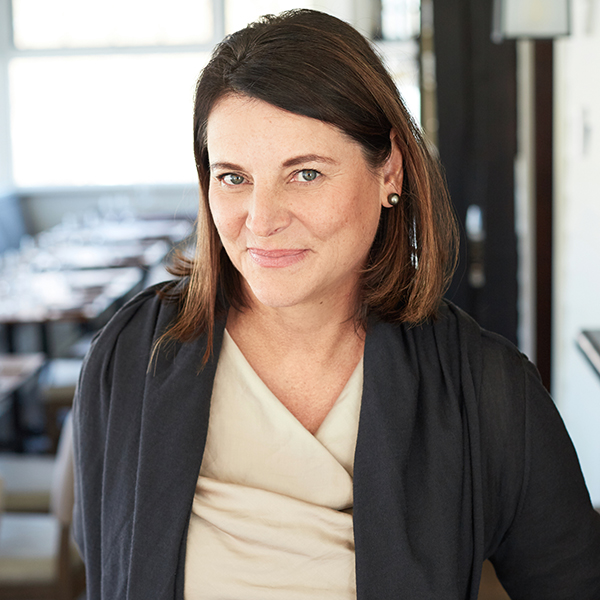
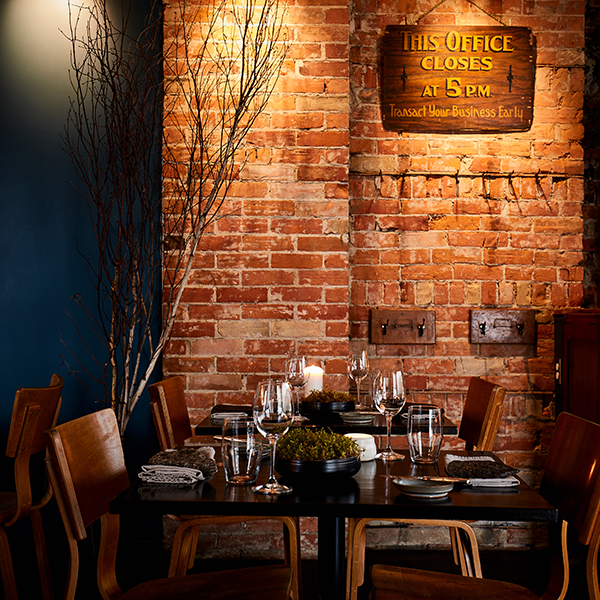
At her restaurant, River Café in Calgary, Howell has been championing clean practices for over two decades—long before they got popular. Among them are composting, limiting water use, and now using wind-generated energy and natural gas produced at landfills. She and chef Ross Bowles go to great lengths to use local products, like salt from Vancouver Island and rice from British Columbia. The pair recently banned plastic wrap from their kitchen.
Owner
Sal Howell
Restaurant
Dish
FROM LEFT: PHIL CROZIER. MARNIE BURKHAR. COURTESY RIVER CAFE

Kristofer Lofgren’s
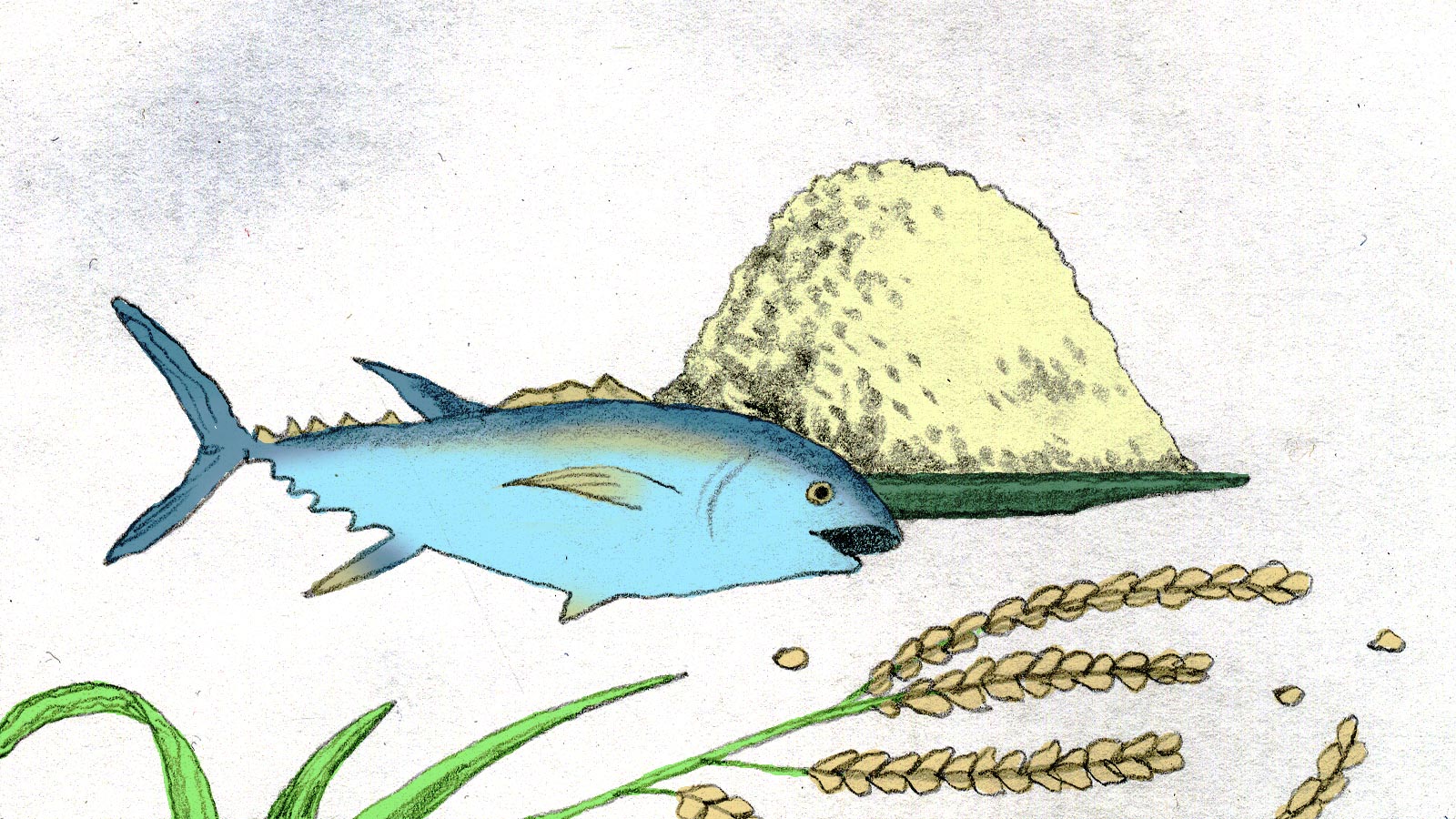
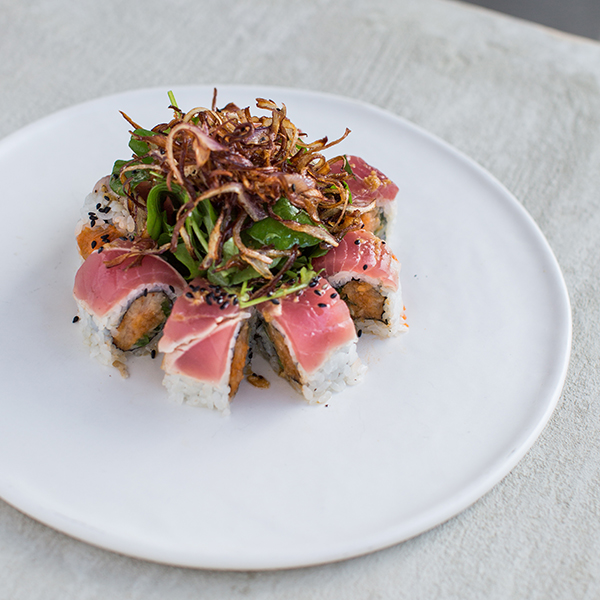
full-circle sushi roll, made with spicy albacore

  • 1
    The albacore, from a fishery close to the Oregon Coast, is processed locally then transported a relatively short distance by truck.
  • 2
    The albacore is listed as a “Best Choice” on the vaunted Seafood Watch List compiled by the Monterey Bay Aquarium.
  • 3
    The non-GMO rice comes from Montna Farms in California. Its land is flooded after harvest to provide a habitat for migrating birds on their way to Mexico.
1
2
3
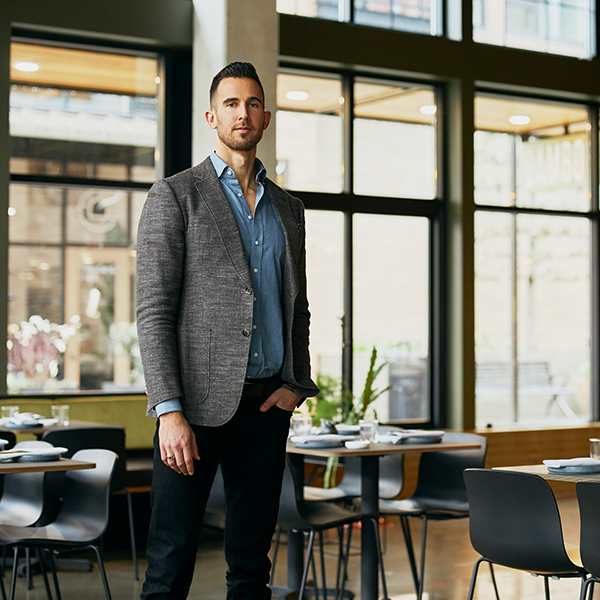
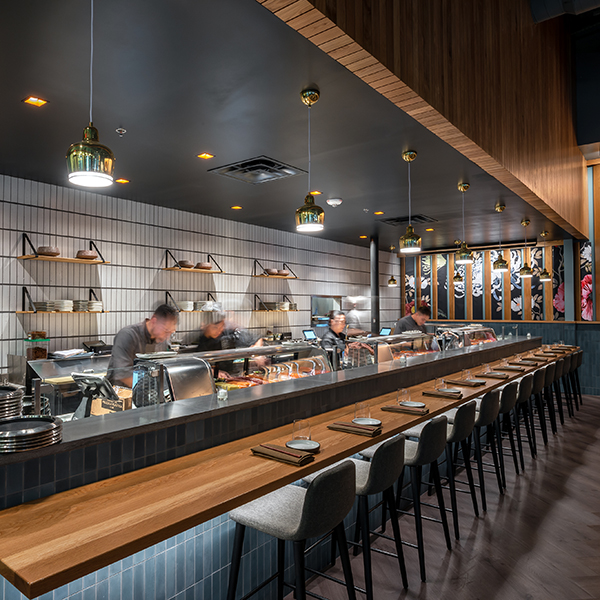
America’s first sustainable sushi chain certified by the Marine Stewardship Council, Bamboo Sushi, is the brainchild of founder Lofgren. The CEO of Sustainable Restaurant Group, he started the restaurants in 2008. Unlike most sushi restaurants, the brand prioritizes domestic seafood and highlights the carbon footprint of several selections on its website, which has a comprehensive calculator so you can see how far the ora king salmon traveled to get to your plate. Bamboo Sushi, which partners with the Monterey Bay Aquarium, helped create a marine reserve in the Bahamas where commercial fishing is banned.
Owner
Kristofer Lofgren
Restaurant
Dish
COURTESY BAMBOO SUSHI (3)

Douglas McMaster’s
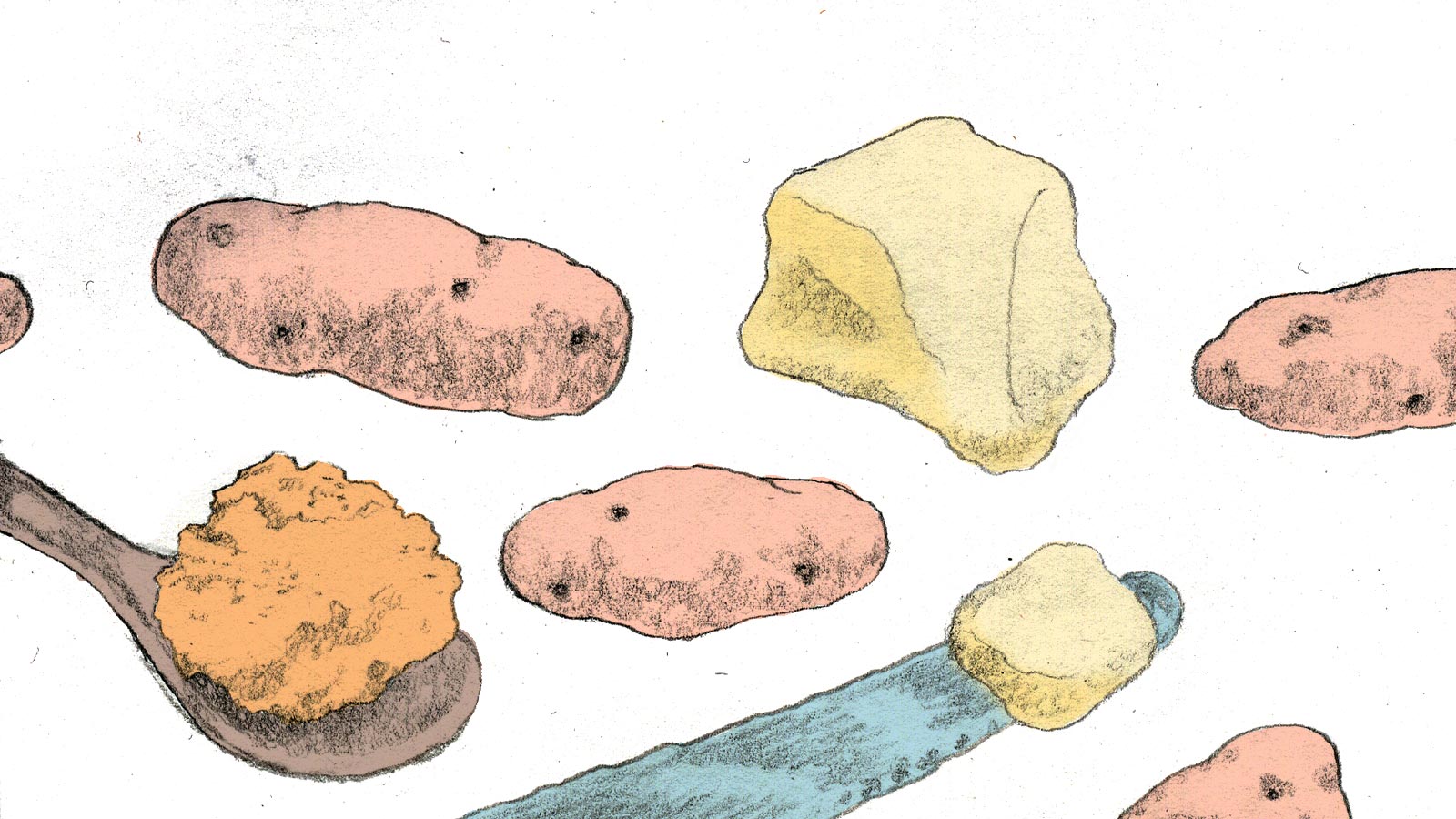
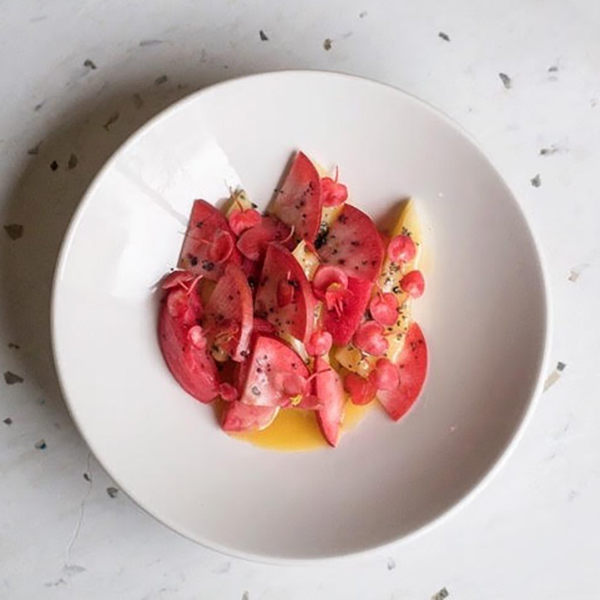
pink fir potatoes, caramelized whey, and red-flesh apple

  • 1
    The two core ingredients, potatoes and apples, are grown nearby and have a small carbon footprint.  
  • 2
    The whey is a byproduct of cheese production that would otherwise be discarded.
  • 3
    The miso is made from scraps from their housemade sourdough bread.
1
2
3
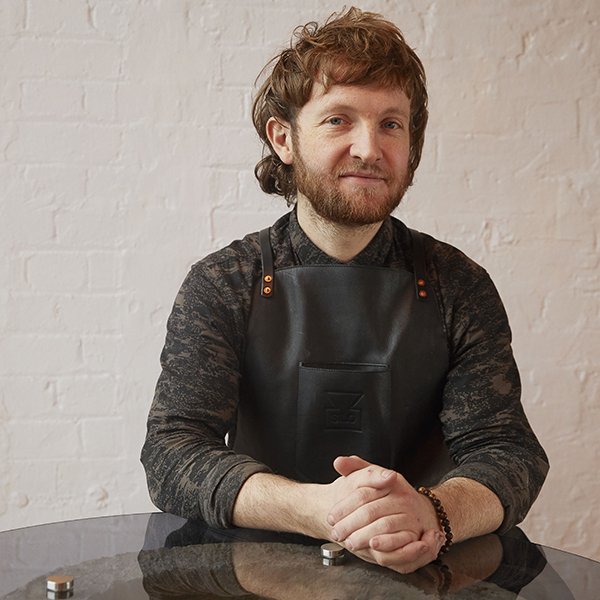
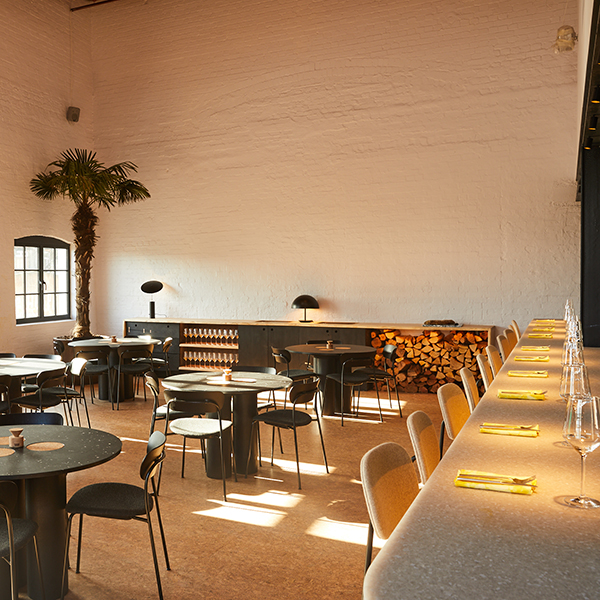
This British chef is taking sustainability to the extreme at the recently opened Silo. “Our ethos is not that we use waste products, but rather that we don’t create any,” he says. There are no garbage bins: Leftovers are turned into compost, and wine bottles are ground into powder to be transformed into porcelain. The work benches are crafted from filing cabinets. McMaster relies on a network of organic suppliers to provide the ingredients for his modern British menu.
Chef and owner
Douglas McMaster
Restaurant
Dish
FROM LEFT: CLAIRE LEWINGTON. COURTESY SILO LONDON. CLAIRE LEWINGTON

Josh Niland’s
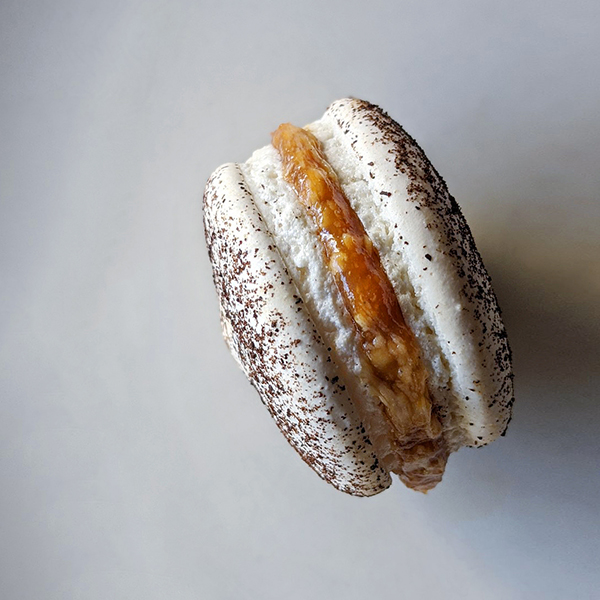
macaron with fish-fat caramel butter cream

  • 1
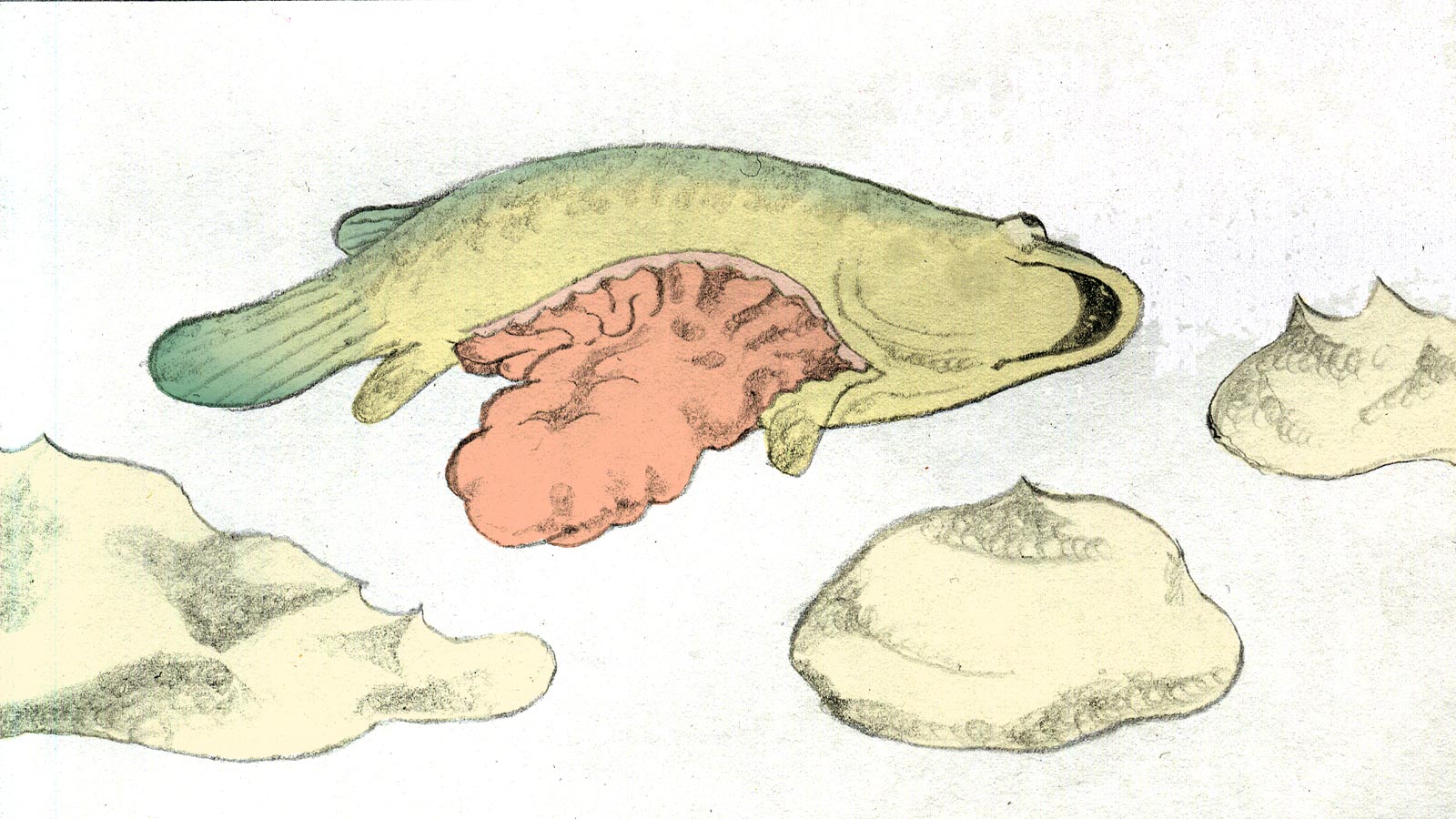
    Niland makes the filling from the stomach fat of Murray cod, or whatever is seasonal.
  • 2
    The butter cream is made using whey, a byproduct of the yogurt butter served at the restaurant.
1
2
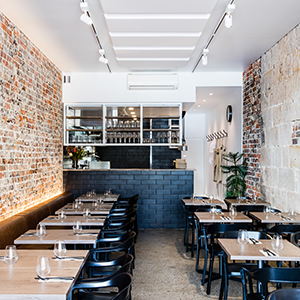
Niland champions sustainable fish—but not just through conventional means such as supporting ethical fishing and protecting endangered species. He also promotes a policy of zero waste, unusual in the world of seafood. The dishes at St. Peter in Sydney include fish’s rarely utilized eyeballs, bladders, scales and blood.
Chef and owner
Josh Niland
Restaurant
Dish
FROM LEFT: JASON LOUCAS. ROB PALMER. NIKKI TO