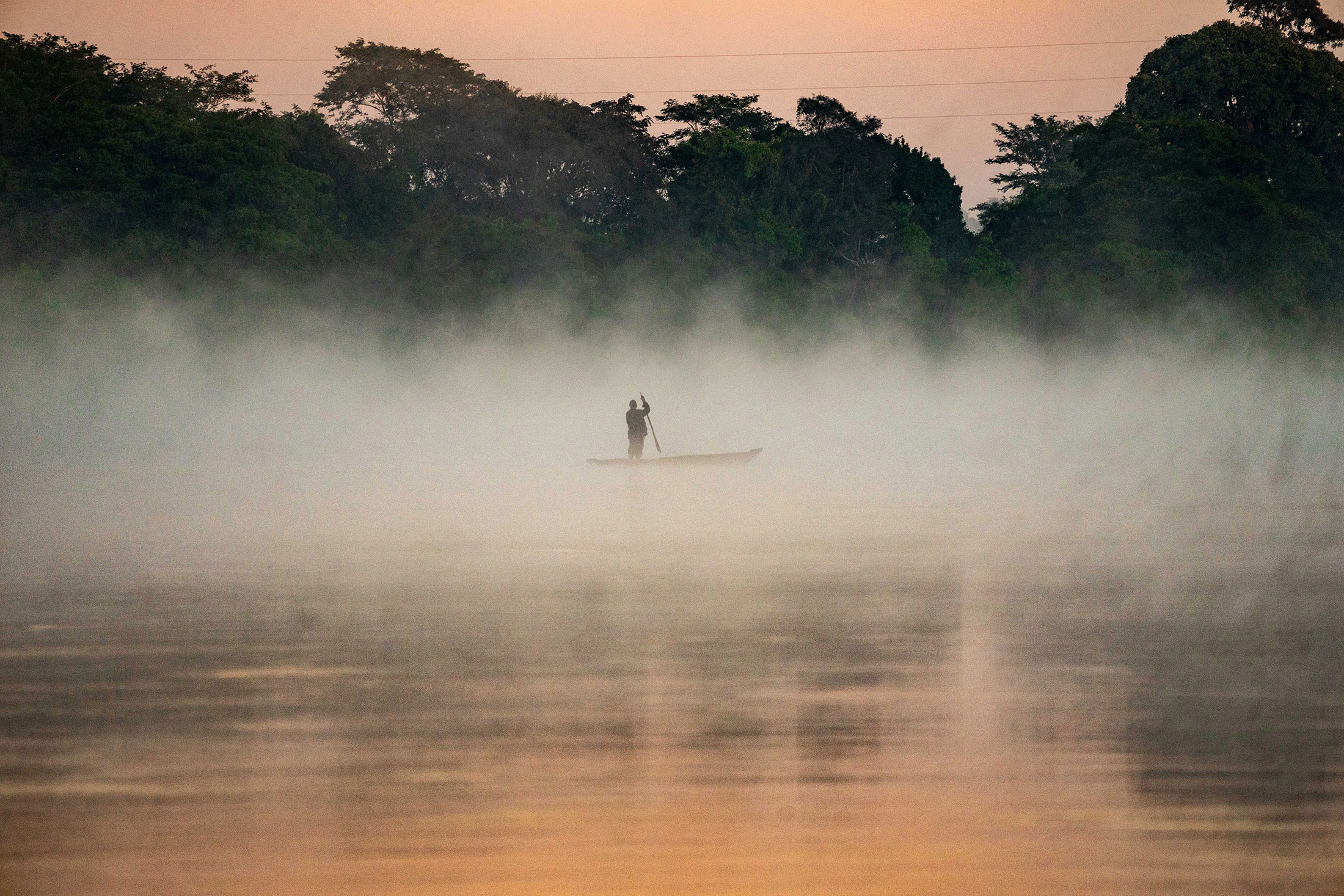
Life on the Zambezi Is Hard. The Climate Crisis Is Making It Deadly
A journey down the African river shows the devastating impact of both floods and drought.
For millions of people across southern Africa, the Zambezi River serves as highway, fishing ground, water fountain, laundromat, and swimming hole. From its source—a trickling spring in the highlands of northwestern Zambia—the river winds almost 1,700 miles through the forests of eastern Angola and along the borders with Namibia, Botswana, and Zimbabwe before fanning out into a delta with dozens of channels in Mozambique.
As global warming intensifies, the Zambezi basin and other impoverished coastal or riverine communities worldwide are increasingly at risk. “For Africa, climate change is not a remote prospect, it is a crisis now,” United Nations Secretary-General António Guterres said in August.
Natural Disasters in Southern Africa
Data: Centre for Research on the Epidemiology of Disasters
A two-week journey down the Zambezi shows the hardships faced by those whose livelihoods depend on the river. Water on the upper reaches is near its lowest level in a half-century because of drought, resulting in crop failures, a collapse in fish stocks, and a sharp drop in power from dams that provide Zambia with 80% of its electricity. In Mozambique, flooding from a pair of vicious cyclones has killed hundreds and caused billions of dollars in damage.
With too much water in many places and too little in others, this year’s harvest of corn—the region’s staple food—has been almost entirely wiped out across large areas. The World Food Program says a record number of people in the region—45 million—face severe food insecurity because of climate change. Angola will need more than 1.2 million metric tons of grain to make up for its failed harvest. In Mozambique, the International Monetary Fund has cut its 2019 growth forecast below 2%, the lowest in almost two decades. Zimbabwe is facing the worst food shortages in its history.
Down the Zambezi
Data: Natural Earth
In western Zambia, the Lozi people canceled an annual ceremony called the Kuomboka, where the king travels by royal barge to higher ground when the Zambezi’s lowlands flood; the chief in charge of the ceremony says he’s never seen a drought this bad in his 73 years, with marshy areas that should be underwater at the end of the rainy season dry enough to drive through.
Zambia’s president, Edgar Lungu, mentioned climate change 44 times in his annual address to parliament in September. His government has even considered a canal linking the Zambezi with the Congo River—a near-impossibility because it would require pumping water uphill. “The inability to have adequate water, generate enough power, and grow enough food to feed our people have all been greatly caused by climate change,” Lungu told the assembled parliamentarians. “This is a very serious matter that should not be taken lightly.” —With Taonga Clifford Mitimingi and Borges Nhamire
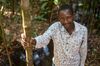

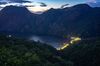
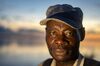
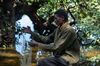

The mighty river starts with a whimper. Where it emerges from its underground spring in Zambia, the flow is at the lowest level Willie Chiwaya has seen in his nine years as a guide at the Zambezi’s source.
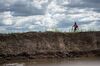
The banks of the Zambezi on the river’s lower reaches in Mozambique, which is seeking $3.2 billion to rebuild after a pair of devastating cyclones. The UN says Africa will suffer more than any other continent from the effects of climate change.
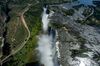
What the world knows as Victoria Falls is called Mosi oa Tunya—“The Smoke That Thunders”—by locals. The planet’s biggest sheet of falling water is 1.2 miles wide and drops 328 feet into a chasm. At the peak of its flow around April, it churns up a mist that can be seen 30 miles away. But this year, with the water at its lowest level in more than two decades, there’s little smoke and no thunder.
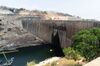
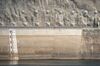
The Zambezi is home to two of the region’s biggest hydropower dams, which provide stark examples of the varied effects of shifts in the climate. Kariba, on the border of Zimbabwe and Zambia, is nearing its lowest level in decades, while the river’s lower reaches are flooding.
To avoid draining the lake behind the Kariba dam to dangerously low levels, officials have been cutting the outflow—and thus power production, causing blackouts across Zambia and Zimbabwe.
Nyami-Nyami, the Zambezi Snake spirit, is said to live in the Kariba reservoir. Locals blamed him for floods in the 1950s that killed workers and slowed the dam’s construction. These days, they say the drought proves Nyami-Nyami is angry, and traditional leaders have planned rituals to placate him.
Just 120 miles downstream from Kariba, at Cahora Bassa in Mozambique, the reservoir was so full the floodgates had to be opened.
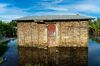
When Cyclone Idai struck Mozambique, it flooded an area the size of Luxembourg. This house, 28 miles from the coast and more than 100 miles from where the cyclone’s eye made landfall, was quickly inundated, forcing the occupants to flee to safety.
In Caia, Mozambique, where Abraham Kasenga fishes for a living, the river rose to its highest level since 2001, making it too dangerous for him to use his dugout for two months. “Without the Zambezi, I’m poor,” says Kasenga, 37. “I have no work. I have nothing.”
Fish accounts for about half of Zambia’s animal protein consumption, but breeding grounds were dry this year. On the banks of the river in southwestern Zambia, Vincent Mubita plucks small fish called mudsuckers from his net, clipping their spiky fins with pliers. In normal times, he would feed the fish to his dogs while his family would eat the bream and tigerfish he brings in. But this year, mudsuckers are all he can catch.
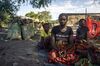
Climate change becomes a vicious circle. Namasiku Imasiku cuts down trees, covers the wood in sand, and burns it to make charcoal that she bags and sells in town, three hours away. More people are doing the same as rural incomes slide, causing prices to plunge and accelerating deforestation, a major contributor to global warming. With the water so low, dams are generating far less electricity, so there are plenty of buyers for the charcoal, which they need for cooking.
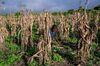
In Mozambique, heavy rains along the Zambezi flooded cornfields late in the growing season, rotting the roots and decimating the harvest. And this was before two Category 4 cyclones hit Mozambique in consecutive months—the first time in recorded history that has happened. Floods killed more than 700 people in the country and ruined 300,000 acres of crops.
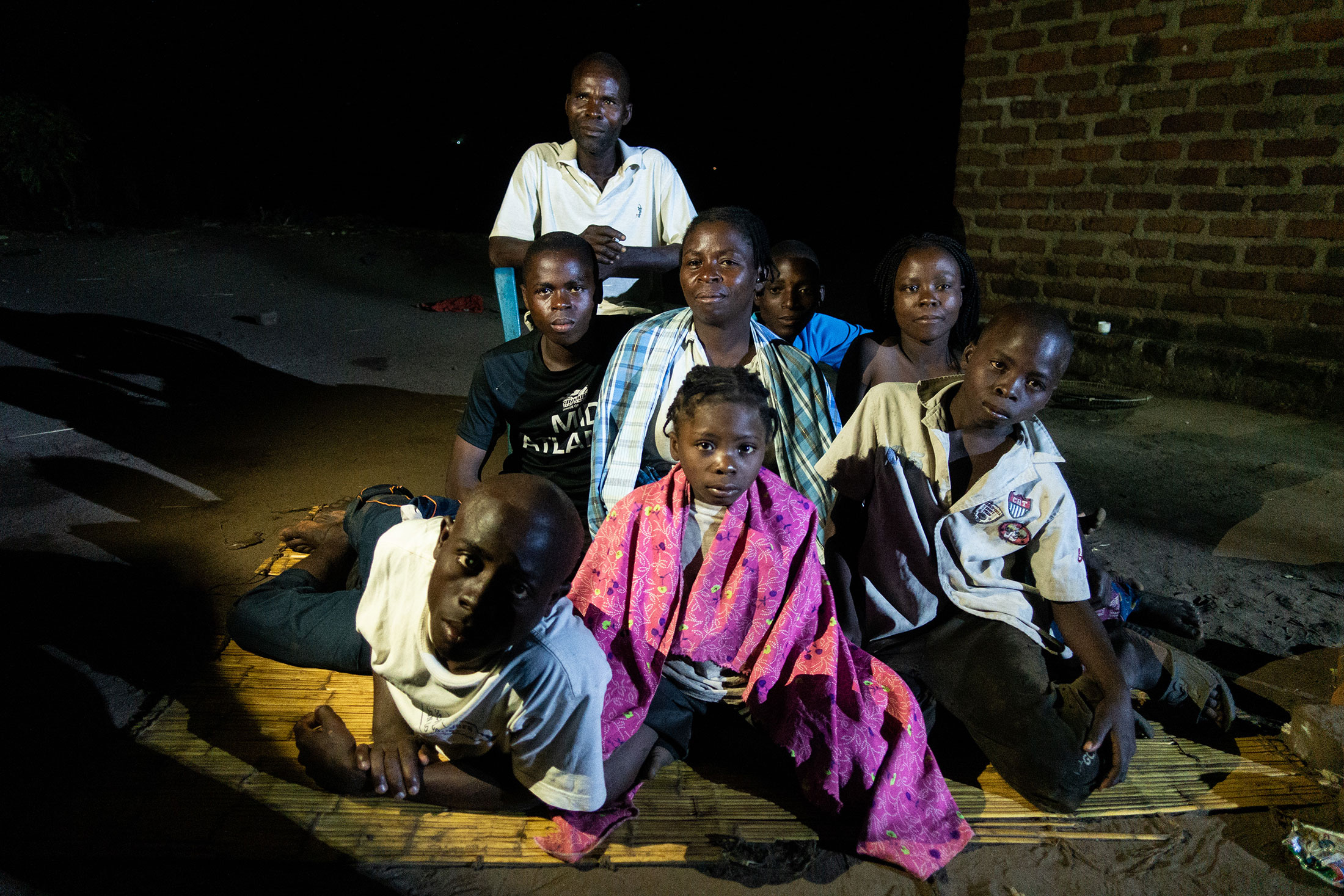
The UN says Mozambique will need more than $600 million for food and other aid for citizens hit by flooding after the two cyclones. Zinanga Zongololo, a mother of seven, lost her entire corn crop this year. “We have no support from the government,” she says. “If they could at least just give us seeds.”
Rice and vegetables typically thrive on the fertile Barotse floodplain, and cattle graze on its grasses. Farmer Lubinda Kawana says the water should be neck-deep, but this year it barely covers his ankles—forcing ranchers to sell their herds before the worst of the dry season.
Kalaluka Kalima, a 32-year-old environmental engineer, works for a charity in Mwandi, a town of 4,000 in southwestern Zambia. While richer countries produce the greenhouse gases that cause global warming, Zambia and its neighbors pay the price: a total failure of this year’s corn crop. “The farmers harvested nothing,” he says.
The Armando Emilio Guebuza Bridge, traversed by a highway that connects the north and the south of Mozambique, wasn’t damaged by this year’s devastating cyclones. But many others were, and the government is seeking $3.2 billion to rebuild. The UN says adapting to climate change could cost Africa $50 billion annually by 2050.
Sound is off