

The Shrink Next Door
Part 2: Sibling Rivalry
It’s 1981, and Marty finds relief in the advice of a new psychiatrist, which shapes every part of his life.
People often start therapy because they’re in crisis. That was Marty Markowitz in the summer of 1981 when he went to see psychiatrist Ike Herschkopf. Relationship problems, work problems, family problems — they were all piling up. “I was overwhelmed,” he says.
He quickly discovered that Herschkopf was an unconventional therapist. For instance, a few months into their work together, Markowitz recalls telling Herschkopf that his Manhattan company, Associated Fabrics Corporation, was moving offices. Herschkopf said he wanted to visit the new space. He did, and was soon coming regularly, making suggestions about how Markowitz should run the business.
Markowitz’s sister, Phyllis Shapiro, also worked at the company, which Markowitz had inherited after their father died a year earlier. She noticed he was cutting some customer calls short, promising to call right back. “I was aware that he was calling Dr. Herschkopf to get advice on how to speak to that person,” she said.
Shapiro had her own problems. She was recently divorced, with three children. At her brother’s suggestion, she had a session with Herschkopf. She decided she didn’t want to use him as her therapist.
Markowitz soon became intolerant of his sister at work. Claiming she wasn’t working hard enough, he repeatedly cut her salary. She quit. Markowitz stopped speaking to her, refusing to return her phone calls. Shapiro and Markowitz are among the two dozen people interviewed for this podcast, which also draws on some four decades of financial records, letters, legal documents, photos and video.
“Shortly after that,” Shapiro told me, “things very much began to change with my brother.”
Desperate to get her brother’s attention, Phyllis turned to an extreme solution. She grabbed jewelry from a joint deposit box. She cleaned out a joint bank account. She let herself into her brother’s apartment and took a stack of bonds — tens of thousands of dollars’ worth — and left a note in their place: “Marty, I have possession of these. Please call.”
Returning to his apartment, Markowitz panicked. Then he picked up the phone. It was 2 a.m. when he called Herschkopf, who told him not to worry — they would figure it all out.
At their next therapy session, according to Markowitz, the psychiatrist said, “All she wants is your money. You’re gonna break off your relationship with your sister.”
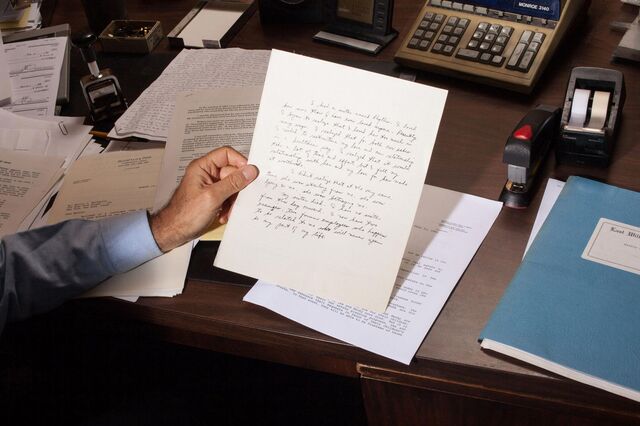
Herschkopf, who declined invitations to be interviewed, denied in a letter that he encouraged his client to end his relationship with his sister. In a letter, he says Markowitz had long questioned whether his sister took his generosity for granted, adding that he had nothing to do with a “painful and deeply personal letter” Marty sent his sister ending the relationship.
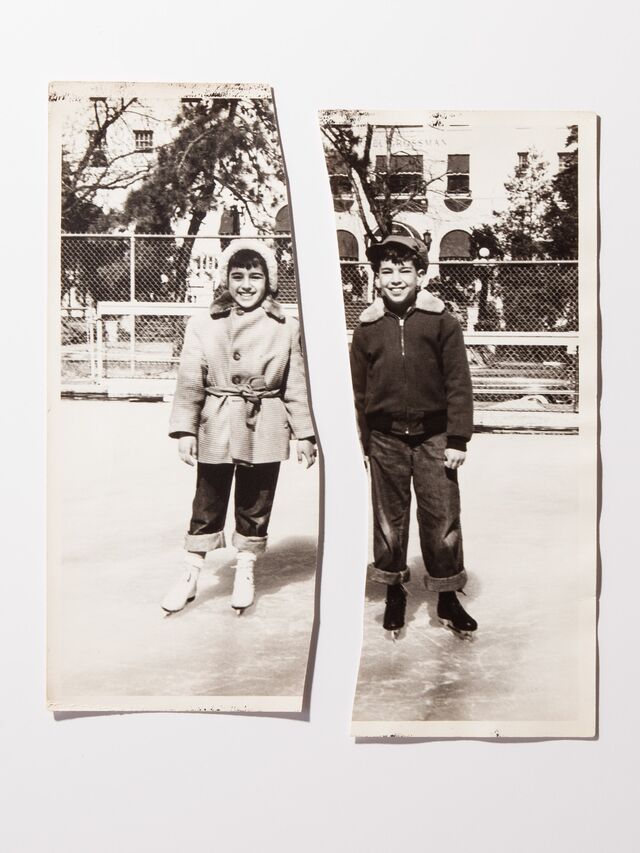
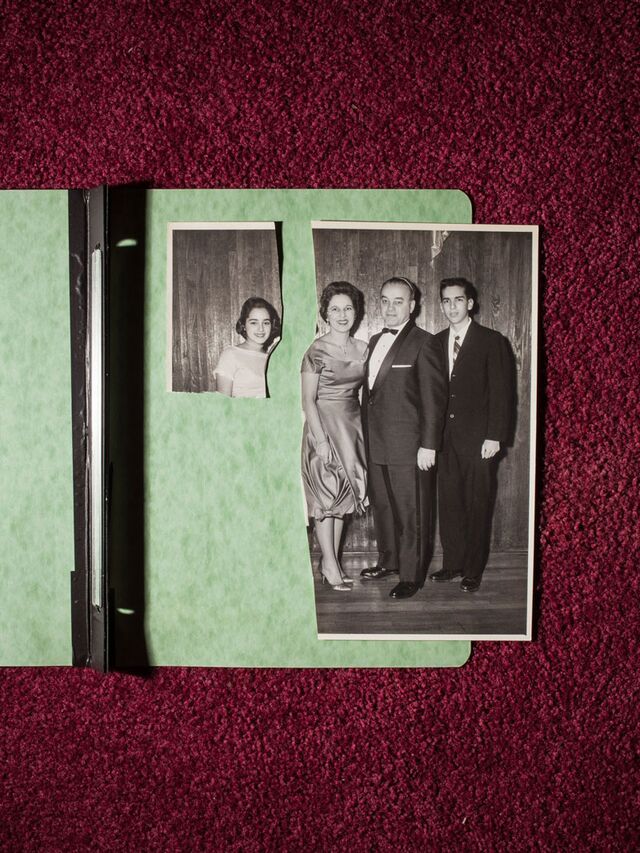
According to Markowitz, the doctor told him to bring photographs of the two siblings to his therapy appointments. When he did, Herschkopf handed him a pair of scissors — and told him to cut his sister out of the pictures. Then, Markowitz mailed them to her.
“I felt I had no choice,” Markowitz says. “The one person I could turn to for advice was Ike, and his advice was to break off the relationship.”
Regardless, the break was complete. It would change the family for good. Markowitz turned his back on others, as well. His world was shrinking. Until he had only one friend left: Ike Herschkopf.