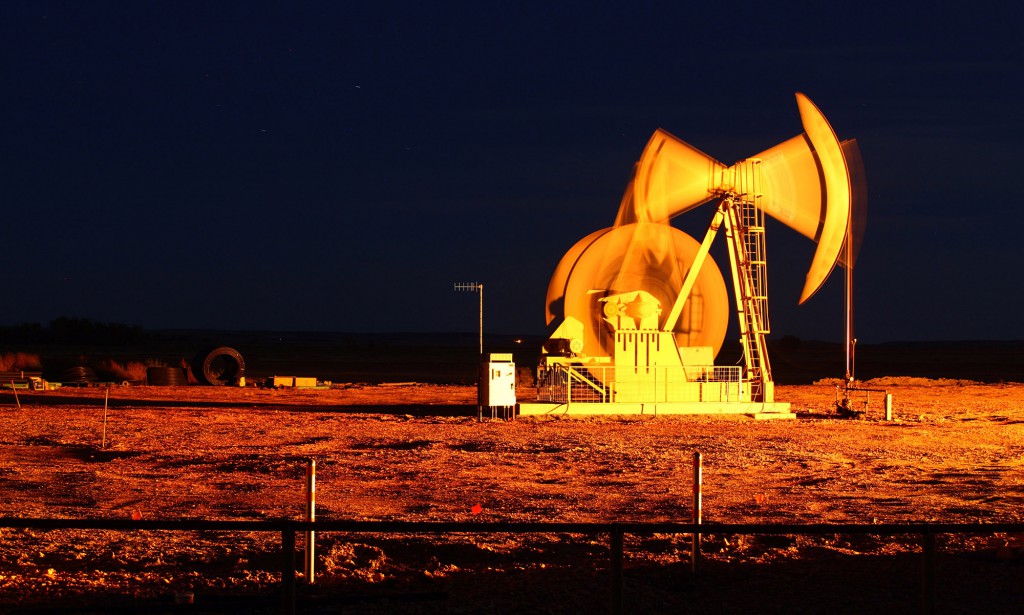
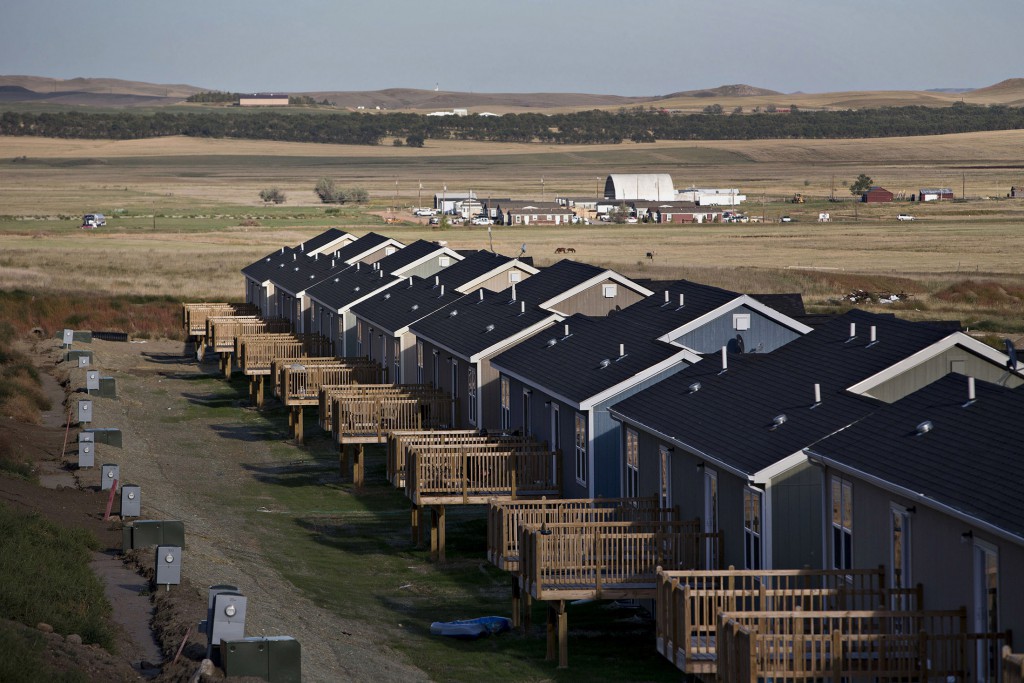
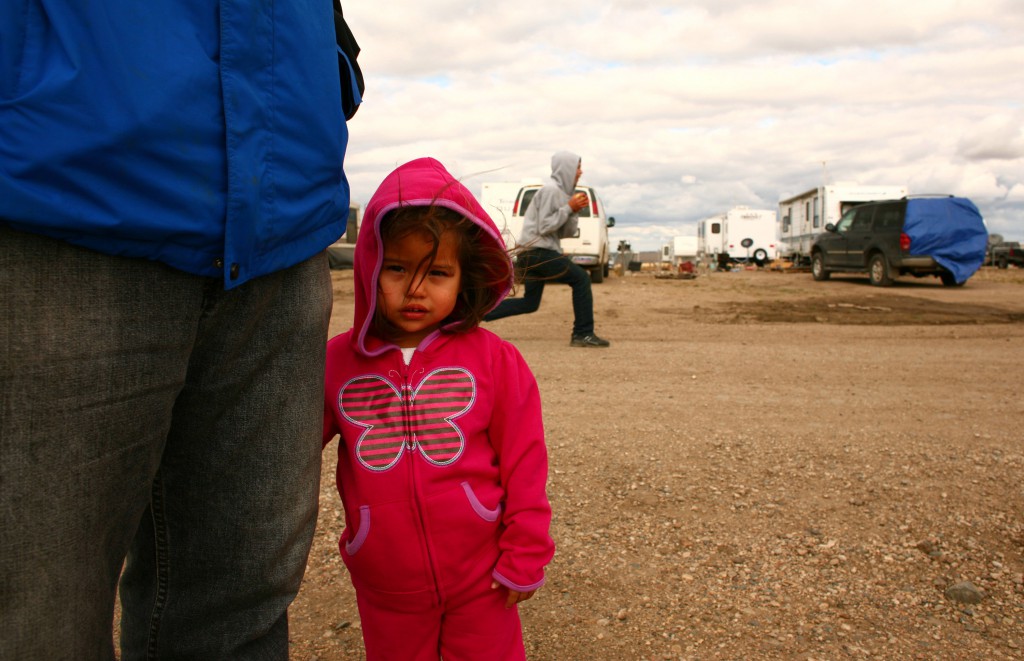
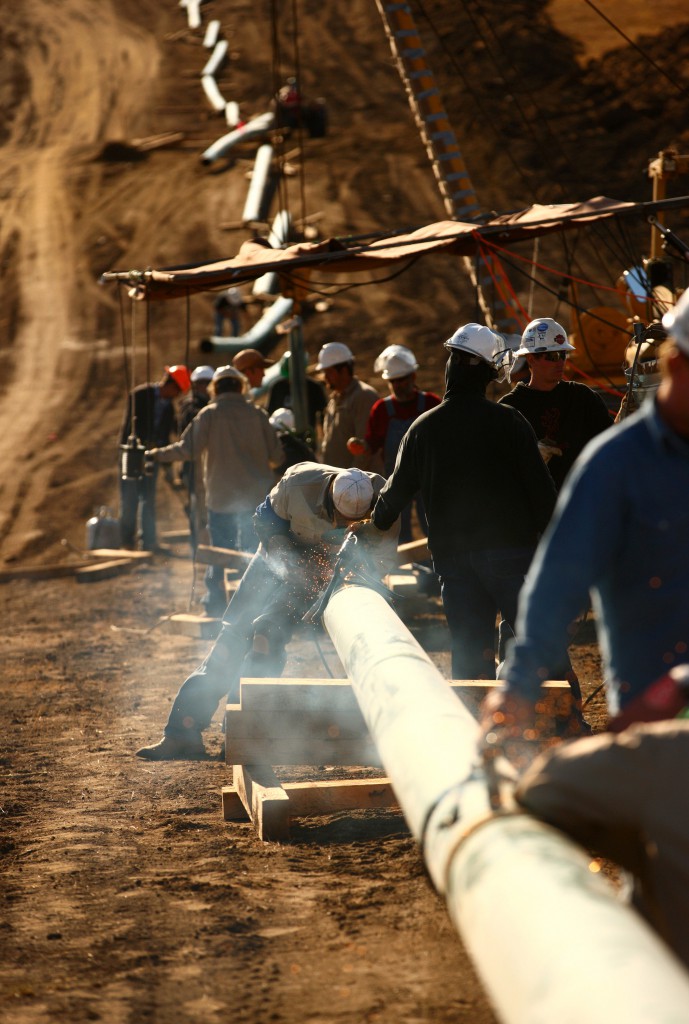
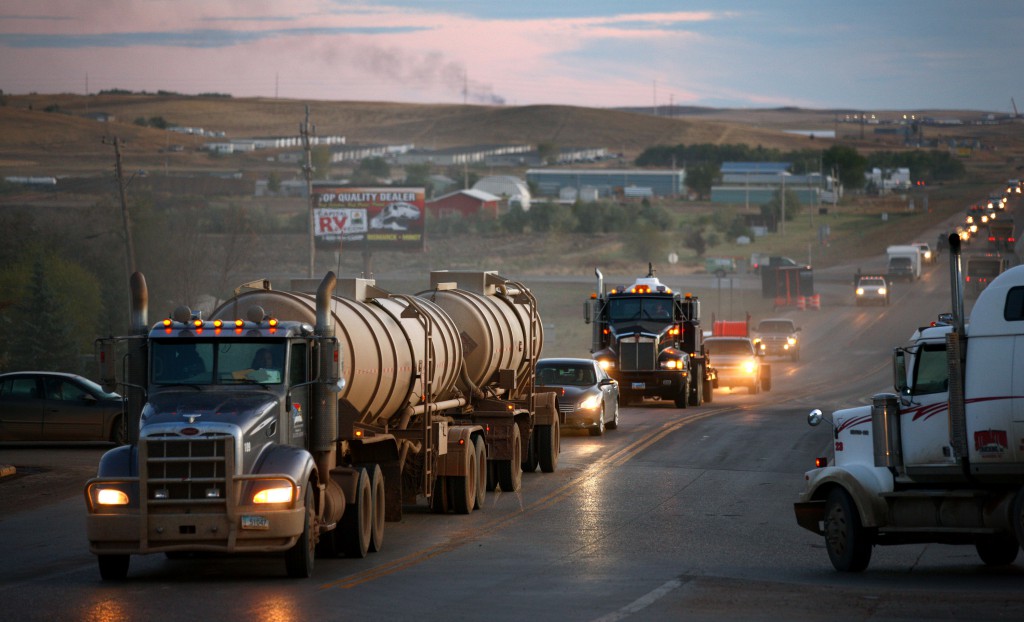
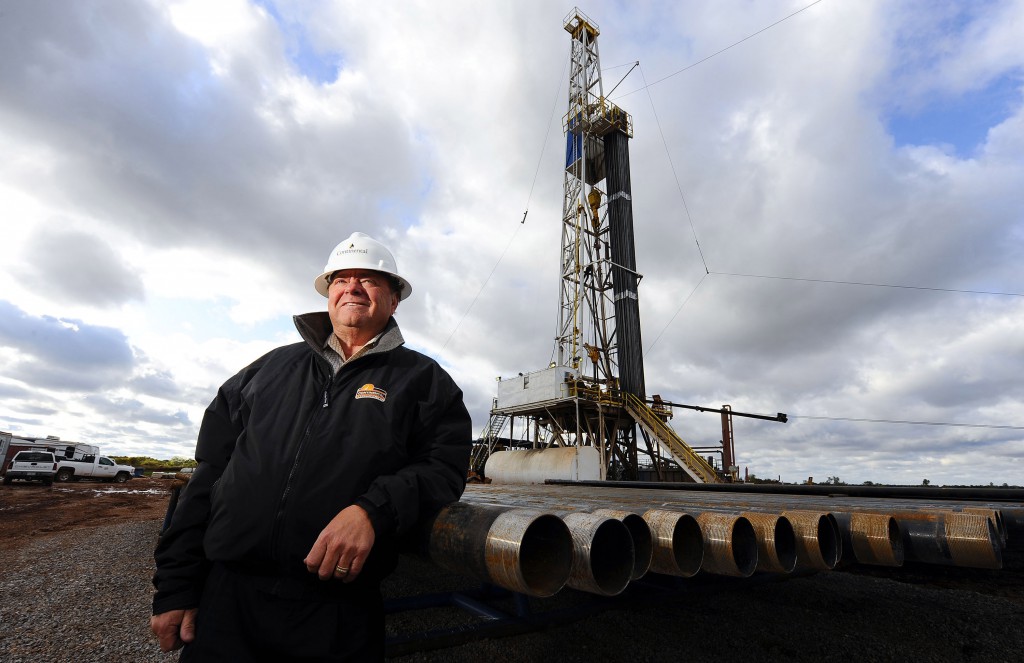
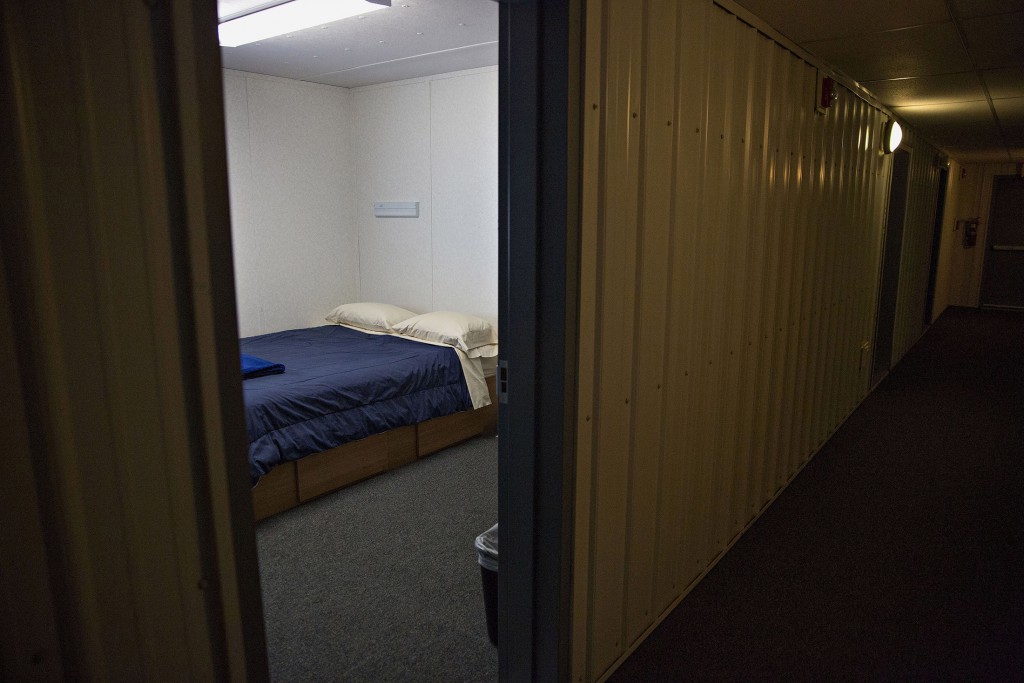
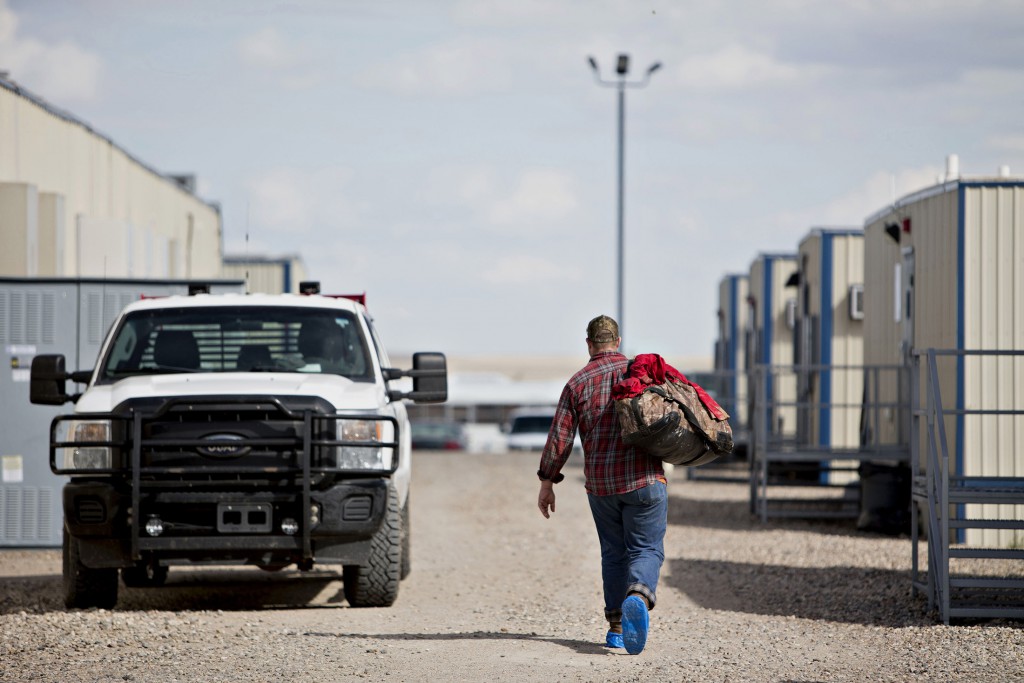
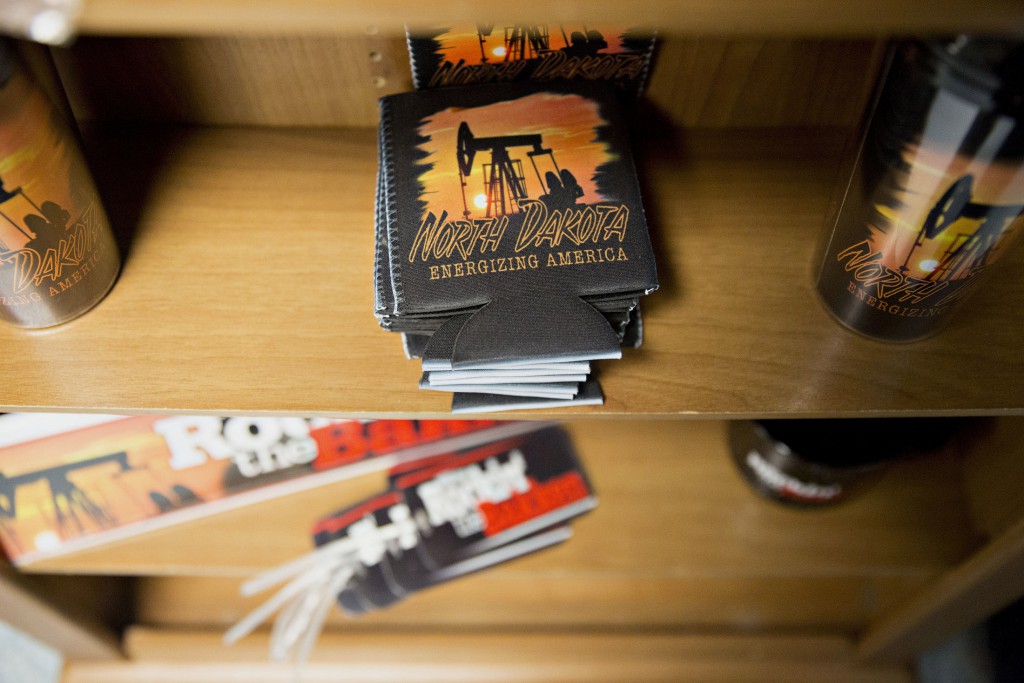
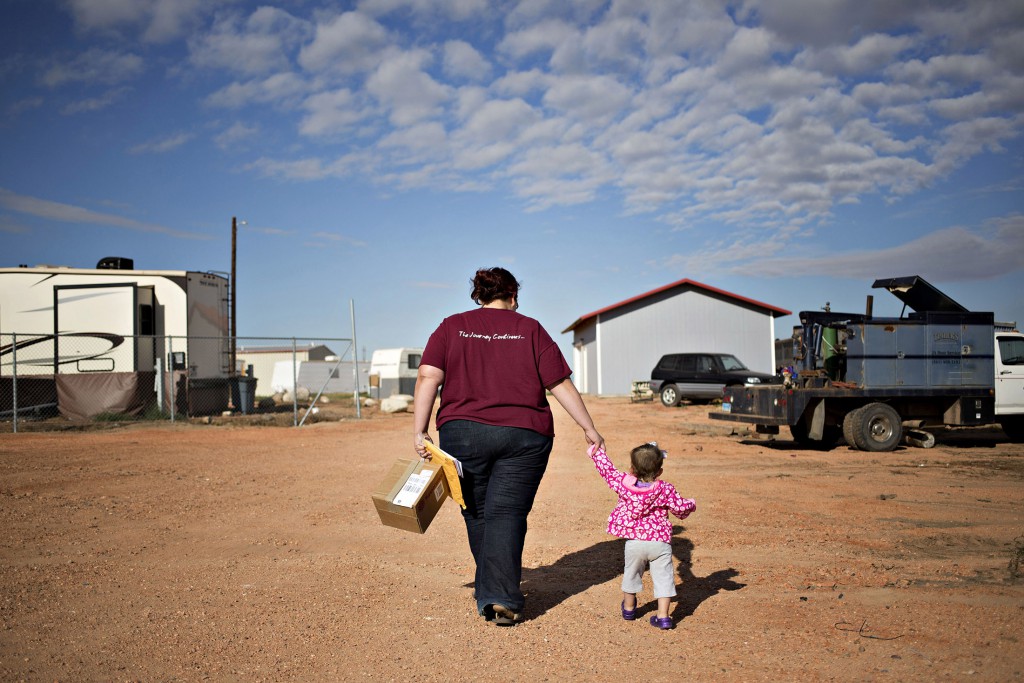
The discovery last decade that fossil fuels could be tapped from deep beneath the windswept prairies of North Dakota acted like a magnet on American working people. By the thousands they came, from as far as Texas and California, fortune-seekers in a modern-day Gold Rush. Together with visionary companies like Continental Resources and industry behemoths ExxonMobil and Norway’s Statoil, they exploited a new technology called fracking — blasting the underground Bakken rock formation with sand and water and slurping up the crude that was hiding there for millennia — to increase oil output in the region 12-fold from 2006 to 2014. The bonanza helped drive the U.S. closer to energy self-sufficiency than it’s been since the 1980s.
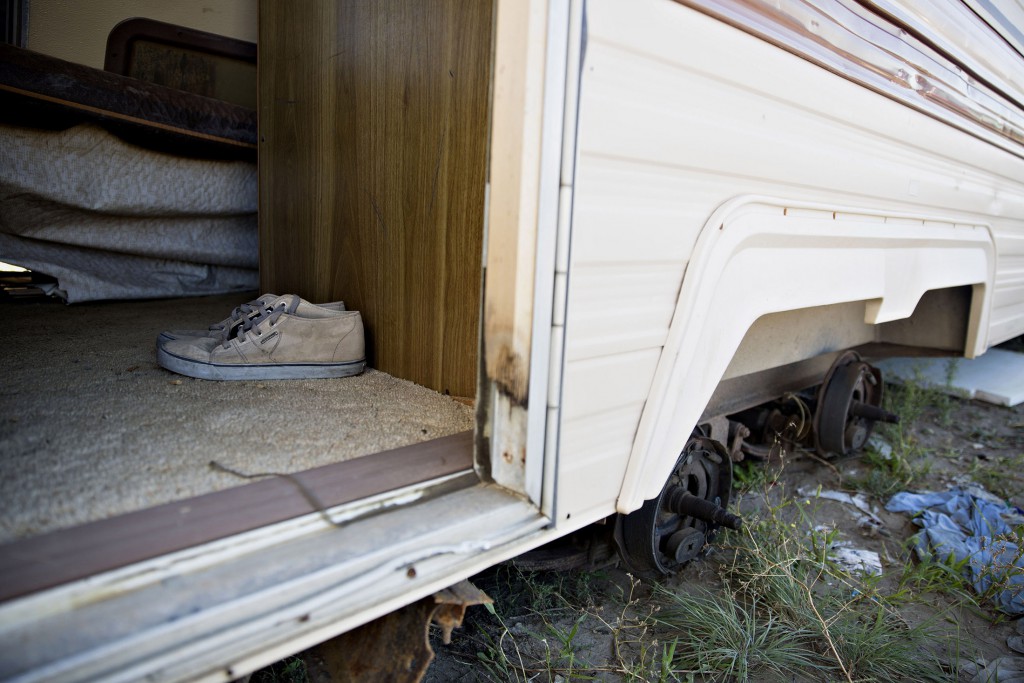
The frenzied production exacted a price — oversupply was one reason the U.S. crude price took a nosedive, losing more than half its value from a June 2014 peak. The number of rigs pumping crude from the Bakken plummeted to about 70 from a high of 200, and the tide of workers began to ebb.
The Bakken has witnessed boom and bust before. The first strike came in 1953, when thousands of workers poured in. But the good times ended with a global glut in 1984. Workers fled, leaving towns buried in debt. Now the weather-beaten communities of North Dakota face the dismal prospect of another bust.